Top 10 Natural Monuments around Monte San Biagio
Best natural monuments around Monte San Biagio include significant natural features in southern Lazio, Italy. The region is characterized by its diverse landscapes, from ancient forests to prominent peaks and karst formations. These natural monuments offer opportunities to experience rare Mediterranean ecosystems and panoramic views. The area provides a range of outdoor activities for nature enthusiasts.
Best natural monuments around Monte San Biagio
- The most popular natural monuments is Pisco Montano, a natural monument and viewpoint that serves as…
Last updated: June 28, 2026
Sette Acque Spring
Highlight • Natural Monument
Translated by Google •
Tip by

Pisco Montano
Highlight • Natural Monument

Sign up now to discover places like this
Get recommendations on the best single tracks, peaks, & plenty of other exciting outdoor places.
Sign up for free
San Vito Cork Oak Forest
Highlight • Forest
Translated by Google •
Tip by

Campo Soriano Karst Rock Formation
Highlight • Natural Monument
Translated by Google •
Tip by

The reclamation of the Pontine Marshes
Highlight (Segment) • Historical Site
Translated by Google •
Tip by
Sign up for free to discover even more natural monuments around Monte San Biagio.
Sign up for free
Already have an account?
Start today with a free account
Your next adventure awaits.
Login or Signup

Tips from the Community

Impressive stone formation that opens up to the city of Terracina (coming from the south)
0
0

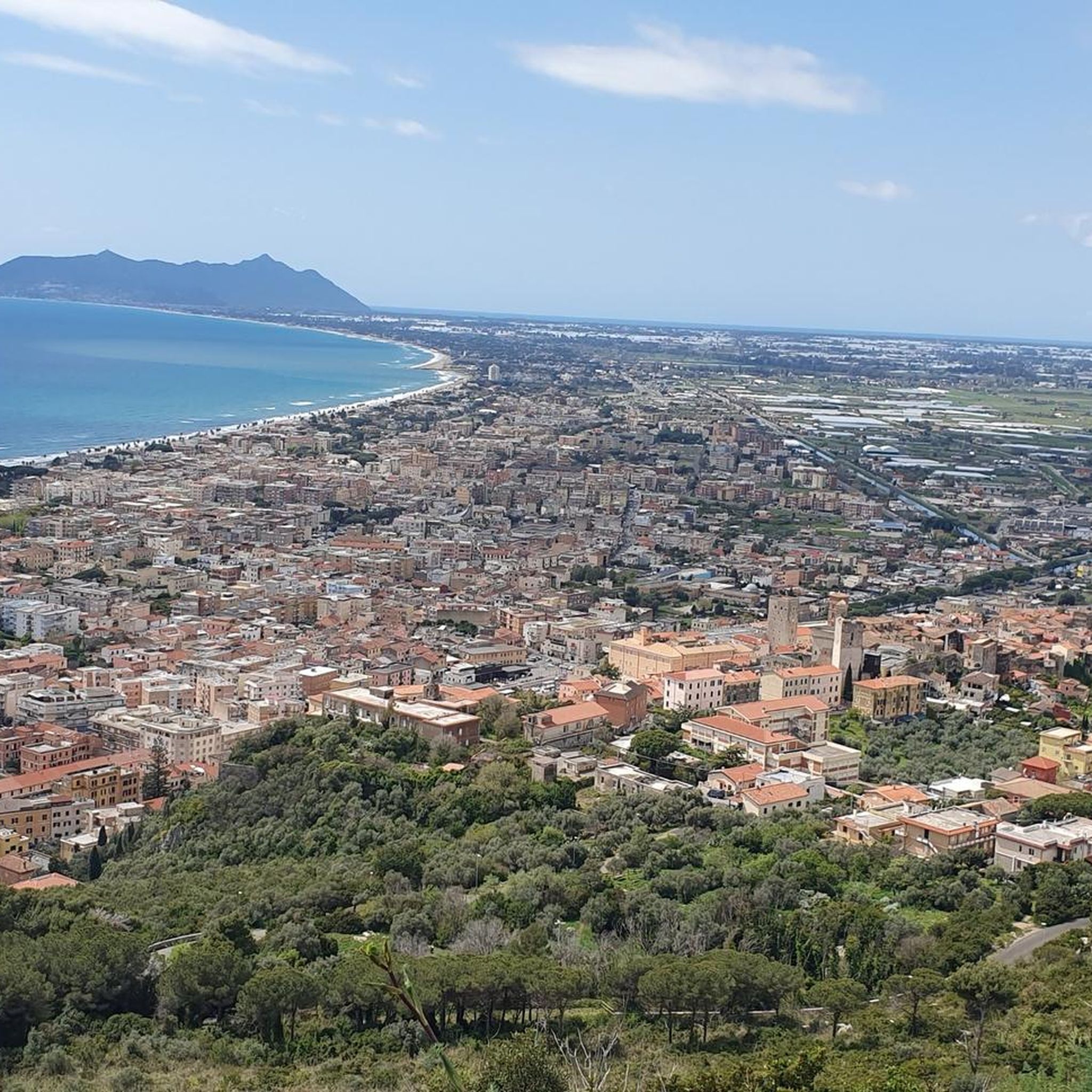
For those who live in the area, they are perhaps just rocks. A closer look instead notes the history of our territory. It is definitely worth at least one visit. The place is welcoming with benches, tables and educational panels. Going down towards Terracina, a magnificent panorama opens up.
0
0

The cutting of the mountain is due to the construction work of the Appia Traianea, the variant of the original stretch of the Appia, which allowed people to avoid passing through the historic center of Terracina, shortening the route by a few kilometers and avoiding a lot of climbing.
0
0

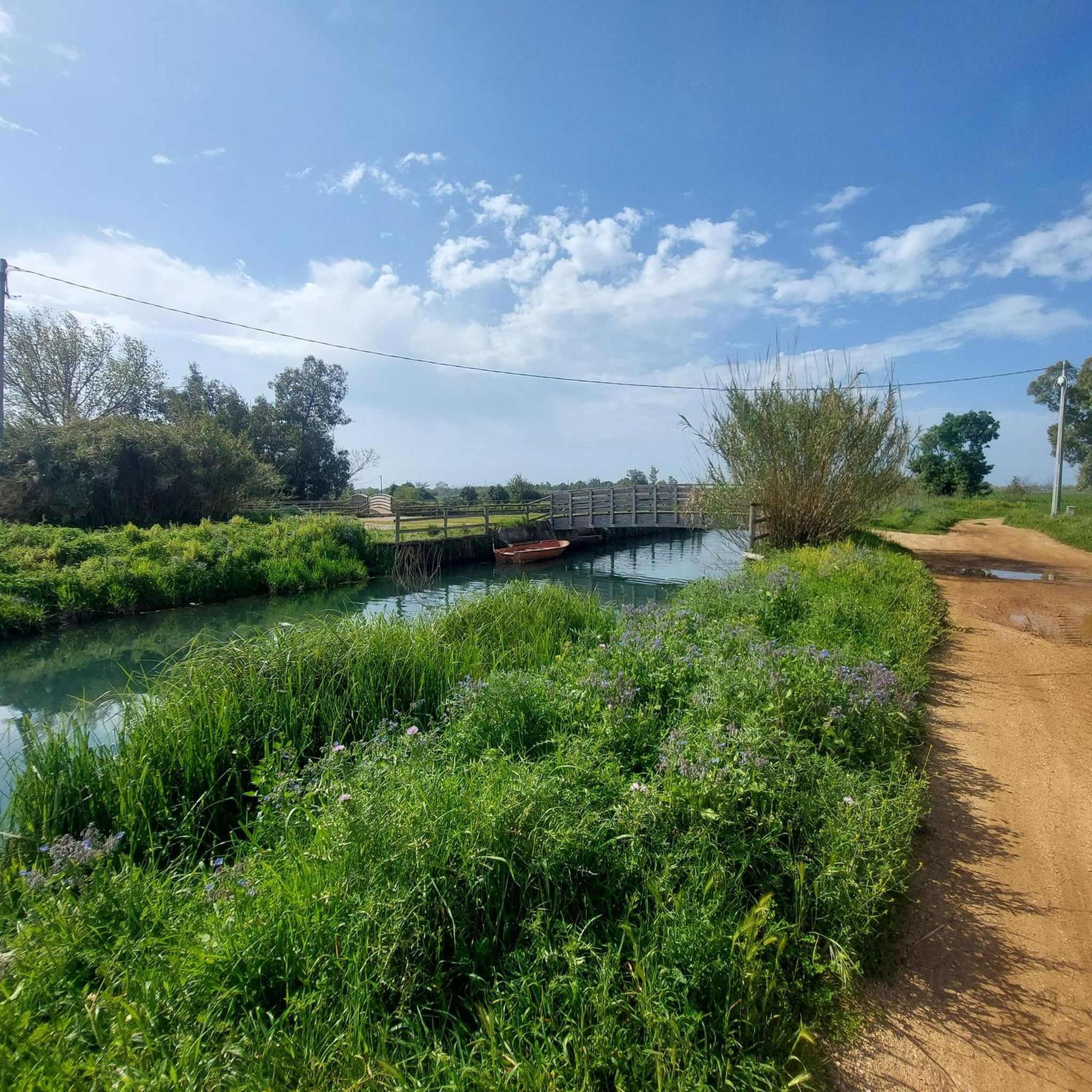
Important canal port on the Portatore river
0
0
The temple of Jupiter on the top of Mount Sant'Angelo overlooks the city and the long stretch of coast that is lost in the horizon with the islands of Zannone and Ponza.
0
0

"In addition to its extraordinary beauty, this landscape represents one of the most important karst plateaus in Italy and is included in the Regional Natural Park of Monti Ausoni and Lago di Fondi."
1
0

after the drittoni of the Appia you will finally have arrived
1
1
Fresh water with a particular flavor.
1
0
Frequently Asked Questions
What unique natural features can I explore around Monte San Biagio?
The region offers diverse natural features. You can visit the Campo Soriano Karst Rock Formation, an important karst plateau with extraordinary landscapes and magnificent panoramas. Another significant site is the San Vito Cork Oak Forest, one of continental Italy's last cork oak forests with centuries-old trees. Don't miss the Sette Acque Spring, known for its fresh water with a particular flavor.
Are there any natural viewpoints offering panoramic views?
Yes, Pisco Montano is a notable natural monument and viewpoint. From the broader Monte delle Fate, you can also enjoy extensive panoramic views stretching across the Pontine Plain, the sea, and the Circeo promontory, as well as the Lepini and Aurunci mountains.
What kind of wildlife can be observed in the natural monuments area?
The San Vito Cork Oak Forest is home to a rich community of animals due to its varied plant species and alternating shady and sunny glades. The Natural Reserve of Fondi and Monte San Biagio, which includes Lake Fondi, is an excellent spot for birdwatching, with numerous piers allowing discreet observation of local birdlife.
Are there family-friendly natural monuments or trails suitable for children?
Yes, the San Vito Cork Oak Forest is considered family-friendly, with numerous paths of variable length that are easily passable by school groups and visitors of all ages. The Campo Soriano Karst Rock Formation also offers an accessible experience with benches, tables, and educational panels.
What outdoor activities can I do near these natural monuments?
The area around Monte San Biagio is excellent for various outdoor activities. You can find numerous routes for road cycling, touring cycling, and gravel biking. For example, there are cycling routes like the 'Pisco Montano – Terracina Seafront Cycle Path loop' and gravel biking routes such as the 'Sette Acque Spring loop'. You can explore more options in the Road Cycling Routes around Monte San Biagio, Cycling around Monte San Biagio, and Gravel biking around Monte San Biagio guides.
What is the best time of year to visit the natural monuments?
The natural monuments can be enjoyed throughout the year, but spring and autumn offer pleasant temperatures for hiking and exploring. Summer is ideal for combining visits with coastal activities, while winter can provide a unique, quieter experience, especially in the forests and reserves.
Are there any historical or cultural sites integrated with the natural monuments?
Yes, Pisco Montano is categorized as both a natural monument and a historical site. Additionally, the area features historical aspects like The reclamation of the Pontine Marshes, which highlights significant human intervention in the natural landscape over centuries.
Where can I find information about parking near the natural monuments?
Specific parking information for individual natural monuments is not always readily available. However, for sites like the Campo Soriano Karst Rock Formation, the area is welcoming with benches and tables, suggesting some level of accessibility for visitors, which often includes nearby parking. It's advisable to check local signage upon arrival.
What makes the San Vito Cork Oak Forest special?
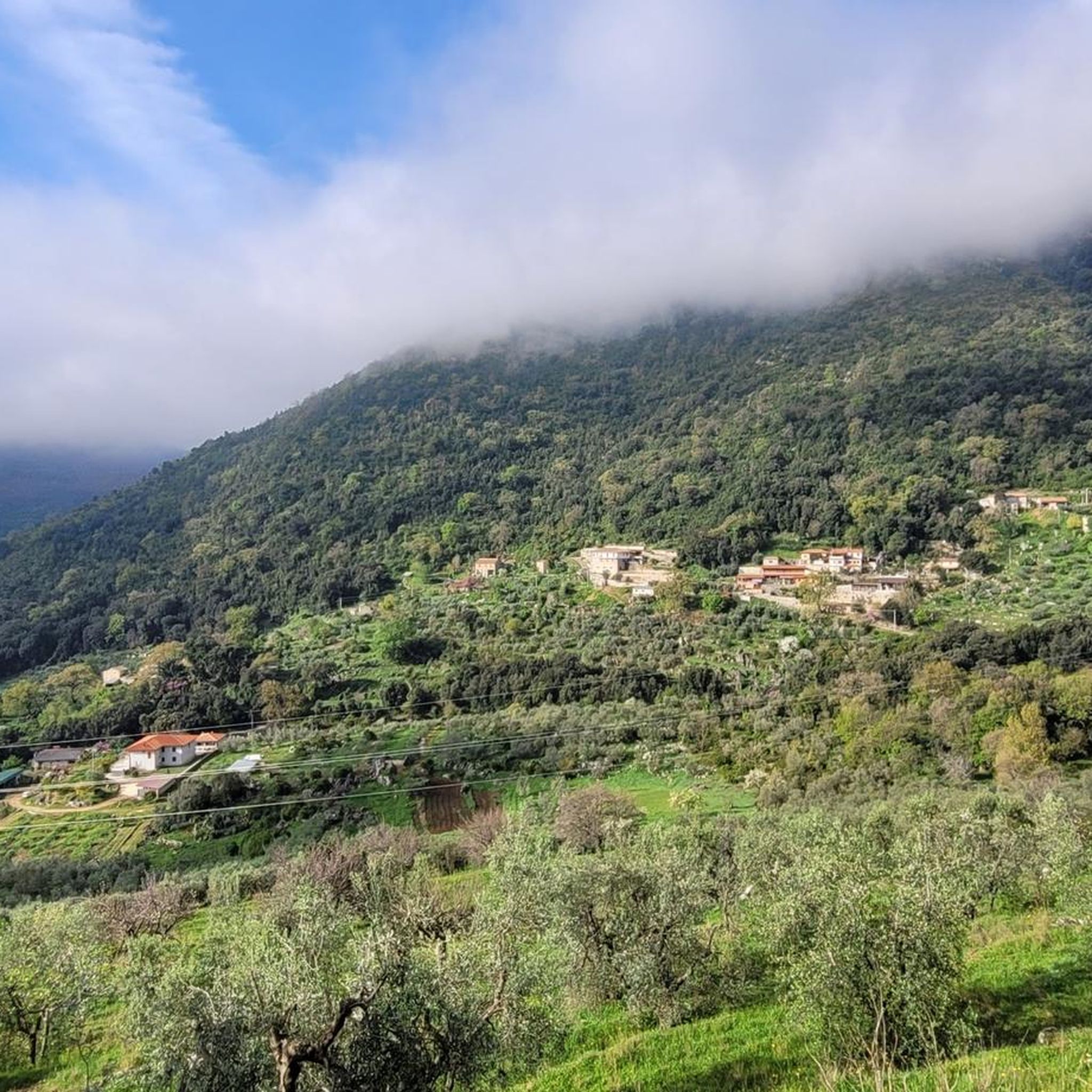
The San Vito Cork Oak Forest is special because it is one of the last cork oak forests with tall trees in continental Italy, covering 300 hectares. It features a centuries-old hybrid oak tree, which is included in the list of monumental trees in Italy and serves as a symbol of the forest. Its unique ecosystem supports a rich community of animals.
What is the significance of the Natural Reserve of Fondi and Monte San Biagio?
The Natural Reserve of Fondi and Monte San Biagio was established to protect and preserve Lake Fondi and its surrounding wetlands. It represents a fertile and naturalistically interesting area of Lazio, crucial for its ecological significance and as a habitat for various bird species, making it a prime location for birdwatching.
Are there any challenging hikes or trails for experienced hikers?
Monte delle Fate, a prominent peak in the Monti Ausoni range, offers an immersive experience with diverse views. Hiking to its summit is recommended for experienced hikers due to rocky terrain and less frequent signage. It's advisable to be equipped with maps and GPS for this ascent.
Most popular routes around Monte San Biagio
Most popular attractions around Monte San Biagio

Get inspired with the komoot mobile app


Explore more
Extend your search for the best caves by checking out these guides of the top ones around Monte San Biagio:
