Top 9 Natural Monuments around Briatico
Best natural monuments around Briatico are found along Italy's "Costa degli Dei" in Calabria, offering a blend of geological features and historical intrigue. This coastal town provides access to diverse natural formations, from ancient rock structures to unique cave systems. The region's landscape is characterized by its dramatic coastline and the natural elements that have shaped its history. Visitors can explore sites where nature and human activity have intertwined over centuries.
Best natural monuments around Briatico
- The most popular natural…
Last updated: June 28, 2026
Sanctuary of Santa Maria dell'Isola
Highlight • Religious Site
Translated by Google •
Tip by

Zungri Cave Settlement
Highlight • Cave
Translated by Google •
Tip by

Sign up now to discover places like this
Get recommendations on the best single tracks, peaks, & plenty of other exciting outdoor places.
Sign up for free
Chiesetta di Piedigrotta of Pizzo
Highlight • Religious Site
Around 1880, a local artist, Angelo Barone, who had a small stationery shop in the center of the village, decided to dedicate his life …
Translated by Google •
Tip by

Palombaro Grotto
Highlight • Cave
Translated by Google •
Tip by
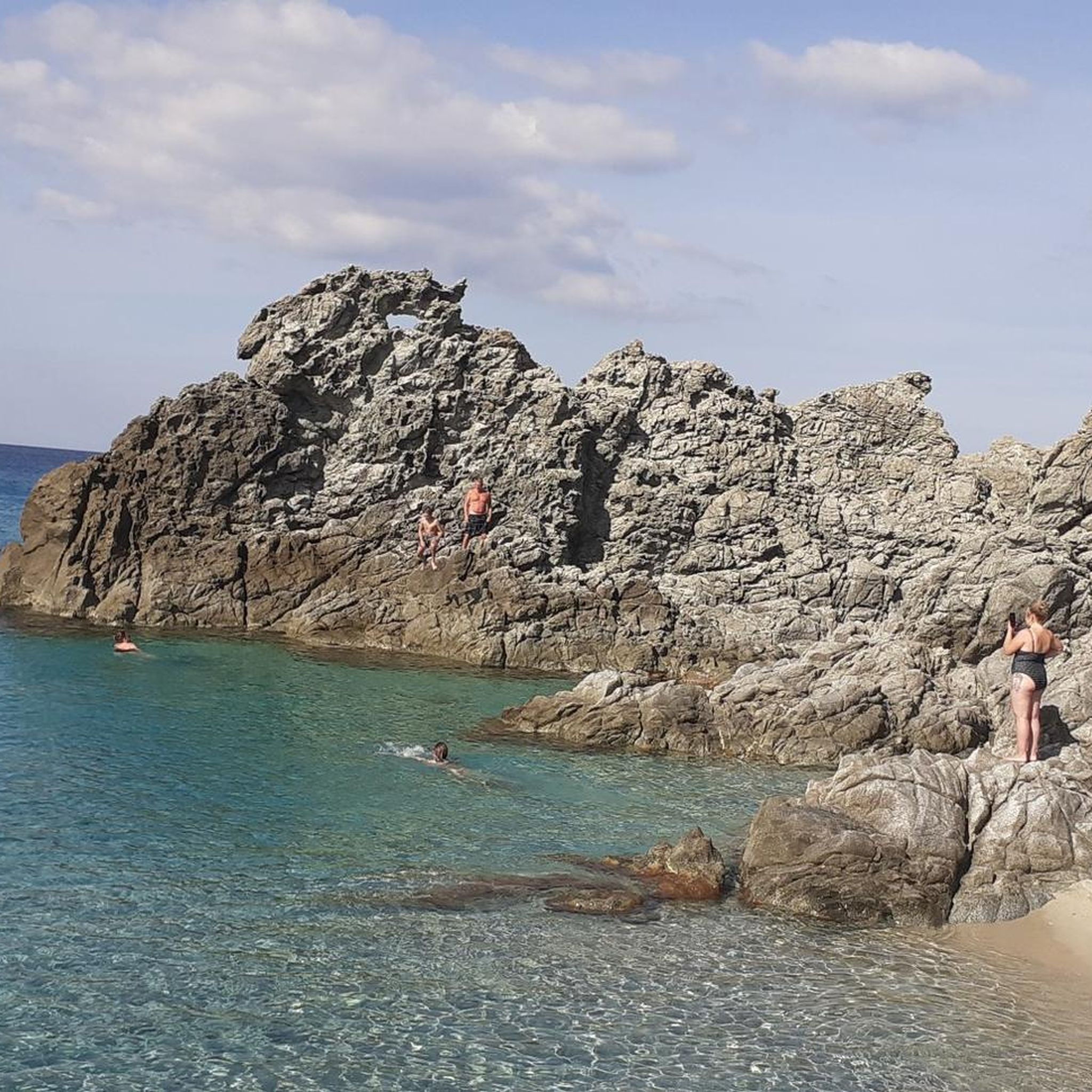
Cannone Beach
Highlight • Beach
Translated by Google •
Tip by
Sign up for free to discover even more natural monuments around Briatico.
Sign up for free
Already have an account?
Start today with a free account
Your next adventure awaits.
Login or Signup
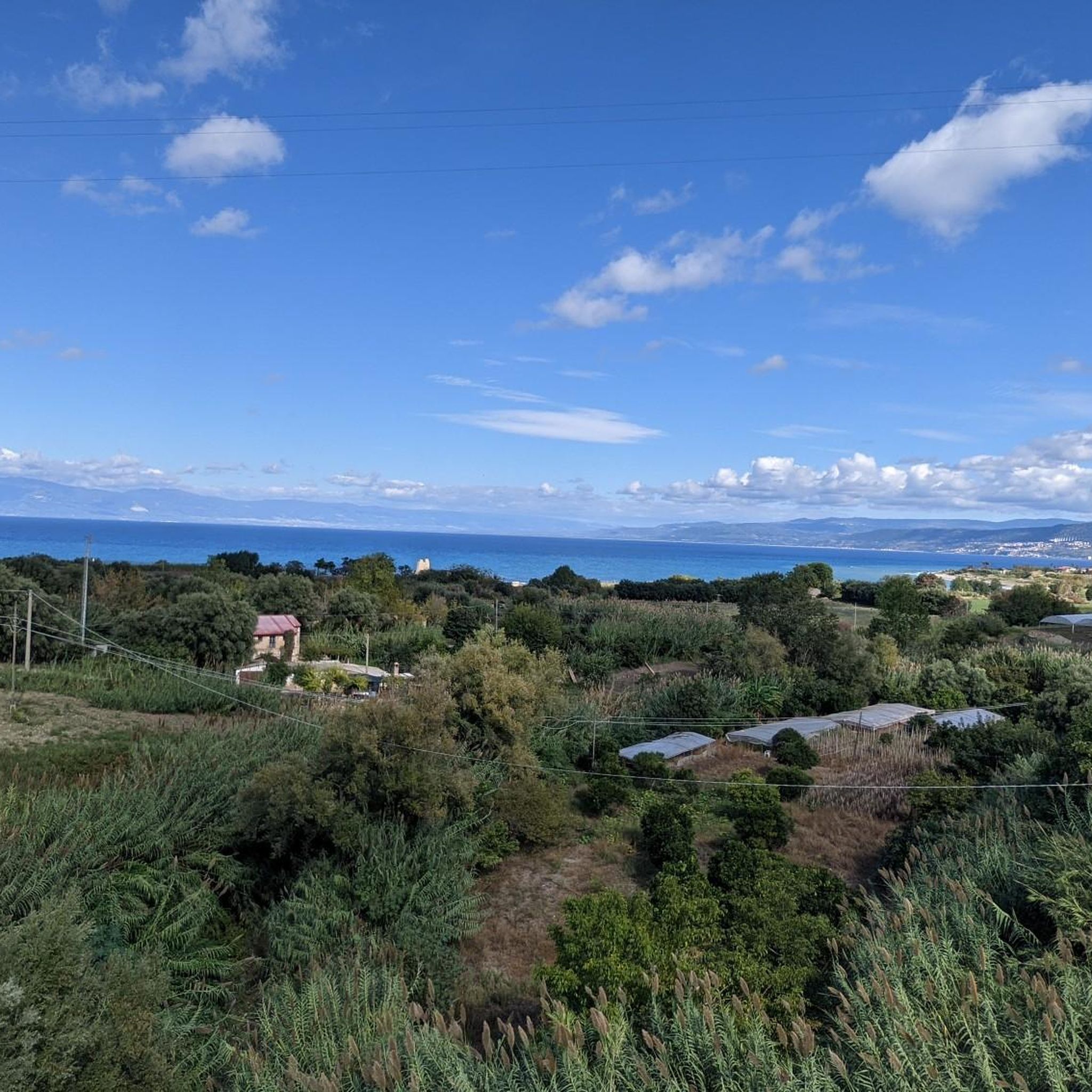
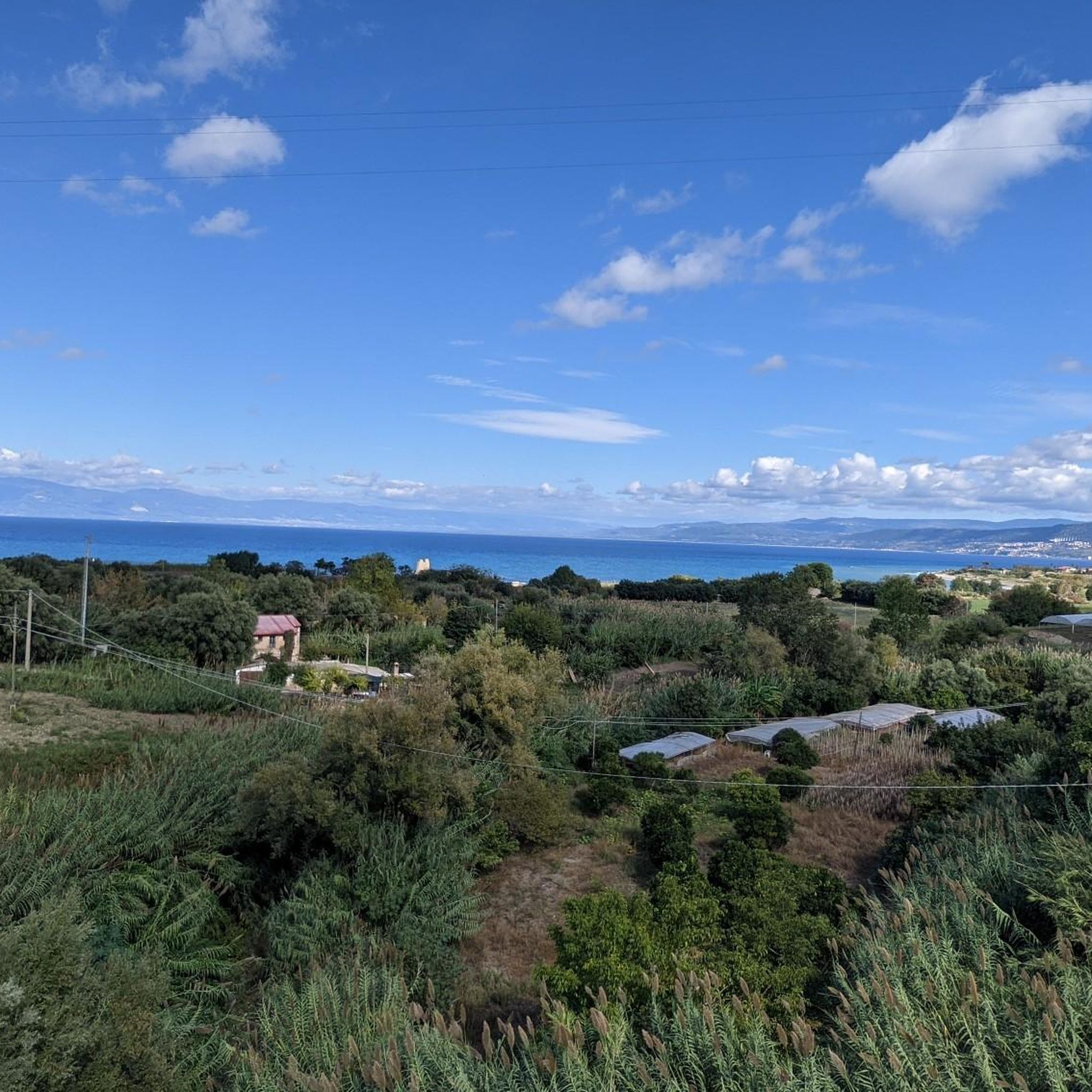
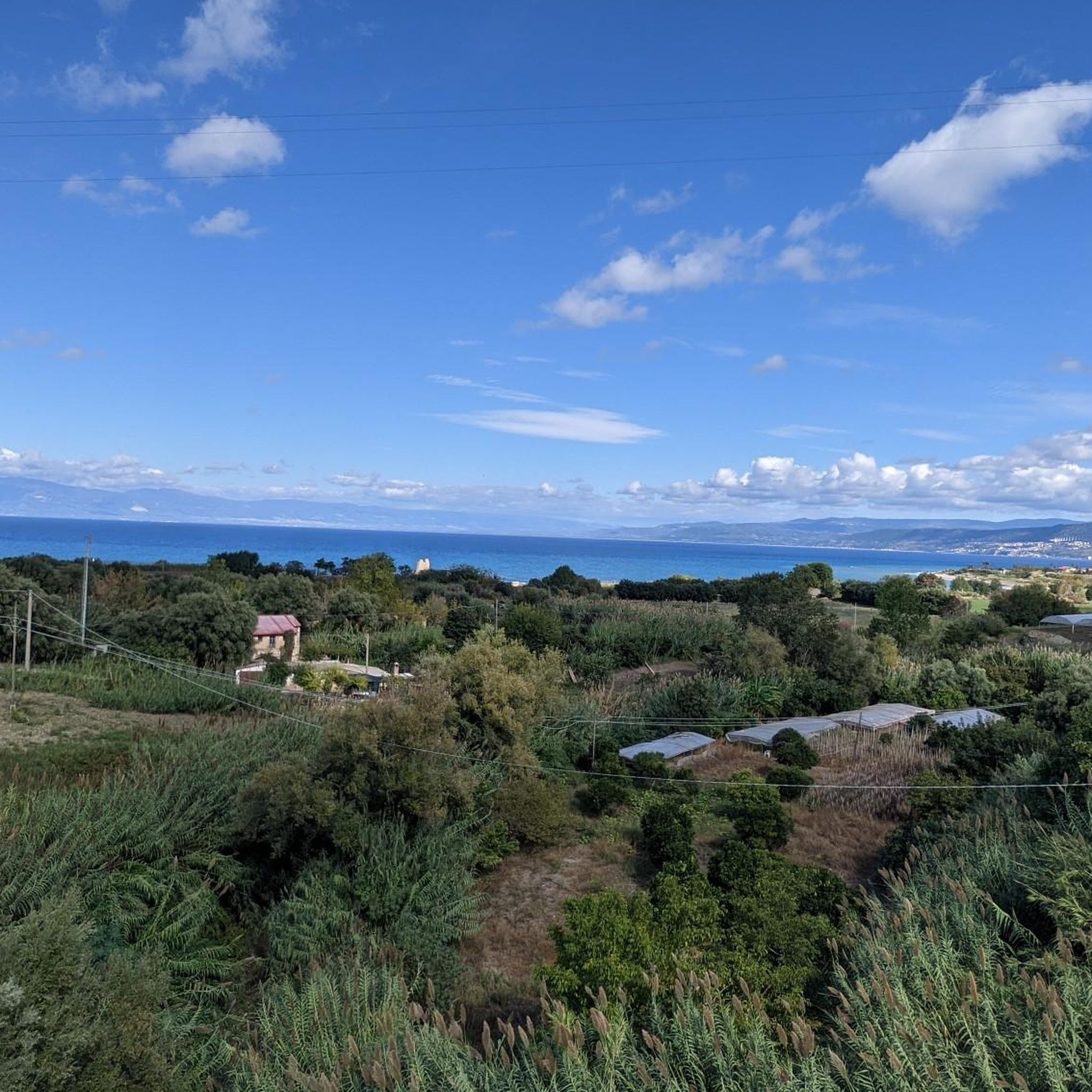
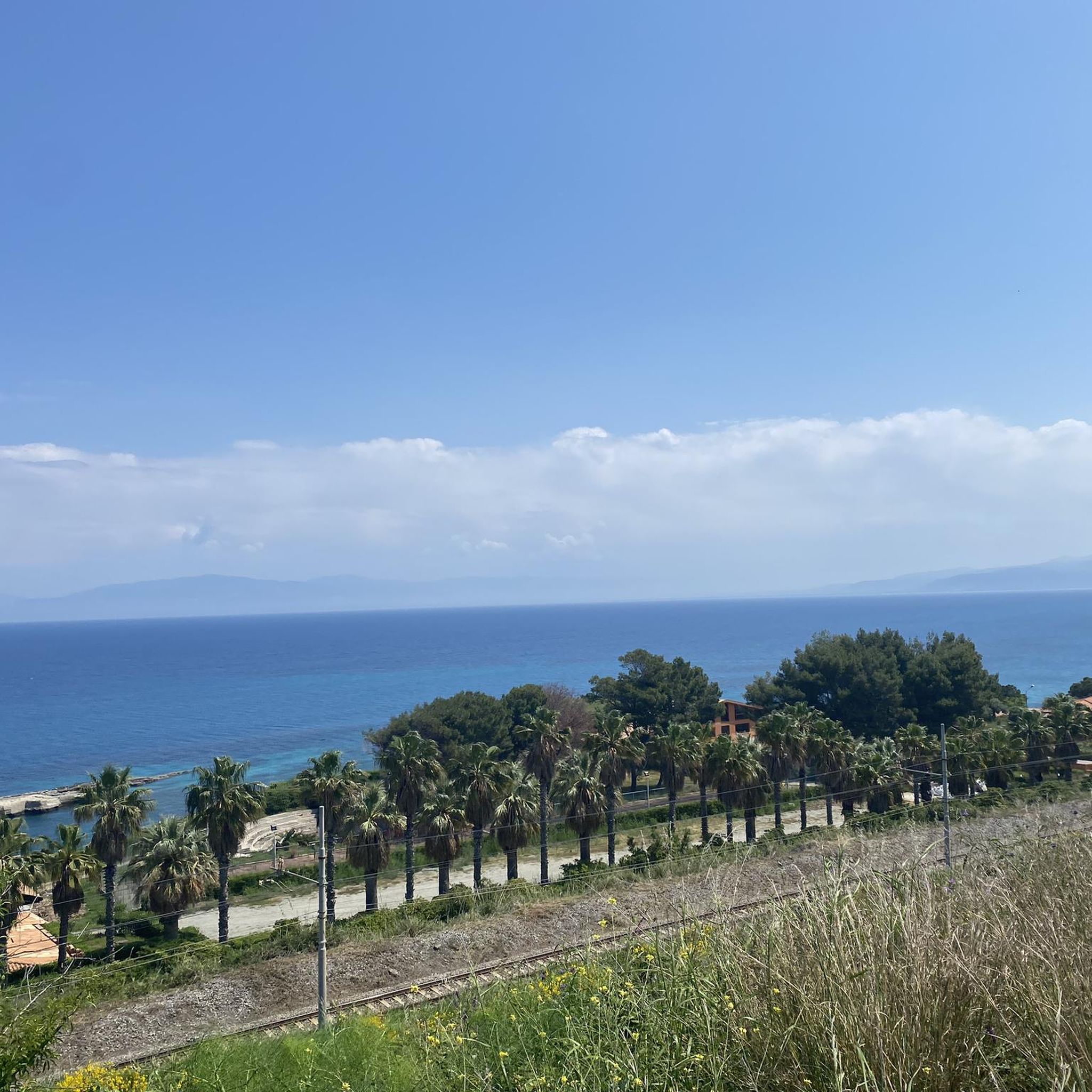
Tips from the Community

Beautiful view and peaceful to stay for a small contribution. The garden is cozy to walk around in, although some cannot resist carving their names into the cacti.
0
0

Located a little outside of Pizzo. A well-maintained staircase leads down to the grotto.
0
0
Great sea cave. Wonderful place for sunbathing along the rocks with crystal clear water.
0
0
The sea cave can be walked through. No entrance fee. A small staircase leads there from the harbor. From the other side, you can get there via the beach.
0
0
It is worth climbing the steps up to the church. From up there you have a magnificent view of the Tropea cityscape and the mountain landscape behind it. The basilica is surrounded by a garden with cacti and olive trees. The dreamlike view of the turquoise-blue sea and the beach "Spiaggia della Rotonda" below the old town of Tropea, in particular, makes a visit to the small park worthwhile. (Source KunstundReisen)
0
0

A unique little church built directly on the beach. Legend has it that it was built by Neapolitan coral traders who survived a shipwreck. Inside, various sculptures, statues, and decorations carved directly into the rock face are featured. There's an entrance fee (and there's also a nearby parking lot if you arrive by car).
1
0

Located under the very famous Marina of the island of Tropea, a spectacular and immense cave with a very white beach can be reached from the sea
0
0

Frequently Asked Questions
What unique natural and historical sites can I explore around Briatico?
Briatico offers a blend of natural wonders and historical intrigue. You can visit the Scoglio della Galea, an ancient Roman vivarium carved into rock, which also serves as a natural sea-level indicator and is steeped in local legends. Another fascinating site is the Zungri Cave Settlement, a unique rock formation with caves dug into sandstone, offering a glimpse into an ancient culture with natural freshwater springs.
Are there any sea caves to visit near Briatico?
Yes, the coastline near Briatico, part of the 'Costa degli Dei,' is known for its sea caves. The Scoglio della Galea in Briatico itself is a remarkable rock formation with historical carvings. Further along the coast, near Tropea, you can find the famous Grotta Azzurra (also known as Grotta del Palombaro or Grotta dello Scheletro), renowned for its mesmerizing blue light effects. You can also explore the Palombaro Grotto, which is located under a monastery.
What natural monuments offer stunning views in the Briatico area?
For breathtaking panoramas, the Sanctuary of Santa Maria dell'Isola in Tropea is a must-see. This former monastery is perched on a prominent rock, offering expansive views of the coastline and a beautiful garden. Another spot with great views is Cannone Beach, accessible from the port of Tropea, which provides a picturesque setting.
Can I visit ancient settlements or religious sites integrated with nature?
Absolutely. The Zungri Cave Settlement is an ancient site where dwellings were carved directly into sandstone, featuring natural freshwater springs. Additionally, the Sanctuary of Santa Maria dell'Isola is a religious building dramatically situated on a rock, offering both spiritual and natural beauty. The Chiesetta di Piedigrotta of Pizzo is another unique religious site entirely carved into tuff rock, showcasing intricate sculptural groups.
Are there family-friendly natural monuments around Briatico?
Yes, the Zungri Cave Settlement is categorized as family-friendly, offering an engaging historical and natural exploration. The Scoglio della Galea, with its Roman vivarium and pirate legends, can also be an exciting educational visit for families, especially combined with swimming and snorkeling at Sant'Irene beach nearby.
What is the best time to visit the natural monuments in Briatico?
The best time to visit is generally during spring or early autumn for pleasant weather, ideal for exploring coastal and inland sites. For sea caves like the Grotta Azzurra near Tropea, the most vibrant blue light effect is typically seen during the central hours of the day when the sun is high.
What outdoor activities can I do near these natural monuments?
The region around Briatico offers various outdoor activities. You can find numerous cycling routes, including road cycling, mountain biking, and touring bicycle options. For example, there are challenging road cycling routes like the 'Serpentine Road to Monte Poro' or moderate MTB trails such as 'Vibo Marina Harbor – View of the Costa degli Dei loop'. You can explore more options on the Road Cycling Routes around Briatico, MTB Trails around Briatico, and Cycling around Briatico guide pages.
Are there any less crowded natural monuments to visit?
While popular sites like the Sanctuary of Santa Maria dell'Isola can attract many visitors, the Grotte delle Fate (Caves of the Fairies) along the Murria valley in Briatico might offer a more tranquil experience. These medieval eremitic caves provide a unique historical perspective within a natural setting, often being less frequented than the more prominent coastal attractions.
What do visitors enjoy most about the natural monuments in Briatico?
Visitors particularly appreciate the unique blend of natural beauty and historical significance. Many are captivated by the dramatic coastal formations, the ancient human-made structures within natural settings, and the stunning views. The Sanctuary of Santa Maria dell'Isola is often highlighted for its iconic appearance and panoramic vistas, while the Zungri Cave Settlement is praised for its immersive cultural experience.
Can I find natural monuments that combine religious history with natural settings?
Yes, Briatico and its surroundings offer several such sites. The Sanctuary of Santa Maria dell'Isola is a prime example, a historic monastery dramatically perched on a rock. Another is the Chiesetta di Piedigrotta of Pizzo, a church entirely carved into a tuff rock, showcasing religious art within a natural cave structure. The Grotte delle Fate also represent medieval eremitic caves, reflecting early religious practices in a natural environment.
What kind of geological features are prominent in the natural monuments around Briatico?
The region is characterized by diverse geological features. The coastline features striking rock formations like the Scoglio della Galea, which is a natural rock carved by ancient Romans. Inland, you'll find unique cave systems such as the sandstone caves of the Zungri Cave Settlement and the tuff rock formations housing the Chiesetta di Piedigrotta of Pizzo. The broader 'Costa degli Dei' is also famous for its sea caves, including the captivating Grotta Azzurra, shaped by centuries of marine erosion.
Most popular attractions around Briatico

Get inspired with the komoot mobile app


Explore more
Extend your search for the best caves by checking out these guides of the top ones around Briatico:
