Top 20 Natural Monuments around Bronte
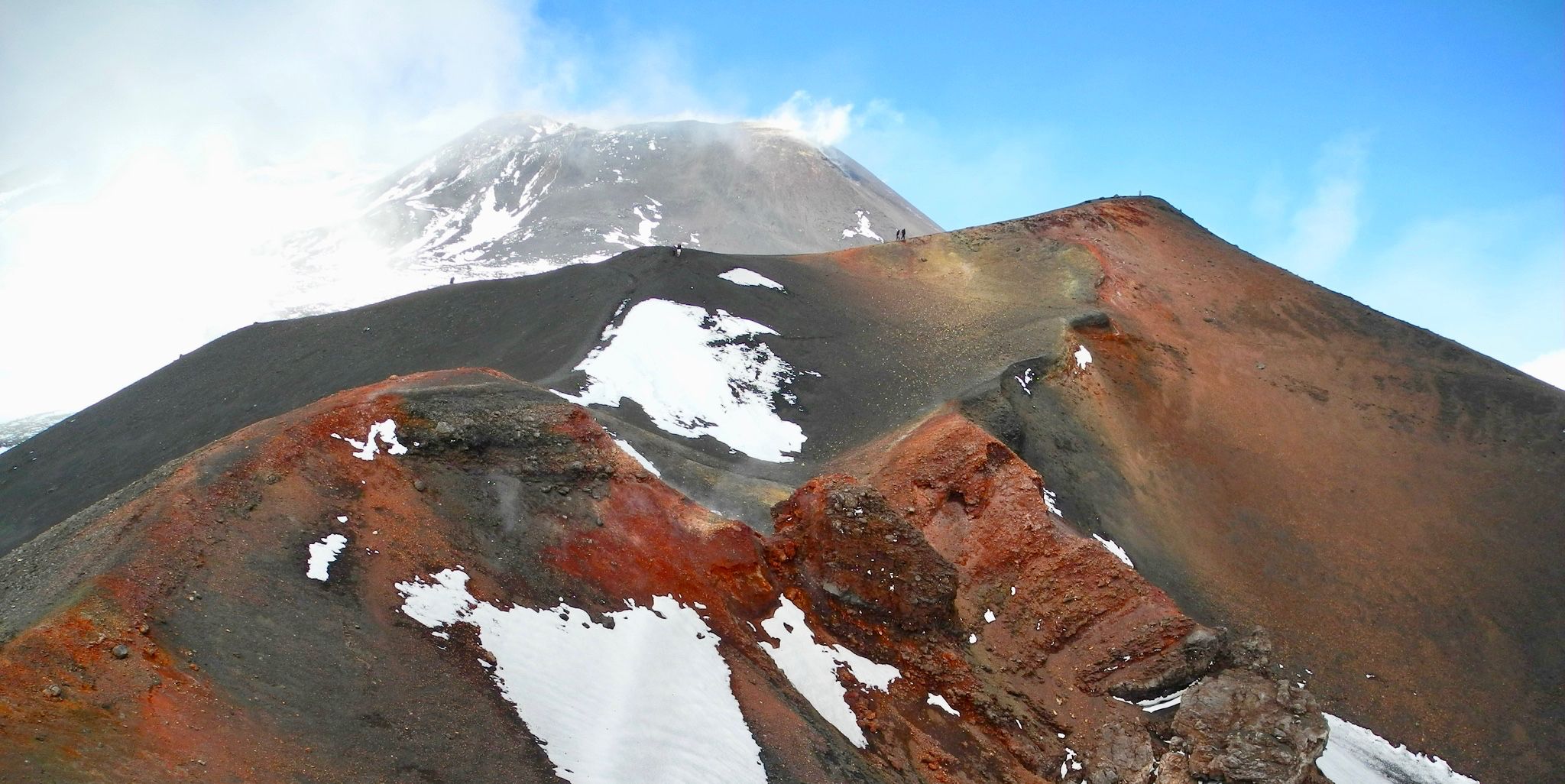
Natural monuments around Bronte are primarily characterized by the volcanic landscapes of Mount Etna, Europe's most active volcano. This region offers a unique environment shaped by eruptions, featuring various craters and lava formations. Visitors can explore a diverse terrain that provides insights into geological processes and offers expansive views. The area is known for its dramatic scenery, which includes both active and dormant volcanic features.
Best natural monuments around Bronte
- The most popular natural monuments is Summit Craters of Mount…
Last updated: June 28, 2026
Summit Craters of Mount Etna
Highlight • Volcano
Translated by Google •
Tip by

Piccolo Rifugio (Etna South)
Highlight • Volcano
The jeep tour oh up is highly recommended.
Attention: If it is …
Translated by Google •
Tip by

Sign up now to discover places like this
Get recommendations on the best single tracks, peaks, & plenty of other exciting outdoor places.
Sign up for free
Silvestri Inferior Craters
Highlight • Volcano
Not quite the …
Translated by Google •
Tip by

Laghetto Crater
Highlight • Volcano
Translated by Google •
Tip by

Barbagallo Craters
Highlight (Segment) • Volcano
Whenever you visit, keep in mind that even in the summer months, winter can be cold up here.
Translated by Google •
Tip by
Sign up for free to discover even more natural monuments around Bronte.
Sign up for free
Already have an account?
Start today with a free account
Your next adventure awaits.
Login or Signup
Other adventures around Bronte

Tips from the Community

Sensational scenery and a sensational view. A must-see.
4
0

What is crazy is that the ground is still warm to hot 23 years after the eruption in 2001.
1
0


From here you have a great view of the surrounding area.
16
4
Beautiful! It's great that you can go there on your own initiative, without a guide or tour.
4
0

A must. Expensive, but worth it. Very impressive. Only with a mountain guide.
2
0
This is where the snowcats and Unimogs leave from.
2
0

Does anyone know how expensive a guide from Torre Filosofo to the crater is?
1
0
Frequently Asked Questions
What kind of natural monuments can I expect to see around Bronte?
The natural monuments around Bronte are primarily characterized by the dramatic volcanic landscapes of Mount Etna, Europe's most active volcano. You'll find a unique environment shaped by eruptions, featuring various craters, lava formations, and expansive views. It's a region that offers deep insights into geological processes.
Are there any family-friendly natural monuments to visit near Bronte?
Yes, the Silvestri Inferior Craters are particularly suitable for families. These craters, formed by past eruptions, are easily accessible right next to the road from a large parking lot. They offer a unique interplay of colors between the ground and emerging vegetation, making for an engaging visit without requiring strenuous hiking.
What are some of the most impressive volcanic features to explore?
Beyond the family-friendly options, the Summit Craters of Mount Etna offer a wild, otherworldly landscape and breathtaking views from Europe's largest active volcano. Another must-see is Laghetto Crater, where you can experience the majestic forces of nature, often reached by hiking from the mountain station to the upper craters.
What outdoor activities can I do near these natural monuments?
The volcanic terrain around Bronte is excellent for various outdoor activities. You can find numerous routes for mountain biking, mountaineering, and hiking. For example, there are challenging mountaineering routes like the 'Viewpoint Etna – Summit Craters of Mount Etna loop' and moderate hiking trails such as the 'Monte Minardo and Monte Ruvolo Loop'. You can explore more options on the Hiking around Bronte, Mountain Hikes around Bronte, and MTB Trails around Bronte guide pages.
What should I pack or be aware of when visiting Mount Etna's natural monuments?
When visiting Mount Etna, it's crucial to be prepared. Visitors frequently advise bringing plenty of water, as there's often no shade. Even in summer, temperatures at higher altitudes can be significantly colder (e.g., 4°C when it's 25°C at sea level), so warm clothing is essential. It's also recommended to climb to the summit craters with a mountain guide for safety, and be aware that walking in lava ash can be tiring.
What do visitors enjoy most about the natural monuments around Bronte?
Visitors are consistently impressed by the sheer scale and raw power of nature at Mount Etna. Many describe it as an 'otherworldly' or 'breathtaking' experience, feeling 'infinitely small and humble towards nature'. The unique interplay of colors between the volcanic ground and emerging vegetation, especially at sites like the Silvestri Inferior Craters, is also highly appreciated.
Is it possible to see steam or feel heat from the active volcano?
Yes, at certain locations like the Barbagallo Craters, which developed during the 2002/2003 eruption, you can still experience the volcano's activity. In some places, steam rises, and if you dig about 30 cm deep into the ashes, the ground can still be hot, offering a tangible connection to the active nature of Etna.
Are there any viewpoints offering panoramic vistas of the volcanic landscape?
Absolutely. Many natural monuments around Bronte double as incredible viewpoints. The Summit Craters of Mount Etna provide expansive, unparalleled views. Other notable viewpoints include Laghetto Crater, Silvestri Inferior Craters, and Barbagallo Craters, all offering stunning perspectives of the surrounding area and even Catania in the distance on clear days.
What is the best time of year to visit the natural monuments around Bronte?
While Mount Etna can be visited year-round, the best time depends on your desired experience. Be aware that snow can already be present in autumn at higher elevations, and winter conditions can be cold. For hiking and exploring the craters, spring and early autumn generally offer more moderate temperatures. However, the dramatic landscape is impressive in any season, with winter offering unique snow-covered volcanic scenery.
Can I reach the higher parts of Mount Etna without extensive hiking?
Yes, for those who prefer less strenuous options, it's possible to take a jeep tour or use cable cars to reach higher elevations. From the mountain station, you can often find easier paths to explore craters like Laghetto Crater, even if walking in the lava ash can still be tiring. The Silvestri Inferior Craters are also easily accessible directly by road.
Are there any refuges or huts near the natural monuments for rest or shelter?
Yes, for instance, the Piccolo Rifugio (Etna South) serves as a former ski lift area and offers a place to rest. While not a traditional hut, it's a known point in the Etna Sud area that can provide some shelter and facilities, especially if you're exploring the southern slopes of the volcano.
Most popular attractions around Bronte

Get inspired with the komoot mobile app


Explore more
Extend your search for the best caves by checking out these guides of the top ones around Bronte:
