Top 9 Natural Monuments around Motta Sant'Anastasia
Best natural monuments around Motta Sant'Anastasia include unique geological formations and ancient botanical features. The town is built upon a distinctive volcanic plug, a result of ancient volcanic activity, offering a natural defensive position and panoramic views. Situated in the Metropolitan City of Catania, Sicily, the area provides a blend of natural landscapes and historical significance. The surrounding region, including the foothills of Mount Etna, contributes to the diverse natural environment.
Best natural monuments around Motta Sant'Anastasia
- The most popular…
Last updated: June 28, 2026
Fountain at Villa Bellini
Highlight • Monument
Translated by Google •
Tip by

Pozzo di Gammazita
Highlight • Historical Site
"It was March 30, 1282 and in the hot Catania, occupied by the …
Translated by Google •
Tip by

Sign up now to discover places like this
Get recommendations on the best single tracks, peaks, & plenty of other exciting outdoor places.
Sign up for free
Ponte Barca Oasis
Highlight • Natural Monument
Translated by Google •
Tip by

Großblättrige Feige
Highlight • Natural Monument
Translated by Google •
Tip by

Orto Botanico di Catania
Highlight • Natural
Translated by Google •
Tip by
Sign up for free to discover even more natural monuments around Motta Sant'Anastasia.
Sign up for free
Already have an account?
Start today with a free account
Your next adventure awaits.
Login or Signup
Tips from the Community

Rubber trees are found in every major city in Sicily. They provide shade and noticeable cooling on very hot summer days.
0
0

A beautiful and dreamy city with a great history. I'd happily return anytime. Five ***** for that.
2
0

Beautifully landscaped city park that invites you to take a walk and linger.
2
0

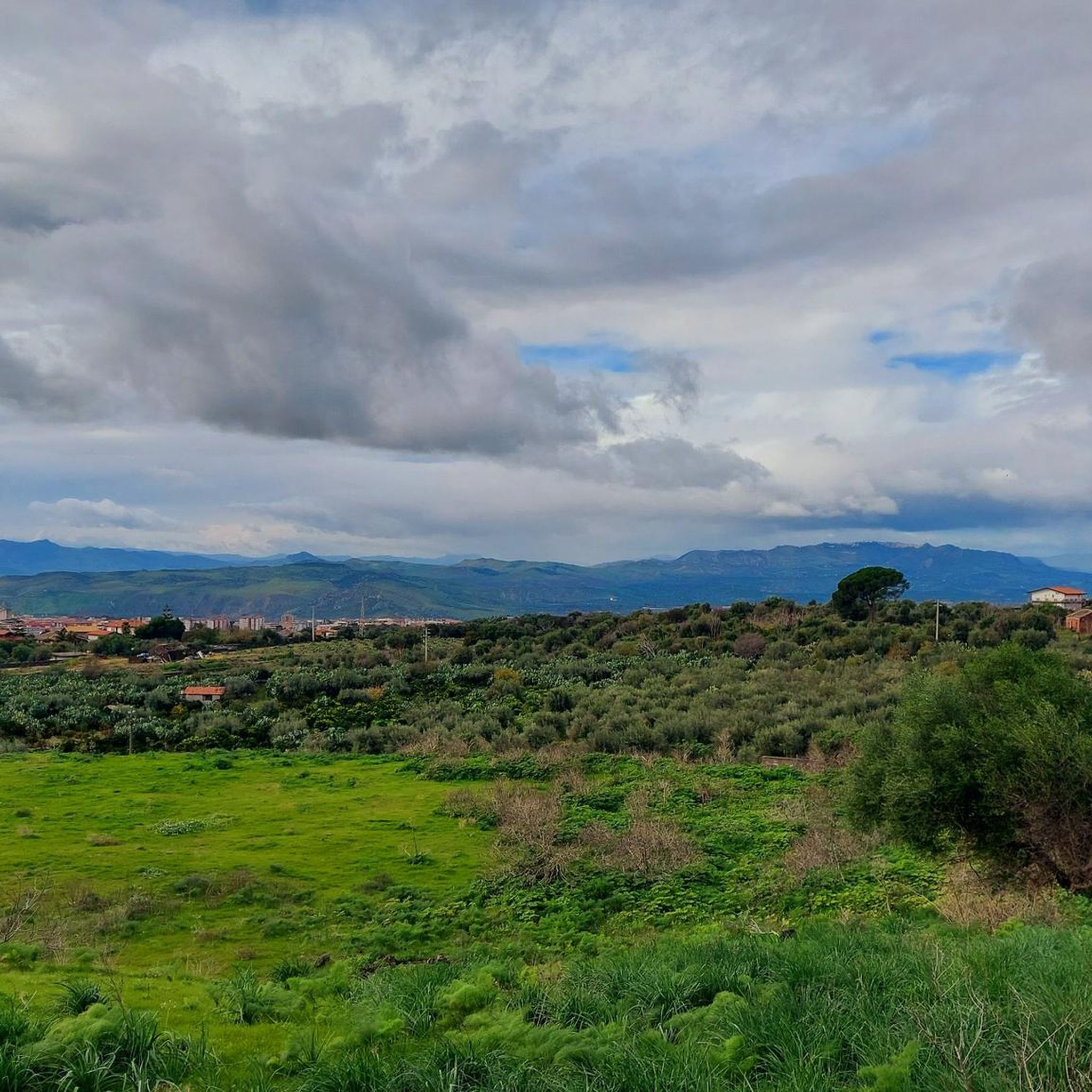
Landscape characterized by the presence of numerous bends, river islands, large temporary marshes, vast areas of woodland and reed thickets. Wetland, the presence of a dam has led to the formation of a reservoir which attracts numerous aquatic birds. Protected area In 2009, a decree issued by the regional agriculture department established that the Ponte Barca district site is an oasis of protection and refuge for wild fauna, the latter made up of 70 different species of migratory aquatic birds, and recognized as being of interest community The importance of the Paterno oasis is also due to the fact that it became a nesting place for the Sultan chicken, which returned to reproduce in the seventies, thanks to a project carried out in the Simeto oasis in collaboration with LIPU
0
0

The botanical garden is home to a variety of plants, some of which are very exotic, including specimens from Peru and Argentina. There's also an impressive collection of cacti to admire and a tree-sized poinsettia in bloom to see.
3
0
The tree has an enormously sprawling crown, a trunk that extends several meters and widely branched roots.
2
0

The oldest core of the garden dates back to the 18th century and belonged to Prince Ignazio Paternò Castello di Biscari. According to the typology of the time, the garden was designed with hedges forming labyrinths, statue decorations and numerous fountains of various shapes with gargoyles or cascades. After the patron's death in December 1786, the garden gradually fell into disrepair as it was abandoned by his heirs. It was offered for sale from 1820, but only after long negotiations was the Labirinto acquired by the municipality of Catania in September 1854.
7
0
Frequently Asked Questions
What unique geological features can I explore in Motta Sant'Anastasia?
Motta Sant'Anastasia is famously built upon a distinctive Volcanic Plug, a striking geological formation approximately 550,000 years old. This 'Neck' rises about 65 meters and showcases unique prismatic-hexagonal and pentagonal sections formed by slow-cooling magma. Its elevated position also offers panoramic views of the Plain of Catania and Mount Etna.
Are there any ancient trees or significant botanical sites to visit?
Yes, you can visit the Centuries-Old Olive Tree in Contrada Gebbia, estimated to be between 1,000 and 1,200 years old, a living testament to the region's agricultural heritage. Additionally, the Großblättrige Feige is another impressive natural monument featuring a large-leaved fig tree with a sprawling crown. For a wider botanical experience, the Orto Botanico di Catania houses a diverse collection of plants, including exotic specimens and cacti.
What kind of wildlife can be observed in the natural areas around Motta Sant'Anastasia?
The Ponte Barca Oasis is a protected wetland area known for its rich biodiversity. It is home to 70 different species of migratory aquatic birds, making it an excellent spot for birdwatching and observing local wildlife.
What natural monuments offer scenic viewpoints?
The Volcanic Plug of Motta Sant'Anastasia, with the Norman Castle perched atop, provides excellent scenic views of the surrounding area, including the Plain of Catania. On clear days, you can also see Mount Etna, which itself offers dramatic volcanic landscapes and vistas from its slopes.
Are there hiking opportunities near the natural monuments in Motta Sant'Anastasia?
Yes, the region offers various hiking opportunities. You can find routes ranging from easy to difficult, such as the 'University Square – Amenano Fountain loop from Angelo Massimino Stadium' or the more challenging 'Amenano Fountain – Decorated Umbrella Street loop from Catania Aeroporto-Fontanarossa'. For more details and specific trails, refer to the Hiking around Motta Sant'Anastasia guide.
Can I go cycling or mountain biking in the area?
Absolutely. The area around Motta Sant'Anastasia is suitable for both cycling and mountain biking. Cycling routes include the 'Death loop from Valcorrente' and the 'Climb up to Centuripe – Roman Bridge over the Simeto River loop'. For mountain biking, you can explore trails like 'Catania Cathedral – Roman Amphitheatre of Catania loop from Monte Po'. Detailed routes are available in the Cycling around Motta Sant'Anastasia and MTB Trails around Motta Sant'Anastasia guides.
Is it possible to visit the natural monuments with children?
Many natural monuments in the area are family-friendly. The Ponte Barca Oasis, Großblättrige Feige, and Orto Botanico di Catania are all suitable for family visits. The Volcanic Plug area also offers an engaging experience for children interested in geology and history.
Are dogs allowed on trails or at natural monuments?
While specific dog policies can vary by site, many outdoor trails and natural areas around Motta Sant'Anastasia are generally dog-friendly, especially if dogs are kept on a leash. It's always advisable to check local regulations or signage at specific natural monuments before visiting with your dog.
What is the best time of year to visit the natural monuments around Motta Sant'Anastasia?
The spring (April-May) and autumn (September-October) months generally offer the most pleasant weather for exploring the natural monuments, with mild temperatures ideal for outdoor activities. Summer can be quite hot, especially in July and August, while winter can bring cooler temperatures and occasional rain, though many sites remain accessible.
How can I reach the natural monuments using public transport?
Motta Sant'Anastasia is connected by local bus services, which can help you reach the town center. From there, some natural monuments like the Volcanic Plug are within walking distance. For sites further afield, such as the Centuries-Old Olive Tree or the Ponte Barca Oasis, public transport options might be limited, and a car may be more convenient.
Is parking available at the main natural monuments?
Parking availability varies by location. For the Volcanic Plug in Motta Sant'Anastasia, parking can be found in the town itself, often requiring a short walk to the monument. For the Centuries-Old Olive Tree, parking might be available near Contrada Gebbia. For other sites like the Orto Botanico di Catania, city parking options would apply.
Are there any historical sites related to the natural monuments?
Yes, the Volcanic Plug of Motta Sant'Anastasia is a prime example, as the Norman Castle was strategically built atop this ancient lava rock, blending geology with history. Additionally, the Fountain at Villa Bellini, while man-made, is part of a historical park in Catania with origins dating back to the 18th century, offering a blend of natural beauty and historical design.
Most popular routes around Motta Sant'Anastasia
Most popular attractions around Motta Sant'Anastasia

Get inspired with the komoot mobile app


Explore more
Extend your search for the best caves by checking out these guides of the top ones around Motta Sant'Anastasia:
