Top 20 Natural Monuments around Trecastagni
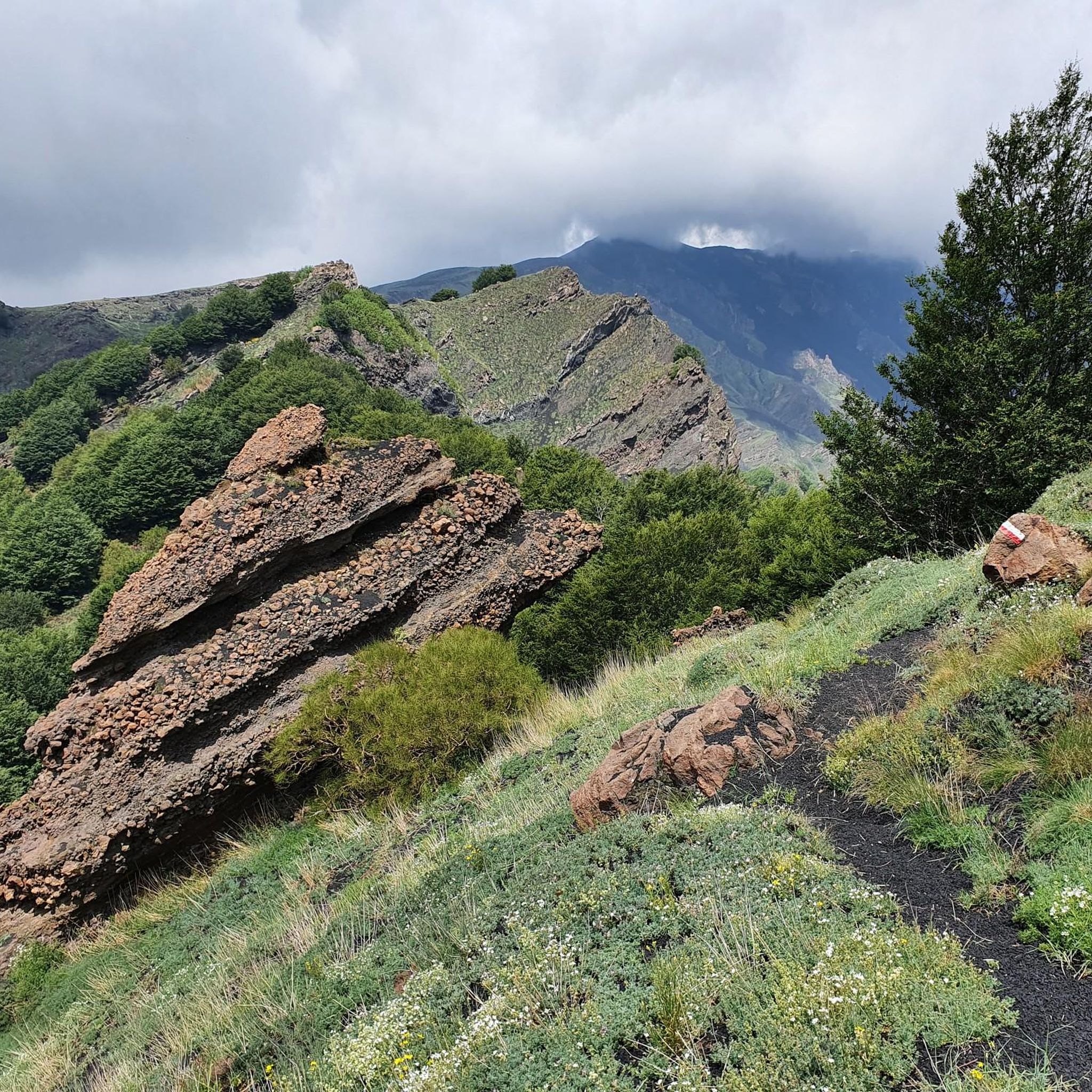
Best natural monuments around Trecastagni are characterized by a rich natural heritage, defined by its volcanic landscape and lush vegetation. The area features ancient, extinct volcanic cones that present unique geological formations and panoramic views. Situated on the slopes of Mount Etna, Trecastagni offers diverse natural features for exploration. These landmarks provide opportunities for hiking and appreciating the region's distinct geology.
Best natural monuments around Trecastagni
- The most popular natural monuments is Summit Craters of Mount Etna, a volcano…
Last updated: June 28, 2026
Summit Craters of Mount Etna
Highlight • Volcano
Translated by Google •
Tip by

Piccolo Rifugio (Etna South)
Highlight • Volcano
The jeep tour oh up is highly recommended.
Attention: If it is …
Translated by Google •
Tip by

Sign up now to discover places like this
Get recommendations on the best single tracks, peaks, & plenty of other exciting outdoor places.
Sign up for free
Silvestri Inferior Craters
Highlight • Volcano
Not quite the …
Translated by Google •
Tip by

Laghetto Crater
Highlight • Volcano
Translated by Google •
Tip by

Barbagallo Craters
Highlight (Segment) • Volcano
Whenever you visit, keep in mind that even in the summer months, winter can be cold up here.
Translated by Google •
Tip by
Sign up for free to discover even more natural monuments around Trecastagni.
Sign up for free
Already have an account?
Start today with a free account
Your next adventure awaits.
Login or Signup

Tips from the Community

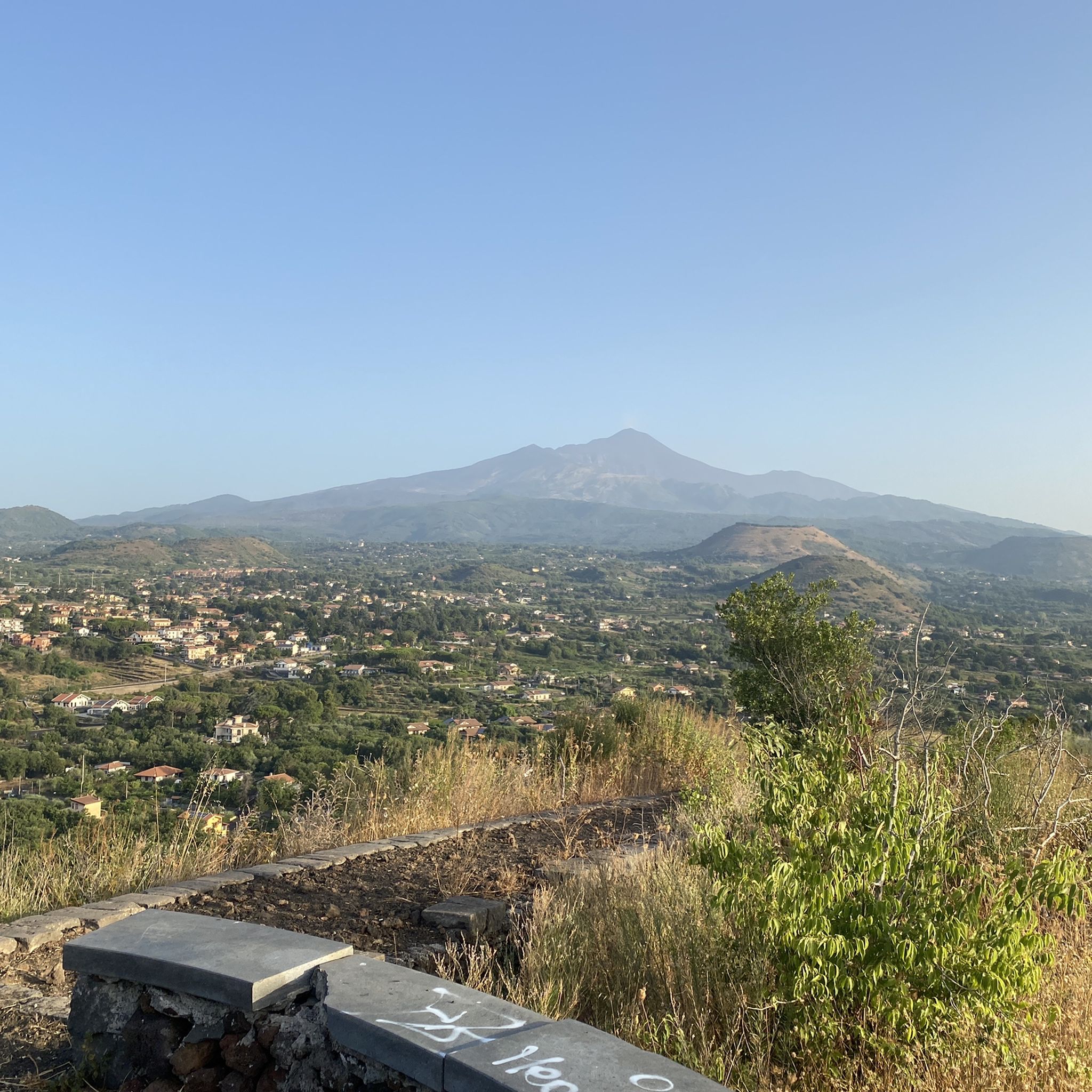
Sensational scenery and a sensational view. A must-see.
4
0

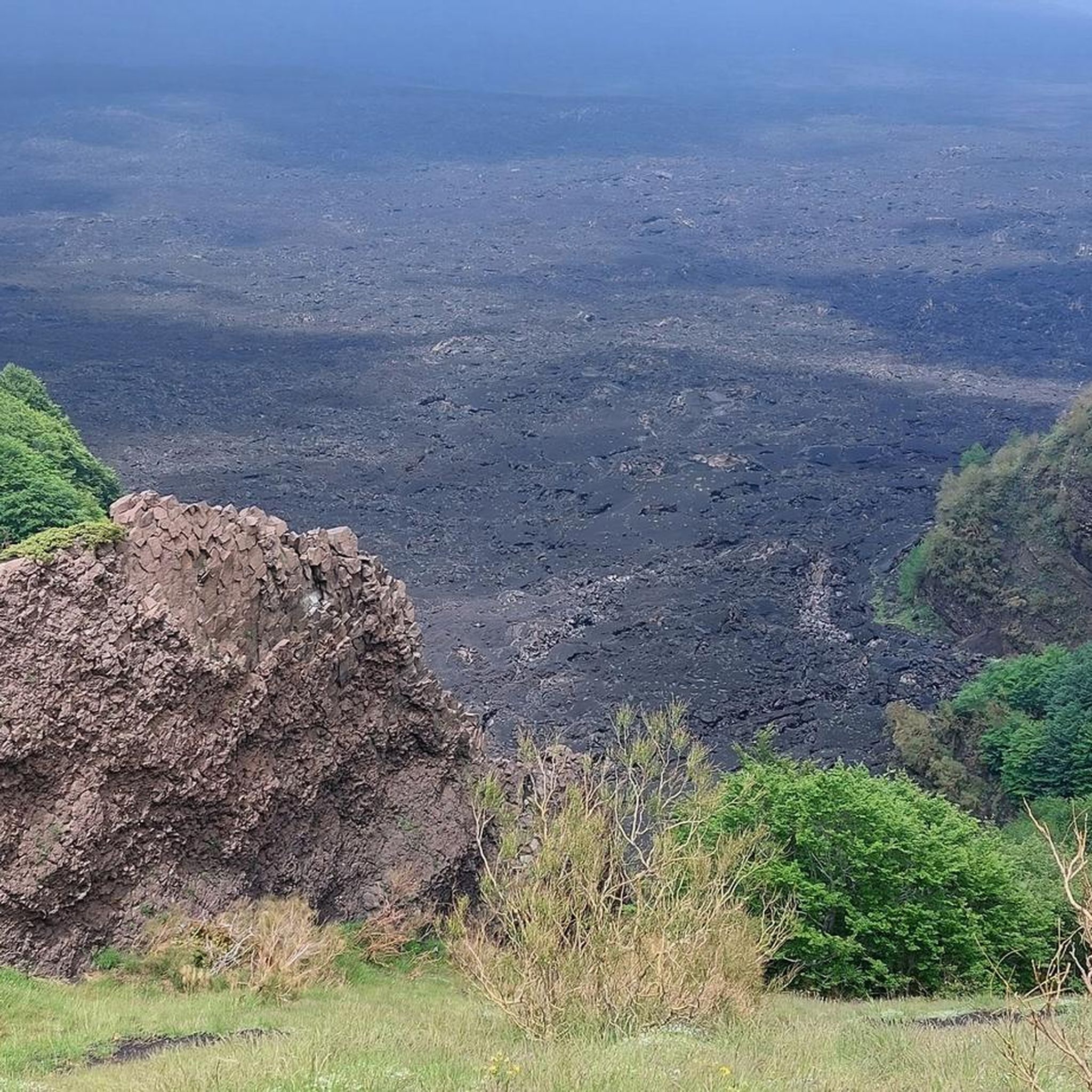
What is crazy is that the ground is still warm to hot 23 years after the eruption in 2001.
1
0


From here you have a great view of the surrounding area.
16
4
Beautiful! It's great that you can go there on your own initiative, without a guide or tour.
4
0

A must. Expensive, but worth it. Very impressive. Only with a mountain guide.
2
0
This is where the snowcats and Unimogs leave from.
2
0

Does anyone know how expensive a guide from Torre Filosofo to the crater is?
1
0
Frequently Asked Questions
What kind of natural monuments can I expect to see around Trecastagni?
Trecastagni's natural monuments are primarily characterized by its volcanic landscape. You'll find numerous ancient, extinct volcanic cones like Monte Ilice and Monte Gorna, as well as visible lava flows and lava cavities such as Grotta Comune. These features offer unique geological formations and diverse flora, including holm oak and chestnut woods.
Which natural monuments offer the best panoramic views?
For breathtaking panoramic views, consider visiting Summit Craters of Mount Etna, which offers a wide view from the top. Monte Ilice also provides 360-degree views of Etna, the mountains of Taormina, and the Etna coastline. Monte Gorna is another excellent spot for scenic vistas.
Are there family-friendly natural monuments to visit near Trecastagni?
Yes, the Silvestri Inferior Craters are considered family-friendly and easily accessible, offering a great view of the surrounding area. Monte Gorna also features accessible trekking paths that are suitable for families, with an easy 1.5-hour, 6 km round-trip trek.
What kind of hiking opportunities are available near these natural monuments?
The area around Trecastagni offers a variety of hiking opportunities, from easy strolls to challenging ascents. You can explore trails around extinct volcanic cones like Monte Gorna, or embark on more demanding routes towards Mount Etna's craters. For more detailed options, check out the Hiking around Trecastagni guide.
Are there any natural monuments with historical or literary significance?
Yes, Monte Ilice holds literary significance as it was described by novelist Giovanni Verga in his novel "Storia Di Una Capinera" (Story of a Blackcap). Its formation dates back to either the 11th century or the 1329 eruption, according to different studies, adding to its historical context.
What is the difficulty level of trails around Trecastagni's natural monuments?
The difficulty varies. Some areas, like the Silvestri Inferior Craters, are easily accessible. Monte Gorna offers an easy 1.5-hour trek. However, routes to the Summit Craters of Mount Etna or Laghetto Crater are considered challenging due to the terrain and elevation. Always be prepared for varying conditions, especially at higher altitudes.
Can I find trails suitable for running near Trecastagni's natural monuments?
Yes, there are several running trails in the vicinity. For example, you can find a moderate 6.2 km loop around Grotta Comune starting from Monte San Nicolò. More options are available in the Running Trails around Trecastagni guide.
What do visitors enjoy most about the natural monuments around Trecastagni?
Visitors frequently highlight the unique experience of being on an active volcano, describing it as wild and almost otherworldly. The breathtaking views from the summits, the vastness and forces of nature, and the fascinating interplay of colors between the volcanic ground and emerging vegetation are also highly appreciated. Many find the experience humbling and impressive.
What are the best times to visit the natural monuments in Trecastagni?
While specific recommendations vary, it's important to note that even in summer months, temperatures at higher altitudes, such as near Mount Etna's craters, can be cold. It's advisable to wear warm clothing and bring enough water. The diverse flora, including holm oaks and chestnut woods, suggests beautiful scenery during spring and autumn.
Are there any specific natural monuments known for their unique geological features?
Absolutely. Monte Gorna is recognized for its more defined and evocative crater shape, while Grotta Comune is a notable lava cavity. The Silvestri Inferior Craters, formed by past eruptions, also showcase distinct geological formations that are easily accessible.
What should I wear for hiking around Trecastagni's natural monuments?
Given the volcanic terrain and varying altitudes, it's recommended to wear sturdy hiking boots. Layers of clothing are essential, as temperatures can change significantly, especially when ascending Mount Etna. Even in warmer months, bring warm clothing for higher elevations. Don't forget sun protection and plenty of water.
Can I explore the natural monuments with a mountain guide?
For challenging areas like the Summit Craters of Mount Etna, it is important to climb up with a mountain guide for safety and to gain deeper insights into the volcanic activity. However, for less strenuous paths like those around Monte Gorna, a guide may not be necessary.
Most popular routes around Trecastagni
Most popular attractions around Trecastagni

Get inspired with the komoot mobile app


Explore more
Extend your search for the best caves by checking out these guides of the top ones around Trecastagni:
