Top 8 Natural Monuments around Grotte
Natural monuments around Grotte feature a diverse landscape characterized by karst formations, canyons, and unique geological phenomena. The region offers a range of natural attractions, from nature reserves with rich biodiversity to ancient rock formations and mud volcanoes. These sites provide insights into both geological processes and historical human activity within the area.
Best natural monuments around Grotte
- The most popular natural monuments is Petra di Calathansuderj, a historical site and natural monument that features an imposing structure 30…
Last updated: June 28, 2026
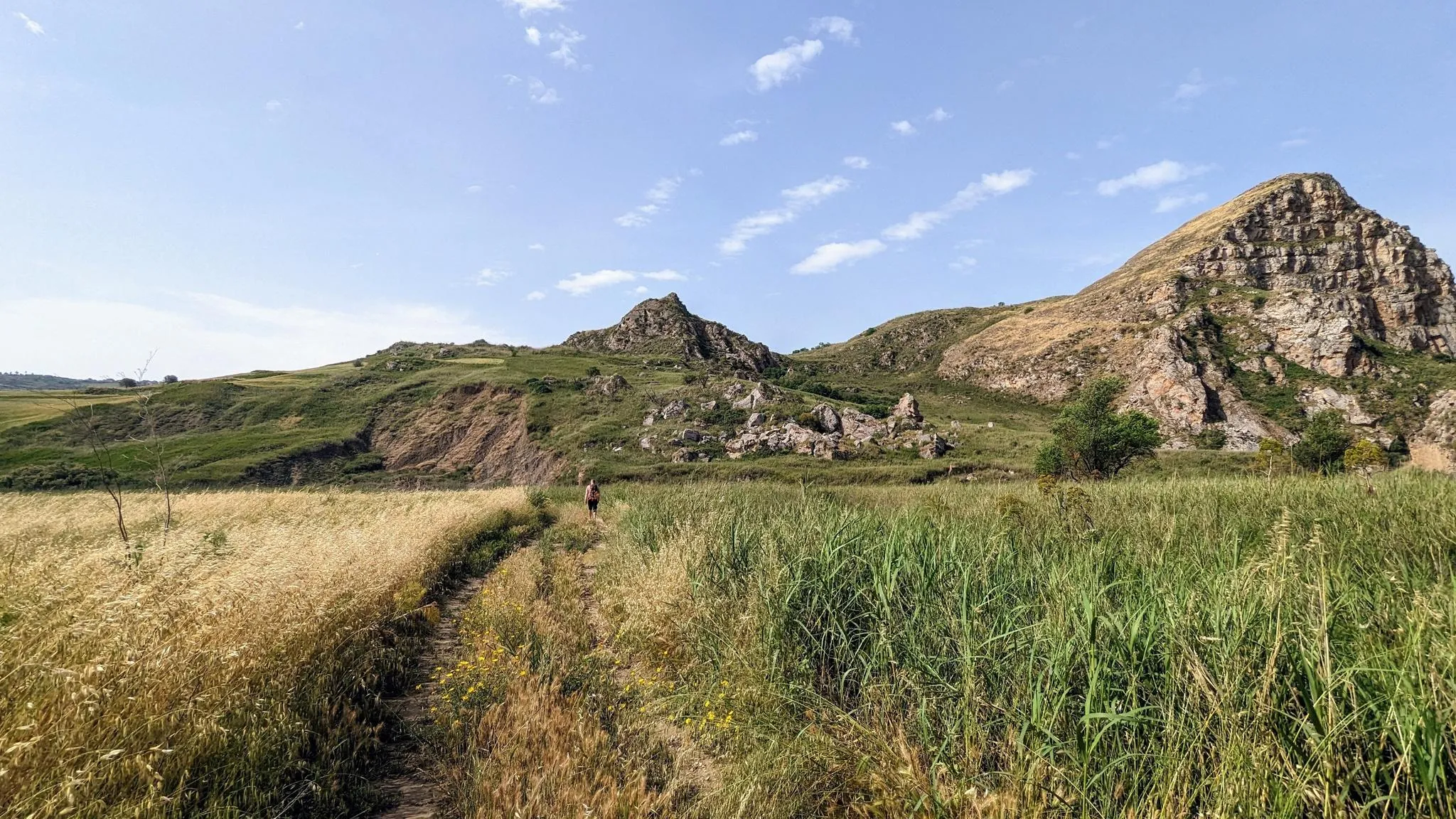
Monte Conca Nature Reserve
Highlight • Natural Monument
Translated by Google •
Tip by

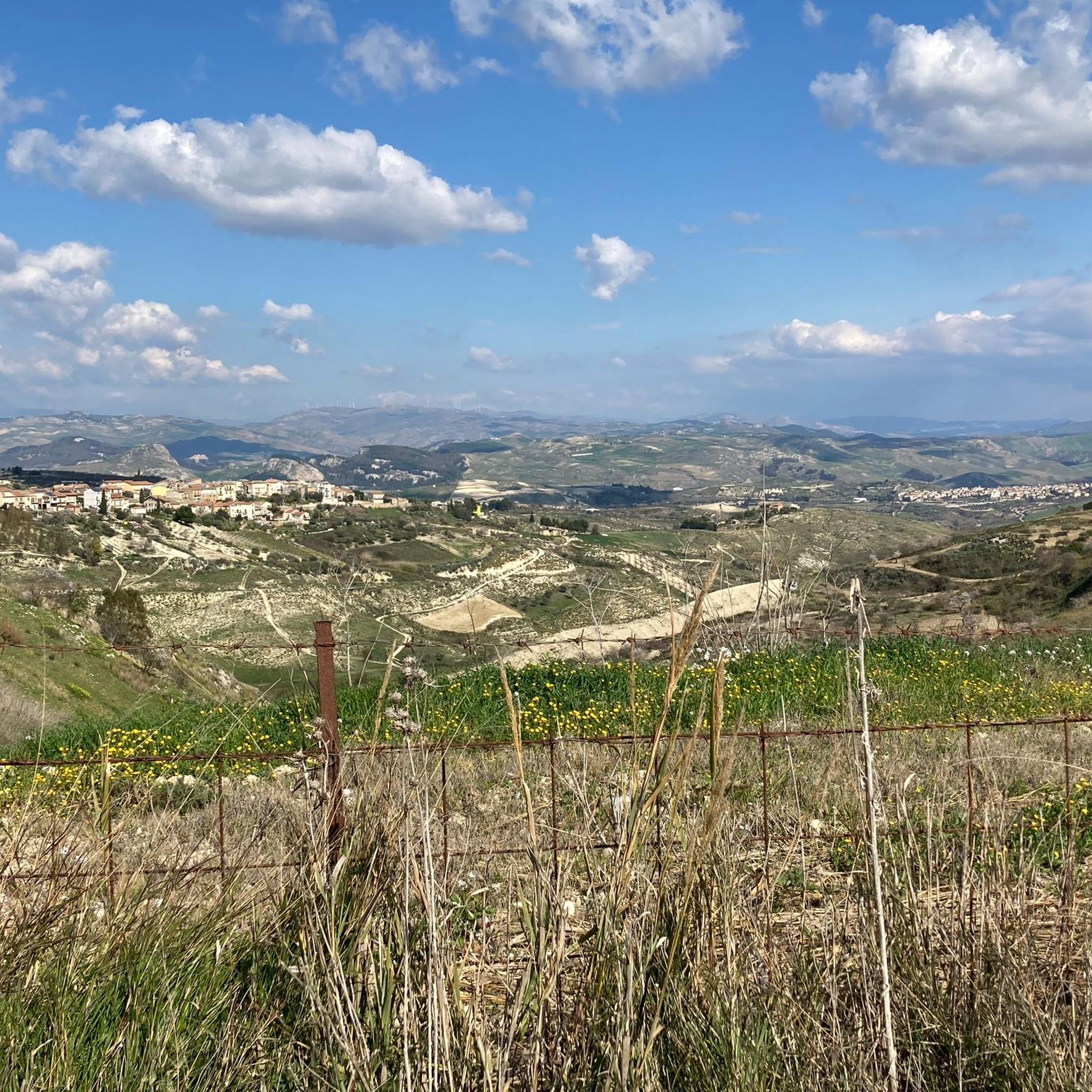
Petra di Calathansuderj
Highlight • Historical Site
Translated by Google •
Tip by
Sign up now to discover places like this
Get recommendations on the best single tracks, peaks, & plenty of other exciting outdoor places.
Sign up for free
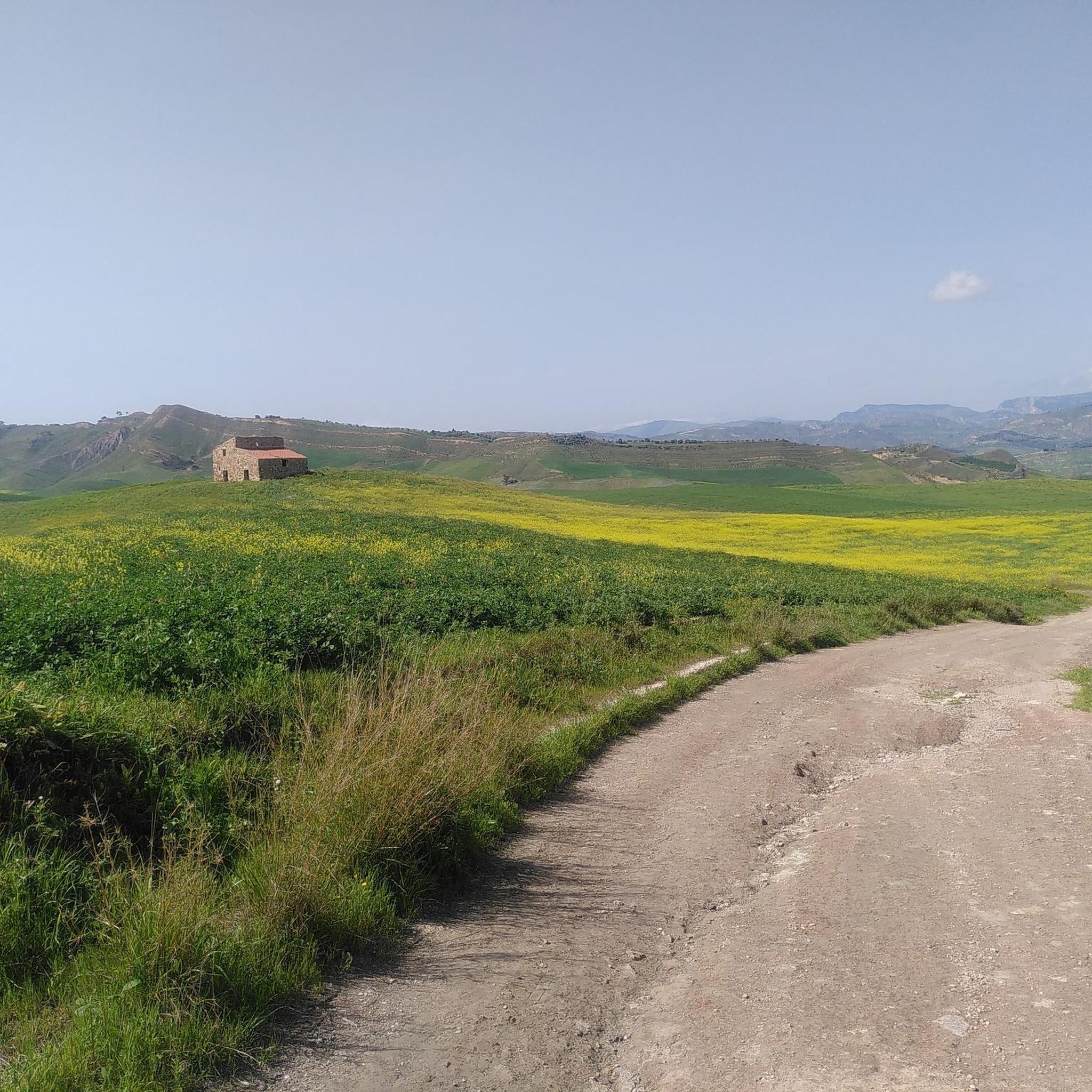
Gallo d'Oro River Canyon
Highlight • Canyon
Translated by Google •
Tip by

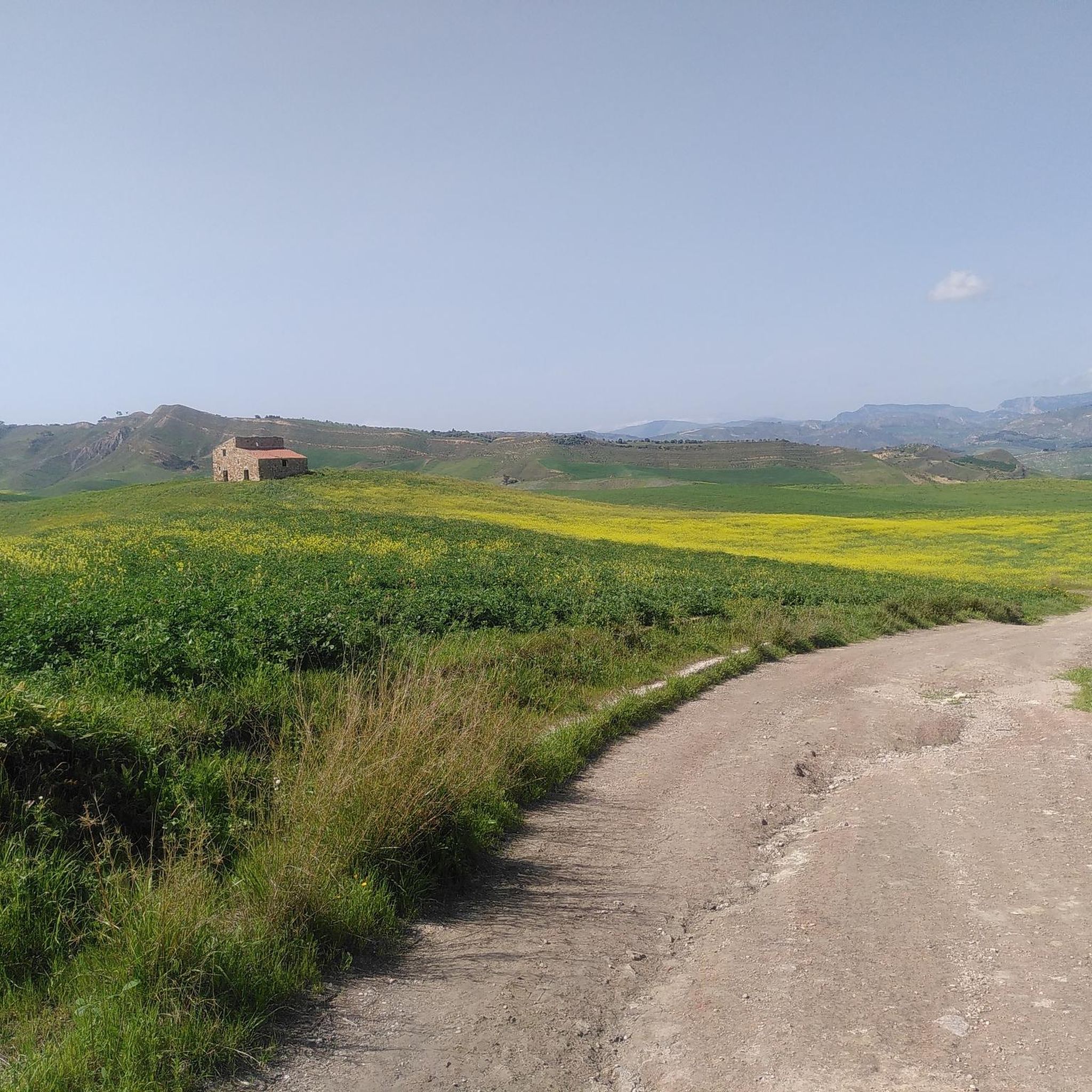
Macalube di Aragona Nature Reserve
Highlight • Natural Monument
Translated by Google •
Tip by

Mountain of Peace (Monte Caltafaraci)
Highlight • Summit
Translated by Google •
Tip by

Sign up for free to discover even more natural monuments around Grotte.
Sign up for free
Already have an account?
Start today with a free account
Your next adventure awaits.
Login or Signup

Other adventures around Grotte

Tips from the Community

The site is still closed in 2025, but you can approach the fence where you can observe one of the most distant volcanoes. Furthermore, there seems to be a possibility of a "soon" reopening. The macalube (or maccalube) are small mud volcanoes formed by a rare geological phenomenon called sedimentary volcanism: methane gas pressure causes gas, water, and clayey sediments to escape from the subsurface, forming mud cones very similar to volcanoes. The term likely derives from the Arabic maqlùb, meaning "overturning" or "upside down," referring to the lifting and overturning of older materials brought to the surface during eruptive phases (from the web).
1
0

Beautiful nature reserve along the Magna Via Francigena. I had problems crossing the river. Hiking poles are an advantage.
2
0

The archaeological area of Petra of Calathansuderj hides a unique stronghold, testimony to the Byzantine-Arab-Norman influence, with an imposing structure 30 meters high and 40 meters wide, full of tunnels dug for the defense and control of the roads communication. The discovery of numerous ceramic finds, dated between the 2nd and 14th centuries AD, reveals the strategic importance of this site through the centuries.
4
0
The Monte Conca nature reserve, established in 1995, is an exceptional example of a landscape shaped by karst, with impressive underground karst systems that include the Inghiottitoio and Risorgenza caves. This protected area boasts a rich biodiversity, with habitats ranging from Mediterranean scrub to prairies, hosting endemic plant species and animals at risk of extinction, including the fox, the porcupine and the rare Bonelli's eagle.
4
0

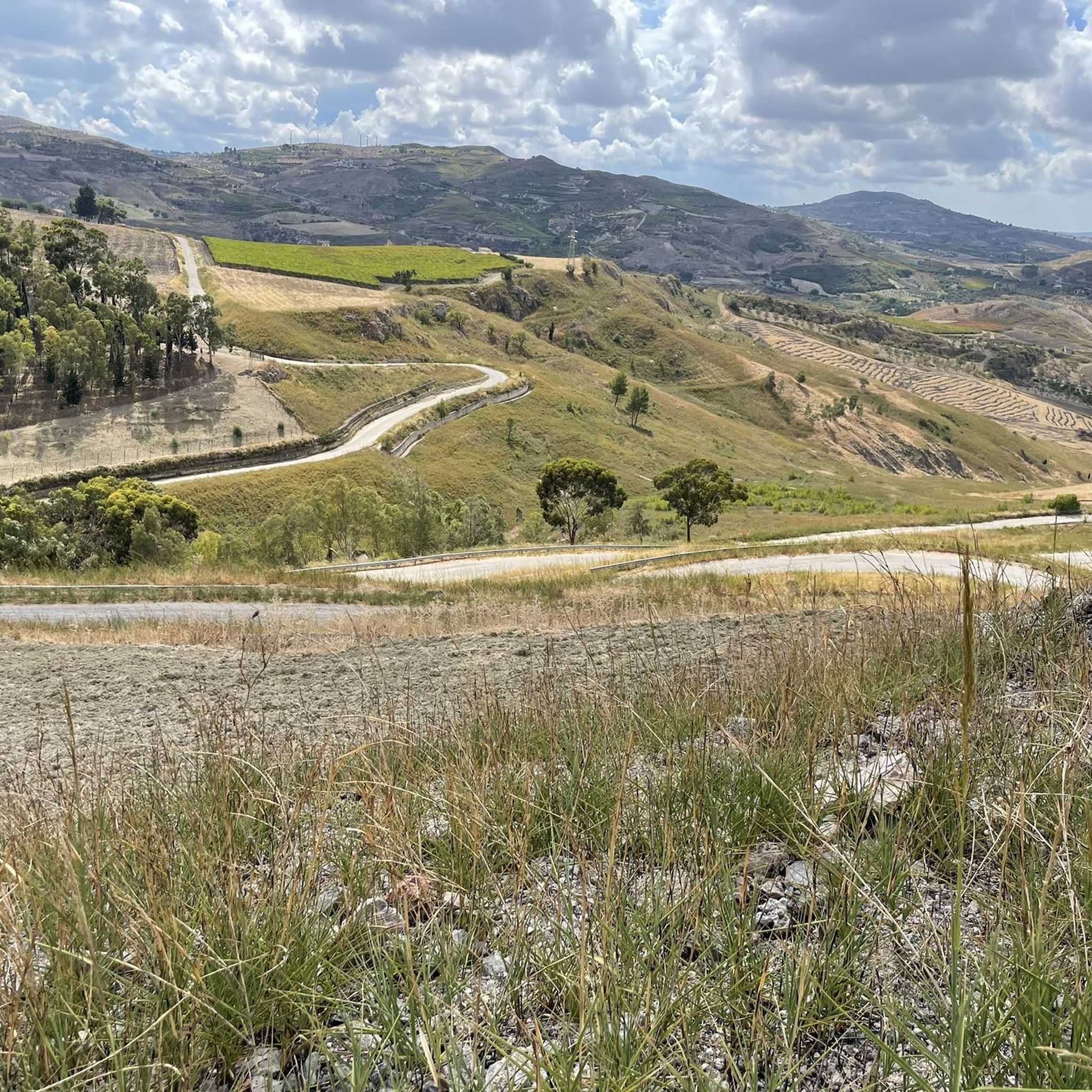
Spectacular passage along the Sicily Divide itinerary. The valley that you cross is a monument to silence. Spectacular view of the canyon a few km from the village of Bompensiere
0
0

Monte Caltafaraci (the Mountain in the IGM cartography; the Muntagna in Sicilian) is a mountain of 533 m of altitude, with very steep walls, located in the immediate vicinity to the north - west of the urban area of the city of Favara. It is rich in archaeological evidence ranging from the early Bronze Age to the 13th century. Source: wikipedia
2
0
Monte Caltafaraci (the Mountain in the IGM cartography; the Muntagna in Sicilian) is a mountain of 533 m of altitude, with very steep walls, located in the immediate vicinity to the north - west of the urban area of the city of Favara. It is rich in archaeological evidence ranging from the early Bronze Age to the 13th century. Source: wikipedia
1
0

For some years now it is no longer possible to enter the fenced area, created to protect the very rare evidence of the so-called "cold mud volcanoes". It is an unreal place, a lunar landscape, fantastic. The photo of me with my bike next to a macaluba is not from today, but from a few years ago, before the area was closed to the public. https://www.legambienteriserve.it/macalube-di-aragona/
1
0
Frequently Asked Questions
What unique geological formations can I explore around Grotte?
The Grotte region is known for its diverse geological features. You can explore impressive underground karst systems at Monte Conca Nature Reserve, which includes the Inghiottitoio and Risorgenza caves. Another unique phenomenon is the Macalube di Aragona Nature Reserve, where you can observe cold mud volcanoes creating a lunar landscape, a rare geological sight caused by methane gas pressure.
Are there any historical natural monuments in the Grotte area?
Yes, the region offers natural monuments with significant historical importance. Petra di Calathansuderj is a historical site and natural monument featuring an imposing rock structure with tunnels dug for defense, containing ceramic finds from the 2nd to 14th centuries AD. Additionally, the Mountain of Peace (Monte Caltafaraci) is a summit rich in archaeological evidence dating from the early Bronze Age to the 13th century.
What kind of wildlife and nature can I expect to see in the natural monuments around Grotte?
The Monte Conca Nature Reserve is a prime spot for nature enthusiasts. It boasts rich biodiversity, with habitats ranging from Mediterranean scrub to prairies. The reserve is home to endemic plant species and animals at risk of extinction, including the fox, the porcupine, and the rare Bonelli's eagle.
Are there hiking opportunities near the natural monuments in Grotte?
Absolutely. The region offers various hiking trails. For instance, you can find routes like the 'Drinking Water Fountain – Monte Conca Loop' (easy, 4.6 km) or the 'Monte Conca Nature Reserve – Monte Conca Loop' (moderate, 9.2 km) within the Monte Conca Nature Reserve. For more options, explore the Hiking around Grotte guide.
Can I go cycling near the natural monuments around Grotte?
Yes, there are several cycling routes available. You can find options like the 'Aragona – Petra di Calathansuderj loop from Grotte' (difficult, 28.3 km). For a comprehensive list of routes, check out the Cycling around Grotte and Road Cycling Routes around Grotte guides.
What is the <a href="https://www.komoot.com/highlight/5406946" target="_blank" rel="noopener">Gallo d'Oro River Canyon</a> like?
The Gallo d'Oro River Canyon is a spectacular natural monument that offers a breathtaking passage along the Sicily Divide itinerary. It's a valley known for its profound silence and provides impressive views of the canyon, located just a few kilometers from the village of Bompensiere.
What should I know before visiting the <a href="https://www.komoot.com/highlight/4944401" target="_blank" rel="noopener">Macalube di Aragona Nature Reserve</a>?
The Macalube di Aragona Nature Reserve, known for its cold mud volcanoes, has had its fenced area closed to the public for some years to protect its rare geological features. While direct entry might not be possible, you can often approach the fence to observe these unique formations. There is a possibility of a reopening in the near future, so it's advisable to check local updates.
What do visitors enjoy most about the natural monuments around Grotte?
Visitors frequently appreciate the unique blend of geological wonders and historical significance. The impressive underground karst systems at Monte Conca Nature Reserve and the ancient stronghold of Petra di Calathansuderj are often highlighted. The spectacular views from places like the Gallo d'Oro River Canyon and the lunar landscape of the mud volcanoes also receive positive feedback.
Are there any viewpoints or scenic spots among the natural monuments?
Yes, several natural monuments offer excellent viewpoints. The Gallo d'Oro River Canyon provides a spectacular view of the canyon itself. Additionally, the Mountain of Peace (Monte Caltafaraci), a 533m high summit with steep walls, serves as a natural viewpoint offering panoramic vistas of the surrounding area.
What are the main characteristics of the natural monuments in the Grotte region?
The natural monuments around Grotte are primarily characterized by diverse karst formations, deep canyons, and unique geological phenomena such as mud volcanoes. The region features protected nature reserves with rich biodiversity, ancient rock formations with historical significance, and impressive underground cave systems, offering a blend of natural beauty and cultural heritage.
What level of difficulty can I expect on trails near Grotte's natural monuments?
Trails around Grotte's natural monuments vary in difficulty. For example, within the Monte Conca Nature Reserve, you can find easy loops like the 'Drinking Water Fountain – Monte Conca Loop' (4.6 km) and moderate options such as the 'Monte Conca Nature Reserve – Monte Conca Loop' (9.2 km). More challenging routes, like the 'Petra di Calathansuderj – Aragona loop' (22 km), are also available for experienced hikers. Some areas, like Monte Conca, may involve river crossings where hiking poles could be advantageous.
Most popular attractions around Grotte

Get inspired with the komoot mobile app


Explore more
Extend your search for the best caves by checking out these guides of the top ones around Grotte:
