Top 4 Natural Monuments around Castelvetrano
Best natural monuments around Castelvetrano offer insights into Sicily's geology, ecology, and ancient history. The region features a diverse landscape, from ancient stone quarries to pristine coastal areas. These sites showcase both natural geological formations and significant ecological importance. Castelvetrano provides opportunities to explore unique natural environments and historical interactions with the landscape.
Best natural monuments around Castelvetrano
- The most popular natural monuments is Cave di Cusa Archaeological Site, a historical site and natural monument that served as a…
Last updated: June 28, 2026
Cave di Cusa Archaeological Site
Highlight • Historical Site
Tip by

Stella d'Ingresso al Belice by Pietro Consagra
Highlight • Monument
Translated by Google •
Tip by

Sign up now to discover places like this
Get recommendations on the best single tracks, peaks, & plenty of other exciting outdoor places.
Sign up for free
View of Riserva Naturale Foce del Belice
Highlight • Viewpoint
Translated by Google •
Tip by
Gorghi Tondi Lakes
Highlight • Lake
Translated by Google •
Tip by

Santa Ninfa Cave Nature Reserve
Highlight • Cave
Translated by Google •
Tip by
Start today with a free account
Your next adventure awaits.
Login or Signup
Popular around Castelvetrano
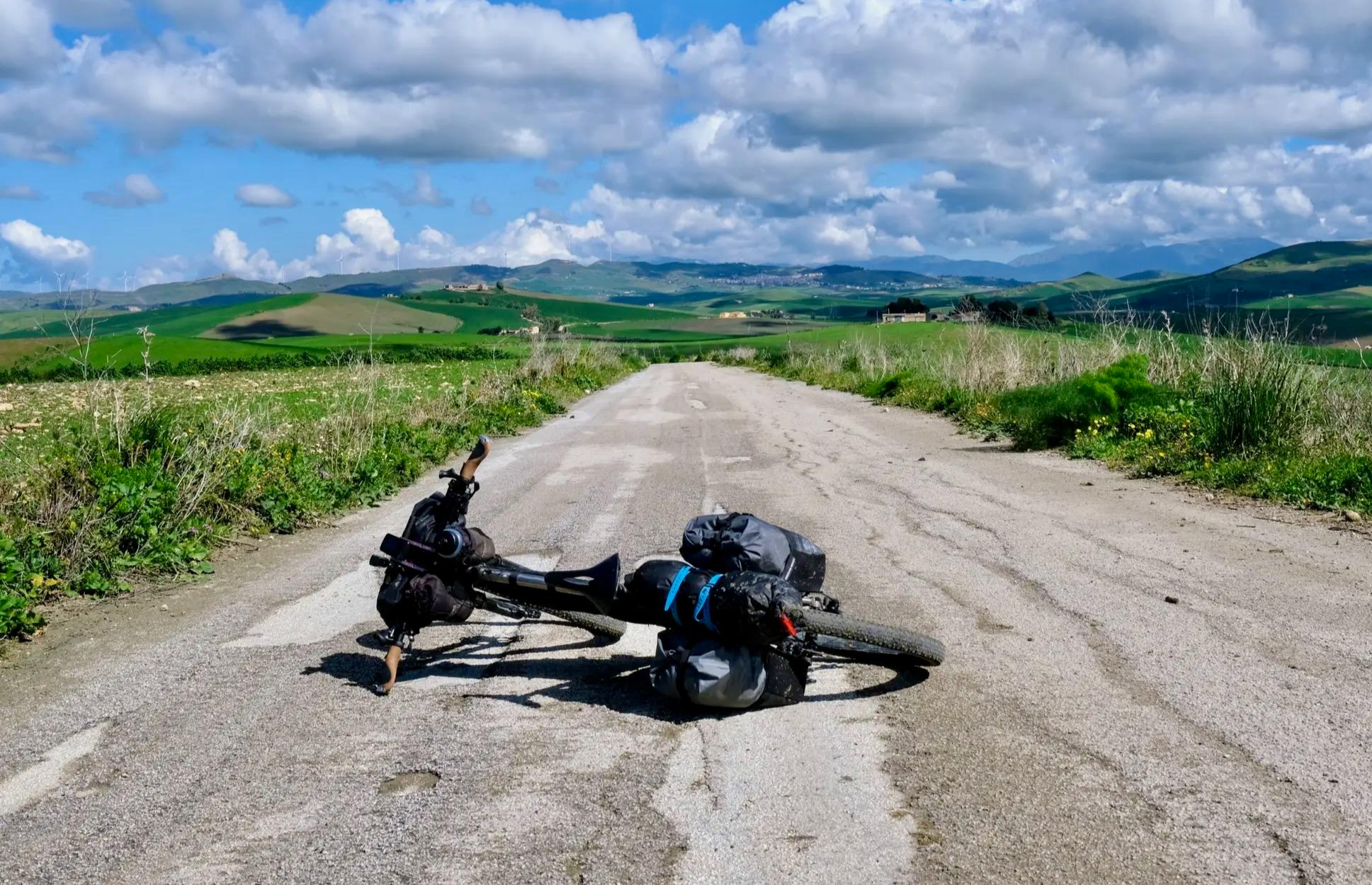
Scent of oranges – Sicily by bike between Agrigento, hinterland and Palermo
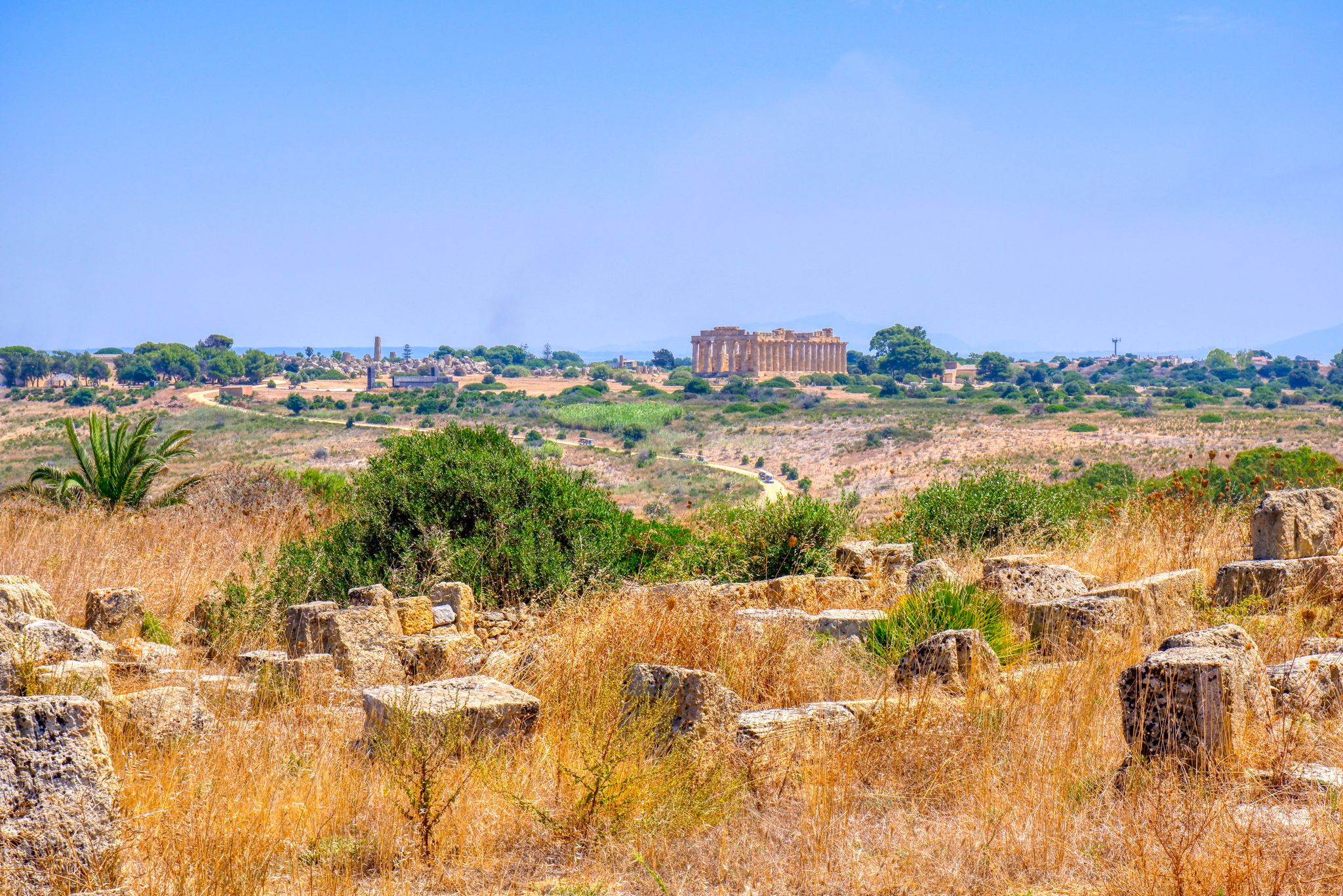
Between nature and history – Western Sicily by bike
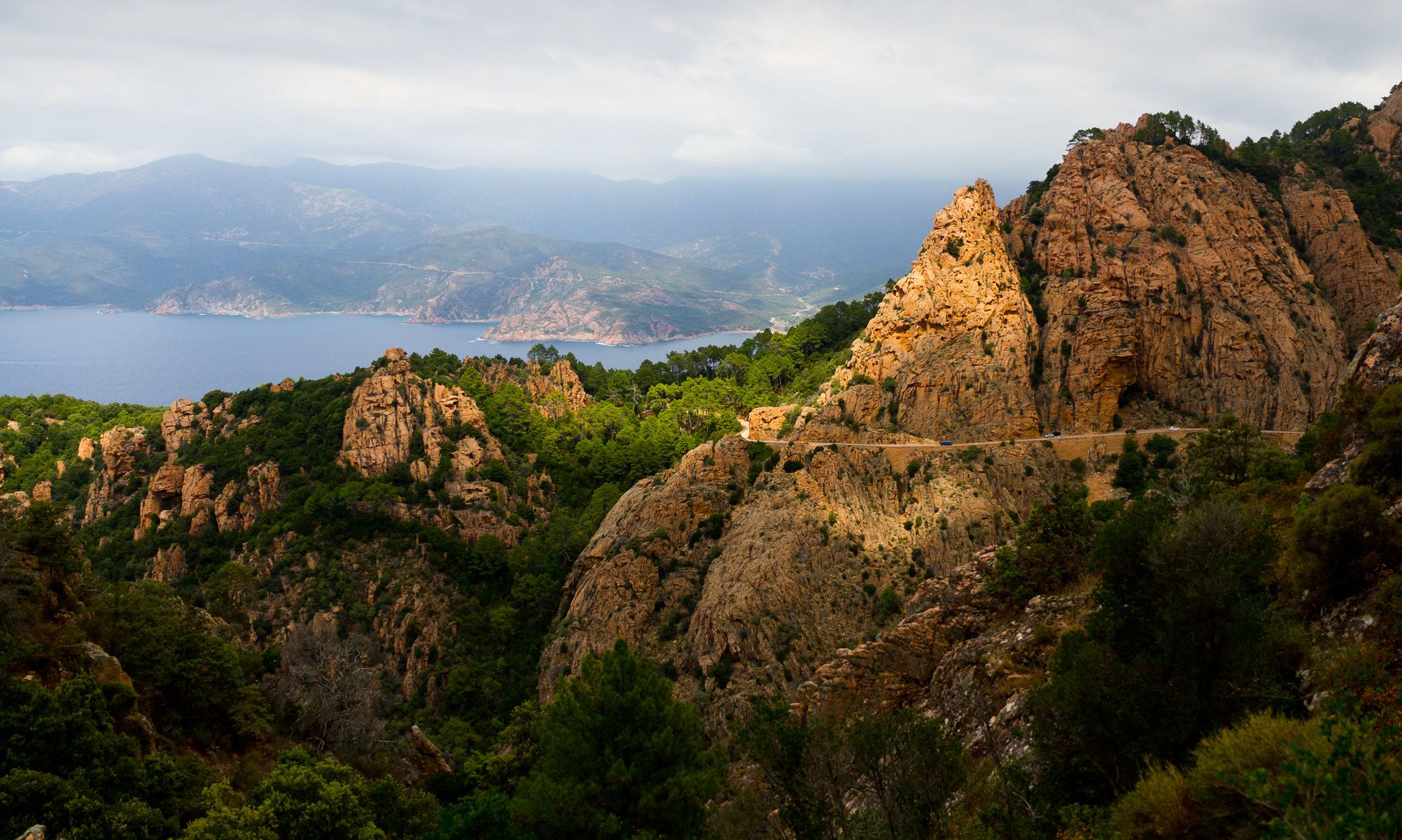
From Cape Corsica to Syracuse — three Mediterranean islands
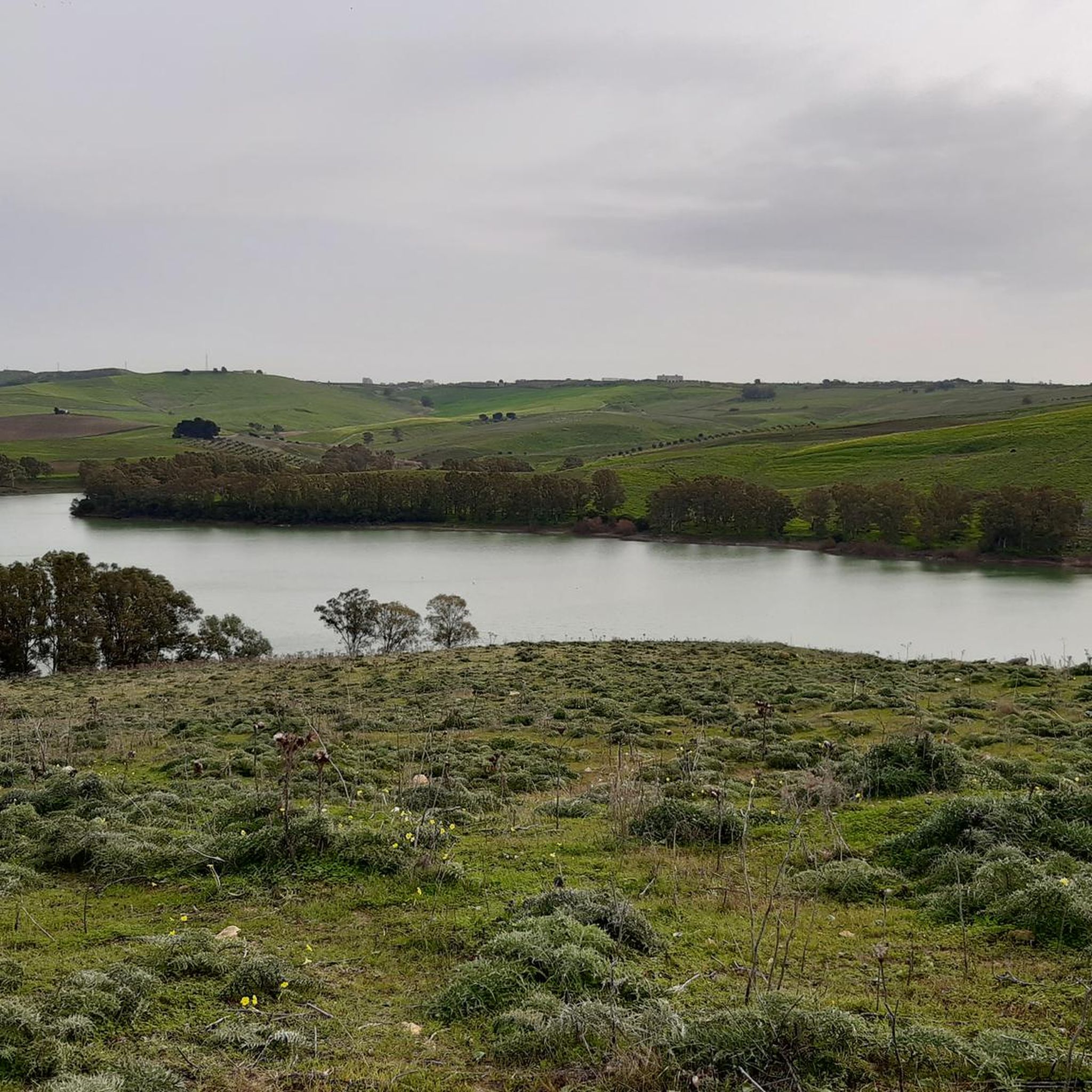
Hiking around Castelvetrano
MTB Trails around Castelvetrano
Cycling around Castelvetrano
Road Cycling Routes around Castelvetrano
Running Trails around Castelvetrano
Other adventures around Castelvetrano


Tips from the Community

The Stella d'Ingresso al Belice (also called Porta del Belice or Stella di Gibellina) is a monumental 26-meter-high stainless steel sculpture-portal, designed by the abstract artist Pietro Consagra in 1981. The work overlooks the state road leading to Gibellina Nuova, in Sicily, and represents the universal symbol of the reconstruction and rebirth of the entire Belìce Valley after the catastrophic earthquake of 1968.
1
0

The Belice Gate, or Belice Gate, is a stainless steel installation by Pietro Consagra erected on the road leading to the town of Gibellina Nuova. The work recalls the town lights that were once displayed for the holidays, but over time it has also become a symbol of the Belice Valley. It was erected following the artistic reconstruction of Gibellina, as desired by Mayor Ludovico Corrao. The work is 26 meters tall.
16
0
The SS 119 also known as the "Gibellina Road".
20
0
Directions and some information for visiting the Santa Ninfa caves.
16
0

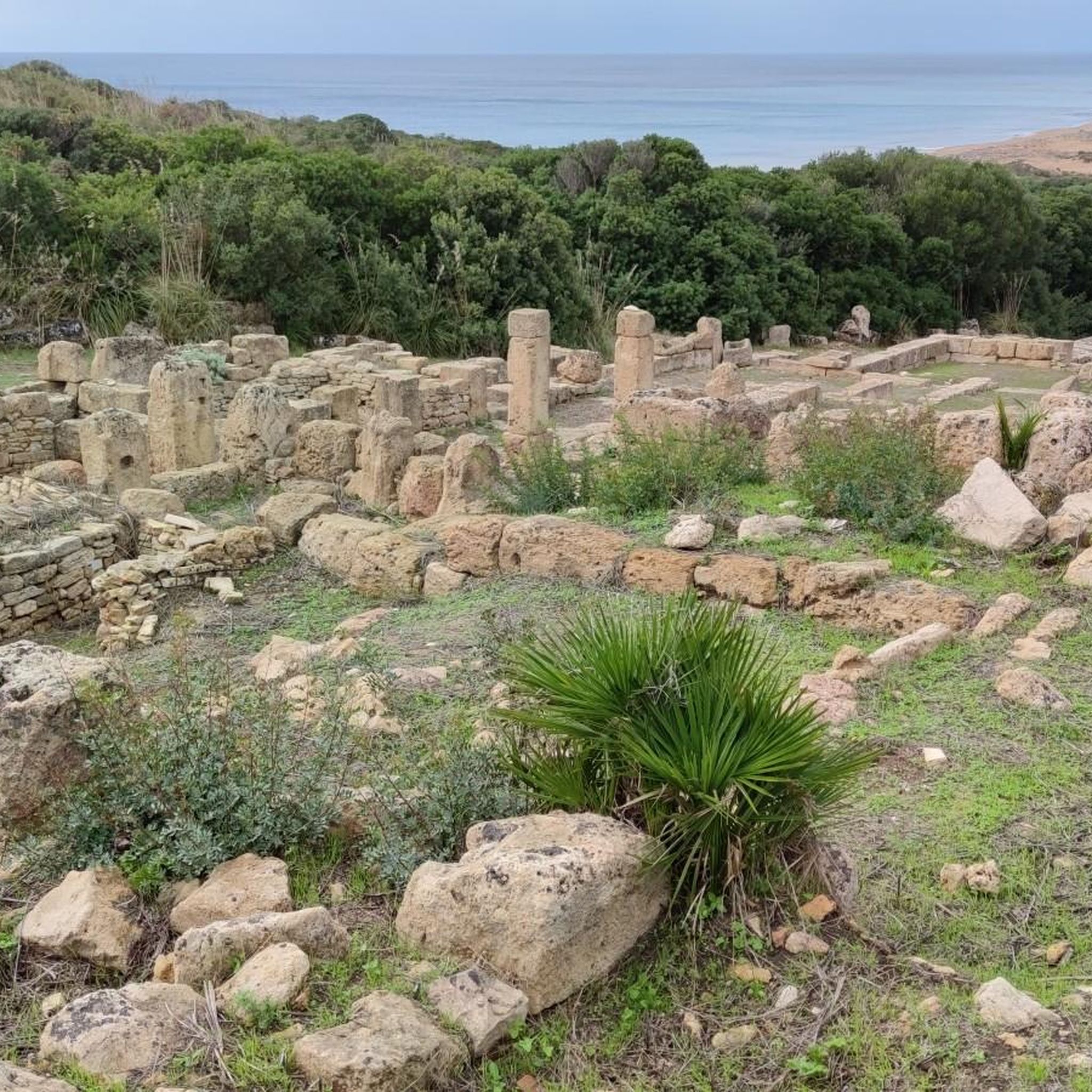
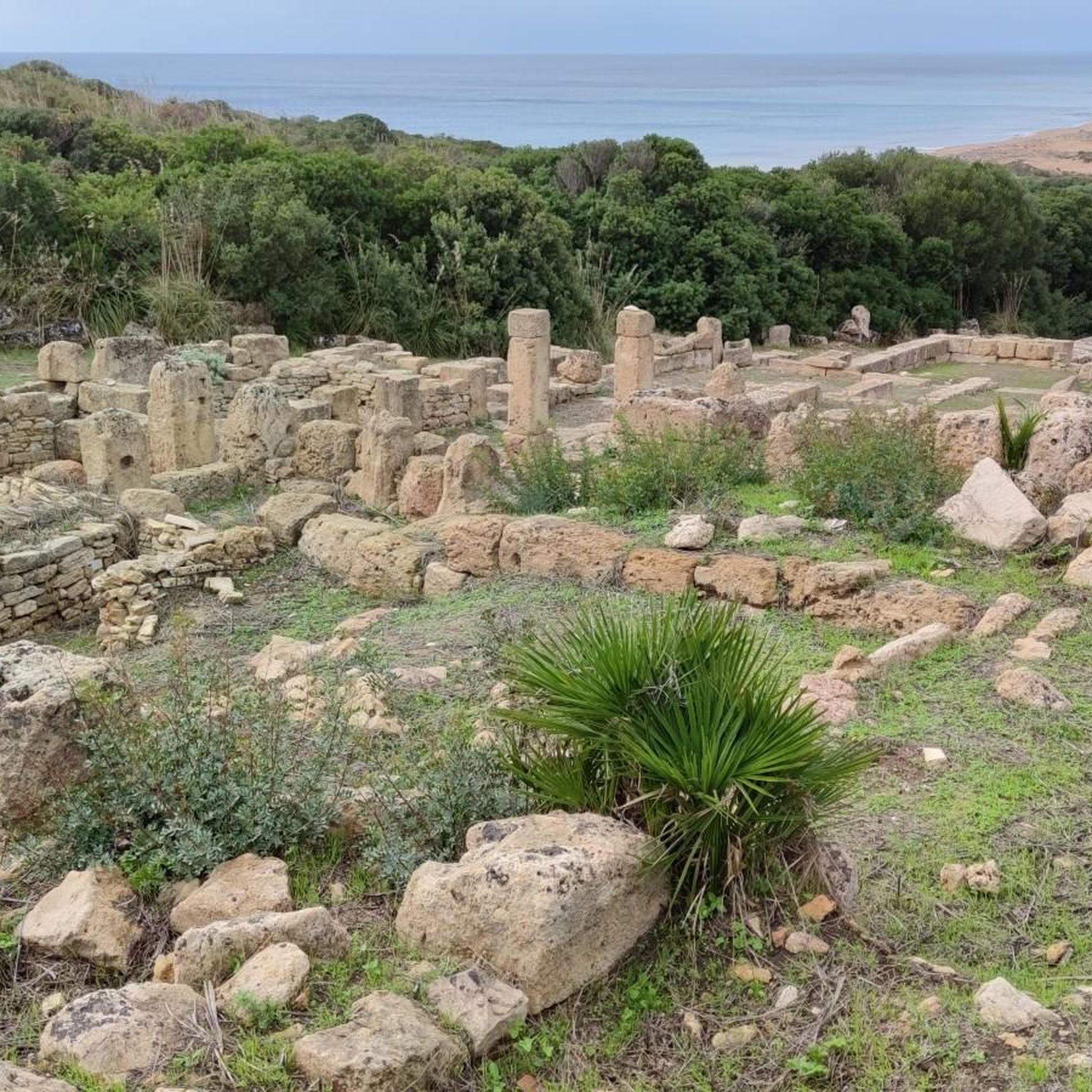
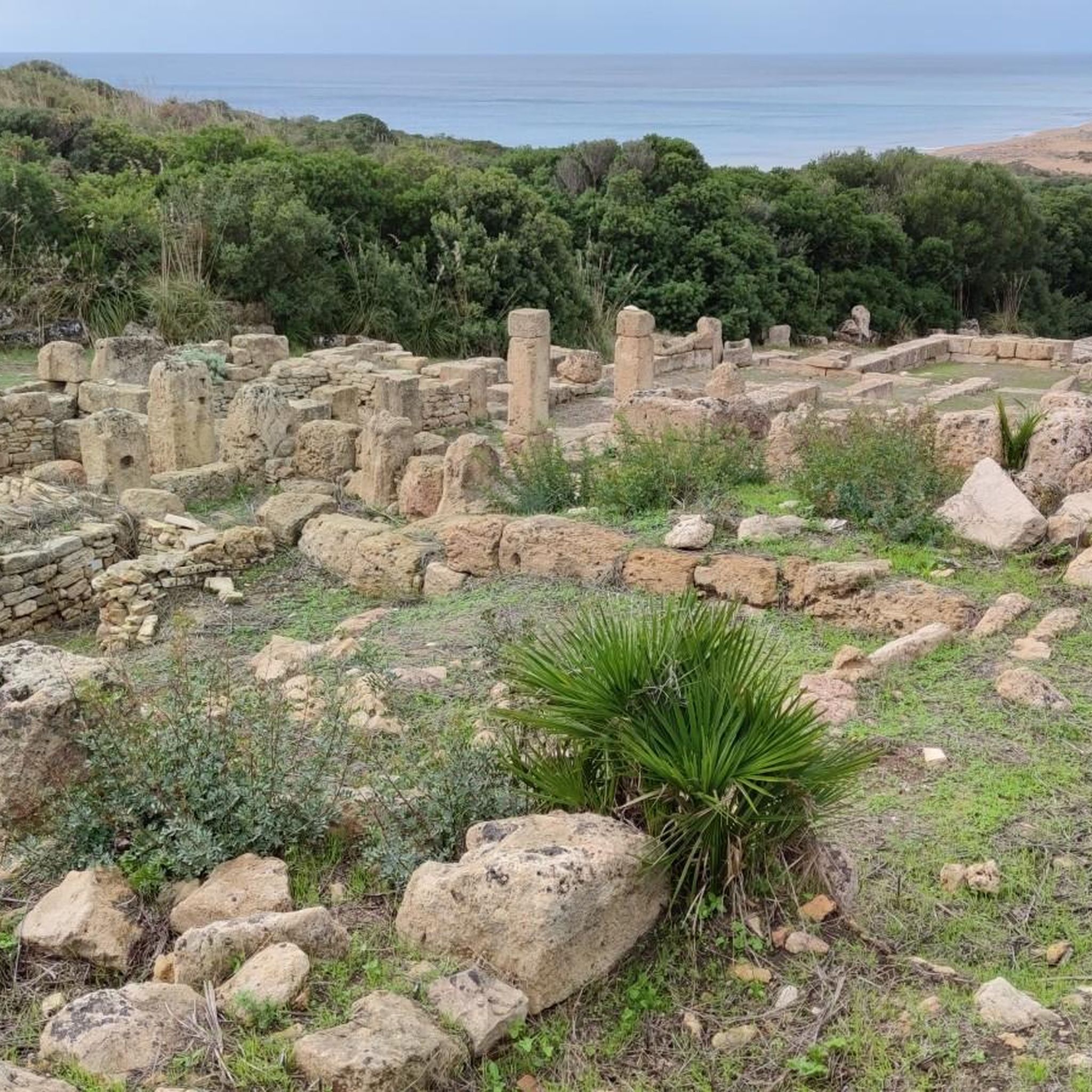
from these quarries they extracted the calcarenite used to build the site of Selinunte, which is about ten kilometers away. A place where time stopped at the beginning of the 5th century, when it was suddenly abandoned.
0
0

The asphalt is very bad in places, but you can find your way. It's a great route with little traffic.
0
0

The Cave di Cusa offers a very special atmosphere that takes you straight into the ancient world. As you wander through the ruins of this old quarry, you will witness the unfinished work of the ancient Greeks. It is almost as if the workers are on their lunch break, so well preserved are the huge column blocks that were hewn out of the limestone here over 2,500 years ago to later be used in Selinunte. The quarry was opened in the middle of the 6th century BC to provide building material for the magnificent temples in Selinunte. What is particularly exciting is that when Selinunte was destroyed by the Carthaginians in 409 BC, the stonemasons abruptly stopped their work - and you can still see it that way today. Gigantic column parts lie scattered around as if time had simply stood still. If you feel like exploring, you can explore the unfinished columns and take in the dimensions of the ancient construction projects. The surrounding area itself offers an open, hilly landscape that invites you to linger. Sometimes the official entrance is closed, but don't worry - there is a path to the right that leads into the area, with no climbing required! Also pay attention to the local regulations, as this historic site is part of the archaeological zone of Sicily.
0
0
Work of art that marks the entrance to Belice.
31
0
Frequently Asked Questions
What kind of natural monuments can I explore around Castelvetrano?
The region around Castelvetrano offers a diverse range of natural monuments, from ancient geological formations shaped by human activity to pristine coastal ecosystems. You can explore sites like the ancient quarry of Cave di Cusa Archaeological Site, the coastal dunes and river mouth of the Riserva Naturale Orientata Foce del Belice, and the tranquil Gorghi Tondi Lakes.
Are there any natural monuments that offer a glimpse into ancient history?
Absolutely. The Cave di Cusa Archaeological Site is a remarkable example. This ancient stone quarry, which supplied materials for the temples of Selinunte, is virtually frozen in time from 409 BC. You can see massive, unfinished stone blocks and columns, offering a unique insight into ancient Greek construction techniques and the sudden abandonment of the site.
Which natural monuments are best for nature observation and wildlife?
The Riserva Naturale Orientata Foce del Belice e Dune Limitrofe is ideal for nature lovers. This reserve protects a vital part of Sicily's Mediterranean coastline, including the Belice River mouth and extensive coastal sand dunes. It's a crucial habitat for various bird species and a nesting site for the endangered Caretta caretta sea turtle, making it excellent for birdwatching and observing coastal biodiversity. The Gorghi Tondi Lakes also offer a tranquil natural environment for observing local flora and fauna.
Are there family-friendly natural monuments in the area?
Yes, several natural monuments are suitable for families. The Gorghi Tondi Lakes offer a beautiful and tranquil setting that families can enjoy. Additionally, the Stella d'Ingresso al Belice by Pietro Consagra, while a man-made monument, is listed as family-friendly and is located within the broader natural landscape of the Belice valley.
What is the best time of year to visit the natural monuments around Castelvetrano?
Spring is often recommended for visiting the natural monuments. For instance, the Cave di Cusa Archaeological Site is particularly beautiful in spring with flowers blooming amidst the ancient ruins. Generally, spring and autumn offer pleasant temperatures for exploring outdoor sites, avoiding the intense heat of summer.
Are there hiking opportunities near these natural monuments?
Yes, the region offers various hiking opportunities. For example, you can find trails around the Selinunte Archaeological Park, which is close to the Cave di Cusa Archaeological Site. You can explore routes like the 'Temple of Hera (Selinunte) – Selinunte Archaeological Park loop' or the 'Temple F Ruins – Selinunte Archaeological Park loop'. For more hiking options, check out the Hiking around Castelvetrano guide.
Can I find any natural caves to explore?
Yes, the Santa Ninfa Cave Nature Reserve offers an opportunity to explore natural caves. This reserve is known for its cave systems and provides a different kind of natural experience compared to the coastal or quarry sites.
What other outdoor activities can I do near the natural monuments?
Beyond hiking, the area around Castelvetrano provides options for road cycling and running. You can find various road cycling routes, such as 'From Castelvetrano to Mazara' or 'Campobello di Mazara – Trattoria delle Cozze loop'. For runners, there are trails like the 'Beach – Temple E, Selinunte loop'. More details can be found in the Road Cycling Routes around Castelvetrano and Running Trails around Castelvetrano guides.
Are any of the natural monuments wheelchair accessible?
While many natural sites can have uneven terrain, the Stella d'Ingresso al Belice by Pietro Consagra is specifically noted as wheelchair accessible. It's always advisable to check specific conditions for other natural areas, as paths can vary.
What do visitors particularly enjoy about the natural monuments in this region?
Visitors are often impressed by the unique blend of history and nature. For instance, at Cave di Cusa, the exceptional preservation of the ancient quarry allows one to step back in time and witness the scale of ancient engineering. The unspoiled coastal ecosystems of the Riserva Naturale Foce del Belice are appreciated for their tranquility and rich biodiversity, offering a rare glimpse of the natural Mediterranean landscape.
How long should I plan for a visit to a natural monument like Cave di Cusa?
To fully appreciate the Cave di Cusa Archaeological Site and wander among the massive stone blocks, you should plan for at least 1 to 2 hours. This allows enough time to explore the 1.8-kilometer-long site and take in its historical significance.
Most popular attractions around Castelvetrano

Get inspired with the komoot mobile app


Explore more
Extend your search for the best caves by checking out these guides of the top ones around Castelvetrano:
