Top 5 Natural Monuments around Castellaneta
Best natural monuments around Castellaneta are characterized by dramatic geological formations and significant natural areas. The region is renowned for its deep ravines, known as "gravine," which are prominent features of the landscape. Additionally, a vast coastal pine forest contributes to the area's unique natural heritage. These features offer diverse environments for exploration and appreciation of the natural world.
Best natural monuments around Castellaneta
- The most popular natural monuments is View of the Gravina Grande of Castellaneta from the Ponte…
Last updated: June 28, 2026
Grotta Croce in Laterza
Highlight • Cave
Translated by Google •
Tip by

The Thinking Olive Tree
Highlight • Natural Monument
It has been …
Translated by Google •
Tip by

Sign up now to discover places like this
Get recommendations on the best single tracks, peaks, & plenty of other exciting outdoor places.
Sign up for free
Rock Church of San Nicola
Highlight • Religious Site
Translated by Google •
Tip by

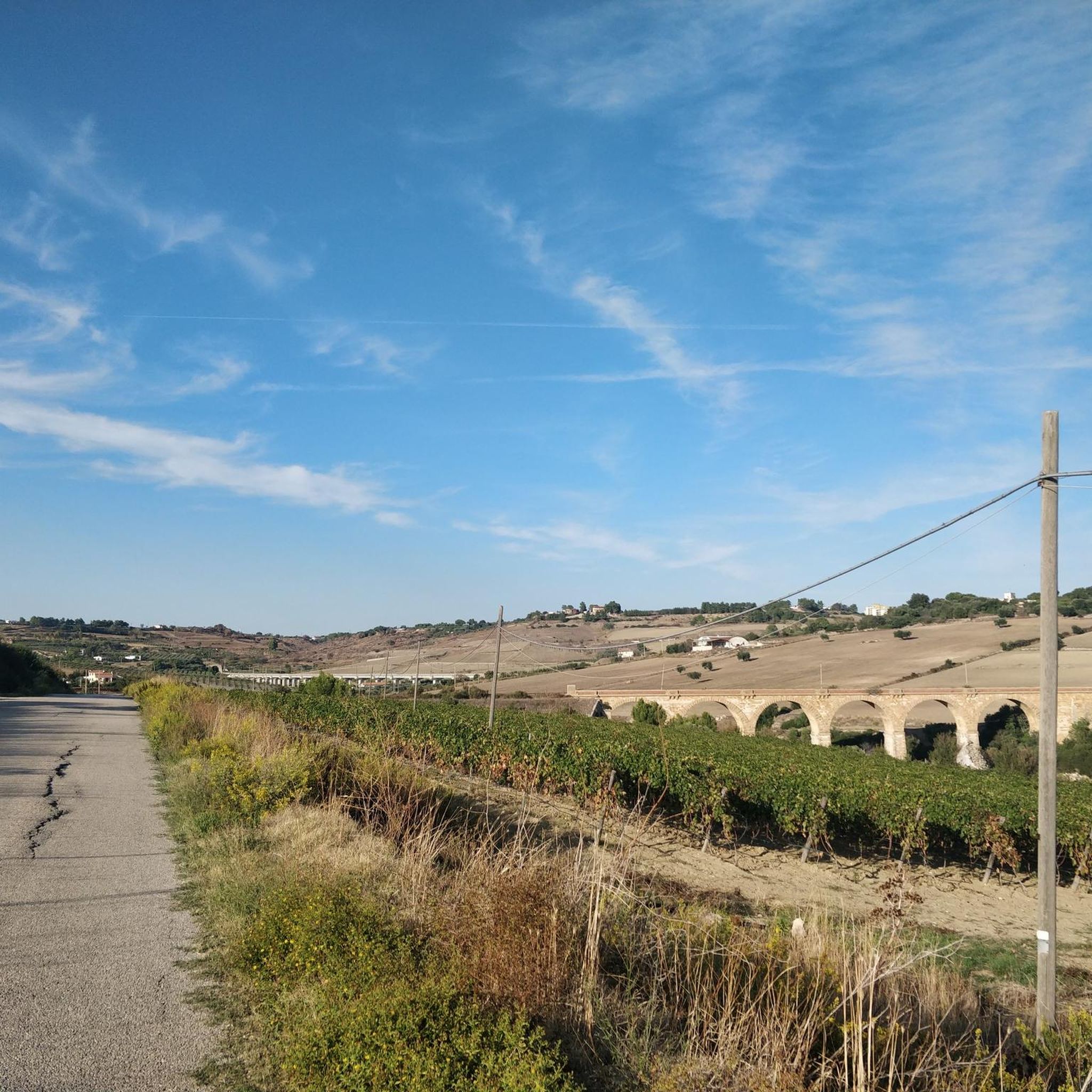
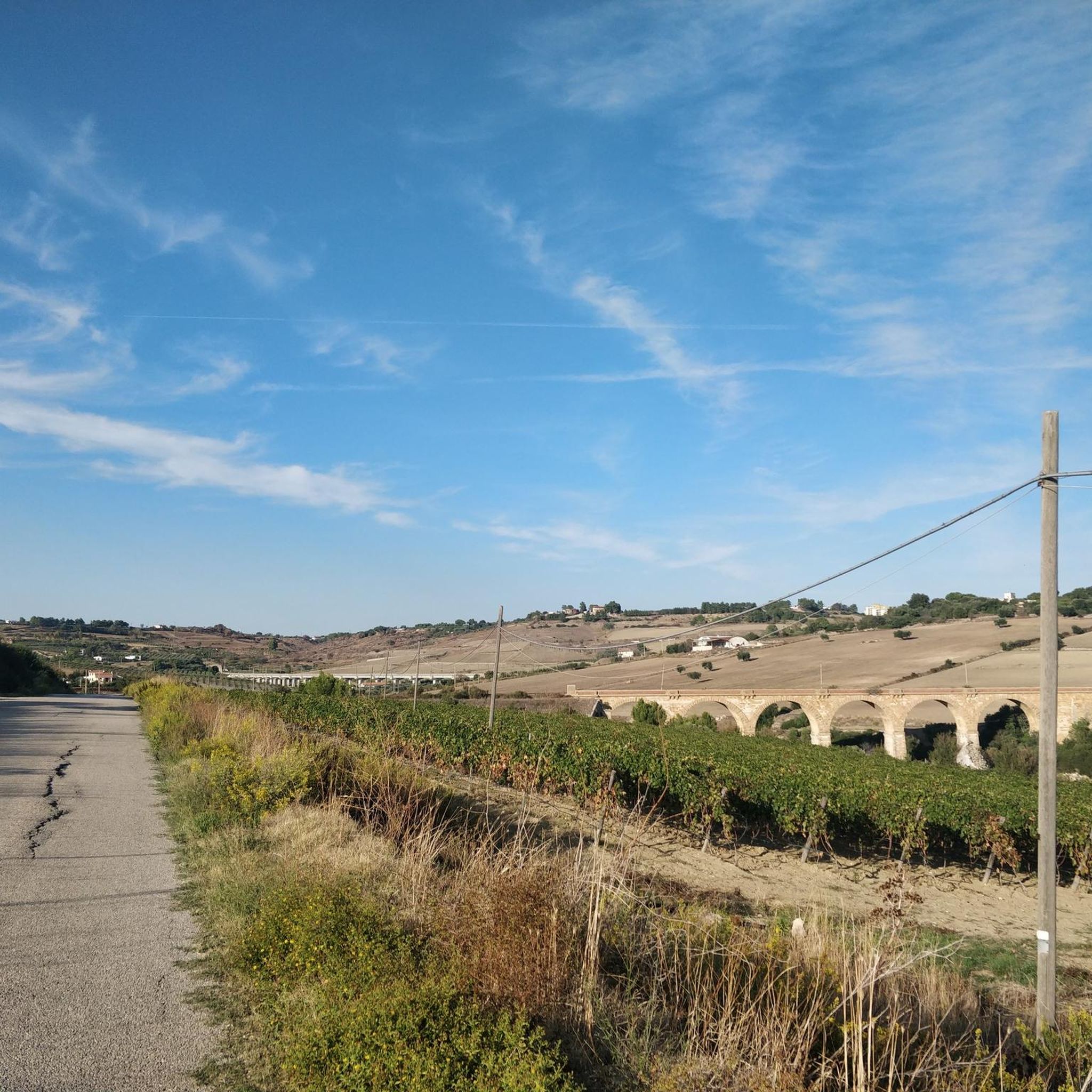
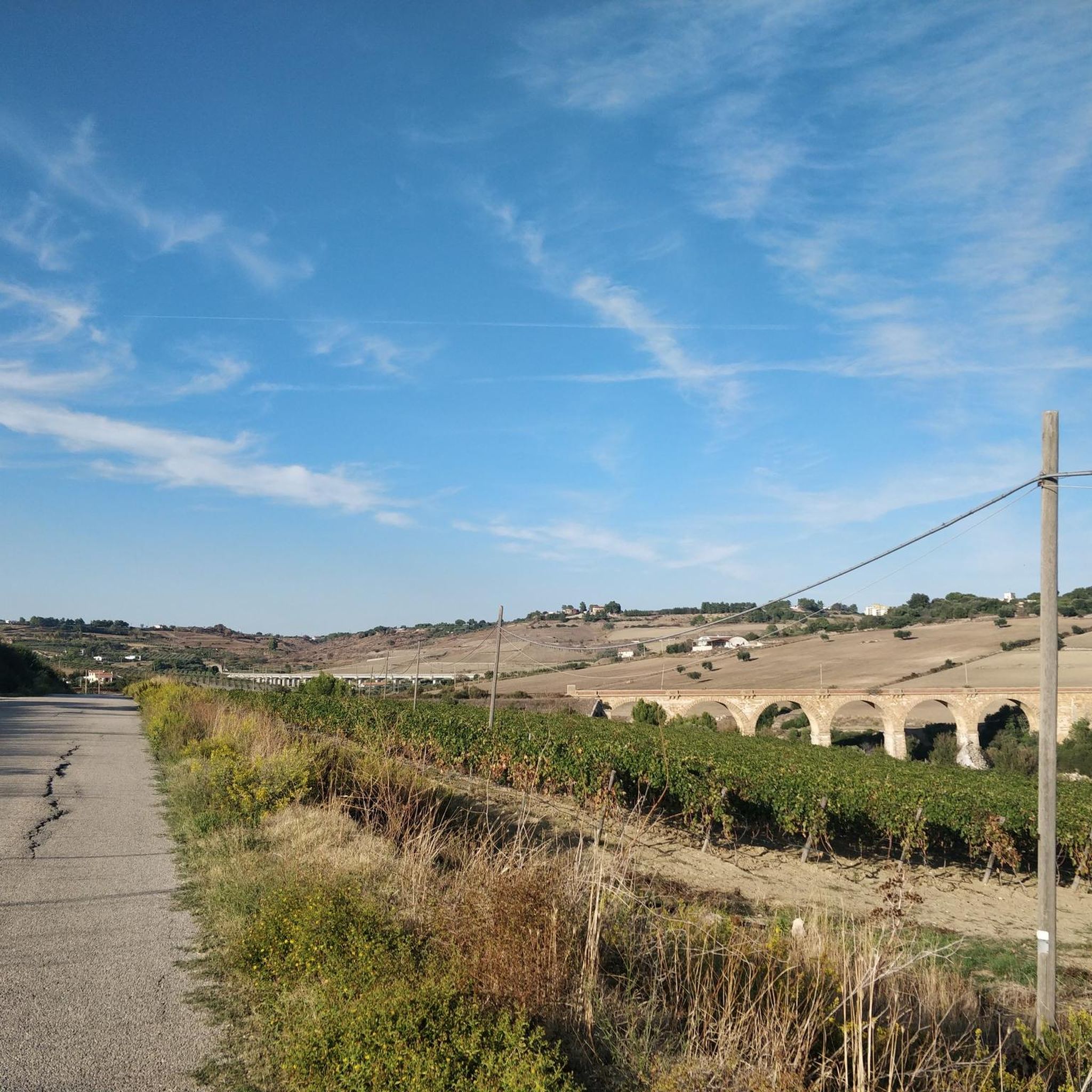
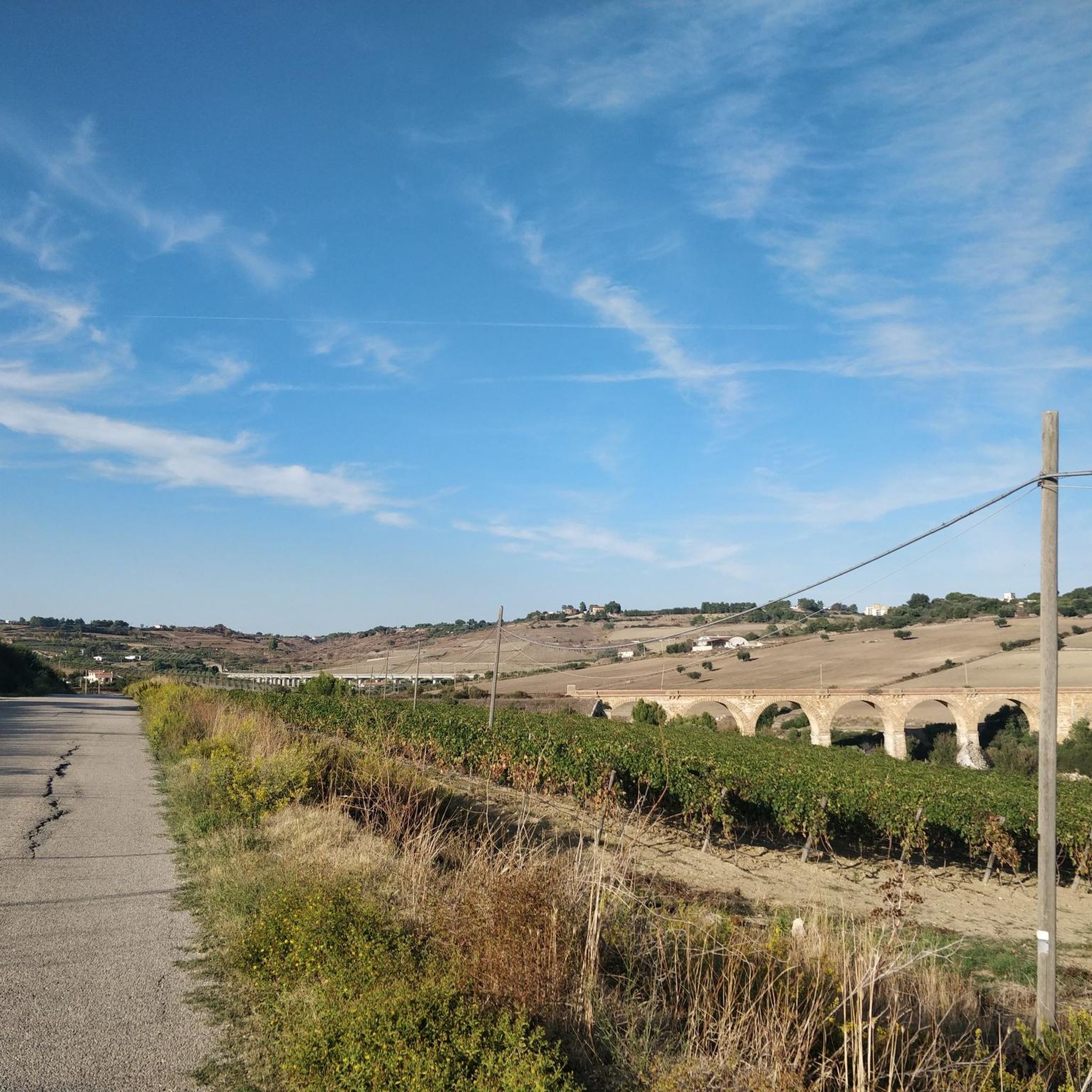
View of the Gravina Grande of Castellaneta from the Ponte di Santa Lucia
Highlight • Viewpoint
Translated by Google •
Tip by

along the Terre delle Gravine Nature Park
Highlight (Segment) • Trail
Discover Puglia by bike on viaggiatorelento.com
Translated by Google •
Tip by

Start today with a free account
Your next adventure awaits.
Login or Signup

Tips from the Community

html <a href="https://google.com">google</a> bcc [url=https://google.com]google[/url] mark [google](https://google.com)
0
0
hello <a href="https://chickenpirates.net">chicken pirate</a>
0
0

South-east of Mottola, in the Gorgone area near the Lamaderchia farm, along the ancient Via Consolare which represents a medieval branch of the Via Appia, stands the jewel in the crown of the Mirabili Grotte di Dio Mottolesi, the rock church of San Nicola, so named by Charles Diehl who was the first to describe it in 1894, an object of devotion for centuries of the local inhabitants, as well as of the Crusaders and pilgrims who travelled to Taranto and Brindisi from the inland regions to embark for the Holy Land. The beauty of its frescoes, cleaned for the first time in 1972 and restored in August 1989, after the vandalism of some heads of the wall icons, have led to it being defined as the Sistine Chapel of the rock civilization in Southern Italy. In truth, in this rock church we find ourselves in front of the most complete and astonishing art gallery of the popular sacred art of Puglia, which manages to fully highlight the testimonies of the various theological and artistic influences of oriental and Latin origin, spanning almost four centuries of the Middle Ages. The church is located on the edge of the ravine and can be accessed via stairs carved into the rock and adapted from the recent iron structure prepared by the Superintendency. A double-ringed lunette surmounts the door to the crypt and on it are visible traces of painted decoration of a half-length haloed figure.
0
0

Grotta Croce, located in Gravina di Laterza, is one of the many karst caves in this suggestive canyon in Puglia. Famous for its natural beauty and historical interest, the cave offers spectacular limestone formations. Explored by speleology enthusiasts and hikers, it is part of the Terra delle Gravine Natural Park, an area rich in biodiversity and characterized by deep ravines and hidden caves. Grotta Croce also has archaeological value, with finds that testify to human presence in ancient times.
1
0


Santa Lucia Bridge, a disused railway bridge over the ravine of the same name
0
0

Grotta Croce is a natural cavity located in the ravine of Laterza, a deep canyon dug by the river Lato. The cave has a shape resembling a Greek cross and a vault 9 meters high, and is inhabited by many birds, such as kestrels and swifts. It is part of the Lipu Oasis, a protected area for nature conservation
2
0
Frequently Asked Questions
What are the primary natural features to explore in Castellaneta?
Castellaneta is primarily known for its dramatic deep ravines, locally called "gravine," which are significant geological formations. Additionally, the region features a vast coastal pine forest. These elements create diverse environments for exploration, offering a unique blend of rugged landscapes and serene woodlands.
Are there any historical or archaeological sites within Castellaneta's natural monuments?
Yes, the natural monuments in Castellaneta are rich in history. The Gravina di Castellaneta, for instance, contains traces of ancient settlements, cave dwellings, and rupestrian churches, showcasing its historical role as a refuge. Another notable site is the Rock Church of San Nicola, a cave church with ancient frescoes located on the edge of a ravine.
Which natural monuments are suitable for families with children?
For families, the Thinking Olive Tree in the Ginosa countryside offers a unique and engaging sight, resembling an elderly person in contemplation. The Rock Church of San Nicola is also considered family-friendly, providing an interesting historical and natural experience.
What kind of wildlife can I expect to see in the natural monuments around Castellaneta?
The gravine and reserves host diverse wildlife. In the Gravina di Castellaneta, you might spot raptors like kestrels, lesser kestrels, buzzards, and black kites. The Parco Naturale Regionale Terra delle Gravine is home to small raptors, foxes, badgers, hedgehogs, and wild boars. The Riserva Naturale Statale Stornara is excellent for birdwatching, with species like red herons, grey herons, and common starlings during migration.
Where can I find the most impressive panoramic views of the gravine?
For breathtaking panoramic views, visit the View of the Gravina Grande of Castellaneta from the Ponte di Santa Lucia. This bridge, a former railway line, offers a magnificent perspective of the historic center and the Gravina Grande di Castellaneta. Paths along the rim of the Gravina Grande, especially near the Cathedral and Bishop's Palace, also provide stunning vistas.
Are there opportunities for hiking or walking within the natural monuments?
Yes, the region offers various hiking and walking opportunities. The Parco Naturale Regionale Terra delle Gravine features winding paths and spectacular landscapes, ideal for immersive nature experiences. You can find several moderate hiking routes around Castellaneta, such as the 'Grotta Croce in Laterza – View of the Gravina Canyon loop' or the 'Santa Lucia Bridge – Cathedral of Castellaneta loop'. For more options, explore the hiking guide for Castellaneta.
What is the Parco Naturale Regionale Terra delle Gravine, and what does it offer?
The Parco Naturale Regionale Terra delle Gravine is a large protected area encompassing numerous deep ravines across Puglia. It aims to protect the unique geological and archaeological features of the area. The park offers an immersive experience into wild nature with diverse flora and fauna, winding paths, and spectacular landscapes. It's also rich in archaeological sites, including artificial caves.
Can I explore the Gravina di Castellaneta itself, or just view it from above?
While breathtaking views are available from above, such as from the Ponte di Santa Lucia, parts of the Gravina di Castellaneta are accessible for exploration. The northern part of the gravina is generally easier to visit due to less steep slopes. Exploring the gravina offers a unique blend of dramatic landscapes, rich history, and authentic regional spirit, including cave dwellings and rupestrian churches.
What is the Riserva Naturale Statale Stornara known for?
The Riserva Naturale Statale Stornara is primarily known for its vast coastal pine forest, predominantly composed of Aleppo pines. It's a serene natural environment with long, wild beaches, offering opportunities for relaxation, sports activities, and birdwatching. The reserve is named after the numerous common starlings that inhabit the area during migration.
Are there any unique or unusual natural monuments to see?
Yes, one particularly unique natural monument is The Thinking Olive Tree. Located in the Ginosa countryside, this ancient olive tree is notable for its distinctive appearance, which resembles an elderly person in contemplation, making it a memorable sight.
What is the best time of year to visit the natural monuments in Castellaneta?
The microclimates within the gravine and the Mediterranean scrub thrive in various seasons. Late spring is particularly good for birdwatching, as significant groups of red-footed falcons appear in the Gravina di Castellaneta. Generally, spring and autumn offer pleasant temperatures for hiking and exploring the outdoor sites, avoiding the intense heat of summer.
What kind of cycling routes are available near Castellaneta's natural monuments?
Castellaneta offers various cycling routes that allow you to experience the natural monuments. You can find touring bicycle routes like the 'View of the Gravina di Laterza loop' or road cycling routes such as the 'Gravina di Laterza – Laterza loop'. These routes often pass through or near the natural landscapes. For more details, check the cycling guide for Castellaneta or the road cycling guide.
Most popular routes around Castellaneta
Most popular attractions around Castellaneta

Get inspired with the komoot mobile app


Explore more
Extend your search for the best caves by checking out these guides of the top ones around Castellaneta:
