Top 20 Natural Monuments around Garda
Natural monuments around Garda showcase a diverse landscape, ranging from rugged mountains to serene lake shores. The region features unique geological formations and significant historical sites. These natural features provide opportunities for outdoor activities and offer expansive views of Lake Garda and its surroundings.
Best natural monuments around Garda
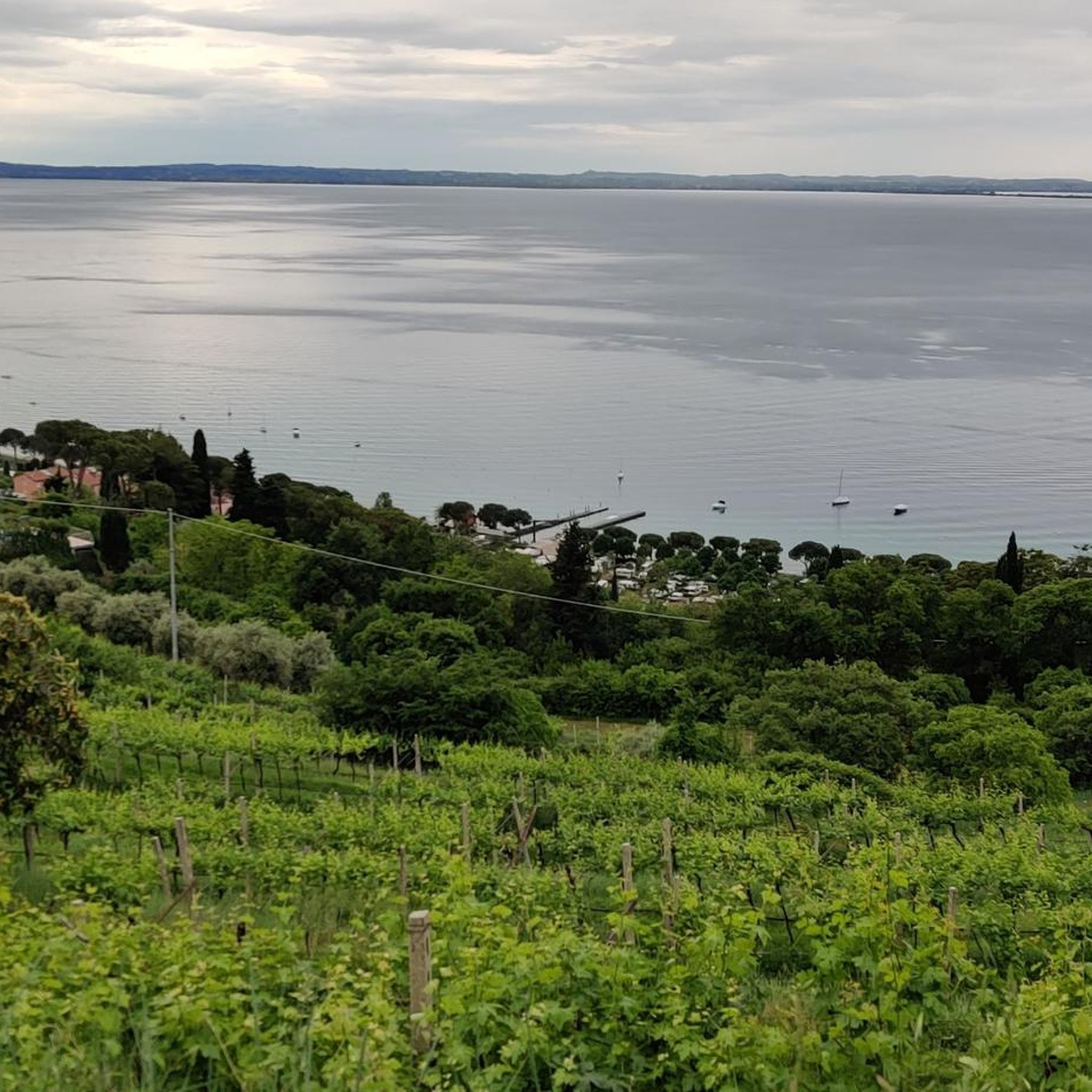
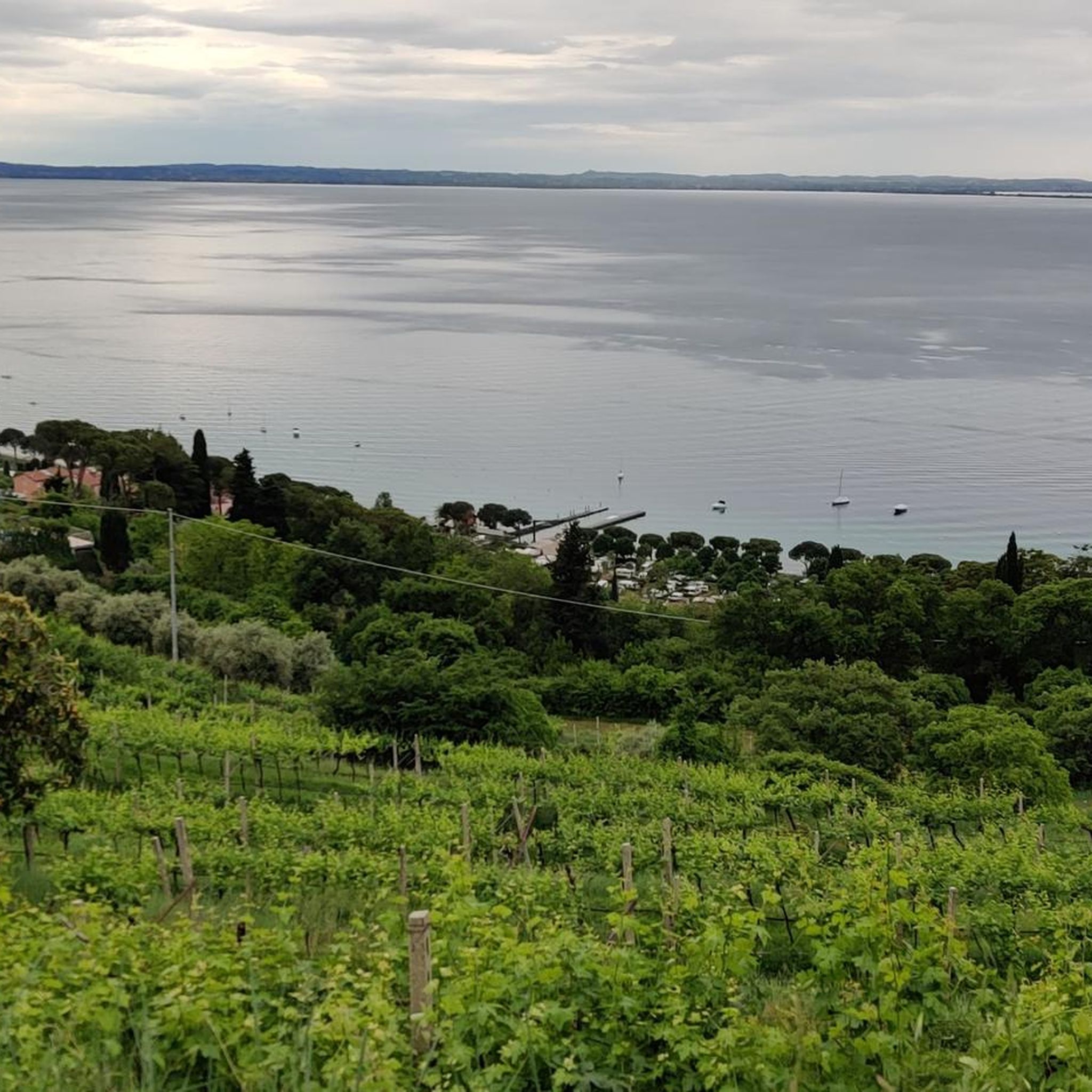
- The most popular natural monuments is Rocca di Manerba del Garda, a viewpoint that offers magnificent views over Lake Garda. This site features ancient archaeological ruins and paths winding through…
Last updated: August 21, 2026
Rocca di Manerba del Garda
Highlight • Viewpoint
Translated by Google •
Tip by

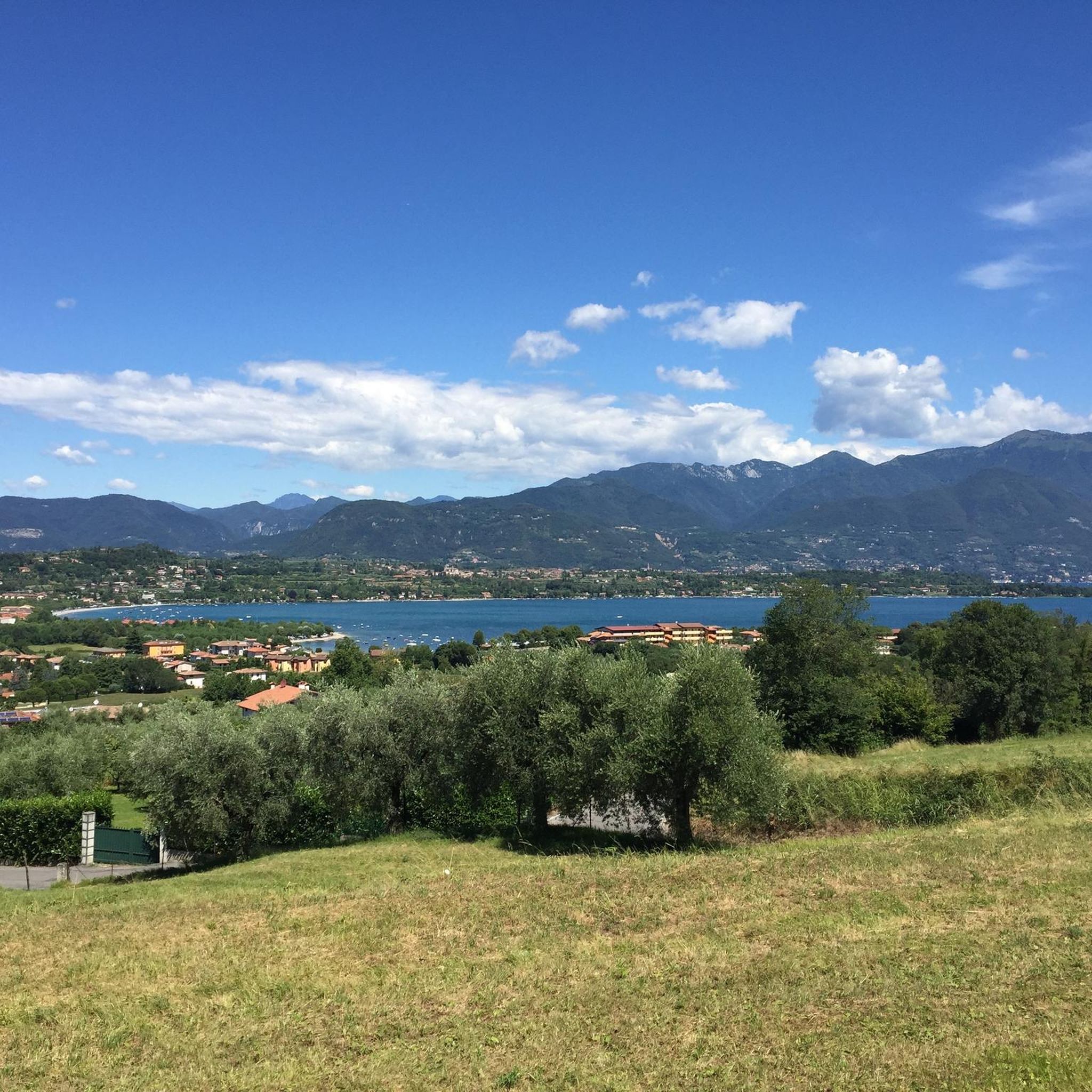
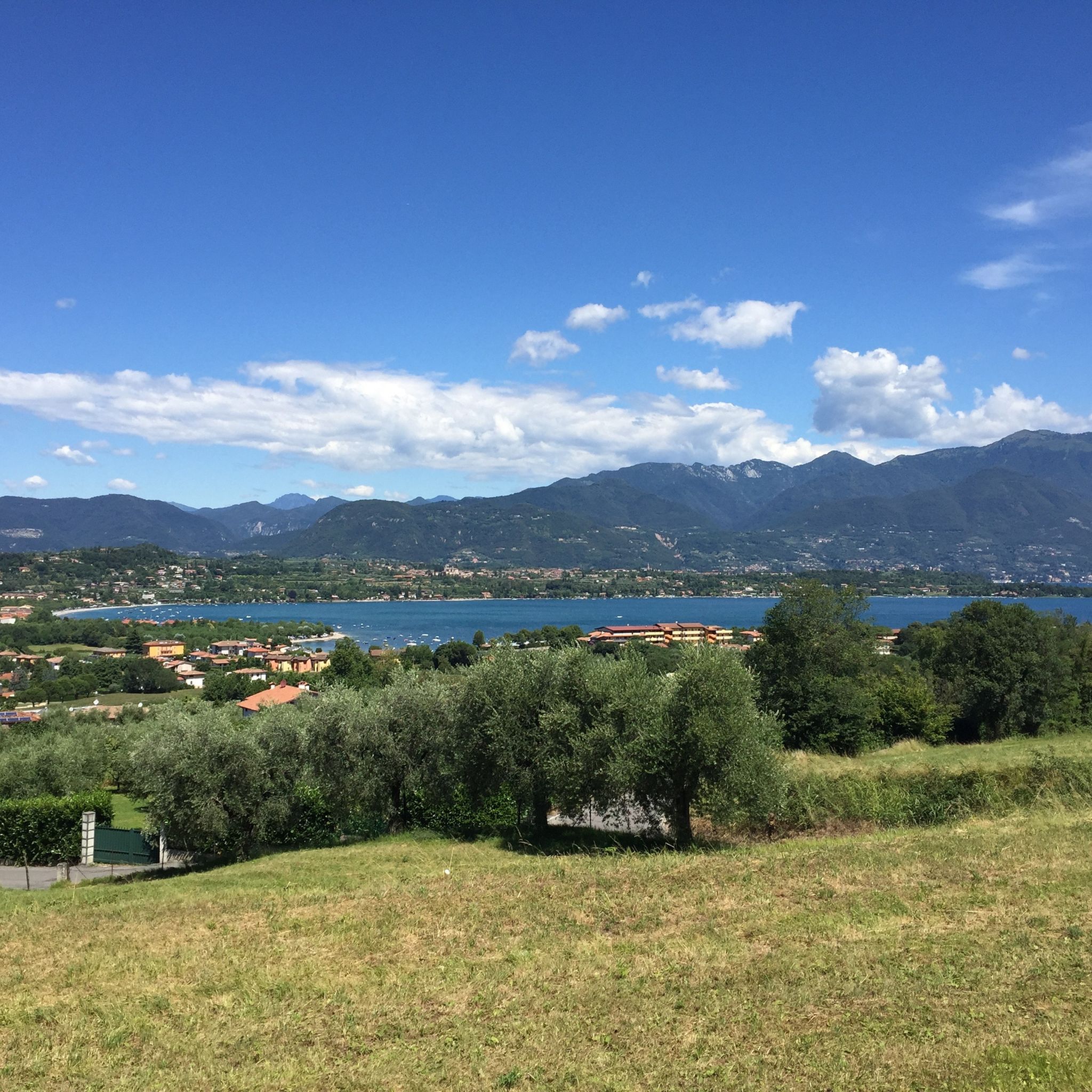
View of Lake Garda from La Rocca di Garda
Highlight • Viewpoint
Translated by Google •
Tip by

Sign up now to discover places like this
Get recommendations on the best single tracks, peaks, & plenty of other exciting outdoor places.
Sign up for free
La Rocca di Garda
Highlight • Natural Monument
Translated by Google •
Tip by

Punta Sasso Viewpoint
Highlight • Viewpoint
Translated by Google •
Tip by

Chiusa di Ceraino
Highlight • Gorge
Translated by Google •
Tip by

Sign up for free to discover even more natural monuments around Garda.
Sign up for free
Already have an account?
Start today with a free account
Your next adventure awaits.
Login or Signup
Other adventures around Garda

Tips from the Community

Totally worth the climb
2
0

At its end, the Lagarina valley drastically narrows its slopes and forms the Chiusa di Ceraino. In just over 100 meters of width, the Adige and the state road that leads to Trento pass. After the locks, the Adige flows into the plain and the landscape opens up rapidly.
0
0
At its end, the Lagarina valley drastically narrows its slopes and forms the Chiusa di Ceraino. In just over 100 meters of width, the Adige and the state road that leads to Trento pass. After the locks, the Adige flows into the plain and the landscape opens up rapidly.
0
0

The Rocca di Garda is a steep rock on the eastern shore of Lake Garda, south of the town of Garda. A castle stood here 1000 years ago. Today, unfortunately, only a few stones of it can be seen.
6
0

La Rocca di Garda is a rock that rises steeply and prominently between the towns of Garda and Bardolino above the eastern shore of Lake Garda.
12
2

La Rocca di Garda is a rock between the towns of Garda (in the north) and Bardolino (in the south), which rises steeply above the lake of the same name below. It consists of two main peaks, separated by a hill: the Rocca Vecchia (291m above sea level) and the hill with the hermitage of San Giorgio (306m above sea level). The historical significance of this mountain dates back to the 5th century BC, when a castle was built on the summit during the Lombard era, which still gives the mountain its name today, even if there are hardly any traces of the castle itself left. The place name "Garda" is derived directly from this characteristic fortress (from the Old Germanic "Warda" or "Warte" i.e. "guard" or "fortress") and replaced the older Latin name Lacus Benacus. In 1193, Emperor Henry VI handed over. the Rocca di Garda to the city of Verona for 700 silver tokens. Source: https://www.europlan.it/de/wandel-rocca-di-garda
14
1

You should at least wear sturdy shoes here
1
0
a paradise for birds that can nest undisturbed in the rocks
1
0
Frequently Asked Questions
What diverse natural features can I explore around Garda?
The Garda region offers a wide array of natural features, from dramatic viewpoints and historical sites to unique geological formations. You can visit the Rocca di Manerba del Garda, a promontory with ancient archaeological ruins and stunning views, or experience the powerful Chiusa di Ceraino gorge, where the Adige river carves through the landscape. The area also features serene lake shores and elevated summits offering expansive panoramas.
Are there family-friendly natural attractions in the Garda region?
Yes, several natural attractions around Garda are suitable for families. For instance, the hike to View of Lake Garda from La Rocca di Garda is considered easy and rewarding for all ages. Jamaica Beach is also a family-friendly spot, offering a beautiful setting for relaxation and swimming. The Chiusa di Ceraino gorge features mostly shaded paths and gentle climbs, making it suitable for families with children.
What are some unique geological formations to see near Garda?
The Garda region is rich in unique geological formations. The Rocca di Manerba Nature Reserve features geological formations shaped by tectonic plate movements. Another striking example is the Marmitte dei Giganti (Giant's Kettles) between Nago and Torbole, which are large glacial potholes formed by melting glacier waters during the last ice age. The Parco Grotta Cascata del Varone also showcases continuous erosion by water, forming a spectacular waterfall within a gorge.
What are the best viewpoints for panoramic views of Lake Garda?
For breathtaking panoramic views, consider visiting the View of Lake Garda from La Rocca di Garda, which offers expansive vistas over the lake, including Bardolino and Garda towns. The Rocca di Manerba del Garda also provides magnificent views stretching from Sirmione to Toscolano Maderno. Additionally, Punta Sasso Viewpoint is highly recommended for its coastal views after a worthwhile climb.
What outdoor activities and hiking trails are available near these natural monuments?
The natural monuments around Garda are excellent starting points for various outdoor activities. You can find numerous hiking trails, such as the 'Ascent to La Rocca' or 'Cave Entrance – View of Garda from La Rocca' loops, which are part of the Hiking around Garda guide. For running enthusiasts, routes like 'Ferry Terminal Garda – View of Lake Garda loop from Punta San Vigilio' are available in the Running Trails around Garda guide. Mountain hikes, including 'Monte Pizzocolo Summit loop,' can be found in the Mountain Hikes around Garda guide.
Are there any natural monuments that are particularly rich in biodiversity or unique flora?
Yes, the Monte Baldo Nature Park, often called the 'Garden of Europe,' is renowned for its extraordinary floral diversity. It hosts a vast array of rare and pre-glacial plants, making it an ideal location for botanical studies. The park also supports a rich variety of animal species, including rare and endemic birds like the golden eagle.
What is the best time of year to visit the natural monuments around Garda?
Spring and summer are particularly vibrant for visiting natural monuments around Garda, especially for places like Monte Baldo Nature Park, which is spectacular with flowers during these seasons. The Rocca di Manerba Nature Reserve offers pleasant shaded spots even on hot days, making it enjoyable during warmer months. However, the region's natural beauty can be appreciated year-round, with autumn offering unique colors.
Can I find any hidden natural gems or less-known spots around Lake Garda?
While many natural monuments are well-known, some spots offer a more tranquil experience. Punta San Vigilio, for example, is described as a 'hidden gem' and a 'genuine corner of paradise.' This picturesque peninsula features serene natural beauty, historic charm, and the peaceful Baia delle Sirene (Mermaid's Bay), perfect for relaxation away from the crowds.
What should I wear when hiking or exploring natural parks in Garda?
When exploring the natural parks and monuments around Garda, it's advisable to wear appropriate footwear. Trails like the circular path below the castle at Rocca di Manerba require good shoes and a certain surefootedness. For more challenging routes or varied terrain, sturdy hiking boots are recommended. Layers of clothing are also practical to adapt to changing weather conditions, especially when ascending to higher viewpoints.
Are there options for public transport or parking near the natural monuments?
While specific parking and public transport details vary by location, many natural monuments have designated parking areas. For example, there is a parking lot immediately in front of the museum at Rocca di Manerba del Garda, from which you can easily walk to the castle ruins. For detailed information on public transport routes to specific sites, it's best to check local transport schedules or tourist information centers in the Garda region.
What do visitors enjoy most about the natural monuments in Garda?
Visitors consistently praise the magnificent and expansive views offered by the natural monuments, with many highlighting the breathtaking panoramas over Lake Garda. The blend of natural beauty with historical elements, such as ancient ruins at Rocca di Manerba, is also highly appreciated. The opportunity for rewarding hikes, even if challenging, and the chance to connect with unspoiled nature are frequently mentioned as key highlights by the komoot community.
Most popular routes around Garda
Most popular attractions around Garda

Get inspired with the komoot mobile app


Explore more
Extend your search for the best caves by checking out these guides of the top ones around Garda:
