Top 14 Natural Monuments around Gallarate
Natural monuments around Gallarate include significant natural areas such as the Parco Naturale Lombardo della Valle del Ticino and the Parco RTO, which encompasses the Natural Monument "Gonfolite e Forre dell'Olona". The region is characterized by the Ticino River, extensive forests, and unique geological formations. These natural attractions near Gallarate offer diverse landscapes, from river valleys to ancient rock formations, providing opportunities for outdoor exploration.
Best natural monuments around Gallarate
- The most popular natural monuments is Lake Comabbio, a…
Last updated: August 21, 2026
Lake Comabbio
Highlight • Lake
Translated by Google •
Tip by

Castelseprio Archaeological Park
Highlight • Historical Site
Translated by Google •
Tip by
Sign up now to discover places like this
Get recommendations on the best single tracks, peaks, & plenty of other exciting outdoor places.
Sign up for free
Formation of the stump
Highlight • Natural Monument
Translated by Google •
Tip by

Belvedere of Tornavento – View over the Ticino Valley and the Alps
Highlight • Viewpoint
Translated by Google •
Tip by

Monte San Giacomo Summit and Stone Platform
Highlight • Summit
It has had a strategic importance since ancient …
Translated by Google •
Tip by

Sign up for free to discover even more natural monuments around Gallarate.
Sign up for free
Already have an account?
Start today with a free account
Your next adventure awaits.
Login or Signup
Tips from the Community

what can I say, it's a great show 😍😍
0
0

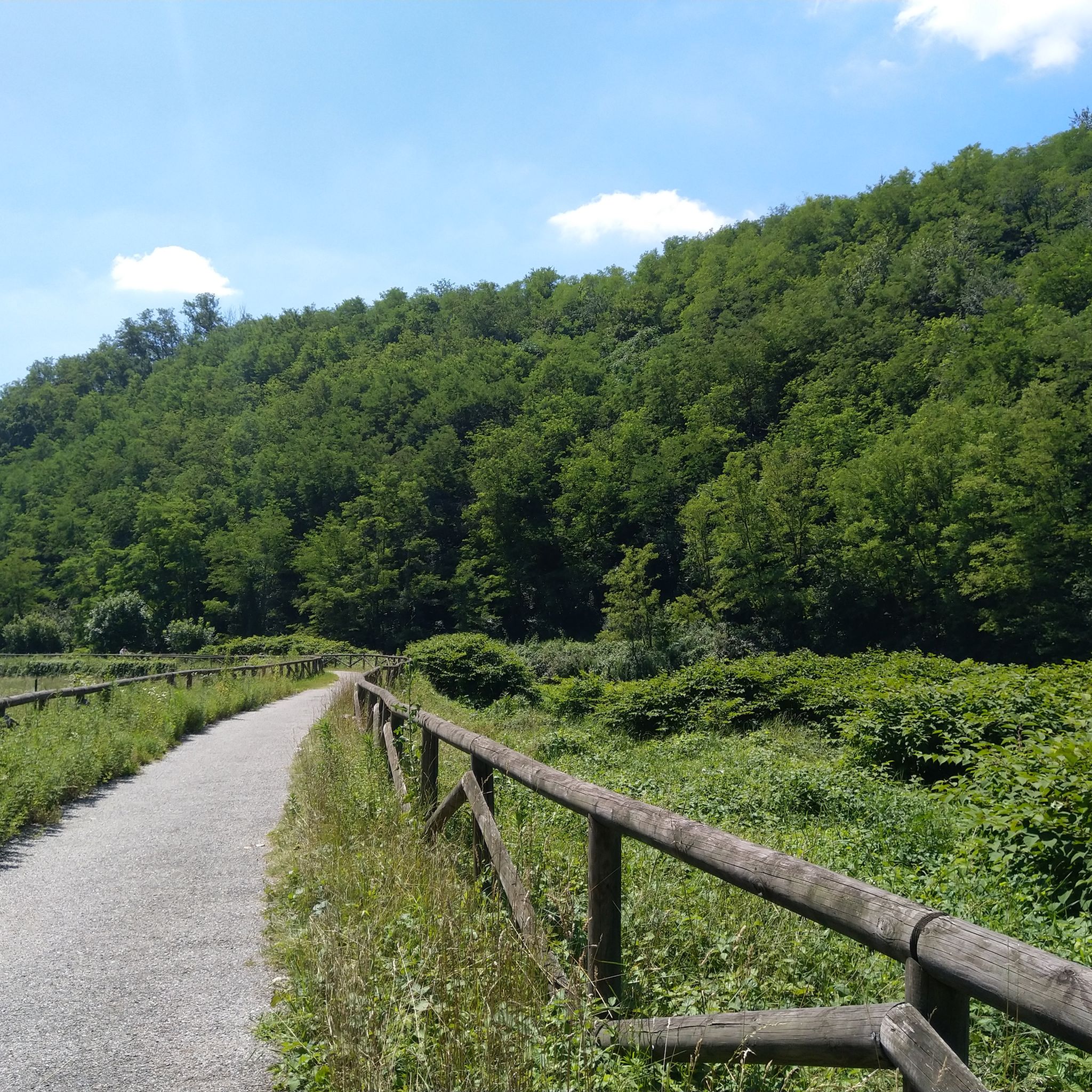
easy route with a small climb, very immersed in greenery and the Ticino river.
0
0

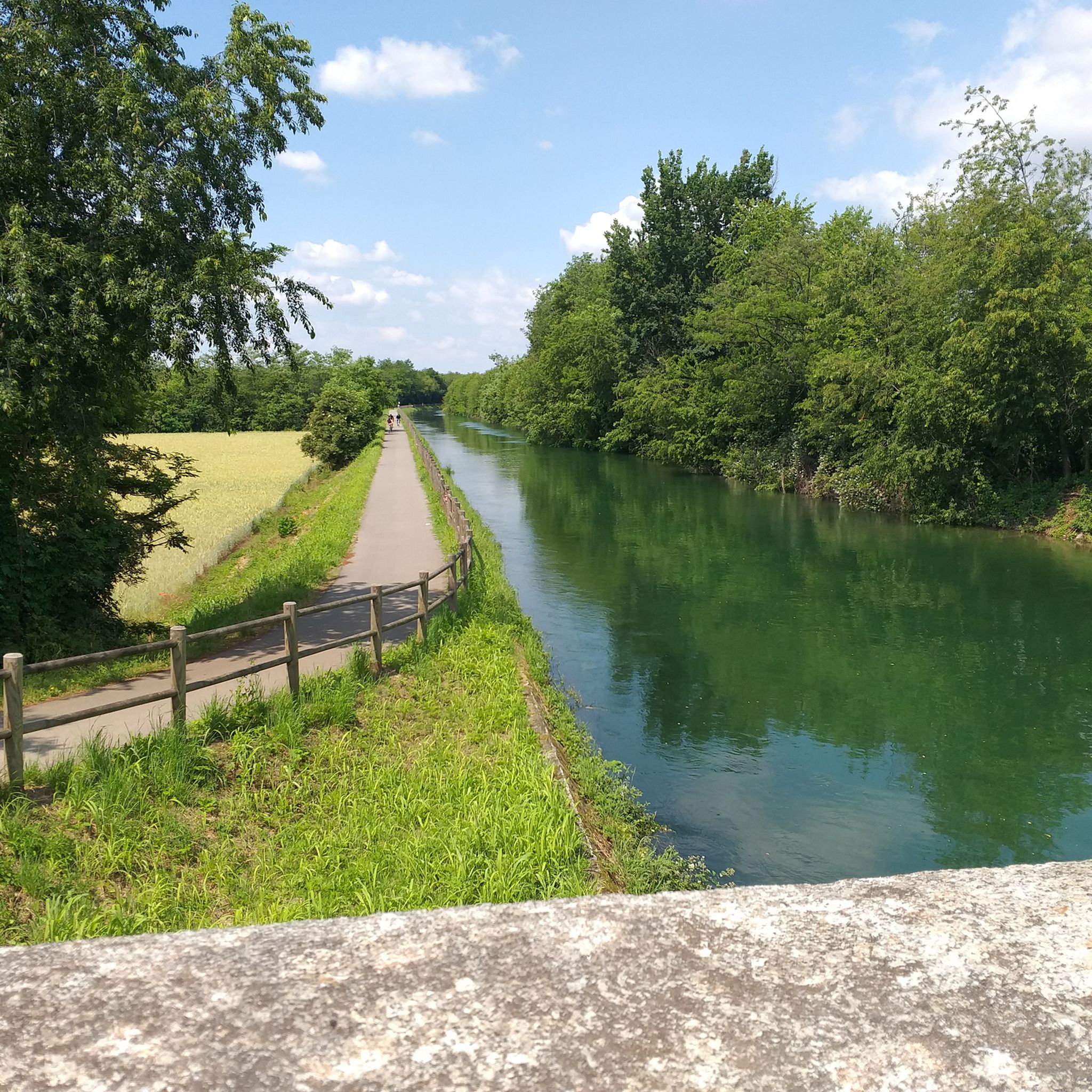
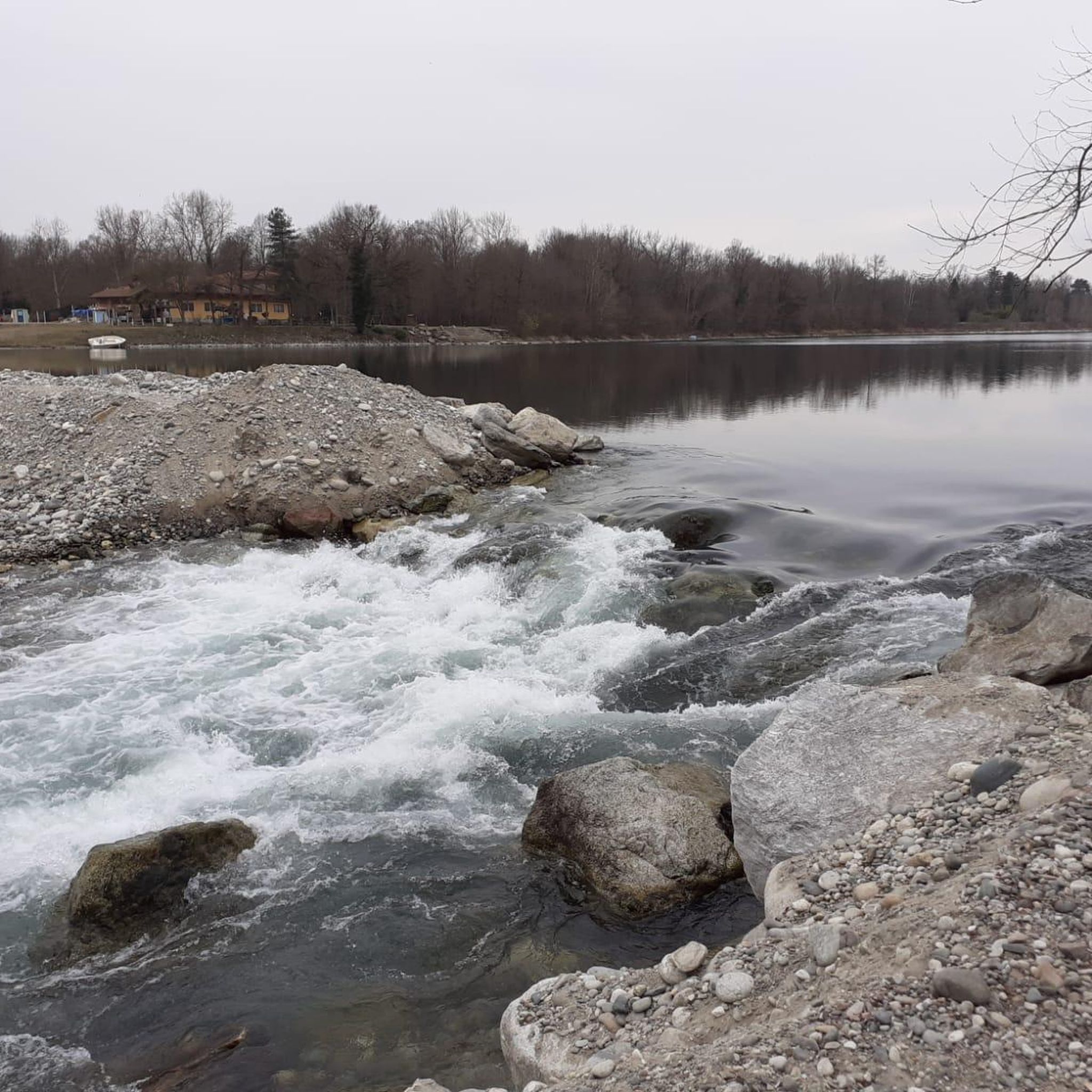
Beautiful window on the Ticino park.
0
0

park to visit on foot
0
0

very fun route, some technical passages but nothing difficult, in many places lots of mud and paths full of brambles, I arrived home covered in mud and scratches but it was worth it 💪 in one point I ended up in quicksand and my bike drowned 🤣 but I had a lot of fun
0
1

The cycle path that surrounds the lake makes it an absolutely must-follow cycling destination. The cycle path was recently rebuilt and is constantly up and down.
1
0

The archaeological area is part of the UNESCO site "The Lombards in Italy, The places of power (568-774 AD)". The site includes the remains of a fortified city from the 4th-5th century which was conquered by Ottone Visconti in 1287: he ordered its total destruction, except for the churches. The "castrum", surrounded by walls in the Gothic era, was accessed via a bridge. Inside the walls there are the interesting ruins of the early Christian complex of San Giovanni and those of the Romanesque church of San Paolo. Among the residential buildings there are remains of private houses from different eras.
0
1

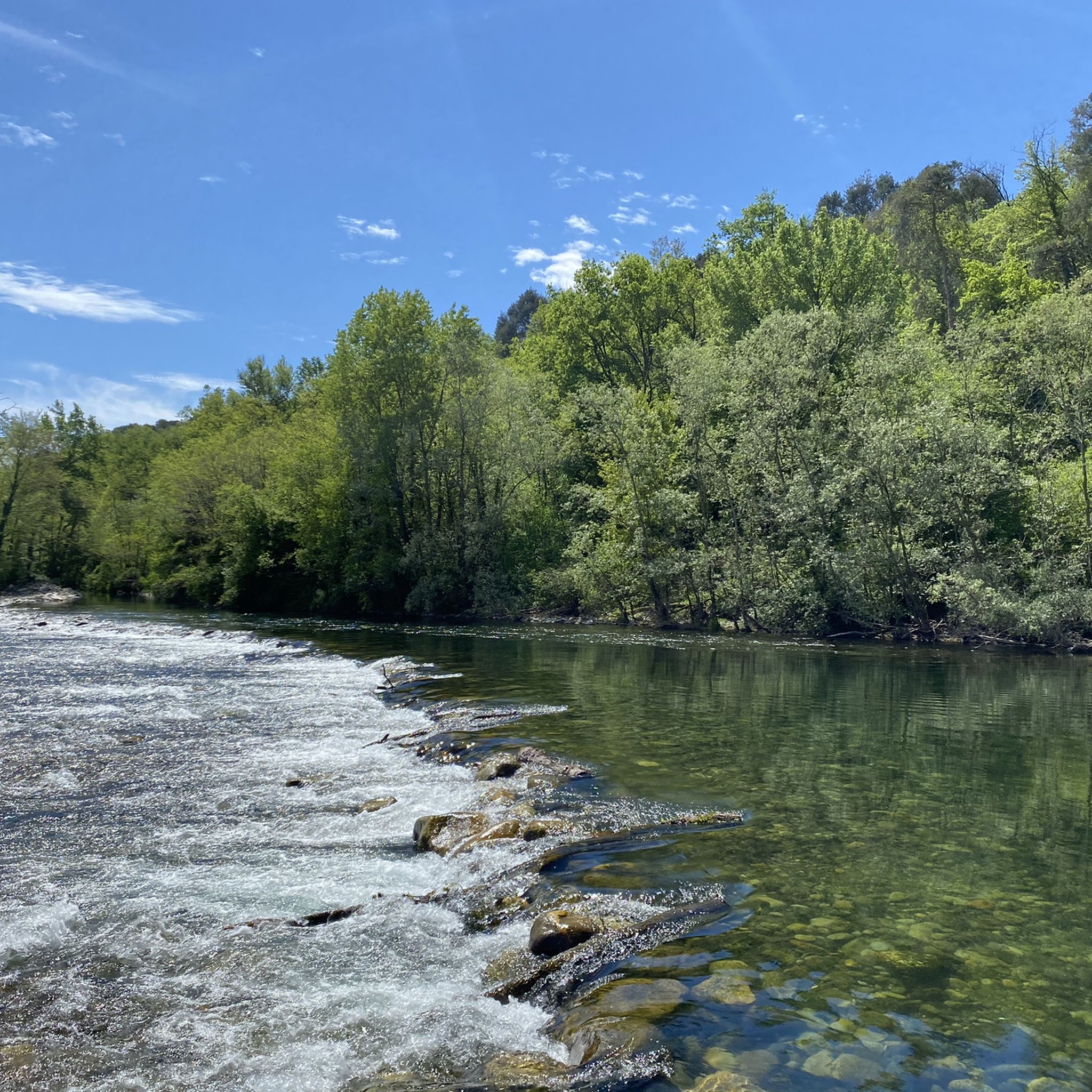
The "Medio Olona Park" is a Local Park of Supra-municipal Interest (PLIS) established in 2006 between six municipalities in the area in the province of Varese. Its main purpose is to protect the natural, landscape and historical-cultural resources of the Olona River Valley. The park extends over approximately 617 hectares, mainly in the territories of Fagnano Olona and Gorla Maggiore. Characterized by the presence of the Olona river, the park has a naturalistic value and represents historical Lombard land. Since 2020, it has been managed by the Pineta di Appiano Gentile e Tradate regional park. The park logo features an owl, the Olona river and a leaf which symbolize active participation in the life of the park. The purposes include the protection of biodiversity, the conservation of natural heritage and the integration between social enjoyment and environmental protection.
0
0
Frequently Asked Questions
What are some popular natural monuments to visit near Gallarate?
Near Gallarate, you can explore several popular natural monuments. Lake Comabbio is highly regarded for its serene lake views and direct access to a bike path, offering an oasis of beauty and peace. Another significant site is the Castelseprio Archaeological Park, which combines historical importance with natural surroundings. The Lagozza di Besnate Archaeological Site, featuring a small lake and swamp, is notable for evidence of the ancient Lagozza Civilization.
Are there family-friendly natural attractions around Gallarate?
Yes, many natural monuments near Gallarate are suitable for families. Lake Comabbio is family-friendly, offering easy access to a cycle path. The Castelseprio Archaeological Park and the Lagozza di Besnate Archaeological Site are also family-friendly, providing both natural beauty and historical insights. The 'Medio Olona Park', which includes the Formation of the stump, is designed for the whole family to enjoy its natural and historical resources.
What unique geological features can I explore near Gallarate?
The region near Gallarate offers fascinating geological features, particularly within the Parco RTO, which includes the Natural Monument "Gonfolite e Forre dell'Olona". Here, you can observe ancient cemented gravels known as "Gonfolite," which are rocky formations dating back millions of years. The "Forre dell'Olona" (Olona Gorges) are also a highlight, showcasing a deeply incised valley formed by the Olona River over millennia, providing a unique glimpse into the area's geological history.
What kind of natural landscapes can I expect to see in the area?
The natural landscapes around Gallarate are diverse. You'll find extensive forests, particularly within the Parco Naturale Lombardo della Valle del Ticino, which features wetlands and broadleaf trees like oaks and chestnuts. River valleys, such as those of the Ticino and Olona rivers, are prominent, along with lakes like Lake Comabbio and the small lake at the Lagozza di Besnate Archaeological Site. The area also boasts unique geological formations, including ancient rock structures and gorges.
Are there opportunities for hiking near these natural monuments?
Yes, the natural monuments around Gallarate offer various hiking opportunities. The Parco Naturale Lombardo della Valle del Ticino has numerous trekking paths. For specific routes, you can explore options like the "Parco Bassetti – Crenna Cemetery loop" or the "Madonna degli Alpini Shrine – Lagozzetta Wetland loop" which are moderate hikes. The "Ticino-Seprio Trail Rest Area – Cascina Monte Diviso loop" is an easier option. You can find more details on these and other hiking routes in the Hiking around Gallarate guide.
Can I go cycling or mountain biking near the natural monuments?
Absolutely. The region is well-suited for cycling and mountain biking. The Parco Naturale Lombardo della Valle del Ticino features an 80km long cycle path in the Varese area. For cycling, consider routes like the "Cycling Path Near Tornavento – Tornavento Viewpoint loop" which is an easy ride. Mountain bikers can tackle more challenging routes such as the "Panperduto Dam and Tornavento Loop" or the "Fontanili Trail – Valle del Boia Trail loop." More routes are available in the Cycling around Gallarate guide and MTB Trails around Gallarate guide.
What historical or archaeological sites are considered natural monuments in this area?
The area around Gallarate features several historical and archaeological sites that are also recognized as natural monuments. The Castelseprio Archaeological Park is a must-see, offering significant historical insights within a natural setting. Similarly, the Lagozza di Besnate Archaeological Site, with its small lake and swamp, is notable for evidence of the ancient Lagozza Civilization dating back about 5,000 years.
Where can I find scenic viewpoints of the natural surroundings?
For breathtaking views, the Belvedere of Tornavento offers an immense panorama over the Ticino River valley and a sweeping view of the Alps, stretching from Monte Rosa to Monviso. Lake Comabbio also provides beautiful lake views, especially from spots with direct access to the bike path. The 'Medio Olona Park', including the Formation of the stump, also offers scenic spots.
What is the Parco Naturale Lombardo della Valle del Ticino and why is it important?
The Parco Naturale Lombardo della Valle del Ticino is Italy's first regional and fluvial park, established in 1974. It's a UNESCO Biosphere Reserve, recognized for its rich natural, landscape, artistic, and historical heritage. The park spans along the Ticino River, featuring extensive wetlands and forests. It's crucial for biodiversity, providing habitat for numerous mammals, 246 bird species, and over forty types of fish, and serves as a vital area for migratory birds and amphibians.
What kind of wildlife can be observed in the natural monuments near Gallarate?
The natural monuments, especially within the Parco Naturale Lombardo della Valle del Ticino, are rich in wildlife. You might spot mammals such as foxes, weasels, badgers, polecats, squirrels, and dormice. The park is also home to 246 bird species, including white herons, gray herons, egrets, mallards, and coots, particularly along the riverbeds. Conservation efforts have successfully reintroduced roe deer, the Myotis emarginatus bat, and otters, making it an excellent spot for nature observation and birdwatching.
Are there any less crowded natural monuments around Gallarate for a quieter experience?
While popular sites like Lake Comabbio can attract visitors, exploring the deeper parts of the Parco Naturale Lombardo della Valle del Ticino or the less frequented trails within the Parco RTO, especially around the "Gonfolite e Forre dell'Olona" area, can offer a quieter experience. These areas provide opportunities for peaceful walks amidst unique geological formations and diverse natural landscapes, away from the main tourist hubs.
What is the best time of year to visit the natural monuments around Gallarate?
The best time to visit the natural monuments around Gallarate largely depends on your preferred activities. Spring and autumn generally offer pleasant temperatures for hiking and cycling, with vibrant foliage in autumn and blooming nature in spring. Summer is ideal for water-related activities and enjoying the longer daylight hours, though it can be warmer. Winter can offer a unique, serene experience, especially for walks in the forests, though some facilities might have reduced hours.
Most popular routes around Gallarate
Most popular attractions around Gallarate

Get inspired with the komoot mobile app


Explore more
Extend your search for the best caves by checking out these guides of the top ones around Gallarate:
