Top 6 Natural Monuments around Mede
Best natural monuments around Mede are found in a landscape characterized by the Po River and its tributaries, offering a mix of flat countryside and subtle natural elevations. The region, part of Lomellina, features unique geological formations like sandy hills and riverine environments. These natural features provide opportunities for exploring the area's distinct geography. The landscape has been shaped by continuous changes in river paths and erosion.
Best natural monuments around Mede
- The most popular natural monuments is View of…
Last updated: April 30, 2026
Dosso of Lomellina
Highlight • Natural Monument
Translated by Google •
Tip by

Sesia–Po Confluence
Highlight • River
Translated by Google •
Tip by

Sign up now to discover places like this
Get recommendations on the best single tracks, peaks, & plenty of other exciting outdoor places.
Sign up for free
Monumental White Poplar
Highlight • Natural Monument
Three bloody …
Translated by Google •
Tip by
Agogna Waterfalls
Highlight • Waterfall
Translated by Google •
Tip by
Sant'Alessandro Heronry
Highlight • Natural Monument
Translated by Google •
Tip by
Start today with a free account
Your next adventure awaits.
Login or Signup

Tips from the Community

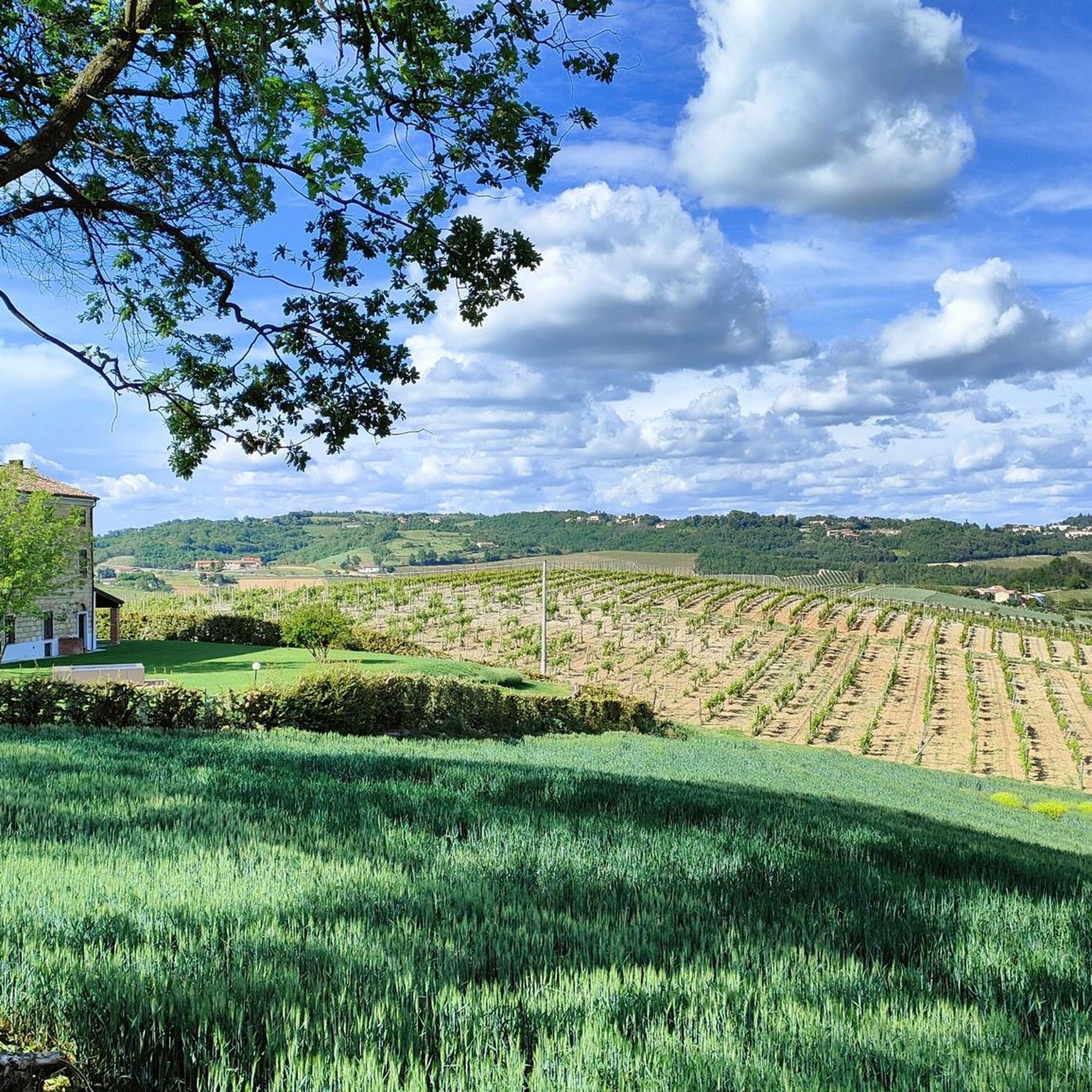
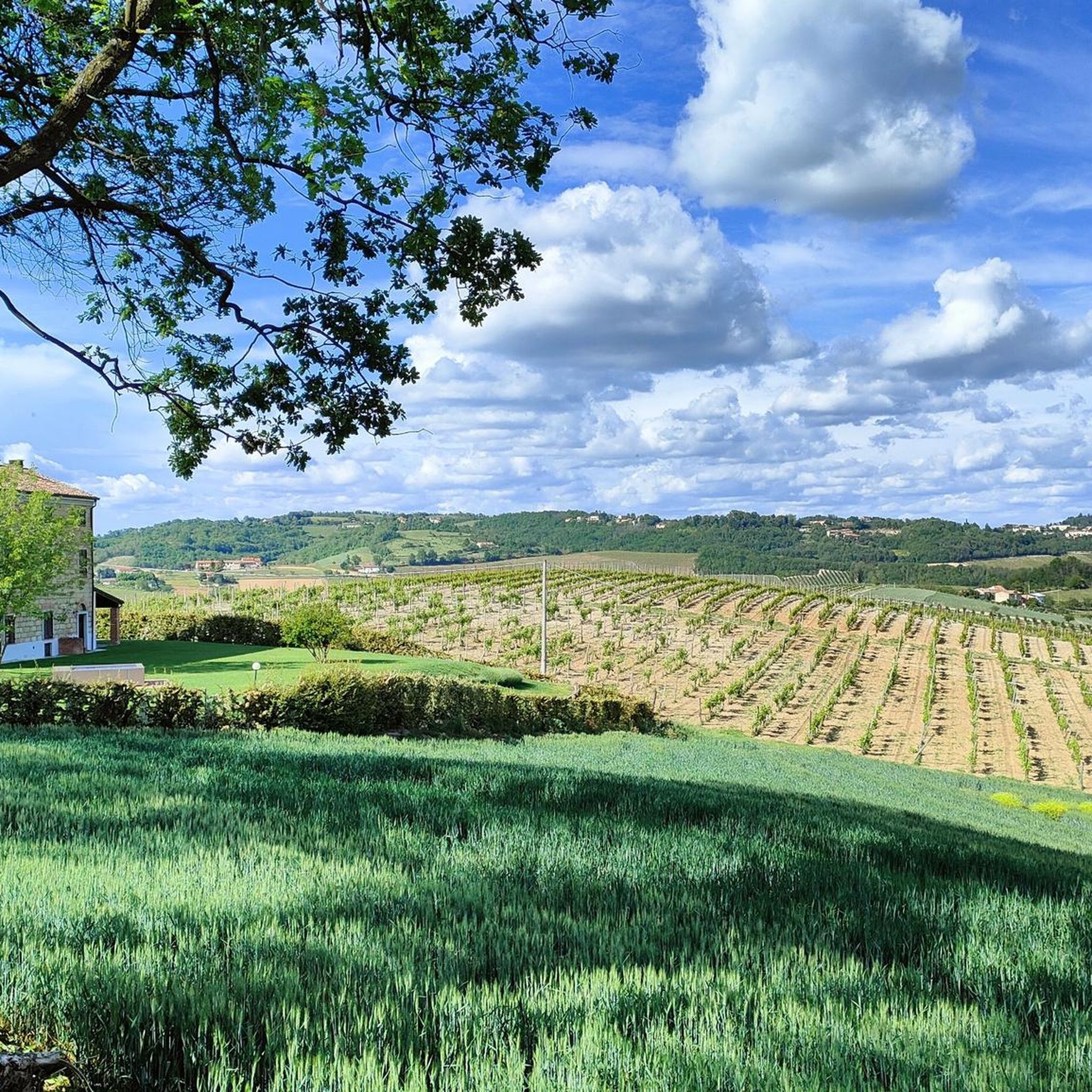
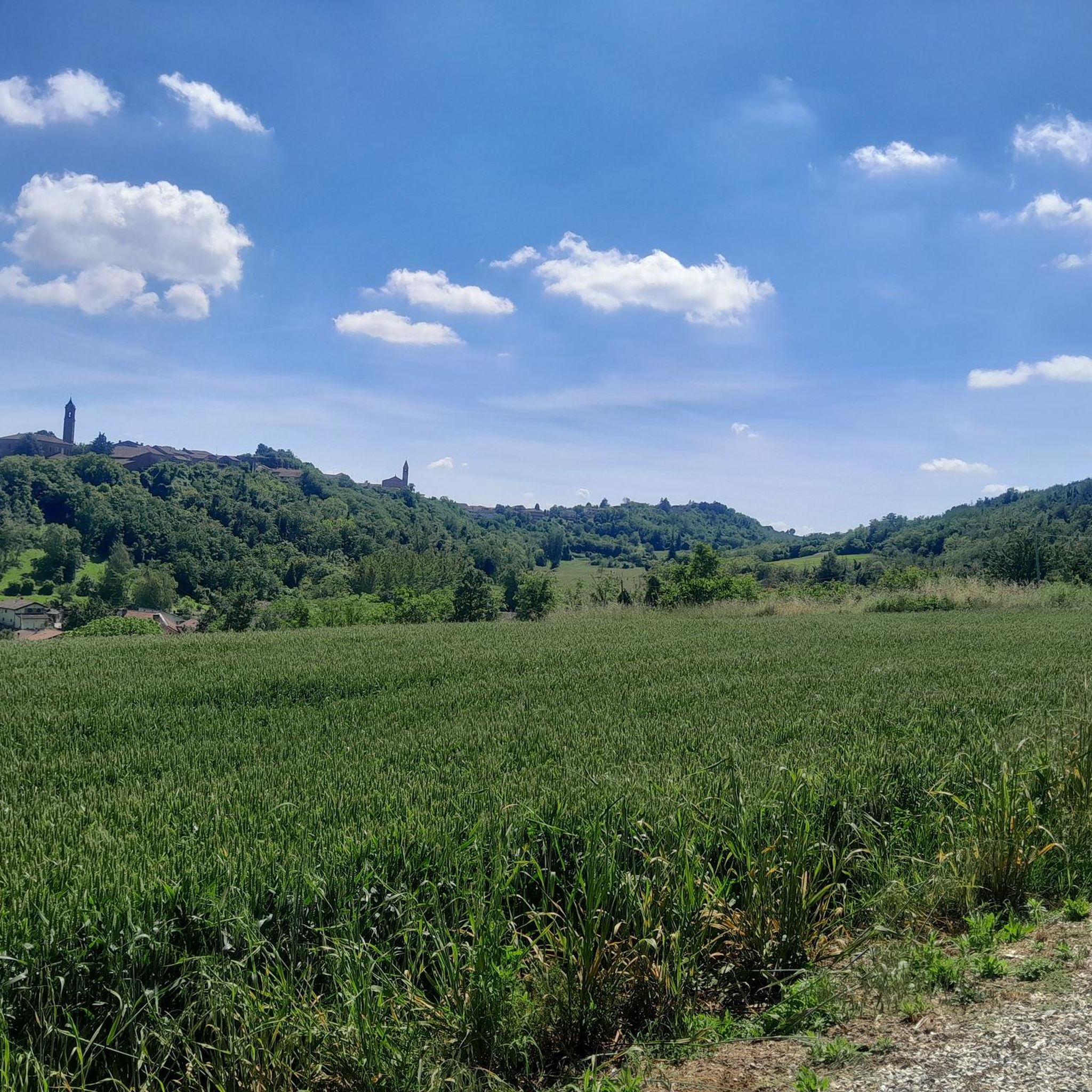
the great river; in front, further upstream, the area of the confluence of the Sesia and the Po, where between November and February thousands of cranes stop; in the distance, Monte Rosa
0
0

The heronry, located in western Lomellina, rises in a humid area consisting of the paleoalveo of the Agogna stream, in the municipal area of Zeme (PV). This heronry is the largest of the 13 present throughout the province and also one of the most populous. It is made up of a set of different environments: a humid forest of black alders, some bushy areas of willow, expanses of marsh reeds, mazzasorde, sedges, and vast areas flooded by spring waters devoid of vegetation.
4
0
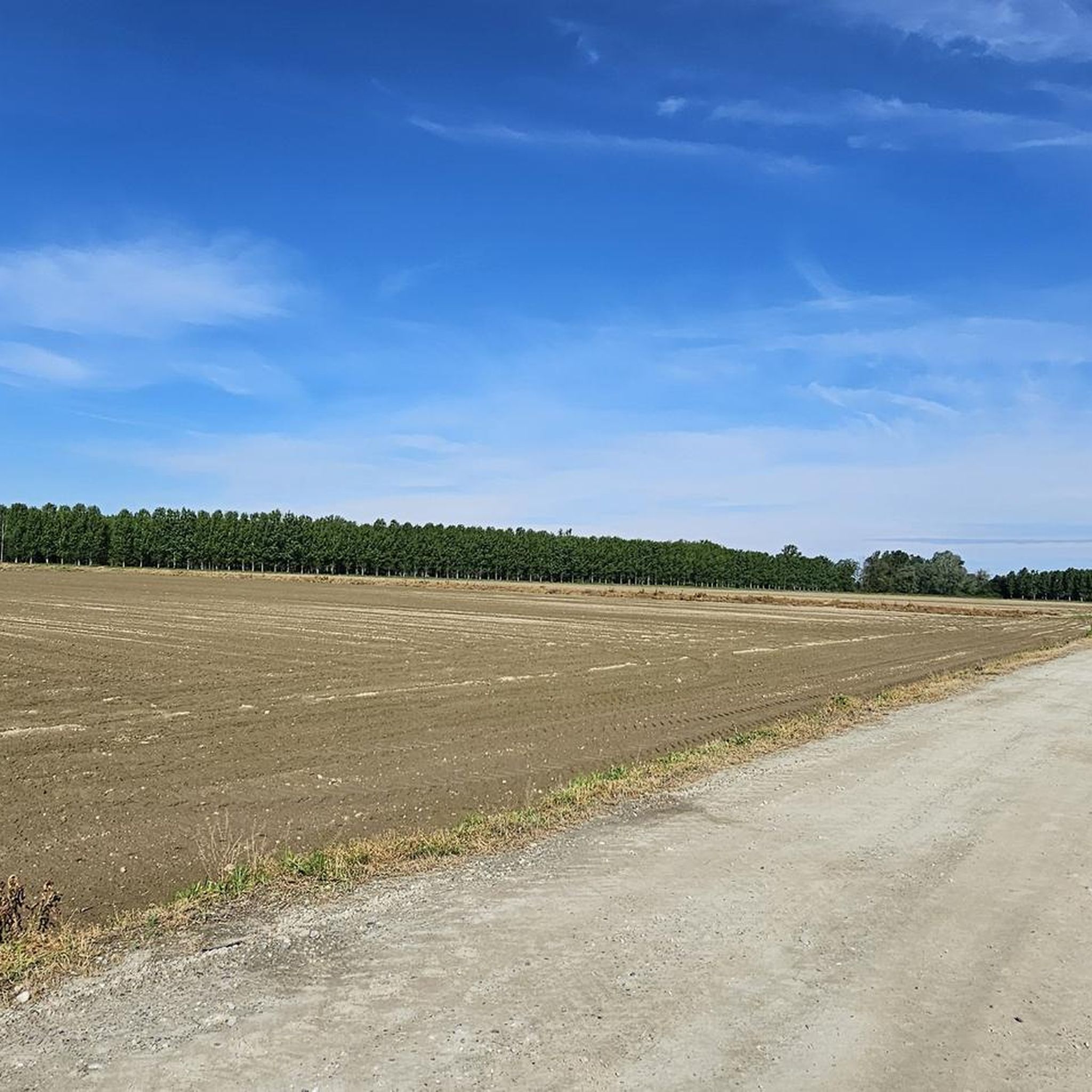
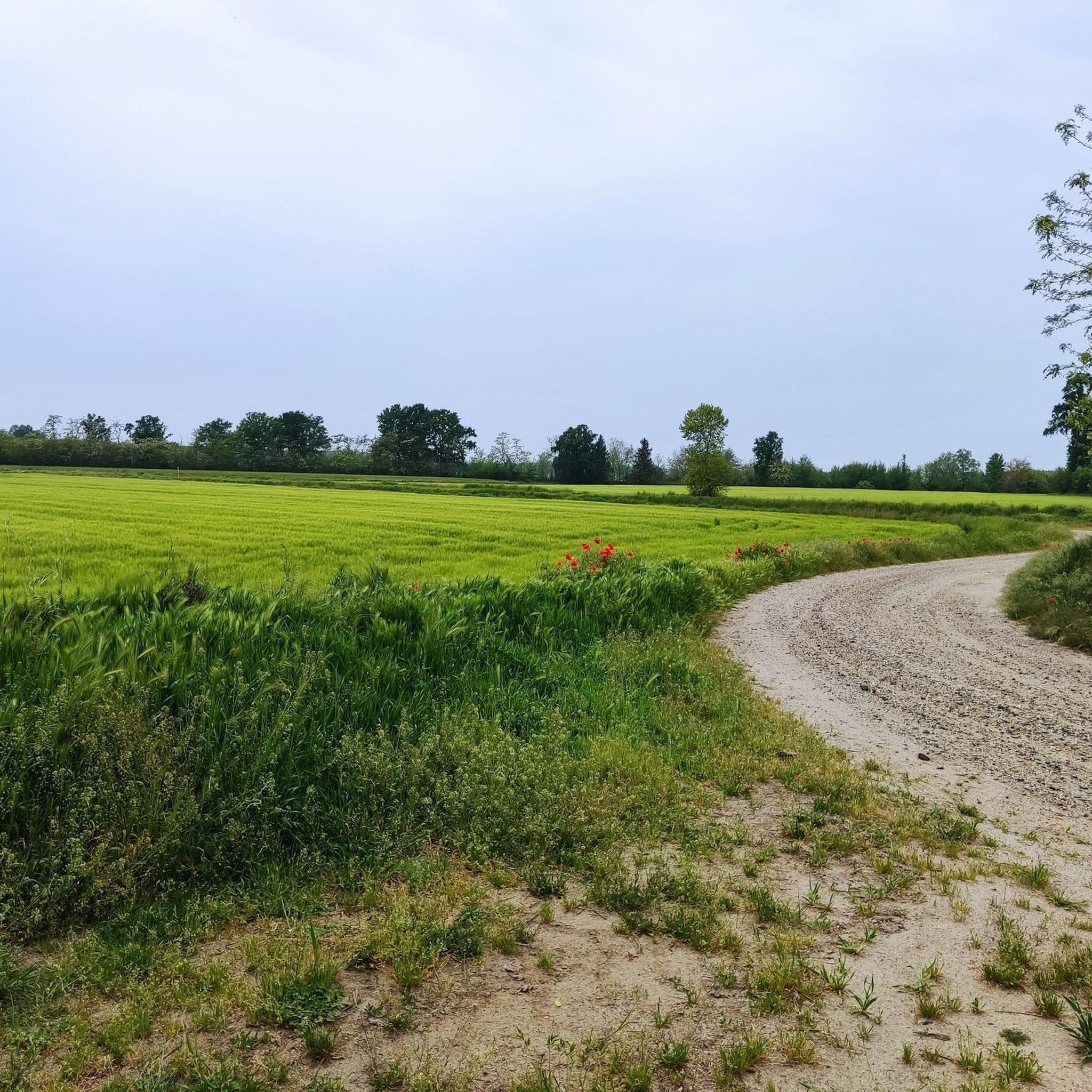
The bumps are tiny hills, generally sandy, which until a few decades ago characterized the landscape of our Lomelline countryside. Most of these very modest reliefs have been leveled to make way for poplar groves and rice fields and the only testimony that remains of them is, in many cases, the ups and downs of the country roads which gives those who walk them the amazement of finding some meters above the level of the cultivated countryside. In the area of the bumps, the alternation of hollows and ridges is visible which testifies to how the surface of our plain has been shaped by the continuous changes in the paths of the rivers, by the incessant work of streams, as well as by the erosion caused by atmospheric agents. Those who pass through Lomellina, after having crossed long stretches of very flat countryside, are pleasantly surprised to discover, in the heart of these centers, small hills flanked by old houses or ancient churches overlooking gently sloping churchyards.
51
0
The WHITE POPLAR included in 2016 among the #alberimonumentaliitaliani planted in 1984 by Francesco Castellini, the only survivor of the terrible massacre of Secco on 29 June 1944. Three bloody criminals, two of Czechoslovakian origin and one Austrian, deserters from the German army, after having already carried out massacres for the purpose of robbery in various places in the province of Alessandria, arrived in the area of Castelnuovo Scrivia and massacred first Carlo Galanti in Molino and then six people from the Sottotetti and Castellini al Secco families. The massacre was horrible, also because it was carried out with hammers, billhooks and blades for slaughtering the pigs. It could have been even more tragic if at the Vecchia farmhouse, at one in the morning, with six other people held hostage, they had not decided to give up "because they were tired of killing".
1
0
Once at the foot of these waterfalls two beached beaches emerged on both banks of the stream, unfortunately a flood occurred in 2003 irreparably changed the course of the stream by destroying and modifying its conformation, after these events it took human intervention to secure the whole area.
18
0
Frequently Asked Questions
What kind of natural features can I expect to see around Mede?
The landscape around Mede is characterized by the Po River and its tributaries, offering a mix of flat countryside and unique geological formations. You'll find river confluences, such as the View of the Po River at the confluence with the Grana and the Sesia–Po Confluence, as well as distinctive sandy hills known as the Dosso of Lomellina. There are also significant individual trees like the Monumental White Poplar and the Agogna Waterfalls.
Are there any family-friendly natural monuments in the Mede area?
Yes, several natural monuments around Mede are suitable for families. The View of the Po River at the confluence with the Grana, the Dosso of Lomellina, and the Sesia–Po Confluence are all categorized as family-friendly, offering accessible spots to enjoy nature.
What outdoor activities can I do near the natural monuments around Mede?
The area around Mede is excellent for various outdoor activities, especially cycling. You can explore numerous routes for gravel biking, such as those found in the Gravel biking around Mede guide, or enjoy general cycling tours detailed in the Cycling around Mede guide. There are also dedicated MTB Trails around Mede for mountain biking enthusiasts.
Where can I find scenic viewpoints of the Po River?
For beautiful views along the Po River, visit the View of the Po River at the confluence with the Grana. Another notable spot is the Sesia–Po Confluence, which offers expansive river views.
Is there any historical significance to the natural monuments in this region?
Yes, some natural monuments carry historical significance. For instance, the Monumental White Poplar is a historical site, planted in 1984, and is the sole survivor of a tragic massacre that occurred in 1944, making it a poignant landmark.
What is the best time of year to visit the natural monuments around Mede?
The region's natural monuments, particularly river areas like the Sesia–Po Confluence, are notable between November and February when thousands of cranes stop there. Generally, spring and autumn offer pleasant weather for exploring the flat countryside and riverine environments.
Can I spot any wildlife at the natural monuments?
Yes, the Sesia–Po Confluence is a significant location for wildlife spotting, especially between November and February, when thousands of cranes stop in the area during their migration.
What are the 'Dosso of Lomellina' and why are they unique?
The Dosso of Lomellina refers to tiny, sandy hills that are characteristic of the Lomelline countryside. These modest reliefs are unique because they are remnants of how the plain's surface has been shaped by continuous changes in river paths and erosion, offering a glimpse into the region's geological history.
Are there any waterfalls near Mede?
Yes, you can visit the Agogna Waterfalls. While a flood in 2003 significantly altered the stream's course, human intervention has since secured the area, making it accessible for visitors.
What do visitors enjoy most about the natural monuments around Mede?
Visitors appreciate the beautiful views along the Po River, the unique geological formations like the sandy hills of the Dosso of Lomellina, and the tranquility of the river confluences. The area is also valued for its opportunities for off-roading and experiencing the natural beauty of the extensive Po River system.
What is the difficulty level of exploring these natural monuments?
Many of the natural monuments, such as the viewpoints and river confluences, are generally accessible and suitable for families. Some, like the Monumental White Poplar and Agogna Waterfalls, are categorized as intermediate, suggesting they might involve slightly more challenging terrain or longer walks.
Most popular attractions around Mede

Get inspired with the komoot mobile app


Explore more
Extend your search for the best caves by checking out these guides of the top ones around Mede:
