Top 20 Natural Monuments around Irma
Best natural monuments around Irma feature a diverse landscape of mountainous terrain, forests, and alpine lakes. This region offers a variety of natural and historical sites, including high-altitude summits and significant passes. Visitors can explore areas characterized by spruce fir and larch woods, alongside historical structures integrated into the natural environment. The natural monuments in this guide provide opportunities to experience elevated viewpoints and serene water bodies.
Best natural monuments around Irma
- The most popular natural monuments is Monument to…
Last updated: October 1, 2026
Monument to the Redeemer on Monte Guglielmo
Highlight • Monument
Translated by Google •
Tip by

Pass of the Seven Crosses
Highlight • Mountain Pass
Translated by Google •
Tip by

Sign up now to discover places like this
Get recommendations on the best single tracks, peaks, & plenty of other exciting outdoor places.
Val Grigna Regional Forest
Highlight • Forest
Translated by Google •
Tip by

Monte Ario
Highlight • Summit
Translated by Google •
Tip by

Punta Caravina
Highlight • Summit
Translated by Google •
Tip by

Sign up for free to discover even more natural monuments around Irma.
Already have an account?
Start today with a free account
Your next adventure awaits.

Tips from the Community

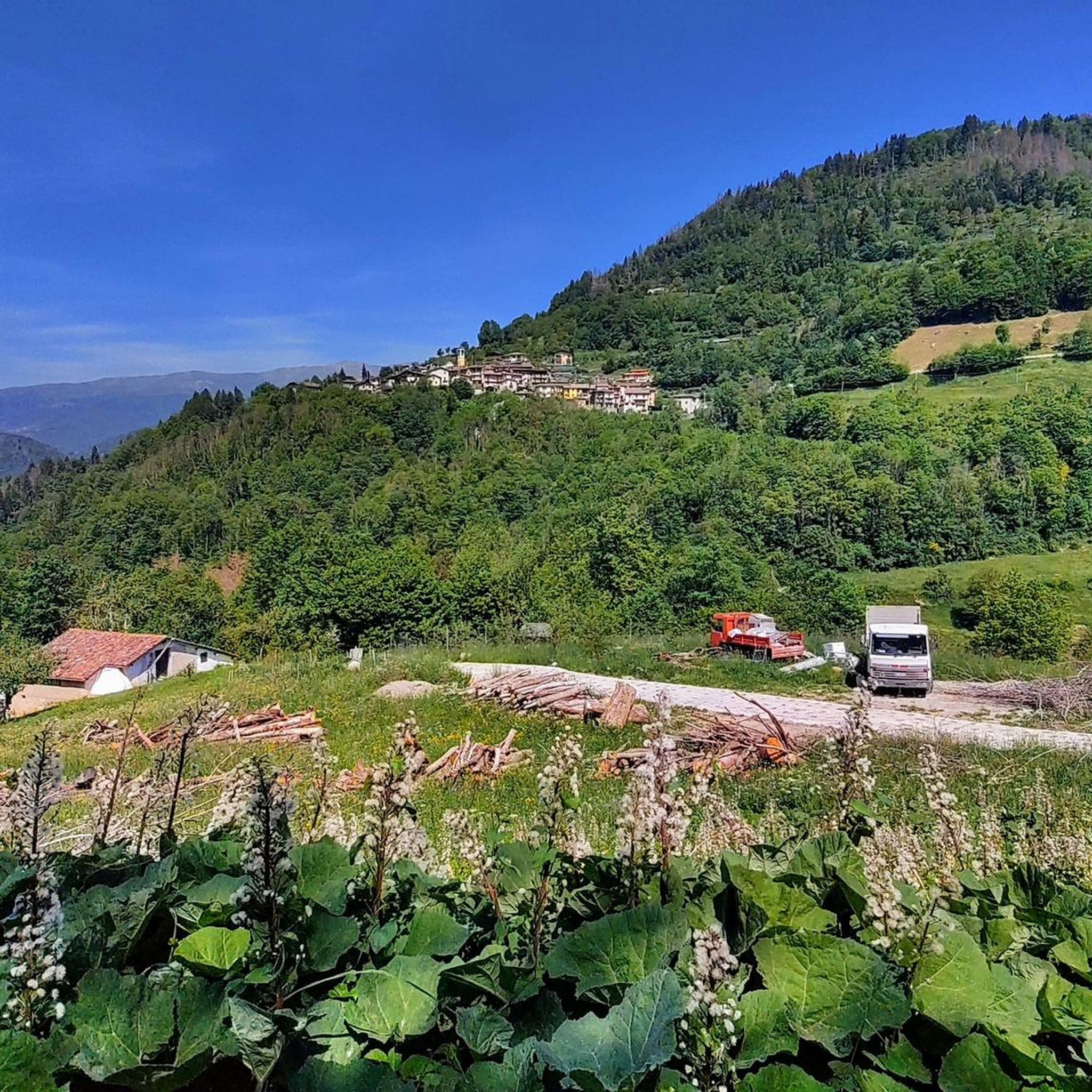
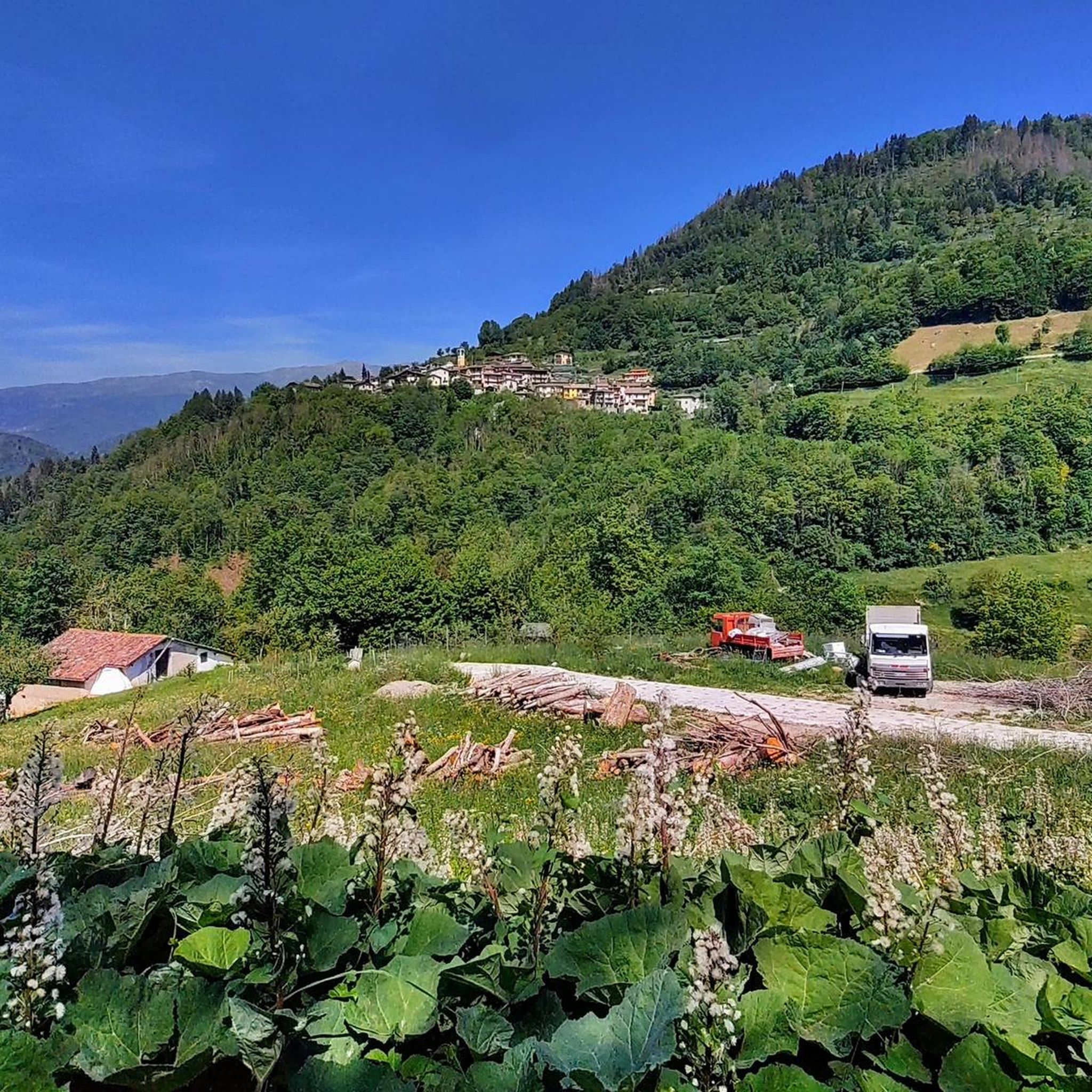
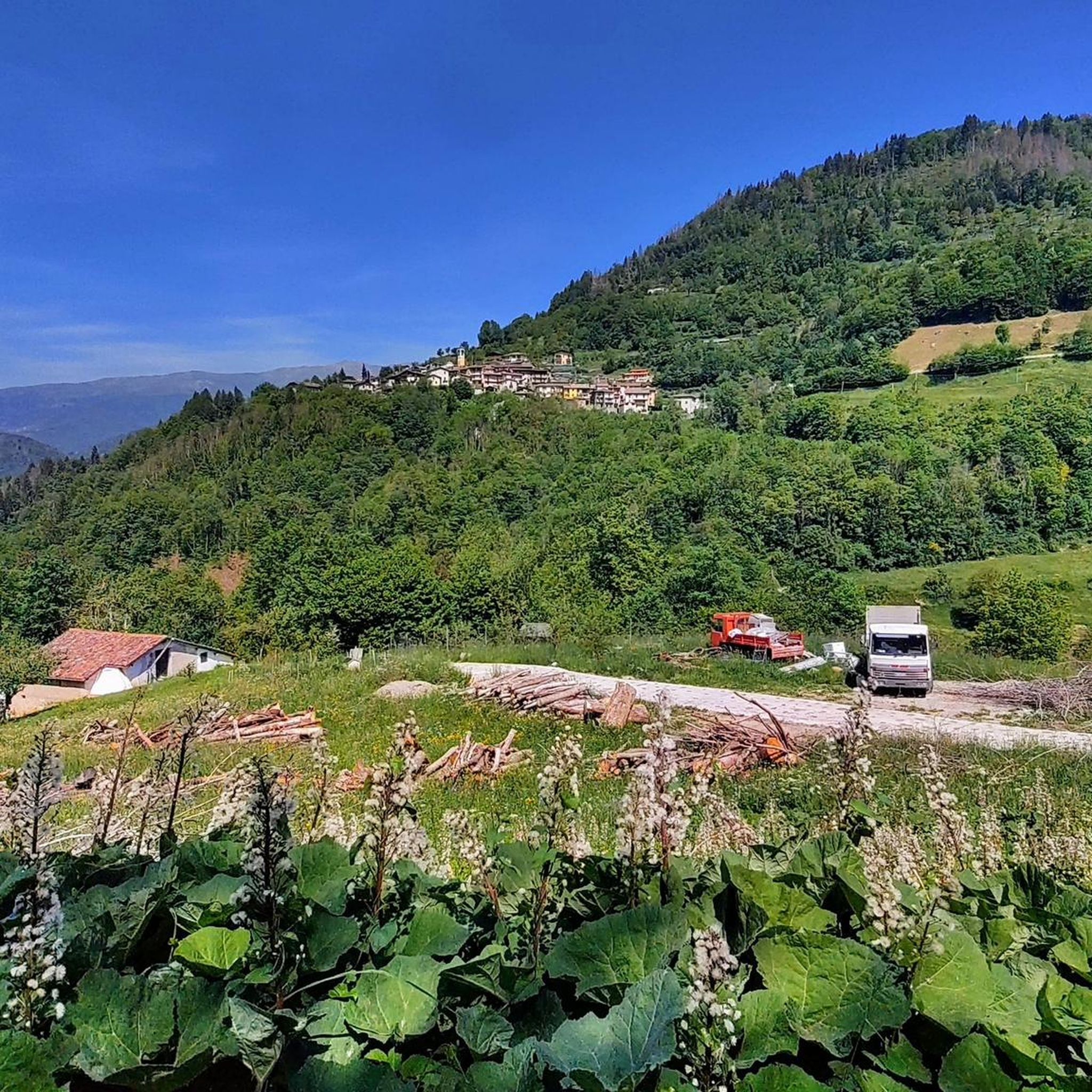
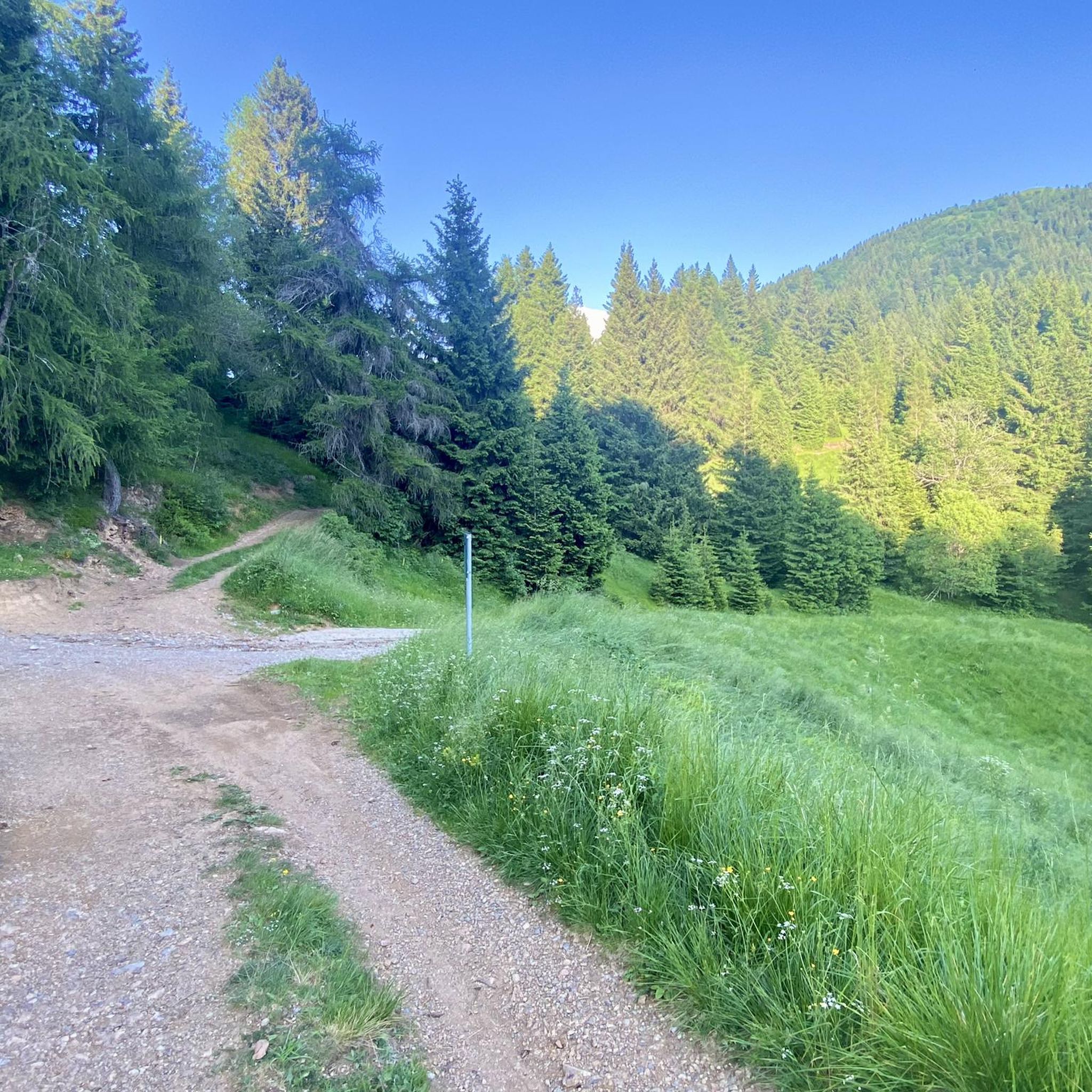
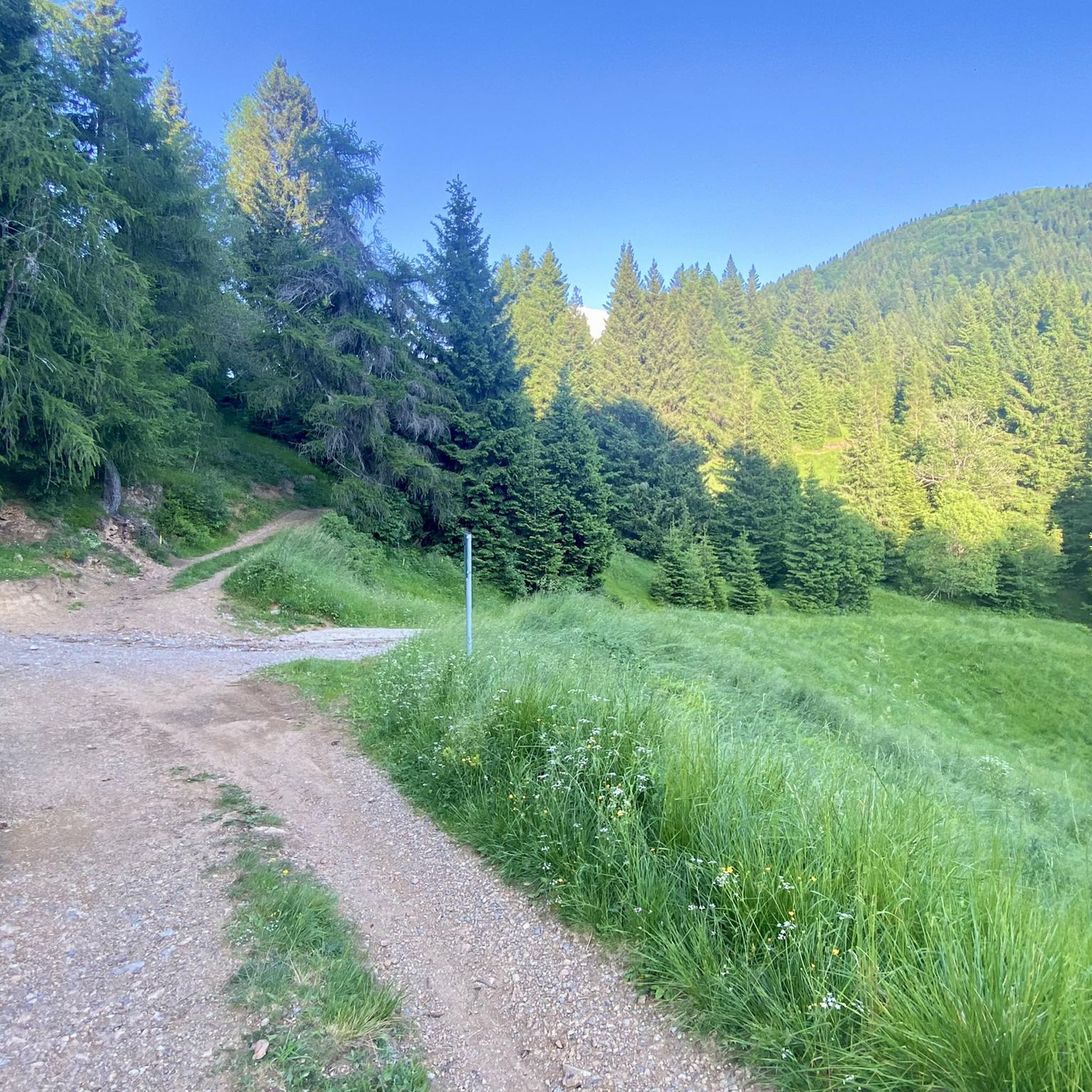
The Val Grigna Regional Forest is a protected natural area located between Val Camonica and Val Trompia. The landscape is typically mid-mountain with wooded slopes mainly composed of Norway spruce and larch, interspersed with wide pasture clearings. Once famous for its Roman-era copper mines and later for turpentine, the famous molten gold. Now, primarily pasture for herds of cows for the production of Silter DOP. The place is very quiet and offers a beautiful panorama and several ups and downs, there are various very interesting information signs, including the one related to the rock of money. I recommend a walk with a picnic to get to know and enjoy the beauties of the area.
0
0


Punta Caravina is an iconic ridge and viewpoint located at 1,850 meters above sea level in Lombardy, along the Monte Guglielmo massif (known in the Brescian dialect as Gölem or Gem). It is located in the province of Brescia, in the mountainous territory overlooking the upper Lake Iseo and the eastern shore of Val Camonica. The summit offers an extraordinary panorama stretching from the Orobie Bergamasche to the Adamello.
1
0

wonderful view of the valley below
0
0


Guglielmo top
0
0

Iconic place of Monte Guglielmo which represents reaching the top. The monument stands on the summit of Mount Guglielmo, at around 1950 meters above sea level, built right on the mountain at the beginning of the 20th century as one of the twenty (one per century) monuments to the Redeemer erected on the Italian peaks. The works were conducted by the father of the future Pope Paul VI, Giorgio Montini: in 1902 the chapel was inaugurated, twenty meters high with a large iron cross which, subsequently left to fall into ruin, was rebuilt in 1967, at the express wish of Pope Paul YOU. In his memory, in 1998 a bronze statue was placed next to the church.
3
0

This is the Passo delle Sette Crocette! An ancient road between the upper Val Trompia and Val Grigna, with a dry stone wall and seven iron crosses. A 1688 cippus adds to the historic charm. Legends tell of witchcraft and mountain piety linked to tragic events. A fascinating place steeped in history and mystery.
3
1
Frequently Asked Questions
What kind of natural features can I expect to see around Irma?
The Irma region offers a diverse landscape, including mountainous terrain, dense forests, and serene alpine lakes. You'll find high-altitude summits, significant mountain passes, and extensive spruce fir and larch woods. The area is characterized by elevated viewpoints and tranquil water bodies.
What are some of the most popular natural monuments around Irma?
Visitors frequently explore the Monument to the Redeemer on Monte Guglielmo, an iconic man-made monument on a high summit. Another popular spot is the Pass of the Seven Crosses, known for its historical significance and unique dry stone wall. The Val Grigna Regional Forest is also highly appreciated for its vast woodlands.
Are there any historical natural monuments in the Irma area?
Yes, the Pass of the Seven Crosses is a notable historical site. This ancient road between Val Trompia and Val Grigna features a dry stone wall and seven iron crosses, with legends of witchcraft and mountain piety linked to tragic events, making it a fascinating place steeped in history and mystery.
Can I find high-altitude viewpoints or summits in the Irma region?
Absolutely. The region is known for its summits and mountain passes. You can reach the Monument to the Redeemer on Monte Guglielmo at about 1,950 meters above sea level, offering panoramic views. Another excellent summit is Monte Muffetto, a peak over two thousand meters high, providing splendid vistas of the surrounding mountain ranges, Lake Sebino, and the Camonica and Trompia Valleys.
Are there any regional forests to explore near Irma?
Yes, the Val Grigna Regional Forest is a significant natural monument covering over 2,800 hectares. It extends from 1,000 meters up to the summit of Monte Crestoso, featuring spruce fir and larch woods interspersed with large clearings. It's an ideal place for exploring nature and spotting wildlife like deer and chamois.
Are there any lakes to visit among the natural monuments?
Yes, Lake Bongi is a beautiful artificial lake formed by a dam on the Tovere stream. It's nestled between the resilient valleys of Brescia and offers a very pleasant side road for exploration in both summer and winter.
What outdoor activities can I do near the natural monuments around Irma?
The area around Irma offers a variety of outdoor activities. You can find numerous routes for gravel biking, cycling, and running. For example, there are challenging gravel biking routes like the 'Pass of the Seven Crosses – Maniva Pass loop' and scenic cycling tours such as the 'View of the Adamello – Ravenola Lakes loop'. Running enthusiasts can explore trails like the 'Cimmo – Magno–Caregno Road loop'. You can find more details on these activities in the gravel biking, cycling, and running guides around Irma.
Are there family-friendly natural monuments in the Irma area?
While specific 'family_friendly' tags are not widely applied to all natural monuments in the data, locations like Lake Bongi, with its pleasant surroundings, can be suitable for families. Generally, the regional forests and less strenuous sections of trails offer opportunities for family outings.
What do visitors appreciate most about the natural monuments around Irma?
Visitors highly appreciate the diverse landscapes, from high peaks with panoramic views to serene forested areas. The komoot community has shown strong engagement, with over 300 upvotes and more than 230 photos shared, highlighting the beauty and appeal of these natural and historical sites. The sense of achievement from reaching summits like Monte Guglielmo is also a common sentiment.
What is the best time of year to visit the natural monuments around Irma?
The region's natural monuments can be enjoyed across different seasons. Spring and summer are ideal for hiking and exploring the forests and lakes when the weather is mild. Autumn offers beautiful foliage, especially in areas like the Val Grigna Regional Forest. Winter can provide opportunities for snowshoeing or enjoying the serene, snow-covered landscapes, though some higher passes might require specific gear like crampons due to conditions.
What kind of terrain can I expect on trails around Irma's natural monuments?
The terrain varies significantly. You can expect a mix of ancient paths, forest roads, and more challenging mountain trails. For instance, routes to summits like Monte Muffetto can involve steep sections and ridges, some of which are equipped. The Pass of the Seven Crosses follows an ancient road, while the Val Grigna Regional Forest has internal connections mainly through pedestrian paths.
Is public transport available to reach natural monuments around Irma?
The guide data primarily mentions access to the Val Grigna Regional Forest via some forest roads, with internal connections mainly being pedestrian paths. For specific public transport options to individual natural monuments, it's advisable to check local transport schedules for the municipalities surrounding Irma, such as Berzo Inferiore, Bienno, Bovegno, Esine, and Gianico.
Most popular attractions around Irma

Get inspired with the komoot mobile app


Explore more
Extend your search for the best caves by checking out these guides of the top ones around Irma:
