Top 20 Natural Monuments around Forni Di Sopra
Best natural monuments around Forni Di Sopra are found within the Friulian Dolomites Natural Park, a UNESCO World Heritage site. This region features towering peaks, extensive trail networks, and the source of the Tagliamento River. The landscape offers a wild and unspoiled mountain environment rich in biodiversity. Visitors can explore dramatic rocky spires, lush forests, and meadows.
Best natural monuments around Forni Di Sopra
- The most popular natural monuments is Giuliano Perugini Bivouac and the Campanile of Val Montanaia,…
Last updated: July 11, 2026
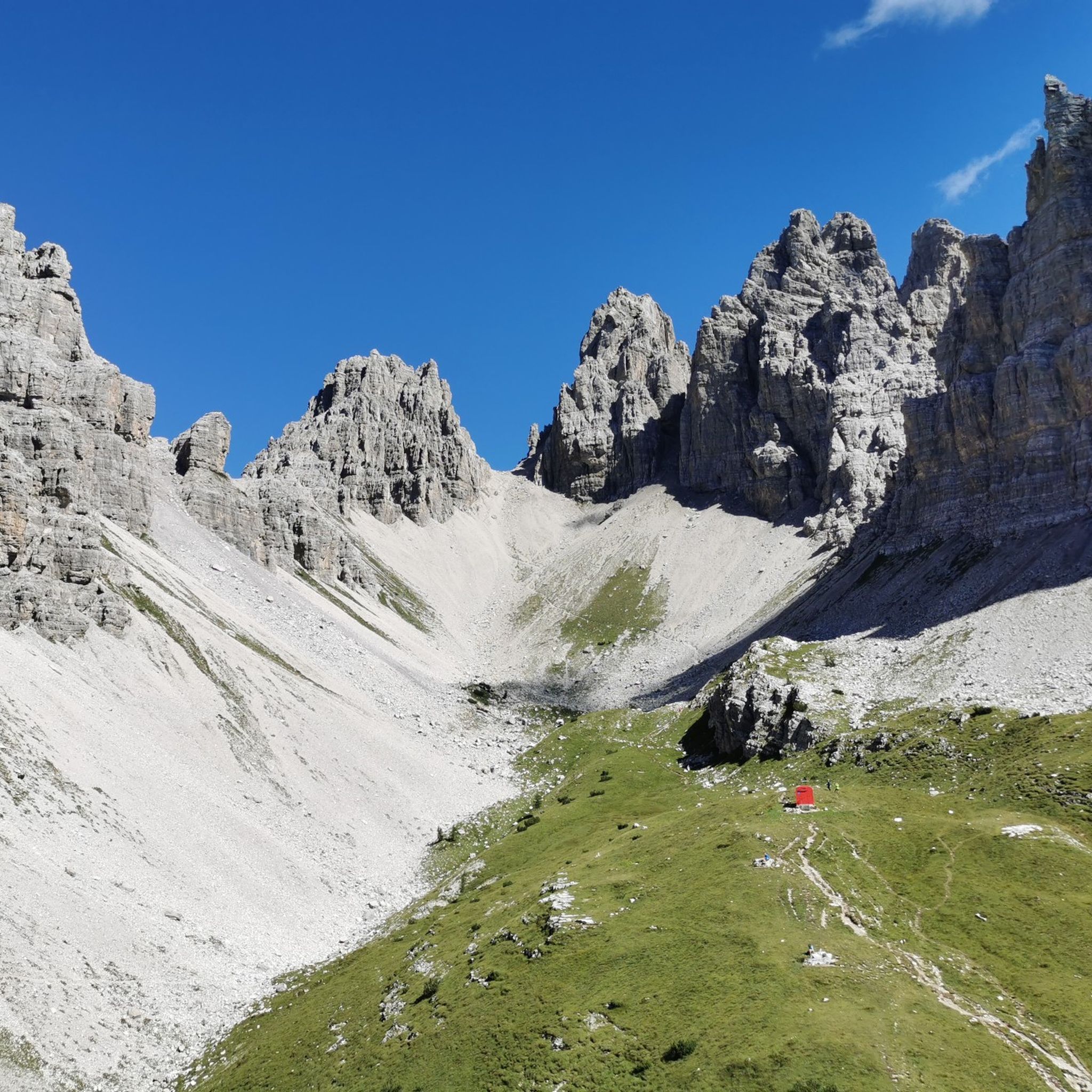
Giuliano Perugini Bivouac and the Campanile of Val Montanaia
Highlight • Mountain Hut
Translated by Google •
Tip by

Tose Lake
Highlight • Lake
Translated by Google •
Tip by

Sign up now to discover places like this
Get recommendations on the best single tracks, peaks, & plenty of other exciting outdoor places.
Sign up for free
Campanile of Val Montanaia
Highlight • Natural Monument
Translated by Google •
Tip by
Forcella Scodavacca
Highlight • Mountain Pass
Translated by Google •
Tip by

Sella di Razzo
Highlight • Mountain Pass
More information: quaeldich.de/paesse/sella-di-razzo
Translated by Google •
Tip by

Sign up for free to discover even more natural monuments around Forni Di Sopra.
Sign up for free
Already have an account?
Start today with a free account
Your next adventure awaits.
Login or Signup


Tips from the Community

The bivouac and adjacent meadow are often crowded. Useful as a base for early climbing excursions.
1
0

Getting to the Campanil is not an easy task, but it is worth it.
0
0

Lago delle Tose is a small body of water known since Roman times for the thermal characteristics and benefits of its waters. It is located in Lagole, an area of considerable archaeological and naturalistic interest near Lago di Centro Cadore. The water that flows between the rocks of the clearing forms streams and waterfalls that culminate in a natural pool. This entire area was part of a religious complex linked to the cult of mineral waters, already frequented in Roman times to perform the abduction of the body. In some places, in addition to the ferruginous color, it is also possible to smell the typical smell of sulfur. A little further south are the Lagole springs, small pools from which water with beneficial properties flows. In the Venetian dialect "tose" means "girls". But the legend from which this small and precious lake takes its name is anything but happy. It is said that a long time ago the girls of the place immersed themselves in its waters to preserve eternal youth. Their beauty aroused the envy of the Anguane, creatures similar to a nymph. One day the Anguane witches attacked the girls while their men were hunting. They beat them to death, including the beautiful Bianca, daughter of the village chief. When the men realized what had happened, they decided in desperation to carry the bodies to the mountain. The God of the lake, as a sign of compassion for the "tose", transformed every drop of blood that fell to the ground into small pink and fragrant flowers, then turned the men into stone so that no one could disturb Bianca's sleep. The Anguane took refuge in the caves but could not escape the vengeance of the God, who poisoned the water, killing them. The valley fell into an unreal silence and an instant later the water regained its beneficial powers.
1
0

Forcella Scodavacca, 2050 meters above sea level, its width and length make it peculiar compared to many other forks. It is the typical Dolomite fork.
0
1

great food, nice staff, beautiful panorama
0
0

Nice area although cold, recommended in summer to cool off
0
0

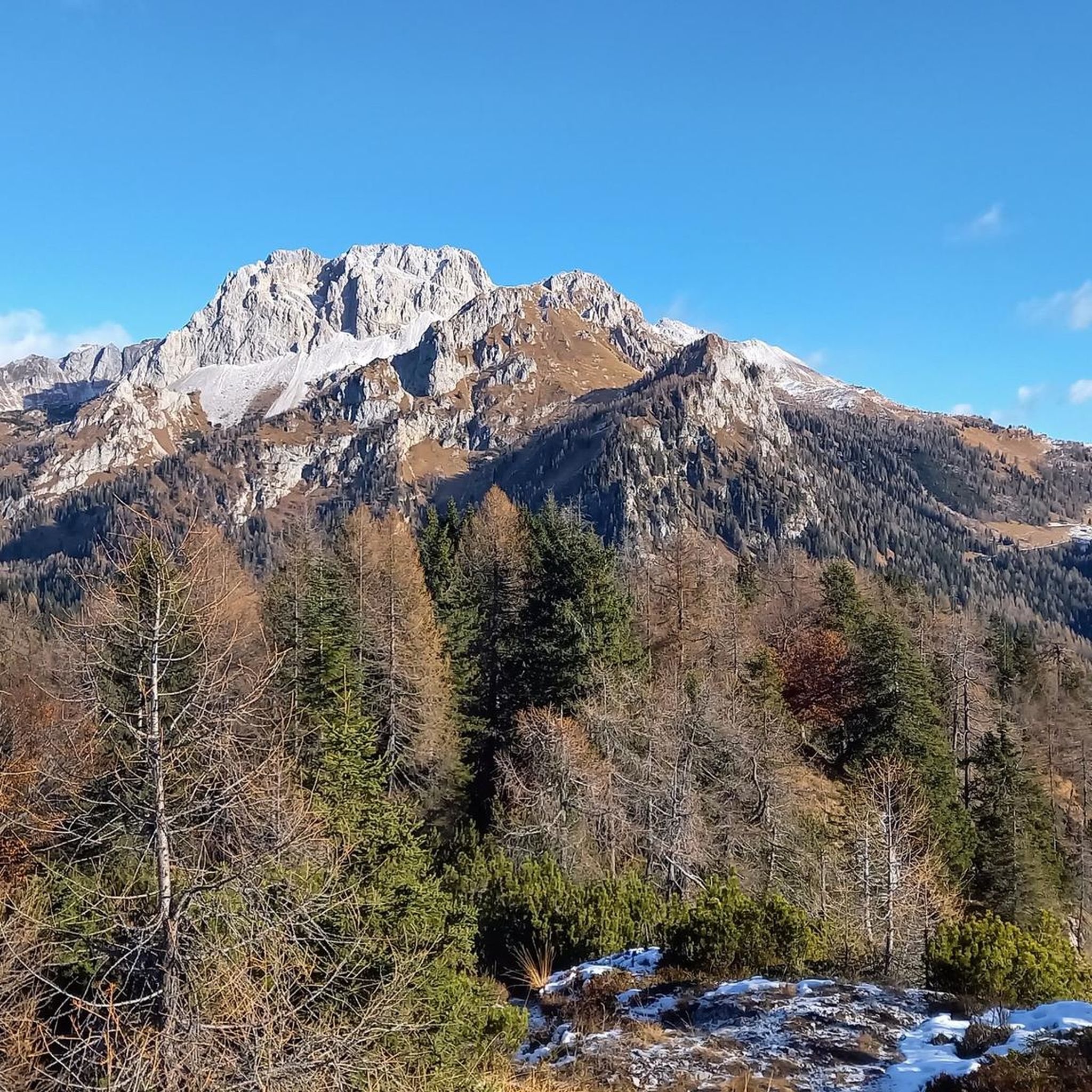
The Scodavacca fork is the archetype of the forks and the symbol of the Forni Dolomites. Large and panoramic, it is located at an altitude of 2,043 meters and connects Carnia to Cadore. On its sides, the pass is dominated by the boldest spiers, including the Berti tower and the famous Spinotti tower, as well as Mount Cridola, the highest peak in the area. To reach it, from both sides, requires a long but rewarding climb up a narrow path that turns to gravel towards the top. You can run to the base of the Cridola peak, but to reach the summit the route becomes very technical.
2
0

From this col you can climb to the Cridola summit, but this is already an easy climb with a lot of loose rock.
1
0
Frequently Asked Questions
What are some unique natural monuments to explore near Forni di Sopra?
Beyond the well-known spots, you can discover the iconic Campanile of Val Montanaia, a symbolic peak of the Friulian Dolomites Park. Another significant natural monument is Forcella Scodavacca, a large and panoramic mountain pass connecting Carnia to Cadore, offering stunning views of bold spires. For a blend of nature and history, visit Tose Lake, a small body of water known since Roman times for its thermal properties and fascinating local legends.
What kind of natural features can I expect to see in the Friulian Dolomites Natural Park?
The park is characterized by its majestic Friulian Dolomites mountain range, featuring towering peaks like Pramaggiore, Spalti di Toro, Cridola, Monfalconi, and Bivera. You'll encounter dramatic jagged peaks, lush green woods, and the pristine source of the Tagliamento River. The area is also rich in biodiversity, with diverse flora and fauna including chamois, red deer, alpine ibexes, marmots, and golden eagles.
Are there family-friendly natural monuments or trails around Forni di Sopra?
Yes, Tose Lake is categorized as family-friendly and offers an interesting natural and historical experience. The region generally provides a variety of trails suitable for different skill levels, including easier paths through lush meadows and forests that families can enjoy together. The Varmost area, accessible by chairlifts, also offers easy to medium difficulty excursions with panoramic views.
What outdoor activities can I do near these natural monuments?
The area around Forni di Sopra is ideal for various outdoor activities. You can explore an extensive network of hiking trails, from valley floors to mountain summits. For mountaineering, consider routes like the 'Campanile di Val Montanaia loop' or 'Monte Bivera – Forcella del Bivera loop' found in the Mountain Hikes around Forni Di Sopra guide. Cycling is also popular, with options ranging from challenging road cycling routes, such as those in the Road Cycling Routes around Forni Di Sopra guide, to touring bicycle adventures detailed in the Cycling around Forni Di Sopra guide.
What is the best season to visit the natural monuments around Forni di Sopra?
The best time to visit largely depends on your preferred activities. Spring and summer (June to September) are ideal for hiking, cycling, and enjoying the lush flora, including the 'Festa delle erbe di primavera' in June. Autumn offers stunning foliage. Winter transforms the landscape into a snowy wonderland, suitable for winter sports like cross-country skiing along the Tagliamento River, and some areas like Varmost remain accessible via chairlifts for panoramic views.
Are there viewpoints offering panoramic views of the Dolomites?
Absolutely. The Sella di Razzo mountain pass provides panoramic views of the Cadore Dolomites. The Varmost area, accessible by chairlifts, is known as a 'terrace of excellence' for its 360° panoramas of both the Cadore and Friuli Dolomites, including distant views of the famous Three Peaks of Lavaredo. Forcella Scodavacca also offers expansive, dramatic vistas.
Are there any historical or cultural aspects related to these natural monuments?
Yes, the region holds historical significance. Tose Lake, for instance, has a history dating back to Roman times, known for its thermal waters and ancient cults. The local flora and herbs were historically used for cooking and medicine by the Venetian Republic, a tradition celebrated during the 'Festa delle erbe di primavera'.
What do visitors particularly enjoy about the natural monuments in this area?
Visitors are consistently captivated by the breathtaking landscapes, the opportunity for diverse outdoor activities, and the chance to experience a pristine natural environment rich in biodiversity. The dramatic rocky spires, lush forests, and serene meadows are frequently highlighted. The area's recognition as a UNESCO World Heritage site further underscores its exceptional natural value, drawing those who appreciate unspoiled mountain grandeur.
Are there specific hiking trails recommended for exploring the natural monuments?
Yes, the region boasts a dense network of trails. Notable itineraries include the 'Truoi dai Sclops' (Path of Gentianellas), celebrated for its botanical diversity, and the 'Via delle Malghe'. For stunning views, the Sentiero Caposassi offers vistas of the Friuli and Ampezzo Dolomites. You can find detailed routes and difficulty levels in the Mountain Hikes around Forni Di Sopra guide.
Is it possible to visit natural monuments during winter?
Yes, the Friulian Dolomites offer a unique winter experience. While some high-altitude trails may be challenging or inaccessible due to snow, areas like Varmost can be reached by chairlifts, providing stunning winter panoramas. The 13-kilometer cross-country ski trail along the Tagliamento River also offers a beautiful way to experience the natural monument of the river's source during the colder months.
How long should I plan for a visit to the natural monuments around Forni di Sopra?
The duration of your visit can vary greatly depending on your interests. A single day might allow you to explore one or two specific natural monuments, such as a hike to Giuliano Perugini Bivouac and the Campanile of Val Montanaia (which can take several hours). To fully immerse yourself in the Friulian Dolomites Natural Park, including diverse hikes and exploring multiple features, a multi-day trip (3-5 days) is highly recommended.
Are there any easy or beginner-friendly natural monument hikes?
Yes, while many trails lead to challenging peaks, there are also easier options. The Varmost area offers easy to medium difficulty excursions like Sentiero Caposassi and Clap Varmost, which provide stunning views without extreme exertion. Many trails through the valley floors and lush meadows are also suitable for beginners, allowing you to enjoy the natural beauty at a more relaxed pace.
Most popular routes around Forni Di Sopra
Most popular attractions around Forni Di Sopra

Get inspired with the komoot mobile app


Explore more
Extend your search for the best caves by checking out these guides of the top ones around Forni Di Sopra:
