Top 3 Natural Monuments around Santa Maria La Longa
Best natural monuments around Santa Maria La Longa are characterized by the tranquil Friulian plain, featuring expansive agricultural landscapes and a network of waterways. The region's natural appeal lies in its rural and hydrological features, offering a serene backdrop for outdoor activities. On clear days, distant views of the Carnic and Julian Alps add to the scenic natural features Santa Maria La Longa Italy. This area provides a harmonious blend of agricultural beauty and accessible waterways, contributing to a tranquil…
Last updated: June 28, 2026
Waterfall on the Cormor River
Highlight • Waterfall
Translated by Google •
Tip by

white-flowered Nymphaea
Highlight • Lake
Translated by Google •
Tip by

Sign up now to discover places like this
Get recommendations on the best single tracks, peaks, & plenty of other exciting outdoor places.
Sign up for free
Selvote Bog
Highlight (Segment) • Natural
Showing Translation
Tip by

La Fontanute Spring on Percorso Vita
Highlight • Natural Monument
Translated by Google •
Tip by

Confluence of the Torre and Natisone Rivers
Highlight • River
Translated by Google •
Tip by
Start today with a free account
Your next adventure awaits.
Login or Signup
Tips from the Community

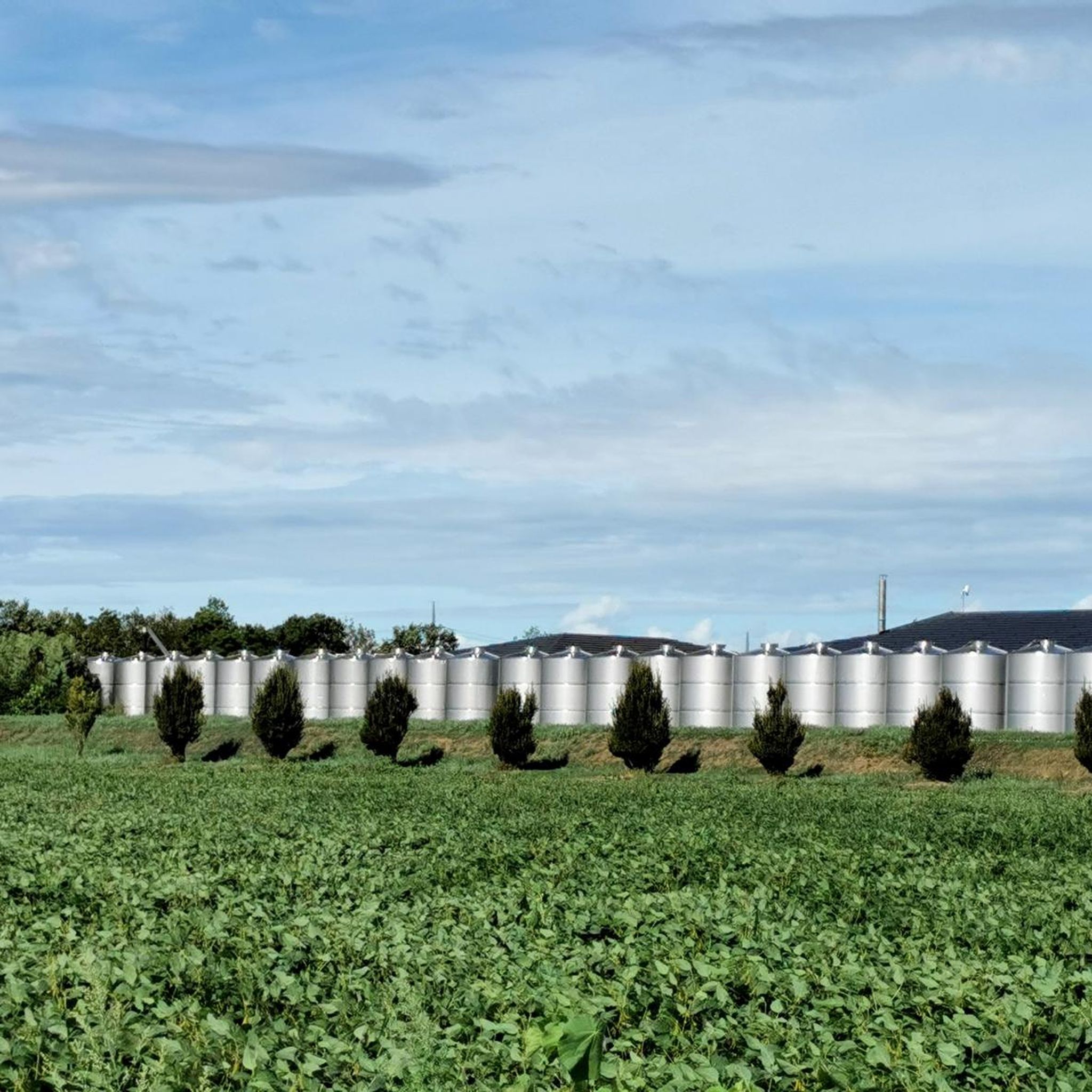
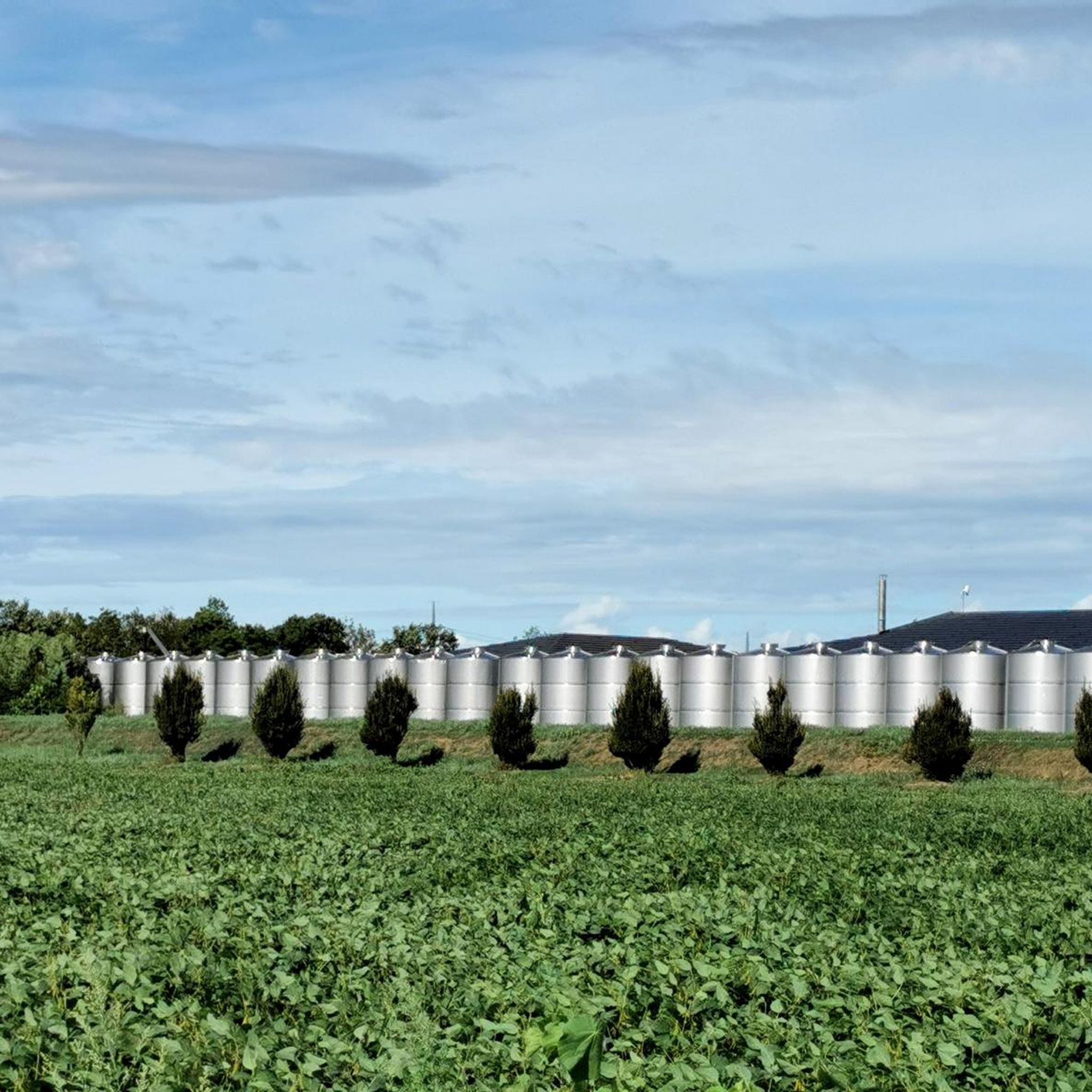
The Torbiera Selvote biotope covers 59.8 hectares and its perimeter largely follows that of the SIC IT3320028 Palude Selvote. It lies entirely within the municipality of Castions di Strada. Numerous habitats characteristic of the Friulian spring system are present in this area. There are ditches with typical aquatic vegetation, a large central peat bog with cladiets and formations dominated by Schoenus nigricans, a wet meadow on peat soil dominated by Molinia caerulea, and a recently formed black alder wood. This biotope is also very important as a conservation and refuge point for fauna. Among invertebrates, the presence of the now very rare freshwater crayfish is important. Amphibians are well represented by both various species of frogs (including the endemic Lataste's frog) and newts. In these humid environments, the glacial relict viviparous lizard and the European pond turtle are also present. These natural areas also host the asp viper and other snakes. Its role as a refuge for avifauna is notable, being located within a territory that is overall subject to intense anthropogenic pressure.
0
0

At the river threshold, a bridge crosses, from which the threshold can be seen to the north. The interplay of the waterfall and sunlight offers impressive views.
0
0

A suggestive waterfall seen from the bridge that crosses the Cormor river, on a dirt road
0
0

A nice place with some shade to stop for a drink and recover.
0
0

Monet would have been delighted with this pond
2
1

Even the Natisone, flowing into the Tower in this marked area, contributes downstream to feed the Isonzo.
0
0
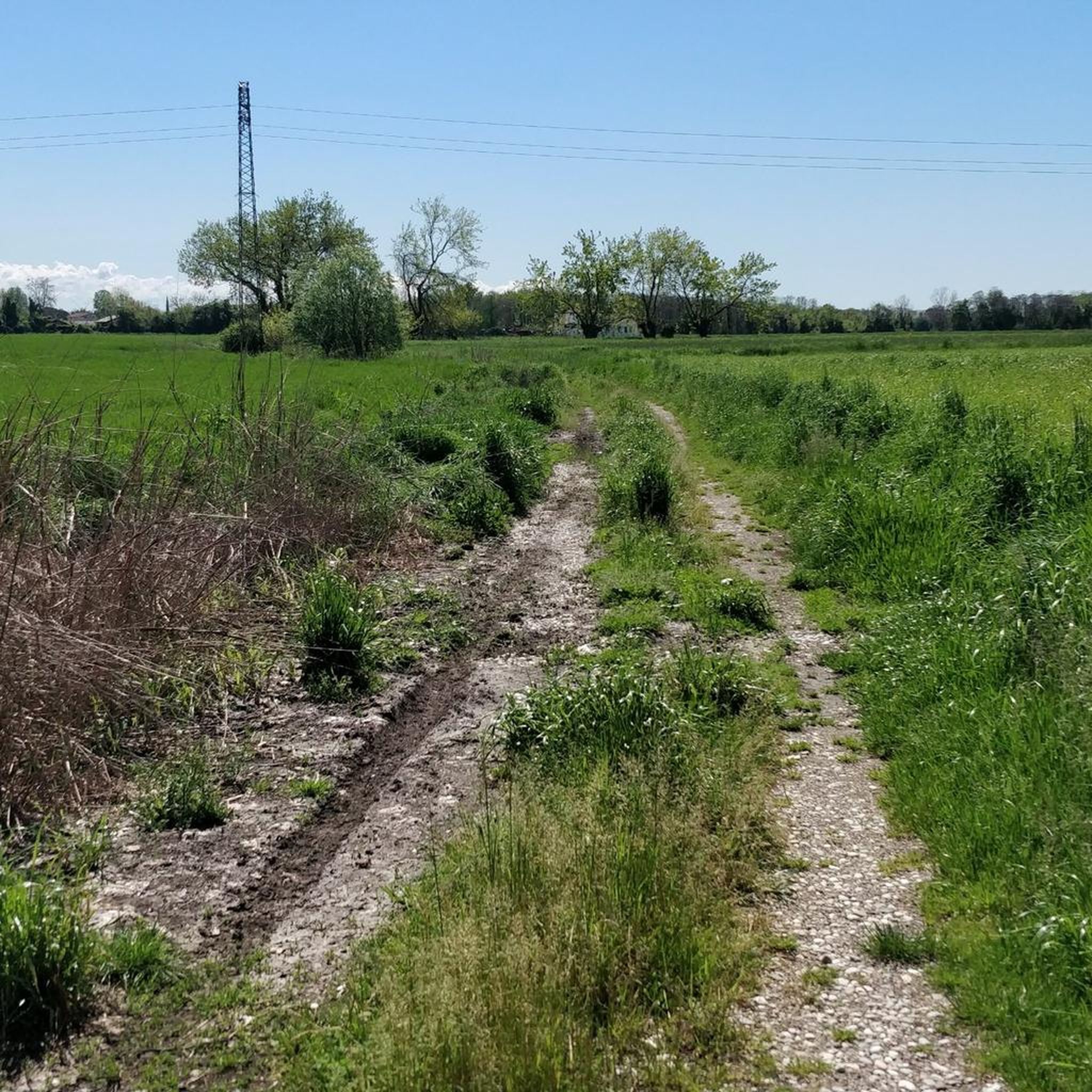
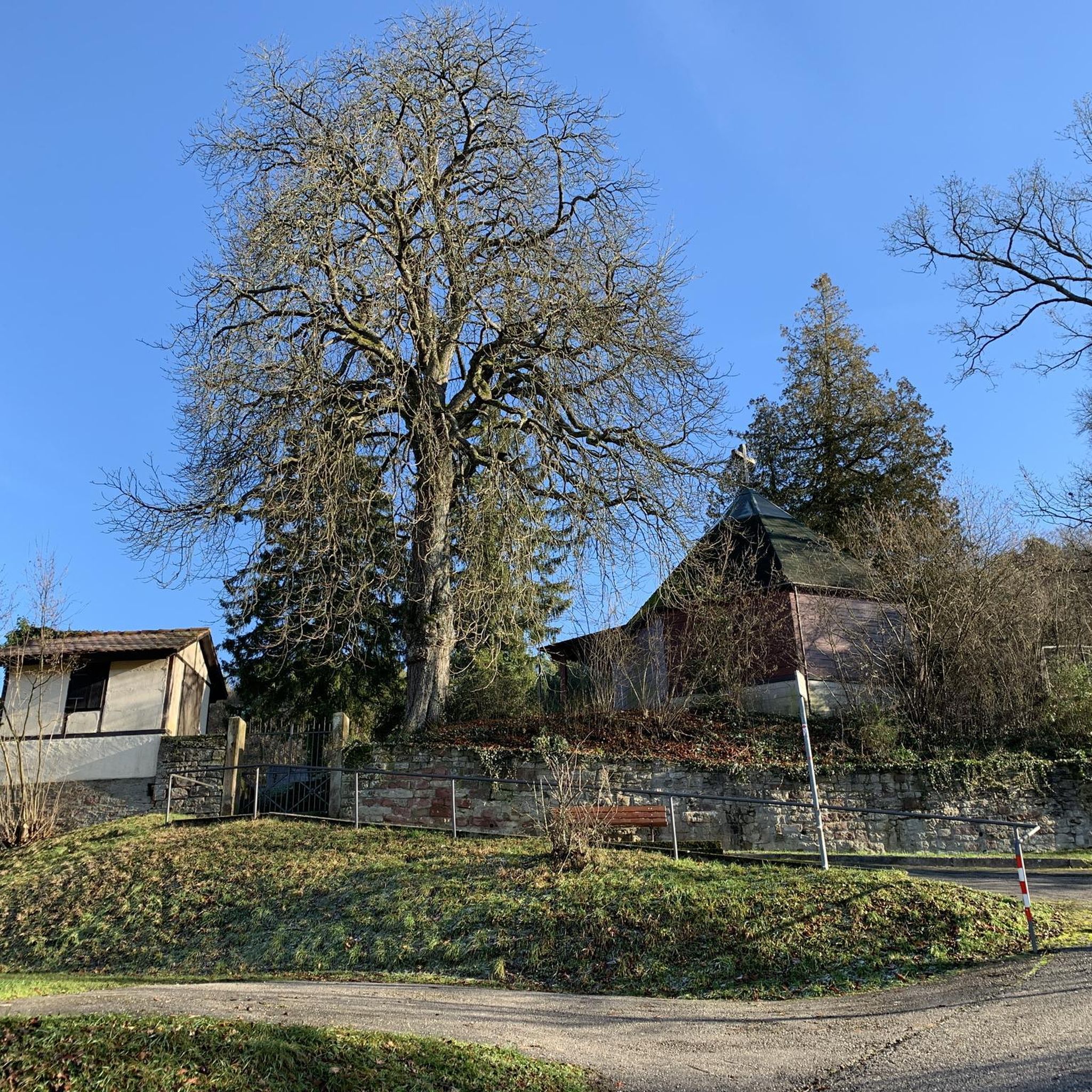
The story of the presence of this fountain which is located in the beautiful path before Pozzuolo del Friuli is interesting
0
0
Frequently Asked Questions
What are the most notable natural monuments around Santa Maria La Longa?
While Santa Maria La Longa is known for its agricultural landscapes, several natural features stand out. You can visit the Waterfall on the Cormor River, offering impressive views from the bridge. Another serene spot is the pond with white-flowered Nymphaea, perfect for a peaceful stop. The Selvote Bog is also a significant biotope, rich in diverse habitats and wildlife.
Are there family-friendly natural attractions in the area?
Yes, several natural monuments are suitable for families. The Waterfall on the Cormor River and the pond with white-flowered Nymphaea offer pleasant, accessible spots. The Selvote Bog also features trails that can be explored by families, offering a chance to observe diverse ecosystems and wildlife.
What kind of natural features can I expect to see?
The region is characterized by its extensive cultivated fields and numerous waterways. You'll find rivers like the Cormor, Torre, and Natisone, as well as unique wetland areas such as the Selvote Bog. On clear days, the flat plain also offers scenic distant views of the Carnic and Julian Alps.
What outdoor activities can I do near these natural monuments?
The flat topography and network of waterways make the area ideal for cycling and walking. You can explore various road cycling routes, enjoy traffic-free bike rides, or try gravel biking through the agricultural landscapes and along tree-lined paths. The nearby Parco del Torre e del Malina also offers dedicated itineraries for cycling and walking along riverbanks.
Are there specific trails or paths to explore these natural areas?
Yes, many natural monuments are accessible via trails. For instance, the Selvote Bog has paths allowing you to discover its unique biotope. The La Fontanute Spring is located on a beautiful path known as Percorso Vita, offering a pleasant walk.
What kind of wildlife can be observed in the natural monuments?
The Selvote Bog is particularly rich in biodiversity, serving as a refuge for various fauna. You might spot rare freshwater crayfish, different species of frogs (including the endemic Lataste's frog), newts, the viviparous lizard, European pond turtles, and various snakes. It's also an important area for avifauna.
What is the best time to visit the natural monuments around Santa Maria La Longa?
The region's natural beauty, with its cultivated fields and waterways, can be enjoyed throughout the warmer months. Spring and autumn offer pleasant temperatures for outdoor activities like cycling and walking, with spring bringing lush greenery and autumn showcasing vibrant colors.
Are there any significant river confluences to see?
Yes, you can visit the Confluence of the Torre and Natisone Rivers. This spot marks where the Natisone flows into the Torre, both contributing downstream to feed the Isonzo River.
Is there a natural spring in the area?
Indeed, the La Fontanute Spring on Percorso Vita is a notable natural monument. It's located along a beautiful path before Pozzuolo del Friuli and has an interesting local story associated with its presence.
What makes the Parco del Torre e del Malina significant for nature enthusiasts?
Located nearby in Remanzacco, the Parco del Torre e del Malina is a crucial natural area. It encompasses a primary hydrological network with the Torre and Malina torrents, supporting diverse ecosystems. The park features preserved meadows and wooded areas, rich biodiversity, and offers various itineraries for exploring its nature and history, including cycling and walking along the riverbanks.
Most popular routes around Santa Maria La Longa
Most popular attractions around Santa Maria La Longa

Get inspired with the komoot mobile app


Explore more
Extend your search for the best caves by checking out these guides of the top ones around Santa Maria La Longa:
