Top 20 Natural Monuments around Ampezzo
Best natural monuments around Ampezzo are found within the Ampezzo Dolomites Regional Natural Park, a protected area covering over 11,200 hectares. This region features a landscape of vertical walls, spires, high-altitude forests, and alpine meadows. It is characterized by significant geological formations and diverse ecosystems. The area offers various natural features for exploration.
Best natural monuments around Ampezzo
- The most popular natural monuments is Pozze Smeraldine, a river that features pools with emerald green colors. Visitors appreciate the beautiful…
Last updated: June 28, 2026
Pozze Smeraldine
Highlight • River
Translated by Google •
Tip by

Sella di Razzo
Highlight • Mountain Pass
More information: quaeldich.de/paesse/sella-di-razzo
Translated by Google •
Tip by

Sign up now to discover places like this
Get recommendations on the best single tracks, peaks, & plenty of other exciting outdoor places.
Sign up for free
Casera Pramaggiore
Highlight • Mountain Hut
Translated by Google •
Tip by

Plera Waterfall
Highlight • Waterfall
Translated by Google •
Tip by

Laghetto di Villa Santina
Highlight • Lake
Translated by Google •
Tip by
Sign up for free to discover even more natural monuments around Ampezzo.
Sign up for free
Already have an account?
Start today with a free account
Your next adventure awaits.
Login or Signup
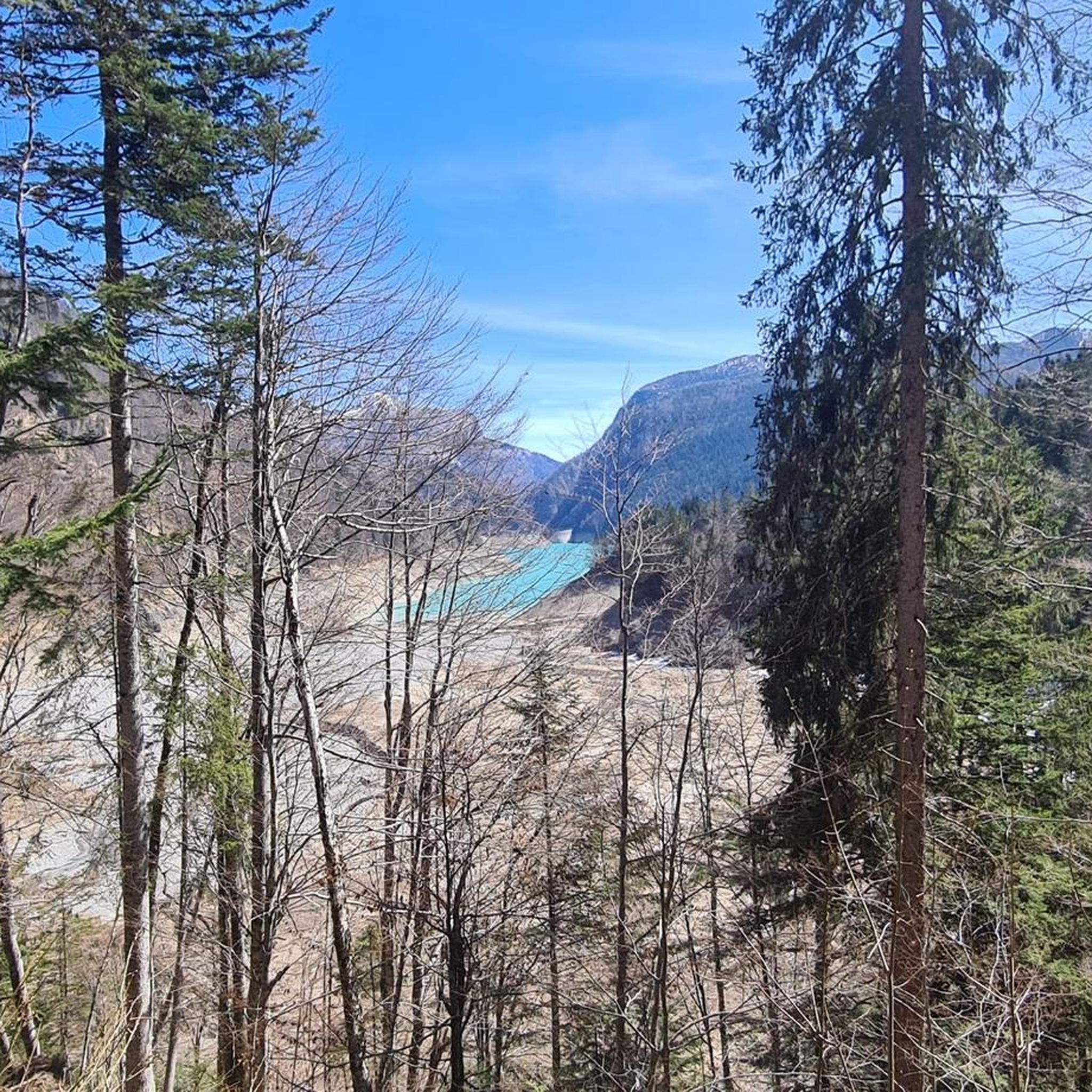

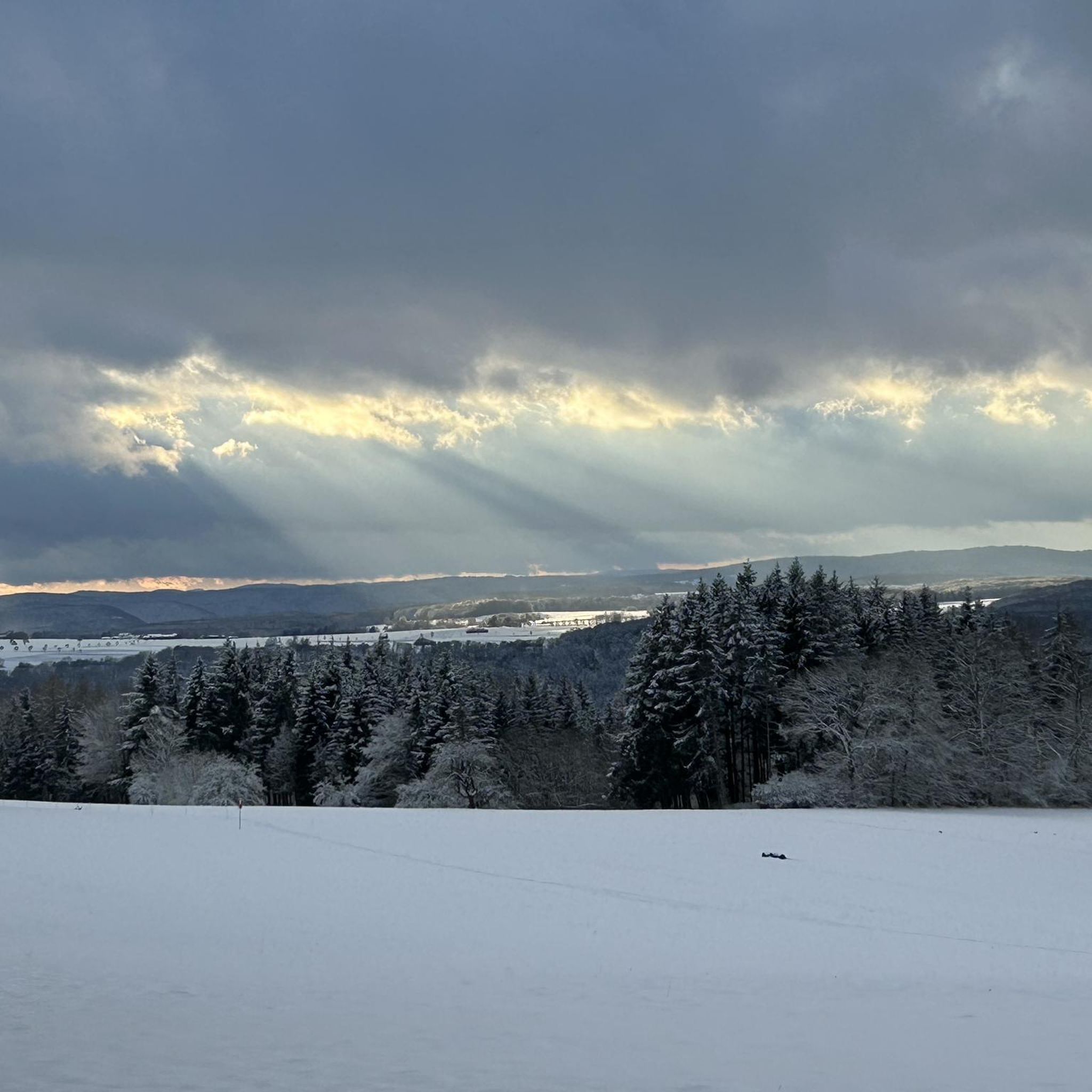
Tips from the Community


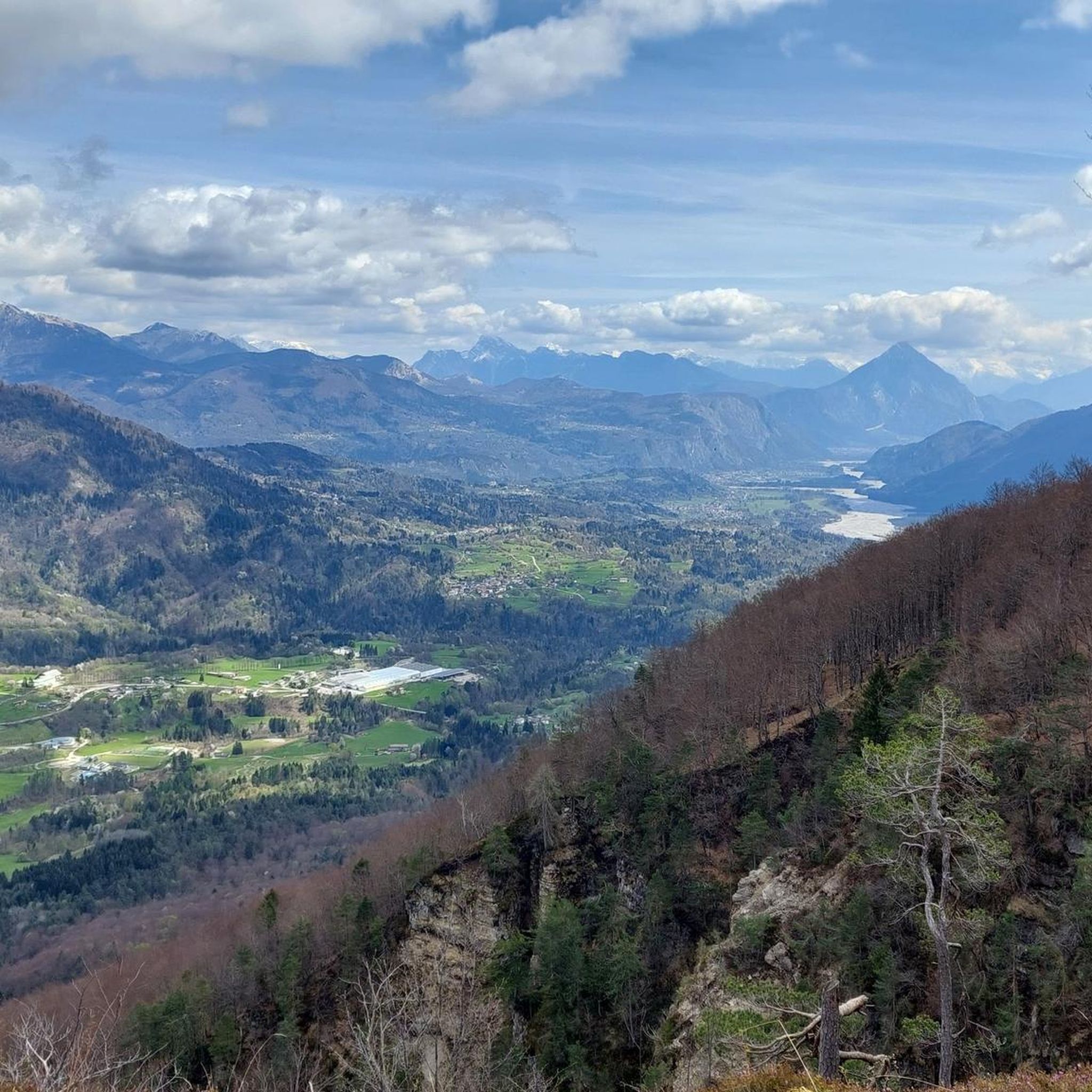
Pramaggiore Bivouac Hut, 1,812 meters. The usual ascent route to the hut is CAI trail 366, which starts from the Settimana Valley. The trail climbs steeply in switchbacks, skirting the Col de Post, descends to ford the Ciol de Pess stream, and then steeply climbs the wooded slope until it emerges beneath the meadows of the plateau where the hut is located. Just before the hut, on the right, a small pulpit holds a stainless steel statue of the Madonna, commemorating all the young people from the parishes of Azzano Decimo and Pramaggiore who have passed away.
0
0


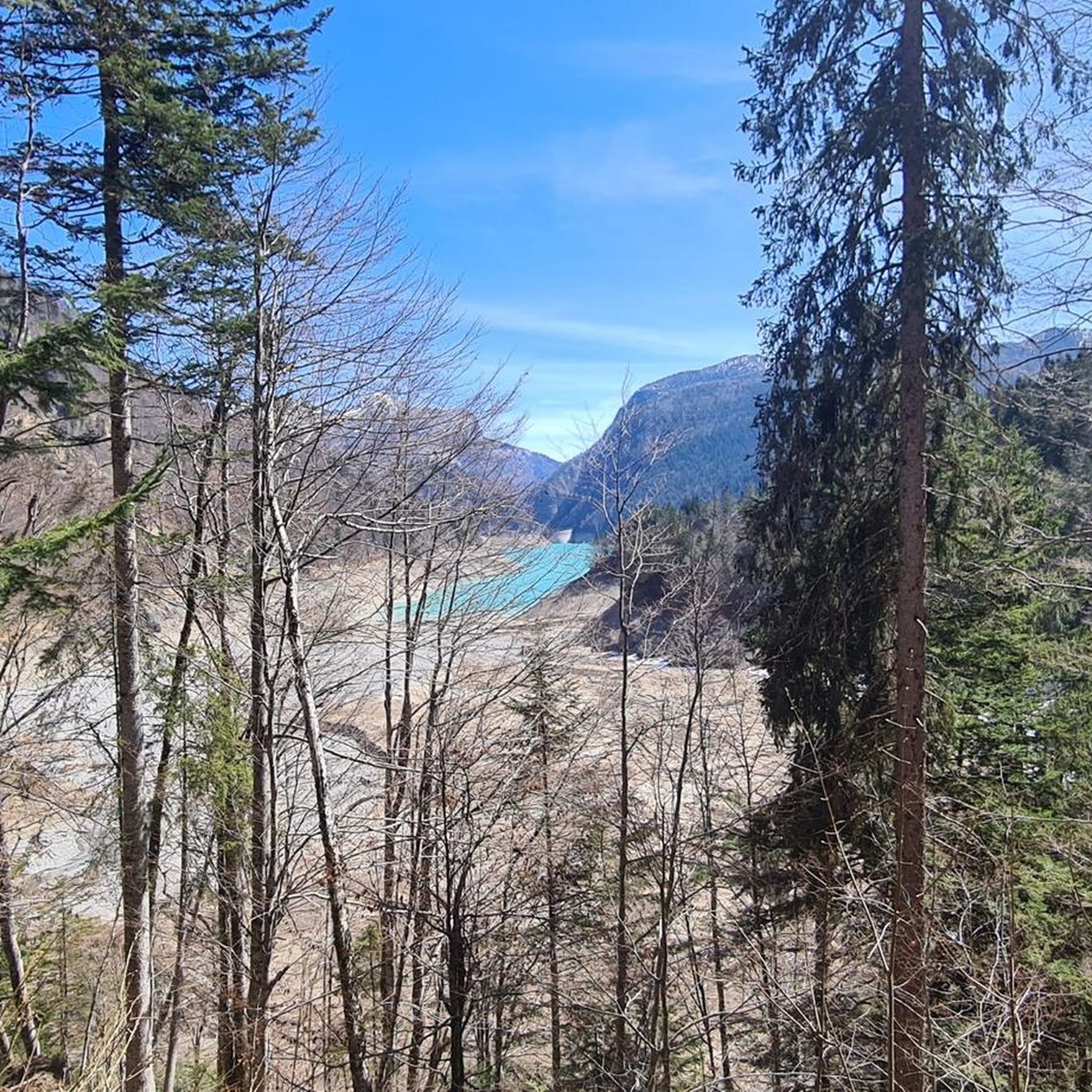
A small lake to refresh and cool off. It is surrounded by some benches where you can sit.
0
0
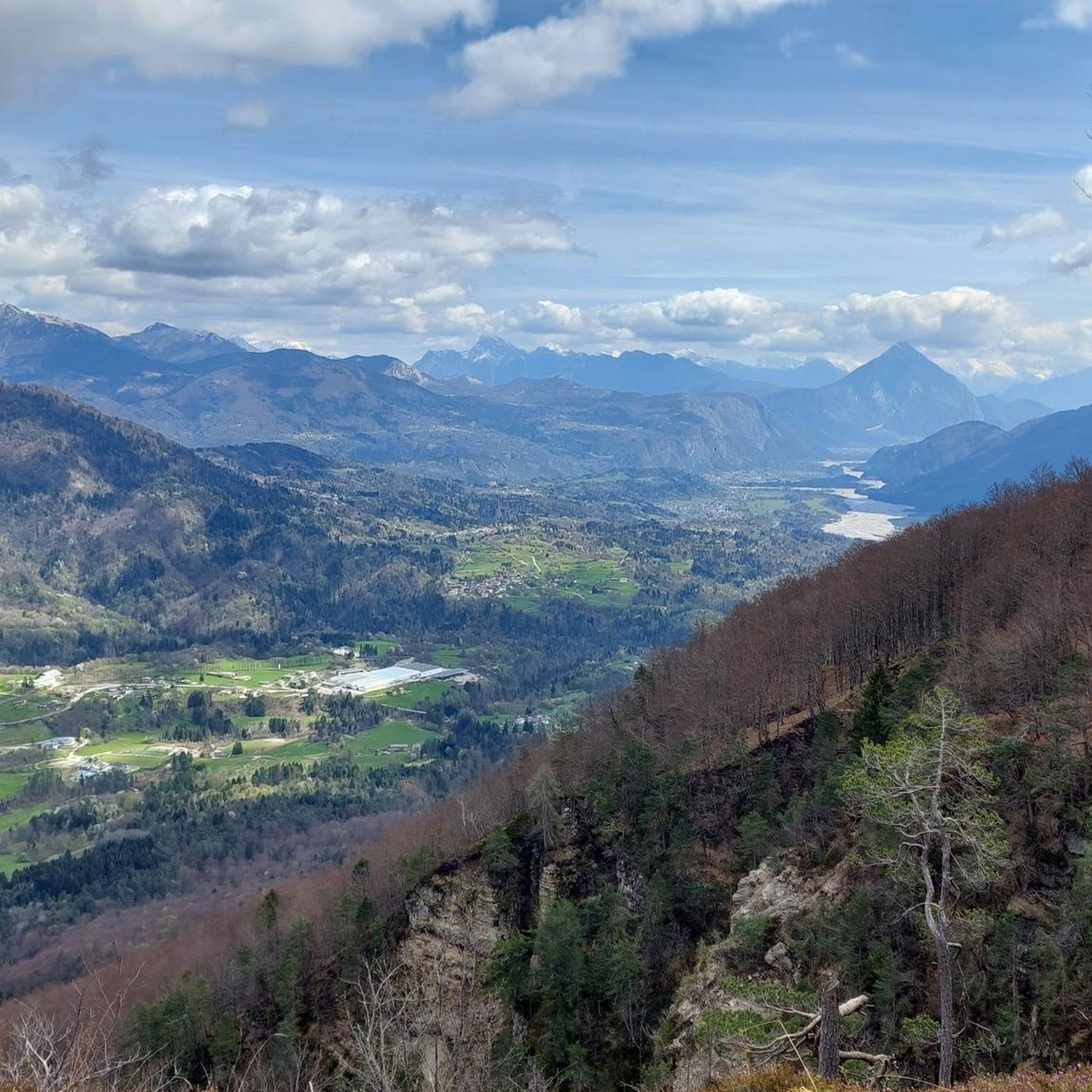
Casera Pramaggiore, an excellent base in a very panoramic position, managed by the CAI section of San Vito al Tagliamento.
0
1

Very suggestive waterfall with a dirt road. I recommend walking along it. It winds through pine forests and fortifications from the First World War.
1
0

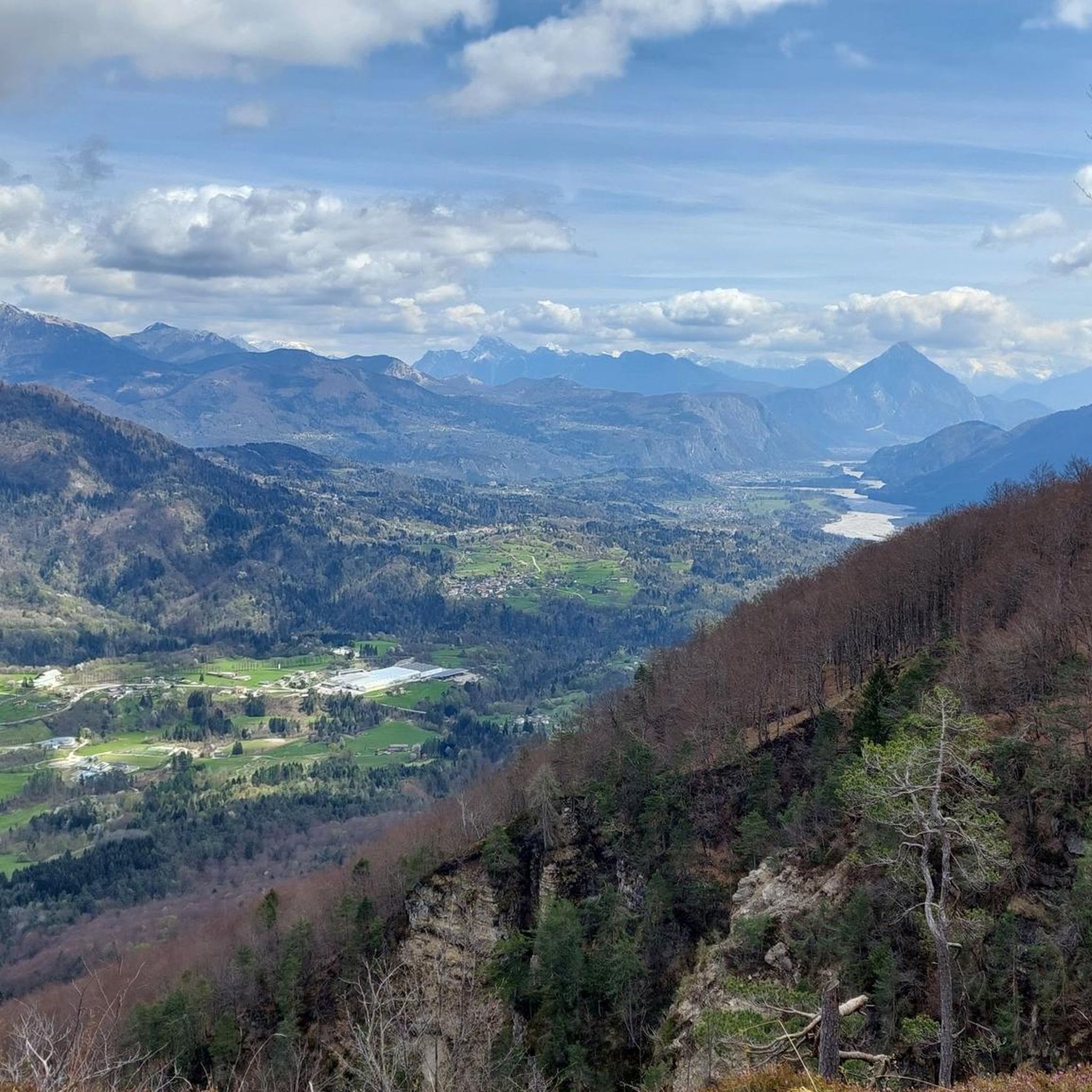
The summit of Mount Pramaggiore, 2478 m, can be reached via CAI path 366 up to Forcella Pramaggiore, and then via a trail with red markings on inclined slabs and a trail with unstable gravel, along the normal route up to the crest and to the summit, with first and second grade passages.
1
0
Frequently Asked Questions
What are some of the most popular natural monuments around Ampezzo?
Among the most appreciated natural monuments, you'll find Pozze Smeraldine, known for its beautiful emerald green pools. Another popular spot is Sella di Razzo, a mountain pass offering fantastic views of the Cadore Dolomites. Visitors also enjoy Laghetto di Villa Santina, a picturesque lake with water features and views of the Carnia mountains.
Are there family-friendly natural monuments to visit in the Ampezzo region?
Yes, several natural monuments are suitable for families. Laghetto di Villa Santina is a great option, featuring water games and a small wood, perfect for a relaxed outing. The Plera Waterfall, located in a fairy-tale setting, is also considered family-friendly, though its visibility depends on the season.
What kind of natural features can I expect to see in the Ampezzo Dolomites Regional Natural Park?
The Ampezzo Dolomites Regional Natural Park boasts a dramatic landscape of vertical walls, spectacular spires, high-altitude forests, clear streams, and alpine meadows. You'll encounter iconic Dolomite mountain groups like Tofane and Cristallo, distinctive rock formations such as Cinque Torri, and serene lakes like Lago di Braies. The park is also home to dynamic features like the Cascate di Fanes (Fanes Waterfalls) and diverse valleys.
What outdoor activities can I do near the natural monuments in Ampezzo?
The region offers a wide range of outdoor activities. You can explore numerous hiking trails, from challenging climbs to more relaxed walks. There are also extensive routes for road cycling and gravel biking. For detailed routes and guides, you can check out the hiking guide around Ampezzo, the road cycling guide, and the gravel biking guide.
Are there any historical sites or features related to the natural monuments?
Yes, the Ampezzo Dolomites region uniquely blends natural grandeur with historical significance. The area around Cinque Torri features preserved World War I trenches and tunnels, offering a fascinating glimpse into the past amidst stunning rock formations. Similarly, Monte Lagazuoi is known for its rugged peaks interwoven with a network of WWI tunnels and fortifications.
What is the best time to visit the natural monuments in Ampezzo?
The Ampezzo Dolomites are particularly captivating at sunset when the 'Enrosadira' phenomenon bathes the mountains in shades of pink and fiery red. While specific seasonal advice for all monuments isn't available, the alpine environment is generally most accessible and pleasant for hiking and outdoor activities from late spring through early autumn. Some waterfalls, like Plera Waterfall, are only visible during certain periods of the year.
What kind of wildlife and plant life can be found in the Ampezzo Dolomites Regional Natural Park?
The park is a haven for biodiversity, home to 160 animal species, including ibex, chamois, golden eagles, and even rare sightings of brown bears and bearded vultures. The flora is equally rich, with 68 types of trees and shrubs, over 1,000 species of flowers, and the endemic Dolomite Houseleek (Sempervivum dolomiticum), which is the park's symbol.
Are there any challenging natural monuments for experienced hikers or climbers?
For those seeking a challenge, the Dolomite Mountain Groups, including Tofane and Cristallo, offer numerous trails and demanding routes for climbers and experienced hikers. Casera Pramaggiore, a bivouac at 1812m, serves as an excellent base for excursions to the summit of Mount Pramaggiore (2478m), which involves a challenging trail with inclined slabs and unstable gravel.
What do visitors enjoy most about the natural monuments around Ampezzo?
Visitors frequently praise the stunning natural beauty, particularly the emerald green colors of the pools at Pozze Smeraldine and the panoramic views from Sella di Razzo. The tranquility of places like Laghetto di Villa Santina and the unique blend of natural grandeur and history at sites like Cinque Torri are also highly appreciated.
Can I find accommodation or places to eat near the natural monuments?
Yes, areas like Prato Piazza offer multiple mountain huts that provide both accommodation and local cuisine, making them ideal for more relaxed exploration. Additionally, Sella di Razzo features an inn known for its local products and hospitality.
What is the significance of the Ampezzo Dolomites Regional Natural Park?
The Ampezzo Dolomites Regional Natural Park, established in 1990, is a UNESCO World Heritage Site. It's recognized for its unparalleled natural beauty, significant biodiversity, and unique geological formations. The park protects over 11,200 hectares of dramatic landscapes, making it a premier destination for experiencing the natural wonders of the Italian Alps.
Are there any specific valleys worth exploring within the park?
The park is crisscrossed by several beautiful valleys that contribute to its diverse ecosystems. Notable valleys include Val Travenanzes, Val di Fanes, Alta Valle del Boite, and Val Felizon. These areas feature high-altitude forests and offer numerous paths suitable for walking and mountain biking, providing a different perspective on the region's natural beauty.
Most popular routes around Ampezzo
Most popular attractions around Ampezzo

Get inspired with the komoot mobile app


Explore more
Extend your search for the best caves by checking out these guides of the top ones around Ampezzo:
