Top 7 Natural Monuments around Manfredonia
Natural monuments around Manfredonia offer diverse experiences for visitors exploring the Gargano region. Situated as a gateway to Gargano National Park, the area features varied landscapes including rocky coasts, karst highlands, and dense forests. Significant natural features like Grotta Scaloria and Monte Calvo provide insights into both geological formations and prehistoric human activity. This region is known for its rich biodiversity and unique ecosystems.
Best natural monuments around Manfredonia
- The most popular natural monument is Monte Calvo, a summit…
Last updated: June 28, 2026
Monte Calvo
Highlight • Summit
Translated by Google •
Tip by

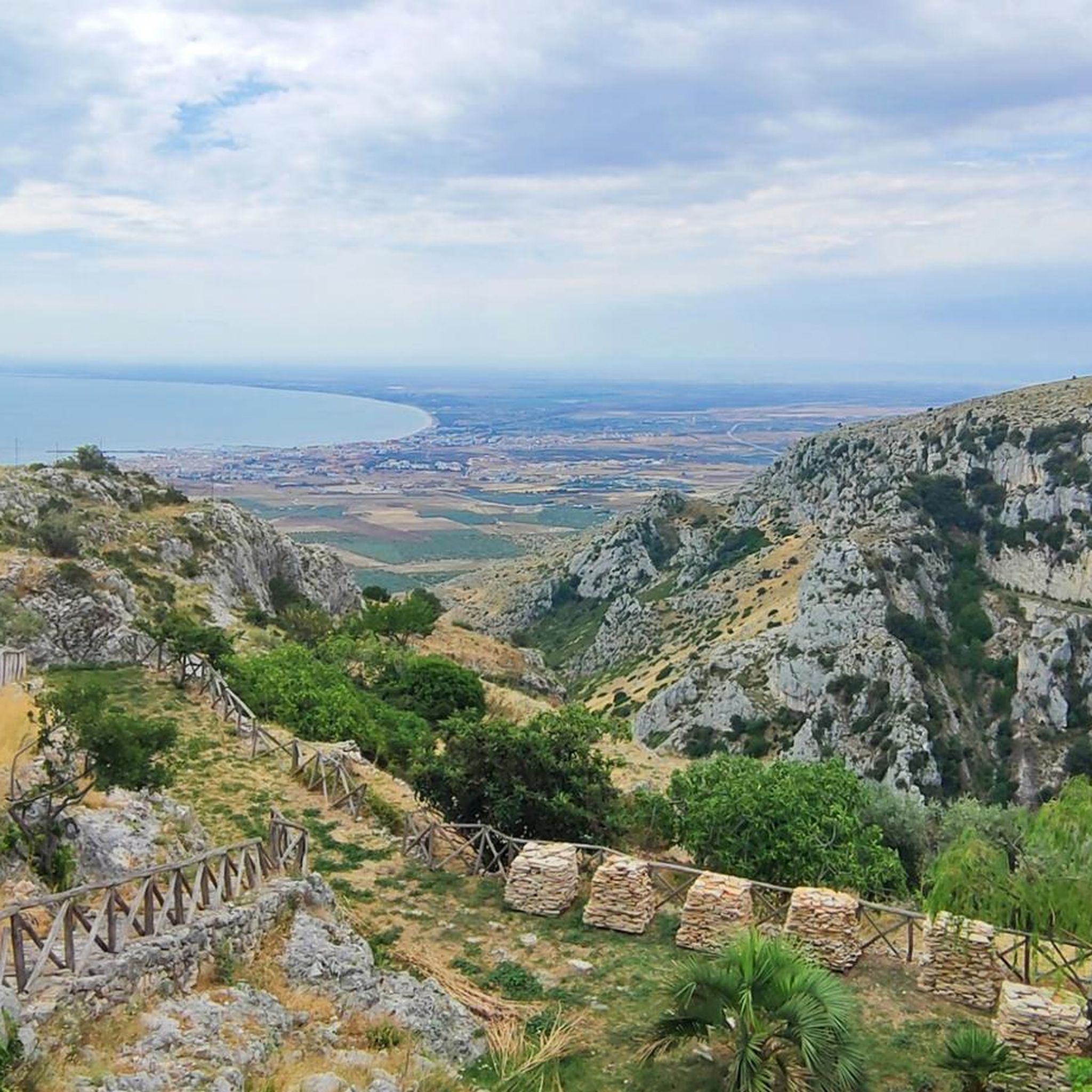
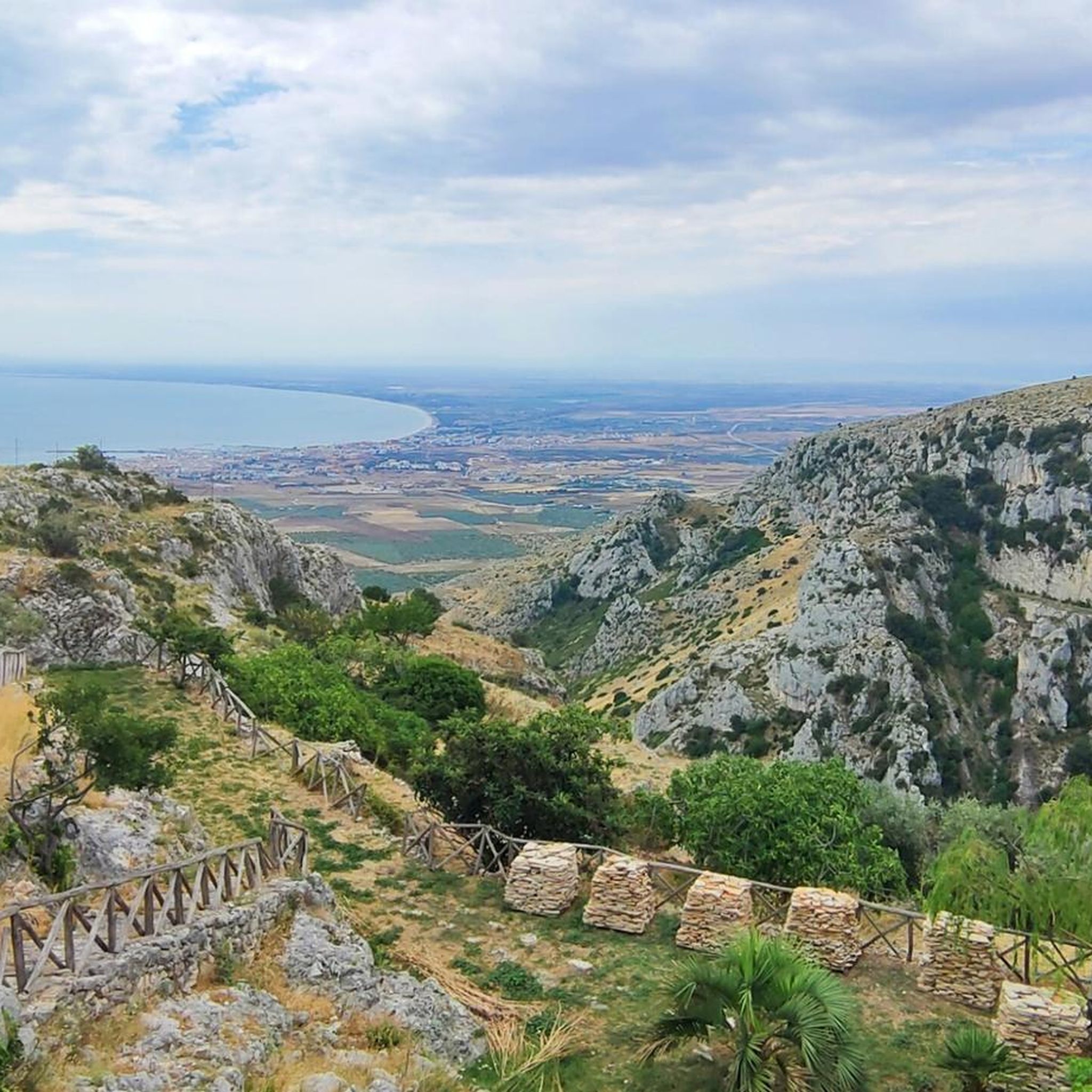
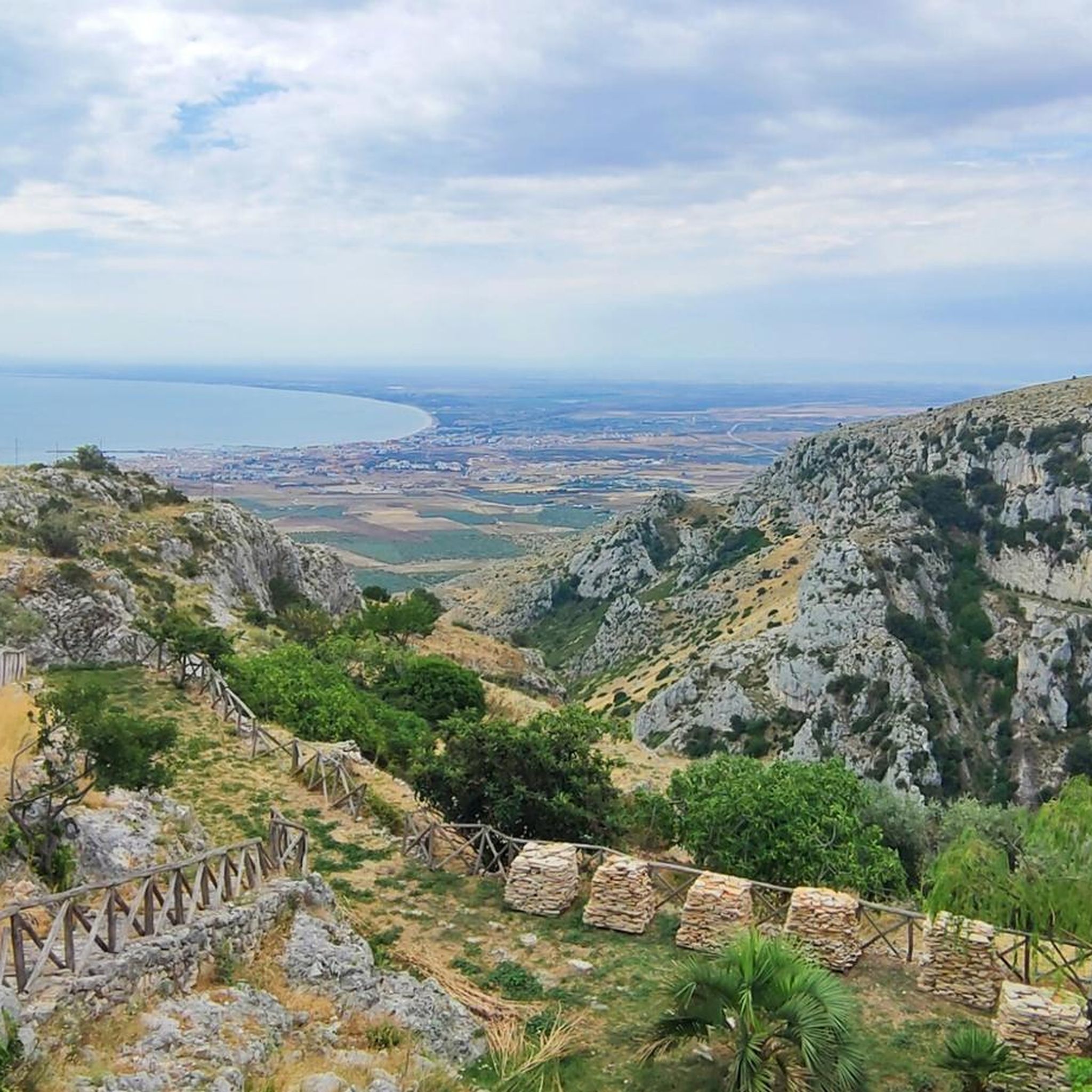
View of the Gulf of Manfredonia from the Mattinata side of Monte Sant'Angelo
Highlight (Segment) • Viewpoint
Translated by Google •
Tip by

Sign up now to discover places like this
Get recommendations on the best single tracks, peaks, & plenty of other exciting outdoor places.
Sign up for free
Monte Croce
Highlight • Natural Monument
Translated by Google •
Tip by

Caves of the Valley of Hell
Highlight • Cave
Translated by Google •
Tip by
Viewpoint on Via Belvedere
Highlight • Viewpoint
The city …
Translated by Google •
Tip by

Sign up for free to discover even more natural monuments around Manfredonia.
Sign up for free
Already have an account?
Start today with a free account
Your next adventure awaits.
Login or Signup
Other adventures around Manfredonia

Tips from the Community

On Monte Calvo, it's best to ascend from the east by mountain bike, despite the numerous unnecessary stone steps that clutter the initial section. The trail, which descends west from the summit to connect with the Sentiero delle Anguille, would be less rideable and much more difficult overall.
1
0

Wonderful pleasure descent to Mattinata. Good road surface. Not too steep, so it's great to drive uphill too.
1
0

The road that connects Mattinata and Monte Sant'Angelo is winding and panoramic. The climb is about 12 kilometers long for 500 meters in altitude. It is demanding because it is long and constant, but the slopes are always pedalable with an average of 4%. On the way down, be careful not to get too distracted by the spectacular views of the Gulf of Manfredonia.
1
0

Caves characterized by suggestive karst forms, such as stalactites, stalagmites, grooves, corrosion basins and furrows. A spectacle of nature.
4
0
Territory characterized by the presence of boulders and sinkholes. Sinkholes (dol is a term of Slovenian origin which means small valley) are basins formed by the erosion of limestone rocks by rainwater or by their subsidence following the dissolution of limestone by water circulating underground.
1
0

Mount Calvo is the highest peak among those that make up the Gargano massif in Puglia. It reaches an altitude of 1065 m (fifth peak in the region) and has an evident karst morphology. It owes its name to a completely barren peak, surrounded, however, by imposing and dense forests that cover its slopes and extend for most of the territory of the Gargano national park. Among the most interesting aspects of this mountain are the numerous caves, inhabited since prehistoric times. There have been several archaeological finds of finds attributable to the Neolithic: rudimentary parts of axes, flints and various types of tools confirm the presence of man on the Gargano plateaus even in prehistoric and protohistoric times (Dauna civilization).
27
0

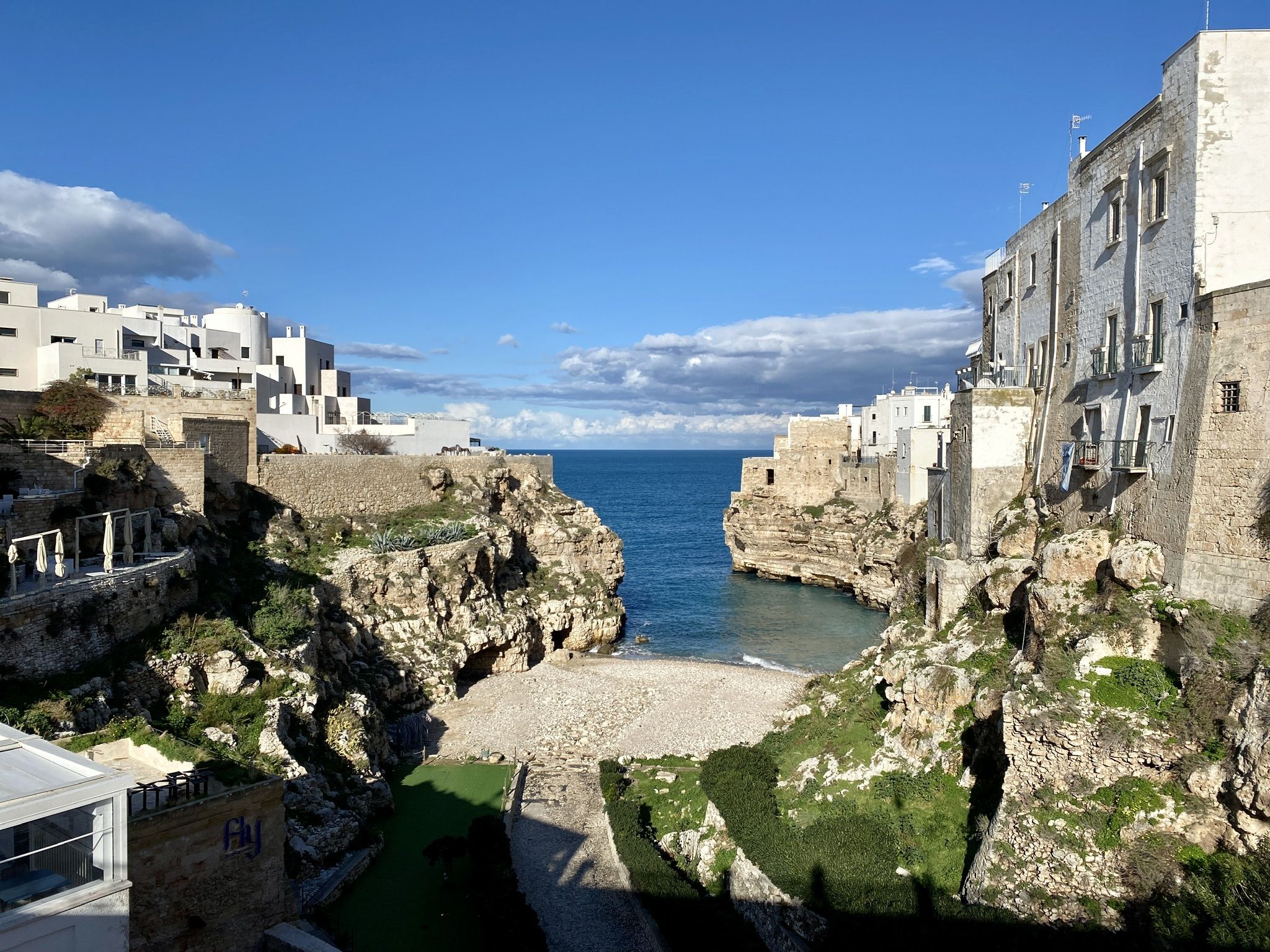
The square that enjoys this panorama is located in the west side of the town. Equipped with parking and benches. Excellent starting point for visiting the historic center. The city on the sea close to it is Manfredonia. Breathtaking panorama. Always open.
2
0
Frequently Asked Questions
What are some of the most notable natural monuments around Manfredonia?
Manfredonia is a gateway to the diverse natural beauty of the Gargano region. Key natural monuments include Monte Calvo, the highest peak in the Gargano massif, known for its karst morphology and ancient caves. The Caves of the Valley of Hell offer a spectacle of karst formations like stalactites and stalagmites. Additionally, the region is home to the archaeologically significant Grotta Scaloria and the vast Gargano National Park, encompassing diverse landscapes from ancient forests to coastal areas.
What kind of natural features can I expect to see in the natural monuments near Manfredonia?
The natural monuments around Manfredonia showcase a wide array of features. You'll find impressive karst landscapes, including caves with stalactites and stalagmites, and sinkholes like those found at Monte Croce. There are also high peaks offering panoramic views, dense ancient forests like the Umbra Forest within Gargano National Park, and coastal areas with cliffs and secluded inlets.
Are there any natural monuments with historical or archaeological significance near Manfredonia?
Yes, several natural monuments in the area hold significant historical and archaeological value. Grotta Scaloria, located near Manfredonia, is a notable cave system with evidence of human activity dating back to the Upper Paleolithic period. It was an ancient water cult site and a burial ground during the Neolithic era. Monte Calvo also features numerous caves that have yielded archaeological finds from prehistoric times.
What outdoor activities can I do near these natural monuments?
The area around Manfredonia is ideal for various outdoor activities. You can explore numerous hiking trails, such as the 'Valley of the Hermitages of Pulsano Trail' or routes offering views of the Gulf. Cycling is also popular, with options like the 'Via Francigena: St. Michael's Coastal Variant Trail'. For more details on routes, you can check the hiking guide or cycling guide for Manfredonia.
Are there family-friendly natural attractions around Manfredonia?
Yes, the region offers natural attractions suitable for families. The vast Gargano National Park provides opportunities for easy walks and wildlife spotting in areas like the Umbra Forest. Viewpoints such as the Viewpoint on Via Belvedere are easily accessible and offer stunning panoramas, often with amenities like parking and benches, making them convenient for families.
What is the best time of year to visit the natural monuments around Manfredonia?
The best time to visit the natural monuments around Manfredonia is generally during the spring (April-June) and early autumn (September-October). During these periods, the weather is pleasant for outdoor activities like hiking and cycling, and the landscapes are vibrant. Spring is particularly good for seeing the diverse flora, including the numerous orchid species in Gargano National Park.
Are there any natural monuments that offer panoramic views?
Absolutely. The region is rich in viewpoints. The View of the Gulf of Manfredonia from the Mattinata side of Monte Sant'Angelo provides spectacular vistas of the gulf. Another easily accessible option is the Viewpoint on Via Belvedere, which offers breathtaking panoramas of Manfredonia and the sea.
Can I find wheelchair-accessible natural attractions near Manfredonia?
Yes, the Viewpoint on Via Belvedere is noted as wheelchair accessible. It features parking and benches, making it an inclusive spot to enjoy the panoramic views of Manfredonia.
What kind of wildlife can I expect to see in Gargano National Park?
Gargano National Park is a biological oasis, home to a rich diversity of flora and fauna. You might encounter mammal species such as the Gargano roe deer (the park's symbol), wild boar, and badger. The park also hosts over 150 nesting bird species, including peregrine falcons and golden eagles. The Oasi Lago Salso wetland is particularly good for observing aquatic birds.
Are there any ancient forests to explore near Manfredonia?
Yes, the Umbra Forest, located within Gargano National Park, is a significant ancient beech forest. It's considered one of the last remaining stretches of ancient forest in Italy, renowned for its towering, centuries-old trees. It offers numerous hiking trails and a serene natural environment.
What do visitors enjoy most about the natural monuments around Manfredonia?
Visitors frequently appreciate the diverse landscapes, from the challenging ascents of peaks like Monte Calvo to the scenic coastal views. The unique geological formations within caves, such as the Caves of the Valley of Hell, are also a highlight. Many enjoy the panoramic drives and the opportunity to connect with nature through hiking and cycling in the varied terrain.
Are there any specific natural areas known for birdwatching near Manfredonia?
Yes, the Oasi Lago Salso, a wetland area within Gargano National Park and affiliated with the WWF, is an excellent spot for birdwatching. It features lush flora and a diverse array of fauna, especially numerous species of aquatic birds, making it a significant ecological site.
Most popular attractions around Manfredonia

Get inspired with the komoot mobile app


Explore more
Extend your search for the best caves by checking out these guides of the top ones around Manfredonia:
