Top 11 Natural Monuments around Arzignano
Best natural monuments around Arzignano offer insights into the region's geological history and natural beauty. The area is characterized by its green hills and diverse geological formations, providing opportunities for appreciating local nature. These natural features include ancient quarries, unique mineral sites, and scenic viewpoints. Exploring these sites allows visitors to discover the distinctive characteristics naturali Arzignano.
Best natural monuments around Arzignano
- The most popular natural monuments is View of Vicenza and the Berici Hills, a viewpoint that offers…
Last updated: June 28, 2026
Monte Nero
Highlight • Natural Monument
Translated by Google •
Tip by


Sign up now to discover places like this
Get recommendations on the best single tracks, peaks, & plenty of other exciting outdoor places.
Sign up for free
Lake Mora
Highlight • Lake
Translated by Google •
Tip by

View of Vicenza and the Berici Hills
Highlight • Viewpoint
Translated by Google •
Tip by

Nova Fountain
Highlight • Natural Monument
Translated by Google •
Tip by
Sign up for free to discover even more natural monuments around Arzignano.
Sign up for free
Already have an account?
Start today with a free account
Your next adventure awaits.
Login or Signup
Tips from the Community

The first mention of this fountain dates back to 1540, but it is likely even older. After the Black Death of 1348 decimated the population, with the demographic recovery, the surrounding wooded area was once again cultivated under the name 'terra nova', hence the name of the fountain. It fed the aqueduct of the basin near the bell tower of St. Peter's, but was forgotten at the beginning of the 20th century, when the municipal aqueduct came into operation. It was faithfully restored in 1982: it consists of a (closed) tunnel that protects the spring and channels the water to the small external basin. The water is not subject to control.
1
0

Tramigna River Resurgences in Cazzano di Tramigna
0
0
Monte Nero, above Montecchio Maggiore, is actually a hill: despite its modest size, it is quite unique in terms of its geology, morphology, and botanical rarities! Thirty million years ago, Monte Nero was a volcanic island emerging from the waters. This gave rise to the current peak, which, with its bare, arid, and dark basalt (hence the name "Nero"), stands out clearly from the surrounding limestone hills. It is a unique (micro)environment: you walk on the primitive, solidified lava flow; you encounter rare plants, including exotic and Mediterranean ones, which are, to say the least, unusual to find in these places. A short educational trail (also suitable for children) starts from the Church of San Pietro and illustrates the peculiarities of Monte Nero in six stages/panels. https://www.prolocoaltemontecchio.it/cosa-vedere/percorsi/naturalistici/
2
0

To admire this curious phenomenon, a detour from the main road is necessary. Once you reach the place, just look out into the well (with a diameter of about 50 cm) from which what is sometimes called "dragon's breath" seems to emerge from. It is nothing more than a karst cavity (characteristic of the Faedo-Casaron plateau) from which fresh air comes out (which varies between 7 and 13 degrees). Especially in the summer period, the typical rustle of the exchange of hot and cold air masses at the mouth of the cave is clearly audible. The cavity, commonly called "Buso del Lucio", was discovered by the Maladense speleologist Lucio Zanini. The valley that you travel along following the Campipiani-Faedo path is called “Valle dei Vischi”. The origin of this name is not known but it probably refers to the sound effects (breathing, hissing, moaning) that the blowing caves produce in particular climatic conditions.
0
0

Resurgences and pools that create this basin of crystal clear water
0
0

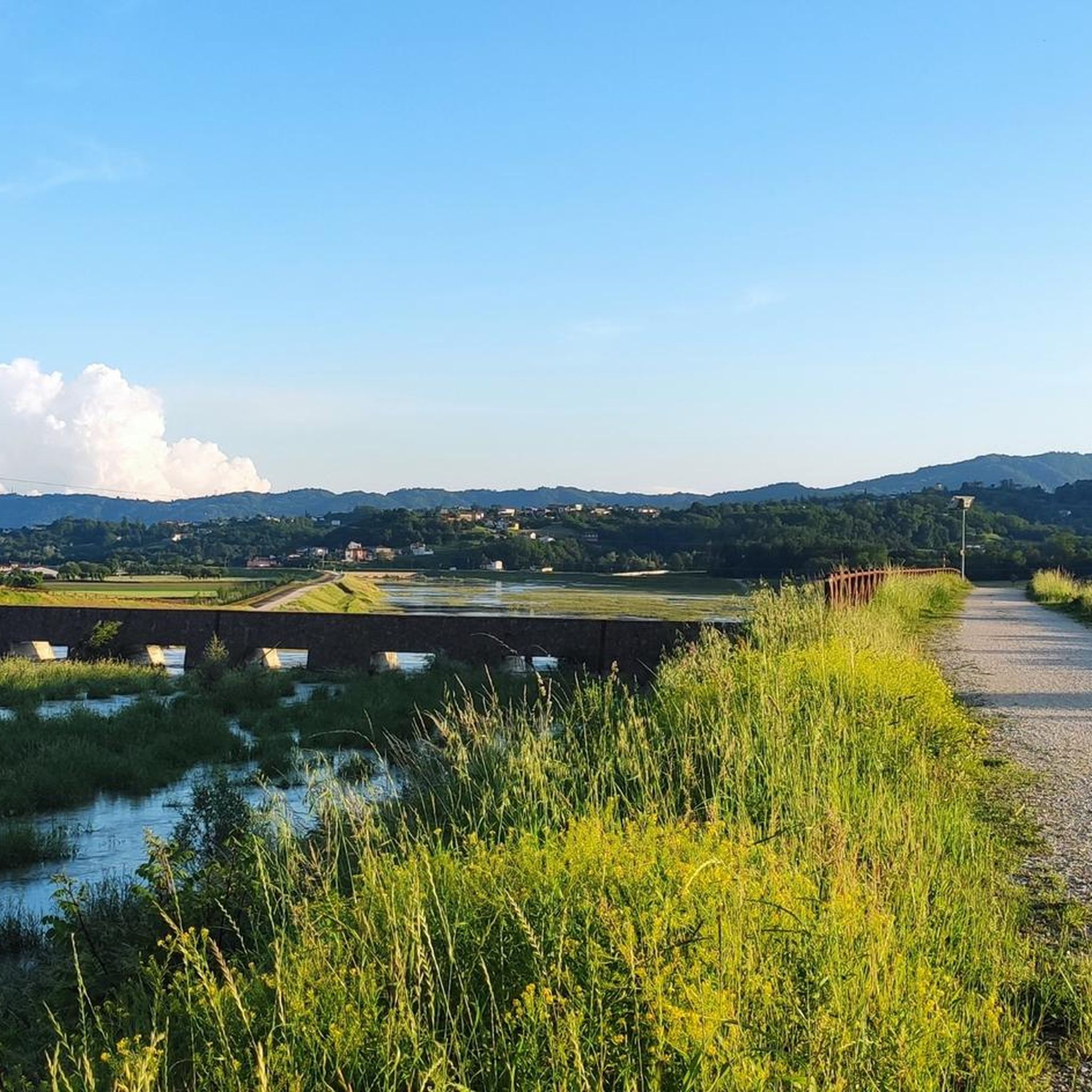
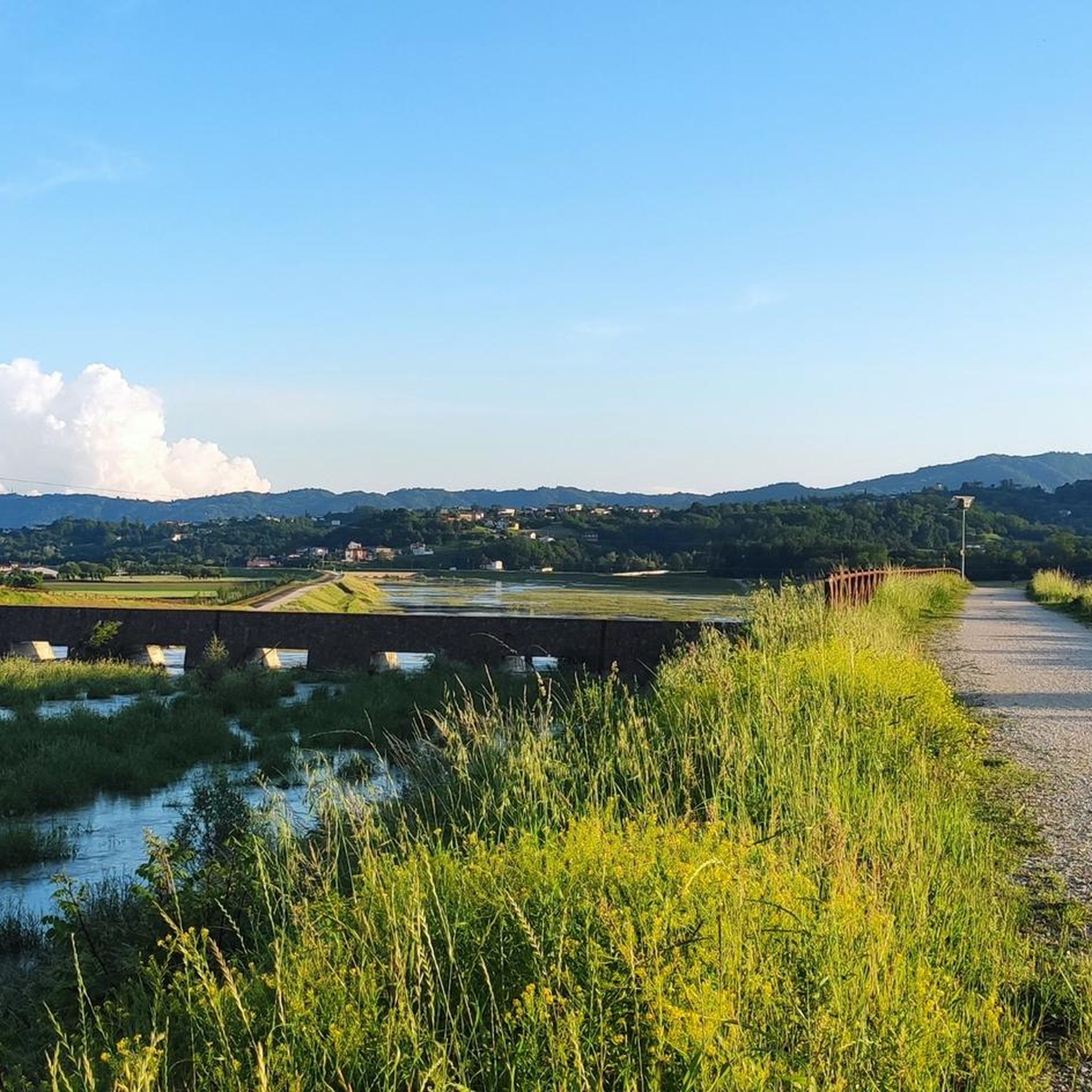
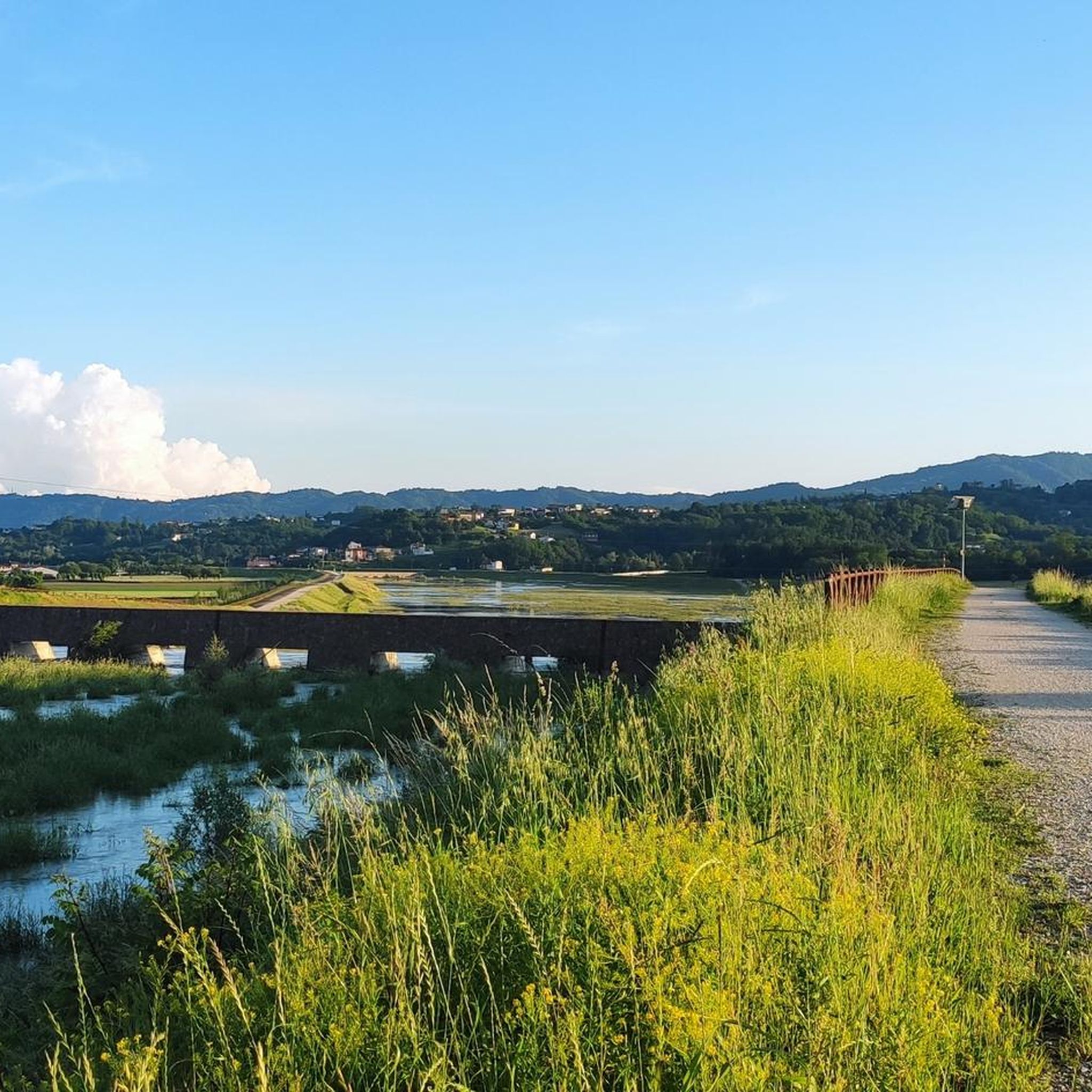
In the photo the resurgence of the Tramigna river (from which the town takes its name) also called "Lago della Mora", located behind the Trattoria La Mora, where you can stop for a coffee or a quick lunch. Next to the resurgence there is also a fountain for refuelling.
0
0


Frequently Asked Questions
What unique geological features can I explore around Arzignano?
Arzignano and its surroundings offer several interesting geological sites. You can explore the **Main Quarry on Monte Main**, an abandoned quarry known for calcarenite horizons, volcanoclastic products, chalcedony nodules with trapped water (enhydros), and various fossils. Another site is **Contrada Segani**, characterized by an ancient landslide where minerals like chabazite-Ca and harmotome are found in vesicular basalt blocks.
Are there any prominent viewpoints among the natural monuments near Arzignano?
Yes, one of the most appreciated natural monuments is the View of Vicenza and the Berici Hills. This viewpoint offers a splendid ridge of the Berici mountains and an excellent panorama of Vicenza and the surrounding countryside.
Are there family-friendly natural monuments around Arzignano?
Absolutely. Lake Mora, with its crystal-clear water basin, is a great spot for families. Monte Nero also features a short educational trail suitable for children, explaining its unique geology and rare plants. The View of Vicenza and the Berici Hills is also considered family-friendly.
Can I find ancient trees or unique flora among the natural monuments?
Yes, the Strada dei Maronari is a trail winding through beautiful woods, notable for its numerous centuries-old trees. You can see the majestic Maronaro Odino, estimated to date back to 1543 AD. Additionally, Monte Nero is known for its unique micro-environment, hosting rare, exotic, and Mediterranean plants.
Are there any caves or interesting karst formations to visit?
Yes, you can visit Lucio's Hole, a karst cavity in the Faedo-Casaron plateau. It's known for emitting fresh air, sometimes called 'dragon's breath,' and the typical rustle of air exchange is clearly audible, especially in summer.
What kind of water features can I find among the natural monuments?
You can visit Lake Mora, a beautiful basin of crystal-clear water formed by resurgences and pools. It's also known as 'Lago della Mora' and is fed by the Tramigna river.
What outdoor activities can I do near these natural monuments?
The area around Arzignano offers diverse outdoor activities. You can find numerous routes for cycling, gravel biking, and mountain biking. For cycling, explore routes like the 'Vaia Bee Sculpture – Ferrazza loop' or 'Between Trissino and Brogliano – Bicibar loop'. Gravel biking options include the 'Val del Chiampo Cycle Path' or 'Guà River Cycle Path'. Mountain bikers can tackle trails such as 'Castelvecchio Cross – Rocky Forest Trail' or 'Vajo dell'Orco Water Fountain – Vaia Bee Sculpture loop'. You can find more details on these activities in the Cycling around Arzignano, Gravel biking around Arzignano, and MTB Trails around Arzignano guides.
Are there hiking trails associated with these natural monuments?
Yes, the Strada dei Maronari is an excellent trail for hiking, winding through beautiful woods with centuries-old trees. The area also offers various paths that connect these natural sites, providing opportunities for walks and exploration.
What do visitors enjoy most about the natural monuments around Arzignano?
Visitors particularly enjoy the diverse geological formations and the tranquility of the natural settings. The panoramic views, such as those from the View of Vicenza and the Berici Hills, are highly appreciated. The unique historical and botanical aspects of sites like the Strada dei Maronari and Monte Nero also receive positive feedback.
Is there parking available near the natural monuments?
While specific parking details vary by location, many natural sites and trailheads in the Arzignano area typically have designated parking areas or roadside spots nearby. For example, Lake Mora is located behind Trattoria La Mora, which likely offers parking for patrons and visitors.
What is the best time of year to visit the natural monuments around Arzignano?
The natural monuments around Arzignano can be enjoyed throughout the year. Spring and autumn offer pleasant temperatures for exploring trails and geological sites, with vibrant foliage or blooming flora. Summer is ideal for enjoying water features like Lake Mora, and the cool air from Lucio's Hole can be refreshing. Even winter can offer unique scenic beauty, though some trails might be more challenging.
Most popular routes around Arzignano
Most popular attractions around Arzignano

Get inspired with the komoot mobile app


Explore more
Extend your search for the best caves by checking out these guides of the top ones around Arzignano:
