Top 11 Natural Monuments around Monforte D'Alba
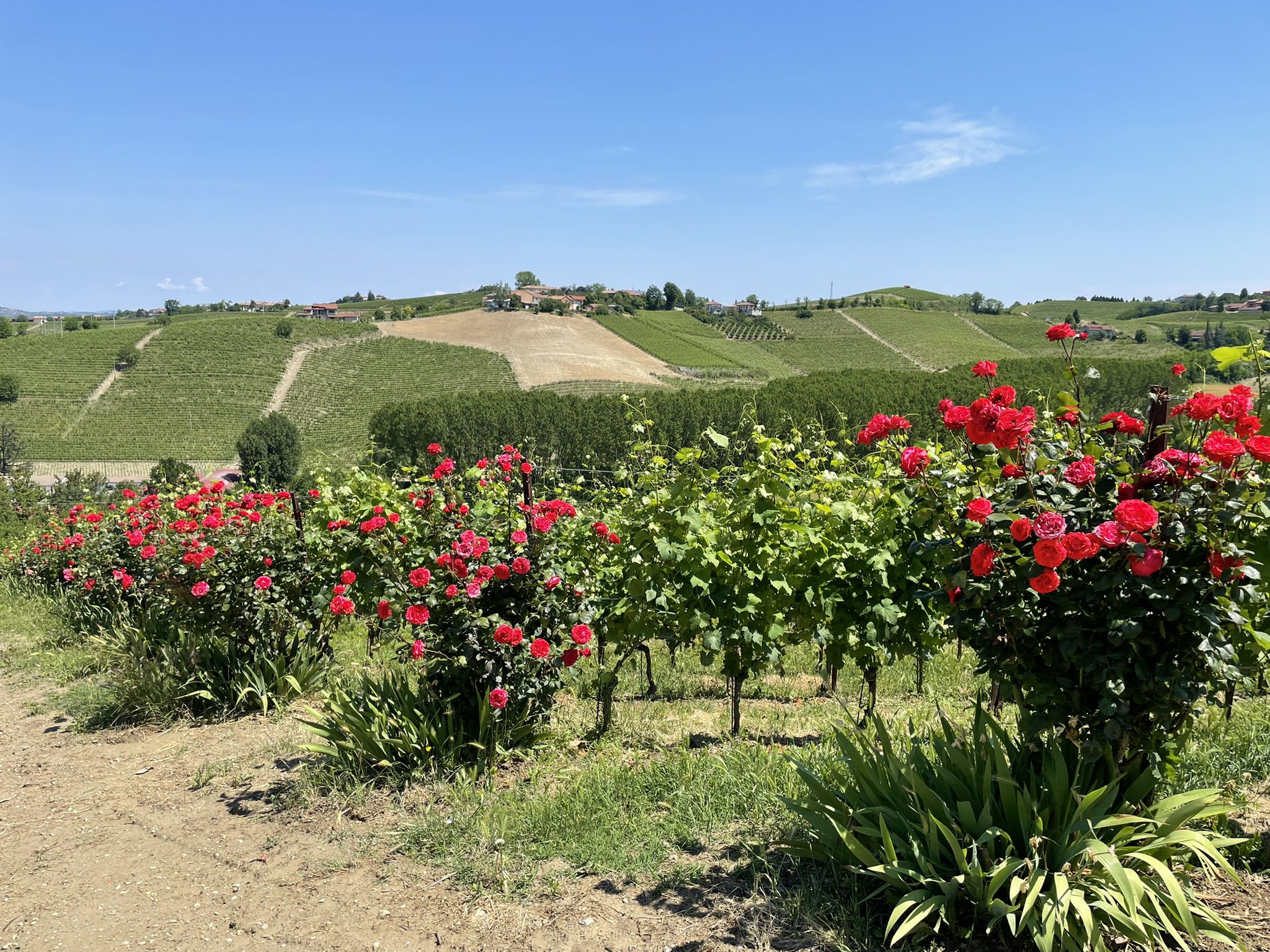
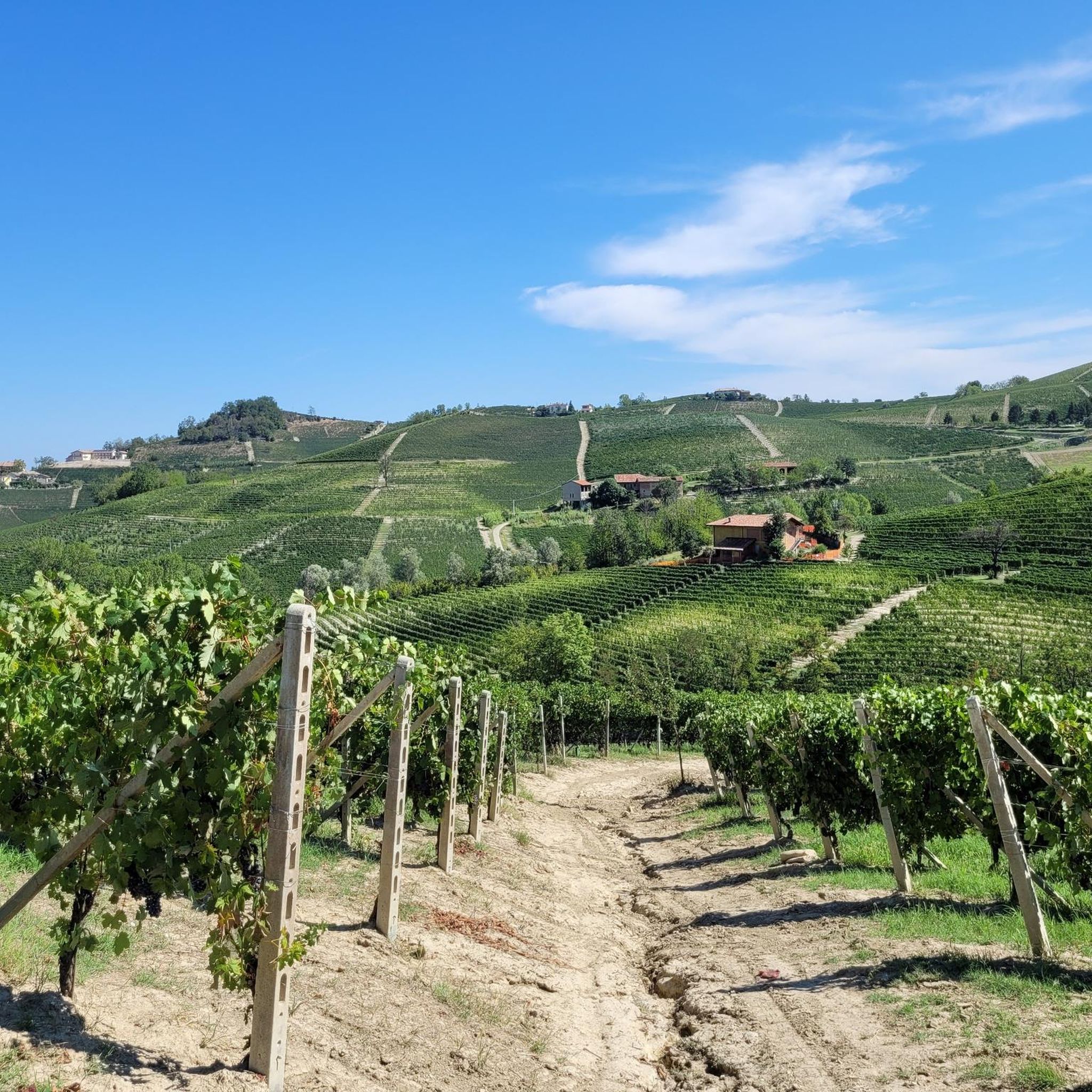
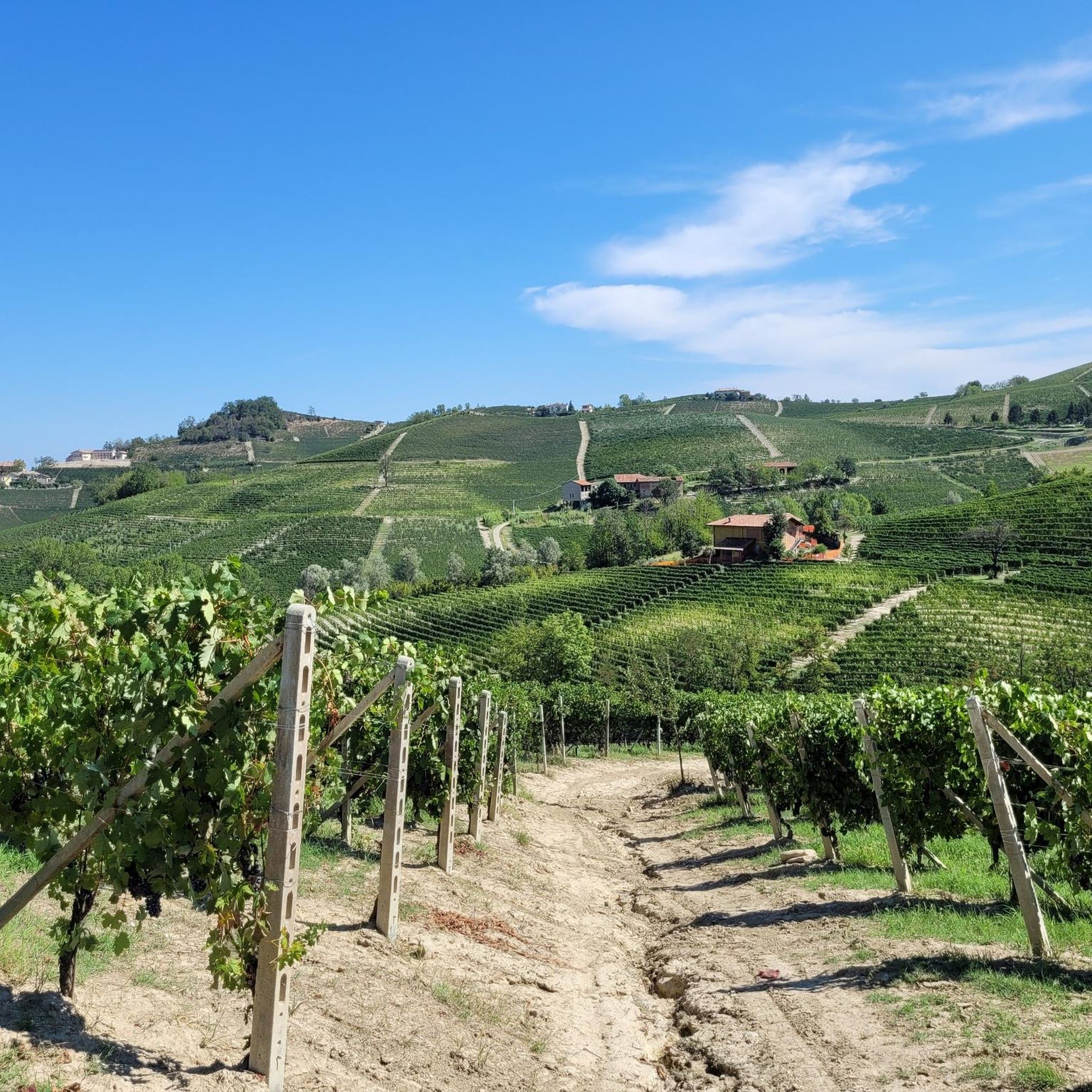
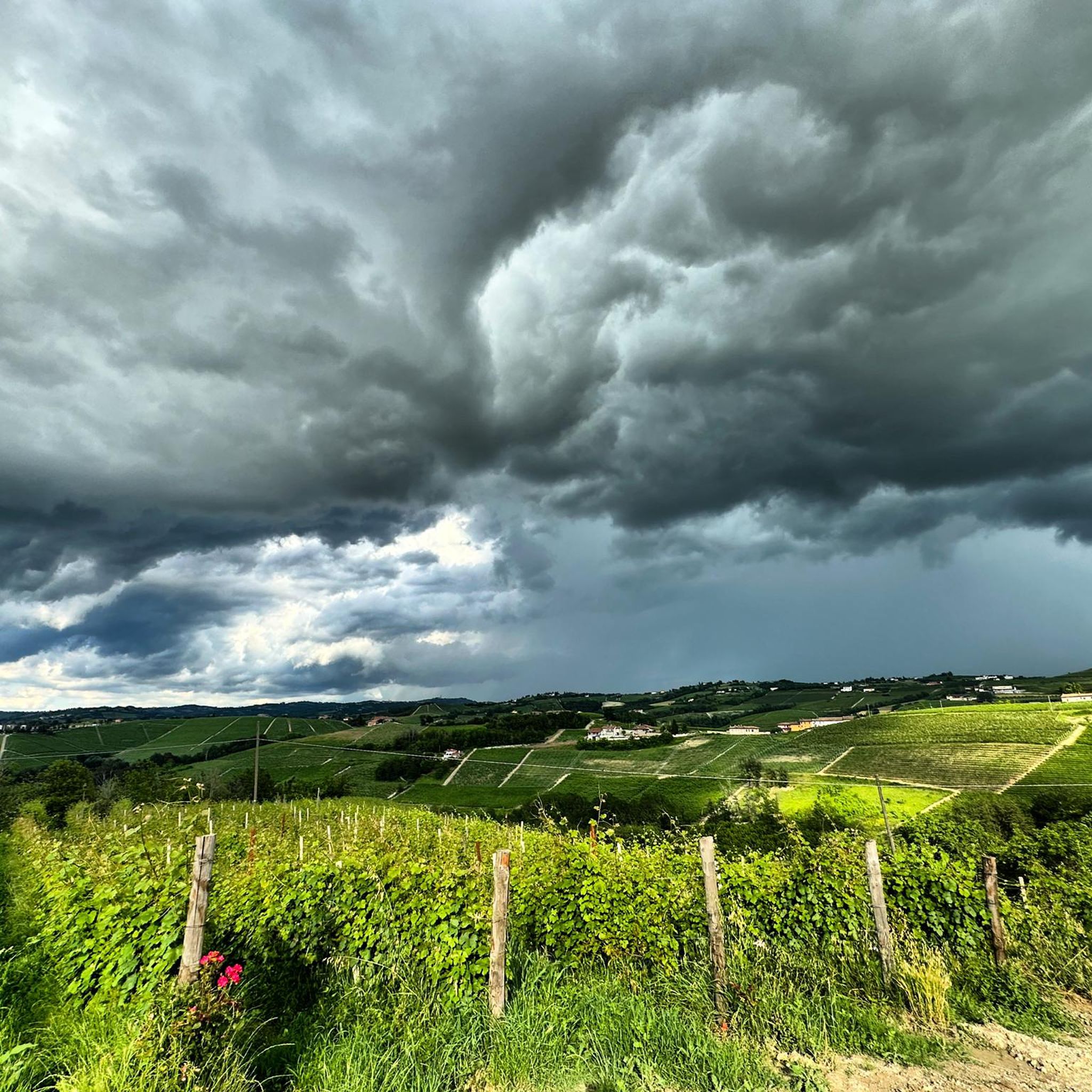
Best natural monuments around Monforte D'Alba are found within the UNESCO World Heritage-listed Langhe region, characterized by its elevated position and vineyard-covered hills. The village offers panoramic views of the rolling Langhe landscape, a defining natural feature shaped by centuries of viticulture. This area presents a harmonious blend of human cultivation and natural elements, providing diverse natural sites for exploration.
Best natural monuments around Monforte D'Alba
- The most popular natural monuments is Cedar of Lebanon in the Langhe, a…
Last updated: October 14, 2026
Rocche of the Seven Brothers
Highlight (Segment) • Gorge
Translated by Google •
Tip by

Cedar of Lebanon in the Langhe
Highlight • Natural Monument
Showing Translation
Tip by

Sign up now to discover places like this
Get recommendations on the best single tracks, peaks, & plenty of other exciting outdoor places.
Plane trees "the nativity scenes"
Highlight • Natural Monument
Translated by Google •
Tip by
Nebbiolo Monument of Fontanafredda
Highlight • Monument
Translated by Google •
Tip by

La Lingua del Barolo Viewpoint, La Morra
Highlight • Viewpoint
Description: The name of the wine village of La Morra is derived from the word Mura, which means fence. The facades have …
Translated by Google •
Tip by

Sign up for free to discover even more natural monuments around Monforte D'Alba.
Already have an account?
Start today with a free account
Your next adventure awaits.
Popular around Monforte D'Alba

Other adventures around Monforte D'Alba

Tips from the Community

The most famous tree of the Langhe
1
0

The entry point of the prestigious and renowned Langhe wine estate located on the road to Serralunga d'Alba and Piana Gallo.
3
0

A perfect location to enjoy the beautiful views. Description: The name of the wine village of La Morra is derived from the word Mura, which means fence. The facades have been demolished over the centuries. La Morra is now an open community. Wall remains are still visible. The medieval wine village is located in a UNESCO area and is flooded every Sunday by pilgrims of vinologists who are looking for the right grape and path of life. You can read our full experience at https://www.komoot.com/nl-nl/tour/795591563
2
0

Producers of Barolo and the great wines of the Langhe in Serralunga d'Alba. Born in 1858 from the love story between the King of Italy, Vittorio Emanuele II and Rosa Vercellana.
1
0

Right at the top of the main square, a Barolo cask and a spectacular view. The descent from there is terrific.
1
0

pity it can not be visited because it is located on a private property
0
2
The cedar of Lebanon is one of the most visited places in the Lamorresi Langhe. Unfortunately there is no longer the possibility of access near the tree because the adjacent area has been fenced off.
1
0
The cedar of Lebanon is one of the most visited places in the Langhe. It's a shame you can't get too close due to fences. In any case, it is possible to take beautiful photos nearby.
4
0
Frequently Asked Questions
What kind of natural monuments can I expect to see around Monforte d'Alba?
Monforte d'Alba, nestled in the UNESCO World Heritage-listed Langhe region, offers natural monuments primarily defined by its expansive vineyard-covered hills and stunning panoramic views. You'll find ancient trees like the Cedar of Lebanon in the Langhe and the Plane trees "the nativity scenes", as well as geological formations such as the Rocche of the Seven Brothers gorge. The area is a harmonious blend of cultivated landscapes and natural elements.
Are there any challenging natural sites for experienced hikers near Monforte d'Alba?
Yes, the Rocche of the Seven Brothers offers a challenging circumnavigation for experienced hikers. The signpost indicates "escursionisti esperti" due to partly very steep descents and ascents. It's not recommended when wet, but otherwise provides an imposing rock formation to explore.
Are there family-friendly natural attractions in Monforte d'Alba?
Absolutely. The Plane trees "the nativity scenes" are a fun stop, with some hollow trunks that children can even enter. The Cedar of Lebanon in the Langhe and the Cedar of Lebanon on the Hill are also popular and family-friendly, offering magnificent trees and viewpoints. Additionally, the Nebbiolo Monument of Fontanafredda is considered family-friendly and has historical significance.
What are the best places to experience panoramic views of the Langhe?
Monforte d'Alba itself is perched on a hill, offering spectacular, sweeping vistas of the rolling Langhe hills and vineyards, especially from the historic center. The Cedar of Lebanon in the Langhe and the Cedar of Lebanon on the Hill are also renowned viewpoints, providing excellent opportunities to gaze upon the stunning Piedmont landscape.
Can I go hiking or walking near the natural monuments in Monforte d'Alba?
Yes, the hills surrounding Monforte d'Alba are crisscrossed with numerous trails perfect for trekking and walking. You can immerse yourself in the natural beauty of the Langhe by exploring routes through vineyards, hazelnut groves, and forests. For more detailed hiking options, check out the Hiking around Monforte D'Alba guide, which includes routes like the 'Barolo and Monforte d'Alba Loop' and the 'Monforte d'Alba S3 Loop Trail'.
What is the best season to visit the natural monuments around Monforte d'Alba?
The Langhe region, including Monforte d'Alba, is beautiful year-round. Spring (April-May) brings lush greenery and blooming wildflowers, while autumn (September-October) offers vibrant fall foliage in the vineyards and is harvest season. Summer (June-August) is ideal for enjoying outdoor events at the Horszowski Auditorium and long walks, though it can be warm. Winter provides a quieter, often misty, charm with distant snow-capped peaks.
Are there any unique natural features or 'hidden gems' to discover?
Beyond the well-known viewpoints and trees, the region's true 'hidden gems' are often found by exploring the extensive network of vineyard trails. These allow for intimate encounters with the landscape, revealing secluded spots and unexpected vistas. The integration of the Horszowski Auditorium into the hillside, leveraging natural topography for acoustics, is also a unique example of human design complementing natural elements.
What outdoor activities, besides hiking, can I do near these natural monuments?
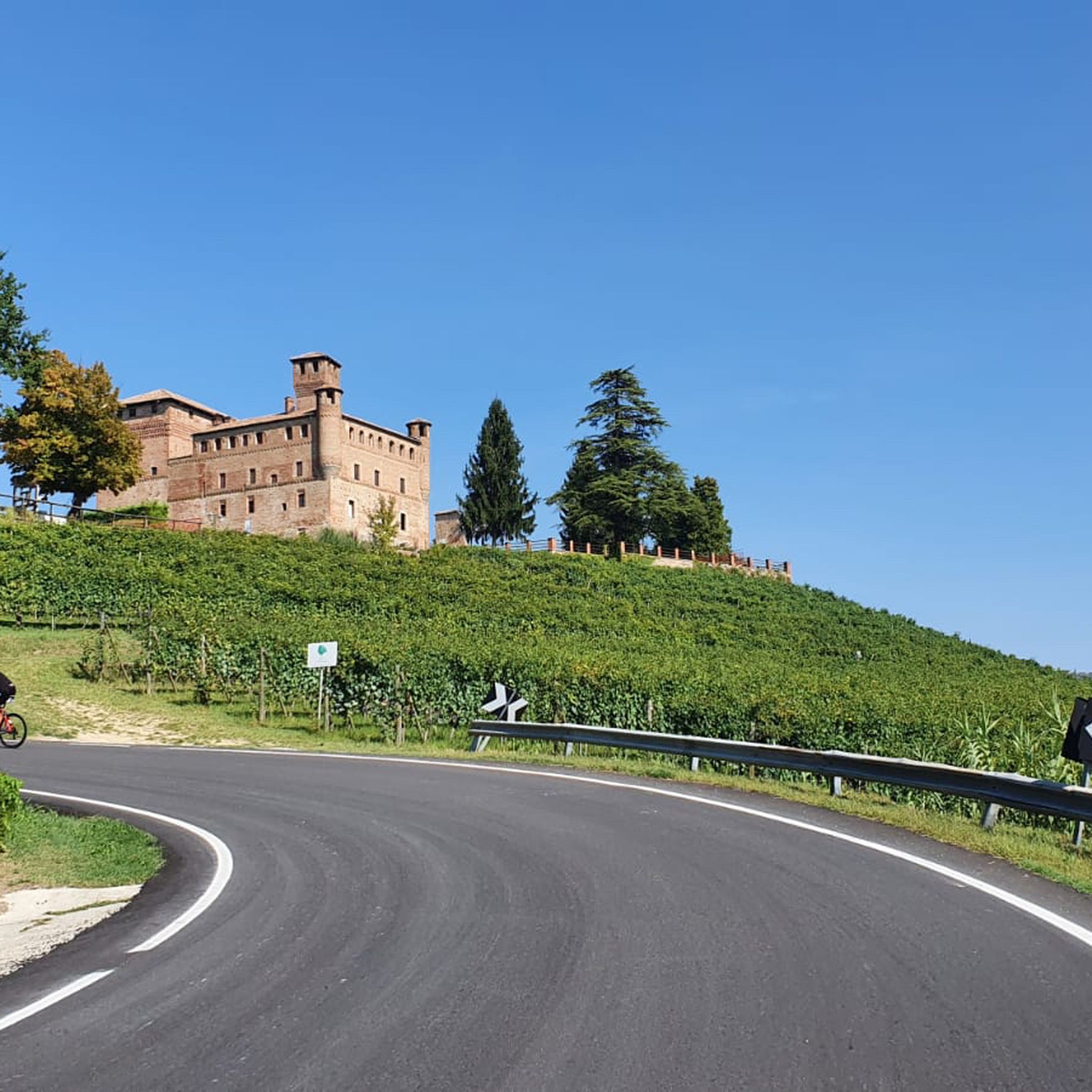
The region offers a variety of outdoor activities. You can enjoy running on scenic trails; explore options in the Running Trails around Monforte D'Alba guide. Road cycling is also very popular, with routes like the 'View of the Langhe Vineyards – Serralunga d'Alba Castle loop'. Find more cycling routes in the Road Cycling Routes around Monforte D'Alba guide.
What makes the Langhe region, where Monforte d'Alba is located, a UNESCO World Heritage site?
The Langhe region, including Monforte d'Alba, is recognized by UNESCO for its cultural landscapes, particularly its ancient wine-growing traditions. The 'mosaic of vineyards' that covers the rolling hills is a testament to centuries of human interaction with nature, creating a unique and harmonious landscape that is both productive and aesthetically stunning.
What kind of flora and fauna can I observe around Monforte d'Alba's natural monuments?
The primary flora you'll encounter are the vast vineyards, hazelnut groves, and mixed forests that cover the hills. You'll see ancient trees like cedars and plane trees. While not a wildlife hotspot, the rural landscape supports various bird species, small mammals, and insects. Exploring the trails offers a chance to appreciate the cultivated and wild plant life of the Piedmont region.
Are there any historical sites intertwined with the natural beauty of Monforte d'Alba?
Yes, Monforte d'Alba itself is a historic village whose defensive layout was influenced by natural elements like steep cliffs and wooded slopes. The Nebbiolo Monument of Fontanafredda is a historical site within a natural setting, commemorating the region's renowned wine heritage. The Horszowski Auditorium, while a cultural venue, is integrated into the hillside, showcasing how human history and design complement the natural topography.
What do visitors enjoy most about the natural monuments and landscapes of Monforte d'Alba?
Visitors consistently praise the breathtaking panoramic views of the Langhe vineyards, often described as 'heart-wrenching beauty'. The opportunity to hike or cycle through these world-renowned vineyards and experience the harmonious blend of human cultivation and nature is a major draw. The unique character of ancient trees like the Cedars and the geological formations like the Rocche also leave a lasting impression.
Most popular routes around Monforte D'Alba
Most popular attractions around Monforte D'Alba

Get inspired with the komoot mobile app


Explore more
Extend your search for the best caves by checking out these guides of the top ones around Monforte D'Alba:
