Top 8 Natural Monuments around Lequio Tanaro
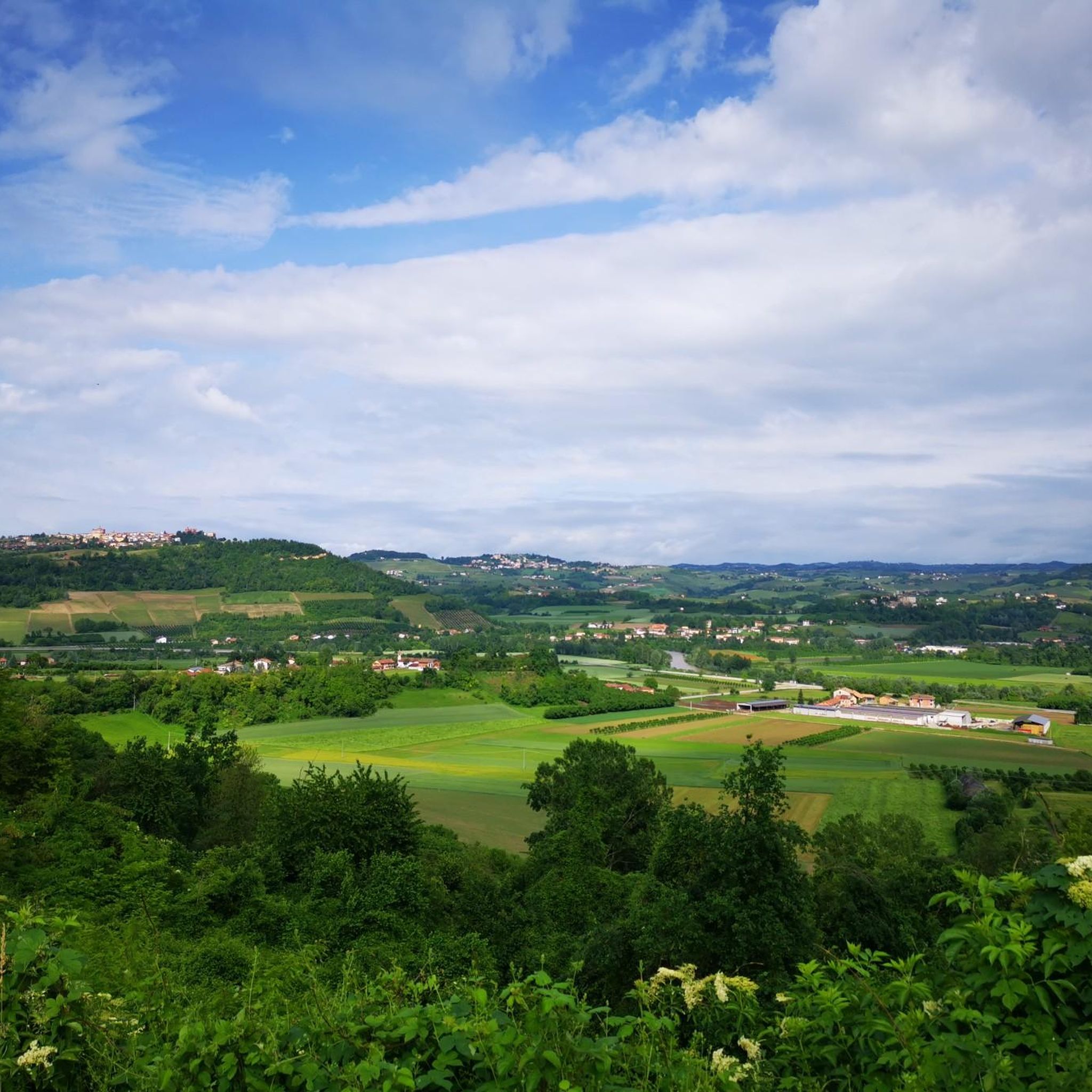
Best natural monuments around Lequio Tanaro are found within the picturesque Langhe region, a UNESCO World Heritage site known for its rolling hills and agricultural landscapes. The area is characterized by extensive vineyards, diverse woods, and mixed cultivations that contribute to its natural beauty. Lequio Tanaro's natural features include significant trees and the broader scenic vistas of the surrounding terrain. This region offers opportunities to appreciate local flora and the unique character of its rural environment.
Best natural monuments around…
Last updated: October 14, 2026
Cedar of Lebanon in the Langhe
Highlight • Natural Monument
Showing Translation
Tip by

Plane trees "the nativity scenes"
Highlight • Natural Monument
Translated by Google •
Tip by
Sign up now to discover places like this
Get recommendations on the best single tracks, peaks, & plenty of other exciting outdoor places.
Nebbiolo Monument of Fontanafredda
Highlight • Monument
Translated by Google •
Tip by

La Lingua del Barolo Viewpoint, La Morra
Highlight • Viewpoint
Description: The name of the wine village of La Morra is derived from the word Mura, which means fence. The facades have …
Translated by Google •
Tip by

Cedar of Lebanon on the Hill
Highlight • Natural Monument
Translated by Google •
Tip by

Sign up for free to discover even more natural monuments around Lequio Tanaro.
Already have an account?
Start today with a free account
Your next adventure awaits.
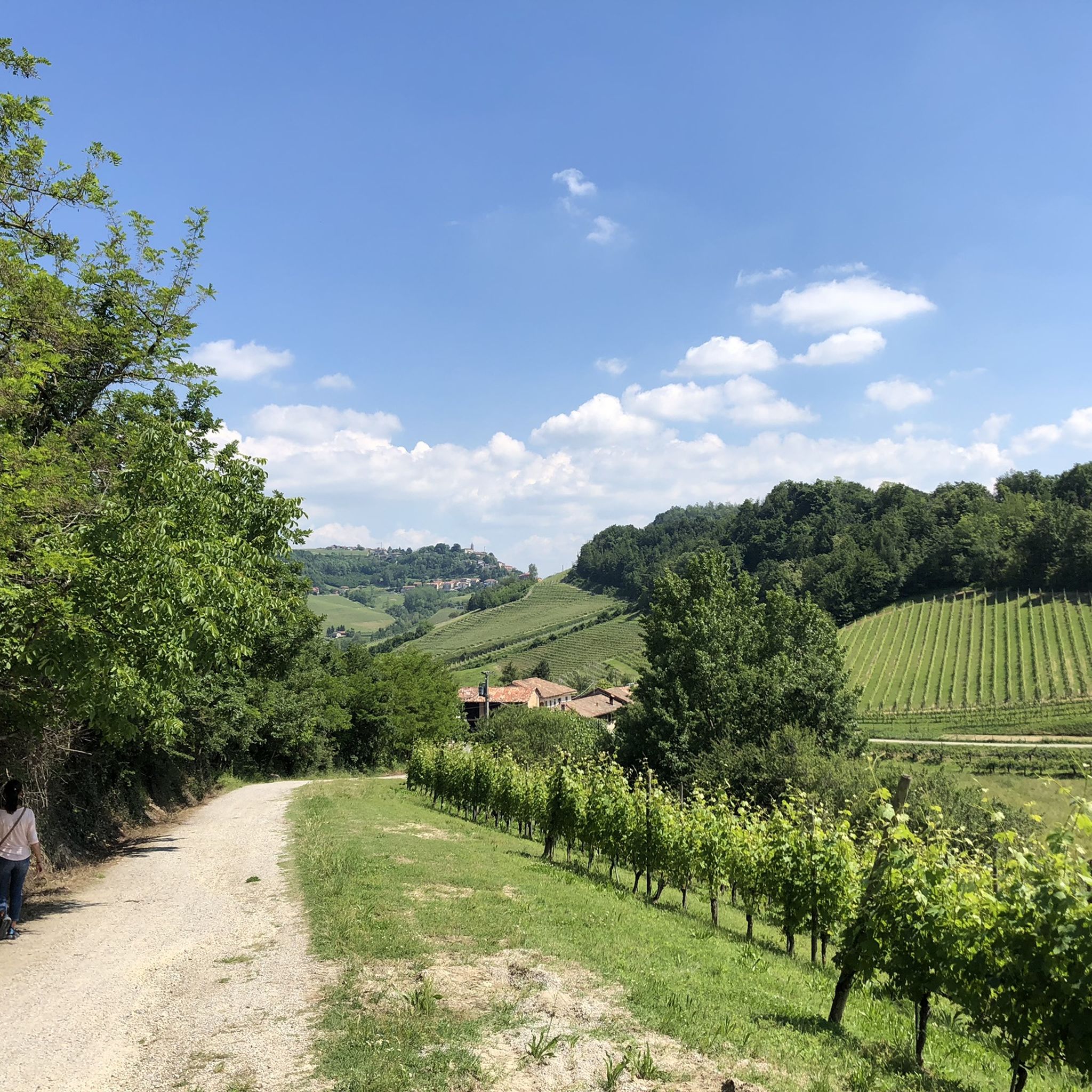
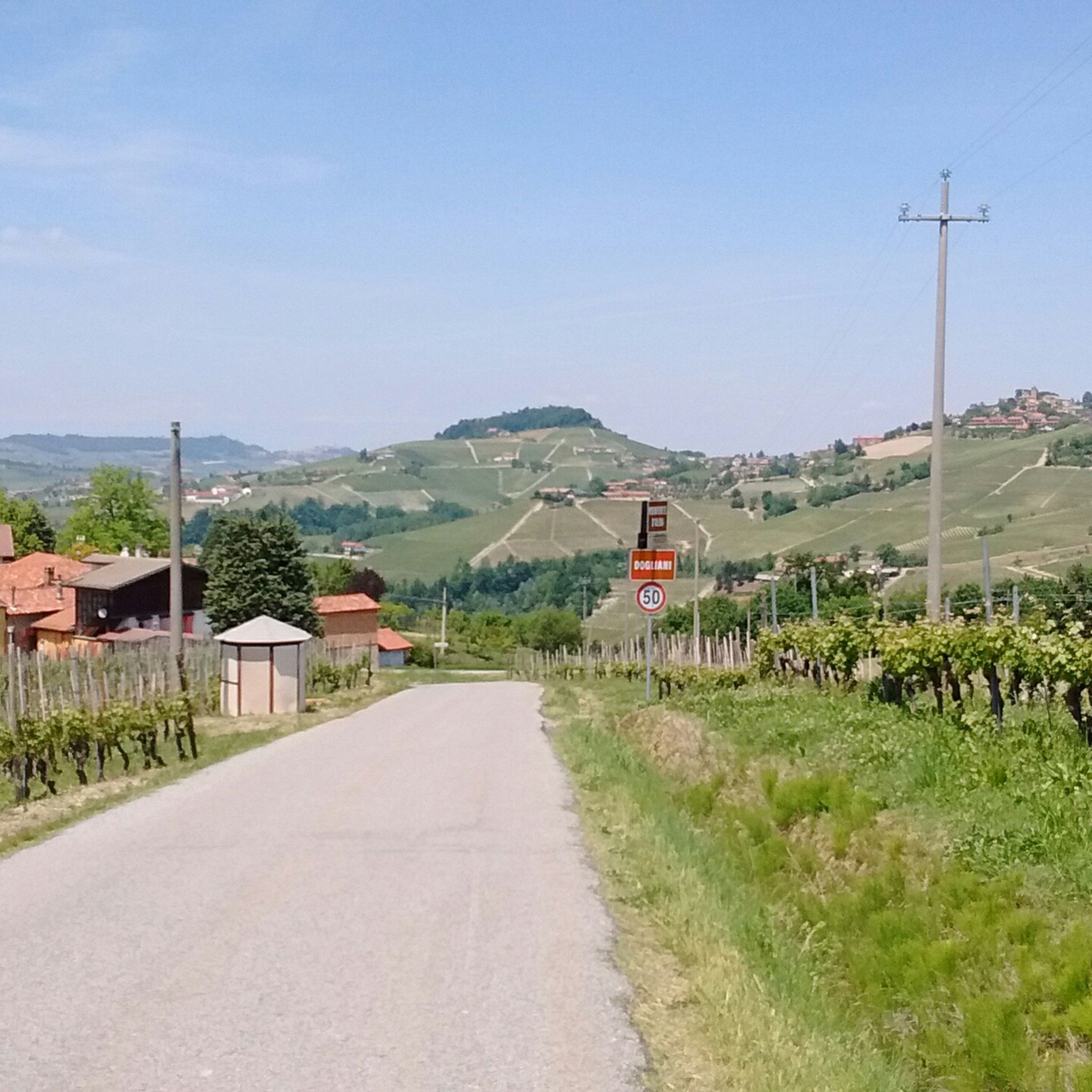
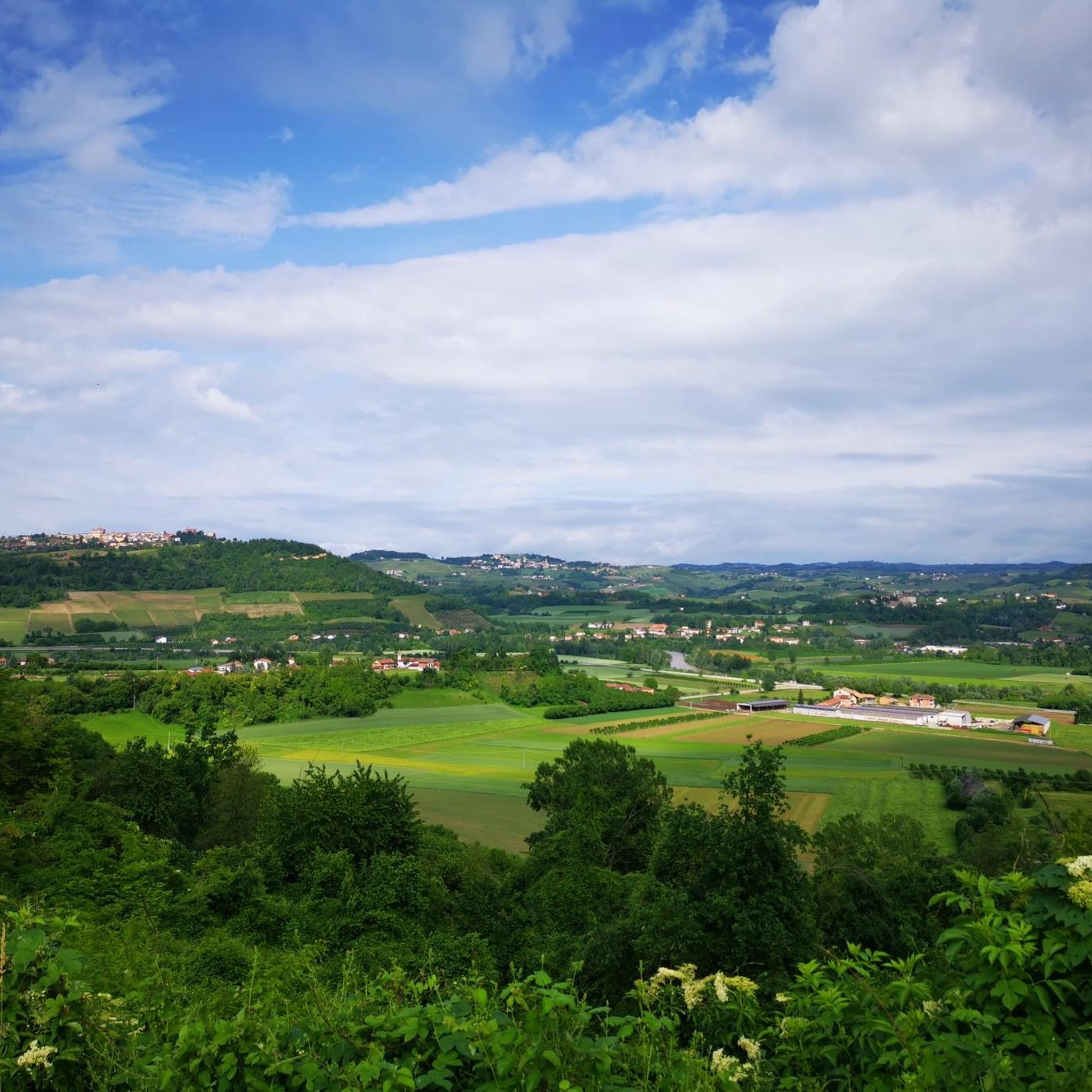
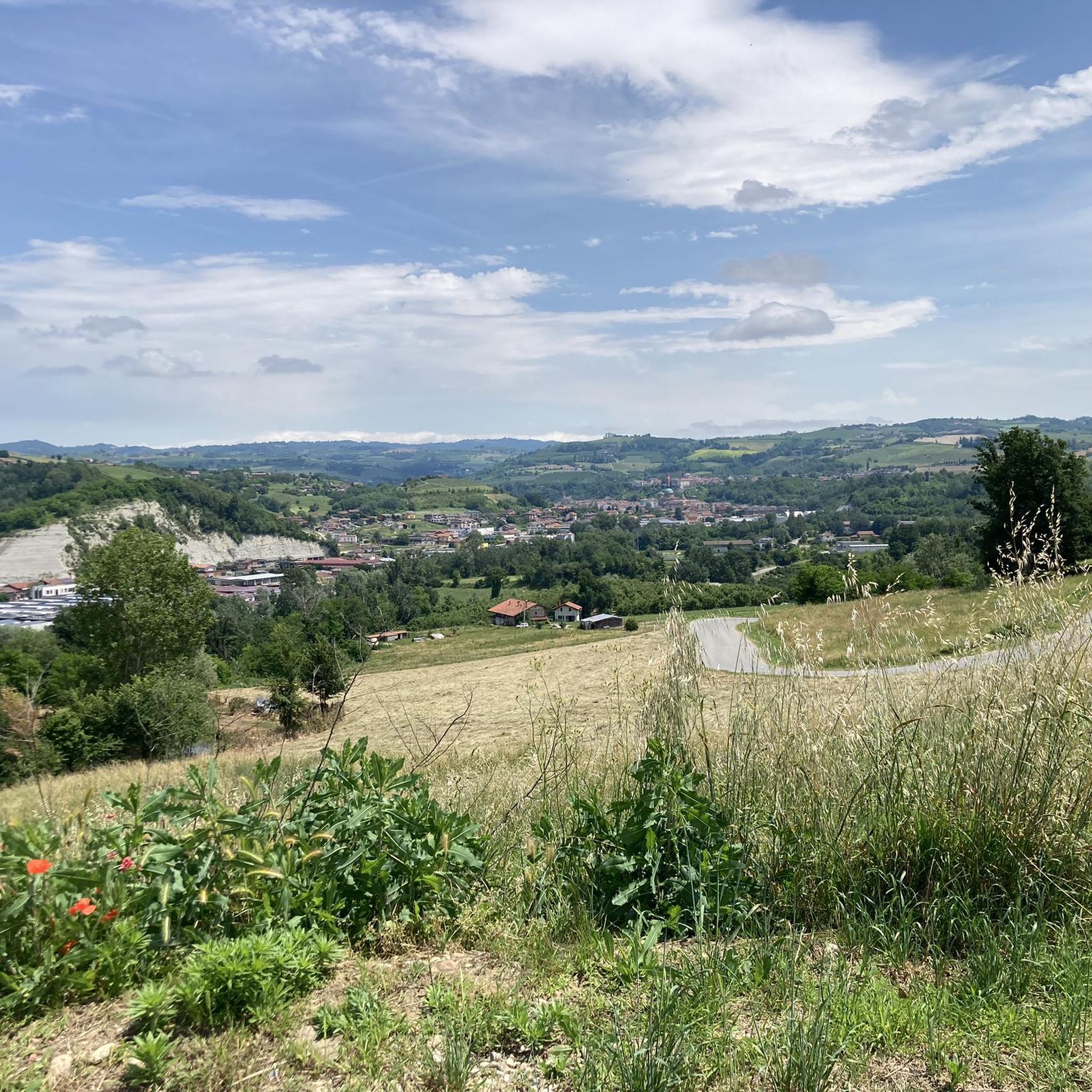

Tips from the Community

At the top of the hill stands this magnificent cedar
2
0

nothing special but a nice route
0
0
A magnificent cedar tree stands tall on the hill.
22
0


The most famous tree of the Langhe
1
0

The most beautiful tree in the area
0
0

The entry point of the prestigious and renowned Langhe wine estate located on the road to Serralunga d'Alba and Piana Gallo.
3
0

A perfect location to enjoy the beautiful views. Description: The name of the wine village of La Morra is derived from the word Mura, which means fence. The facades have been demolished over the centuries. La Morra is now an open community. Wall remains are still visible. The medieval wine village is located in a UNESCO area and is flooded every Sunday by pilgrims of vinologists who are looking for the right grape and path of life. You can read our full experience at https://www.komoot.com/nl-nl/tour/795591563
2
0
Frequently Asked Questions
What are the most popular natural monuments around Lequio Tanaro?
The most popular natural monuments in the area include the iconic Cedar of Lebanon in the Langhe, known as the most famous tree in the region. Another highly regarded spot is the Cedar of Lebanon on the Hill, offering magnificent views. Visitors also enjoy the unique Plane trees "the nativity scenes", especially during the Christmas period.
Are there family-friendly natural monuments to visit near Lequio Tanaro?
Yes, several natural monuments are suitable for families. The Plane trees "the nativity scenes" are a great option, particularly around Christmas when nativity scenes are placed inside their hollow trunks. The Cedar of Lebanon in the Langhe and the Cedar of Lebanon on the Hill are also considered family-friendly, offering impressive natural sights.
What kind of natural features can I expect to see in the Lequio Tanaro area?
The Lequio Tanaro area, nestled within the UNESCO World Heritage Langhe landscape, is characterized by rolling hills covered with extensive vineyards and diverse woods. You'll encounter significant, ancient trees like the famous Cedars of Lebanon, and unique geological formations such as the 'badlands' of the Rocche dei Sette Fratelli (Seven Brothers Cliffs) in the wider region. The Tanaro River also contributes to the local ecosystem and scenic beauty.
What outdoor activities can I do near the natural monuments around Lequio Tanaro?
The region offers a variety of outdoor activities. You can explore numerous running trails, such as 'The marchesa – wizard's house loop from Narzole' or 'View of Barolo loop from Novello'. For mountain biking, options like 'Scenic viewpoint over Barolo – Bricco di Vergne loop from Novello' are available. Cycling enthusiasts can enjoy routes like 'Barolo Castle – View of Barolo loop from Bene Vagienna'. You can find more details on these activities in the Running Trails around Lequio Tanaro, MTB Trails around Lequio Tanaro, and Cycling around Lequio Tanaro guides.
Are there specific hiking trails to natural monuments in Lequio Tanaro?
While specific dedicated hiking trails directly to each natural monument in Lequio Tanaro are not always marked as such, the area's natural monuments are often integrated into broader walking and cycling routes. For instance, the Cedars of Lebanon are popular viewpoints accessible via local roads and paths. The wider Langhe region offers many trails that allow you to appreciate the natural landscape, including those around the Rocche dei Sette Fratelli, which are known for hiking.
What is the best time to visit the natural monuments in the Lequio Tanaro region?
The Langhe region, including Lequio Tanaro, is beautiful throughout the year. Spring and autumn are particularly popular for their mild weather and stunning scenery – spring brings blooming vineyards, while autumn offers vibrant fall foliage and the truffle season. Summer is also pleasant, though it can be warmer. Winter provides a quieter, often misty, charm to the rolling hills.
What do visitors enjoy most about the natural monuments around Lequio Tanaro?
Visitors frequently highlight the breathtaking panoramic views of the Langhe landscape, especially from viewpoints like the Cedar of Lebanon on the Hill. The sheer majesty of ancient trees like the Cedar of Lebanon in the Langhe is a major draw. The unique and family-friendly aspect of the Plane trees "the nativity scenes" also receives positive feedback, particularly for their distinctive hollow trunks.
Are there any unique geological formations or hidden natural gems in the wider Lequio Tanaro area?
While not directly in Lequio Tanaro, the wider Langhe region is home to the dramatic 'Rocche dei Sette Fratelli' (Seven Brothers Cliffs). These striking white rock formations, or badlands, are a geological marvel formed by water erosion, creating a spectacular, almost surreal landscape. They are located between Treiso, San Rocco Seno d'Elvio, and Trezzo Tinella, and are worth visiting for their unique appearance and surrounding trails.
Can I bring my dog to the natural monuments and trails in the Lequio Tanaro area?
Generally, the natural outdoor areas and trails around Lequio Tanaro are dog-friendly. However, it's always advisable to keep your dog on a leash, especially in agricultural areas or near wildlife. For specific natural monuments like the Cedars of Lebanon, access might be restricted in very close proximity due to fencing, but the surrounding areas are usually open for walks with pets.
What should I wear when visiting the natural monuments and going for walks in the Lequio Tanaro region?
For walks and exploring the natural monuments, comfortable walking shoes or hiking boots are recommended, as paths can be uneven or muddy, especially after rain. Layered clothing is also advisable, as weather conditions can change, particularly in the hilly terrain. A hat and sunscreen are useful during sunnier months, and a waterproof jacket is always a good idea, regardless of the season.
Are there any natural monuments related to the Tanaro River?
While there isn't a specific 'natural monument' named after the Tanaro River in the same way as the Cedars, the river itself is a significant natural feature that gives Lequio Tanaro its name. Its presence shapes the local ecosystem and contributes to the region's natural character, offering scenic riverside views and opportunities to appreciate the local flora and fauna along its banks.
Are there any natural monuments that are also good viewpoints?
Yes, several natural monuments in the area double as excellent viewpoints. The Cedar of Lebanon on the Hill is specifically highlighted as a viewpoint, offering magnificent vistas of the surrounding landscape. The The Cedar Tree also provides a great vantage point to admire the region's beauty.
Most popular routes around Lequio Tanaro
Most popular attractions around Lequio Tanaro

Get inspired with the komoot mobile app


Explore more
Extend your search for the best caves by checking out these guides of the top ones around Lequio Tanaro:
