Top 20 Natural Monuments around Montecreto
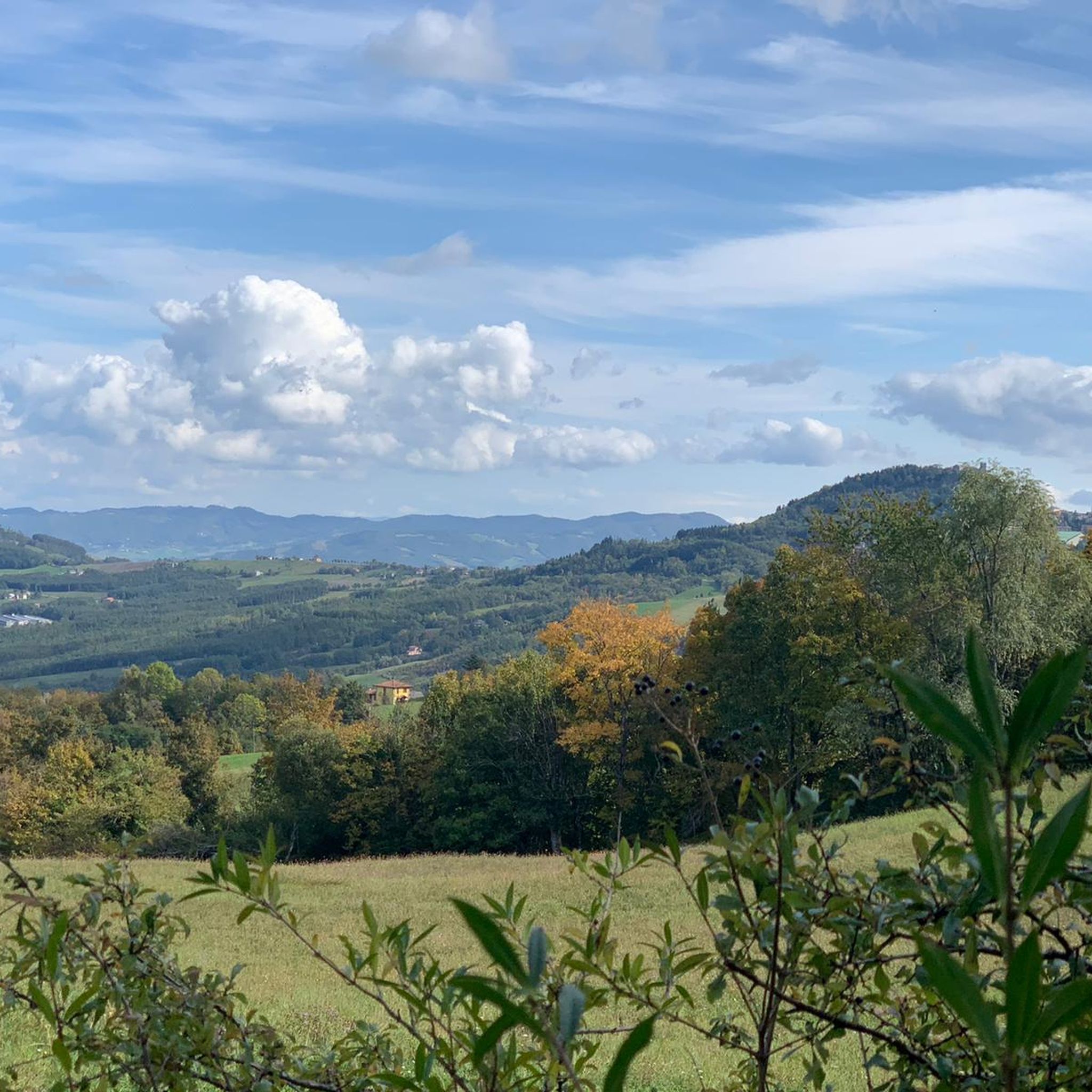
Natural monuments around Montecreto showcase a diverse landscape in the Modena Apennines. The region features a variety of natural attractions, including ancient chestnut groves, mountain summits, and geological sites. Montecreto's territory extends to peaks like Mounts Rondinara, Cavrile, and Cervarola, offering a range of outdoor experiences. The area provides opportunities for exploring natural formations and understanding the region's heritage.
Best natural monuments around Montecreto
- The most popular natural monuments is Lake of the Nymph, a lake located at 1,550…
Last updated: October 1, 2026
Lake of the Nymph
Highlight • Lake
Translated by Google •
Tip by

Monte Cimone Summit
Highlight • Summit
Too bad for the significant anthropization of the summit due to the weather station and the military base below.
Magnificent view that reaches up …
Translated by Google •
Tip by

Sign up now to discover places like this
Get recommendations on the best single tracks, peaks, & plenty of other exciting outdoor places.
Mount Rotondo
Highlight • Summit
Useful passage if you want to enjoy a beautiful view but …
Translated by Google •
Tip by

Doccione Waterfall
Highlight • Waterfall
Translated by Google •
Tip by
Lake Pratignano
Highlight • Lake
Translated by Google •
Tip by
Sign up for free to discover even more natural monuments around Montecreto.
Already have an account?
Start today with a free account
Your next adventure awaits.
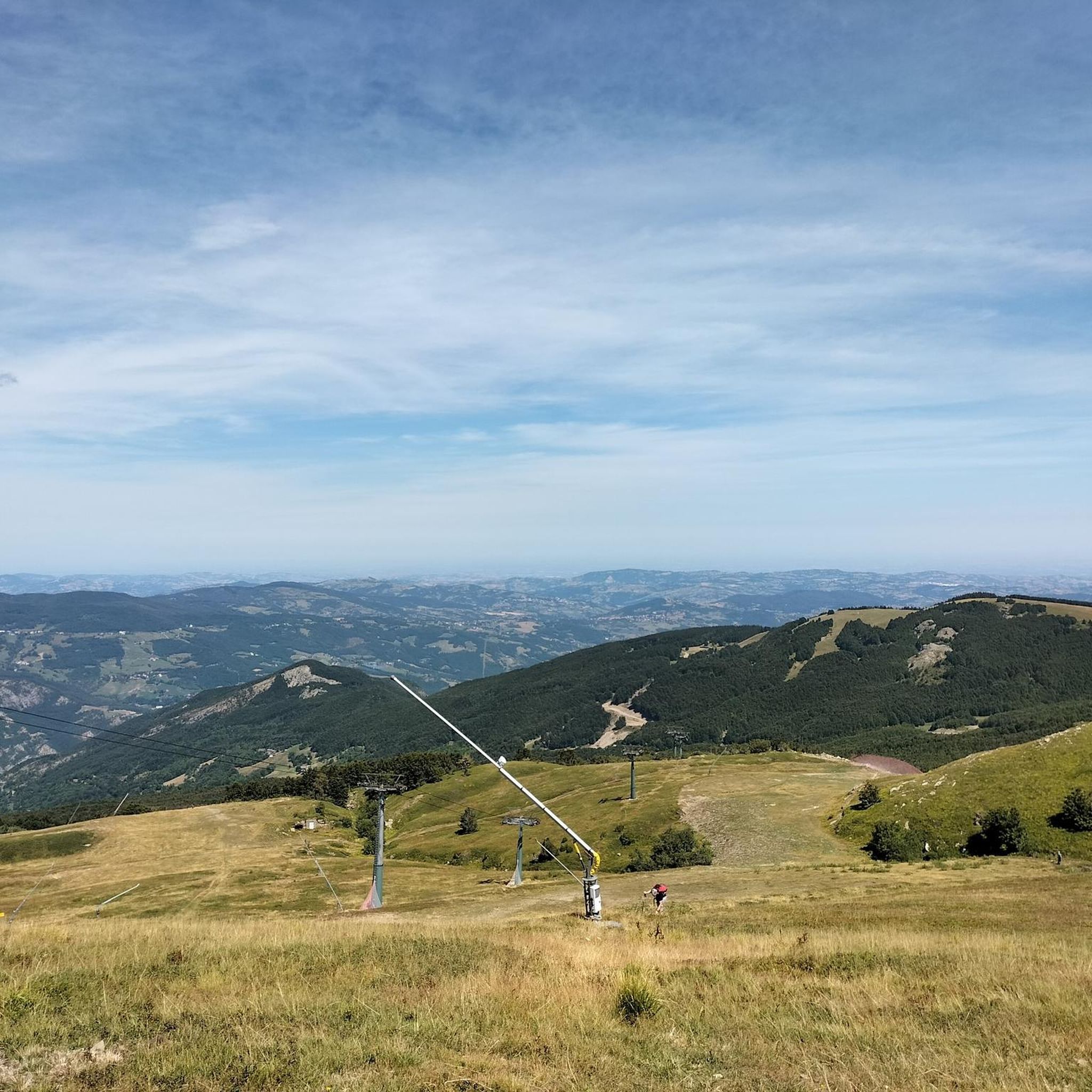
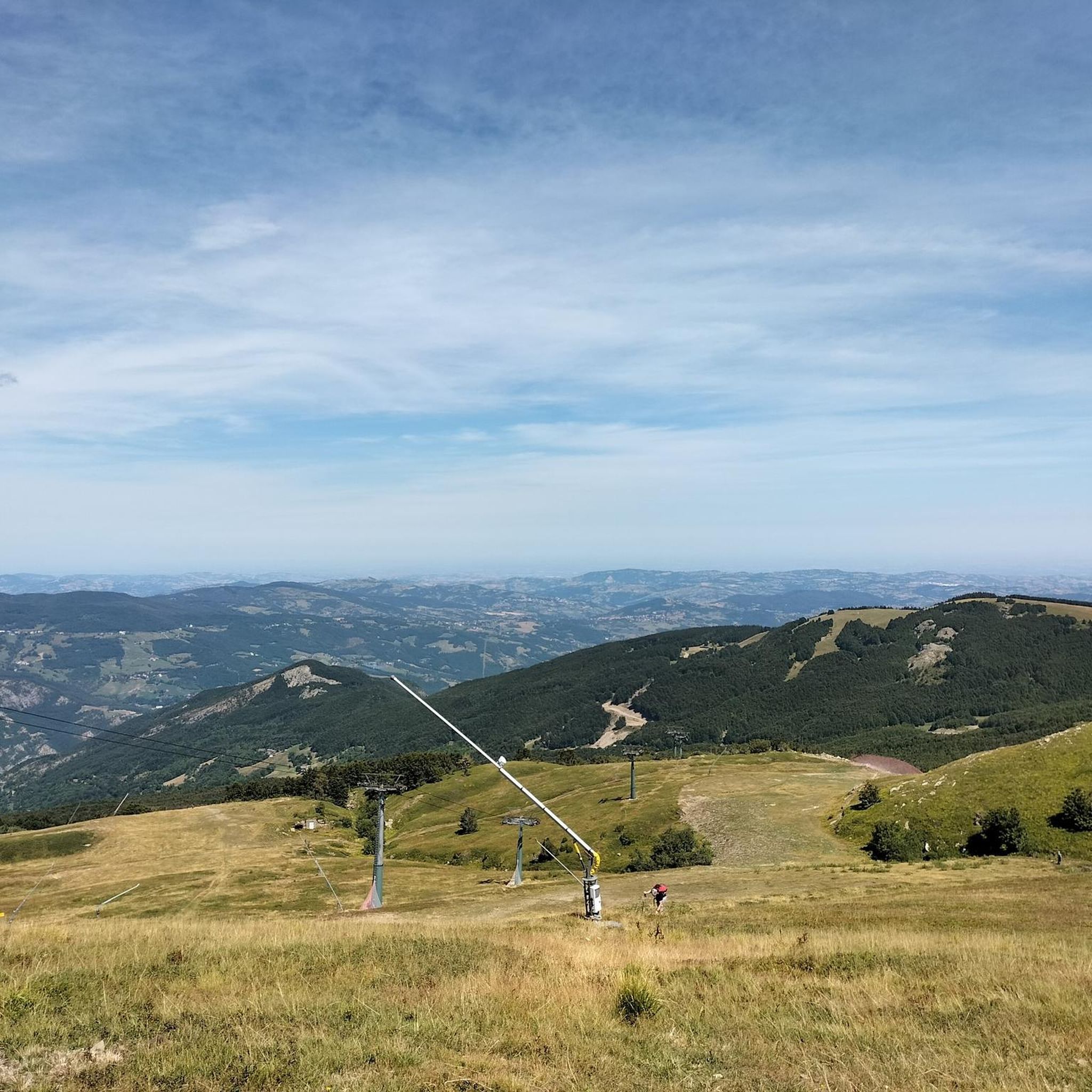
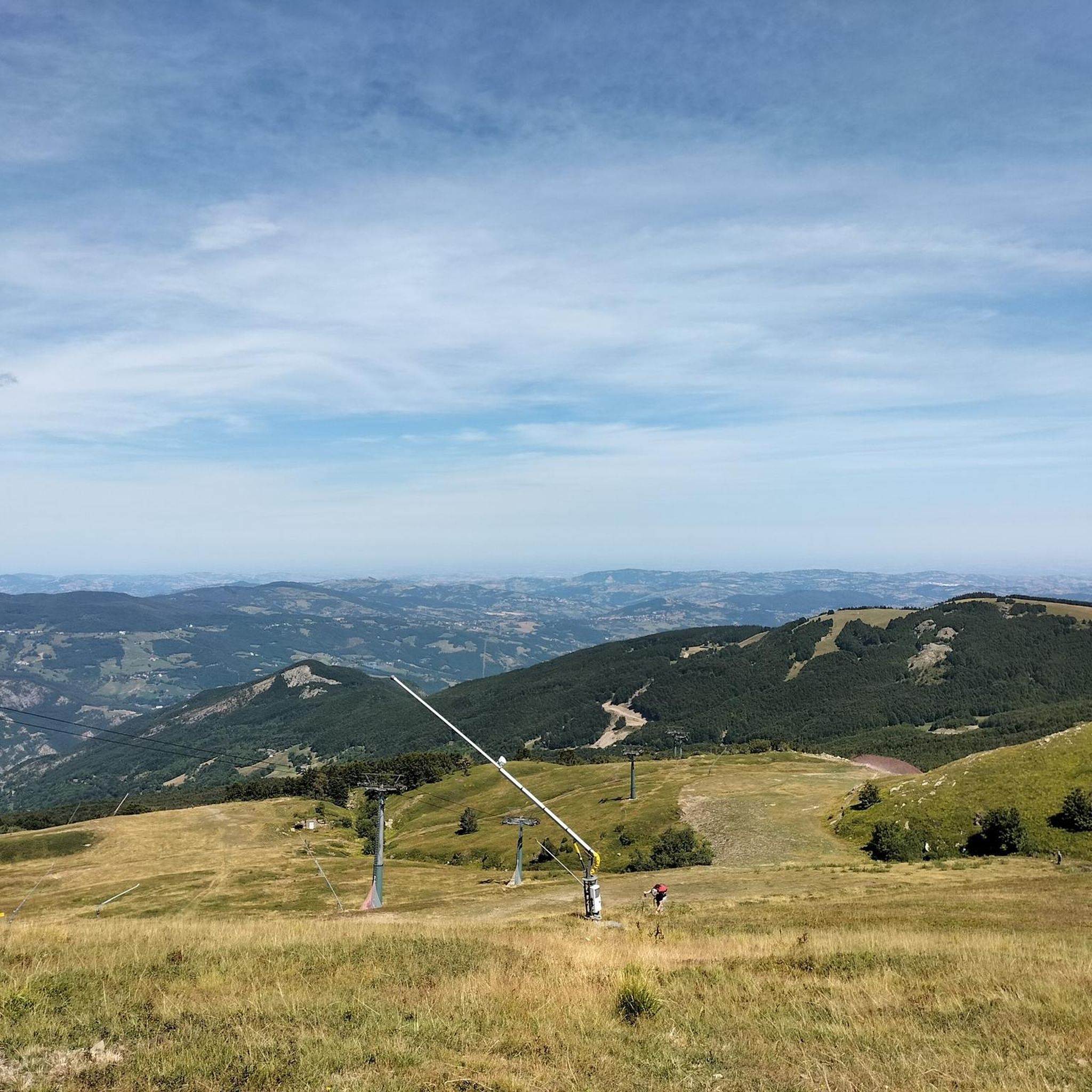
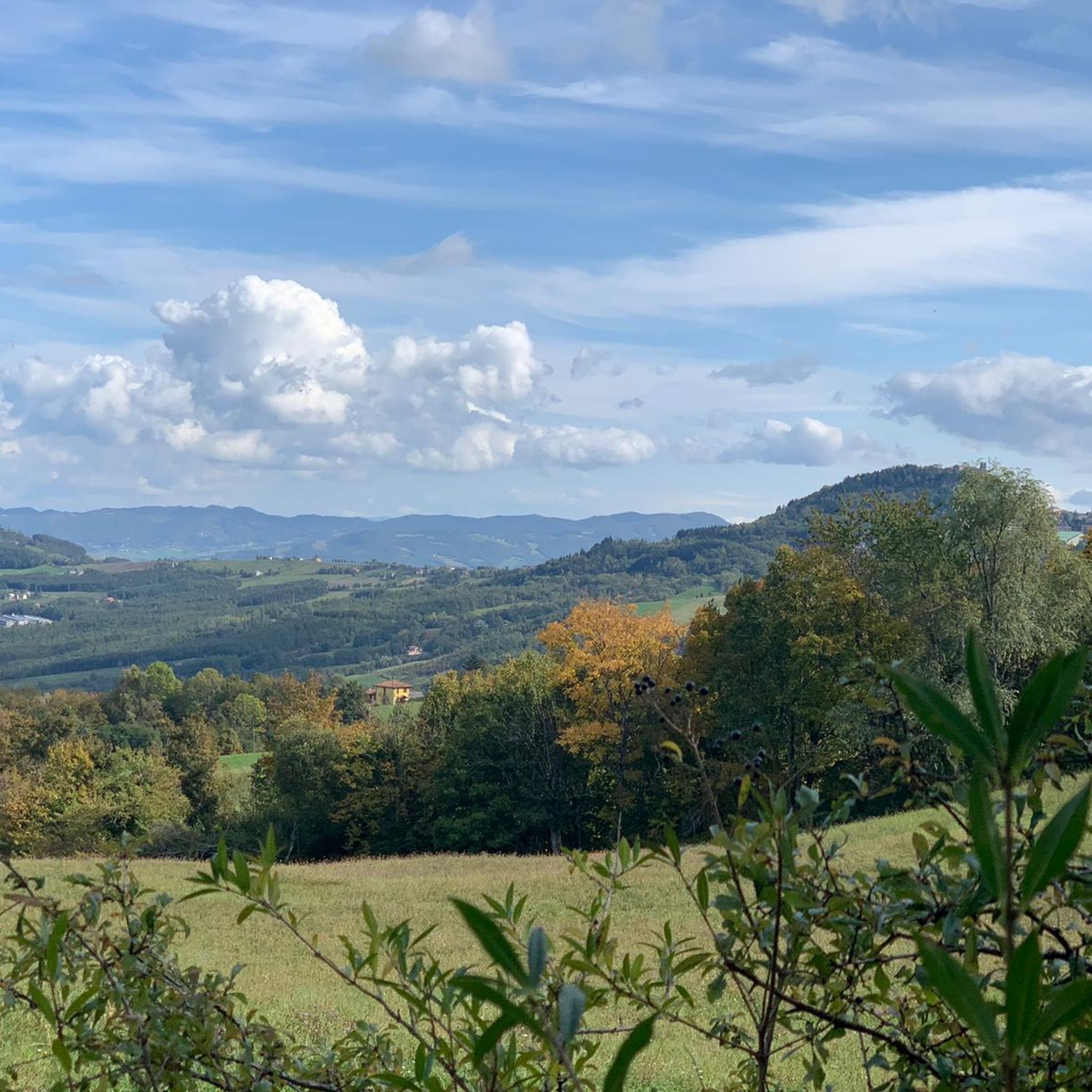


Tips from the Community

Beautiful view from above. Easily accessible.
0
0

Magnificent waterfalls, the main attraction of this area. It is better to plan your visit for the season when there is water and you can see it in all its beauty
0
0

Beautiful cabin located near the Ninfa lake
1
0
Beautiful lake accessible to all in a well-served area
1
0


Excellent place, excellent food, mandatory stop
0
0
Lago della Ninfa, a crossroads of paths that lead wherever you want to go while remaining at the foot of Mount Cimone. On this circular route we also visited Lake Rovinella on Monte Cervarola, the artificial lakes of Passo del Lupo and Lake Le Polle at Polle di Riolunato.
0
0
Italian peak from where, on the clearest days, the largest Italian surface can be observed.
1
0
Frequently Asked Questions
What unique natural monuments can I explore in Montecreto beyond the well-known spots?
Beyond the popular highlights, Montecreto offers the significant Chestnut Park (Parco dei Castagni), renowned for its centuries-old chestnut trees and historical structures like an ancient 'metato' (chestnut drying shed). Another unique site is the Montecreto Mines, recognized as a Geosite, which preserves ophiolite domes and has a history of copper extraction dating back to Roman times.
Are there family-friendly natural monuments around Montecreto?
Yes, several natural monuments are suitable for families. The Lake of the Nymph is an excellent starting point for various tours and offers a serene environment. The Doccione Waterfall is also considered family-friendly, with a panoramic wooden terrace for viewing. Additionally, the Chestnut Park provides wide green spaces and a well-equipped play area for children.
What outdoor activities can I do near Montecreto's natural monuments?
The area around Montecreto's natural monuments is ideal for various outdoor activities. You can find numerous routes for cycling, including challenging loops like the Passo del Lupo. For those who prefer road cycling, there are routes connecting villages and scenic points. Running trails are also abundant, with options around the Lake of the Nymph and towards Monte Cimone Summit.
What is the best time to visit the natural monuments in Montecreto?
The best time to visit depends on your preferred activities. Summer is ideal for hiking and exploring the mountains, while autumn offers a spectacular display of colors, especially in the Chestnut Park, which hosts the Montecreto Chestnut Festival. In winter, with suitable equipment, you can experience the snow-covered landscapes and even see the Doccione Waterfall completely frozen.
Are there any dog-friendly options for exploring natural monuments in Montecreto?
While specific dog-friendly trails are not always explicitly marked, many natural areas in Montecreto, such as the Chestnut Park and general hiking trails, are suitable for dogs on a leash. Always ensure to follow local regulations regarding pets in natural parks and protected areas.
Where can I find accommodation or places to eat near Montecreto's natural monuments?
Montecreto village itself offers various accommodation options, cafes, and restaurants. Near the Lake of the Nymph, there are adjacent refuges that provide catering services and overnight stays. The Pian Cavallaro Mountain Hut, located under Monte Cimone Summit, also offers bar and restaurant services in a panoramic position.
What are the geological features I can observe in Montecreto?
Montecreto's natural landscape includes significant geological features. The Montecreto Mines are a recognized Geosite, preserving three ophiolite domes. Additionally, Lake Pratignano is a unique example of a peat bog, a direct testimony of the last ice age, showcasing rare flora like the carnivorous Drosera Rotundifolia.
How long should I plan for a visit to the natural monuments in Montecreto?
The duration of your visit can vary. You could spend a few hours enjoying the tranquility of the Chestnut Park or visiting the Doccione Waterfall. For more extensive exploration, such as hiking to Monte Cimone Summit or exploring the areas around the Lake of the Nymph, a full day or even multiple days would be recommended to fully appreciate the diverse landscapes and activities.
Are there any historical aspects associated with Montecreto's natural monuments?
Yes, history is deeply intertwined with Montecreto's natural sites. The ancient chestnut trees in the Chestnut Park date back to the time of Matilde di Canossa. The Montecreto Mines have a history of copper extraction that goes back to Roman times, offering a glimpse into the region's past industrial activities.
What kind of wildlife can be observed around Montecreto's natural monuments?
The diverse ecosystems around Montecreto support various wildlife. At Lake Pratignano, you might spot common frogs, crested newts, smooth newts, tench fish, and birds such as the gray heron and golden eagle, especially during spring and autumn migrations. The forests surrounding areas like the Lake of the Nymph also provide habitats for various forest animals and birds.
Are there any viewpoints offering panoramic vistas of the Montecreto region?
Absolutely. The Monte Cimone Summit, the highest peak of the Tuscan-Emilian Apennines, offers magnificent views that can reach as far as the Argentario on clear days. The Doccione Waterfall also features a panoramic wooden terrace for a close and suggestive view of the falls and surrounding nature.
How can I get to the natural monuments in Montecreto using public transport?
While specific public transport routes directly to all trailheads might be limited, Montecreto is generally accessible by bus. For detailed information on bus routes and schedules to Montecreto and nearby natural attractions, it is advisable to check with the local tourism office or consult the Visit Modena website for the most current public transport information.
Most popular routes around Montecreto
Most popular attractions around Montecreto

Get inspired with the komoot mobile app


Explore more
Extend your search for the best caves by checking out these guides of the top ones around Montecreto:
