Top 7 Natural Monuments around Cascia
Best natural monuments around Cascia are situated within the Valnerina valley in Umbria, Italy. This region presents a serene natural landscape with notable geological significance and ecological value. The area is characterized by quiet mountain landscapes, rolling hills, and lush greenery, providing numerous nature trails. Cascia offers opportunities for immersion in nature and exploration of diverse natural features.
Best natural monuments around Cascia
- The most popular natural monuments is The wonderful Castelluccio, a natural monument known for its particular…
Last updated: June 28, 2026
Pian dei Pantani
Highlight • Lake
Translated by Google •
Tip by

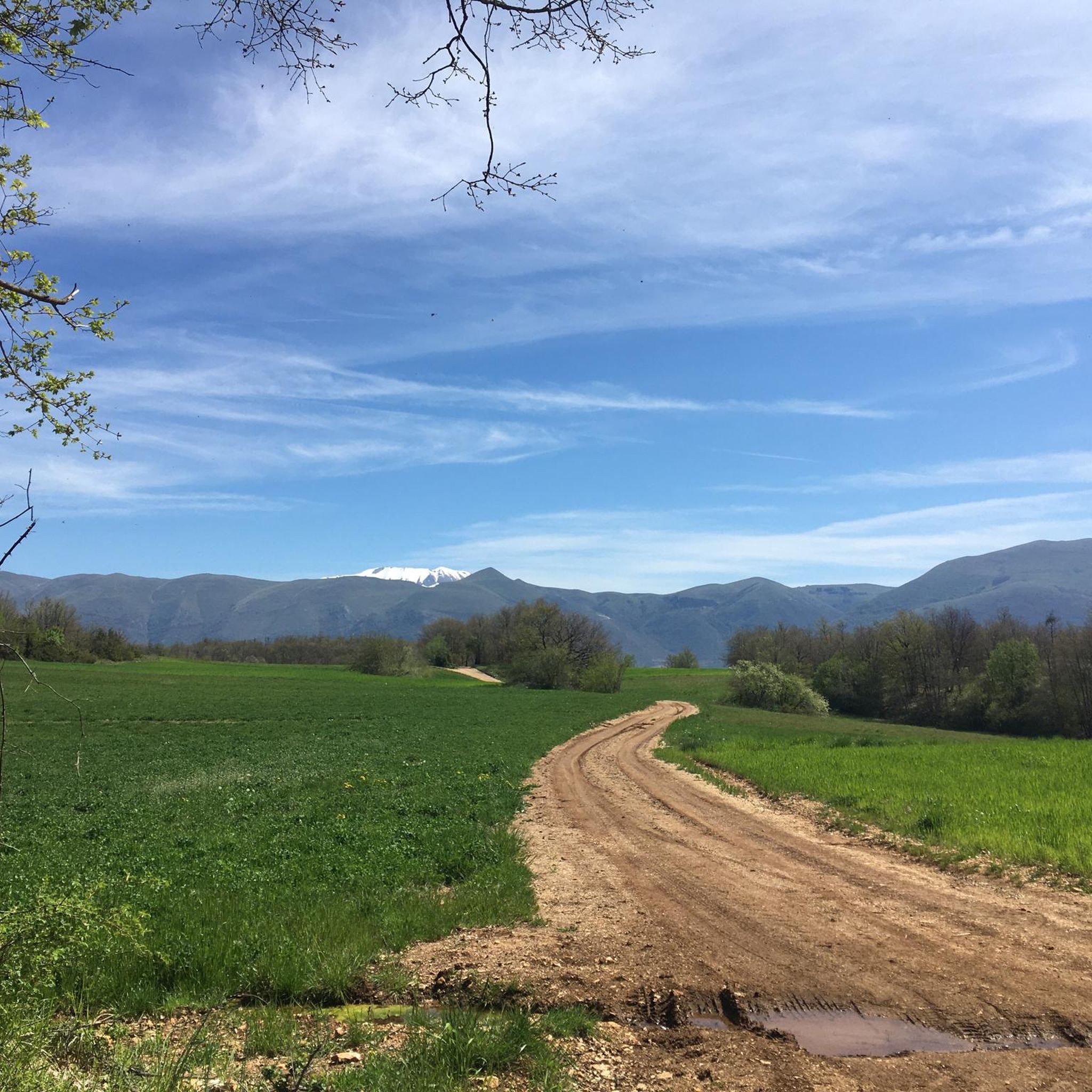
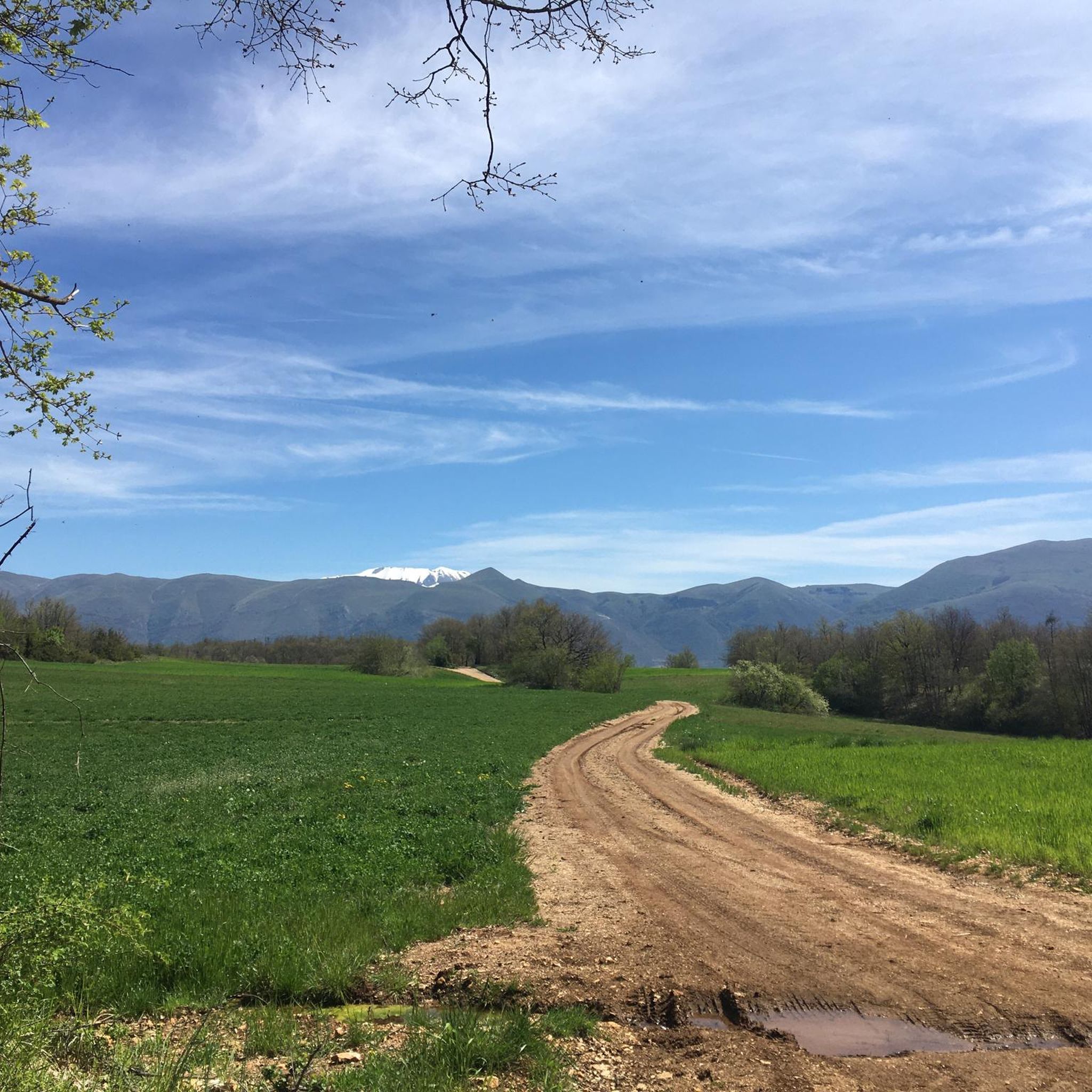
The wonderful Castelluccio
Highlight • Natural Monument
Translated by Google •
Tip by

Sign up now to discover places like this
Get recommendations on the best single tracks, peaks, & plenty of other exciting outdoor places.
Sign up for free
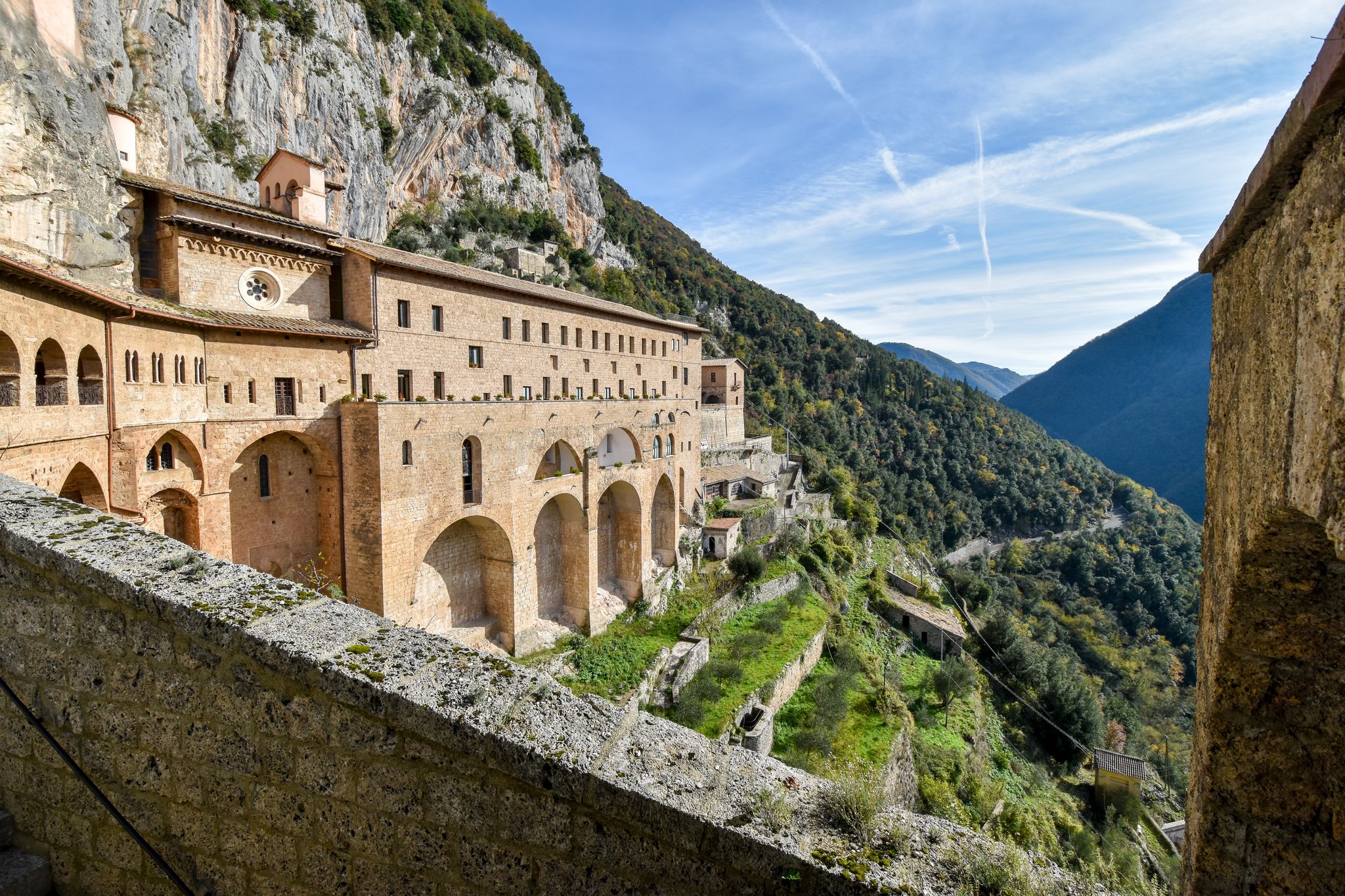
Scoglio di Santa Rita
Highlight • Religious Site
Translated by Google •
Tip by

Panorama of the Castelluccio plain
Highlight • Viewpoint
Translated by Google •
Tip by

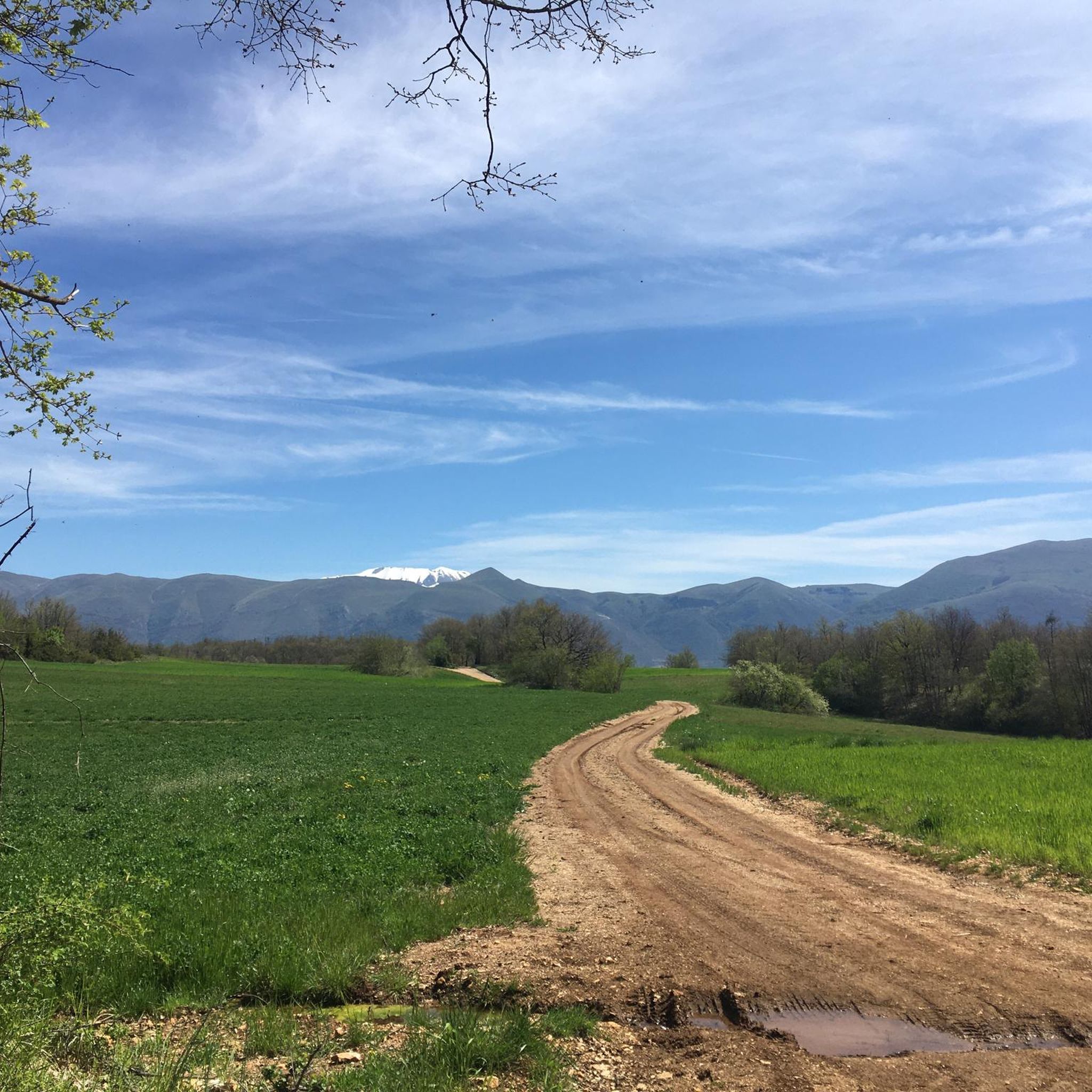
View of the Castelluccio Plateau
Highlight • Viewpoint
Translated by Google •
Tip by
Sign up for free to discover even more natural monuments around Cascia.
Sign up for free
Already have an account?
Start today with a free account
Your next adventure awaits.
Login or Signup
Other adventures around Cascia

Tips from the Community

The 40 m ascent and descent are somewhat underestimated. The altitude difference is 120 m, but with slow walking and not too hot weather, they are achievable even with less fitness.
0
0

The Frozen Accumulation Marshes
0
0
The Swamps of Accumuli 29-11-2025
0
0

Very nice area with many unobstructed views, beautiful
0
0

Because it is a characteristic landscape place. The marshes are an enclave of the Monti Sibillini National Park
0
0


From the Castelluccio pass you can reach this panoramic point to admire the Castelluccio plain and the eastern side of the Sibillini mountains. From here you can observe the long and impressive fault generated by the earthquake. The colorful flowering of lentils occurs in summer, from July to August. An incredible human and natural spectacle.
4
0
Frequently Asked Questions
What are some unique natural monuments to visit around Cascia?
Beyond the well-known sites, consider visiting the Piano dei Pantani, a magical place especially in spring, or the vast Pian Grande of Castelluccio, known for its stunning flowering between late May and early July. The Scoglio di Santa Rita also offers a unique blend of natural beauty and spiritual significance.
What kind of terrain and difficulty can I expect on hiking trails near Cascia's natural monuments?
The terrain around Cascia varies from the gentle slopes of the Valnerina valley to more challenging mountain ridges like those in the Monti Pizzuto-Alvagnano SAC. You can find trails ranging from easy walks, such as the 'Scoglio di Santa Rita loop from Poggiodomo' (1.7 km), to moderate routes like the 'Scoglio di Santa Rita – Colle del Capitano loop from Cascia' (12.6 km), and difficult treks like 'From Poggiodomo to Monte Coscerno – ring tour' (16 km). Many trails offer significant elevation changes and panoramic views.
Are there family-friendly natural monuments or activities in the Cascia area?
Yes, the Pian Grande of Castelluccio is noted as family-friendly, especially during the famous 'Fiorita' when the plain is covered in colorful flowers. The Valnerina valley also offers numerous nature trails suitable for families, providing opportunities for easy walks amidst lush greenery and rolling hills.
When is the best time of year to visit the natural monuments around Cascia?
The best time to visit depends on your interests. For the spectacular flowering of lentils on the Castelluccio plain, late May to early July is ideal. Autumn offers a quieter experience, especially on weekdays, allowing you to immerse yourself in the silence of the Pian Grande. Spring brings unique beauty to places like the Piano dei Pantani. Summer provides warm weather for hiking, while winter transforms the landscape with snow.
What geological features can be observed near Cascia?
The Cascia area, particularly within the Valnerina valley, is characterized by significant geological formations. You can observe prominent rocky outcrops like the Scoglio di Santa Rita, which rises 120 meters above Roccaporena. The Pian Grande of Castelluccio is an ancient Apennine lakebed, now a vast plateau, featuring a unique veined-shaped doline called the 'Mergani ditch' that ends in a sinkhole. The Monti Pizzuto-Alvagnano SAC also consists of a predominantly calcareous mountain ridge.
What kind of wildlife and flora can I expect to see?
The Monti Pizzuto-Alvagnano Special Area of Conservation (SAC) is a vital refuge for numerous species, including wolves, golden eagles, and rare flora. The Valnerina valley and areas near the River Corno are home to diverse fauna such as river shrimps, salmon trout, Apennine frogs, and various bird species, including rare Lanner falcons nesting in chalk cliffs. Botanists might be interested in the rare Ephedra Nebrodensis bush, a relic from the Tertiary Age, found near Roccaporena, alongside white willow, elm, walnut, and poplars.
Do any natural monuments around Cascia have historical or spiritual significance?
Yes, the Scoglio di Santa Rita (Sacred Rock of Roccaporena) is a significant pilgrimage site. Tradition holds that the rock bears the imprints of Saint Rita's knees and elbows from her intense prayers. A modern staircase with stations of the Via Crucis leads to a small chapel at the summit, offering panoramic views and a spiritual experience.
Are there hiking routes suitable for different skill levels in the Valnerina Valley?
Absolutely. The Valnerina valley, where Cascia is located, offers a wide range of hiking opportunities. You can find easy nature walks through rolling hills and lush greenery, as well as moderate and difficult trails in areas like the Monti Pizzuto-Alvagnano SAC. For specific routes, you can explore the Hiking around Cascia guide, which includes options like the 'Colle del Capitano loop' (moderate) and longer, more challenging treks.
Are the natural monuments and trails around Cascia dog-friendly?
While many natural areas in Italy are generally dog-friendly, it's always best to check specific regulations for protected areas like the Monti Pizzuto-Alvagnano SAC, which is part of the Natura 2000 network. For general trails in the Valnerina valley, dogs are often welcome, but should be kept on a leash to protect wildlife and other visitors. Always ensure you clean up after your pet.
What outdoor activities can I do near these natural monuments?
Besides hiking, the Cascia area offers various outdoor activities. You can explore numerous cycling routes, including MTB trails, with options like the 'Norcia – Greenway of the Nera loop from Cascia' (moderate, 37 km). Gravel biking is also popular, with routes such as the 'Forca di Presta Pass – Piano Grande of Castelluccio loop' (difficult, 27 km). For more details, check the MTB Trails around Cascia and Gravel biking around Cascia guides.
Are there any permits required for hiking in the natural areas around Cascia?
Generally, no specific permits are required for hiking on most trails around Cascia, including those in the Valnerina valley. However, if you plan to venture into the nearby Monti Sibillini National Park, which borders the area, it's advisable to check their official website for any specific regulations or permits that might apply to certain zones or activities, especially during peak seasons or for guided access to sensitive areas.
Is parking available at the natural monuments?
Parking availability varies by location. For popular sites like the Scoglio di Santa Rita in Roccaporena, there is typically designated parking in the village. For the Castelluccio plain, parking is generally available, though it can be crowded during the 'Fiorita' season. For more remote trailheads within the Valnerina valley or the Monti Pizzuto-Alvagnano SAC, parking might be limited to small pull-offs or designated areas near trail starts. It's recommended to plan ahead, especially during busy periods.
Are there places to eat or drink near the natural monuments or hiking trails?
While some natural monuments are more remote, you can often find cafes and restaurants in the nearby towns and villages. For instance, Roccaporena, at the base of the Scoglio di Santa Rita, has dining options. Similarly, the village of Castelluccio, near the plain, offers places to eat. For trails deeper in the Valnerina valley or the Monti Pizzuto-Alvagnano SAC, it's advisable to pack provisions, as amenities might be scarce.
Most popular attractions around Cascia

Get inspired with the komoot mobile app


Explore more
Extend your search for the best caves by checking out these guides of the top ones around Cascia:
