Top 5 Natural Monuments around Pianella
Best natural monuments around Pianella offer diverse geological features and landscapes within reach of this historic town. Pianella, known for its olive oil production, serves as a gateway to the Abruzzo region's protected natural areas. The surrounding area features impressive carbonate peaks, extensive woodlands, and unique geological formations shaped by erosion. These natural attractions provide opportunities to explore the rich ecological diversity of the Abruzzo region.
Best natural monuments around Pianella
- The most popular natural monument is La Nave Fountain…
Last updated: June 28, 2026
La Nave Fountain by Cascella
Highlight • Monument
Translated by Google •
Tip by

Lago di Penne Regional Nature Reserve
Highlight • Lake
Translated by Google •
Tip by

Sign up now to discover places like this
Get recommendations on the best single tracks, peaks, & plenty of other exciting outdoor places.
Sign up for free
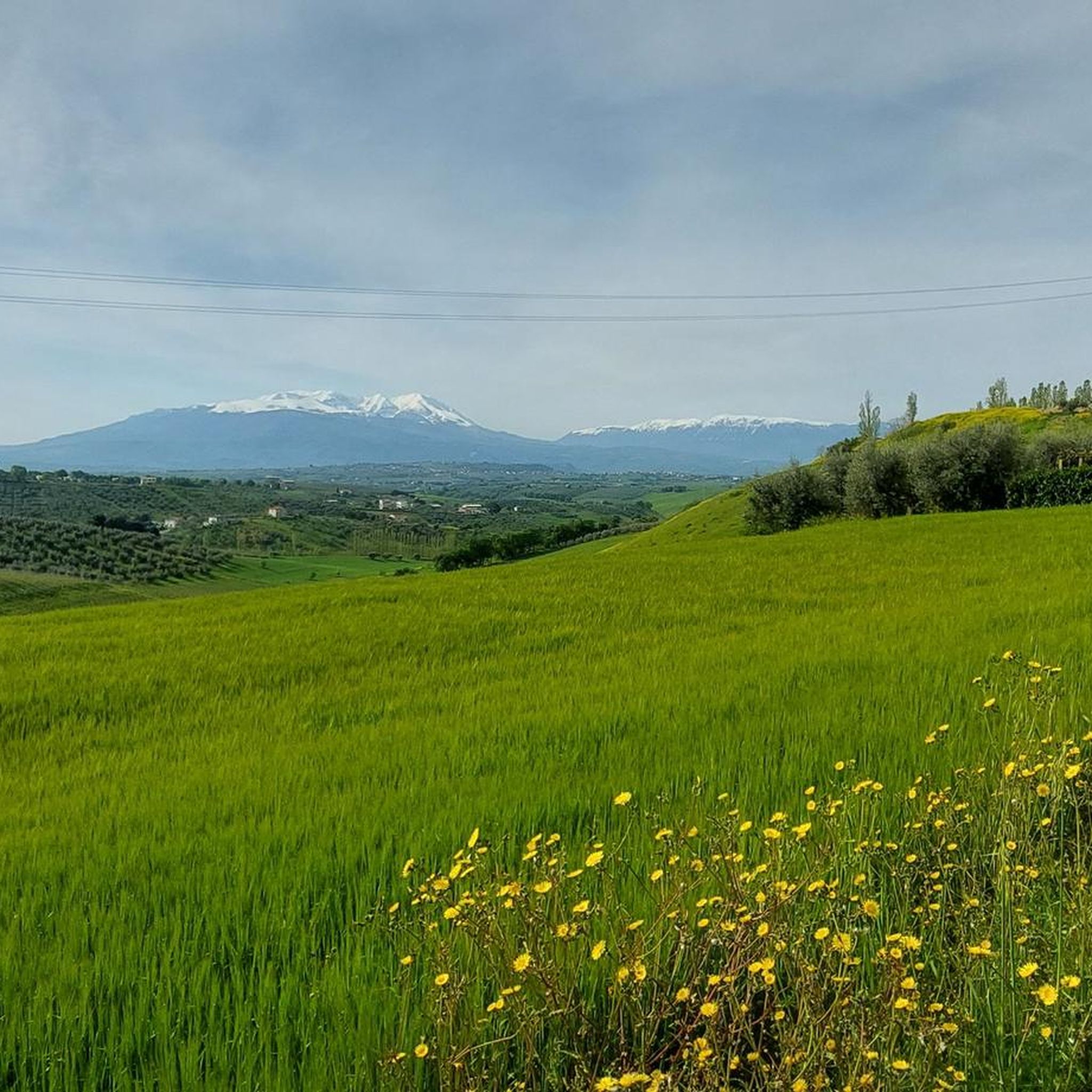
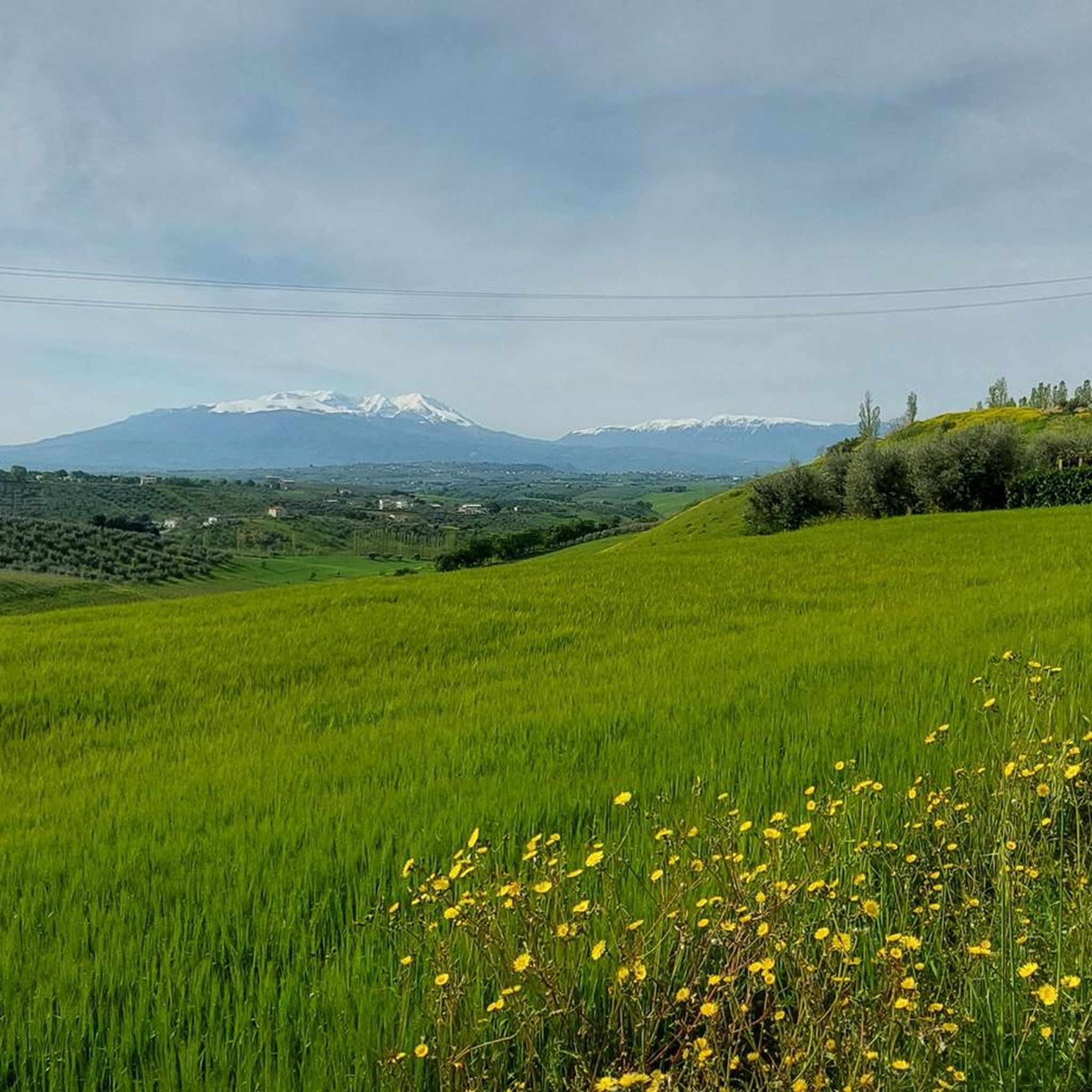
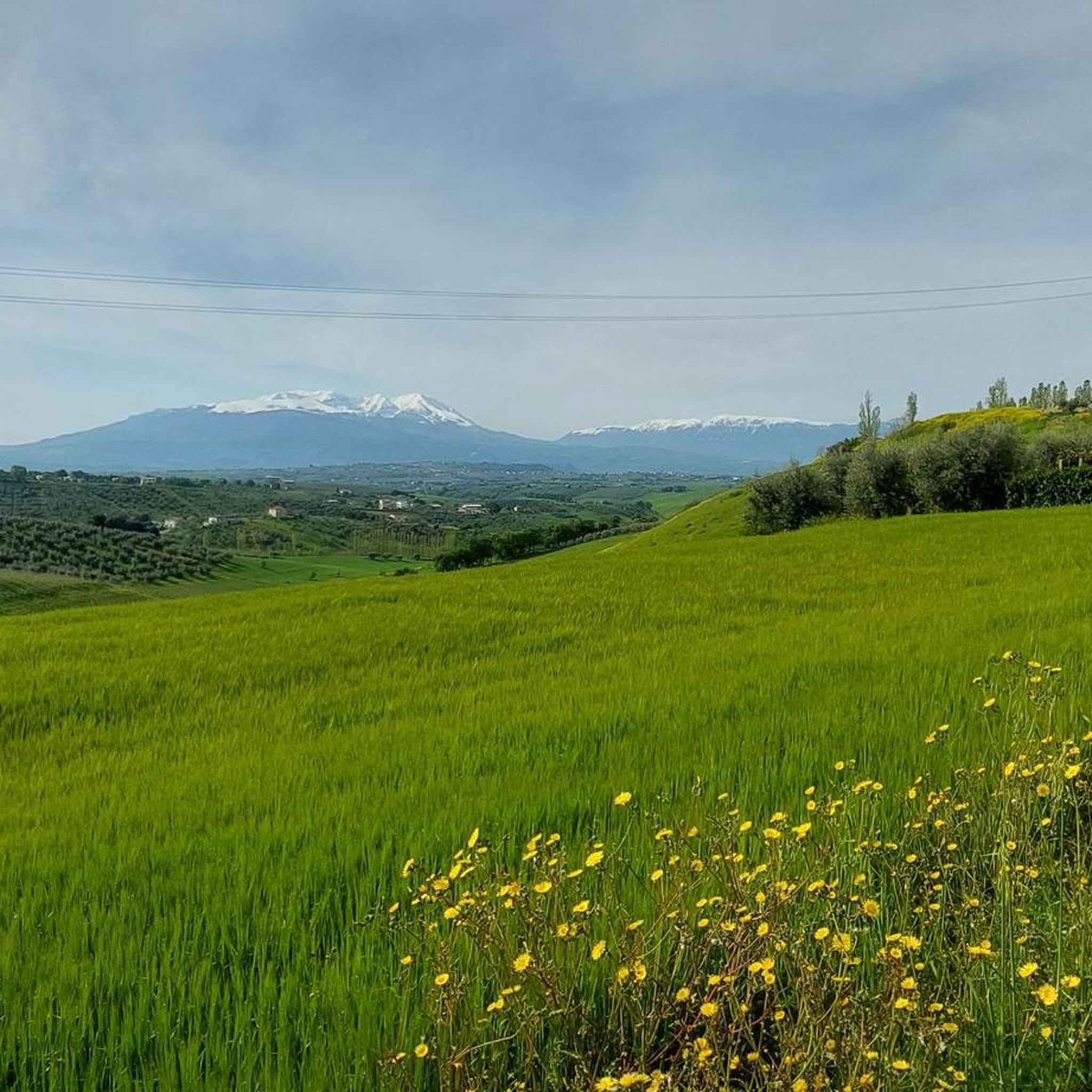
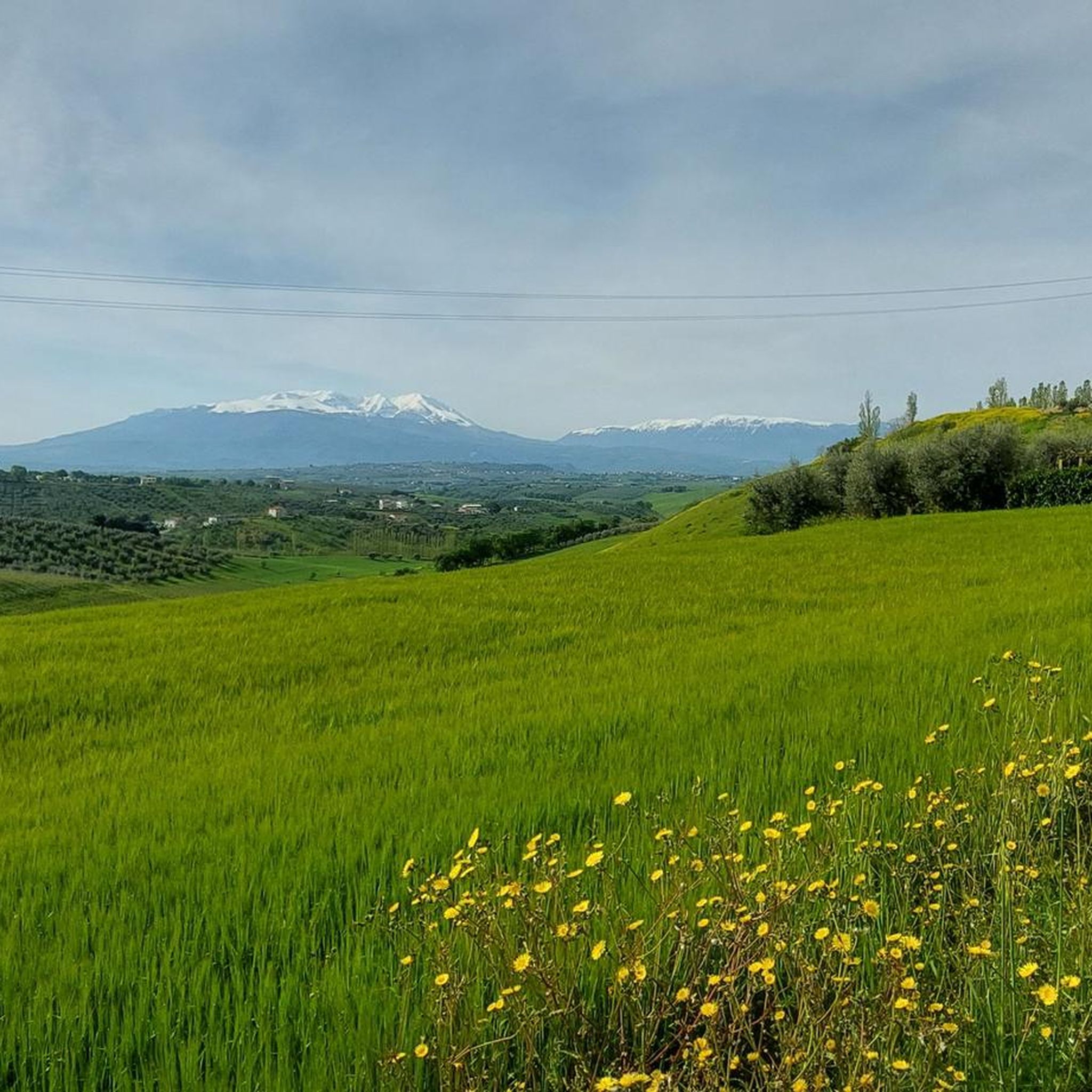
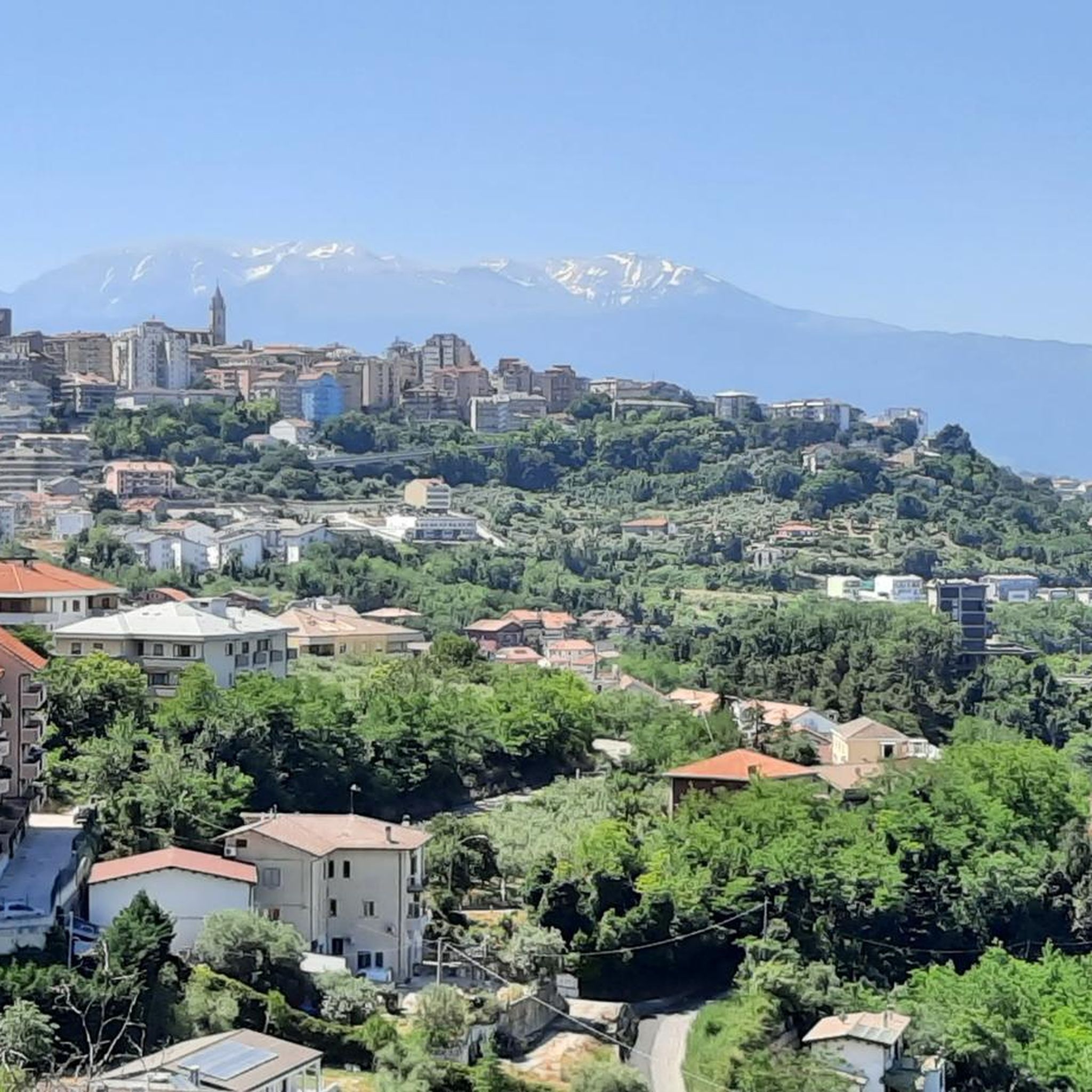
View of the Majella and Gran Sasso
Highlight • Viewpoint
It is located in the Abruzzo Apennines, on the border between the provinces of …
Translated by Google •
Tip by

Calanchi di Bucchianico
Highlight • Natural Monument
Site of Community Importance for the vastness and richness of the phenomena.
Translated by Google •
Tip by
View of the calanchi of Bucchianico
Highlight • Natural Monument
Translated by Google •
Tip by

Sign up for free to discover even more natural monuments around Pianella.
Sign up for free
Already have an account?
Start today with a free account
Your next adventure awaits.
Login or Signup

Tips from the Community

A beautiful fountain worth seeing
0
0

Interesting sculpture on the sea
0
0

The Bucchianico badlands create a spectacular landscape of towers shaped by erosion. An evocative setting that continues to enchant those who observe it.
1
0

Impressive gullies near Bucchianico. Site of Community Importance for the vastness and richness of the phenomena.
0
0
Andrea Cascella was born in Pescara, son of Tommaso Cascella and nephew of Michele Cascella. The ship is a representative work of his work as a sculptor.
1
0
The Reserve is an important resting and breeding place for sedentary, migrating and nesting avifauna.
0
0

Fontana la Nave di Cascella. A connection point between the promenade and the high road to the Bus, and Train Station. The fountain was designed and built in 1987 by Pietro Cascella, a sculptor and painter born in Pescara.
2
0

On the promenade
0
0
Frequently Asked Questions
What are the most notable natural attractions around Pianella?
While Pianella itself is known for its charming character, the surrounding Abruzzo region offers several impressive natural areas. Key attractions include the unique geological formations of the Calanchi di Bucchianico, which are striking gullies shaped by erosion. You can also find breathtaking panoramic views, such as the View of the Majella and Gran Sasso, offering vistas of the Apennine mountain ranges. Additionally, the man-made La Nave Fountain by Cascella in Pescara is a popular landmark often associated with the area's unique features.
What kind of geological features can I expect to see near Pianella?
The area around Pianella is rich in diverse geological features. You'll encounter impressive carbonate peaks, particularly within the Maiella National Park, and the dramatic landscapes of the Gran Sasso d'Italia mountain chain. A prominent feature is the Calanchi di Bucchianico, which are extensive badlands characterized by deeply eroded gullies and towers, showcasing the power of natural erosion. The region also features ancient glacial formations and karst landscapes.
Are there family-friendly natural monuments or walks around Pianella?
Yes, the region offers options suitable for families. While specific natural monuments might require some travel, viewpoints like the View of the Majella and Gran Sasso are generally accessible and enjoyable for all ages. The broader national parks, Maiella and Gran Sasso, offer numerous hiking trails, many of which are suitable for gentle walks with children. Always check specific trail difficulties before heading out.
What outdoor activities can I do near these natural monuments?
The natural areas surrounding Pianella, especially the Maiella and Gran Sasso National Parks, are ideal for various outdoor activities. You can enjoy extensive hiking and trekking trails, from easy walks to challenging mountain climbs. Cycling and mountain biking are also popular, with routes available for different skill levels. For example, you can explore routes like 'Sali e Vini – Pineta Dannunziana loop' for cycling or 'Trail closed due to landslide – Cepagatti loop' for MTB. Find more details on these activities in the Cycling around Pianella, Gravel biking around Pianella, and MTB Trails around Pianella guides.
What is the best time of year to visit the natural monuments near Pianella?
The best time to visit largely depends on the activity. Spring (April-May) and autumn (September-October) generally offer pleasant temperatures for hiking and exploring the natural parks, with vibrant flora or stunning fall colors. Summer (June-August) is excellent for higher altitude treks in the mountains, though it can be hot at lower elevations. Winter brings snow to the higher peaks, offering opportunities for winter sports but limiting access to some trails.
Can I spot wildlife in the natural parks near Pianella?
Yes, the Maiella National Park and Gran Sasso and Monti della Laga National Park are renowned for their rich biodiversity. Visitors have opportunities to spot various wildlife, including the Apennine wolf, Abruzzo chamois, golden eagle, and even the rare Marsican brown bear. Early mornings or late afternoons are often the best times for wildlife viewing, especially in quieter areas of the parks.
Are there any specific hiking trails recommended for experiencing the natural beauty?
Within the Maiella National Park, you'll find extensive hiking trails suitable for all skill levels, from gentle walks through woodlands to challenging mountain climbs up peaks like Mount Amaro. The Gran Sasso and Monti della Laga National Park also offers a vast network of well-marked trails through forests, alpine meadows, and past lakes. While specific trail names aren't listed here, exploring the parks will lead you to diverse natural beauty.
Where can I find information about the geological history of the Maiella mountain range?
The Maiella mountain range has a complex geological history, characterized by carbonate peaks and unique landforms shaped by ancient glaciers and tectonic activity. For detailed scientific information, you can refer to resources like the geological map of the Majella Mountain provided by ISPRA Ambiente: isprambiente.gov.it.
What makes the Calanchi di Bucchianico a significant natural monument?
The Calanchi di Bucchianico is recognized as a Site of Community Importance due to the vastness and richness of its geological phenomena. These impressive gullies near Bucchianico create a spectacular landscape of towers and intricate formations, sculpted by natural erosion over time. It's a prime example of badlands topography in the region.
Are there any viewpoints offering extensive panoramic views of the surrounding natural landscape?
Absolutely. The region is known for its panoramic vistas. A notable spot is the View of the Majella and Gran Sasso, which provides stunning views of the second-highest massif of the continental Apennines, including Mount Amaro. From elevated points within the Maiella National Park, you can often see the majestic Gran Sasso chain in the distance, offering truly breathtaking scenery.
Is public transport available to reach the natural parks or monuments from Pianella?
While Pianella is a good base, direct public transport to the trailheads or specific natural monuments within the vast national parks (Maiella and Gran Sasso) can be limited. It is generally recommended to have a car for convenient access to these natural areas, allowing you the flexibility to explore various starting points for hikes and viewpoints. Some smaller towns near the park entrances might have bus services, but schedules can be infrequent.
What are some unique aspects of the Maiella National Park?
Maiella National Park, often called the 'Mother Mountain,' is characterized by its vast mountainous area, complex geological history, and diverse landforms. It features impressive carbonate peaks, ancient glacio-karst landscapes, and extensive woodlands. Beyond its natural beauty, the park is also notable for its significant scientific relevance due to its geosites and the presence of ancient rock hermitages, adding a unique cultural dimension to its natural appeal.
Most popular attractions around Pianella

Get inspired with the komoot mobile app


Explore more
Extend your search for the best caves by checking out these guides of the top ones around Pianella:
