Top 20 Natural Monuments around Canepina
Natural monuments around Canepina are defined by the volcanic Cimini Mountains and their extensive chestnut forests. This area in northern Lazio, Italy, features a landscape shaped by its volcanic origin, providing rich soil for dense woodlands. The region's natural features include rolling hills, diverse flora, and significant geological formations. Canepina's surroundings offer opportunities for exploring these natural environments.
Best natural monuments around Canepina
- The most popular natural monuments is Devil’s Well Cave (Monte Venere), a cave that is part…
Last updated: June 28, 2026
Devil’s Well Cave (Monte Venere)
Highlight • Cave
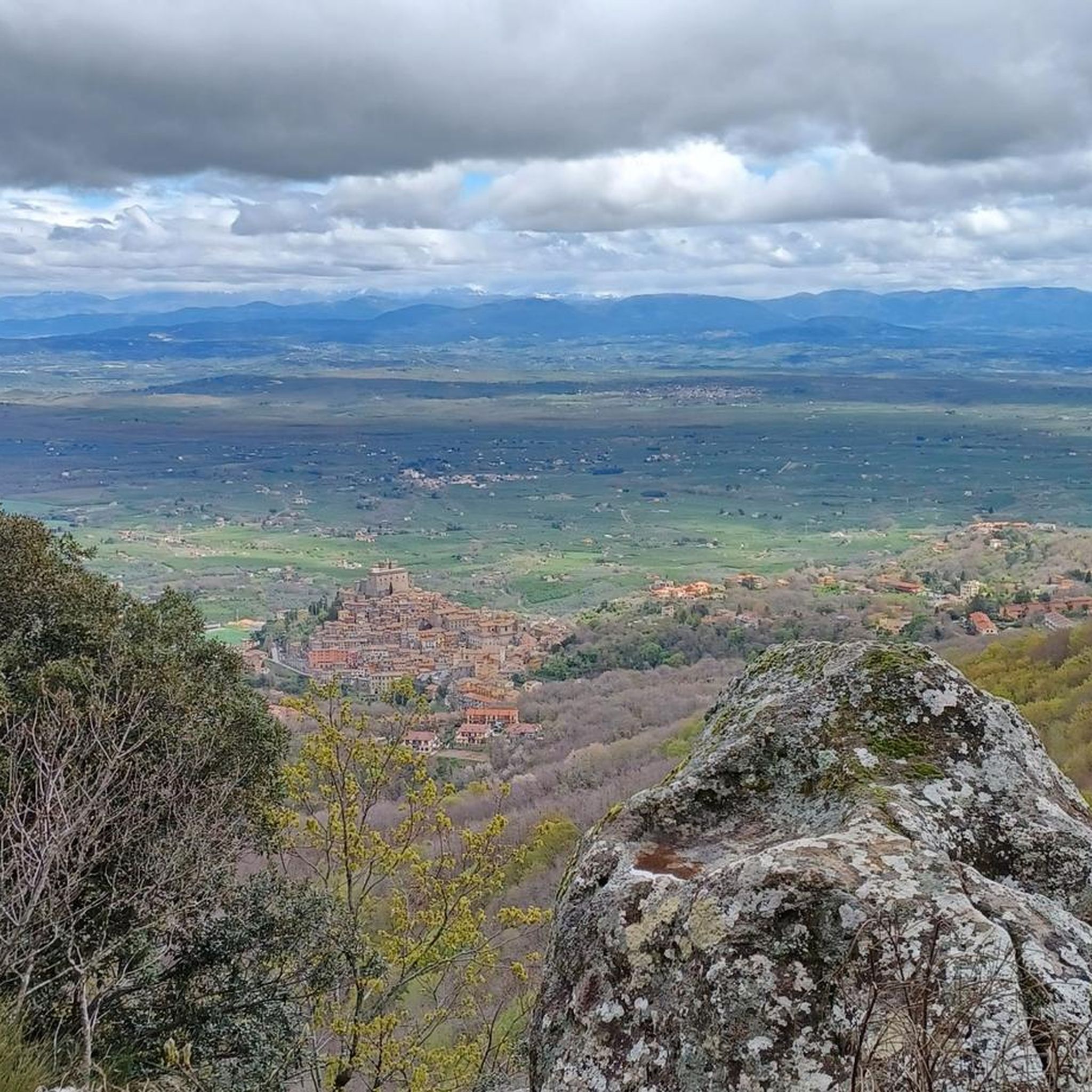
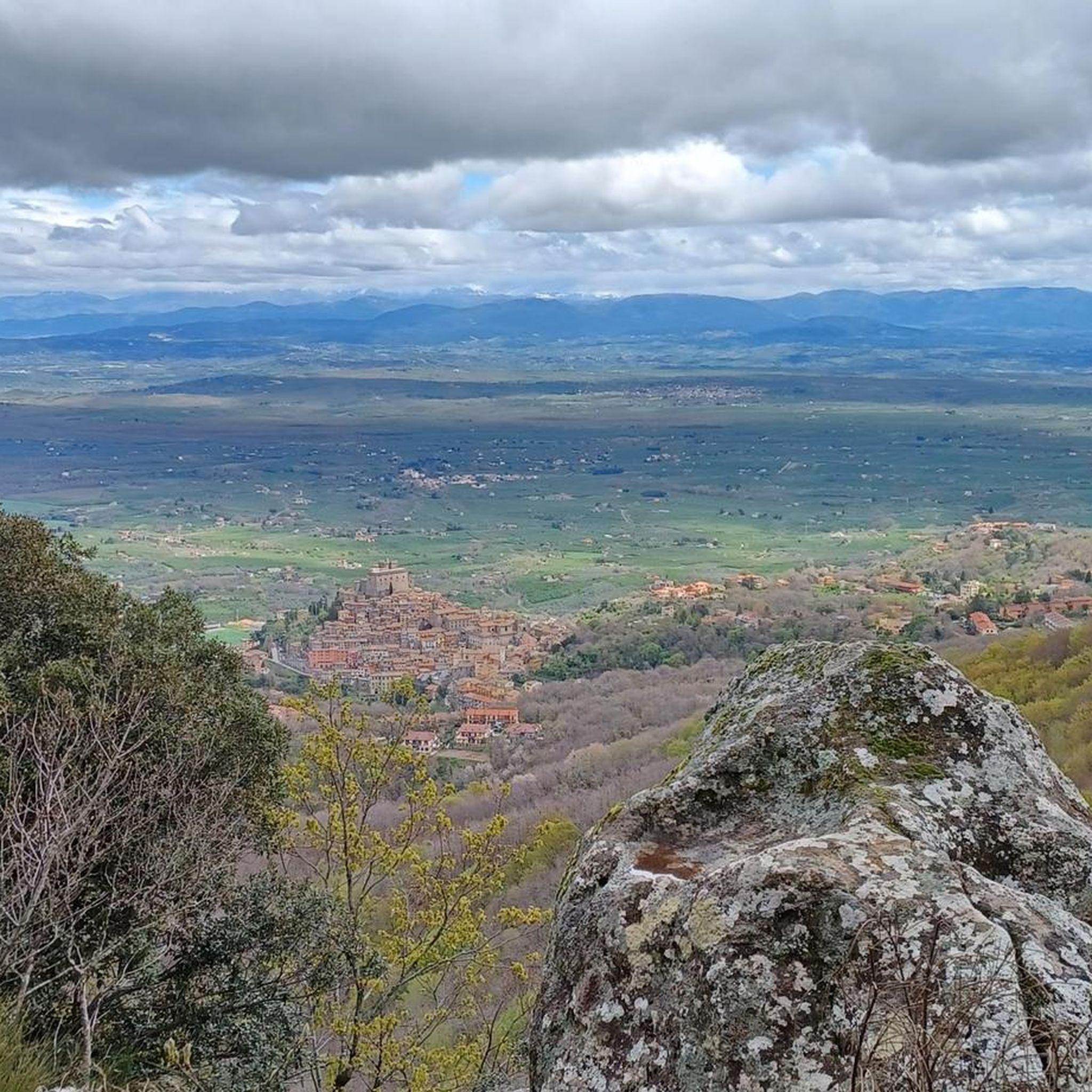
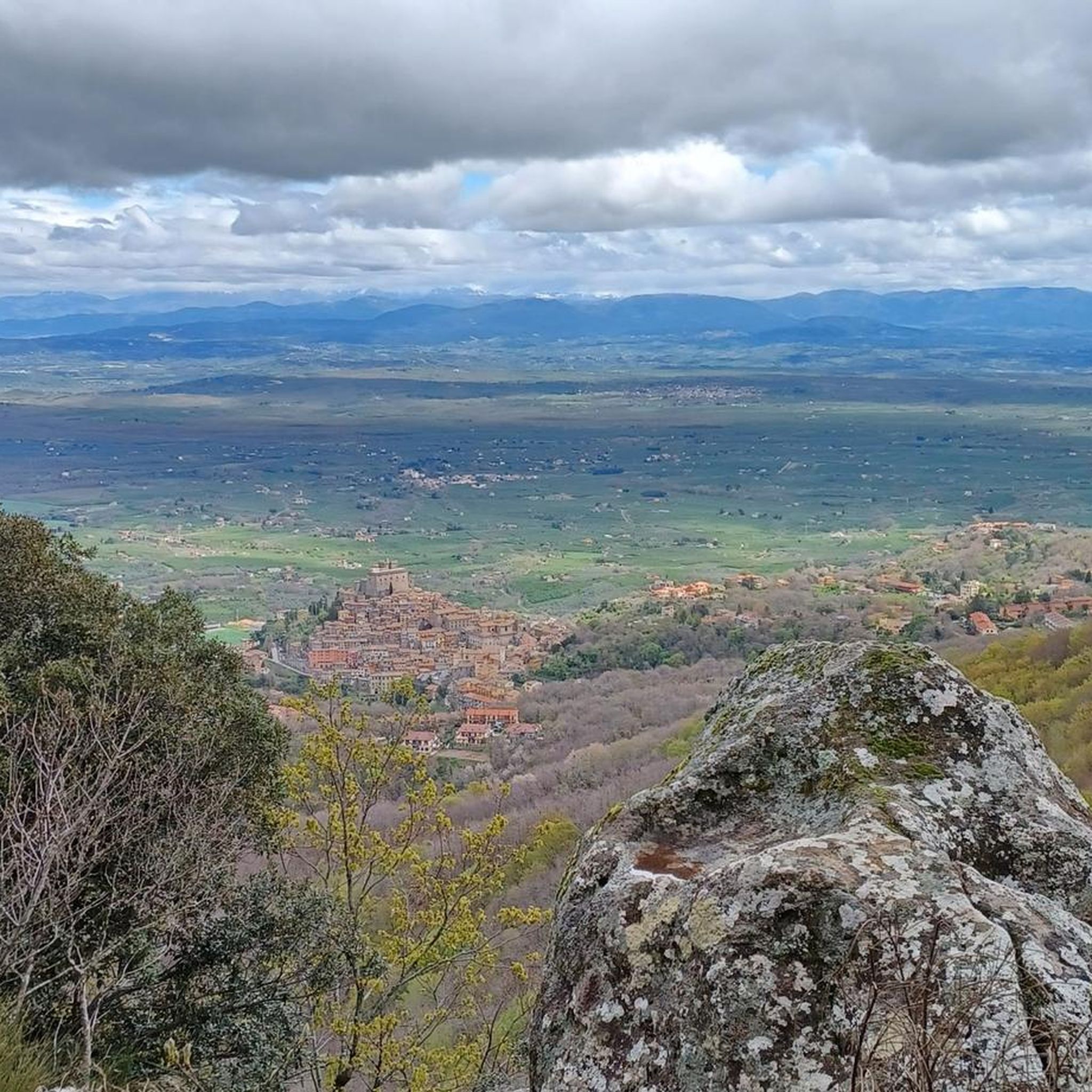
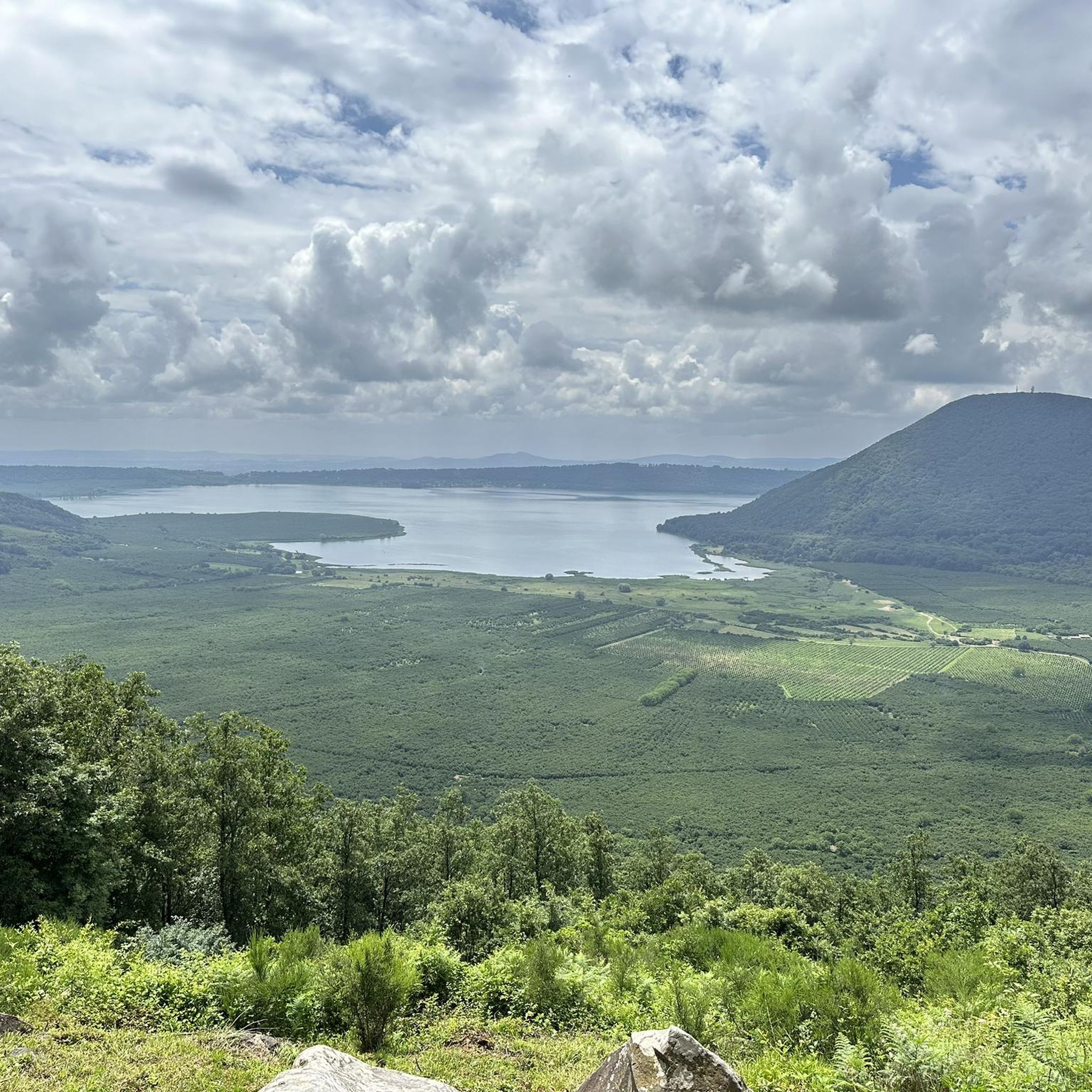
It is a mountain of volcanic origin that reaches a height of 835 m asl.
Translated by Google •
Tip by

Etruscan Pyramid of Bomarzo
Highlight • Historical Site
Translated by Google •
Tip by

Sign up now to discover places like this
Get recommendations on the best single tracks, peaks, & plenty of other exciting outdoor places.
Sign up for free
Corchiano Historic Village and Gorges
Highlight • Settlement
Translated by Google •
Tip by

Strada di Mezzo Trail, Lake Vico Nature Reserve
Highlight • Trail
Tip by

Vie Cave of Corchiano
Highlight • Natural Monument
Translated by Google •
Tip by
Sign up for free to discover even more natural monuments around Canepina.
Sign up for free
Already have an account?
Start today with a free account
Your next adventure awaits.
Login or Signup

Tips from the Community

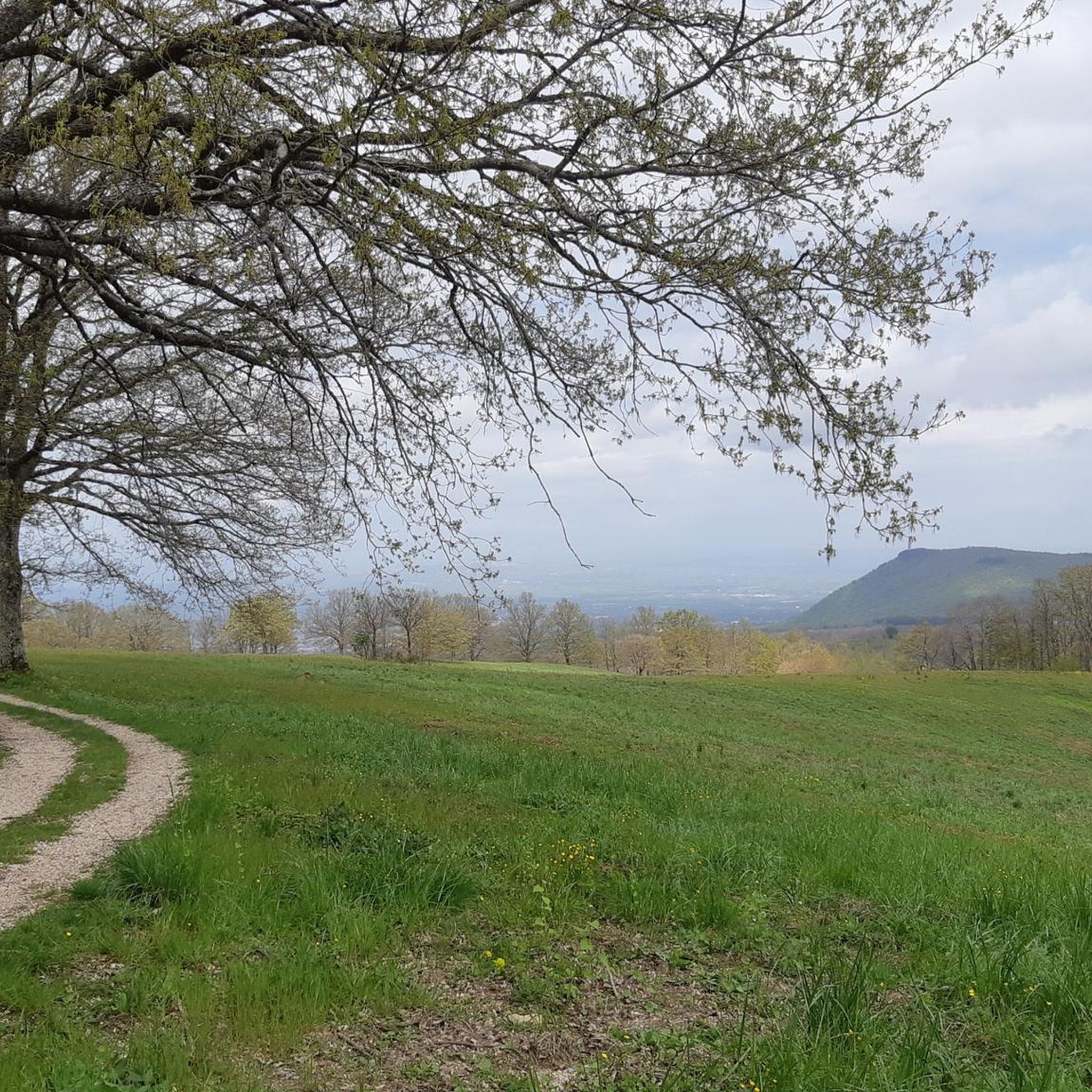
About halfway (when you're on the plain near the houses after the woods), be careful not to turn into the tall grass where the app tells you to go, but continue along the road alongside the houses. I encountered a Maremma Sheepdog that came toward me barking. Fortunately, when I calmly turned back, it stopped. Also be careful on the long stretch of dirt road immediately afterward; there are cattle and sheep, along with many dogs. Luckily, the shepherd was there to keep them in check.
0
0
Following this path, just before reaching the devil's well, it is not clear where to go, the path disappears and also the white and red signs. We had to go a bit by intuition and take a very steep climb in the woods to get there. Once we reach the well, the path continues easily until the end.
0
1

Be careful not to lean out!
0
0

Walking along via S. Egidio, you will find the beginning of this short but very suggestive path inside a "via cava" (roads dug through the tuff that connected the bottom of the valley with the territories above and, in other areas, were also used to drain excess water from agricultural land). This via cava is full of caves dug directly into the tuff, probably used as stables or cellars to store wine or food.
0
0
Corchiano is a small town in the province of Viterbo, apparently similar to many others, a little modest... and yet, it has become famous for some events, such as the infiorata, which is held at the end of May and sees the entire town involved in decorating a good part of the streets of the town with flower petals, colored sawdust, coffee grounds and in general any material that can be colored and applied in designs of great beauty. Then, in December, the living nativity scene takes place in a natural setting of great suggestion, finally, the exploration on foot of the ravines should not be overlooked, a true natural monument and archaeological site of great interest... in short, a place that is worth visiting. The difficulty in walking the paths, all equipped, is generally T (tourist) and suitable for all age levels.
1
0

It is a large boulder of shaped and carved peperino stone, located in a forest between Bomarzo and Chia; It was rediscovered in 2001 by the Archeotuscia association and the archaeological company Pro-Ferento. The structure has 26 steps carved into the volcanic rock, with a height of 8 meters in the upstream part and 16 meters in the downstream part. It is believed to have been an Etruscan rock altar, probably dating back to the 6th-7th century BC, although some hypotheses suggest even older origins.
0
0

My husband and I did this trail and a few others for a 13.5 km walk up and down Monte Venere. It was great. Watch out for pozzo del diavolo. My husband fell in, and now I'm looking for a new husband.
0
0

Please don't enter into the cavity "Pozzo del Diavolo". It's a shelter for bats and people inside could create noise that disturbes colonies. It is also dangerous to enter: we must report several accidents occourred in this point. Download the official guide to the Vico Lake Nature Reserve at http://www.parchilazio.it/vico-pubblicazioni-413-guida_ufficiale_della_riserva_naturale_lago_di_vico
2
0
Frequently Asked Questions
What are the most popular natural monuments around Canepina?
The most popular natural monument is Devil’s Well Cave (Monte Venere), a volcanic mountain area near Lake Vico known for its cave systems and panoramic views. Other highly appreciated sites include the Etruscan Pyramid of Bomarzo, an enigmatic carved rock formation, and Corchiano Historic Village and Gorges, a volcanic canyon with ancient Faliscan *Vie Cave*.
Are there family-friendly natural monuments or trails in the area?
Yes, the Corchiano Historic Village and Gorges offers equipped paths suitable for all ages, making it a great family destination. Additionally, the Strada di Mezzo Trail, Lake Vico Nature Reserve is a family-friendly path with gentle slopes through a green forest, perfect for a relaxed walk.
What kind of natural features can I expect to see around Canepina?
The region is characterized by the volcanic Cimini Mountains and extensive chestnut forests, earning Canepina the title 'City of the Chestnut'. You'll find rolling hills, diverse flora, and significant geological formations like volcanic canyons and cave systems. The area around Lake Vico also offers beautiful natural landscapes.
What is the best time to visit the natural monuments around Canepina?
The chestnut forests are particularly enchanting in autumn during the chestnut harvest, which is celebrated with the annual Sagra della Castagna. This season offers vibrant colors and cultural events. Spring and early summer also provide pleasant weather for exploring the trails and gorges.
Are there historical or cultural sites integrated with the natural monuments?
Absolutely. The Corchiano Historic Village and Gorges is a prime example, featuring prehistoric caves, ancient Faliscan *Vie Cave*, and Roman remains within a volcanic canyon. The Etruscan Pyramid of Bomarzo is another significant historical site, believed to have been a sacrificial altar.
What outdoor activities can I do near these natural monuments?
The area offers various outdoor activities. You can explore the chestnut groves through walking or biking trails. For hiking, there are routes like the Beech Forest Trail or the Monte Cimino Tower loop. Cycling and gravel biking are also popular, with routes around Lake Bolsena or Lake Vico. Find more details on specific routes in the hiking guide, cycling guide, and gravel biking guide for Canepina.
Are there any challenging hikes or viewpoints for experienced adventurers?
Yes, for those seeking a challenge, the Cima Coppi of Monte Fogliano offers a rewarding climb with excellent views. The ascent is demanding, but the panoramic vistas and various descent options make it worthwhile. The Devil’s Well Cave (Monte Venere) area also provides opportunities for more adventurous exploration, though caution is advised regarding the cave itself.
What do visitors enjoy most about the natural monuments around Canepina?
Visitors frequently appreciate the blend of natural beauty and historical intrigue. The tranquil environment of the chestnut forests, the unique geological formations of the gorges, and the ancient historical sites like the Etruscan Pyramid are often highlighted. The equipped paths at Corchiano Gorges are also praised for their accessibility and the immersive experience they offer.
Can I find information about the local flora and fauna?
The Cimini Mountains and chestnut forests are home to diverse flora and fauna. While specific details on wildlife are not extensively documented for each monument, the Strada di Mezzo Trail in the Lake Vico Nature Reserve is a good place to experience the local ecosystem, though be aware of farm animals and their dogs in certain sections.
Are there any specific safety considerations when visiting the natural monuments?
When visiting the Devil’s Well Cave, it is strongly advised not to enter the cavity as it is a shelter for bats and can be dangerous, with several accidents reported. For the Etruscan Pyramid of Bomarzo, visitors are asked to show respect and avoid climbing to prevent damage to this archaeological site. Always be prepared for varied terrain, especially on trails.
Are there any natural monuments suitable for dog walking?
Many of the natural trails and forest areas around Canepina, such as those in the Cimini Mountains and the Lake Vico Nature Reserve, are generally dog-friendly. However, always keep your dog on a leash and be mindful of local wildlife or farm animals, as noted on the Strada di Mezzo Trail where Maremma Sheepdogs may be present.
Most popular attractions around Canepina

Get inspired with the komoot mobile app


Explore more
Extend your search for the best caves by checking out these guides of the top ones around Canepina:
