Top 6 Natural Monuments around Collevecchio
Best natural monuments around Collevecchio are found within a landscape characterized by the Tiber Valley and the Sabine Mountains. This region offers a blend of historical sites and natural beauty, with the Tiber River and Mount Soratte being prominent natural features. The area provides opportunities to experience the connection between nature and cultural heritage. Collevecchio's surroundings feature diverse landscapes, including river bends, valleys, and mountainous terrain.
Best natural monuments around Collevecchio
- The most popular natural monuments is Meri del Soratte…
Last updated: June 28, 2026
Ocriculum Archaeological Park
Highlight • Historical Site
Translated by Google •
Tip by

Meri del Soratte Karst Sinkholes
Highlight • Cave
Translated by Google •
Tip by

Sign up now to discover places like this
Get recommendations on the best single tracks, peaks, & plenty of other exciting outdoor places.
Sign up for free
Monte Soratte Nature Reserve
Highlight • Natural Monument
Translated by Google •
Tip by

San Nonnoso Rock
Highlight • Natural Monument
Translated by Google •
Tip by

Casaccia dei Ladri Ruins
Highlight • Historical Site
Translated by Google •
Tip by

Sign up for free to discover even more natural monuments around Collevecchio.
Sign up for free
Already have an account?
Start today with a free account
Your next adventure awaits.
Login or Signup

Tips from the Community

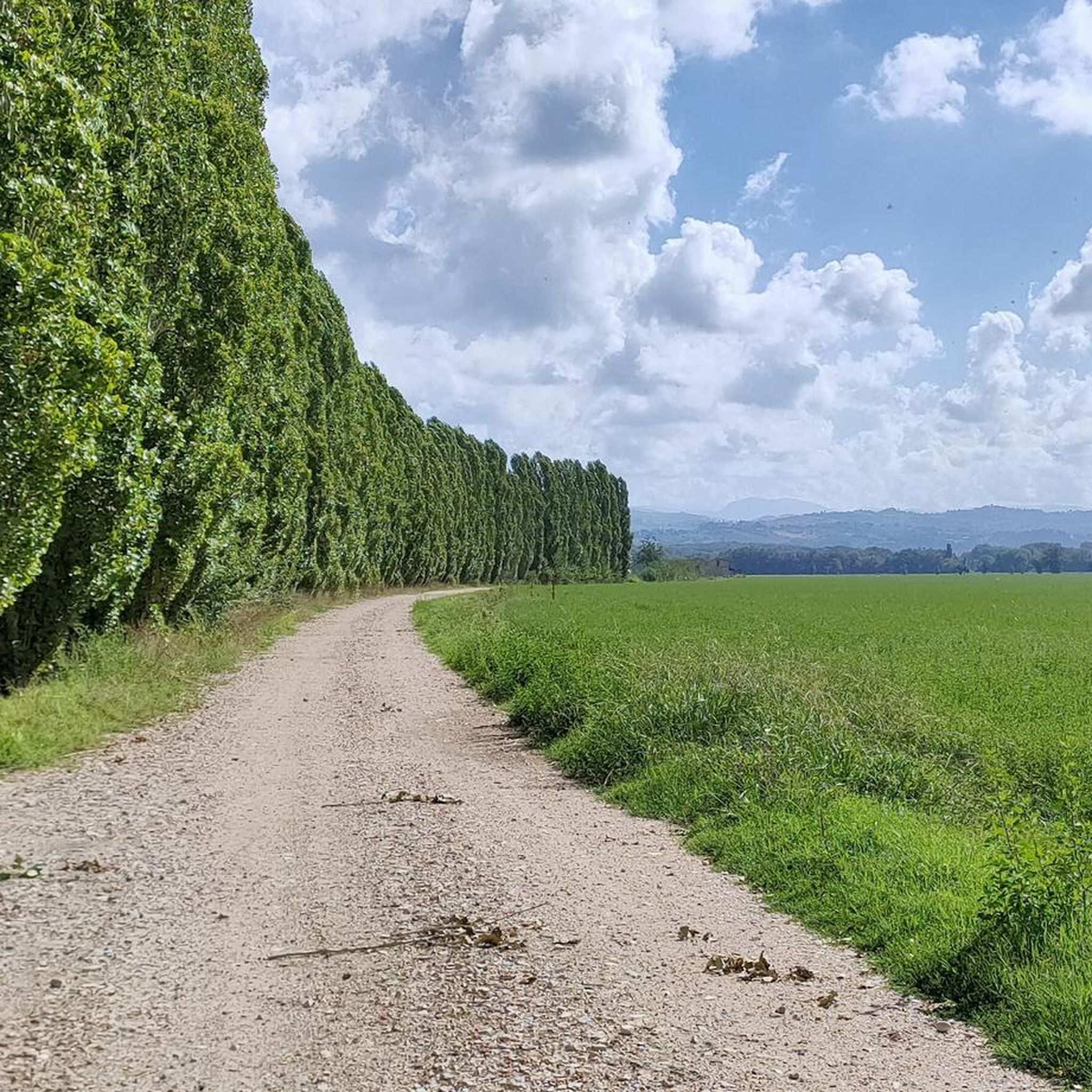
The remains of the ancient Roman city, crossed by the Via Flaminia and lapped by a bend of the Tiber, are set in a natural landscape of remarkable beauty, a perfect synthesis of archeology and nature with a centuries-old history.
0
0

Huge boulder leaning against the rock, looking at it it seems like it is about to fall down. Legend has it that Saint Nonnosus was a monk and that rock is in that spot because he managed to move it from the top of Soratte to make room for a vegetable garden for the monks. Panoramic point
0
0
Remains of a building which legend has it belonged to bandits. Very panoramic point on the path to get to the top of Soratte
0
0
The meri are very deep karst cavities. Easy path to follow. Start from the large Sant'Oreste car park, the one below the road. There are three of them, all close together. On the same path, a little further on, there is the church in the cave of Santa Romana, a beautiful place that deserves to be visited.
0
0

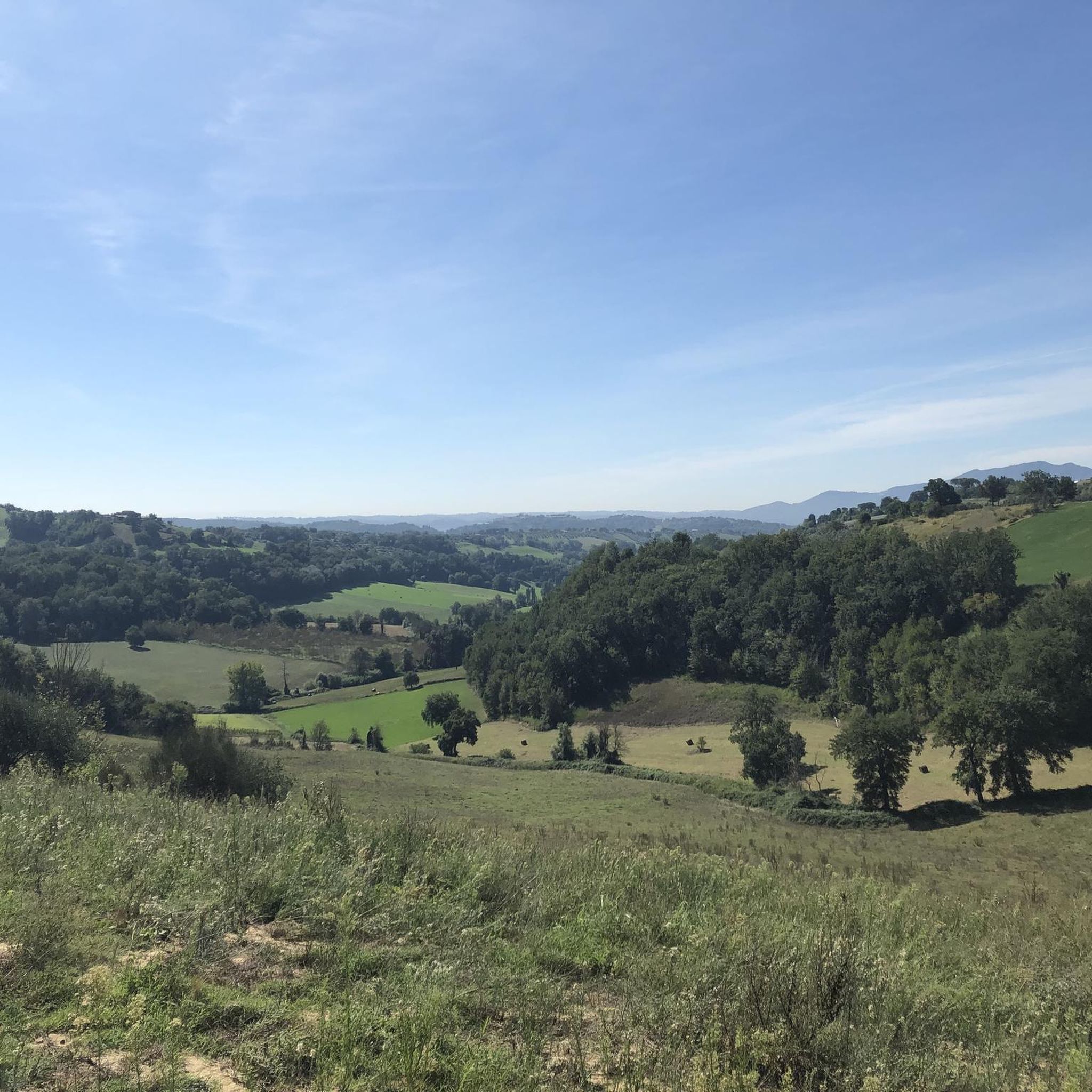
A beautiful walk that winds along the eastern side of Soratte, from which you can then follow other paths to get to the hermitage or go around the mountain
0
0

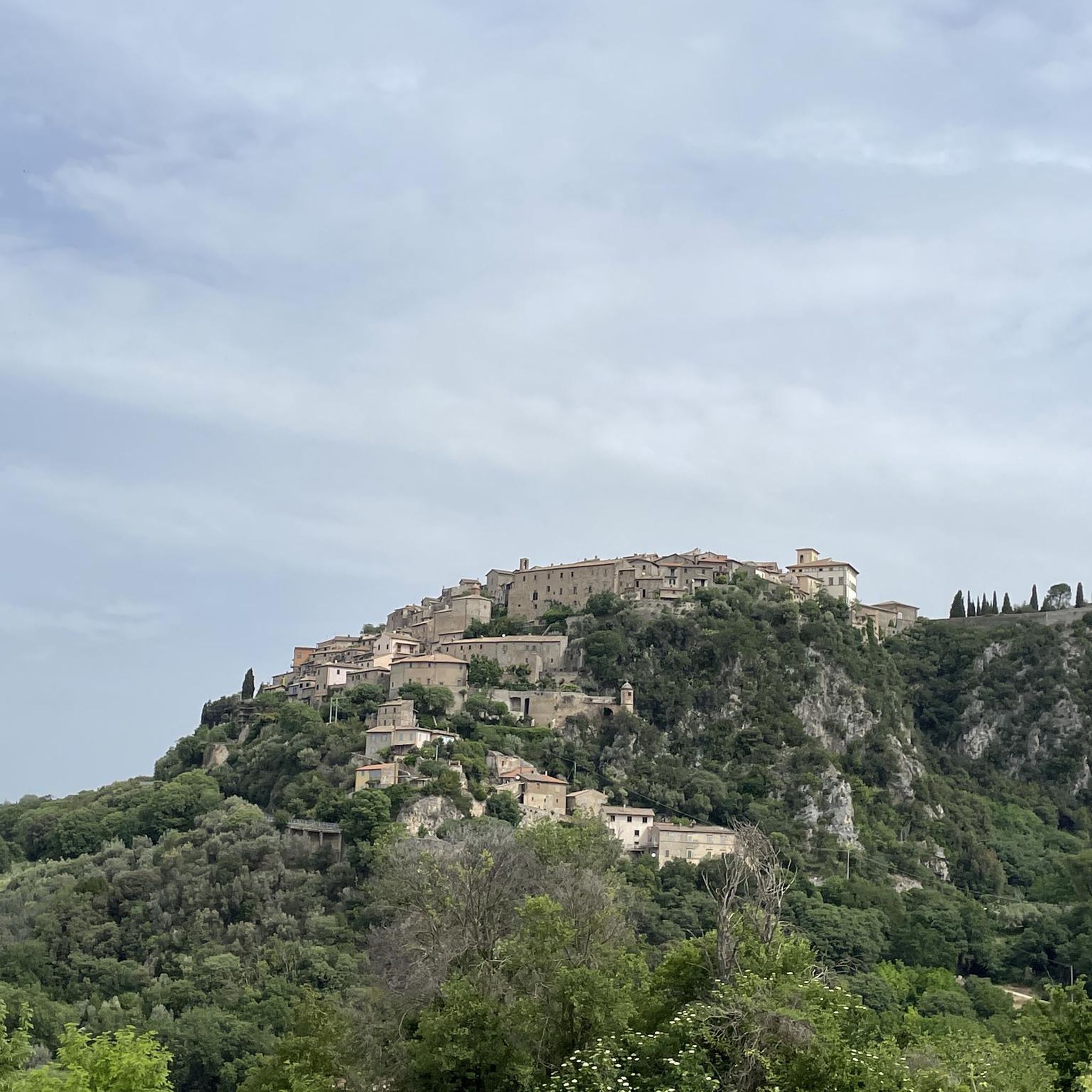
beautiful route which at the beginning appears to be easy, well signposted and with various places to stop; From around the halfway point you start to climb and the difficulty increases as you get to the top. The descent is often even more difficult than the ascent. trekking equipment and clothing recommended.
0
0

This splendid archaeological park from the Roman era can be visited all year round for free. The park extends for 36 hectares from the nearby bend of the Tiber to under the modern Otricoli. Right on the Tiber river there are still the remains of the used Oil Port active until the 16th century. The remains of what were once thermal baths, amphitheaters and villas are perfectly preserved and extraordinarily integrated into the natural context of the area.
2
0

Panoramic point with overhanging rock, watch out for vertigo!
0
0
Frequently Asked Questions
What are some of the most popular natural monuments around Collevecchio?
Visitors frequently enjoy the Meri del Soratte Karst Sinkholes, a unique cave system with three deep karst cavities, and the Ocriculum Archaeological Park, which beautifully integrates Roman ruins with a stunning natural landscape along the Tiber River. Another favorite is San Nonnoso Rock, known for its panoramic views and local legends.
Are there family-friendly natural monuments to visit near Collevecchio?
Yes, both the Ocriculum Archaeological Park and the Meri del Soratte Karst Sinkholes are considered family-friendly. The sinkholes offer an easy path to follow, and the archaeological park provides a spacious, engaging environment for all ages to explore history within nature.
What kind of geological formations can I see in the Collevecchio area?
The region is notable for its karst topography. You can explore the Meri del Soratte Karst Sinkholes, which are very deep karst cavities. Additionally, San Nonnoso Rock is a striking natural formation featuring a large, overhanging boulder.
Which natural monuments offer a blend of history and nature?
The Ocriculum Archaeological Park is an excellent example, where well-preserved Roman ruins like thermal baths and amphitheaters are extraordinarily integrated into a beautiful natural setting along the Tiber River. The Casaccia dei Ladri Ruins also offer a historical site within a panoramic natural landscape.
Where can I find panoramic views of the Collevecchio region?
For expansive views, visit San Nonnoso Rock, a panoramic point with an overhanging boulder. The Monte Soratte Nature Reserve also offers stunning vistas, particularly from the paths leading to the summit or the Hermitage of Saint Sylvester.
Are there hiking trails around Monte Soratte?
Yes, the Monte Soratte Nature Reserve features beautiful routes, some of which can be challenging towards the summit. You can find various hiking options, including a moderate 'Hiking loop from Mount Soratte' and a more difficult 'Sant'Oreste Fitness Trail loop from Mount Soratte'. More details on these trails can be found in the Hiking around Collevecchio guide.
What outdoor activities can I do near Collevecchio's natural monuments?
Beyond exploring the natural monuments themselves, the area offers diverse outdoor activities. You can find numerous hiking trails, including those around Monte Soratte, detailed in the Hiking around Collevecchio guide. For cycling enthusiasts, there are MTB trails and road cycling routes, such as those listed in the MTB Trails around Collevecchio guide and the Road Cycling Routes around Collevecchio guide.
What is the significance of the Tiber River in the Collevecchio area?
The Tiber River is a prominent natural feature, with Collevecchio situated within the Tiber Valley. The river's bend near the Ocriculum Archaeological Park offers a remarkable natural landscape. Historically, the river was vital, with remains of an ancient oil port active until the 16th century located right on its banks, showcasing its long-standing integration with the region's natural and cultural heritage.
Are there any lesser-known natural spots or ruins worth exploring near Collevecchio?
While not as widely known as the main highlights, the Casaccia dei Ladri Ruins offer an interesting historical site with a very panoramic viewpoint on the path to the top of Soratte. Legend has it these ruins belonged to bandits, adding a layer of intrigue to the natural setting.
What makes the Archaeological Area of Poggio Sommavilla significant?
The Archaeological Area of Poggio Sommavilla, a *frazione* of Collevecchio, is significant for its rich natural resources, including extensive cultivated plains and abundant water from the Tiber and L'Aia rivers. These natural features were crucial in attracting prehistoric settlements, highlighting the deep connection between nature and early human habitation in the region. You can learn more about its historical context on Wikipedia.
What do visitors enjoy most about the natural monuments around Collevecchio?
Visitors particularly appreciate the unique synthesis of archaeology and nature found at sites like the Ocriculum Archaeological Park. The deep karst cavities of the Meri del Soratte Karst Sinkholes offer a sense of ancient mystery, while the panoramic views from spots like San Nonnoso Rock are highly valued. The overall experience of exploring historical sites embedded within beautiful natural landscapes is a major draw.
Is the Monte Soratte Nature Reserve suitable for all fitness levels?
The Monte Soratte Nature Reserve offers routes that vary in difficulty. While some sections at the beginning may appear easy and well-signposted, the difficulty increases as you climb towards the summit. Trekking equipment and appropriate clothing are recommended, especially for the more challenging ascents and descents. There are options for moderate hikes, but some trails are considered difficult.
Most popular routes around Collevecchio
Most popular attractions around Collevecchio

Get inspired with the komoot mobile app


Explore more
Extend your search for the best caves by checking out these guides of the top ones around Collevecchio:
