Top 13 Natural Monuments around Roccantica
Best natural monuments around Roccantica are found in a charming village in the Lazio region of Italy, nestled within the Sabine mountains. This area offers panoramic views of the Tiber Valley and provides opportunities for hiking and appreciating diverse landscapes. The region is characterized by unspoiled nature, with rolling hills and dense woodlands. Visitors can explore a rich natural landscape, including mountain peaks and protected river areas.
Best natural monuments around Roccantica
- The most popular natural monuments is Nazzano Tevere-Farfa…
Last updated: June 28, 2026
Nazzano Tevere-Farfa Nature Reserve
Highlight • Natural
Translated by Google •
Tip by

Hermitage of San Cataldo
Highlight • Religious Site
Translated by Google •
Tip by

Sign up now to discover places like this
Get recommendations on the best single tracks, peaks, & plenty of other exciting outdoor places.
Sign up for free
Monte Pizzuto Summit
Highlight • Summit
Translated by Google •
Tip by

Pozze del Diavolo Waterfall
Highlight • Waterfall
Translated by Google •
Tip by

Abbey of Farfa
Highlight • Religious Site
Translated by Google •
Tip by

Sign up for free to discover even more natural monuments around Roccantica.
Sign up for free
Already have an account?
Start today with a free account
Your next adventure awaits.
Login or Signup
Other adventures around Roccantica

Tips from the Community

The San Michele site is accessible but haunted. The Pozze del Diavolo is accessible if you want to wade through flowing water. Very disappointing!!
0
0

Beautiful village with an abbey that is worth a visit. From Fara Sabina there is a very long singletrack that is very fun to do only by MTB
0
0

Laying of the Summit Book together with the CAI Subsection of Guidonia and the CAI Section of Monterotondo
0
0
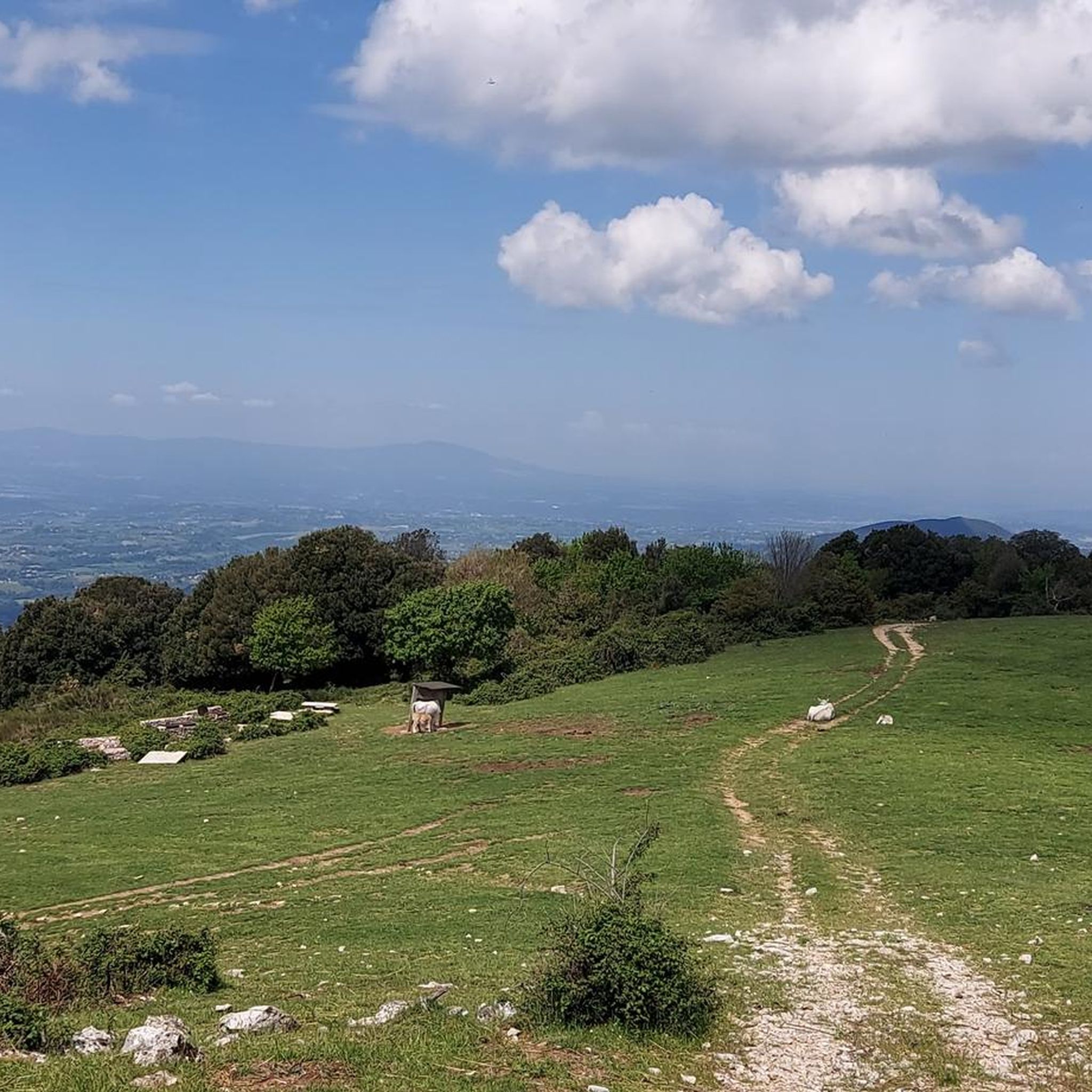
View with Mount Terminillo and Gran Sasso in the background
0
0

The Nazzano Tevere - Farfa Regional Nature Reserve extends upstream of the Enel hydroelectric power plant in Nazzano, and includes the stretch of the Tiber river that goes from the power plant itself to the Poggio Mirteto mountain and along the course of the Farfa river up to the Granica bridge .
0
0

really beautiful place, absolutely worth seeing
0
0

go in the Autumn early Spring period
1
0

It seems that San Cataldo has never actually passed through these places. Yet the legends about the saint are not lacking. It is said that the rock that leads from the hermitage to the valley floor is full of hollows and fissures, marks of the elbows and feet of the saint who went to the stream every day to wash himself. Legends aside, the hermitage is a wonderful example of the union between human architecture and nature. The interior of the chapel and its ancient Byzantine fresco can be visited only during FAI days.
1
0
Frequently Asked Questions
What are some of the most notable natural monuments to visit around Roccantica?
The region around Roccantica offers several significant natural monuments. You can explore the Nazzano Tevere-Farfa Nature Reserve, which is Lazio's first protected natural area, characterized by the Tiber River, its tributary Farfa, and the artificial lake of Nazzano. For breathtaking views, consider ascending Monte Tancia Summit (1,292 m), the highest peak of the Sabine mountains, or Monte Pizzuto Summit, which offers a wide panoramic view of the Tiber Valley and the Central Apennines.
Are there any natural monuments suitable for families with children?
Yes, the Nazzano Tevere-Farfa Nature Reserve is considered family-friendly, offering diverse ecosystems and tranquil settings along the Tiber River. Additionally, the Abbey of Farfa, while a historical site, is also noted as family-friendly and surrounded by greenery, providing a pleasant environment for a visit.
What kind of natural features can I expect to see in the Roccantica area?
The Roccantica area, nestled in the Sabine mountains and overlooking the Tiber Valley, is rich in diverse natural features. You'll find majestic mountain summits like Monte Tancia and Monte Pizzuto offering extensive viewpoints. The Nazzano Tevere-Farfa Nature Reserve features rivers (Tiber, Farfa) and an artificial lake, creating unique wetland ecosystems. You can also discover waterfalls, such as the Pozze del Diavolo Waterfall.
What is the best time of year to visit the natural monuments around Roccantica?
For enjoying the full flow of waterfalls like the Pozze del Diavolo Waterfall, autumn and winter are recommended due to abundant water. Generally, spring and autumn offer pleasant temperatures for hiking and exploring the Sabine mountains and Tiber Valley, with lush greenery in spring and vibrant colors in autumn. Summer can be warm, but higher elevations provide cooler conditions.
Are there opportunities for hiking or cycling near these natural monuments?
Absolutely. The region is ideal for outdoor activities. You can find numerous hiking trails, including the ascent to Monte Tancia Summit. For cycling, the Nazzano Tevere-Farfa Nature Reserve offers nice gravel paths along the Tiber. There are also dedicated guides for various cycling activities: Cycling around Roccantica, MTB Trails around Roccantica, and Road Cycling Routes around Roccantica.
What historical or cultural sites are integrated with the natural landscape?
The Abbey of Farfa is a significant historical and religious site nestled within a green landscape, offering a sense of worship and relaxation. The Hermitage of San Leonardo, though not listed as a highlight, is another example, presumed to date back to the 8th or 9th century and found in a captivating wooded setting, combining natural beauty with historical and artistic interest.
What are the views like from the mountain summits?
The summits in the Sabine mountains offer spectacular panoramic views. From Monte Pizzuto Summit, at 1288 meters, you can see the Tiber Valley, Mount Soratte, and the Central Apennines, including the massifs of Terminillo and Gran Sasso. On clear days, it's even possible to see as far as Rome. Monte Tancia Summit (1,292 m), the highest peak, also provides an incredible panorama of the surrounding region.
Are there any unique natural phenomena or legends associated with the area?
Yes, the San Michele Cave, reachable by a stone staircase through the woods, is associated with a local legend. It's believed that the Archangel Michael imprisoned a demon within the mountain's depths after a battle and now watches over it. This cave and its nearby limestone cliff are also popular for climbers.
What do visitors enjoy most about the natural monuments around Roccantica?
Visitors particularly appreciate the serene natural escapes combined with historical interest, such as the Hermitage of San Leonardo. The panoramic views from summits like Monte Pizzuto are highly praised. The tranquility and diverse ecosystems of areas like the Nazzano Tevere-Farfa Nature Reserve also receive positive feedback, especially for their peaceful gravel paths.
Are there any waterfalls to visit in the Roccantica area?
Yes, you can visit the Pozze del Diavolo Waterfall. To best experience its spectacular view, it is recommended to go in autumn and winter when the water flow is most abundant. It can be reached by mountain bike from the village of Monte San Giovanni.
What kind of terrain can I expect on hiking trails in the Sabine mountains?
Hiking trails in the Sabine mountains, such as those leading to Monte Tancia Summit, can vary. While some ascents are described as simple excursions, paths can be partially shaded. It's worth noting that some sections might be poorly marked, so using a navigation app is advisable. The region features rolling hills and dense woodlands, characteristic of unspoiled nature.
Where can I find information about local wildlife in the nature reserves?
The Nazzano Tevere-Farfa Nature Reserve is a significant site for nature lovers, offering diverse ecosystems shaped by the rivers and lake. It provides opportunities for observing wildlife, particularly bird species associated with wetland environments. While specific details on wildlife are best found through local visitor centers or dedicated nature guides, the reserve is known for its biodiversity.
Are there any climbing spots near the natural monuments?
Yes, the Hermitage of San Leonardo is a popular spot for free climbing, with an equipped crag available for enthusiasts. Additionally, the San Michele Cave and its nearby limestone cliff are also destinations for climbers, offering unique natural settings for the sport.
Most popular attractions around Roccantica

Get inspired with the komoot mobile app


Explore more
Extend your search for the best caves by checking out these guides of the top ones around Roccantica:
