Top 10 Natural Monuments around Sant'Oreste
Best natural monuments around Sant'Oreste are primarily defined by Monte Soratte, an isolated limestone ridge north of Rome. This prominent natural monument is protected as a 444-hectare Natural Reserve, characterized by unique geological formations. The area features diverse ecosystems and holds historical significance, with ancient worship sites and hermitages. Visitors can explore a landscape rich in natural and cultural history.
Best natural monuments around Sant'Oreste
- The most popular natural monuments is Nazzano Tevere-Farfa Nature Reserve, a nature reserve that is a protected natural area located in the Tiber Valley north of Rome. This reserve was the first protected natural area established by the Lazio Region in 1979.
- Another must-see spot is Observation tower overlooking Lake Nazzano, a viewpoint. Visitors can admire the point where the Farfa river flows into the Tiber, a stretch of river that is home to many bird species.
- Visitors also love Meri del Soratte Karst Sinkholes, deep karst cavities. These wells, three in total, were historically considered gateways to the Underworld.
- Sant'Oreste is known for its nature reserves, karst features, and viewpoints. The region offers a variety of natural monuments to see and explore, from river valleys to mountain sinkholes.
- The natural monuments around Sant'Oreste are appreciated by the komoot community, with more than 50 upvotes and 19 photos shared by visitors.
Last updated: June 28, 2026
Nazzano Tevere-Farfa Nature Reserve
Highlight • Natural
Translated by Google •
Tip by

Observation tower overlooking Lake Nazzano
Highlight • Viewpoint
Translated by Google •
Tip by

Sign up now to discover places like this
Get recommendations on the best single tracks, peaks, & plenty of other exciting outdoor places.
Sign up for free
Meri del Soratte Karst Sinkholes
Highlight • Cave
Translated by Google •
Tip by

Monte Soratte Nature Reserve
Highlight • Natural Monument
Translated by Google •
Tip by

San Nonnoso Rock
Highlight • Natural Monument
Translated by Google •
Tip by

Sign up for free to discover even more natural monuments around Sant'Oreste.
Sign up for free
Already have an account?
Start today with a free account
Your next adventure awaits.
Login or Signup
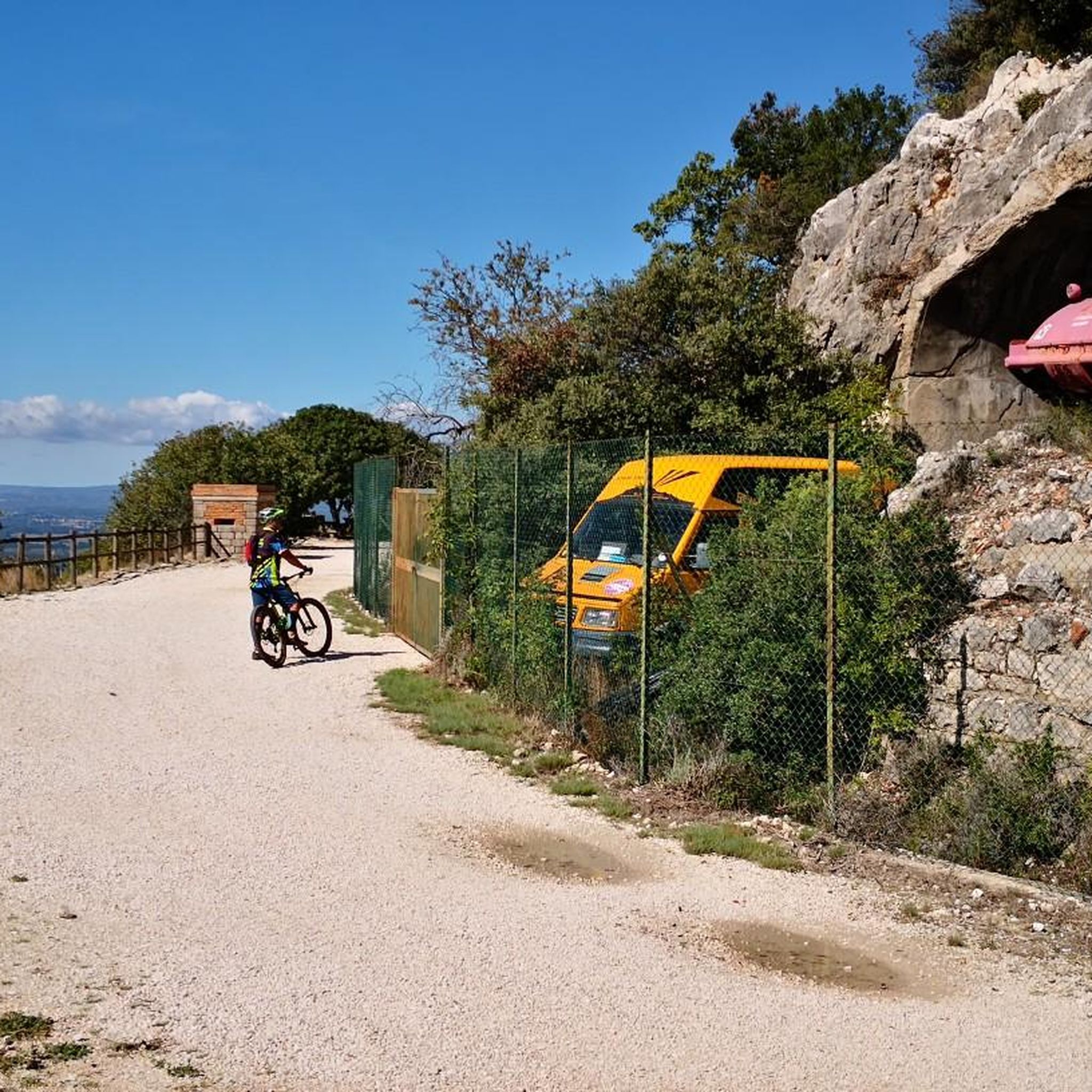
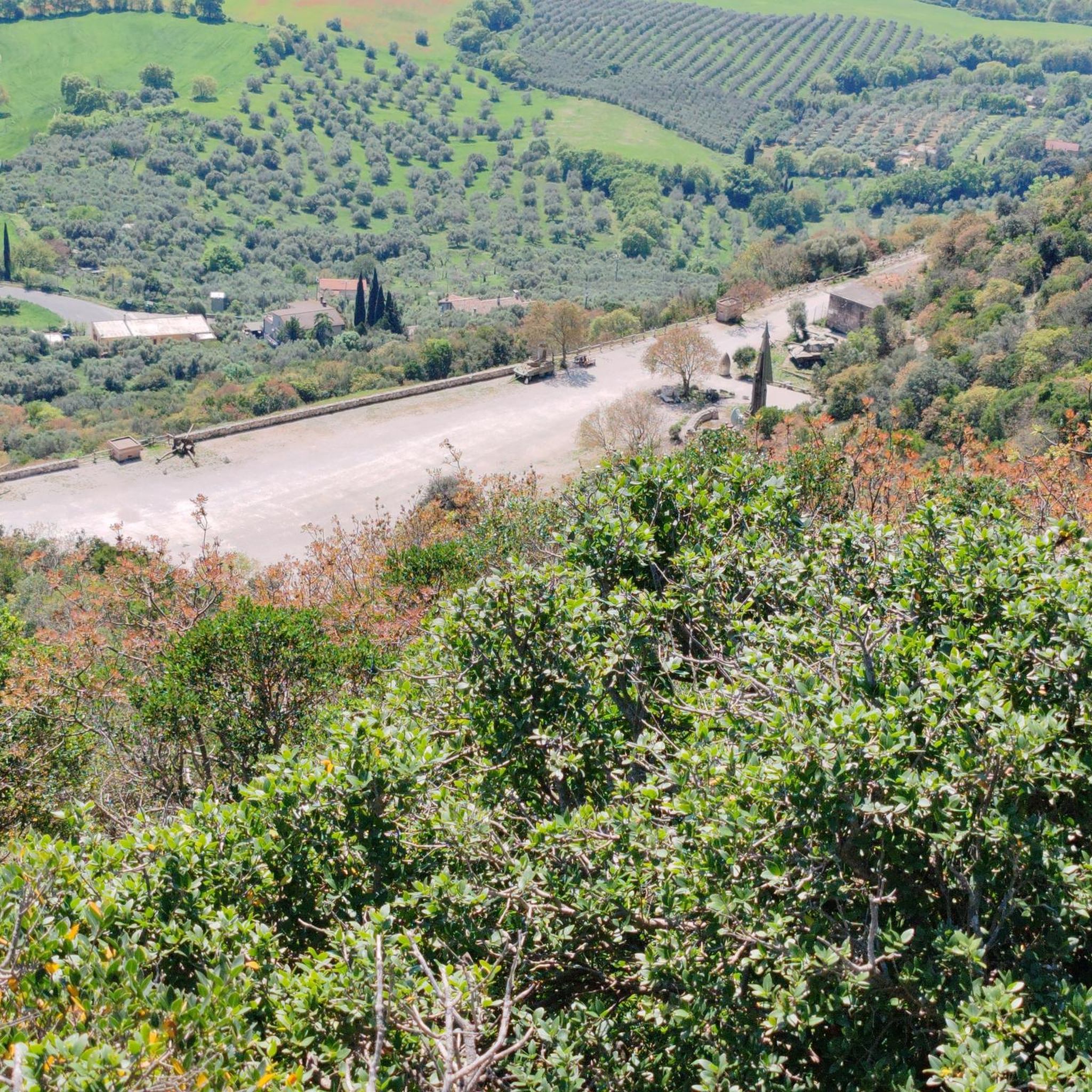

Other adventures around Sant'Oreste

Tips from the Community

The Nazzano Tevere - Farfa Regional Nature Reserve extends upstream of the Enel hydroelectric power plant in Nazzano, and includes the stretch of the Tiber river that goes from the power plant itself to the Poggio Mirteto mountain and along the course of the Farfa river up to the Granica bridge .
0
0

Huge boulder leaning against the rock, looking at it it seems like it is about to fall down. Legend has it that Saint Nonnosus was a monk and that rock is in that spot because he managed to move it from the top of Soratte to make room for a vegetable garden for the monks. Panoramic point
0
0
The meri are very deep karst cavities. Easy path to follow. Start from the large Sant'Oreste car park, the one below the road. There are three of them, all close together. On the same path, a little further on, there is the church in the cave of Santa Romana, a beautiful place that deserves to be visited.
0
0

A beautiful walk that winds along the eastern side of Soratte, from which you can then follow other paths to get to the hermitage or go around the mountain
0
0

Turret along the Tiber
1
0

beautiful route which at the beginning appears to be easy, well signposted and with various places to stop; From around the halfway point you start to climb and the difficulty increases as you get to the top. The descent is often even more difficult than the ascent. trekking equipment and clothing recommended.
0
0

In September 2023 too much vegetation! You can't even walk there. Due to the retreat of the river. Let's hope it gets restored...
0
0

Wooden turret that allows you to admire the point where the Farfa flows into the Tiber. This stretch of river, used as an integral reserve, is home to many species of birds, such as the majestic gray herons.
3
0
Frequently Asked Questions
What are the most prominent natural monuments to explore around Sant'Oreste?
The primary natural monument is the Monte Soratte Nature Reserve, an isolated limestone ridge with significant geological and historical features. Other notable sites include the Nazzano Tevere-Farfa Nature Reserve, known for its river ecosystems, and the intriguing Meri del Soratte Karst Sinkholes.
What geological wonders can I discover on Monte Soratte?
Monte Soratte is a karst mountain, meaning it's rich in unique geological formations. You can explore deep karst cavities known as 'Meri,' some reaching 115 meters deep, which were historically considered gateways to the underworld. The mountain also features numerous caves, such as the Grotta di Santa Lucia and Grotta Azzurra, with impressive stalactites and stalagmites.
Are there any historical or cultural sites within the Monte Soratte Nature Reserve?
Yes, Monte Soratte has a rich history. It was considered a sacred mountain by ancient Italic peoples, and an ancient temple to Apollo is believed to have stood on its summit. The mountain is dotted with several hermitages, including the 6th-century Hermitage of San Silvestro, built over the temple ruins, and others like Sant'Antonio and Santa Lucia. Additionally, beneath the surface, you can find WWII bunkers, some converted into Cold War nuclear shelters, which are now open for guided tours.
What kind of wildlife and plant life can I expect to see in the Monte Soratte Nature Reserve?
The reserve boasts diverse flora and fauna. You might encounter holm oaks, hornbeams, and saffron plants. Wildlife includes wild boar, badgers, eagles, and buzzards, making it a great spot for nature observation.
Are there family-friendly natural monuments or activities around Sant'Oreste?
Yes, several natural monuments are suitable for families. The Nazzano Tevere-Farfa Nature Reserve offers flat gravel paths along the Tiber, ideal for easy walks. The Meri del Soratte Karst Sinkholes are also accessible via an easy path, offering an intriguing natural spectacle for all ages.
What outdoor activities can I do near these natural monuments?
The area around Sant'Oreste offers various outdoor activities. You can enjoy gravel biking, road cycling, and running. For example, there are several gravel biking routes in the Tevere-Farfa Nature Reserve, and running trails like the 'Ring race from Sant'Oreste in the Monte Soratte nature reserve' are available for those who enjoy jogging. You can find more details on running trails and road cycling routes in the region.
Are there hiking trails on Monte Soratte, and what are their difficulty levels?
Monte Soratte offers numerous hiking trails catering to different abilities. The Monte Soratte Nature Reserve has routes that start easy and become more challenging as you ascend towards the summit. Trekking equipment and clothing are recommended for the more difficult sections, especially during descents. Trails offer panoramic views stretching from Monte Terminillo to the Tyrrhenian coastline.
Where can I find panoramic viewpoints in the Sant'Oreste area?
For stunning views, visit the Observation tower overlooking Lake Nazzano, where you can see the Farfa river flowing into the Tiber and observe various bird species. On Monte Soratte, the San Nonnoso Rock offers a panoramic point with an overhanging rock, providing expansive vistas.
What is the best time of year to visit the natural monuments around Sant'Oreste?
The region's natural monuments, particularly Monte Soratte, are enjoyable year-round. Spring and autumn offer pleasant temperatures for hiking and exploring the diverse flora. Summer can be warm, but the higher elevations of Monte Soratte provide cooler air. Winter walks are also possible, offering a different perspective of the landscape.
What do visitors enjoy most about the natural monuments near Sant'Oreste?
Visitors appreciate the unique combination of natural beauty, geological intrigue, and rich historical significance. The peaceful setting of the Nazzano Tevere-Farfa Nature Reserve and the challenging yet rewarding trails of Monte Soratte are frequently highlighted. The deep karst cavities of the Meri del Soratte also captivate many with their ancient mystique.
Are the natural monuments around Sant'Oreste dog-friendly?
Many trails within the natural monuments, especially those in the Monte Soratte Nature Reserve and the flat paths of the Nazzano Tevere-Farfa Nature Reserve, are generally dog-friendly. However, it's always advisable to keep dogs on a leash and check specific reserve regulations before your visit to ensure a pleasant experience for everyone.
How long should I plan for a visit to the natural monuments in this area?
The duration of your visit depends on the specific monument and your activity. A hike on Monte Soratte can range from a few hours to a full day, especially if you explore the hermitages and bunkers. The Nazzano Tevere-Farfa Nature Reserve can be enjoyed for a couple of hours for a leisurely walk or longer for cycling. To experience the main highlights, planning at least a full day or even a weekend is recommended.
Most popular routes around Sant'Oreste
Most popular attractions around Sant'Oreste

Get inspired with the komoot mobile app


Explore more
Extend your search for the best caves by checking out these guides of the top ones around Sant'Oreste:
