Top 7 Natural Monuments around Casaprota
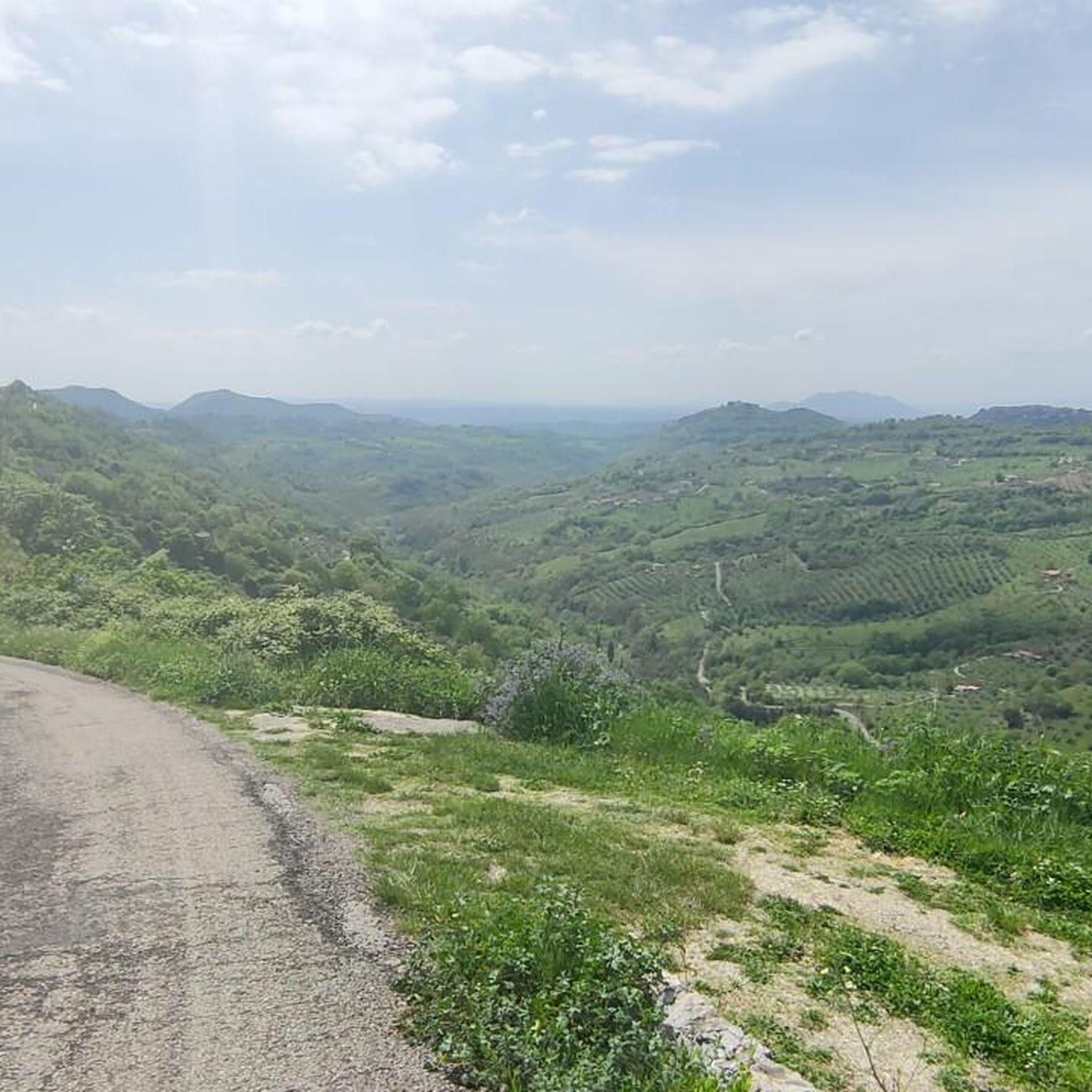
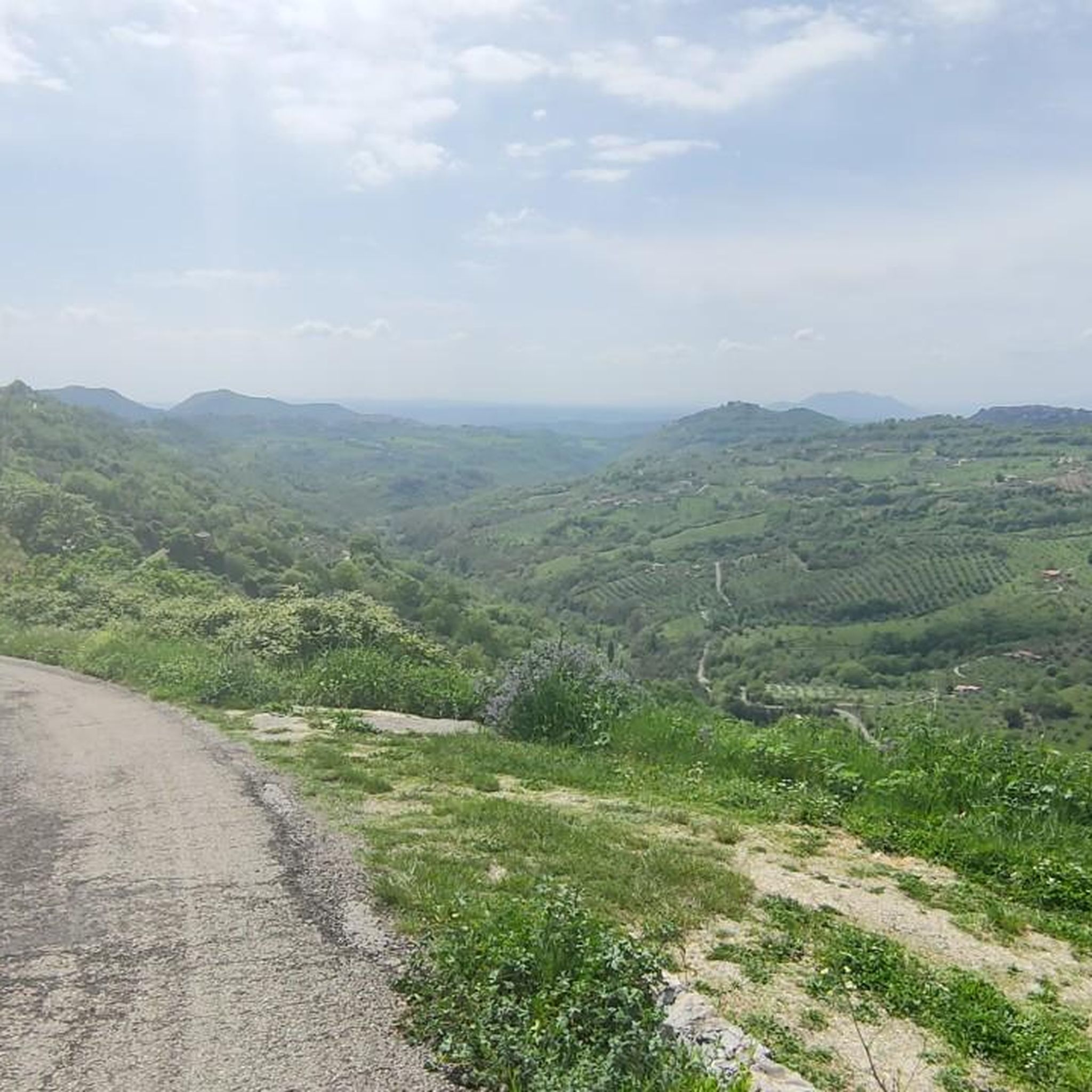
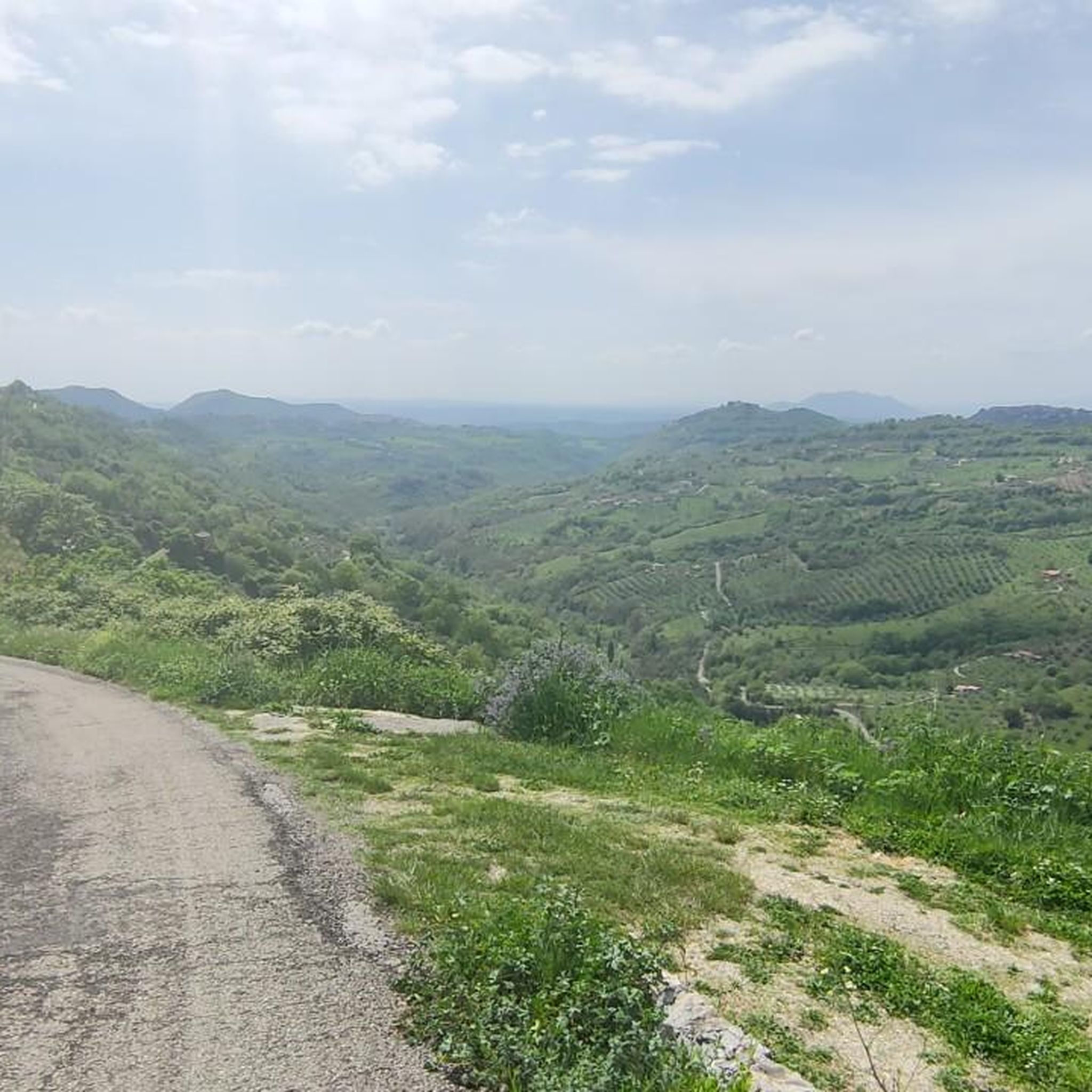
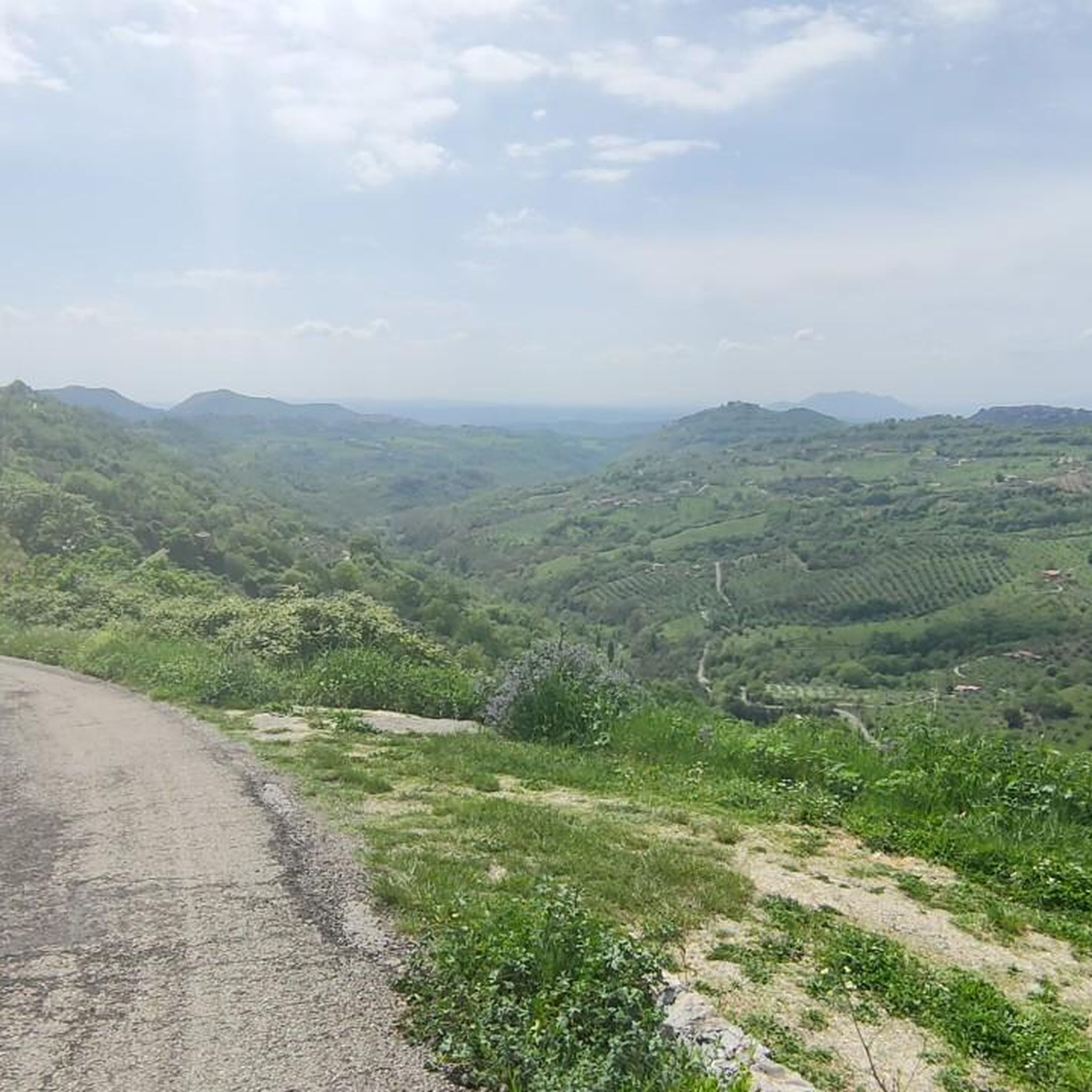
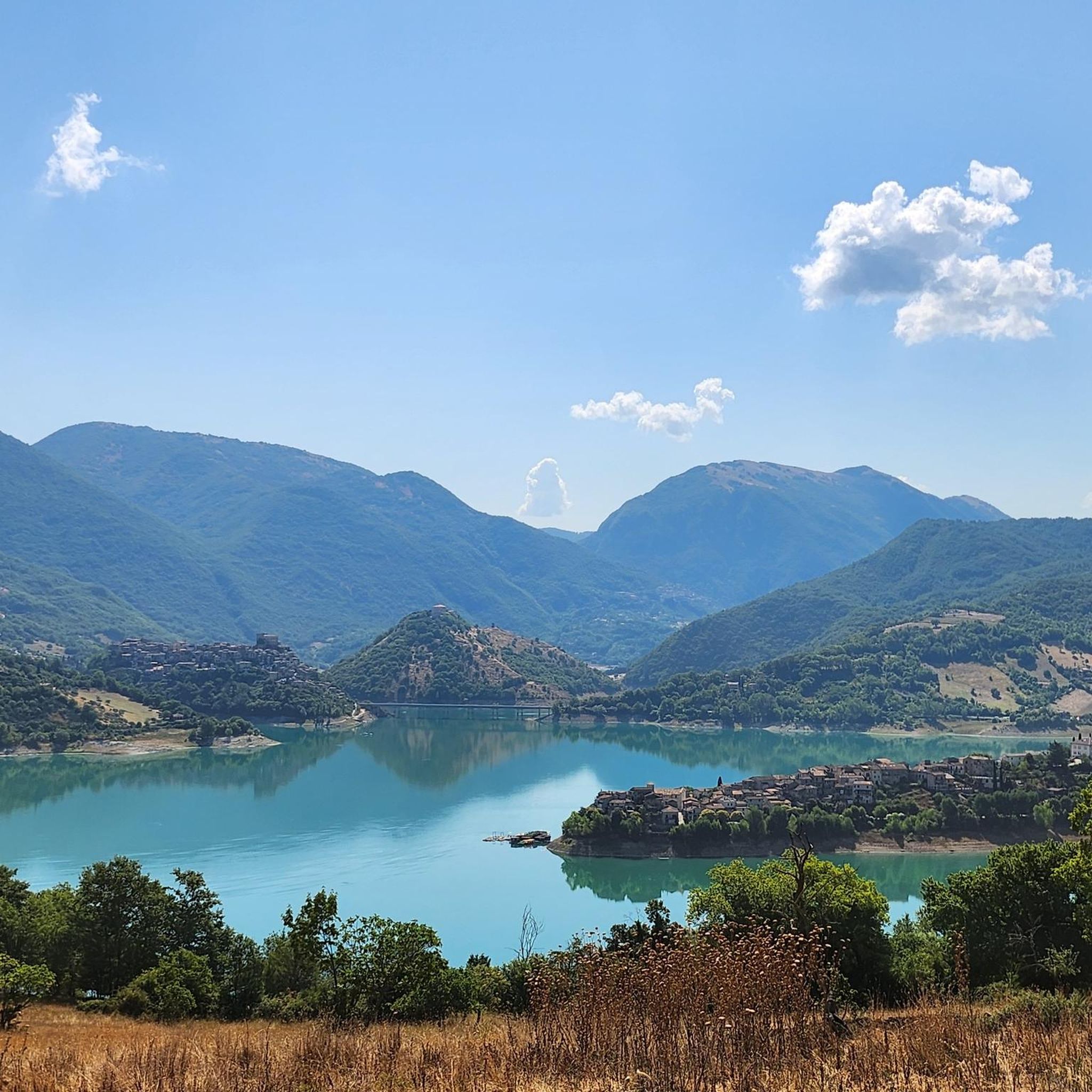
Best natural monuments around Casaprota are found within a natural environment characterized by rolling hills, ancient olive groves, and oak trees. The village is situated in the heart of the Sabina area, offering a landscape dominated by centuries-old olive and oak trees. This region provides opportunities for naturalistic itineraries and outdoor activities, including exploring various naturalistic and archaeological paths. The area's natural beauty, particularly the Sabine landscape, makes it appealing for nature enthusiasts.
Best natural monuments around Casaprota
- The most…
Last updated: June 28, 2026
Pozze del Diavolo Waterfall
Highlight • Waterfall
Translated by Google •
Tip by

Abbey of Farfa
Highlight • Religious Site
Translated by Google •
Tip by

Sign up now to discover places like this
Get recommendations on the best single tracks, peaks, & plenty of other exciting outdoor places.
Sign up for free
Hermitage of San Leonardo
Highlight • Religious Site
It is a real jewel in the mountains, the work of a follower of …
Translated by Google •
Tip by

Southern summit of Monte Tancia
Highlight • Summit
Translated by Google •
Tip by

Acquaviva Waterfall
Highlight • Waterfall
Translated by Google •
Tip by
Sign up for free to discover even more natural monuments around Casaprota.
Sign up for free
Already have an account?
Start today with a free account
Your next adventure awaits.
Login or Signup
Tips from the Community

The San Michele site is accessible but haunted. The Pozze del Diavolo is accessible if you want to wade through flowing water. Very disappointing!!
0
0

Beautiful village with an abbey that is worth a visit. From Fara Sabina there is a very long singletrack that is very fun to do only by MTB
0
0

really beautiful place, absolutely worth seeing
0
0

go in the Autumn early Spring period
1
0

It is not the official summit but it is the most beautiful panoramic point of the small Tancia complex. From here the view spans 360° from the Gran San Sasso to the Lazio coast.
1
0

The Farfa abbey takes its name from the river of the same name (the Farfarus of Ovid) which flows nearby. The abbey is a monastery attributable to the Benedictine congregation.
1
0
Rock hermitage dating back to the 8th-9th century, it takes its name from Leonardo da Noblac. It is a real jewel in the mountains, the work of a follower of the Saint. It consists of two rooms, both carved into the rock: one for living and one for prayer. On the walls some much later frescoes depicting San Leonardo and Santa Caterina.
3
0
Frequently Asked Questions
What kind of natural features can I explore around Casaprota?
The Casaprota area, nestled in the Sabina region, is characterized by rolling hills, ancient olive groves, and oak trees. You'll find a landscape rich in natural beauty, offering opportunities to explore various naturalistic and archaeological paths. The region is particularly known for its centuries-old olive and oak trees, visible from the Valley of the Montenero and Farfa Rivers to the Sabine Mountains.
Are there any notable waterfalls near Casaprota?
Yes, one of the most popular natural monuments is the Pozze del Diavolo Waterfall. It offers a spectacular view, especially when the water is abundant in autumn and winter. It can be reached by mountain bike from Monte San Giovanni, followed by a path leading to the falls.
Where can I find the best panoramic views in the Sabine Mountains near Casaprota?
For incredible panoramic views, consider ascending to the Monte Tancia Summit (1,292 m). This is the highest peak of the Sabine mountains and offers a vast vista. The ascent is considered a simple excursion.
Are there any historical or cultural sites integrated with the natural landscape?
Absolutely. The Hermitage of San Leonardo is a rock hermitage dating back to the 8th-9th century. This unique historical site is carved directly into the rock, consisting of two rooms for living and prayer, offering a glimpse into ancient spiritual practices within a natural setting.
What outdoor activities can I do near the natural monuments around Casaprota?
The region around Casaprota is excellent for various outdoor activities. You can find numerous routes for road cycling, gravel biking, and mountain biking. For example, there are challenging MTB Trails around Casaprota, including routes like the 'Bridge over the Farfa – Acquaviva Waterfall loop'. You can also explore Road Cycling Routes and Gravel Biking routes that traverse the scenic Sabine landscape.
Are there family-friendly natural sites to visit around Casaprota?
Yes, the Abbey of Farfa is considered a family-friendly natural monument. While primarily a religious building and historical site, it's set within a beautiful natural context, offering a pleasant village atmosphere that families can enjoy. The surrounding area also provides naturalistic itineraries suitable for walks.
What is the best season to visit the natural monuments around Casaprota?
To best experience the natural monuments, particularly waterfalls like Pozze del Diavolo, it is preferable to visit in autumn and winter when the water is abundant. However, the rolling hills and olive groves offer beauty year-round, with spring bringing lush greenery and wildflowers, and summer providing warm weather for outdoor activities.
Are there any other significant viewpoints in the Monte Tancia area?
Beyond the main summit, the Southern summit of Monte Tancia offers another beautiful panoramic point within the Tancia complex. From here, you can enjoy a 360° view stretching from the Gran Sasso to the Lazio coast.
What kind of terrain can I expect on hiking trails near Casaprota?
The terrain around Casaprota and the Sabine Hills generally features rolling hills, ancient olive groves, and oak forests. Many trails, especially those leading to summits like Monte Tancia, involve moderate ascents. Some paths may be poorly marked, so using a navigation app is advisable for certain routes.
What do visitors enjoy most about the natural monuments in the Casaprota region?
Visitors frequently appreciate the untouched natural environment, the incredible panoramic views from the summits, and the historical depth found in sites like the rock hermitages. The opportunity to engage in various outdoor activities, from mountain biking to simple excursions, within a serene and picturesque landscape is also highly valued.
Is the Casaprota region suitable for dog-friendly walks?
The natural environment around Casaprota, with its numerous naturalistic paths and trails through olive groves and hills, generally offers good opportunities for dog-friendly walks. Always ensure your dog is on a leash where required and respect local regulations and wildlife.
Most popular attractions around Casaprota

Get inspired with the komoot mobile app


Explore more
Extend your search for the best caves by checking out these guides of the top ones around Casaprota:
