Top 5 Natural Monuments around Furci
Natural monuments around Furci are found in the Abruzzo region of Italy, characterized by its position on hills with the Maiella Mountain and Abruzzo Apennines nearby. The area offers a diverse natural landscape, from lowland forests to coastal environments. Visitors can explore regional nature reserves and scenic viewpoints that highlight the region's geological features and natural beauty. The proximity to the Adriatic Sea also contributes to its varied natural attractions.
Best natural monuments around Furci
- The most popular natural monuments…
Last updated: June 28, 2026
Monument to the Bather of Vasto
Highlight • Monument
Translated by Google •
Tip by

Gardens of Palazzo d'Avalos
Highlight • Historical Site
Translated by Google •
Tip by

Sign up now to discover places like this
Get recommendations on the best single tracks, peaks, & plenty of other exciting outdoor places.
Sign up for free
Bosco di Don Venanzio Regional Nature Reserve
Highlight • Forest
Translated by Google •
Tip by

Marina di Vasto Regional Nature Reserve
Highlight (Segment) • Natural Monument
Highly recommended
Translated by Google •
Tip by
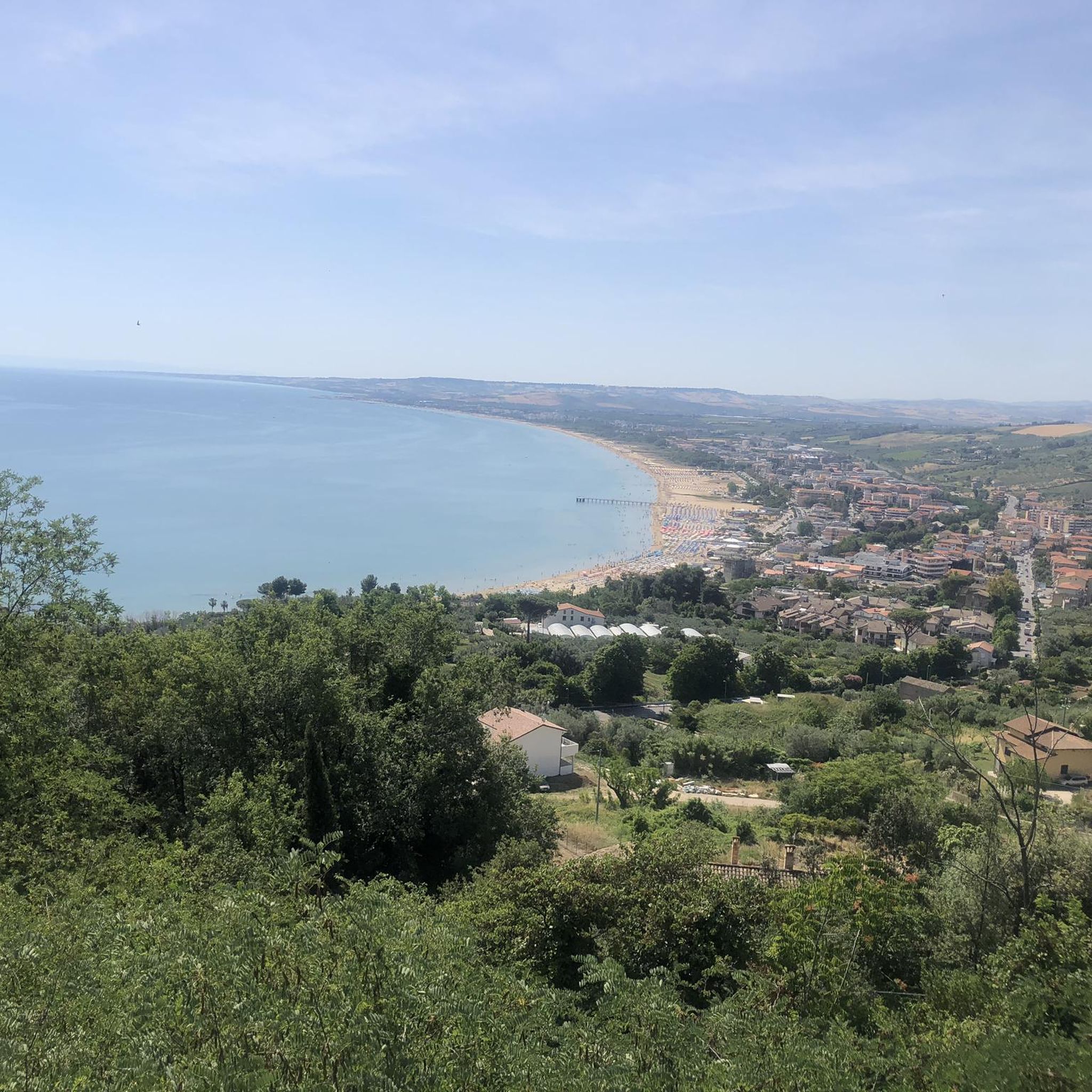
View of Marina di Vasto and the Adriatic Sea from Piazza del Popolo
Highlight • Viewpoint
Translated by Google •
Tip by

Sign up for free to discover even more natural monuments around Furci.
Sign up for free
Already have an account?
Start today with a free account
Your next adventure awaits.
Login or Signup
Tips from the Community

It features the typical characteristics of the gardens and cloisters that were common in the Neapolitan area, especially during the Baroque period: squares of grass divided by brick-paved paths, a central well, fruit trees and ornamental plants with aromatic essences, and columns—all originally plastered—that supported a pergola on wooden crosspieces. (FAI)
0
0
A restoration project has brought to light the late eighteenth-century layout of the garden, which can be reconstructed thanks to period documents and photographic evidence from the early 1900s.
0
0

Beautiful gardens of vast
0
0

A sculptural work by the author Aldo d'Adamo, 3.70 meters high, it shows from afar the agile silhouette of a girl adjusting her bathing suit before diving into the sea. "A tribute to female beauty and the many qualities of women" in the words of the author.
0
1
A sculptural work by Aldo d'Adamo, 3.70 meters high, it shows from afar the agile silhouette of a girl adjusting her bathing suit before diving into the sea. "It is a tribute to female beauty and the multiple qualities of women" in the words of the author.
0
1
A sculptural work by Aldo d'Adamo, 3.70 m high, it shows from afar the agile silhouette of a girl adjusting her bathing suit before diving into the sea. "A tribute to female beauty and the many qualities of women" in the words of the author.
0
0

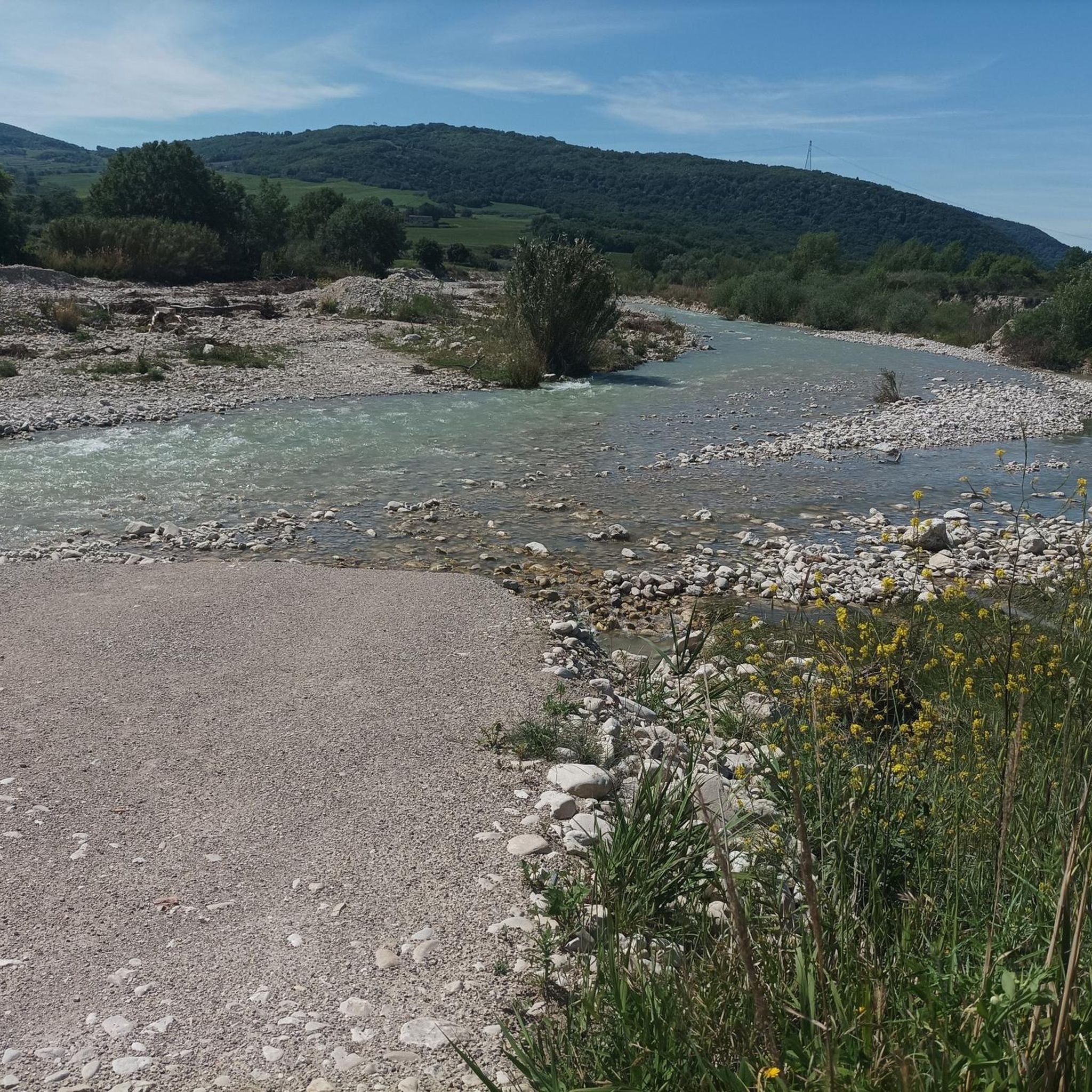
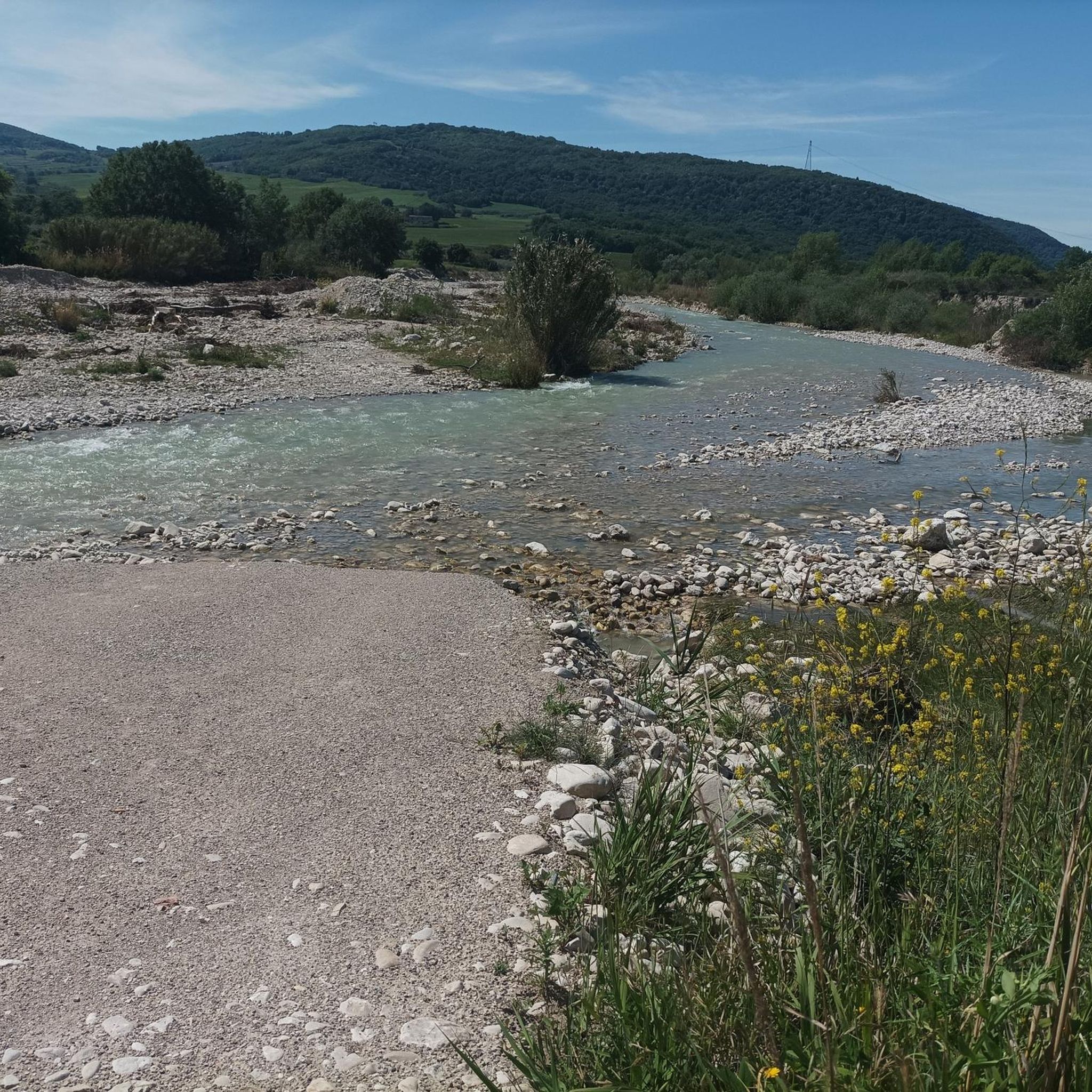
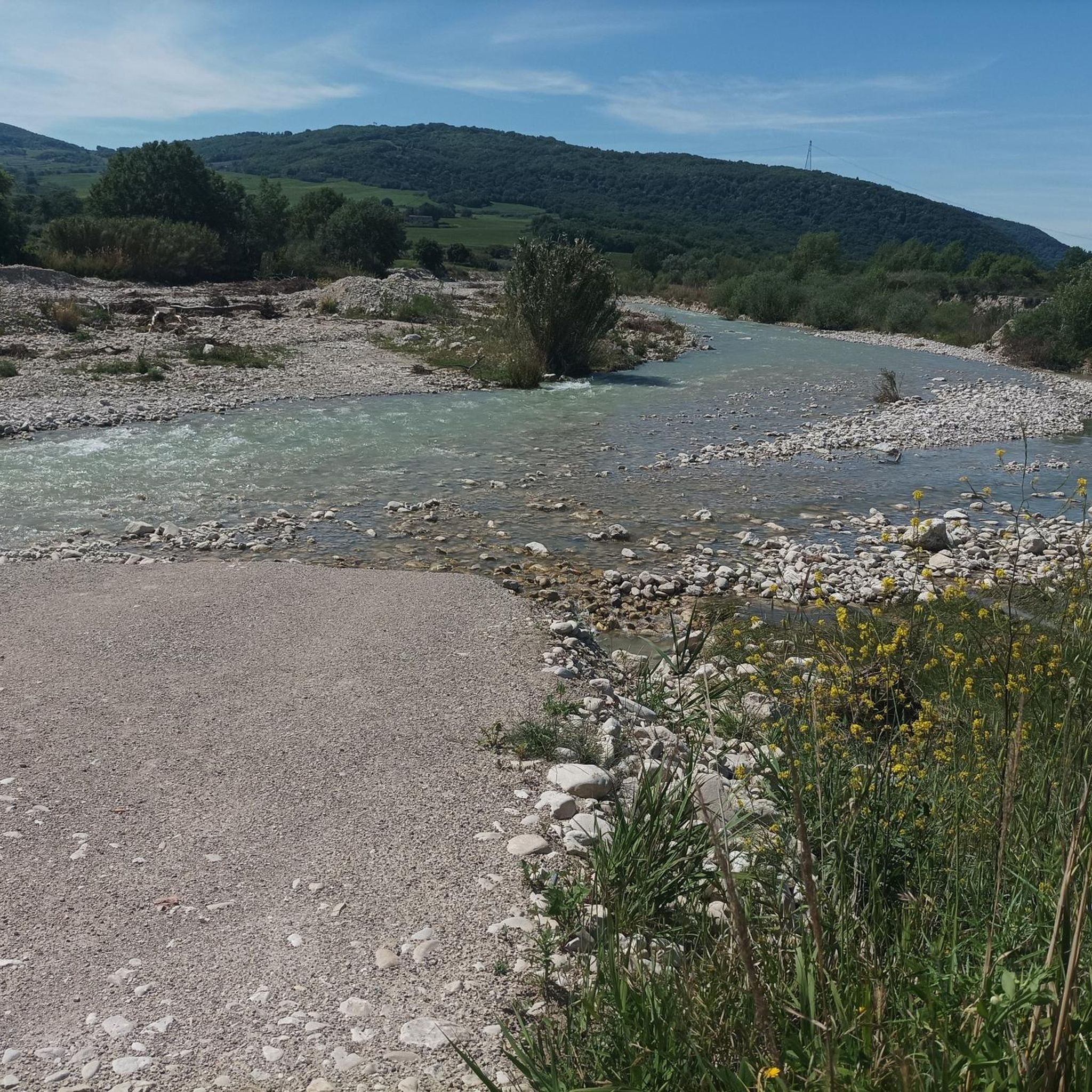
The forest is made up of a series of progressively decreasing river terraces. The first is the one on which the farmhouse stands and is the one where forests have been deforested to make room for crops, it is also the largest and covers the entire Sinello valley. The second, at a difference in altitude of about 7 metres, is the one that hosts the current residual forest. In winter and spring it is often flooded and puddles form, while in the hottest months of the year the ground is completely dry. The next terrace is the one where the Sinello, when in flood, flows and hosts very heterogeneous vegetation. One meter below is the last terrace made up of the river bed made up of limestone and gravel. The climate of the forest is Mediterranean, the average temperature throughout the year is 16°, while the average temperature in July is 25° and in January 6°. The most important tree species are present on the second terrace and are the Cerro, the English oak, the white hornbeam and the ash. There are specimens of trees that reach 25 meters in height. Inside the forest and also in the part of the river that passes through it, a delicate ecosystem survives, in the waters of the Sinello we can find Brasche, Buttercups, Water Celery, Watercress. There are submerged colonies of vegetation that give the waters their characteristic blue-green colour. The fauna of the area is represented by the various migratory birds frequent in the temperate coastal areas, by foxes and badgers, as well as moles and hedgehogs.
0
0
Pollutri can boast the presence, in its territory, of the Don Venanzio forest: a delicate and precious, as well as rare, example of a plain forest, towards which scientists and ecologists have turned their attention, in fact the Don Venanzio forest is one of the last strips of lowland forest on the Adriatic coast. Unfortunately what we can see today is nothing more than what remains of a much larger and more extensive forest near the Sinello river. The Forest card Location: 1 km from the exit Vast North of the A14 Extent: approximately 78 ha Height: 30 m above sea level Owner: Municipality of Pollutri Reserve since: 29/11/1999 LR 128 Structure: Tall forest, spread over a series of river terraces. Vegetation: White poplar, Black poplar, Downy oak, Turkey oak, Ash, White hornbeam and English oak. Shrubs: Dogwood, Ivy, Pendulum sedge, Cornioo, Undergrowth: Apennine anemone, Butcher's broom, Red lily and others. Entrance to the site is free, on request it is possible to take a guided tour. Info: 0872/50357 – 338/5728304 There.
0
0
Frequently Asked Questions
What are some unique natural monuments to visit around Furci?
Beyond the well-known spots, consider exploring the Bosco di Don Venanzio Regional Nature Reserve. This reserve is one of the last remaining lowland forests along the Adriatic coast, offering a unique ecosystem with various tree species and wildlife. It's fully protected and provides equipped paths for exploration.
Are there any significant viewpoints or panoramic spots near Furci?
Yes, for breathtaking views, visit the View of Marina di Vasto and the Adriatic Sea from Piazza del Popolo. This belvedere in Piazza del Popolo offers panoramic vistas of the Adriatic Sea and the Marina di Vasto Regional Nature Reserve.
What kind of natural features can I expect to see in the region around Furci?
The region around Furci, situated in Abruzzo, offers diverse natural features. You'll find lowland forests like the Bosco di Don Venanzio, coastal environments with beaches and typical vegetation at the Marina di Vasto Regional Nature Reserve, and scenic viewpoints overlooking the Adriatic Sea and mountains.
What do visitors particularly enjoy about the natural monuments near Furci?
Visitors appreciate the blend of nature and sea, especially at places like the Marina di Vasto Regional Nature Reserve, which is highly recommended for walks. The panoramic views, such as those from Piazza del Popolo, are also a major draw, offering splendid sights of the Adriatic and the nature reserve.
Are there opportunities for hiking or trekking near Furci's natural monuments?
Yes, the region offers various routes. For example, the MTB Trails around Furci guide includes routes like 'The Bather Monument loop from San Salvo' which can be explored. The Bosco di Don Venanzio also has equipped paths for walking and exploring the woods.
What about cycling or mountain biking routes near these natural monuments?
There are several cycling opportunities. You can find road cycling routes in the Road Cycling Routes around Furci guide, including loops like 'Mouth of the Sinello River – Mouth of the Sangro River'. For mountain biking, the MTB Trails around Furci guide offers options such as 'Punta Aderci Nature Reserve – Punta Aderci Nature Trail loop'.
Are the natural monuments around Furci suitable for families?
Many natural monuments in the area are family-friendly. The Bosco di Don Venanzio Regional Nature Reserve has equipped paths suitable for families, and the Marina di Vasto Regional Nature Reserve is great for walks along the sea. Viewpoints like the one in Piazza del Popolo are also accessible for all ages.
When is the best time of year to visit the natural monuments around Furci?
The climate of the forest areas like Bosco di Don Venanzio is Mediterranean, suggesting pleasant conditions for much of the year. Spring and autumn generally offer mild temperatures ideal for exploring. Coastal areas are also enjoyable during these seasons, though summer is popular for beach activities.
What kind of wildlife can be observed in the natural reserves?
In the Bosco di Don Venanzio Regional Nature Reserve, you can observe various migratory birds, foxes, badgers, moles, and hedgehogs. The Sinello river's waters within the reserve also host buttercups, water celery, and watercress.
Are there easy trails for beginners or those looking for a relaxed walk?
Yes, the Bosco di Don Venanzio Regional Nature Reserve features equipped paths that allow for easy exploration of the woods. The Marina di Vasto Regional Nature Reserve also provides opportunities for relaxed walks along the coast.
What are the parking options near these natural monuments?
For the Bosco di Don Venanzio Regional Nature Reserve, the entrance is located about one kilometer from the Vasto Nord - Casalbordino exit of the A14, towards Gissi, implying parking availability nearby. For other sites, parking is generally available in the vicinity of popular attractions and viewpoints.
Are there any historical sites that are also considered natural monuments?
The Gardens of Palazzo d'Avalos are a notable example. While primarily a historical site, its wonderful garden overlooking the sea, with its restored late eighteenth-century architectural structure and panoramic terrace, is also recognized as a natural monument, blending cultural heritage with natural beauty.
Most popular attractions around Furci

Get inspired with the komoot mobile app


Explore more
Extend your search for the best caves by checking out these guides of the top ones around Furci:
