Top 15 Natural Monuments around San Gregorio Da Sassola
Best natural monuments around San Gregorio Da Sassola are found within the Lazio region of Italy, specifically in the Monti Prenestini Regional Park. This area is characterized by its natural beauty, featuring lush forests, streams, and panoramic viewpoints. The region also integrates ancient Roman hydraulic structures with its natural landscape, offering a unique blend of historical engineering and wild nature. These features provide diverse experiences for outdoor exploration.
Best natural monuments around San Gregorio Da Sassola
- The most popular natural…
Last updated: June 28, 2026
Fountain of the Organ, Villa d'Este
Highlight • Monument
Cardinal …
Translated by Google •
Tip by

Monumental Oak of Pierluigi da Palestrina
Highlight • Natural Monument
Translated by Google •
Tip by

Sign up now to discover places like this
Get recommendations on the best single tracks, peaks, & plenty of other exciting outdoor places.
Sign up for free
Fountain of the Ovato
Highlight • Monument
Translated by Google •
Tip by
Fountain of Rome (Rometta), Villa d'Este
Highlight • Monument
Translated by Google •
Tip by
Monte Calo Summit
Highlight • Summit
Translated by Google •
Tip by
Sign up for free to discover even more natural monuments around San Gregorio Da Sassola.
Sign up for free
Already have an account?
Start today with a free account
Your next adventure awaits.
Login or Signup

Tips from the Community

The most unique fountain of all uses a hydraulic organ.
7
0
A fountain featuring figures such as Romulus and Remus,
6
0
Beautifully refreshing, perfectly designed
7
0

The "Oak of Pierluigi da Palestrina" is a monumental downy oak located in the Cannuccete Valley, in the Prenestini Mountains, not far from Palestrina. This centuries-old tree, over 20 meters tall and with a circumference of over six meters, is considered one of the oldest and most impressive trees in Lazio. It is estimated to be between 500 and 700 years old. According to local tradition, the famous musician Giovanni Pierluigi da Palestrina loved to go to the foot of this oak tree to find inspiration and moments of reflection. Legend has it that the composer meditated and perhaps composed some of his works in the shade of this tree, although these details are not confirmed by historical sources.
0
0

Declared a World Heritage Site by UNESCO in 2001, the villa, with its impressive concentration of fountains, nymphaeums, grottos, water features and the water organ, is a masterpiece of Italian garden art.
2
0

Take a peek at the Pierluigi Oak, a magnificent tree that is about 500 years old. The tale behind this tree is about Giovanni Pierluigi da Palestrina, a composer from the late 1500s. He enjoyed coming here to contemplate and find inspiration beneath it's shade.
0
0

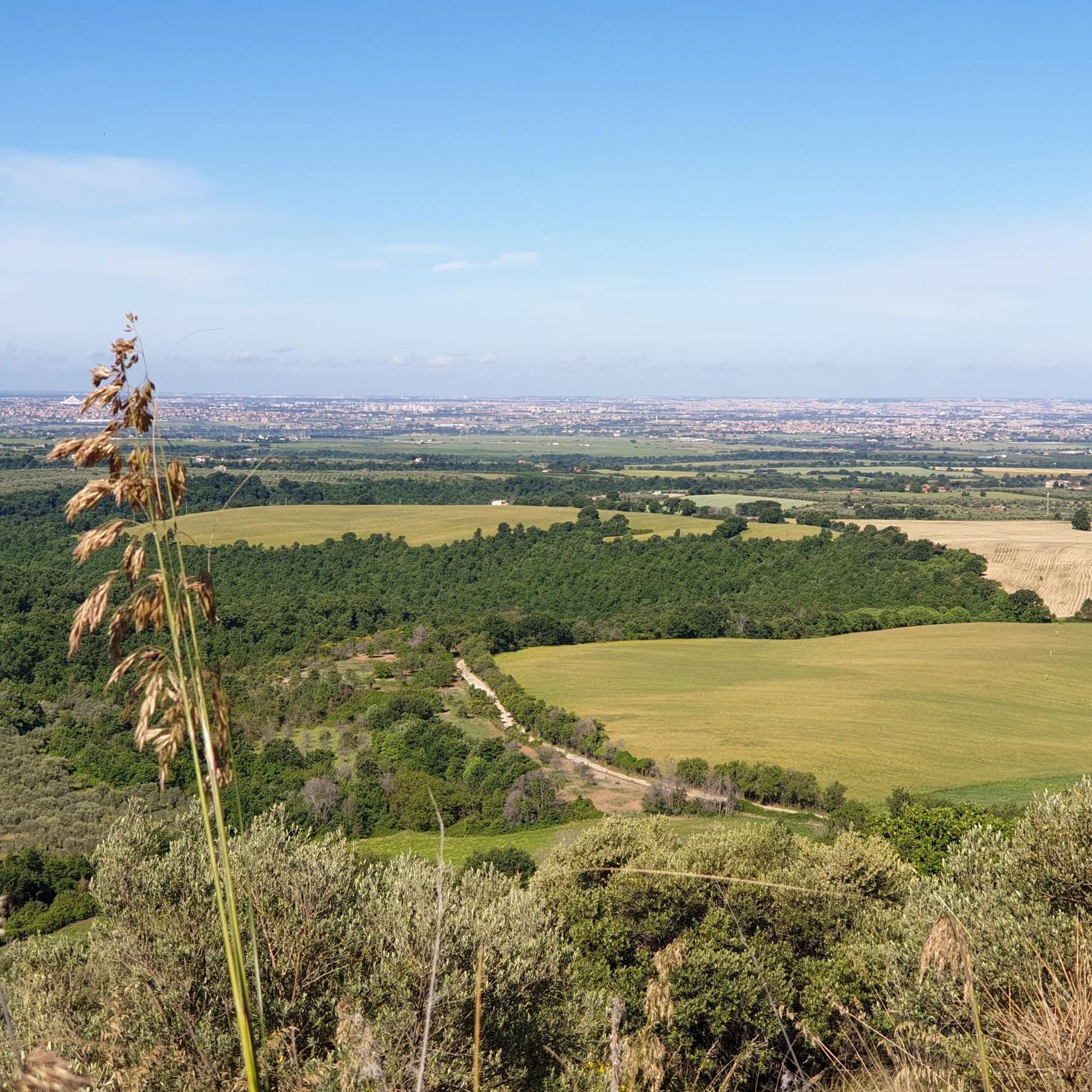
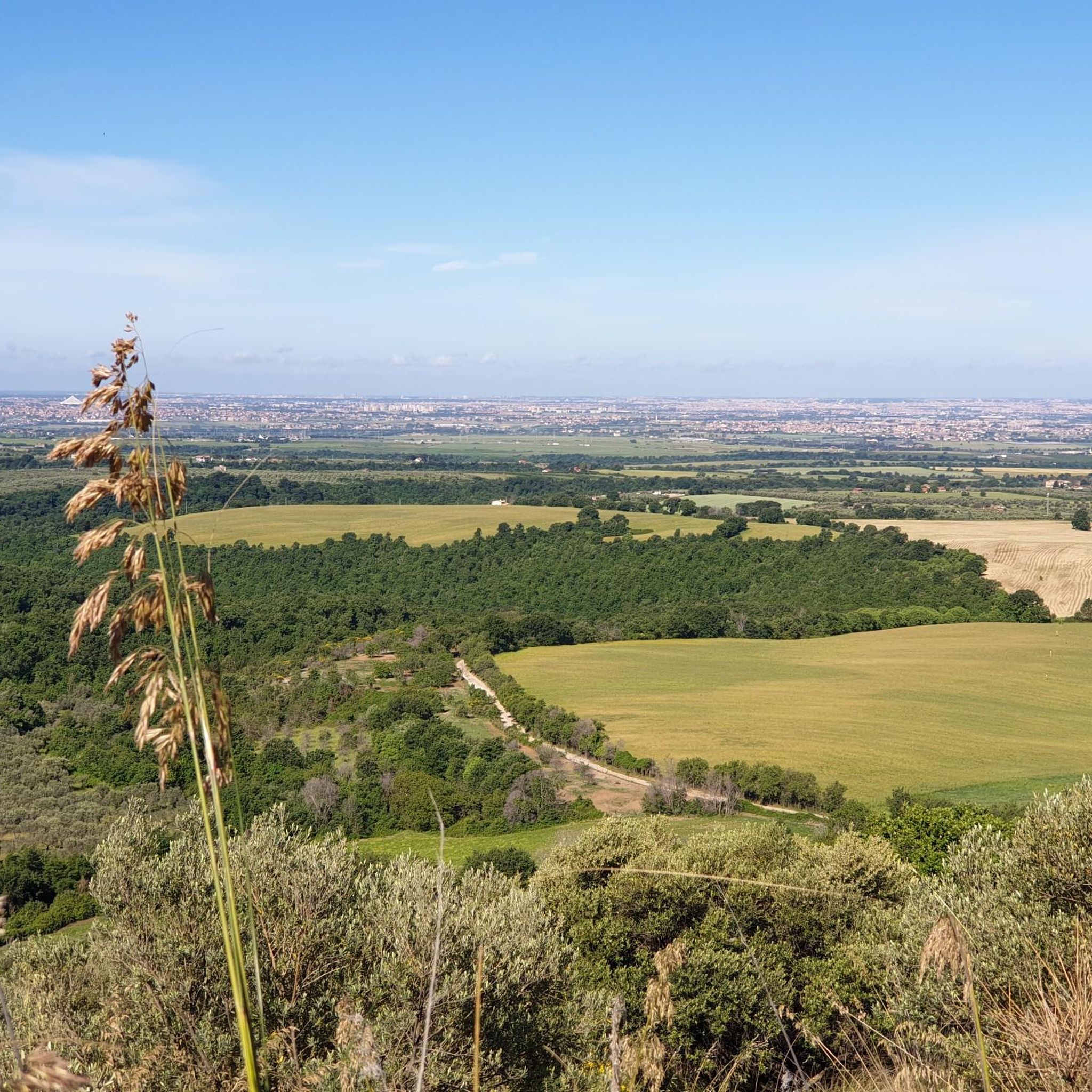
From the modest top of Monte Calo, 1,152 metres, there is a beautiful panorama both towards Rome and towards the rocky walls of Monte Guadagnolo, recognizable by the towering antennas. Easily reachable from Rome, it is a perfect place for a picnic or to see the stars on beautiful summer evenings and enjoy a refreshing refreshment!
4
0
This monumental oak is thought to be at least 500 years old, stands 22 meters tall and has a circumference of approximately six metres. Legend has it that the great sixteenth-century musician Pierluigi da Palestrina went to these woods to draw inspiration for his compositions. It is visible by moving slightly north from the path that runs through the Valle delle Cannuccette.
2
0
Frequently Asked Questions
What unique natural monuments can I explore around San Gregorio da Sassola?
The region around San Gregorio da Sassola, nestled within the Monti Prenestini Regional Park, offers a unique blend of natural beauty and ancient Roman engineering. You can explore the impressive Roman hydraulic structures, often called the “Giants of Water,” which are ancient aqueducts integrated into the natural landscape. These include sites like Ponte Sant'Antonio and Ponte della Mola, found within ravines like the Fosso dell'Acqua Raminga and Fosso della Mola.
Are there any significant ancient trees or forests to visit?
Yes, a notable natural monument is the Monumental Oak of Pierluigi da Palestrina. This ancient oak is estimated to be between 500 and 700 years old, standing over 20 meters tall with a circumference exceeding six meters. It's located in the Cannuccete Valley and offers a serene forest experience.
What kind of views can I expect from the natural monuments in the area?
For panoramic views, the Monte Calo Summit is highly recommended. From its modest top at 1,152 meters, you can enjoy beautiful vistas towards Rome and the rocky walls of Monte Guadagnolo. It's also a great spot for a picnic or stargazing on clear evenings.
What are the most impressive water features or ravines to see?
The Fosso dell'Acqua Raminga is considered one of the most fascinating natural areas, featuring a series of natural pools and spectacular stepped cascades. It's crossed by the immense Ponte Sant'Antonio, a Roman bridge 32 meters high. Another significant ravine is the Fosso della Mola, which also hosts ancient Roman bridges like Ponte della Mola and Ponte San Pietro, notable for its waterfall.
Are there hiking trails suitable for different skill levels near San Gregorio da Sassola's natural monuments?
Yes, the Monti Prenestini Regional Park offers numerous hiking trails. The “Ring of the Water Giants” is an adventurous route connecting several Roman hydraulic structures through streams and ancient roads. For a more gentle hike with historical significance, consider the Karol Wojtyła Trail, which leads to the Sanctuary of Mentorella and is particularly recommended in spring. You can find various running trails in the area, including options like the Monte Catillo – Colle Lecinone loop, which is considered difficult, or the moderate Villa di Bruto loop. Explore more options on the Running Trails around San Gregorio Da Sassola guide.
What kind of outdoor activities are available besides hiking?
Beyond hiking, the area around San Gregorio da Sassola is excellent for cycling. You can find numerous routes for both road cycling and touring bicycles. For example, road cyclists might enjoy the challenging Aniene Waterfalls – Orvinio Historic Center loop, while touring cyclists could explore the Borgo di Poli – Rocca Pia of Tivoli loop. Discover more routes on the Road Cycling Routes around San Gregorio Da Sassola guide and the Cycling around San Gregorio Da Sassola guide.
Are there family-friendly natural monuments or trails in the area?
Several natural monuments and nearby attractions are considered family-friendly. The Fountain of the Ovato and the Fountain of the Organ, Villa d'Este are man-made monuments with natural elements that are enjoyable for families. The Monte Calo Summit is also easily reachable and suitable for family picnics.
What is the best season to visit the natural monuments around San Gregorio da Sassola?
The Monti Prenestini Regional Park, where San Gregorio da Sassola is located, is beautiful year-round. However, spring is particularly recommended for hiking, especially for trails like the Karol Wojtyła Trail, when the weather is mild and the vegetation is lush. Summer evenings are ideal for visiting spots like Monte Calo Summit to enjoy a refreshing atmosphere and stargazing.
What do visitors enjoy most about the natural monuments in this region?
Visitors particularly appreciate the unique combination of natural beauty and historical significance. The blend of ancient Roman engineering, like the aqueducts, with wild nature is often highlighted as incomparable. The serene environment of the Monti Prenestini, the panoramic views from summits, and the impressive water features like cascades and natural pools are also highly valued.
Are there any natural monuments that are also historical sites?
Absolutely. The region is rich in natural monuments that are intertwined with history. The “Giants of Water,” which are ancient Roman aqueducts and hydraulic structures found within the dense vegetation of the Prenestini Mountains, are prime examples. These include the monumental Ponte Sant'Antonio and Ponte della Mola, which are ancient bridges crossing natural ravines like the Fosso dell'Acqua Raminga and Fosso della Mola. The Karol Wojtyła Trail also combines natural beauty with historical and religious significance.
Where can I find accommodation or places to eat near the natural monuments?
While the natural monuments themselves are often in more secluded areas, the village of San Gregorio da Sassola and nearby towns offer various options for accommodation, cafes, pubs, and restaurants. It's advisable to check local listings for specific establishments in San Gregorio da Sassola or the larger town of Tivoli, which is also close by.
What are the geological features that make this area unique?
The area's geology is characterized by the Monti Prenestini, which feature lush forests, streams, and ravines with impressive water features. The Fosso dell'Acqua Raminga, for instance, is known for its natural pools and spectacular stepped cascades delimited by calcareous concretions, showcasing unique geological formations shaped by water over time.
Most popular routes around San Gregorio Da Sassola
Most popular attractions around San Gregorio Da Sassola

Get inspired with the komoot mobile app


Explore more
Extend your search for the best caves by checking out these guides of the top ones around San Gregorio Da Sassola:
