Top 4 Natural Monuments around Trinitapoli
Best natural monuments around Trinitapoli include significant natural areas and historical sites. The region is characterized by its proximity to the Adriatic Sea and rich agricultural landscapes. A prominent feature is the expansive Saline di Margherita di Savoia, one of Europe's largest salt pans. This area offers a unique blend of ecological importance and historical industry, making it a notable destination for nature enthusiasts.
Best natural monuments around Trinitapoli
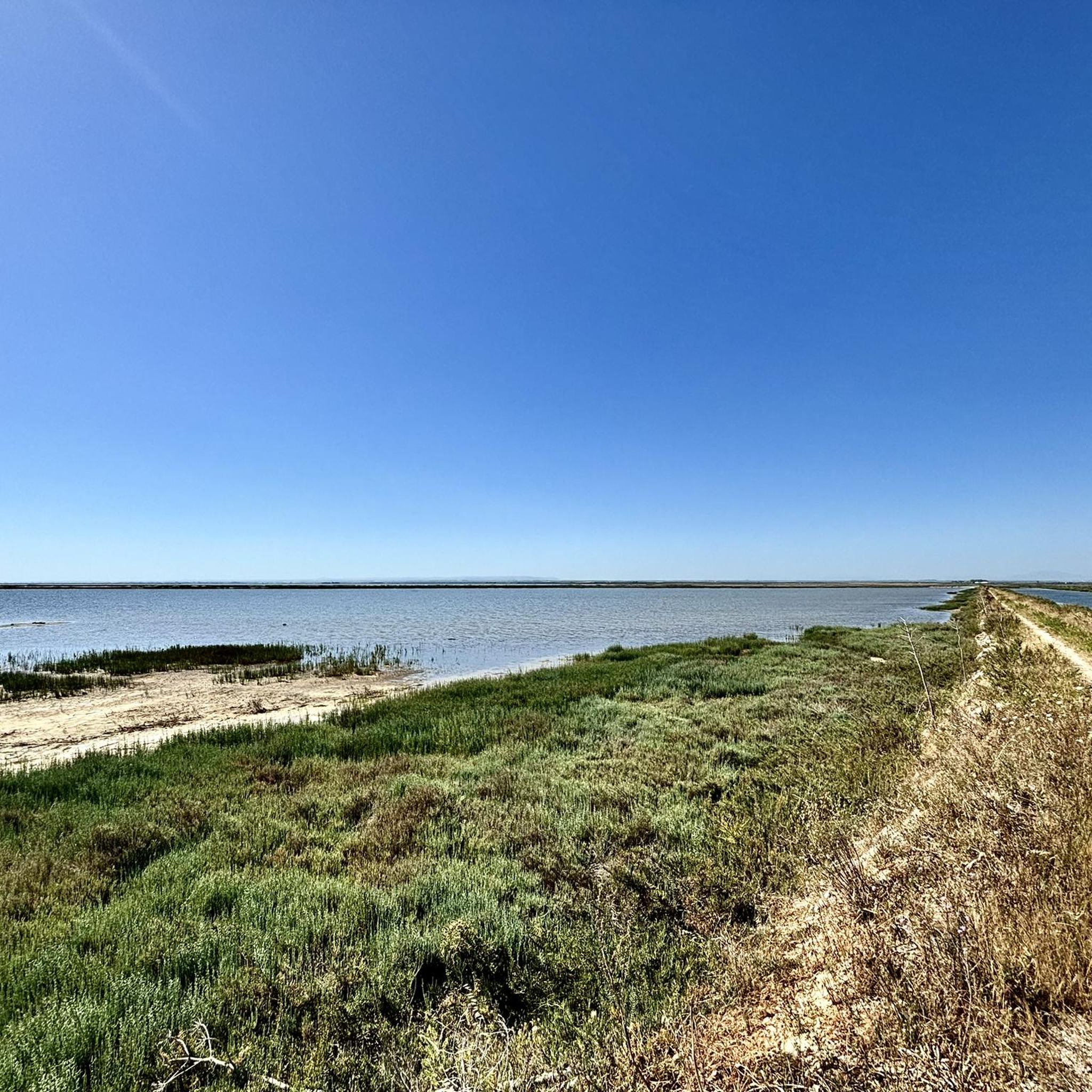
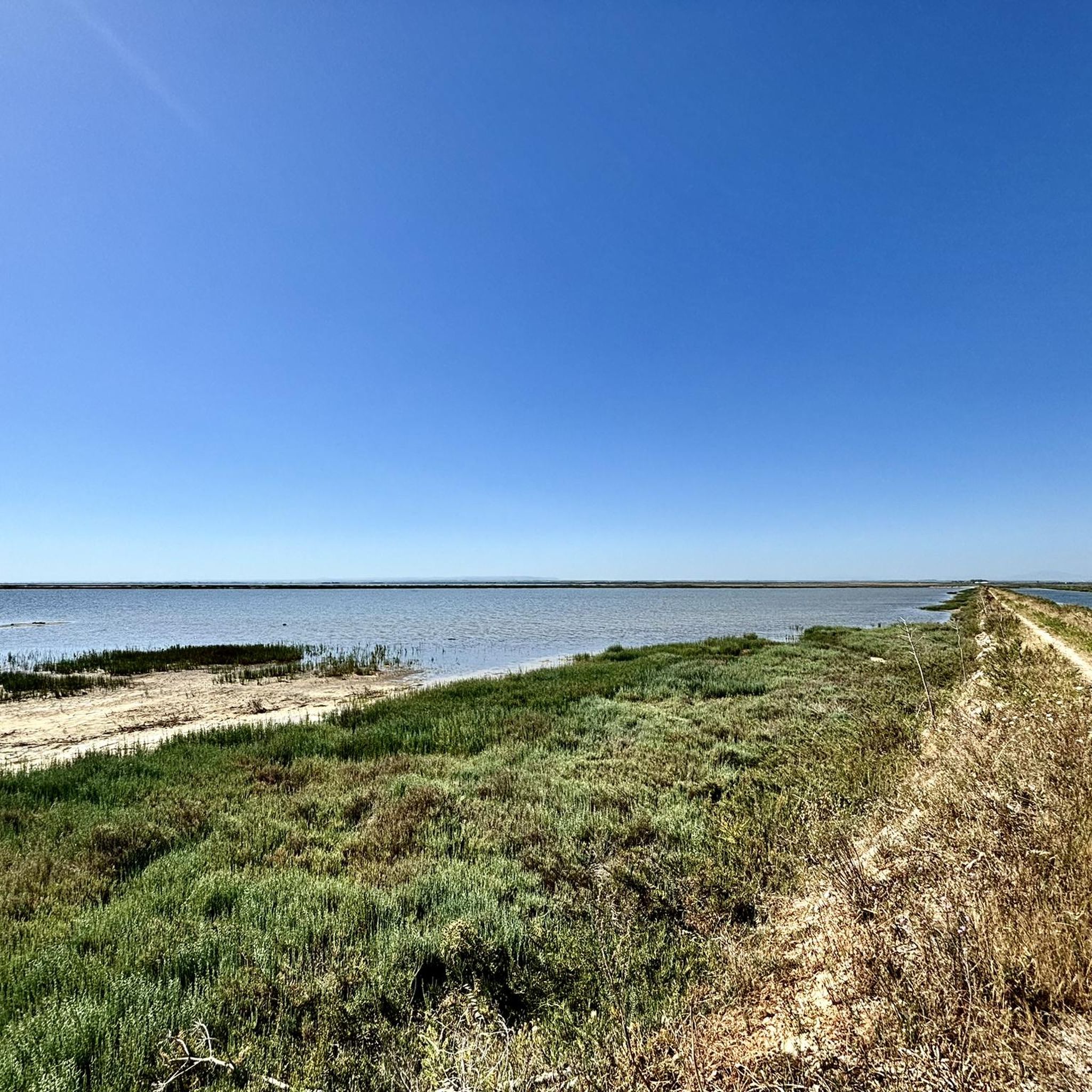
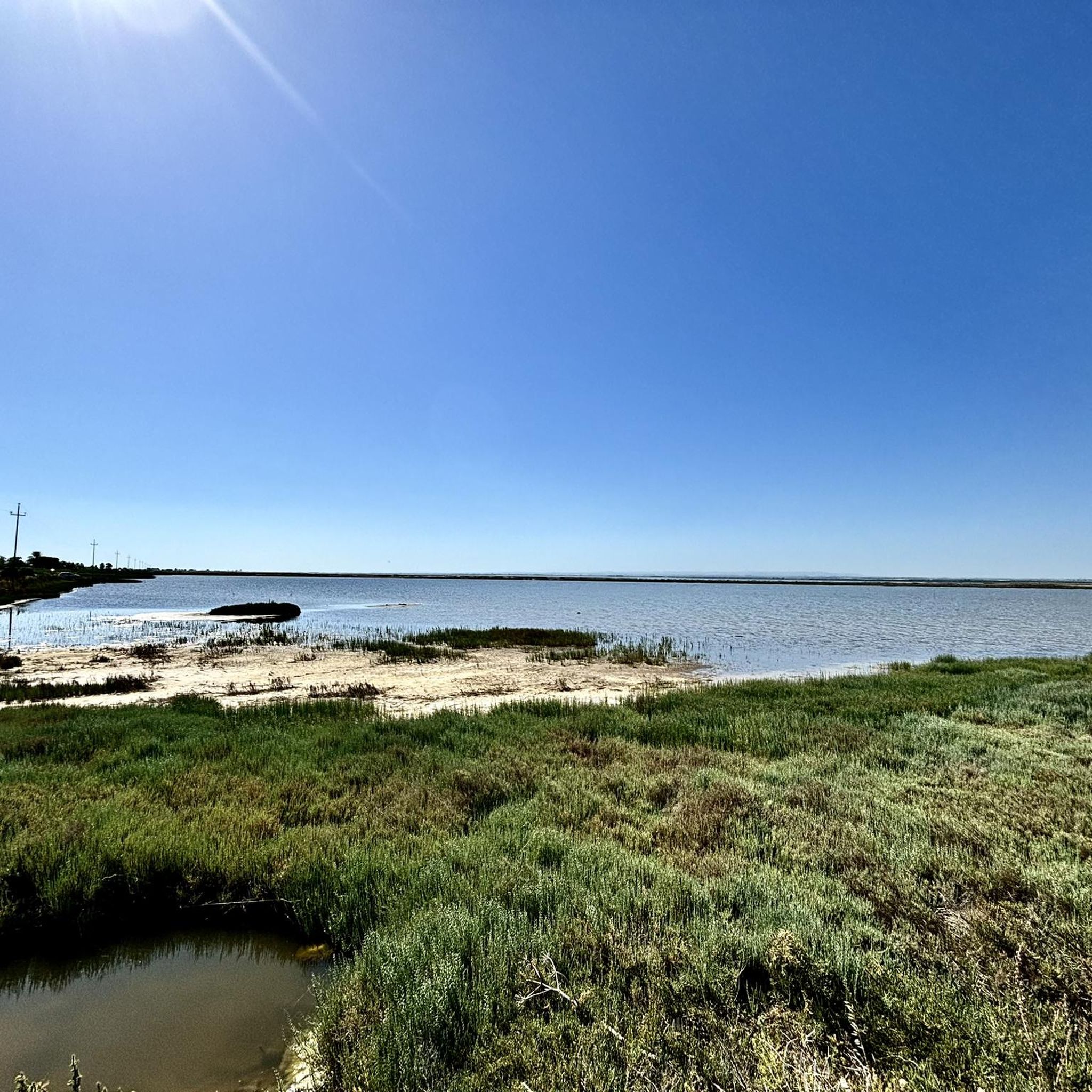
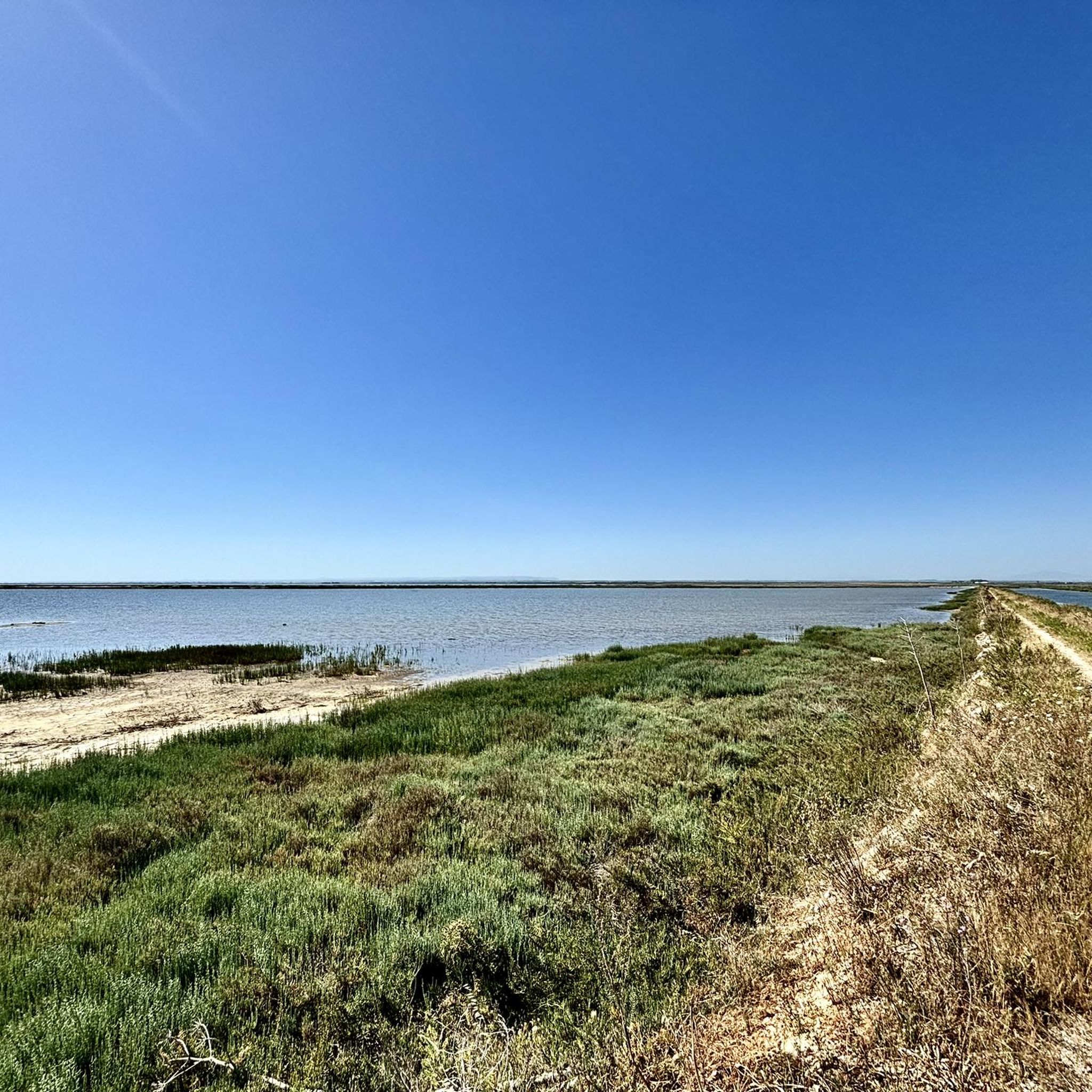
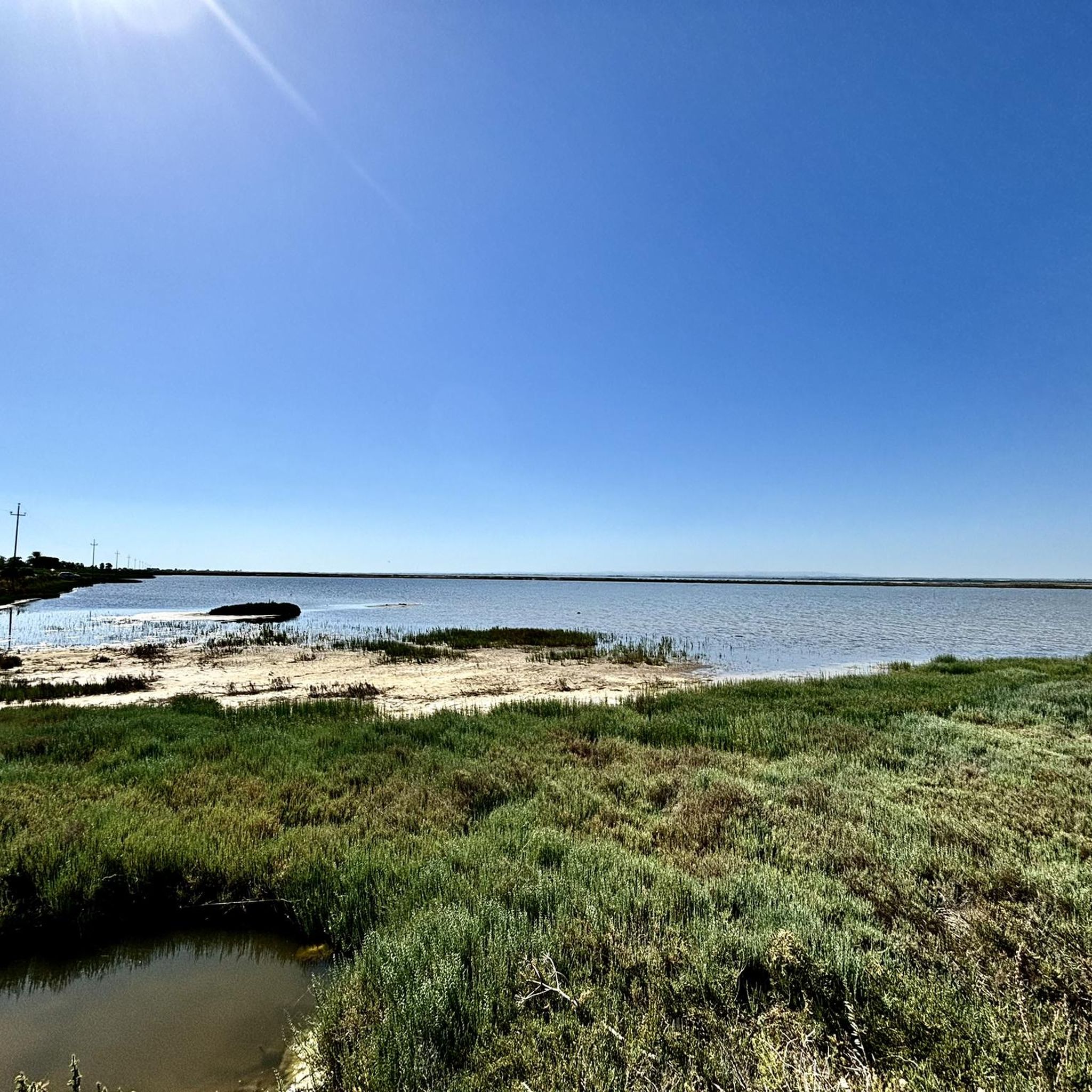
- The most popular natural monuments is Saline di Margherita di Savoia, an other man-made site that involves sea water evaporation for salt extraction. Visitors can observe the different stages of evaporation, with the salt appearing whitish or reddish.
- Another must-see spot is Saline di Margherita di Savoia, a protected natural area established in 1977. This nature reserve occupies an area of almost 4,000 hectares and is among the largest salt pans in Europe, with millions of quintals of sea salt extracted annually.
- Visitors also love Archaeological Site of Cannae, a historical site with archaeological remains. This location is historically significant as the site of the Battle of Cannae in 216 BC.
- Trinitapoli is known for its expansive salt pans, historical sites, and natural reserves. The area offers a variety of natural monuments to see and explore, from vast salt fields to ancient archaeological landscapes.
- The natural monuments around Trinitapoli are appreciated by the komoot community, with 14 upvotes and 27 photos shared by visitors.
Last updated: June 28, 2026
Archaeological Park of Canne della Battaglia
Highlight • Historical Site
Translated by Google •
Tip by

Margherita di Savoia
Highlight • Settlement
Translated by Google •
Tip by

Sign up now to discover places like this
Get recommendations on the best single tracks, peaks, & plenty of other exciting outdoor places.
Sign up for free
Saline di Margherita di Savoia
Highlight • Natural Monument
Translated by Google •
Tip by

Saline di Margherita di Savoia
Highlight • Structure
Translated by Google •
Tip by

San Ruggiero Fountain
Highlight • Monument
Translated by Google •
Tip by

Start today with a free account
Your next adventure awaits.
Login or Signup
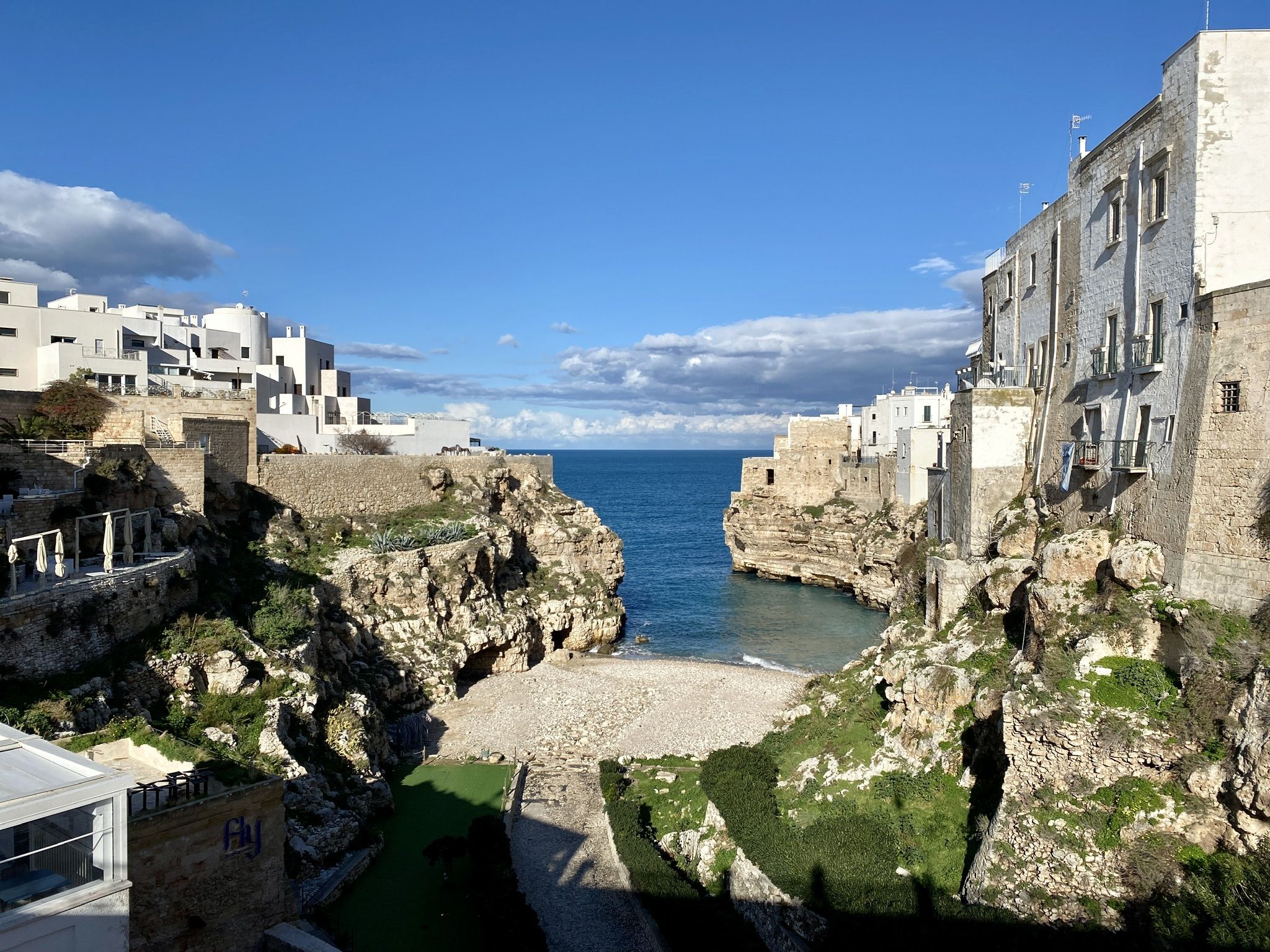
Other adventures around Trinitapoli

Tips from the Community

The site of Canne della Battaglia is mainly remembered for the decisive battle of 216 BC, fought between the Romans and Carthaginians during the Second Punic War. The hilly reliefs overlooking the Ofanto valley have been inhabited since the Neolithic period and continuously until the 3rd century BC, most likely in conjunction with the epic clash that disrupted the settlement patterns of the entire area. In Roman times, it is recalled in the sources as the emporium of Canusium, in whose shadow it lived until the latter's abandonment in the second half of the 9th century. From this moment, Canne began its most important historical phase, linked to the stabilization of Byzantine power in Puglia. Thanks to its strategic position, the Cannese village, likely built on a pre-existing Roman structure and known today as the 'Cittadella', was re-occupied from the late antique period and consolidated in the following centuries, around two main centers, the basilicas and the castle, also thanks to the establishment of a diocese, led, in the early 12th century, by Ruggero, the current patron saint of Barletta. The antiquarium annexed to the archaeological park was created in the late 1950s for the valorization and conservation of artifacts from excavations conducted in the area, starting from the Ventennio, a period of frenetic exaltation of Roman grandeur. Today's exhibition favors the narration of events related to the Second Punic War and the great battle that represented a trauma for the surrounding territory and for the indomitable Roman army. However, according to the current state of research, no archaeological documentation referring to the clash of 216 BC has yet been found, nor can the reconstruction of the landscape on these hills, as described by historical sources, particularly Livy and Polybius, be considered plausible. Rather, the site of Canne, in addition to being located in an area of great landscape and natural value, constitutes, to this day, one of the most interesting examples of abandoned medieval settlements in Italy.
0
0
An ancient watering hole with a large stone basin, located in a 17th-century building in a small valley of remarkable landscape value. It's a shame that the monument remains in a depressing state of neglect.
1
0

216 BC. Museum, ruins of the old city built on the site of the Carthaginian camp. Entrance to the museum is 6 euros. You can lock your bike nearby.
0
0

Huge salt fields, SP unfortunately without cycle path.
0
0
Huge salt fields. Unfortunately the SP has no cycle path or a short bumpy cycle path.
0
0
Impressive archaeological site, great history. Unfortunately I didn't read it carefully, unfortunately closed today.
3
0

The Antiquarium, located at the foot of the fortified citadel and the Archaeological Park, with the remains of the ancient Daunian settlement and the structures from the Roman, early Christian and medieval eras, today offer visitors a complex and fascinating itinerary.
1
0
We are located between the cities of Canosa and Barletta, the site is located on a hill overlooking the right bank of the Ofanto river.
1
0
Frequently Asked Questions
What are the primary natural attractions around Trinitapoli?
The most prominent natural attraction is the Saline di Margherita di Savoia, an expansive nature reserve and one of Europe's largest salt pans. This area is significant for both its ecological importance and historical salt extraction industry. Additionally, the Archaeological Site of Cannae, while primarily historical, is also recognized as a natural monument due to its landscape and ancient significance.
What makes the Saline di Margherita di Savoia so important?
The Saline di Margherita di Savoia is a protected natural area established in 1977, covering nearly 4,000 hectares. It's among the largest salt pans in Europe and the second largest globally. Beyond its vast scale, it's a crucial ecosystem for numerous bird species and has a long history of sea salt extraction, with millions of quintals produced annually.
Can I go birdwatching at the Saline di Margherita di Savoia?
Yes, the Saline di Margherita di Savoia is an excellent location for birdwatching. It serves as a vital stopping point for many bird species, including pink flamingos and various indigenous birds of prey. The best times for observation are often during sunrise and sunset, offering spectacular natural displays.
Are there hiking opportunities near Trinitapoli's natural monuments?
Yes, there are hiking opportunities in the region. For instance, you can find routes like the 'Margherita di Savoia Salt Pans Loop' which is a more challenging 20 km hike. You can explore various trails by visiting our guide to Hiking around Trinitapoli.
What other outdoor activities can I do in the area?
Besides hiking, the area around Trinitapoli is well-suited for cycling. There are numerous road cycling and touring bicycle routes that pass through the natural landscapes, including the salt pans. You can find detailed routes in our guides for Road Cycling Routes around Trinitapoli and Cycling around Trinitapoli.
Is the Archaeological Site of Cannae considered a natural monument?
The Archaeological Site of Cannae is indeed listed as a natural monument, though it is primarily known for its historical significance as the site of the Battle of Cannae in 216 BC. Its ancient landscape and archaeological remains contribute to its unique status as both a historical and natural point of interest.
Is the area around Trinitapoli suitable for families?
Yes, the nearby town of Margherita di Savoia, which is home to the salt pans, is considered family-friendly. It offers a charming seaside environment with beaches and facilities that cater to visitors of all ages, making it a good base for exploring the natural monuments.
When is the best time to visit the natural monuments around Trinitapoli?
For birdwatching, especially to see flamingos, visiting the Saline di Margherita di Savoia during sunrise or sunset is highly recommended. Generally, spring and autumn offer pleasant temperatures for outdoor activities, avoiding the peak heat of summer.
What kind of wildlife can be seen at the Saline di Margherita di Savoia?
The Saline di Margherita di Savoia is a haven for diverse birdlife. You can expect to see numerous species, most notably the iconic pink flamingos, along with various other indigenous birds of prey and migratory birds that use the salt pans as a resting and feeding ground.
Are there any easy trails for exploring the natural monuments?
Yes, among the cycling routes, there are easy options like 'Le Saline di Margherita di Savoia e Trinitapoli – loop tour' (48.6 km) and 'Margherita di Savoia Saltworks – Margherita di Savoia Salt Pans loop from Margherita di Savoia' (24.5 km). For hiking, the 'Via Francigena: St. Michael's Coastal Variant' (5.8 km) is an easy option. You can find more details in our hiking and cycling guides for the area.
What do visitors enjoy most about the natural monuments in Trinitapoli?
Visitors frequently appreciate the unique landscape of the salt pans, noting the different stages of evaporation where the salt appears whitish or reddish. The historical significance of sites like the Archaeological Site of Cannae also receives high praise for its impressive history.
How can I explore the Saline di Margherita di Savoia?
You can explore the Saline di Margherita di Savoia by following panoramic paths and bridges designed for observing the diverse birdlife. Guided tours and birdwatching sessions are often available, providing deeper insights into this unique natural wonder. While driving past, you can also observe the salt extraction process from the SP5 road.
Are there facilities like spas or museums near the salt pans?
Yes, the town of Margherita di Savoia, adjacent to the salt pans, houses a modern spa that utilizes the therapeutic mud and mother waters from the salt pans. There is also a Museo delle Saline (Salt Museum) located in an old salt warehouse, offering insights into the history of salt production in the region.
Most popular attractions around Trinitapoli

Get inspired with the komoot mobile app


Explore more
Extend your search for the best caves by checking out these guides of the top ones around Trinitapoli:
