Top 5 Natural Monuments in Bahía De Cádiz
Natural monuments in Bahía De Cádiz are primarily found within the extensive Bahía de Cádiz Natural Park, a protected area spanning over 10,500 hectares. This region features a network of coastal wetlands, salt marshes, sandy beaches, and pine forests. The landscape is characterized by its ecological value, supporting diverse wildlife and offering insights into the region's historical salt production.
Best natural monuments in Bahía De Cádiz
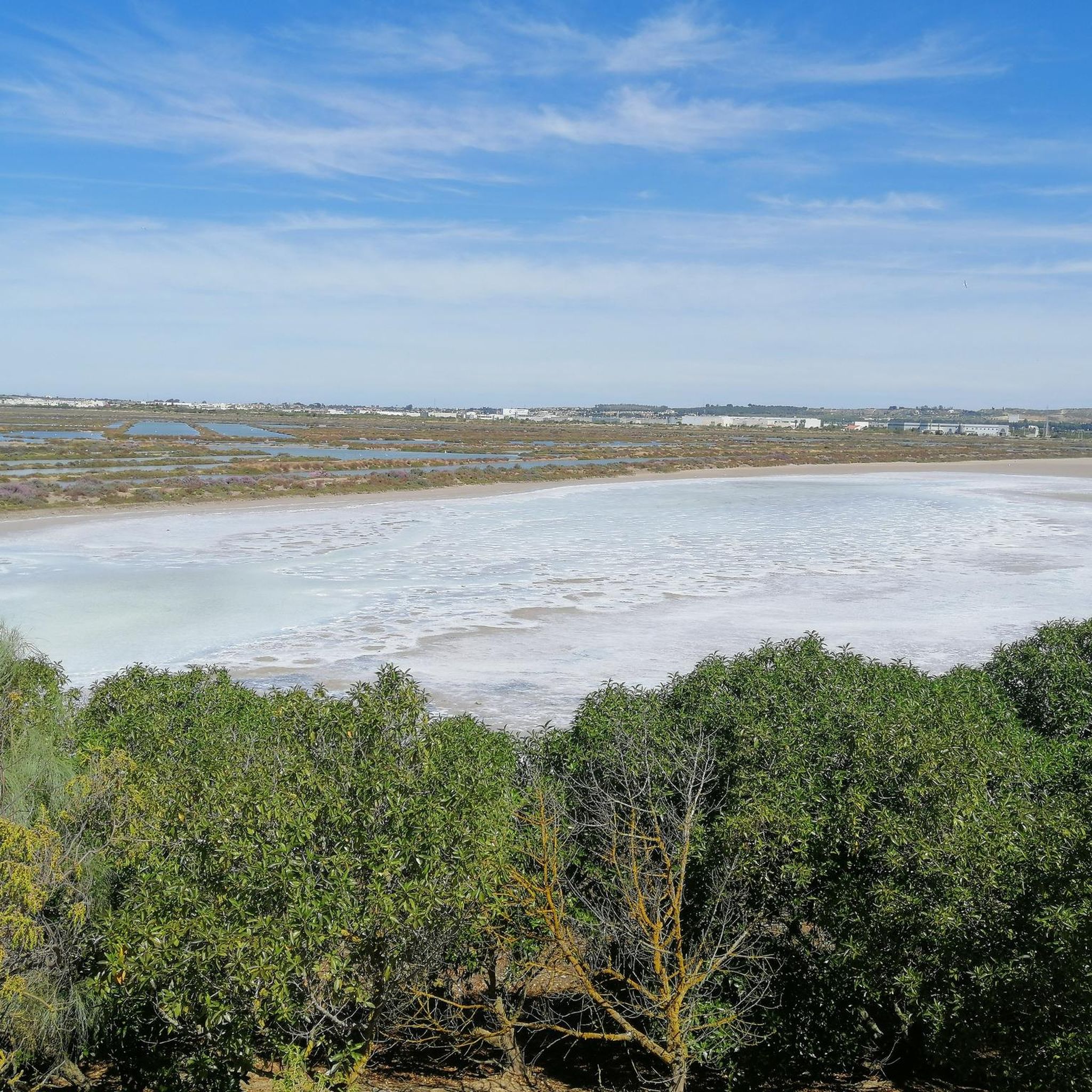
- The most popular natural monument is Cádiz Salt Flats, a natural monument that…
Last updated: October 14, 2026
Cádiz Salt Flats
Highlight • Natural Monument
On the horizon you can see …
Translated by Google •
Tip by

Punta del Boquerón and Batería de Urrutia
Highlight • Historical Site
Translated by Google •
Tip by

Sign up now to discover places like this
Get recommendations on the best single tracks, peaks, & plenty of other exciting outdoor places.
Algaida Bridge
Highlight • Bridge
Showing Translation
Tip by

EuroVelo 8 – Bay of Cádiz Natural Park
Highlight • Cycleway
Tip by

Start today with a free account
Your next adventure awaits.

Tips from the Community

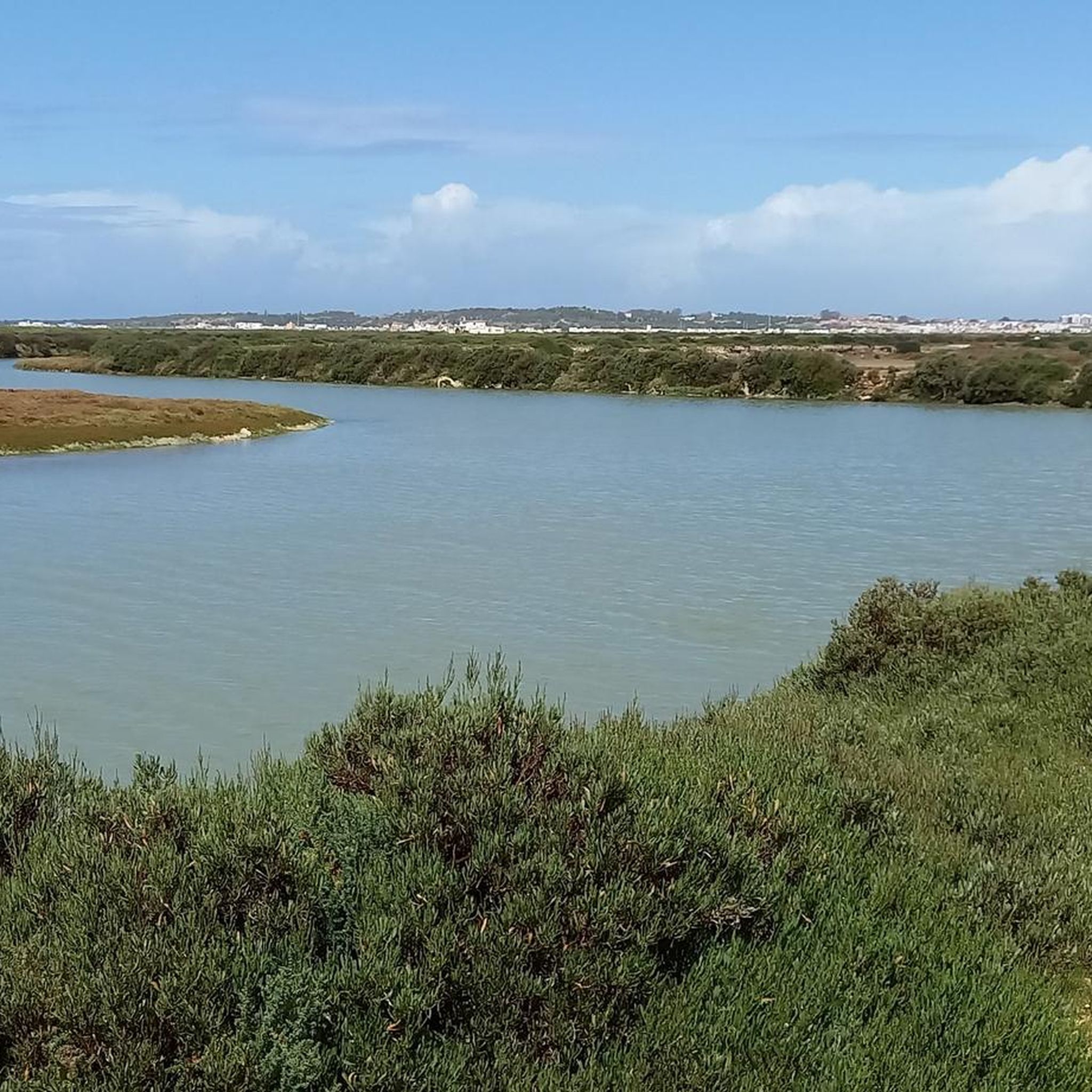
This wooden bridge crossing the San Pedro River won the National Architecture Prize for its floating design over the marsh. It is the work of architect César Portela. Cross it slowly: from there you have one of the best transitions between the pine forest and the water in the entire Bahía de Cádiz Natural Park.
0
0

Beautiful trails with stunning scenery 👌 Not suitable for road bikes
0
0

A great section of gravel riding
1
0

Here you can drive over the Salinas from Chiclana to San Fernando.
0
0

The landscape, the natural environment and the ease of the route
0
0

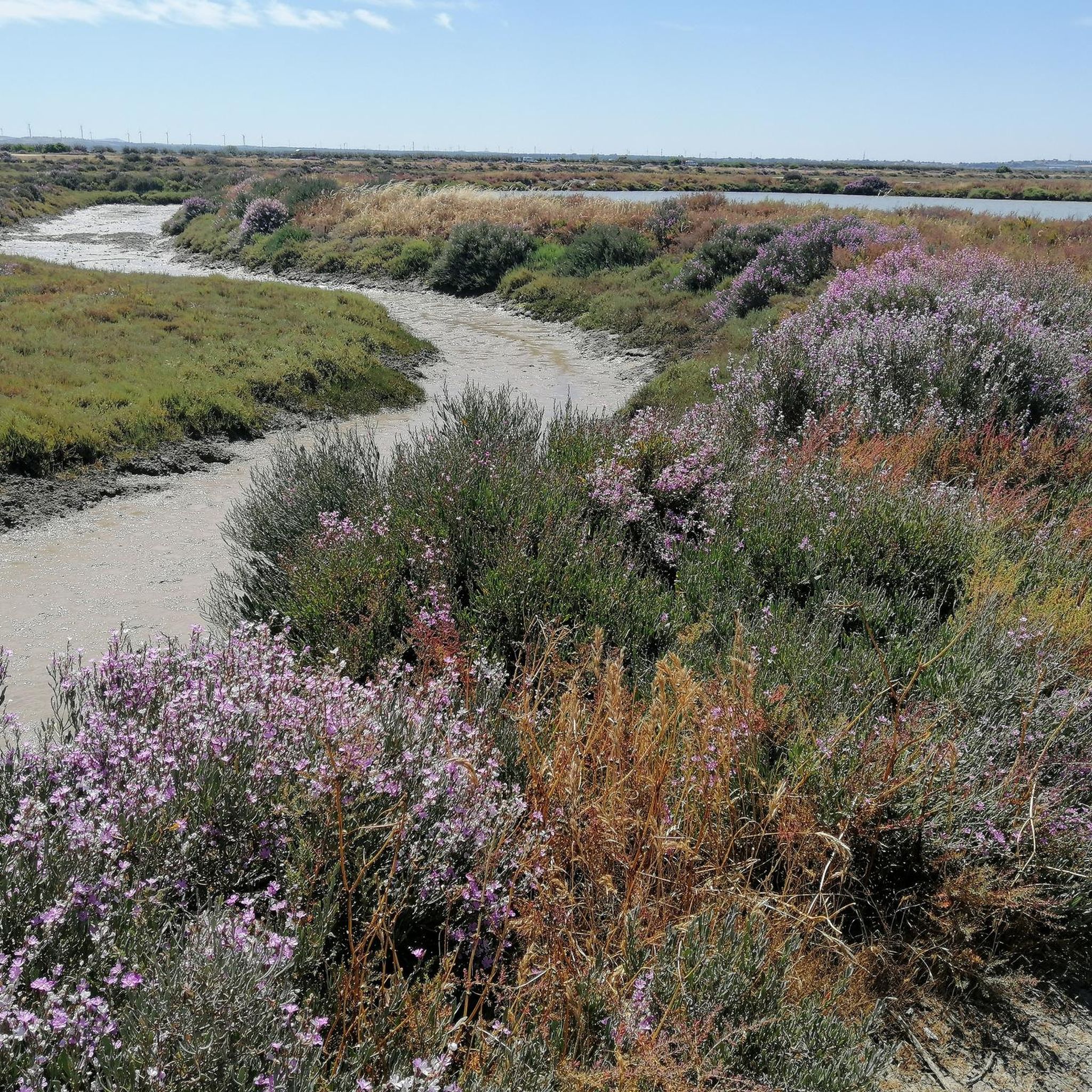
Beautiful, wild, especially the vegetation with plants
1
0


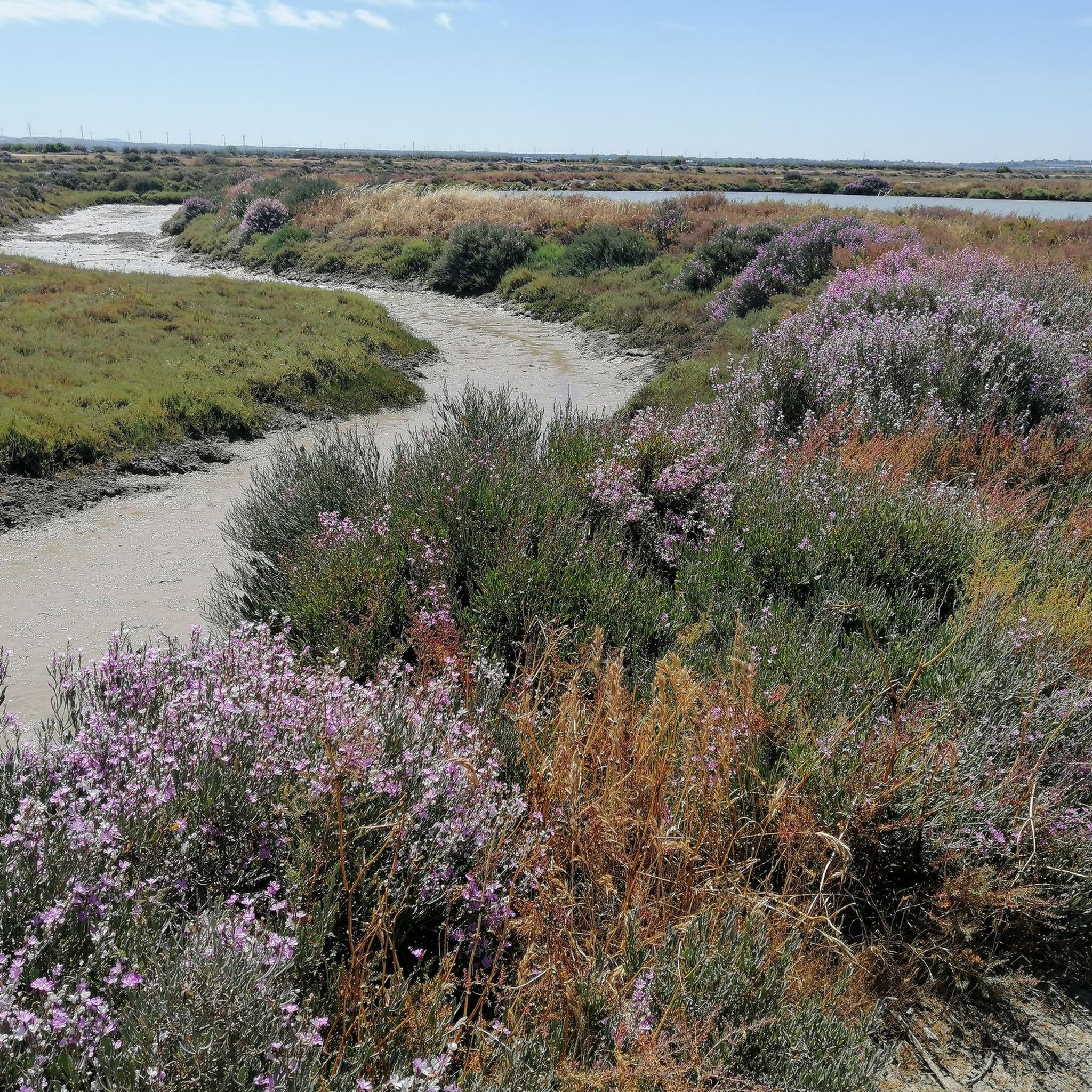
This sandy track gives you a few kilometers of calm pedaling next to the bay of Cádiz avoiding the traffic of the parallel road. On the horizon you can see the silhouette of the buildings and the two gigantic constructions of the bridges that connect Puerto Real and Cádiz. The salt pans also go, making your way to this beautiful city.
1
0
Frequently Asked Questions
What types of natural features can I explore in Bahía de Cádiz?
The Bahía de Cádiz region, primarily within the Bahía de Cádiz Natural Park, offers a diverse landscape. You can explore extensive coastal wetlands, traditional salt marshes, sandy beaches, significant dune systems, and pine forests. Key features include the Marismas de Sancti Petri, the coastal dune and La Cortadura Beach, and the pine forests of Algaida and Los Toruños.
Are there family-friendly natural monuments in Bahía de Cádiz?
Yes, several natural monuments in Bahía de Cádiz are suitable for families. For instance, the Cádiz Salt Flats offer calm pedaling routes with views of the city. Punta del Boquerón and Batería de Urrutia combine historical ruins with a beach and beautiful views, making it an ideal family visit. The Algaida Bridge also provides access to scenic routes through the La Algaida-Los Toruños Natural Park, which are generally family-friendly.
What historical sites are integrated with the natural monuments in Bahía de Cádiz?
The region beautifully blends natural beauty with history. At Punta del Boquerón, you can explore the ruins of the Urrutia Battery, built in the early 1800s. The Sancti Petri islet, a prominent feature opposite Punta del Boquerón, is steeped in mythology and has historical connections, including a Phoenician sanctuary. The traditional salt pans throughout the Bahía de Cádiz Natural Park also reflect the region's historic salt production industry.
What outdoor activities can I do near the natural monuments in Bahía de Cádiz?
The natural monuments in Bahía de Cádiz are excellent starting points for various outdoor activities. You can enjoy cycling through the salt flats, hiking along coastal paths, or birdwatching in the wetlands. For more structured routes, consider exploring the many options for road cycling, gravel biking, or general cycling, with routes like the 'Natural Park of the Bay of Cadiz - circular from El Puerto de Santa Maria' available.
What is the best time of year to visit the natural monuments in Bahía de Cádiz?
The Bahía de Cádiz Natural Park is a significant stopover for migratory birds, making spring and autumn ideal for birdwatching. The mild climate of the region generally allows for outdoor activities year-round. For hiking and cycling, spring and early autumn offer pleasant temperatures, while summer can be warm, especially for longer excursions. Winter provides cooler, often sunny days, perfect for exploring without the crowds.
Are there any easy walking trails around the natural monuments?
Yes, many areas within the Bahía de Cádiz Natural Park offer easy walking trails. The paths around the Cádiz Salt Flats are generally flat and suitable for relaxed strolls. The wooden path leading to Punta del Boquerón is also an easy option, with the return along the beach providing a different experience. The park's extensive network of trails, particularly those through the pine forests and along the coast, often include accessible sections.
Can I spot wildlife at the natural monuments in Bahía de Cádiz?
Absolutely. The Bahía de Cádiz Natural Park is a biodiversity hotspot, especially for birds. Its strategic location on migratory routes means you can spot over 200 species of aquatic birds, including flamingos, herons, and spoonbills. The salt marshes and intertidal plains are crucial feeding and nesting grounds, offering excellent opportunities for birdwatching throughout the year.
What do visitors enjoy most about the natural monuments in Bahía de Cádiz?
Visitors frequently appreciate the tranquility and scenic beauty of the area. The calm cycling routes next to the bay, offering views of Cádiz and its bridges, are highly rated. The combination of historical ruins with beautiful beaches and views at places like Punta del Boquerón is also a major draw. The diverse ecosystems and opportunities for birdwatching are also popular among nature enthusiasts.
Are there any natural monuments near Cádiz city itself?
Yes, the Bahía de Cádiz Natural Park directly borders and encompasses parts of Cádiz city and its surrounding municipalities. The Cádiz Salt Flats are very close, offering views of the city skyline. The coastal dune and La Cortadura Beach are also easily accessible from Cádiz, providing natural beauty just a short distance from the urban center.
Are there any circular routes available for exploring the natural monuments?
Yes, there are several circular routes that allow you to explore the natural monuments and the wider Bahía de Cádiz region. For example, the 'Natural Park of the Bay of Cadiz - circular from El Puerto de Santa Maria' is an easy cycling route. Many trails within the natural park, particularly those designed for hiking or cycling, offer circular options to fully experience the diverse landscapes.
What are the parking options near the natural monuments?
Parking availability varies by specific location within the Bahía de Cádiz Natural Park. Generally, areas popular for recreation, such as access points to beaches, pine forests, or specific natural monuments, will have designated parking areas. It's advisable to check specific access points for details, especially during peak seasons.
Can I reach the natural monuments using public transport?
Public transport options are available to reach various parts of the Bahía de Cádiz Natural Park, particularly those closer to urban centers like Cádiz, San Fernando, and El Puerto de Santa María. Buses often serve the coastal towns and some park entrances. For specific routes and schedules, it's recommended to consult local transport information or websites like visitingcadiz.com for general guidance on protected areas.
Most popular routes in Bahía De Cádiz
Most popular attractions in Bahía De Cádiz

Get inspired with the komoot mobile app


Explore more
Extend your search for the best caves by checking out these guides of the top ones in Bahía De Cádiz:
