Top 20 Natural Monuments in Hautes Fagnes-Eifel Natural Park
Best natural monuments in Hautes Fagnes-Eifel Natural Park are found within a sprawling protected area spanning eastern Belgium and western Germany. This natural park is renowned for its high-altitude moors, extensive peat bog ecosystems, and forested hills. It offers a diverse array of natural monuments, providing unique landscapes and opportunities for outdoor activities. The park's varied terrain includes significant geological formations and unique flora and fauna.
Best natural monuments in Hautes Fagnes-Eifel Natural Park
- The most popular natural monuments is…
Last updated: July 11, 2026
Bayehon Waterfall
Highlight • Waterfall
Translated by Google •
Tip by

Boardwalks Through the Hohes Venn Moor
Highlight • Trail
Translated by Google •
Tip by
Sign up now to discover places like this
Get recommendations on the best single tracks, peaks, & plenty of other exciting outdoor places.
Sign up for free
Trôs Marets Valley
Highlight (Segment) • Gorge
Translated by Google •
Tip by

Brackvenn Moor Lakes
Highlight • Lake
The palsen or pingos in the High Fens were formed around 10,000 to 11,000 years ago at …
Translated by Google •
Tip by
Brackvenn Moor Ponds
Highlight • Lake
Translated by Google •
Tip by
Sign up for free to discover even more natural monuments in Hautes Fagnes-Eifel Natural Park.
Sign up for free
Already have an account?
Start today with a free account
Your next adventure awaits.
Login or Signup
Popular around Hautes Fagnes-Eifel Natural Park
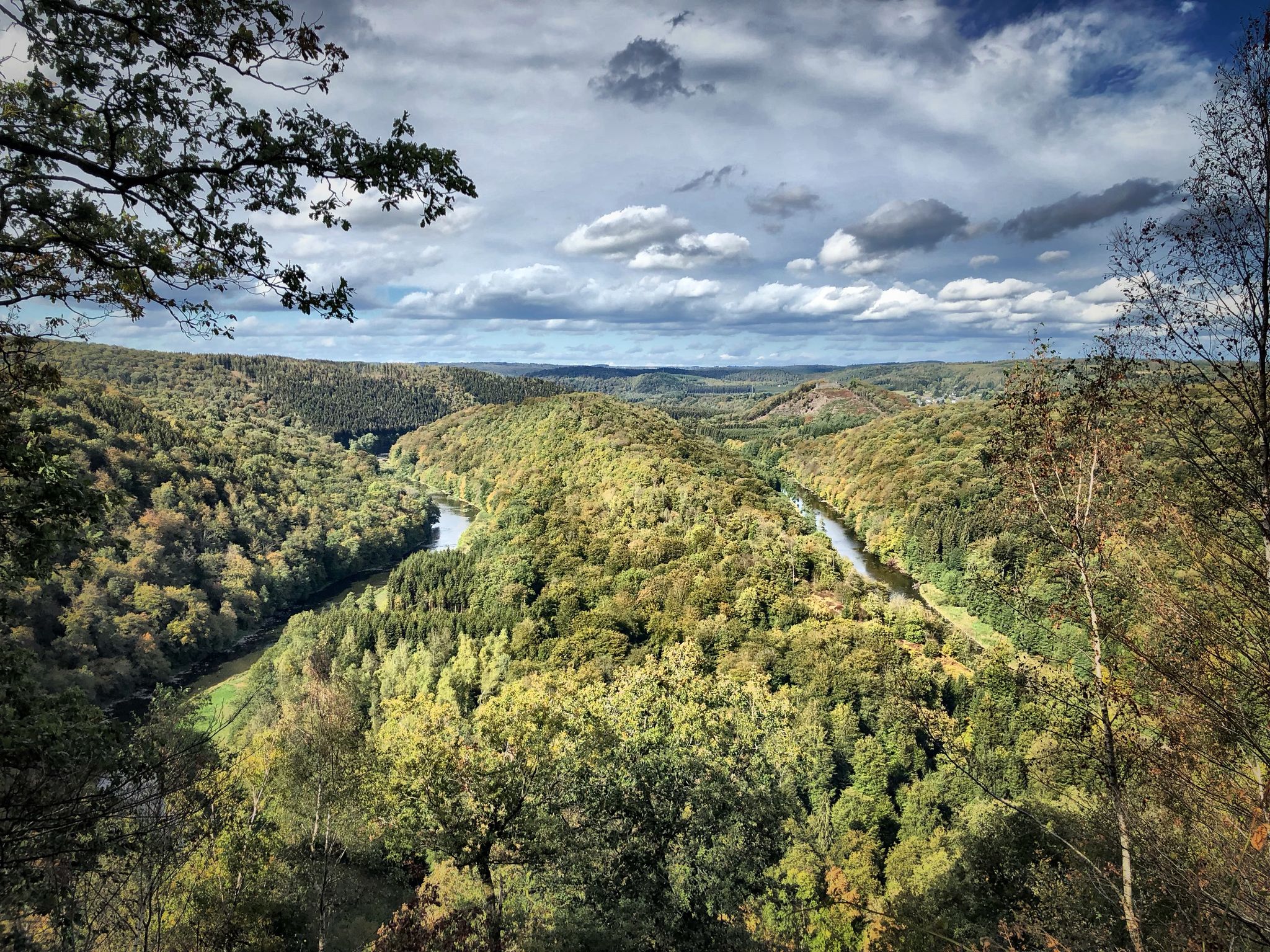
Running an ultra in Belgium – long trails in a small country
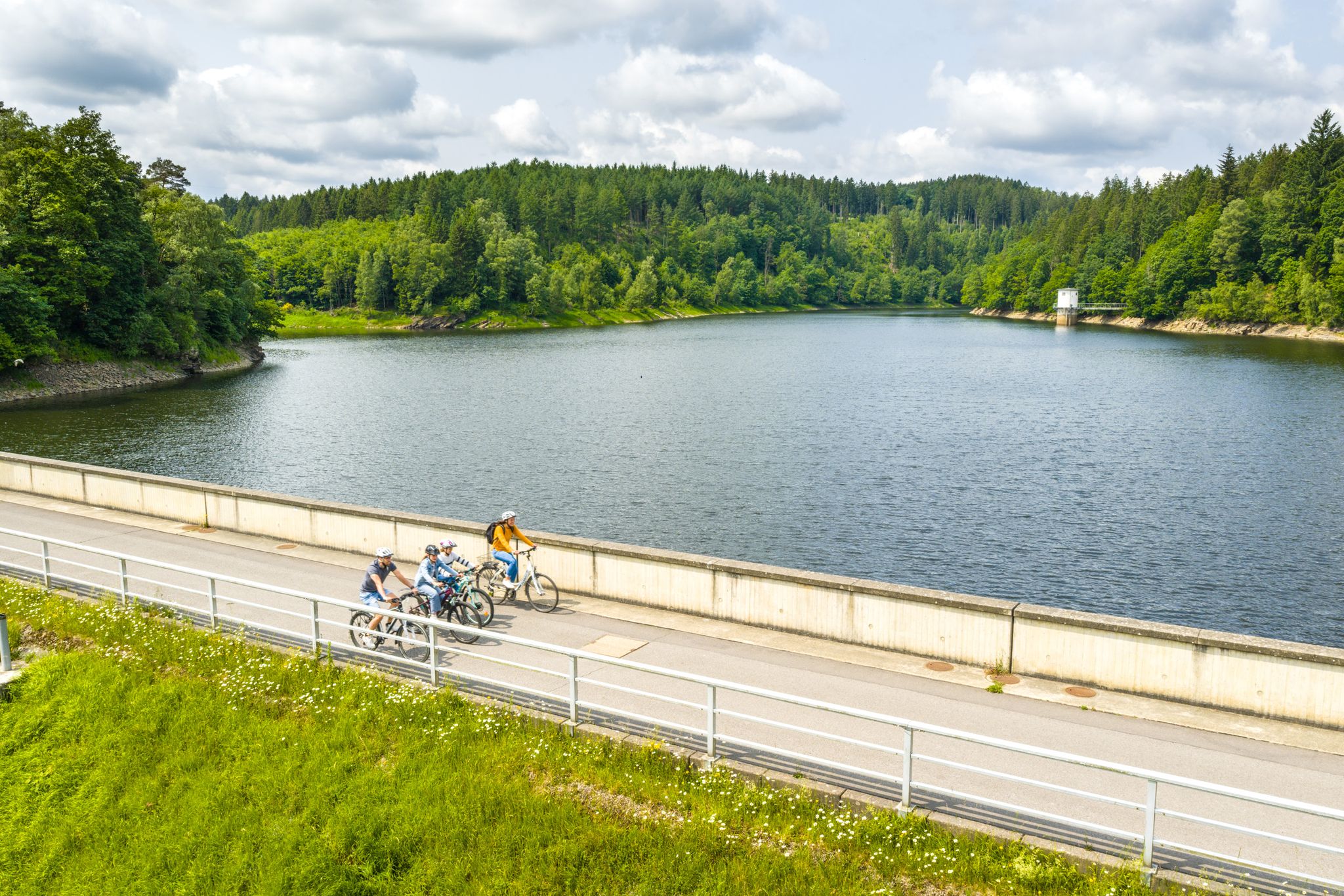
Aachen Time Loops – cycling from the past to the future
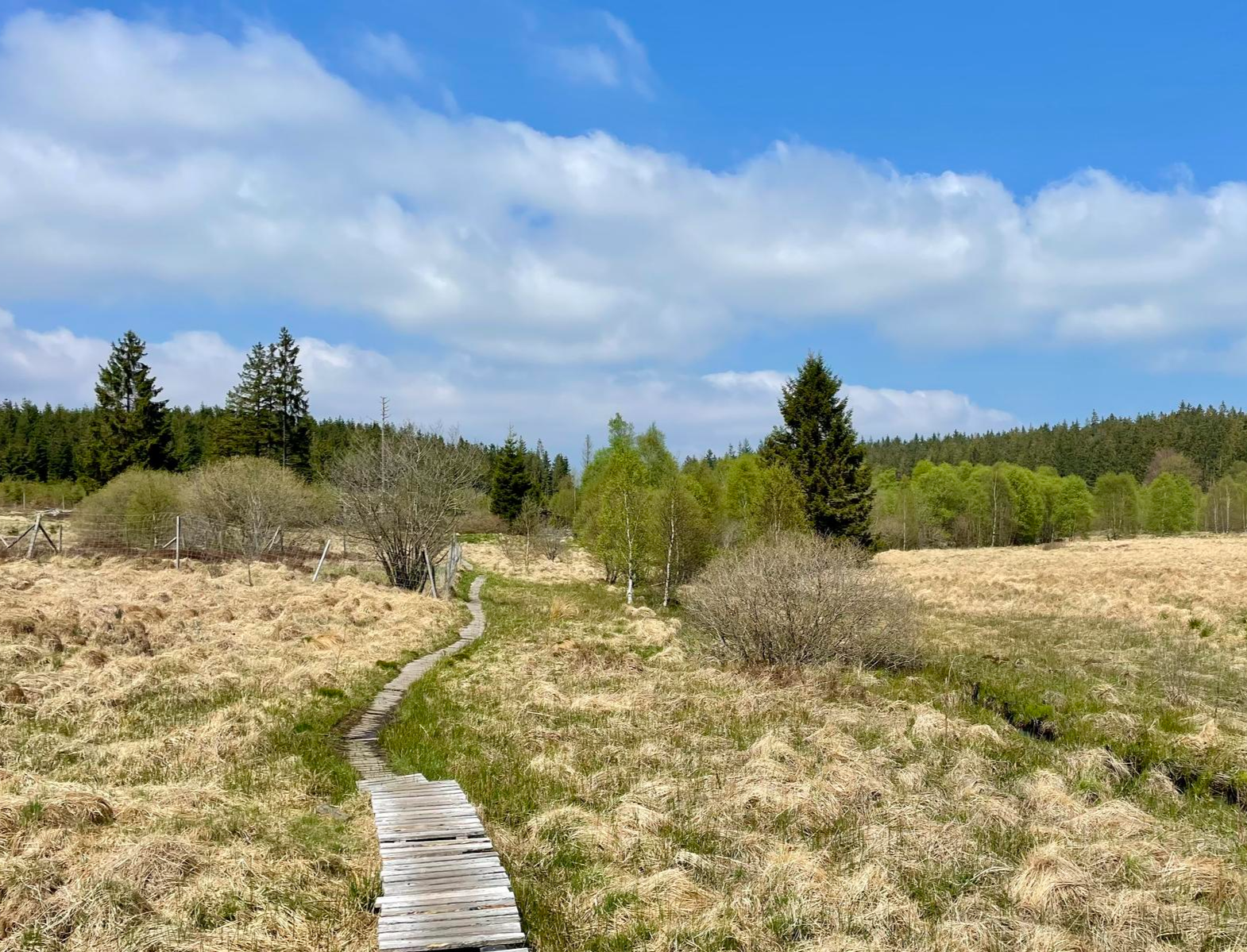
Nature et Histoire à la frontière germano-belge — Chemin du souvenir
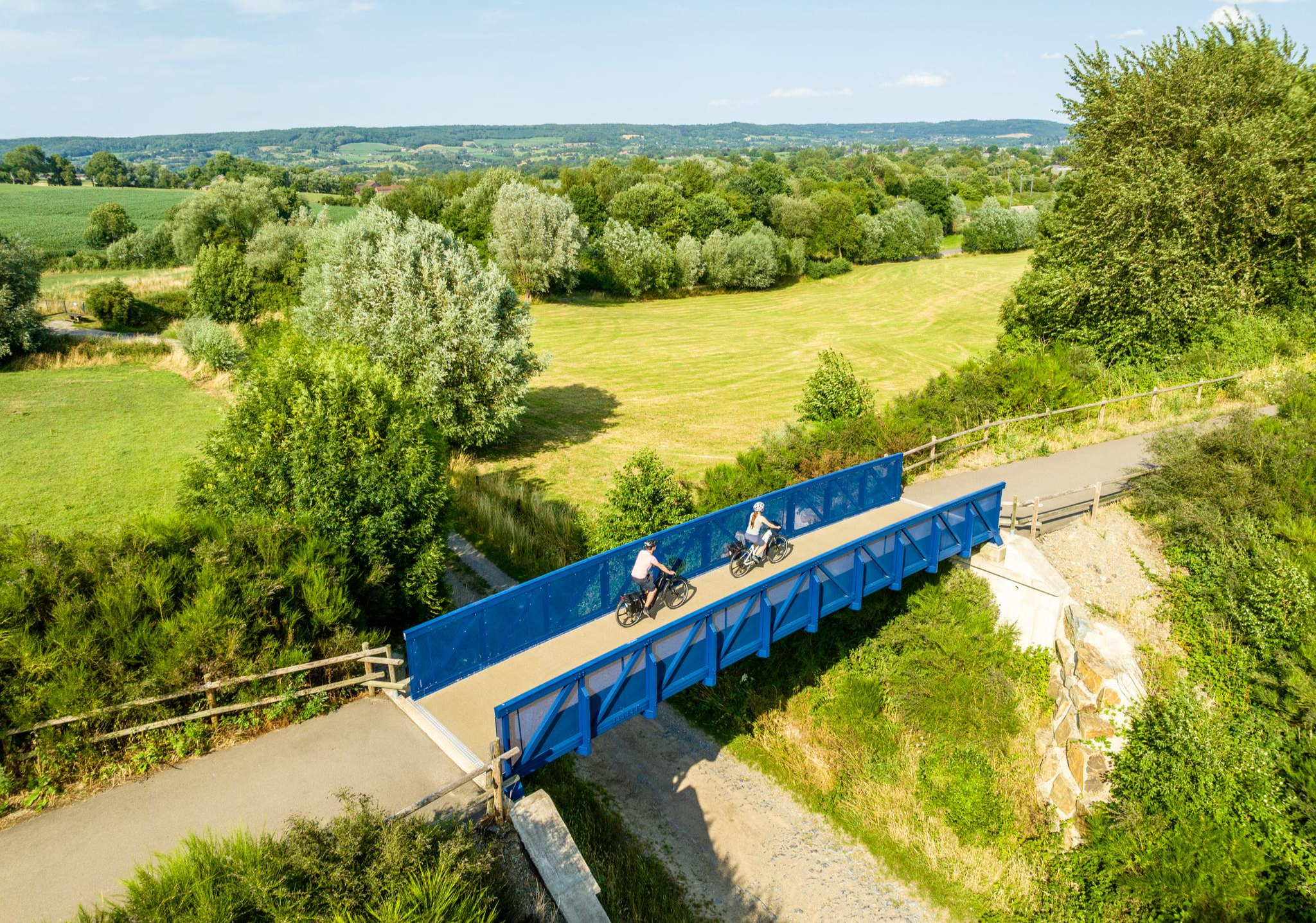
Three countries, one experience – borderless cycling in the Aachen region
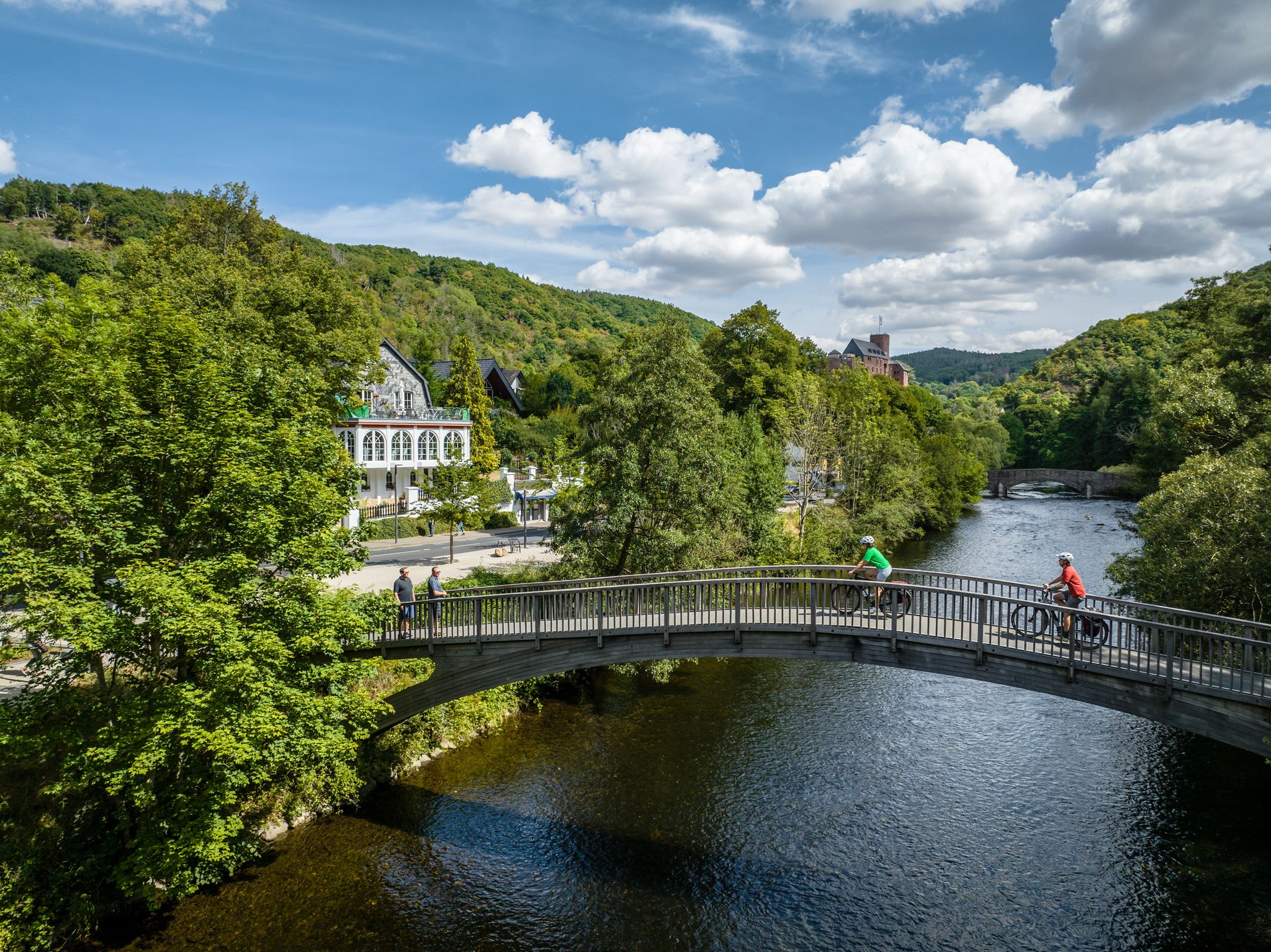
Heights, castles, moors – RURschleifen by bike
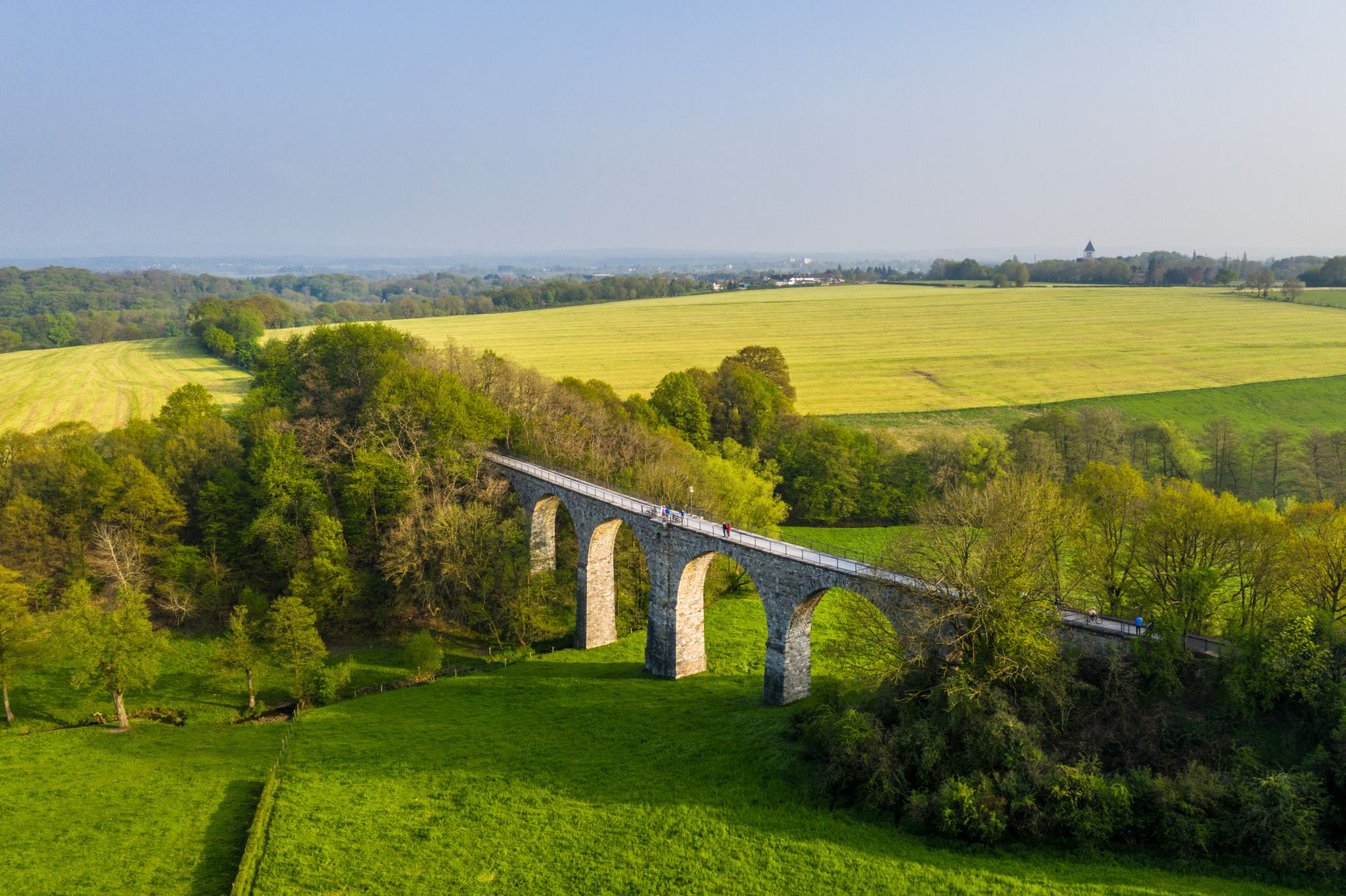
Cycling the tracks of the Vennbahn – the Vennbahnschleifen
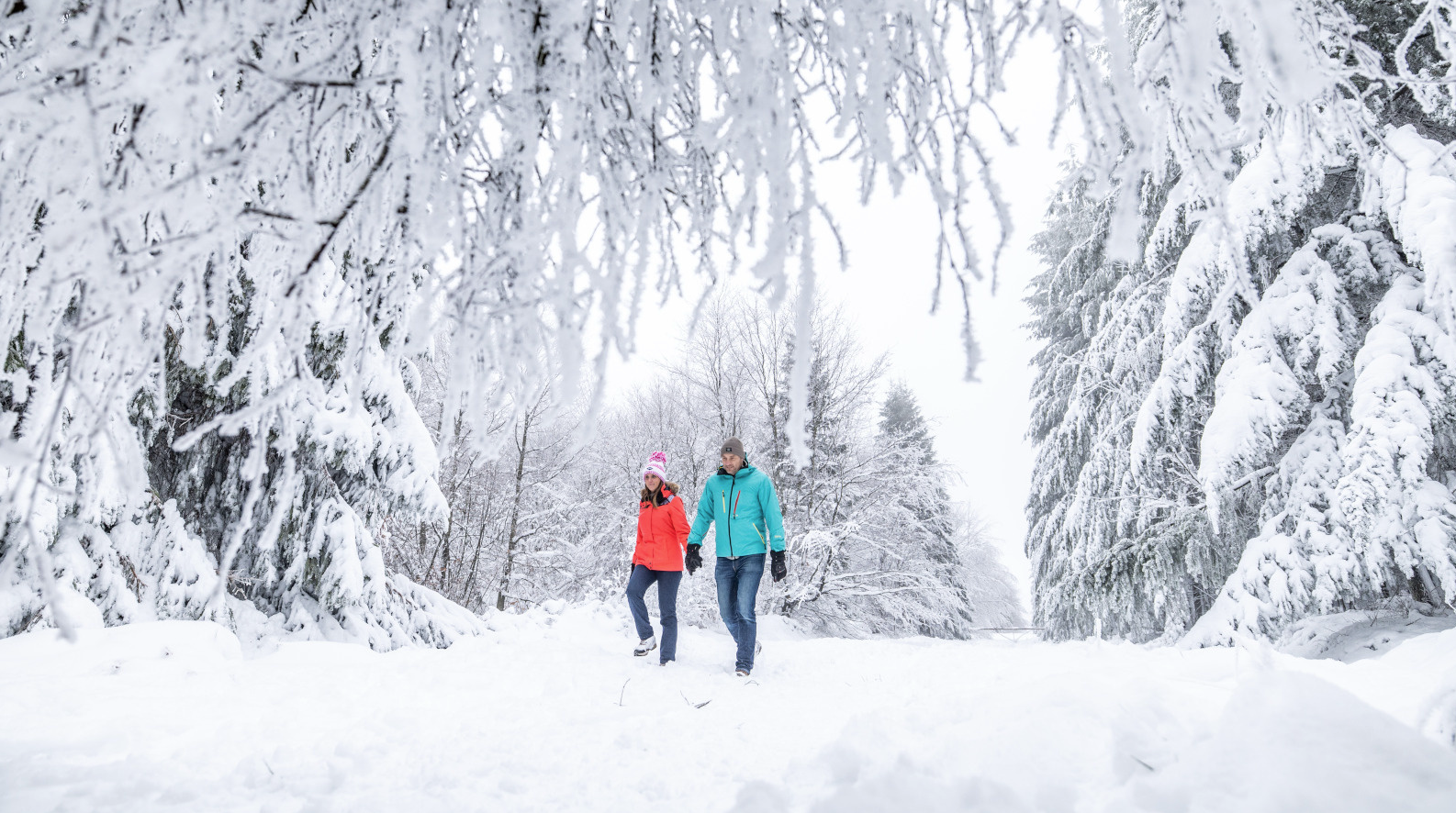
Belgian Ballads – winter hiking in the Belgian Ardennes
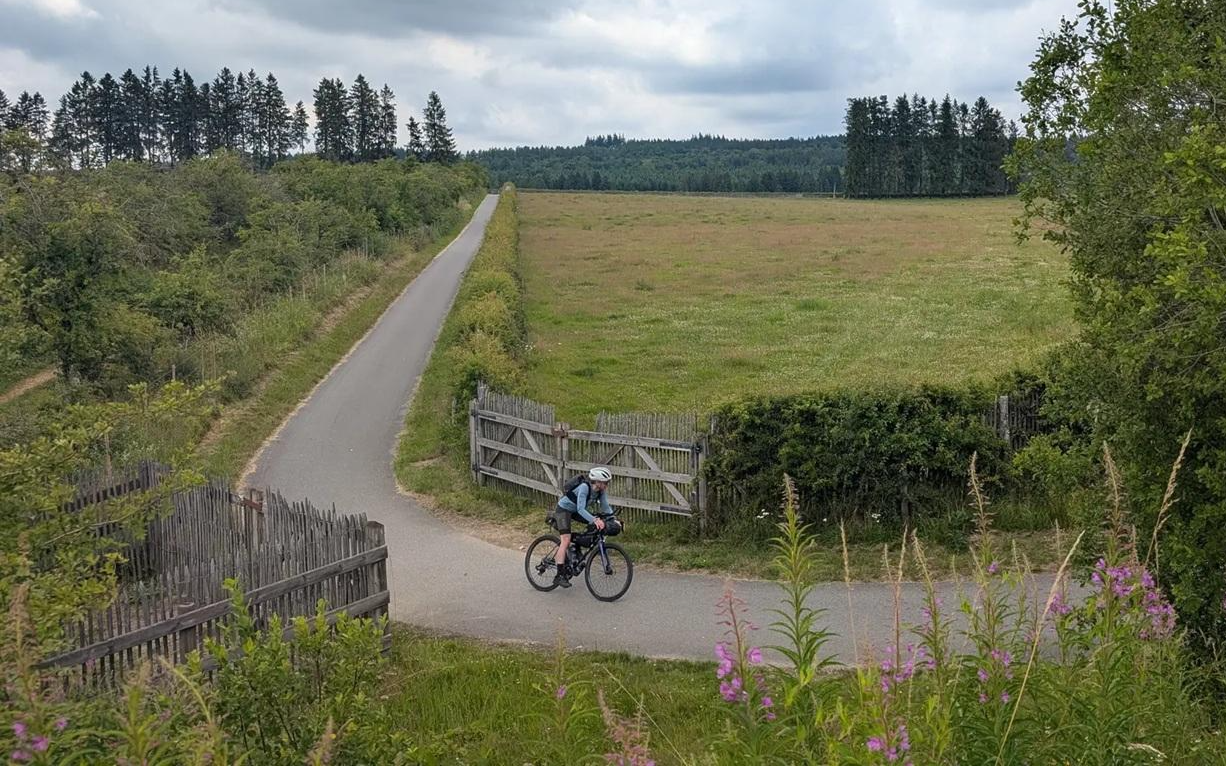
A Vennbahn voyage - bikepacking through three countries in three days
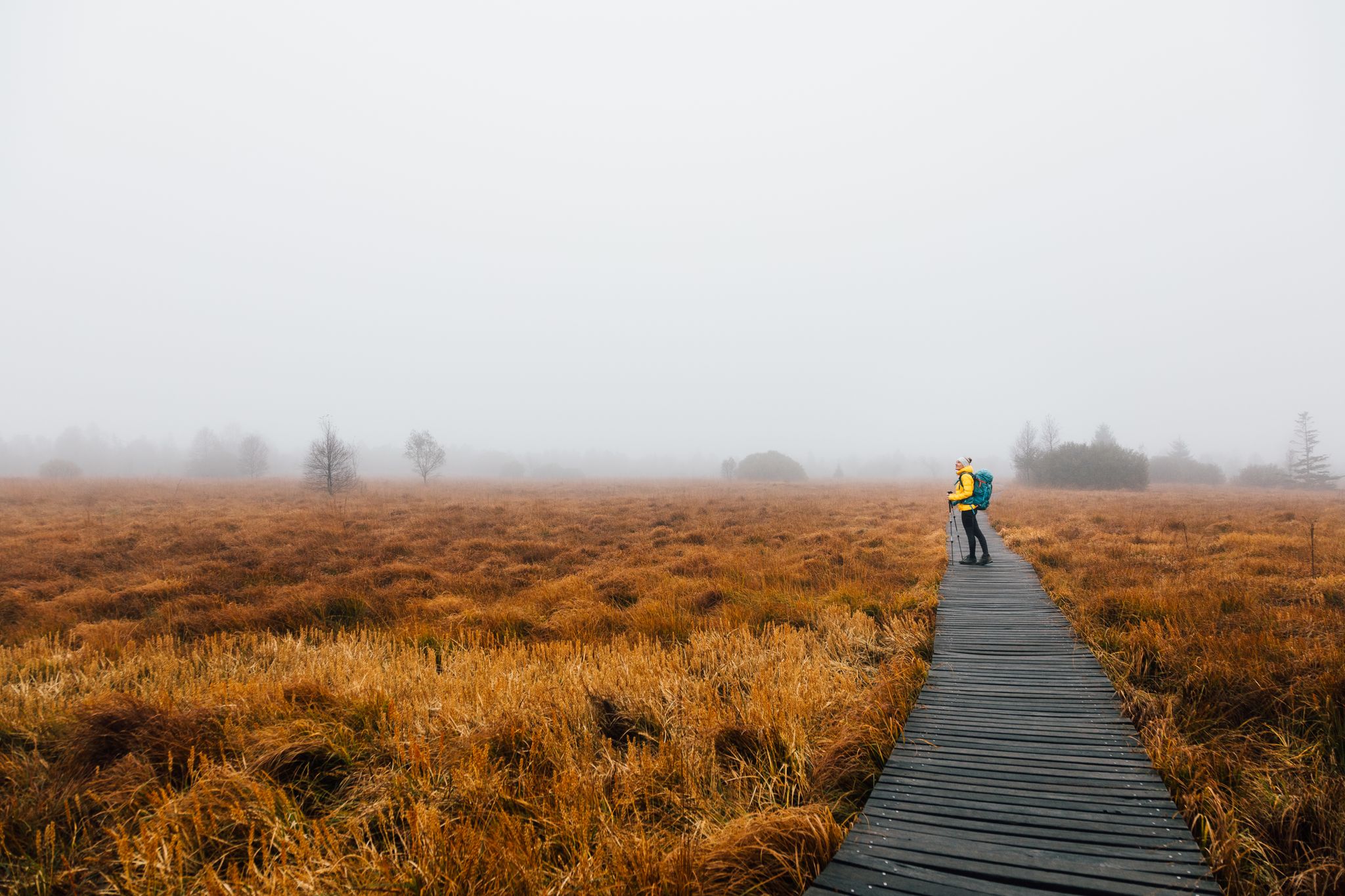
High moor to fairytale forest – three autumn days on the Venntrilogie
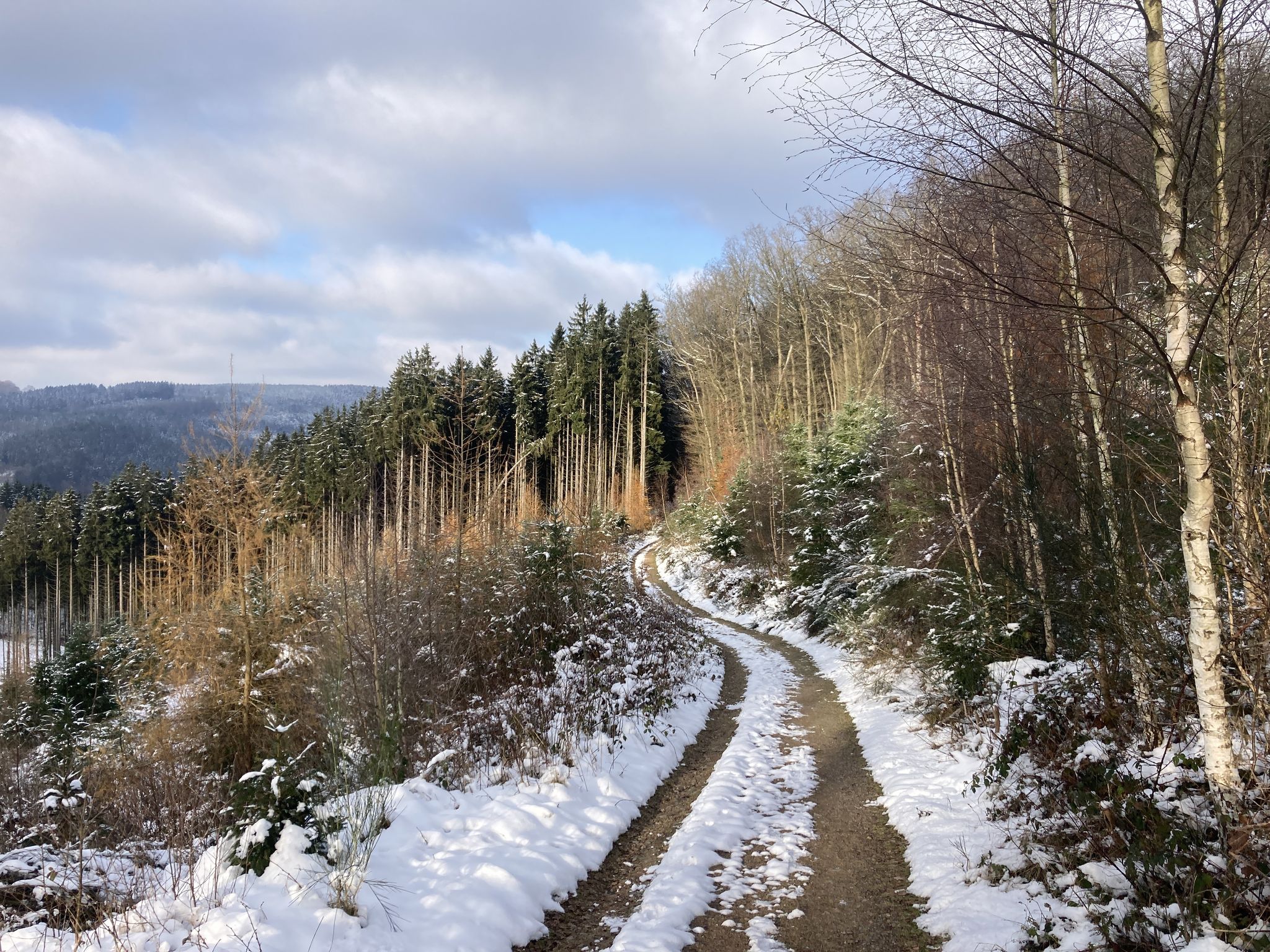
Grand Trail des Lacs & Châteaux - winter running along the Haute Fagnes
Other adventures in Hautes Fagnes-Eifel Natural Park


Tips from the Community

After about 9 km, the Getzbach feeds the Wesertalsperre with the purest peat water, a dark, red-brown water. The brown color comes from the content of dissolved iron and manganese and organic substances in the raised bog. The acids produced when the moor vegetation decomposes dissolve iron and manganese from the rocky subsoil. Because the water is extremely acidic, only water striders, water beetles and other insects can live in it. You will look in vain for fish here.
11
0

Many small moor lakes make the Brackvenn a particularly beautiful tour section
10
0
At this point there is a larger moor lake, which makes a nice photo motif, especially in fog. Above this, this moor lake is regularly visited by waterfowl such as wild ducks. If there are few people on the jetties and you approach the lake(s) quietly, there is a high probability that the animals will not be startled and scared away.
45
1
The peat that can be found everywhere in the bog and fen areas is the result of a process of incomplete decomposition. Usually, dead plants are gradually decomposed by small animals (such as earthworms), bacteria and fungi. This process applies to well-drained soils. On impervious acidic soils that do not contain many bacteria and in humid climates, plants such as peat moss are only partially decomposed. Their superimposition forms the peat layer. This peat layer can be up to 7 m in certain places here in the Brackvenn. 1 mm layer of peat takes 1 year to form. With a peat layer of 7 m, for example, we are talking about a period of 7,000 years.
51
1
Anyone who sees the beauty of the raised and low moors will never be able to let it go. The colors of the landscape, indeed the entire appearance of the High Fens, change dramatically every season. Even in winter - a breathtakingly beautiful landscape.
56
1
What is often called a lake in the Fens is often e.g. Palsas. The palsen or pingos in the High Fens were formed around 10,000 to 11,000 years ago at the end of the last ice age. When the ground froze deep down during the cold winters of the Ice Age, the wet ground expanded and frost mounds developed. Over the years these mounds grew and the soil material that was on top slid down the sides of the mounds and over time formed a ring-shaped wall around the mound of frost. With the end of the ice age, the ice melted, the frost mound sagged and the wall was preserved. The water in the middle is called bog scour or bog eye. Source: euregio-im-bild.de/fotos/palsen-im-brackvenn-bei-m-tzenich.html
65
1

What a unique landscape! Warning: hiking in the High Fens can be addictive :-)
14
0
This wooden bridge allows us to cross the still young Getzbach.
11
1
Frequently Asked Questions
What unique natural features can I explore in Hautes Fagnes-Eifel Natural Park?
The park is renowned for its diverse natural features. You can explore the extensive peat bog ecosystems of the High Fens, which are home to rare plant species and wildlife. Other notable features include the deep, wooded gorge of Trôs Marets Valley, the unique raised and low moor landscapes with peat layers up to 7 meters deep around the Brackvenn Moor Lakes, and the tranquil waterways of the Our Valley.
Are there any impressive waterfalls to visit in the park?
Yes, the park features several impressive waterfalls. The Bayehon Waterfall, roughly nine meters high, is located within a deep, wooded gorge and offers picturesque photo opportunities. Additionally, the Reinhardstein Waterfall is notable as Belgium's highest waterfall, with a drop of 60 meters near Reinhardstein Castle.
What are the best viewpoints for panoramic scenery in Hautes Fagnes-Eifel Natural Park?
For breathtaking panoramic views, Signal de Botrange, the highest point in Belgium, offers expansive vistas of the surrounding landscape, sometimes even extending to the St. Lambertus Church in Kalterherberg on clear days. Many trails throughout the High Fens also provide scenic overlooks of the moorlands and peat bogs.
What kind of wildlife can I spot in the Hautes Fagnes-Eifel Natural Park?
The unique ecosystems of the High Fens are home to diverse wildlife. You might spot rare plant species like cotton grass, and animals such as the black stork and beaver. The Hautes Fagnes also host the last remaining Belgian black grouse population, a symbolic species for the park.
Are there family-friendly activities or trails near the natural monuments?
Many areas are suitable for families. The hike through the Trôs Marets Valley is considered suitable for families. The Bayehon Waterfall is also easily accessible for families, with parking available near the Moulin de Bayehon watermill. For easy hikes, consider routes like 'Pleasure tour 8: "A castle sits enthroned in the Warche valley"' or 'Boardwalks through the Brackvenn – Brackvenn Moor Lakes loop', which are listed as easy hikes in the region.
What are some popular hiking trails near these natural monuments?
The park offers numerous trails. For a challenging experience, you can explore the Trôs Marets Valley. The area around the Bayehon Waterfall also features attractive hiking trails. You can find more options, including mountain hikes and easy hikes, on the Mountain Hikes in Hautes Fagnes-Eifel Natural Park and Easy hikes in Hautes Fagnes-Eifel Natural Park guide pages.
Can I bring my dog to the natural monuments and trails?
Many trails in the Hautes Fagnes-Eifel Natural Park are dog-friendly. For instance, the hike through the Trôs Marets Valley is suitable for hikers with dogs. Always check local regulations for specific areas, especially in nature reserves, as some sensitive ecosystems might have restrictions.
What is the best time of year to visit the natural monuments?
The Hautes Fagnes-Eifel Natural Park offers a rich experience year-round. The appearance of the High Fens changes dramatically with each season. While excellent for hiking in warmer months, its wild, windswept character can be formidable in winter, offering a unique, albeit challenging, experience. The unique peat bog ecosystems are particularly enchanting in spring and autumn.
Are there any historical sites or contexts associated with the natural monuments?
Yes, some natural monuments have historical significance. Baraque Michel, another high point in the park, historically served as a refuge for lost travelers, with a bell rung to guide them. This site offers a sense of historical context within the natural setting of the moors.
What should I consider regarding terrain and difficulty for hiking near the natural monuments?
The terrain varies significantly. For example, trails around the Bayehon Waterfall can be very covered with roots and slippery in wet weather, requiring sturdy shoes and sure-footedness. The High Fens can also have colder temperatures and a wetter climate. Always check the difficulty ratings for specific routes; options range from easy boardwalks to challenging mountain hikes.
Are there opportunities for cycling or mountain biking near the natural monuments?
Yes, the Hautes Fagnes-Eifel Natural Park offers opportunities for cycling and mountain biking. You can find various routes, including challenging MTB trails like 'The three-country route' or 'Eupen MTB Trails'. Explore more options on the MTB Trails in Hautes Fagnes-Eifel Natural Park guide page.
Where can I find parking or public transport options for accessing the natural monuments?
Parking is often available near popular natural monuments and trailheads. For instance, parking is convenient near the Moulin de Bayehon for accessing the Bayehon Waterfall. While specific public transport details vary, the park is generally accessible, and information on routes and access points can often be found through local tourism resources like Visit Wallonia or Visit Ardenne.
Most popular routes in Hautes Fagnes-Eifel Natural Park
Most popular attractions in Hautes Fagnes-Eifel Natural Park

Get inspired with the komoot mobile app


Explore more
Extend your search for the best caves by checking out these guides of the top ones in Hautes Fagnes-Eifel Natural Park:
