Top 20 Natural Monuments in Pyrénées Catalanes
Best natural monuments in Pyrénées Catalanes are found within the Pyrénées Catalanes Regional Natural Park, a vast area in southern France spanning over 138,000 hectares. This region features a diverse landscape, ranging from 300 to nearly 3,000 meters in altitude, blending Mediterranean and mountain influences. It is recognized for its exceptional biodiversity, including 60 mountain lakes and numerous wetlands. The park also holds cultural significance, with sites like the iconic Canigou Massif.
Best natural monuments in Pyrénées Catalanes
- The most…
Last updated: June 27, 2026
Canigou
Highlight • Summit
Translated by Google •
Tip by

Puigmal d'Er Summit
Highlight • Summit
Translated by Google •
Tip by

Sign up now to discover places like this
Get recommendations on the best single tracks, peaks, & plenty of other exciting outdoor places.
Sign up for free
Summit of Pic Carlit
Highlight • Summit
Translated by Google •
Tip by

Pic de la Pena
Highlight • Summit
Tour to the highlight: komoot.de/tour/340851629?ref=itd
Translated by Google •
Tip by

Roca Colom summit
Highlight • Summit
Translated by Google •
Tip by
Sign up for free to discover even more natural monuments in Pyrénées Catalanes.
Sign up for free
Already have an account?
Start today with a free account
Your next adventure awaits.
Login or Signup
Popular around Pyrénées Catalanes
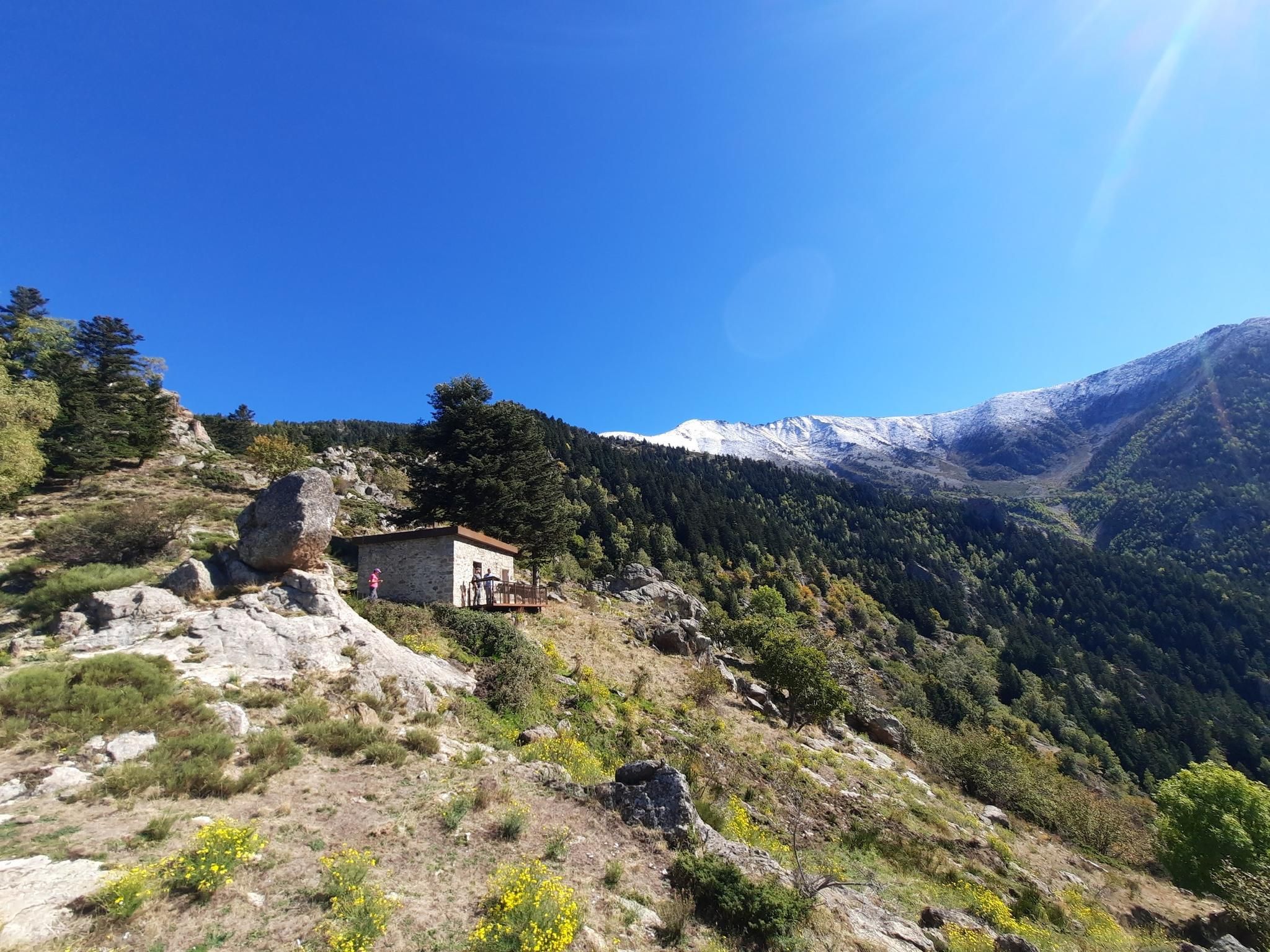
The Crossing of the Pyrenees via the GR 10 — Eastern Pyrenees
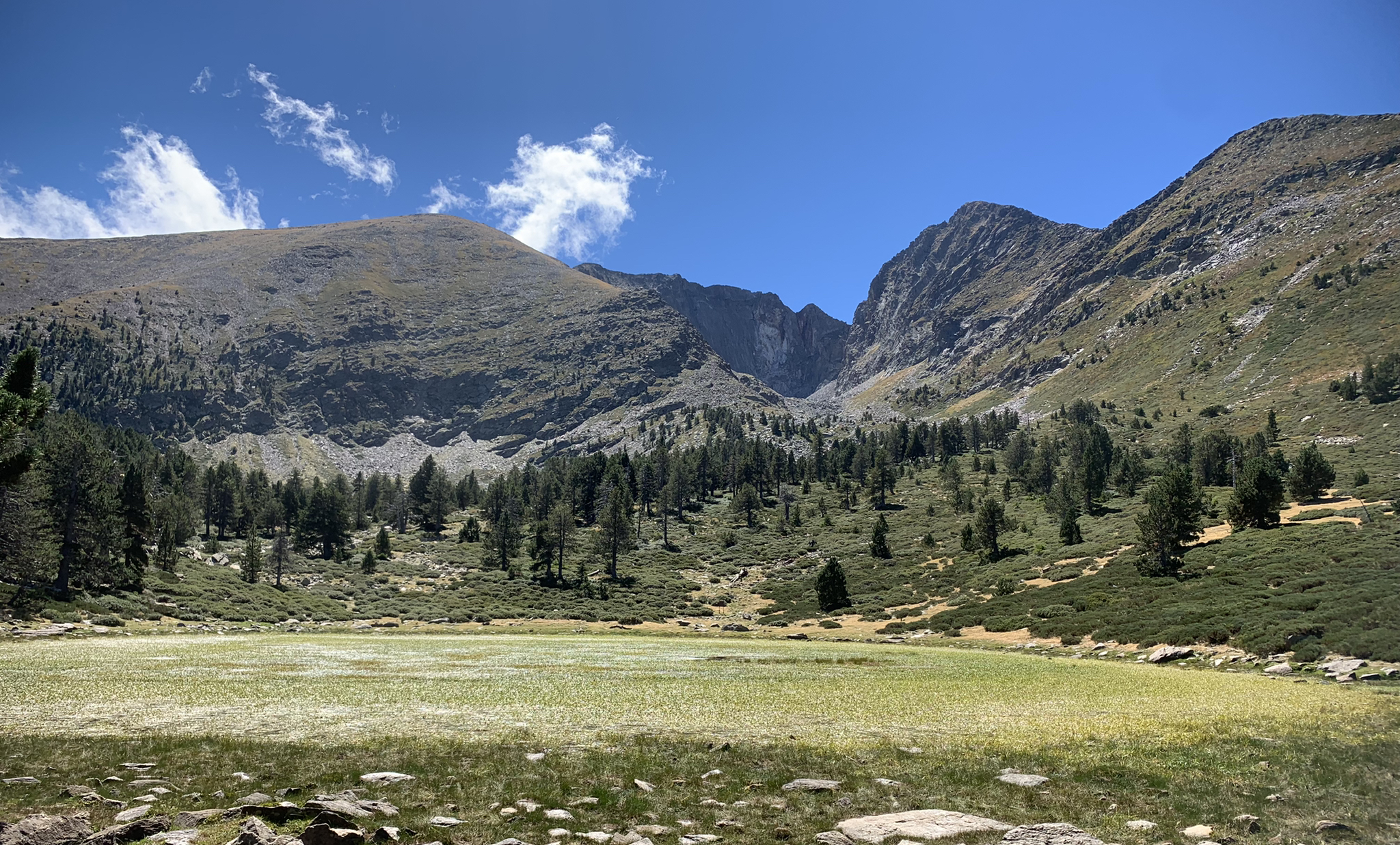
Tour du Canigou – Through the heart of the Mediterranean Pyrenees
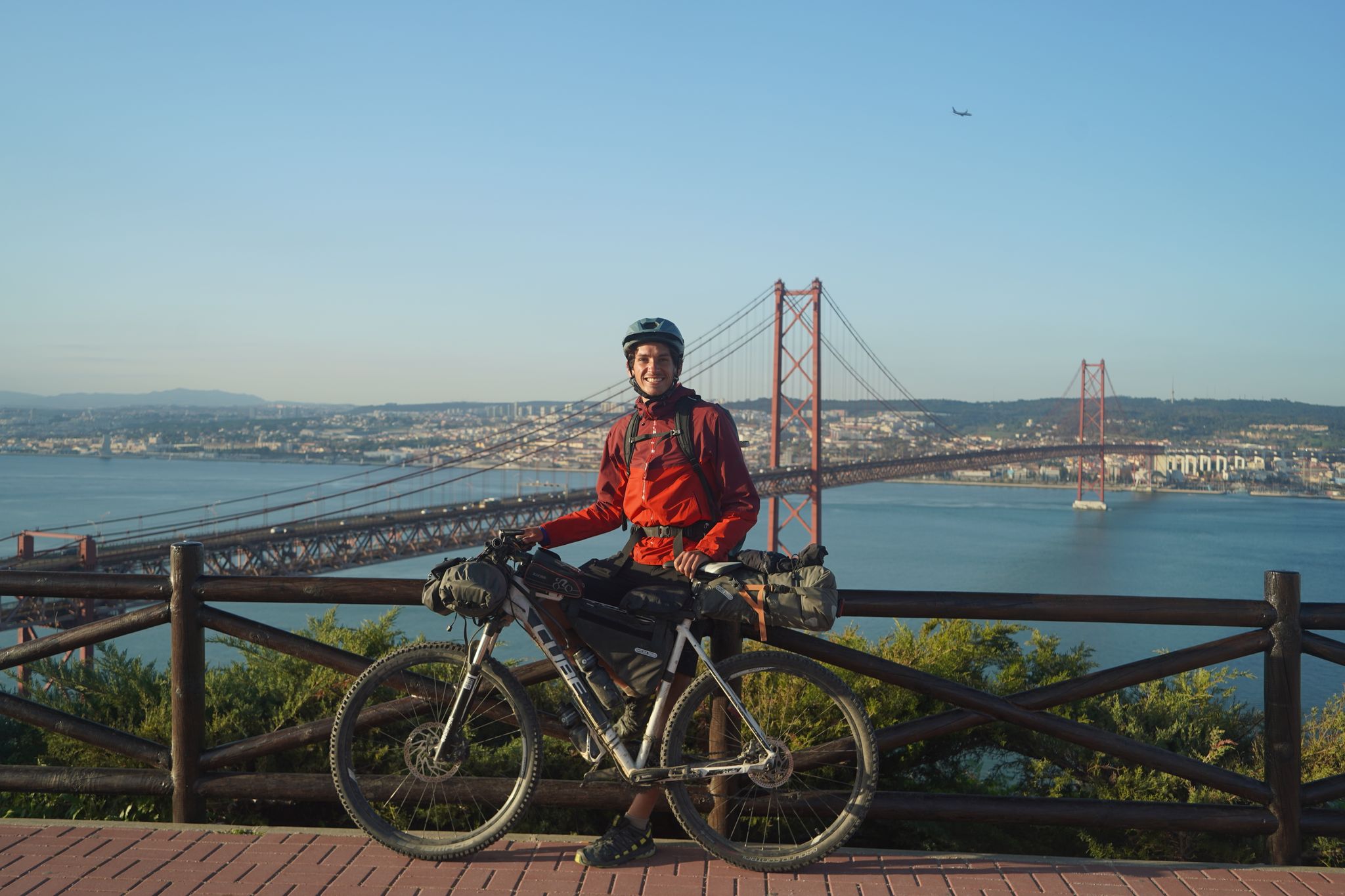
Road to Lisbon – bikepacking the Alps, Pyrenees and Picos de Europa
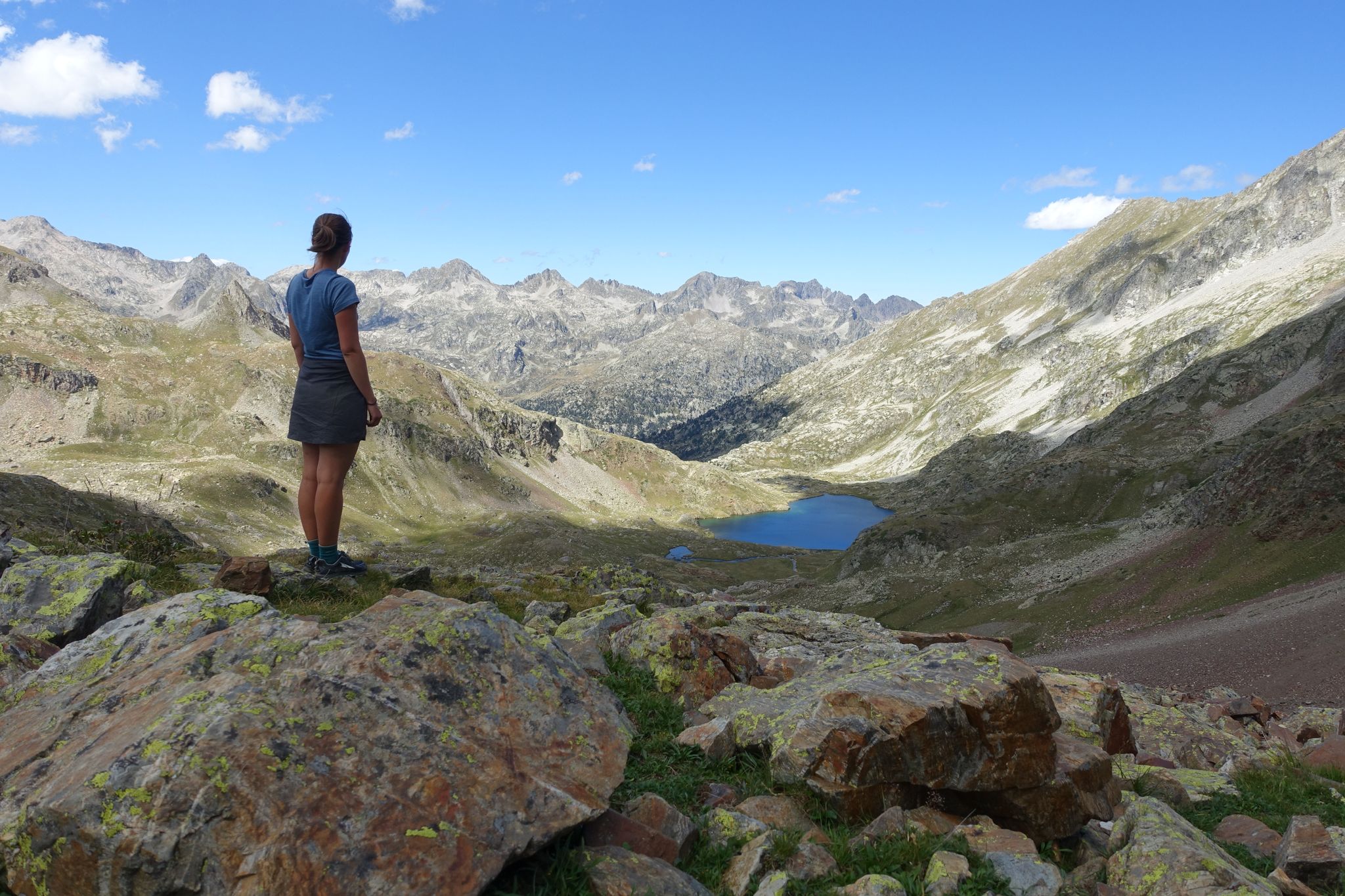
Haute Route Pyrénéenne – Pyrenees Crossing
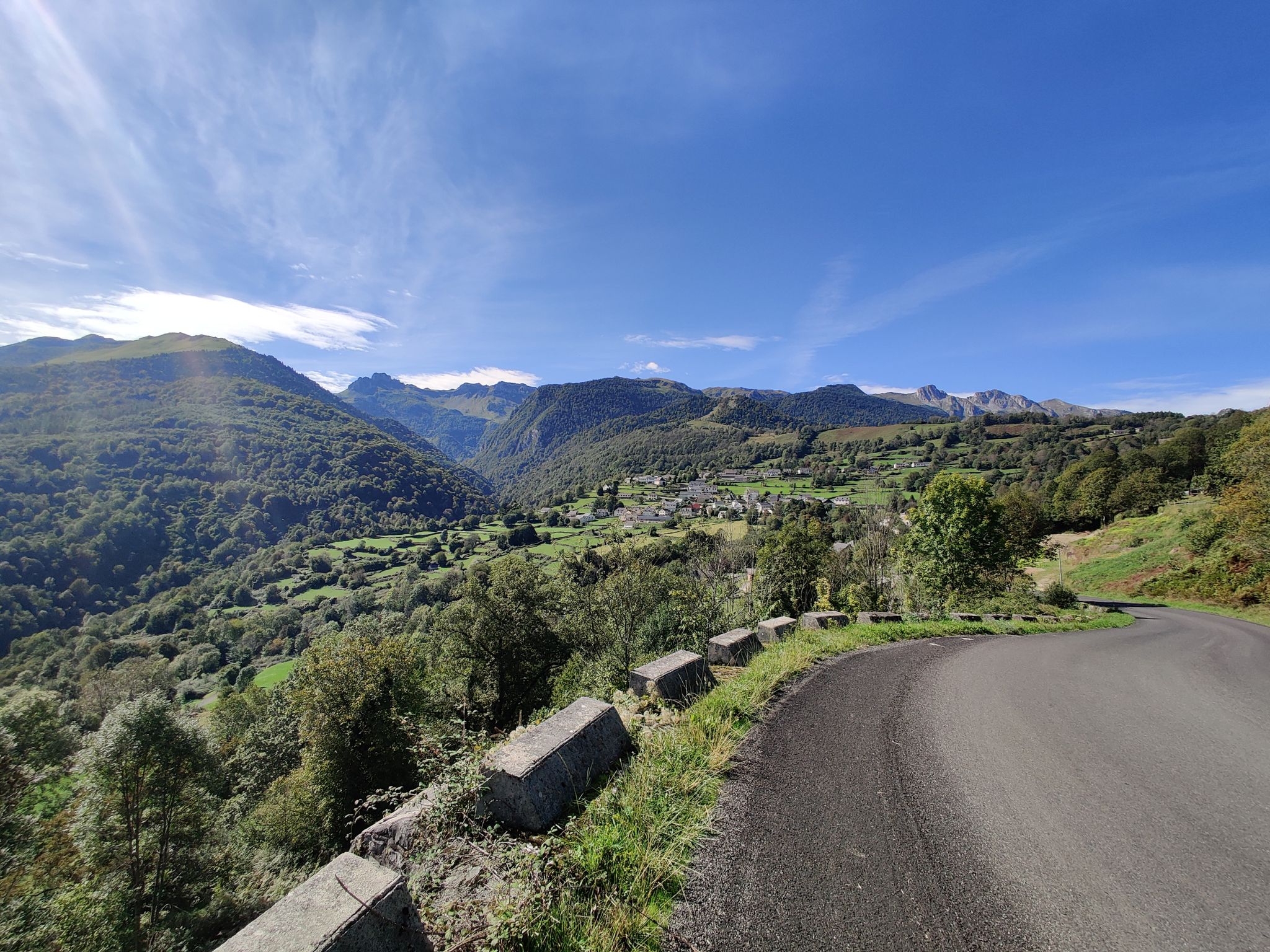
From the Atlantic to the Mediterranean – Route des Cols in the Pyrénées
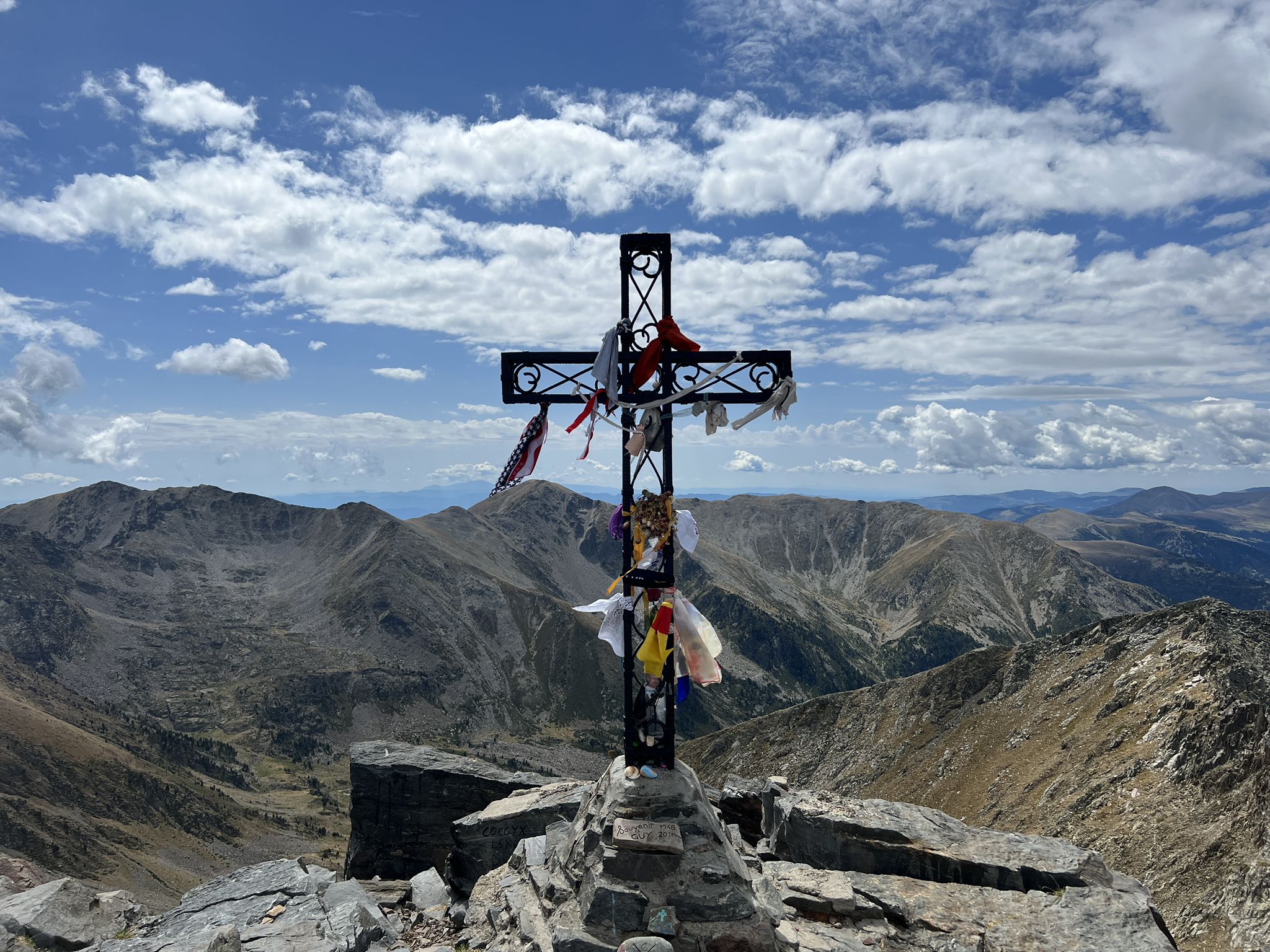
Tour of Canigo — The last great massif of the Pyrenees
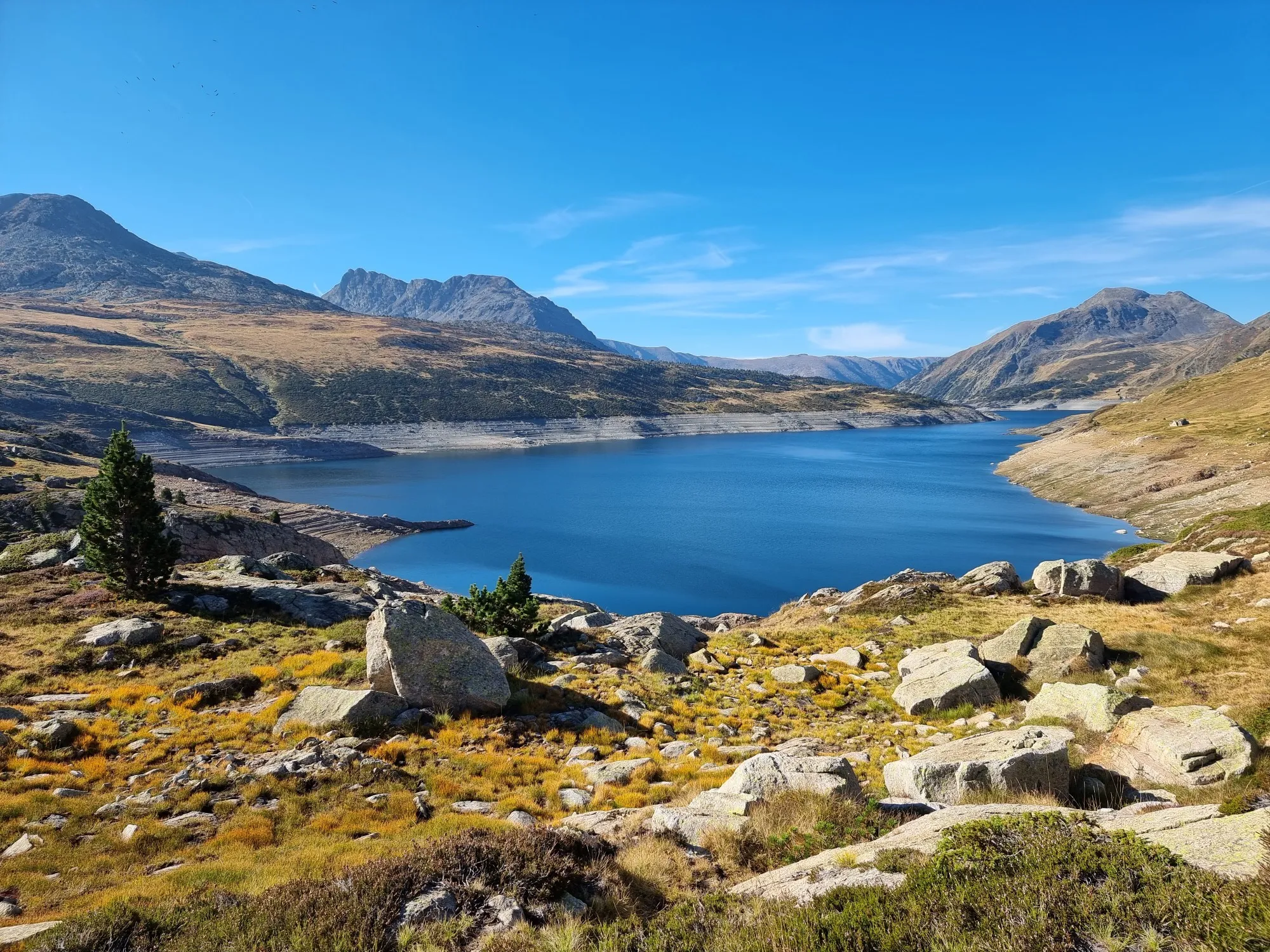
On wild ridges: Catalonia to Ariège – Hexatrek, Eastern Pyrenees
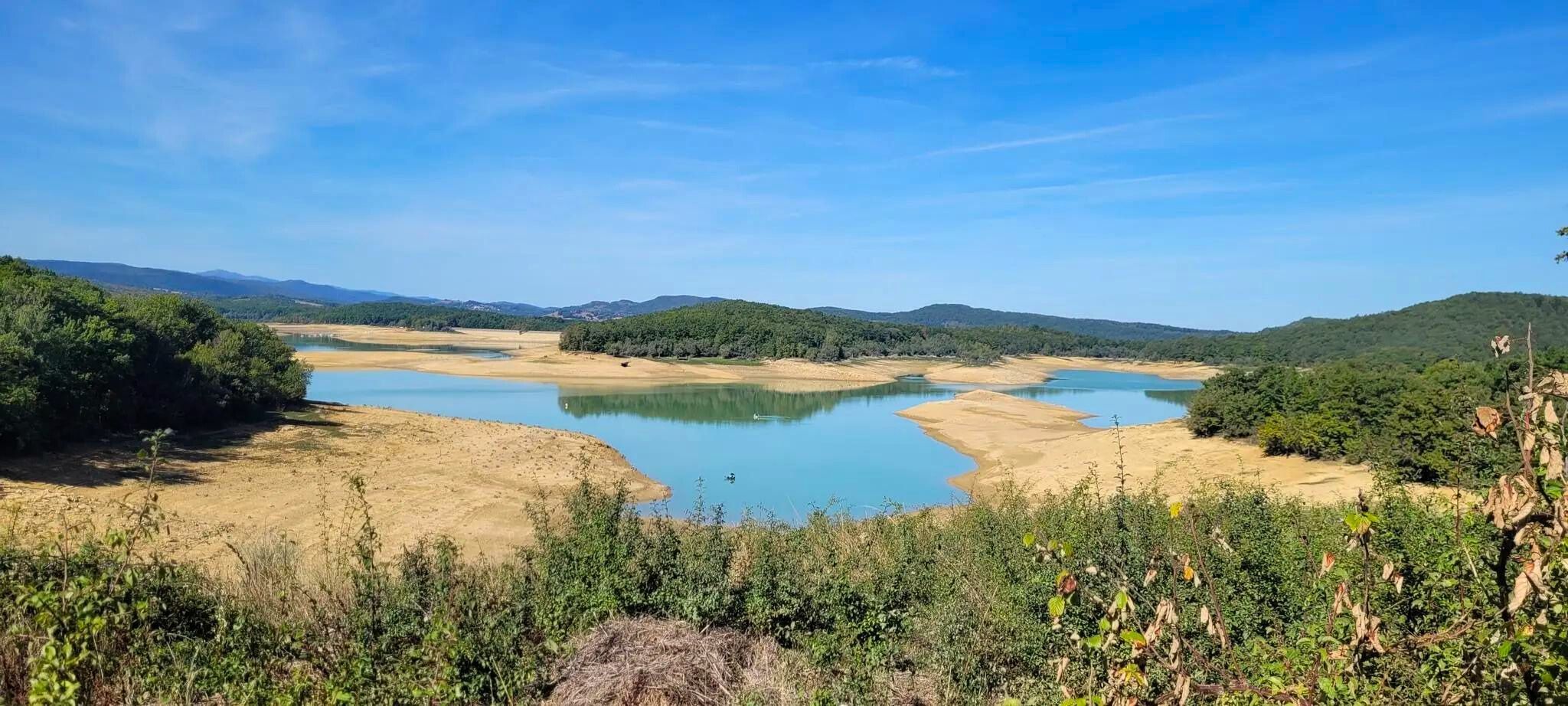
Plains, hills and mountains – GR 7 in the heart of France’s Occitania
From refuge to refuge — Tour des Pérics
Le chemin des Bonshommes — In the footsteps of the Cathars
Other adventures in Pyrénées Catalanes


Tips from the Community

Generally shaded, this loop can be done in hot weather.
0
0


The classic and arguably most-visited peak of the Eastern Pyrenees. Due to its location, this mountain can be seen far into France. The gravel road to the Ras dels Cortalets parking lot requires good shock absorbers (please correct me if it's no longer allowed to drive there). From there, it's only 600 meters of elevation gain via Pic Joffre to the summit. The second ascent from the south is somewhat more challenging, so a traverse is also possible.
2
3

Magnificent summit, one of the emblems of Catalonia, the ascent and descent made by the famous chimney more impressive than difficult
0
0

the views and the pleasure of climbing almost to 3000 m
1
0

Where did you drive up there from and which gate did you take? Where did you drive up there from and which gate did you take? From where did you drive up there and which gate did you take?
0
1

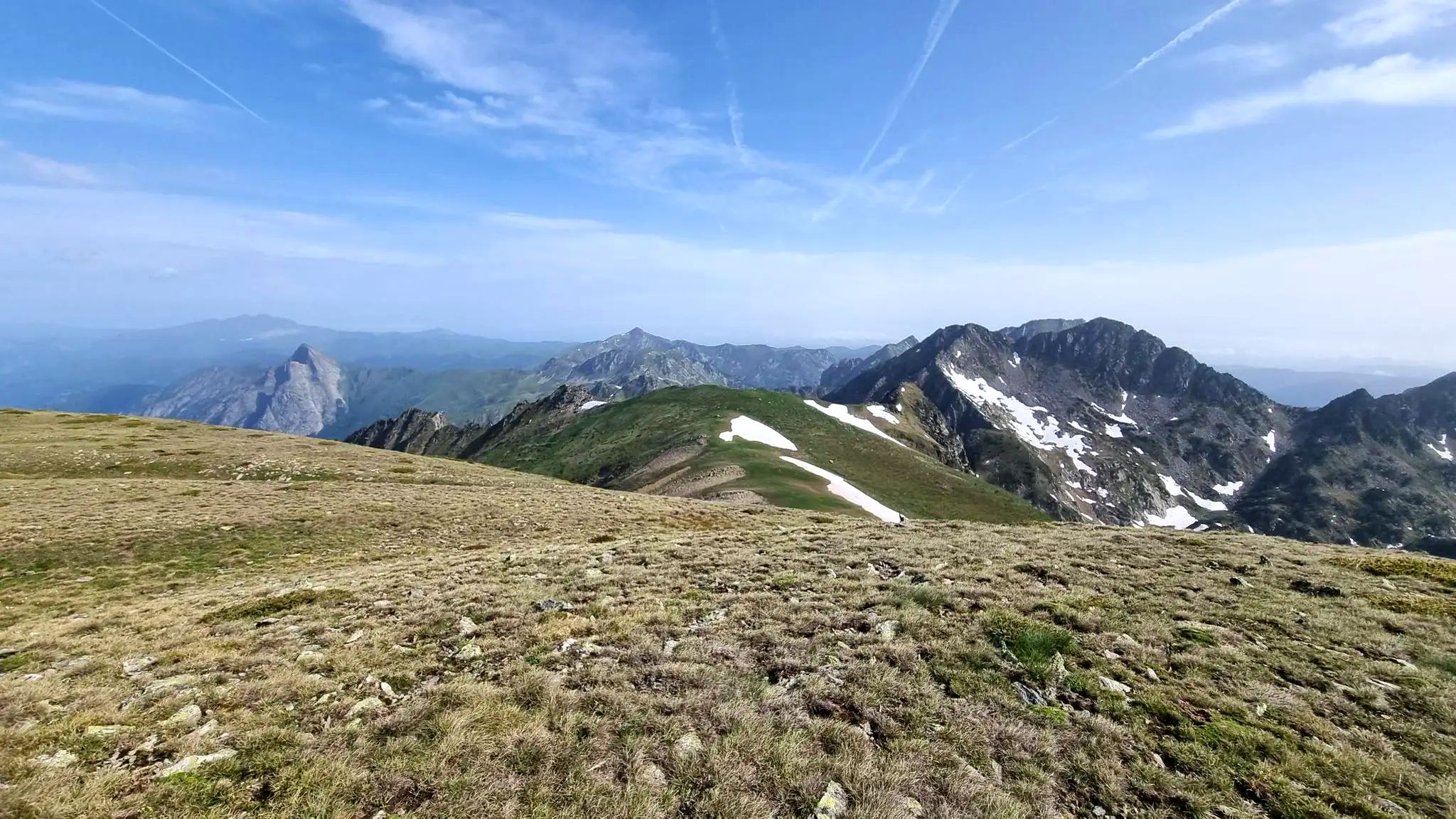
Carlit Peak is part of the Capcir granite massif, which is dotted with 27 lakes and small lakes in the Occitanie region, northwest of Font-Romeu. Its summit is located at 2921 meters, allowing you to observe an immense panorama (from Canigó to the Central Pyrenees).
1
2

There isn't really much of a view to enjoy here. The other mountains in the same category that can be hiked along the ridge are more impressive. But you are still "up there" here. Away from the hustle and bustle of the world, in silence. Only the wind blows over the peaks, kicks up a few dust devils, and in summer cools the sweat of the climb.
3
0
Frequently Asked Questions
What are some of the most popular natural monuments to visit in Pyrénées Catalanes?
The Pyrénées Catalanes region is home to several highly regarded natural monuments. Among the most popular are Canigou, an iconic peak considered a symbol of Catalonia, and the Puigmal d'Er Summit, known for its wonderful views and relatively simple ascent in good weather. Another must-see is the Summit of Pic Carlit, which offers wide panoramas over the valley and its numerous lakes.
What kind of natural features can I expect to see in the Pyrénées Catalanes Natural Park?
The Pyrénées Catalanes Regional Natural Park boasts a diverse range of natural features. You'll find high-altitude peaks like the Carlit-Campardós Massif, glacial landscapes, and numerous mountain lakes, including the notable Lac des Bouillouses. The region also features verdant alpine pastures, pine forests, and valleys such as the Eyne Valley, renowned for its exceptional flora and biodiversity.
Are there family-friendly natural monuments or activities in Pyrénées Catalanes?
While many natural monuments involve challenging hikes, the region offers options for families. The area around Lac des Bouillouses, for instance, provides a magical hiking experience around its 12 altitude lakes, with restricted access in July managed by buses, making it more accessible. Exploring the diverse landscapes of the Eyne Valley can also be a rewarding experience for nature-loving families.
What is the best time of year to visit the natural monuments in Pyrénées Catalanes?
The best time to visit depends on your desired activities. Summer (June to September) is ideal for hiking and exploring the high-altitude peaks and lakes, though access to popular spots like Lac des Bouillouses may be restricted in July. Spring and autumn offer pleasant temperatures and vibrant scenery. In winter, areas like the Canigou Massif become popular for cross-country skiing and snowshoeing, but some higher routes may be inaccessible due to snow.
What outdoor activities can I do near these natural monuments?
The Pyrénées Catalanes region offers a wide array of outdoor activities. You can find numerous routes for cycling, including challenging rides like 'From Olette to lake Matemale' or 'Col de Jau – Jau Pass loop from Catllar'. For mountain biking, explore options like 'Lac des Bouillouses – Sheepfold of the Jasse d'Amunt loop'. Hiking is also very popular, with demanding mountain hikes such as 'Les Bones Hores Bar & Restaurant – Peak Carlit loop' or 'Puigmal loop'. You can find more details on these activities in the Cycling in Pyrénées Catalanes, Gravel biking in Pyrénées Catalanes, and Mountain Hikes in Pyrénées Catalanes guides.
Are there any cultural or historical aspects associated with the natural monuments?
Yes, several natural monuments hold significant cultural importance. The Canigou Massif, for example, is considered a symbol of Catalonia and is steeped in legend, with a tradition of ascending it to witness the sunrise on the summer solstice. The historic Yellow Train also traverses the park, offering scenic journeys through grandiose landscapes and picturesque villages, connecting visitors with the region's heritage.
What kind of wildlife can I spot in the Pyrénées Catalanes Natural Park?
The Pyrénées Catalanes Regional Natural Park is rich in biodiversity and home to iconic animal species. Keep an eye out for chamois, mouflon, and golden eagles, particularly around the Canigou Massif. The Carlit-Campardós Massif is known for species like the bearded vulture. The park also protects the Pyrenean desman and capercaillie, alongside unique plant species such as the Alysson des Pyrénées.
Are there any easy hiking trails around the natural monuments?
While many peaks offer challenging ascents, there are easier options. The Puigmal d'Er Summit is considered a simple ascent in good weather, making it a good starting point for those new to mountain hiking. The trails around Lac des Bouillouses also offer more moderate experiences, allowing you to enjoy the stunning lake scenery without extreme difficulty.
What are the typical terrain and difficulty levels for trails around the natural monuments?
The terrain around the natural monuments varies significantly. You can expect everything from well-maintained paths to steep, rocky ascents. Peaks like Canigou and the Summit of Pic Carlit involve challenging climbs, often with large steps and some technical sections requiring surefootedness and a head for heights. Other areas, like the Eyne Valley, offer more moderate treks through forests and alpine pastures.
Are there viewpoints that offer panoramic vistas of the region?
Absolutely. Many natural monuments double as exceptional viewpoints. The summit of Canigou provides panoramic views of the Pyrenees, the Mediterranean, Perpignan, and the Roussillon plain. Similarly, the Puigmal d'Er Summit and the Summit of Pic Carlit offer wide, breathtaking panoramas over valleys and countless lakes. Even lower peaks like Pic de la Pena offer magnificent vistas.
What should I bring when hiking to natural monuments in Pyrénées Catalanes?
When hiking in the Pyrénées Catalanes, especially to higher natural monuments, it's essential to be well-prepared. Always carry sufficient water, snacks, and appropriate layers of clothing as weather conditions can change rapidly. Sturdy hiking boots are a must for the varied terrain. For challenging routes, a map, compass or GPS device, and a first-aid kit are highly recommended. If planning an overnight stay, consider booking mountain huts in advance.
Can I find accommodation or places to eat near the natural monuments?
Yes, there are options for accommodation and dining. For longer treks to peaks like Canigou, mountain huts are available for overnight stays. In general, the villages surrounding the Pyrénées Catalanes Regional Natural Park offer various accommodations, cafes, and pubs. It's advisable to check availability and book in advance, especially during peak season.
Most popular routes in Pyrénées Catalanes
Most popular attractions in Pyrénées Catalanes

Get inspired with the komoot mobile app


Explore more
Extend your search for the best caves by checking out these guides of the top ones in Pyrénées Catalanes:
