Föhrenberge Nature Park
Föhrenberge Nature Park
Top 20 Natural Monuments in Föhrenberge Nature Park
Best natural monuments in Föhrenberge Nature Park are characterized by distinctive natural features, including umbrella-shaped black pines and significant dry grasslands. The park, nestled within the Vienna Woods, offers a serene landscape shaped by limestone soil. These natural features provide ecological significance, unique scenery, and opportunities for recreation. The region is ideal for hiking, nature observation, and relaxation.
Best natural monuments in Föhrenberge Nature Park
- The most popular natural monuments is Breite Föhre Rest Area, a historical natural monument…
Last updated: July 11, 2026
Breite Föhre Rest Area
Highlight • Rest Area
Breite Föhre was a popular excursion destination on the slopes of the Anninger near Mödling, from which there is a wide view down to the …
Translated by Google •
Tip by

Liechtenstein Castle
Highlight • Castle
Translated by Google •
Tip by

Sign up now to discover places like this
Get recommendations on the best single tracks, peaks, & plenty of other exciting outdoor places.
Sign up for free
Matterhörndl
Highlight • Natural Monument
Translated by Google •
Tip by

Jubilee Tower on Eschenkogel
Highlight • Viewpoint
Translated by Google •
Tip by

Gießhübler Heath
Highlight (Segment) • Natural Monument
Translated by Google •
Tip by

Sign up for free to discover even more natural monuments in Föhrenberge Nature Park.
Sign up for free
Already have an account?
Start today with a free account
Your next adventure awaits.
Login or Signup
Popular around Föhrenberge Nature Park
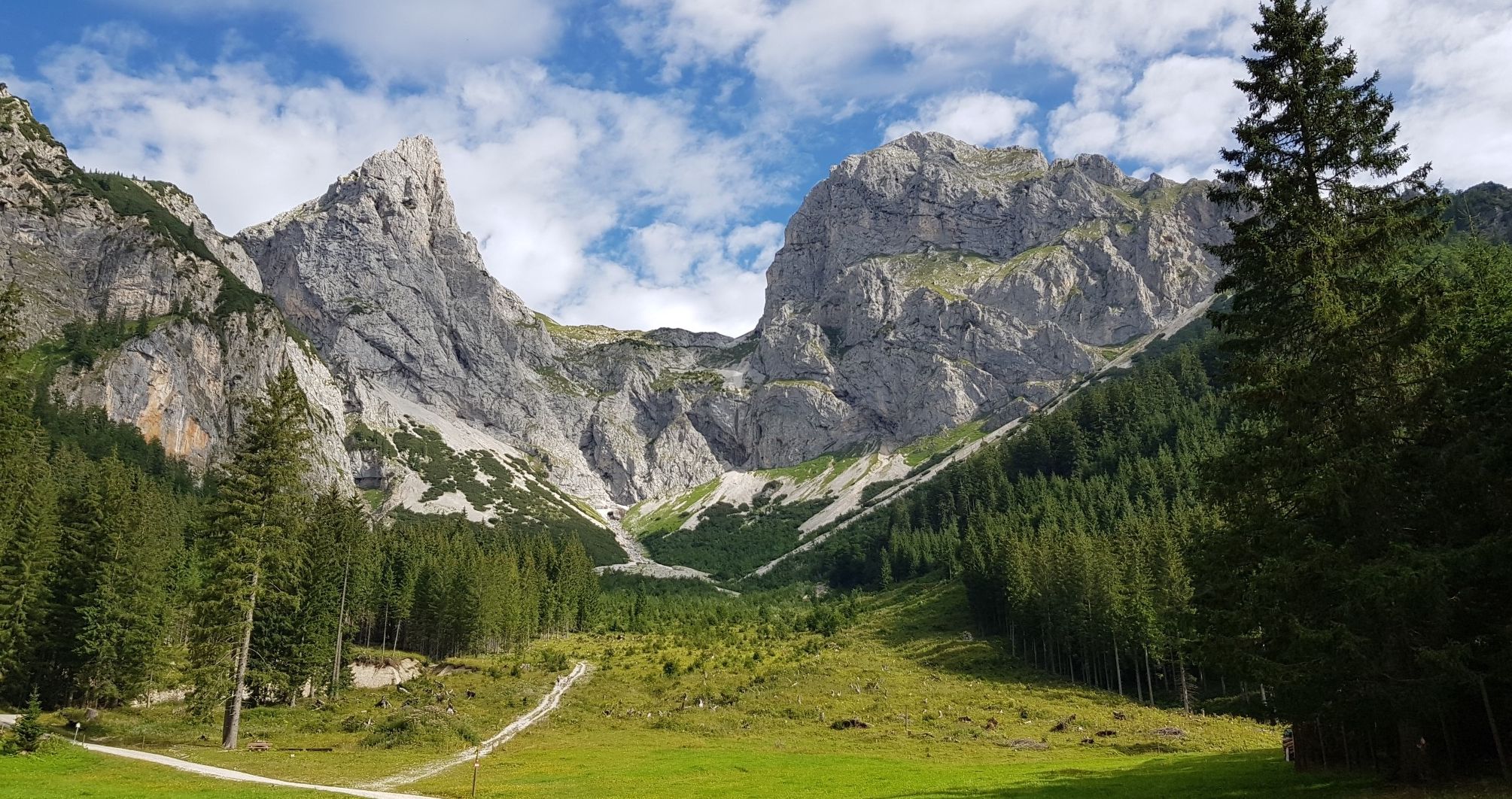
North Alpine Trail 01 – Hike across Austria in 49 days
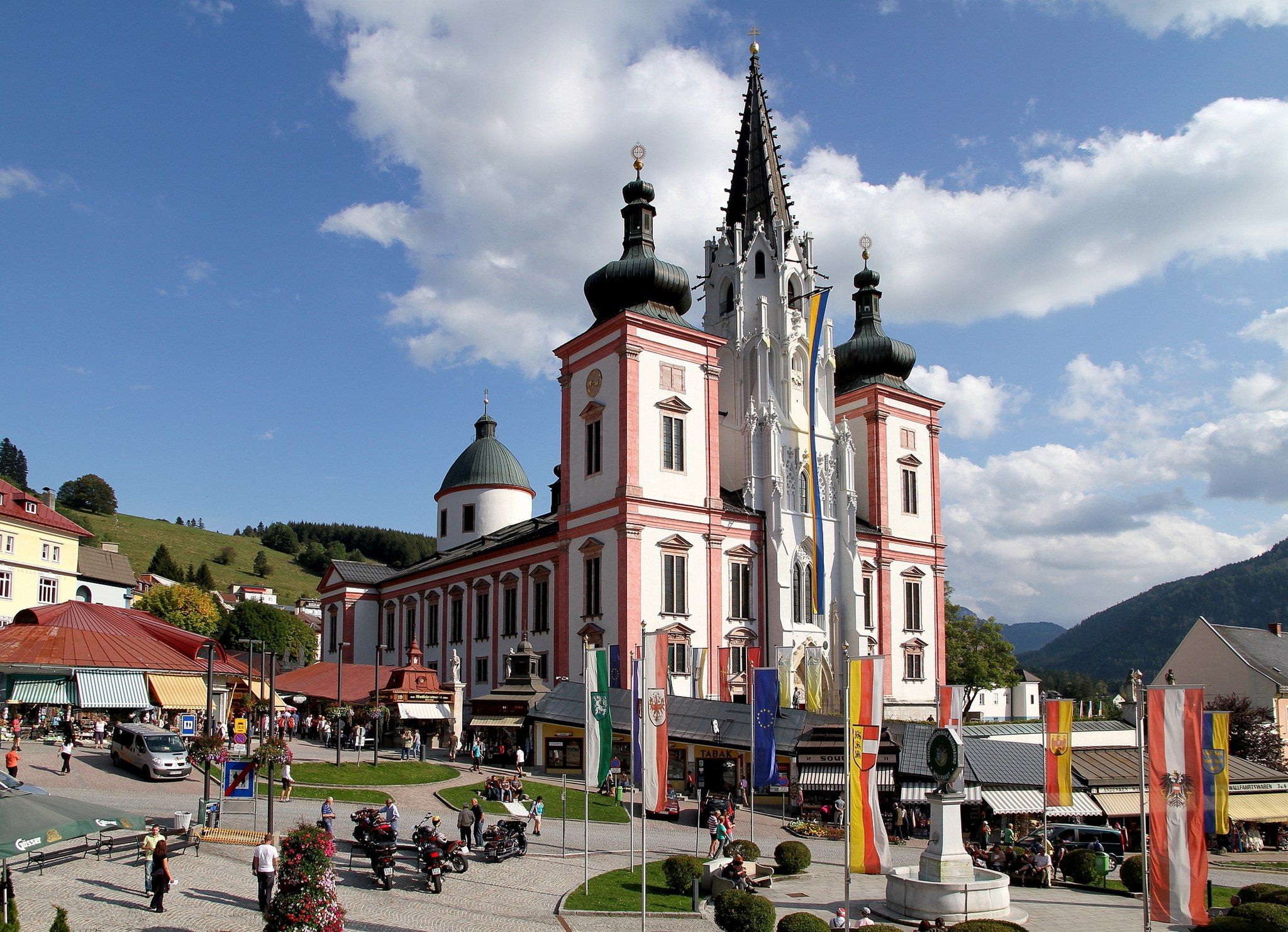
Wiener Wallfahrerweg 06 – A pilgrimage through Lower Austria
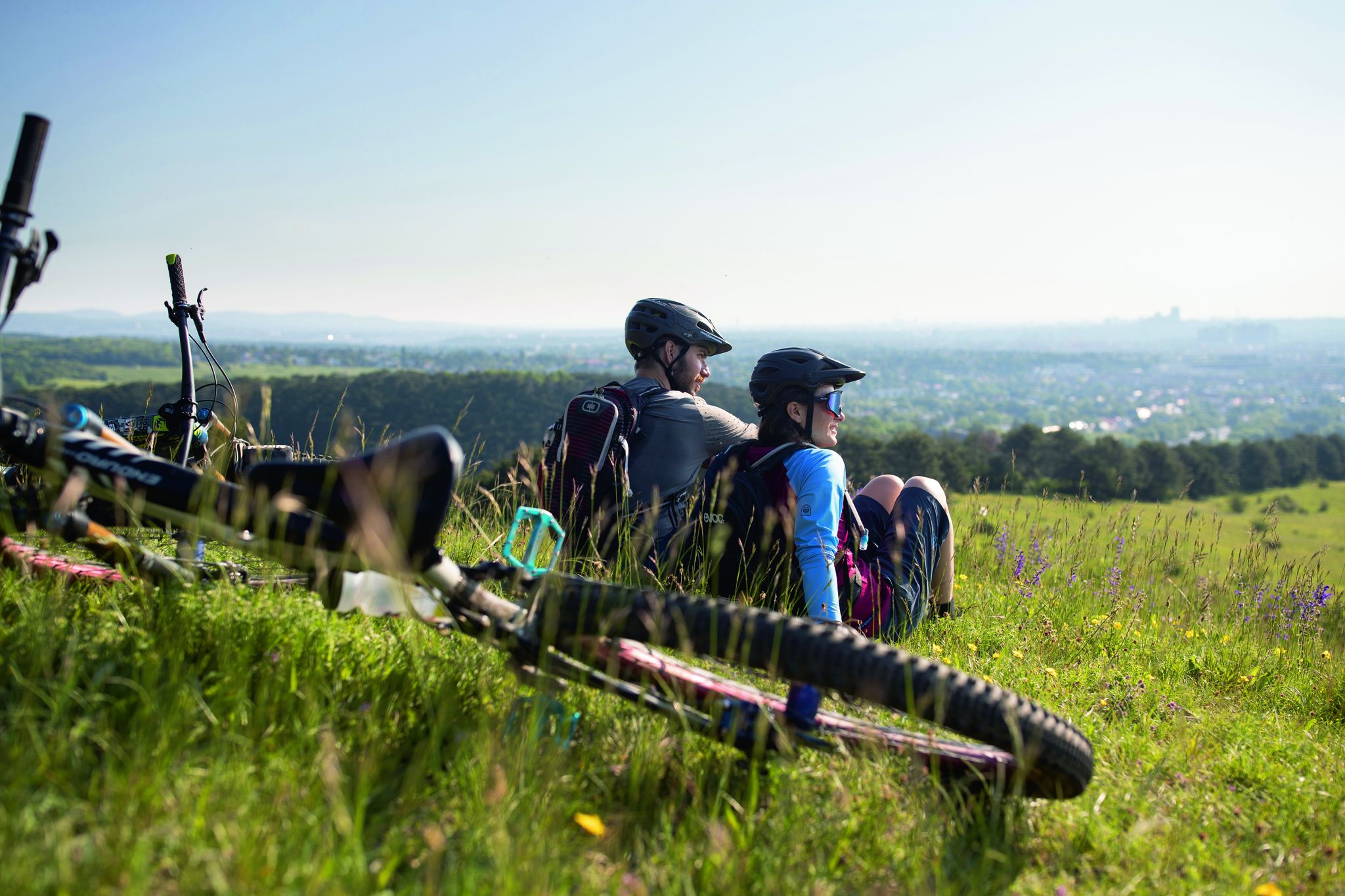
Fun, flow and elevation gain – MTB trails in the Vienna Woods
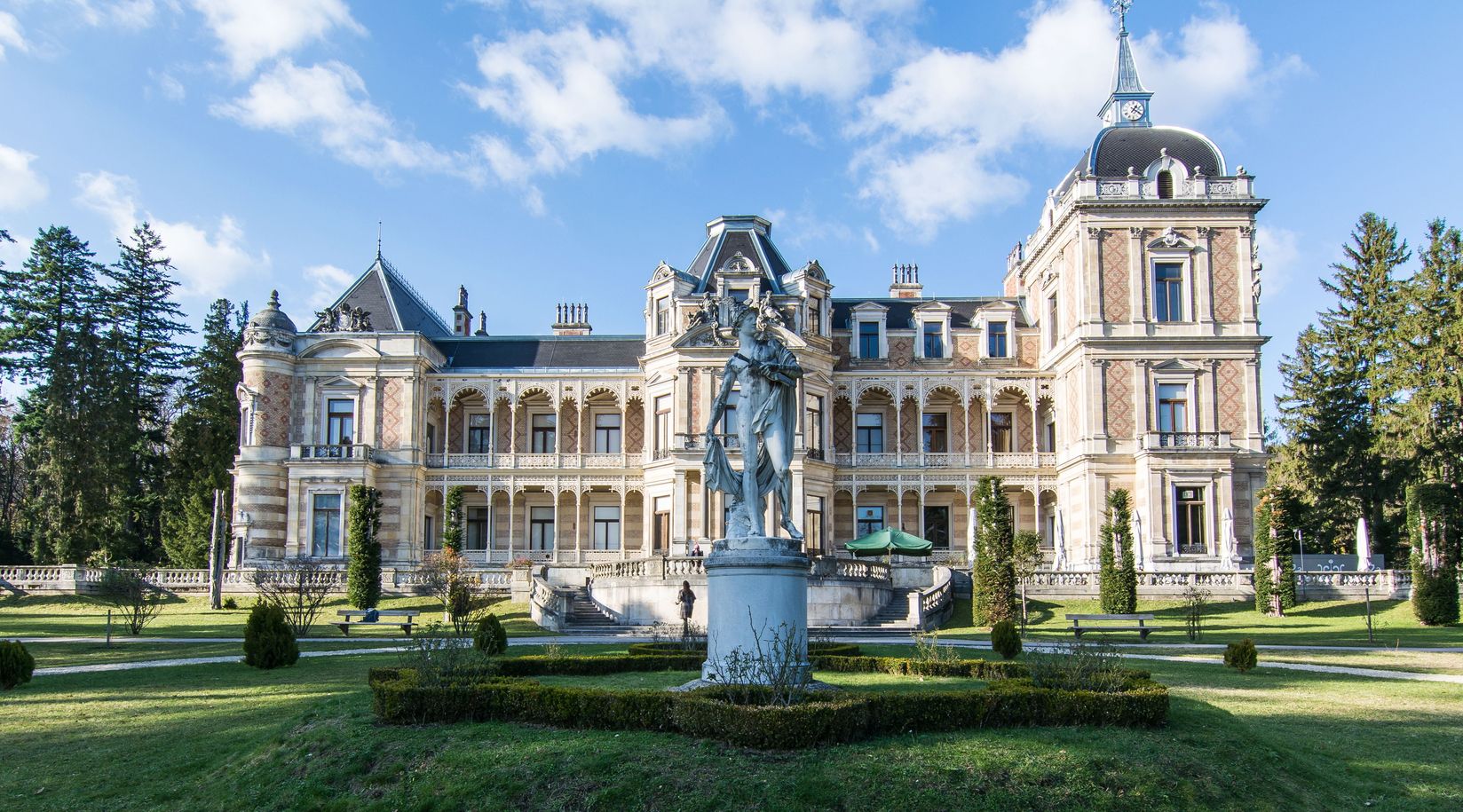
Architecture & Nature — magnificent buildings around Vienna
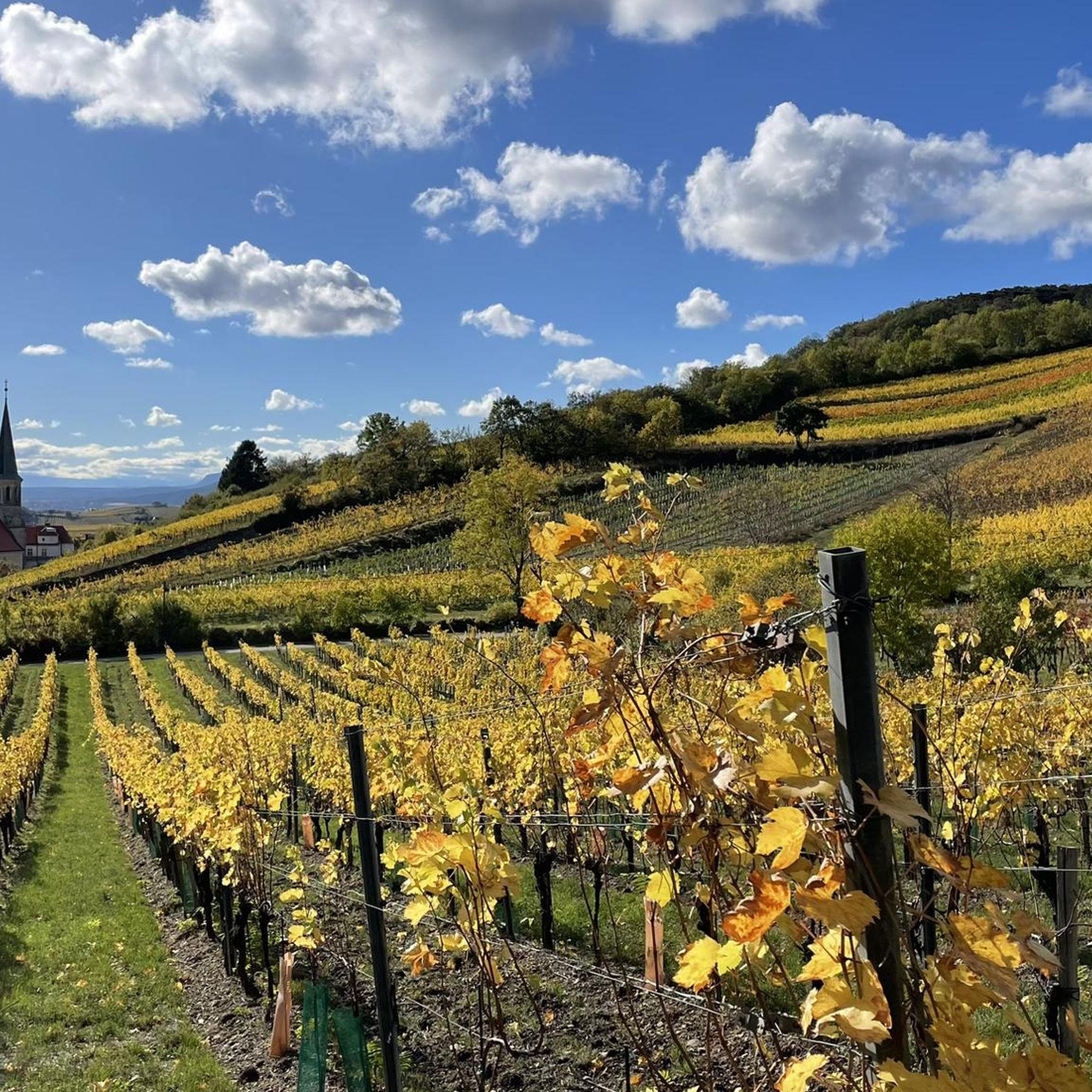
Hiking in Föhrenberge Nature Park
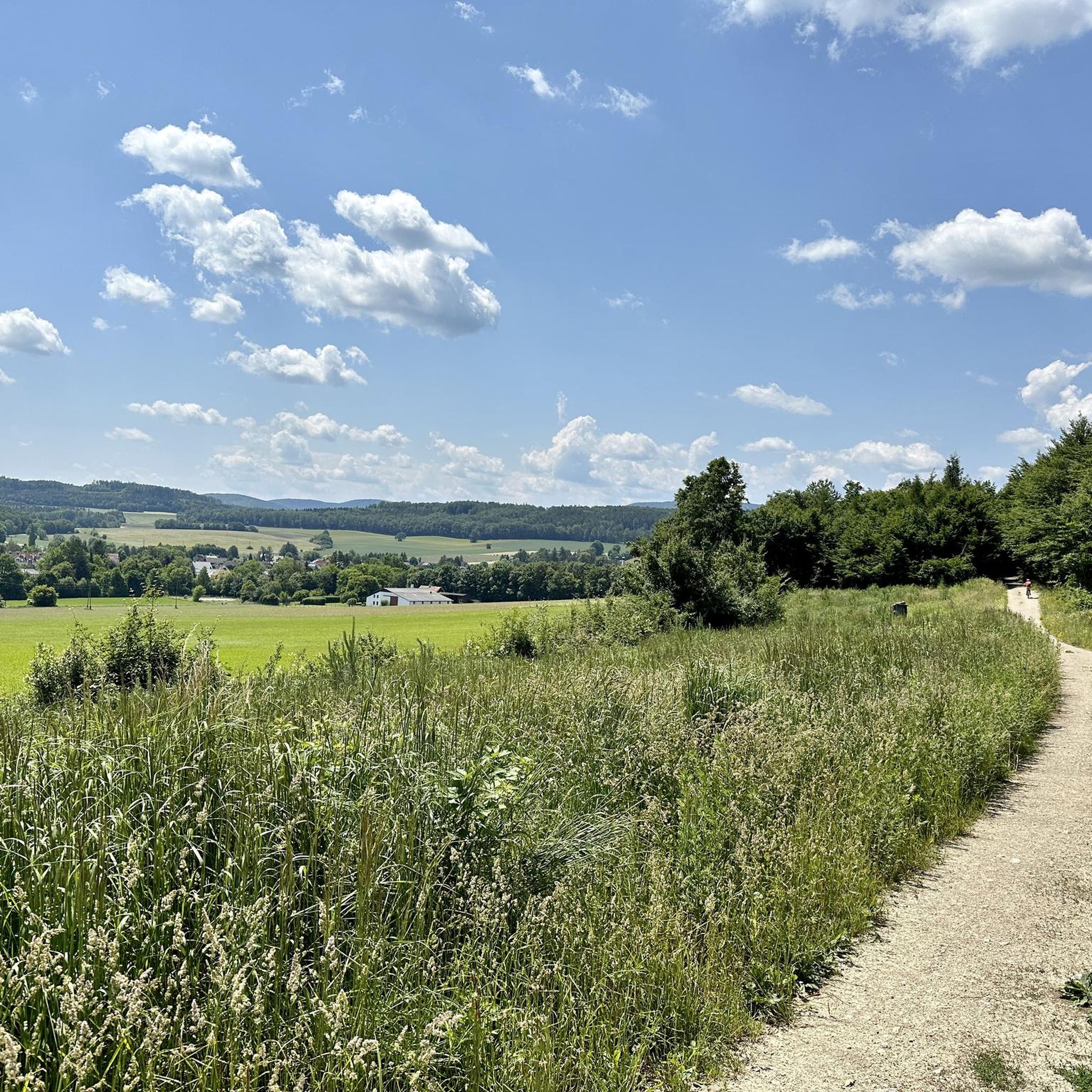
MTB Trails in Föhrenberge Nature Park
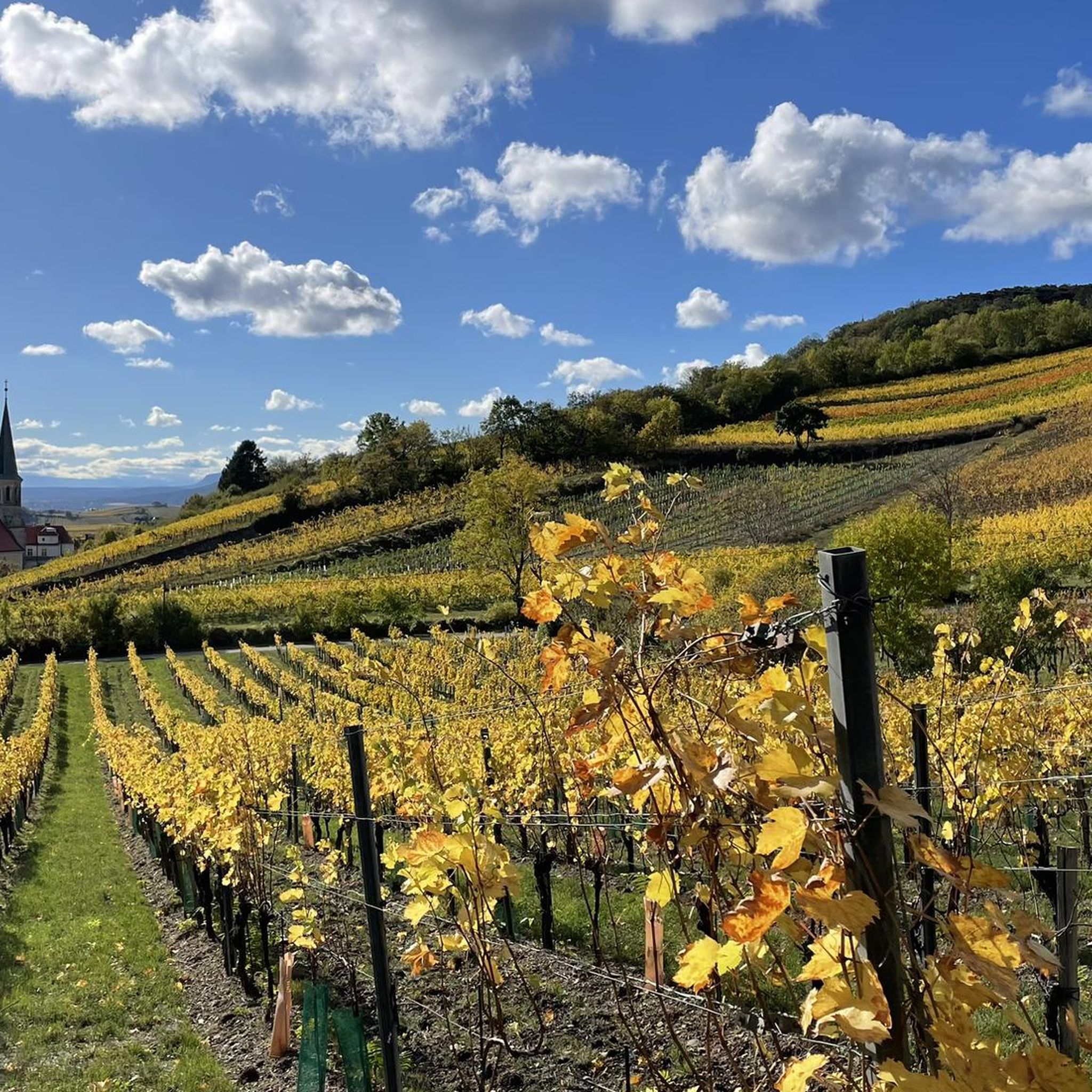
Cycling in Föhrenberge Nature Park
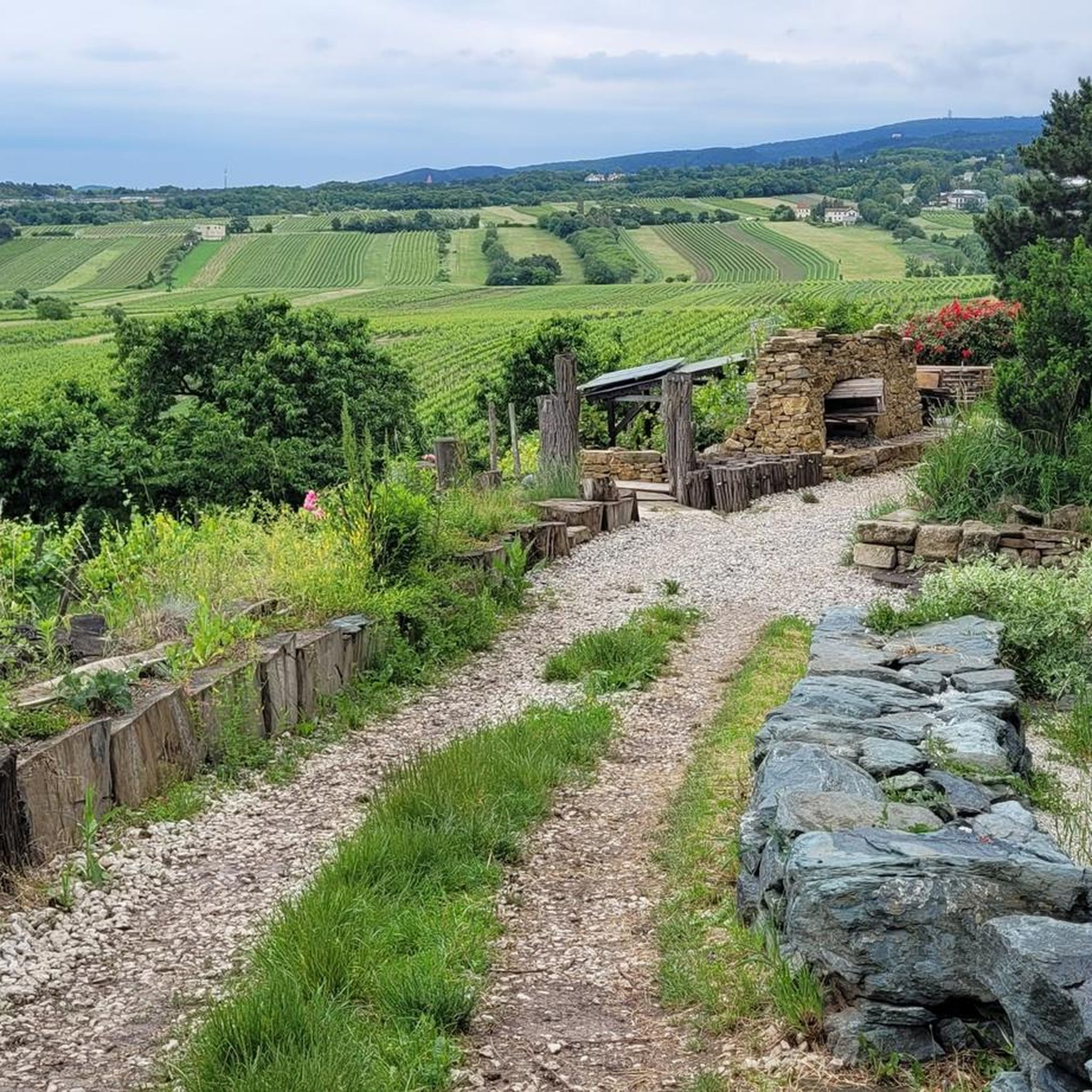
Running Trails in Föhrenberge Nature Park
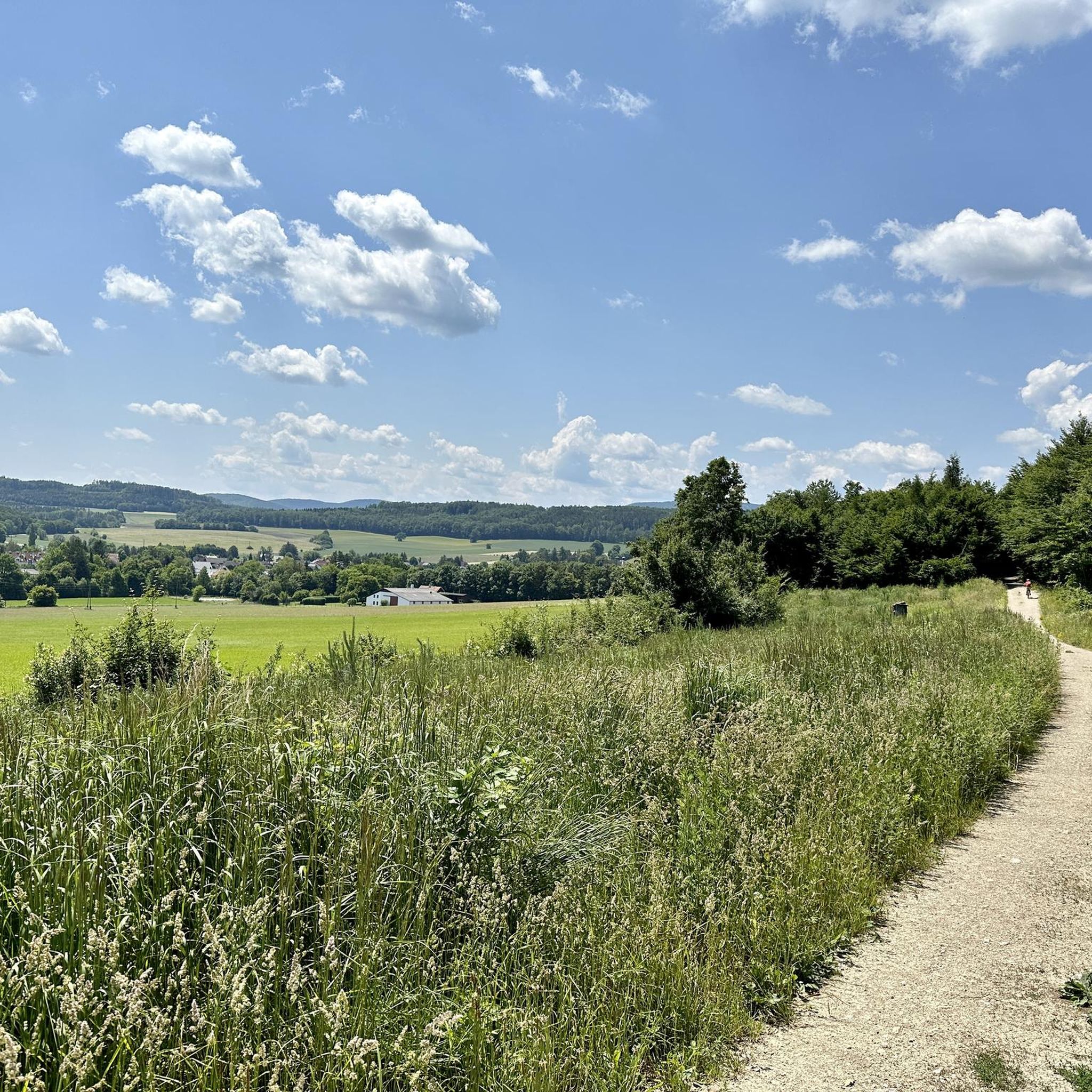
Road Cycling Routes in Föhrenberge Nature Park
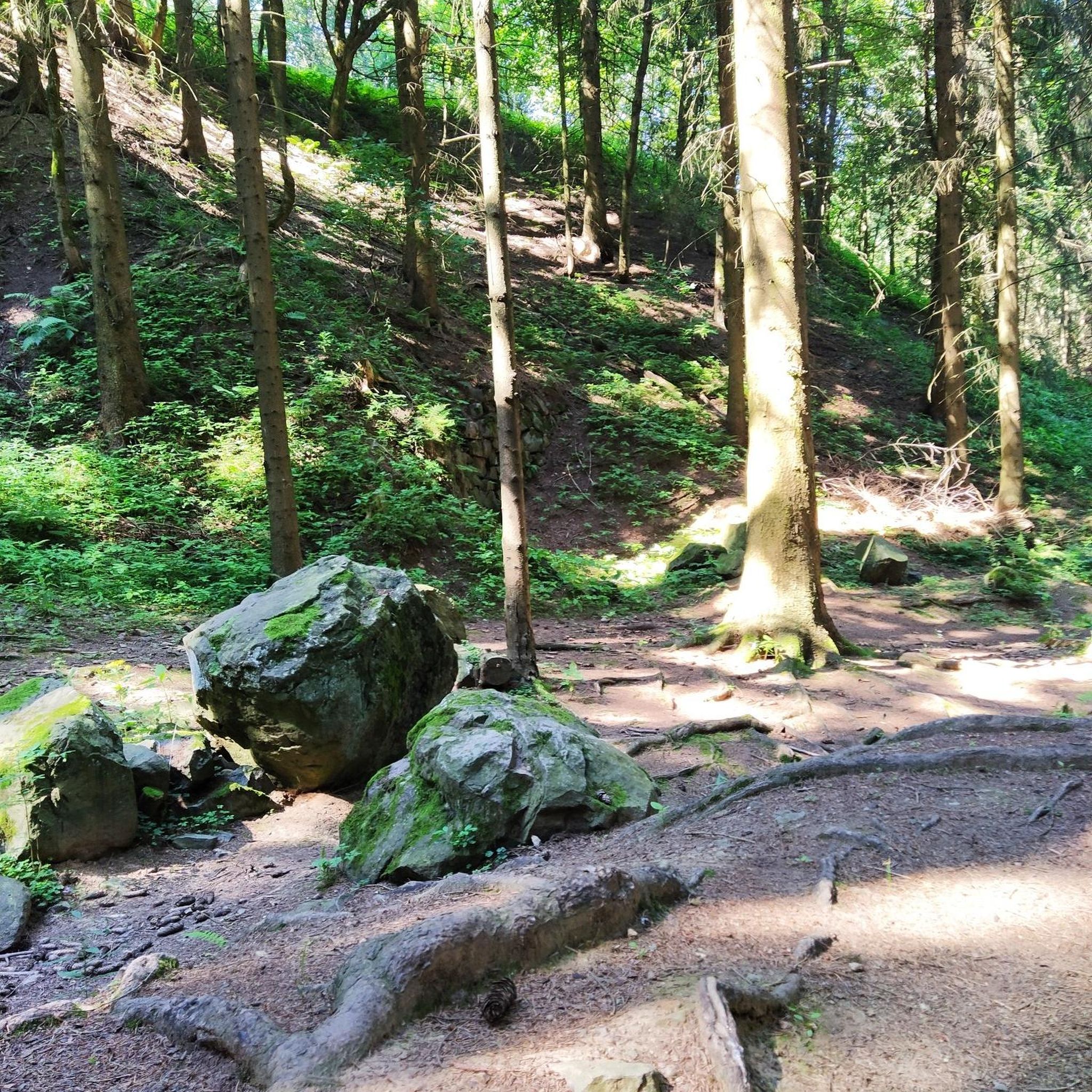
Gravel biking in Föhrenberge Nature Park
Other adventures in Föhrenberge Nature Park


Tips from the Community

The Gießhübler Heide is a beautiful natural gem on the edge of the Vienna Woods. Formerly a cattle pasture, it is now a popular starting point for hikes and nature experiences.
10
0

The observation tower, which was ceremoniously reopened in 2021, is the landmark of the Anninger and sits enthroned on the Eschenkogel. In 1878, the Mödling Nature Friends Association, the "Verein 1877", built a wooden observation platform. Almost 20 years later, the then so-called "Sofienwarte" was replaced by a 16 m high iron observation tower on the occasion of the 50th anniversary of the government. Thanks to the "Verein 1877" (which still exists today) and the surrounding communities, the observation tower was renovated for the 100th anniversary of the reign of Emperor Franz Josef I and replaced with a new 20 m high solid iron structure with a dizzying and impressive viewing platform and was ceremoniously opened in 2021. The Kaiser-Jubiläumswarte on the Eschenkogel is the landmark of the Anninger and impresses with a breathtaking view from the south/west of Vienna and the Vienna Basin. Source: www.niederoesterreich.at/ausflugsziele/a-jubilaeumswarte-am-eschenkogel
8
2


The Matterhörndl is a small but impressive rock in the Vienna Woods that is perfect for a short rest. It is a little hidden away from the main path and easy to miss, but it is worth the visit. With a small opening through and the opportunity to climb around a bit, it is a mystical place for photographers, children and nature lovers. I visited this mountain as part of my Dwarf Mountain Tours series. My goal is to climb every mountain in the Vienna Woods. Find my tours here: https://www.komoot.com/de-de/collection/2517195/-zwergbergtouren-im-wienerwald
7
1
Just a few steps from the Anningerhaus is the Jubiläumswarte, which offers an impressive panoramic view - a real highlight, especially in clear weather. The 20-meter-high observation tower, newly built in 2021, offers spectacular views of Vienna, the Vienna Woods and as far as the Schneeberg. A short detour is worthwhile for every visitor who wants to enjoy the vastness of the landscape. I visited this mountain as part of my Dwarf Mountain Tours series (ZBT#8). My goal is to climb every mountain in the Vienna Woods. Find my tours here: https://www.komoot.de/collection/2517195/-zwergbergtouren-im-wienerwald
6
0

The Gießhübler Heide is a natural jewel in the Vienna Woods that is home to a wide variety of plants and animals. It is a former pasture area that has been grazed by sheep again since the 1990s to prevent bush encroachment. Rare flowers such as the dwarf iris, the greater pasqueflower or the Austrian flax grow on the dry grassland. These in turn attract many insects that serve as food for bats and birds. The Gießhübler Heide is a popular destination for hikers who want to enjoy nature and the view. There are several hiking trails that lead to the heath, for example from Gießhübl, Perchtoldsdorf or Kaltenleutgeben.
6
0
Location description Liechtenstein Castle is located south of Maria Enzersdorf on the edge of the former Liechtenstein Landscape Park about 300 m above sea level on the edge of the Vienna Woods in the Föhrenberge Nature Park, about 75 meters above the center of Maria Enzersdorf. It is built on an extremely narrow rock ridge north of the Kalenderberg, which runs east-west and consists of dark (but light weathering) Gutenstein limestone, Reichenhall Rauhwacke and Steinalm limestone. At the southern foot of the castle hill, in a Baden conglomerate gully on the northeast edge of the Gaaden Basin, stands Liechtenstein Castle, which was built at a later date.
14
3
Frequently Asked Questions
What are the most distinctive natural features of Föhrenberge Nature Park?
The Föhrenberge Nature Park is renowned for its iconic umbrella-shaped black pines (Schwarzföhren), often called 'Paraplui trees,' which thrive on the region's limestone soil and give the park a Mediterranean feel. Another significant feature is the Perchtoldsdorfer Heide, an extensive dry grassland area that is a vital ecosystem.
What unique wildlife can I observe in Föhrenberge Nature Park?
The Perchtoldsdorfer Heide, a prominent dry grassland within the park, is a crucial habitat for various species, most notably the European ground squirrel (Ziesel). This rodent is strictly protected and considered endangered throughout Europe, making its observation here a special experience.
Are there any significant viewpoints among the natural monuments?
Yes, several natural monuments offer excellent views. The Breite Föhre Rest Area, for instance, provides wide views down to the Vienna Basin. Additionally, the Jubilee Tower on Eschenkogel offers magnificent panoramic views over the Vienna Woods on clear days.
What kind of landscape can I expect when visiting the natural monuments?
You can expect a serene landscape dominated by the distinctive umbrella-shaped black pines and significant dry grasslands. The park's terrain includes gentle hills and a mix of pine and beech forests, creating a unique ecosystem shaped by the limestone soil of the region.
Are there family-friendly natural monuments in Föhrenberge Nature Park?
Absolutely. Many natural monuments are suitable for families. For example, Matterhörndl is a small, impressive rock formation that children often enjoy exploring and climbing. The Gießhübler Heath is also a popular starting point for family hikes and offers space for activities like kite flying in autumn or tobogganing in winter.
Can I bring my dog to the natural monuments in Föhrenberge Nature Park?
Yes, Föhrenberge Nature Park is generally dog-friendly. Many trails leading to and around the natural monuments are suitable for dogs. However, it's always recommended to keep dogs on a leash, especially in areas with wildlife or near other visitors, and to respect local regulations.
What is the best time of year to visit the natural monuments in Föhrenberge Nature Park?
The natural monuments can be enjoyed year-round. Spring and autumn offer pleasant temperatures for hiking and vibrant natural colors. Summer is ideal for longer walks and nature observation, while winter provides opportunities for activities like tobogganing on the Gießhübler Heath or peaceful winter hikes.
What outdoor activities can I do near the natural monuments in Föhrenberge Nature Park?
The Föhrenberge Nature Park offers a wide range of outdoor activities. You can find numerous trails for running, mountain biking (MTB), and gravel biking. For example, there are running routes like the 'Breite Föhre Rest Area – Anninger Hut loop' and MTB trails such as the 'Parapluie Route'. You can explore more options on the dedicated guides for Running Trails, MTB Trails, and Gravel Biking in Föhrenberge Nature Park.
Are there easy hiking trails to access the natural monuments?
Yes, many natural monuments in Föhrenberge Nature Park are accessible via easy hiking trails, making them suitable for beginners or those seeking a relaxed walk. The park's extensive network of paths through pine and beech forests and over gentle hills offers various options for all fitness levels.
How long does it typically take to explore some of the natural monuments?
The duration varies depending on the monument and your chosen route. Some, like Matterhörndl, can be a quick stop on a longer hike. Others, such as exploring the trails around the Gießhübler Heath or reaching the Jubilee Tower on Eschenkogel, might involve a few hours of walking or hiking.
What do visitors particularly enjoy about the natural monuments in Föhrenberge Nature Park?
Visitors appreciate the unique natural beauty, especially the distinctive black pines and the serene dry grasslands. The opportunities for nature observation, the extensive network of hiking trails, and the picturesque views, such as those from the Breite Föhre Rest Area, are frequently highlighted. The tranquil atmosphere and the chance to escape into nature are also highly valued.
Are there any historical natural monuments in the park?
Yes, the Breite Föhre Rest Area is a historical natural monument. The original 'Breite Föhre' was a famous 19th-century natural monument, a black pine whose age dated back to the 16th century. Although the original tree is no longer standing, the location remains a significant historical spot with wide views.
Can I find food and drink options near the natural monuments?
While specific cafes or pubs might not be directly adjacent to every natural monument, the Föhrenberge Nature Park area, particularly around popular starting points like Gießhübler Heath, offers good restaurants and huts. For example, the Jubilee Tower on Eschenkogel is just a few steps from the Anningerhaus, which provides refreshments.
Most popular routes in Föhrenberge Nature Park
Most popular attractions in Föhrenberge Nature Park

Get inspired with the komoot mobile app


Explore more
Extend your search for the best caves by checking out these guides of the top ones in Föhrenberge Nature Park:
