Top 10 Natural Monuments in Corralejo
Best natural monuments in Corralejo include the Corralejo Dunes Natural Park, an extensive area of white-golden sand dunes meeting the Atlantic Ocean. This park stretches for about 8 to 10.5 kilometers and features a contrasting volcanic landscape to the south. The sand is formed from disintegrated marine organisms, not desert sand. Corralejo offers a diverse natural environment for exploration.
Best natural monuments in Corralejo
- The most popular natural monuments is Corralejo Sand Dunes, a beach that has been a…
Last updated: June 27, 2026
Corralejo Sand Dunes
Highlight • Beach
The "sand castles" …
Translated by Google •
Tip by

Through the Corralejo dunes
Highlight (Segment) • Beach
Translated by Google •
Tip by

Sign up now to discover places like this
Get recommendations on the best single tracks, peaks, & plenty of other exciting outdoor places.
Sign up for free
Montaña Roja
Highlight • Volcano
Translated by Google •
Tip by

Corralejo Beach Walk, Corralejo Natural Park
Highlight • Beach
Tip by

Corralejo Dunes Natural Park
Highlight • Natural Monument
These are fossilized bee …
Translated by Google •
Tip by

Sign up for free to discover even more natural monuments in Corralejo.
Sign up for free
Already have an account?
Start today with a free account
Your next adventure awaits.
Login or Signup
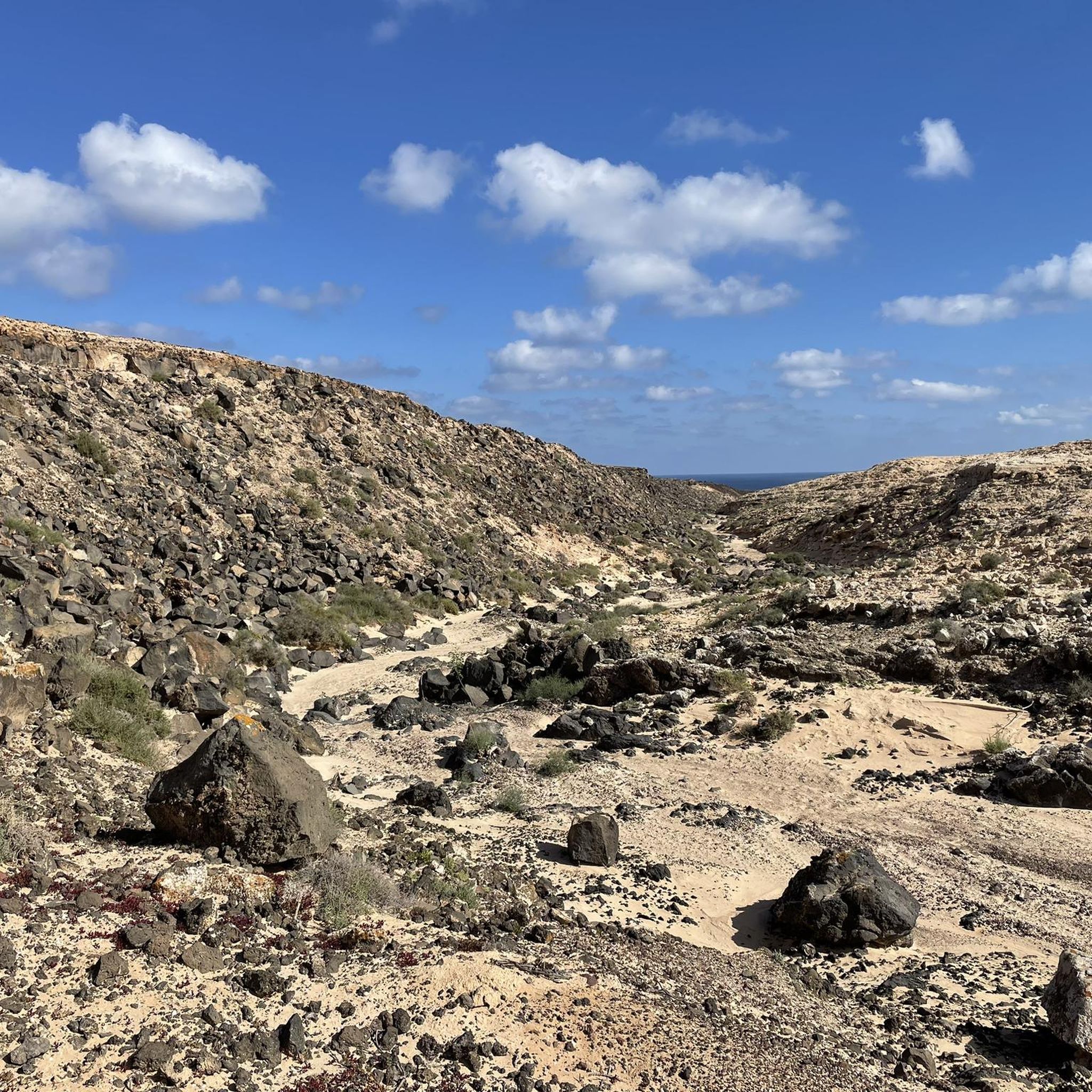
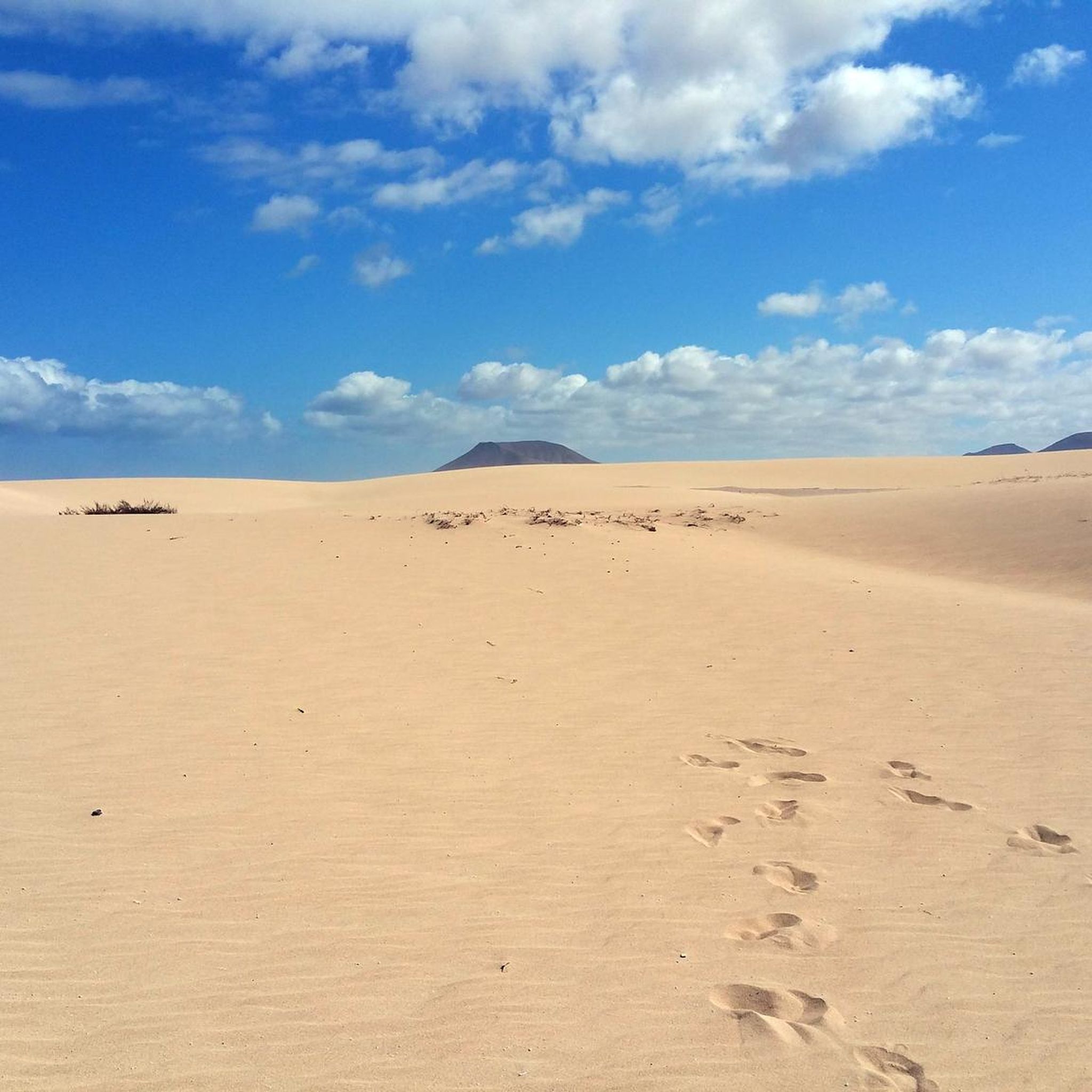
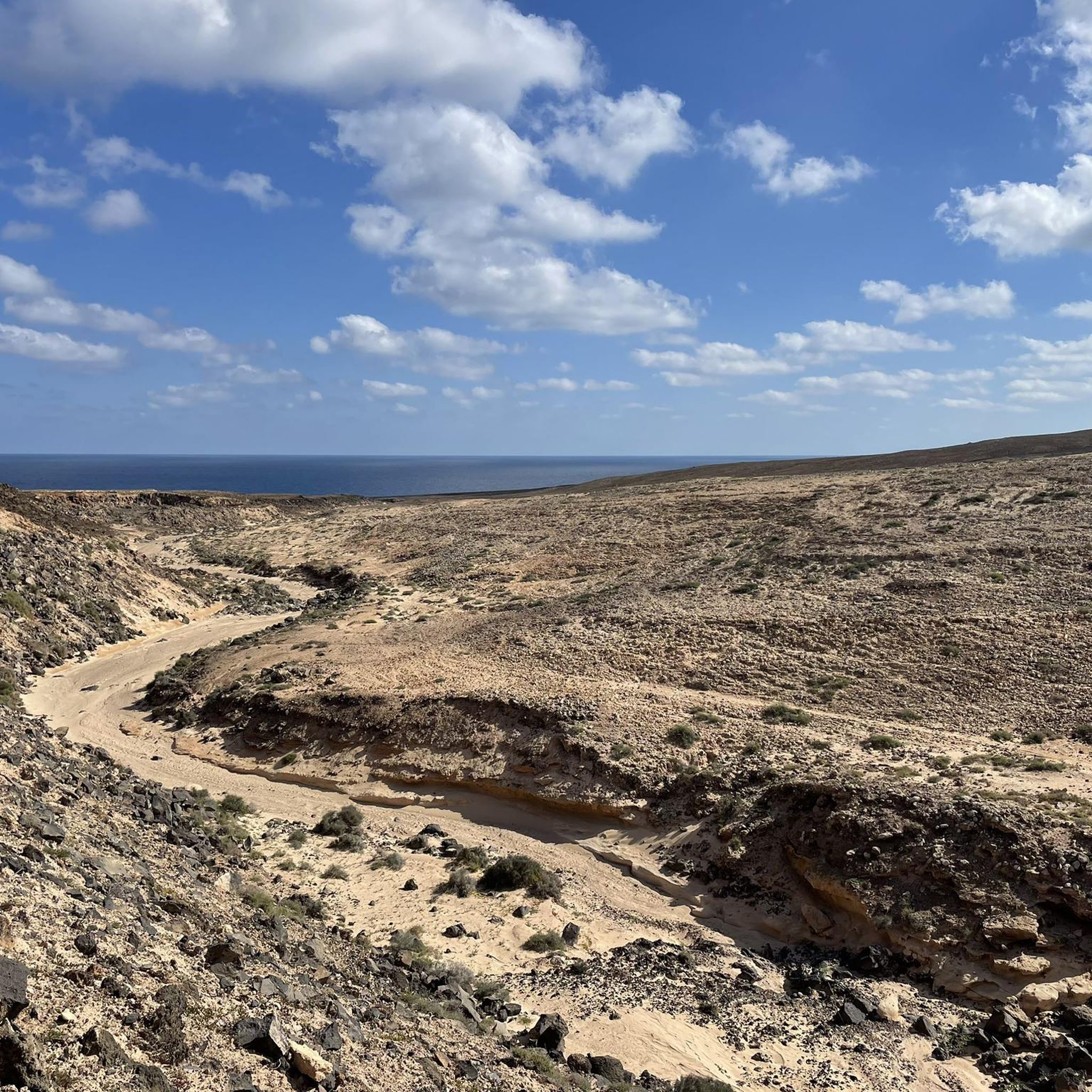
Tips from the Community

Via Surfer Beach to the National Park
0
0

A really nice isolated mountain/hill. Summiting at 312 metres, it not quite an Everest, but starting from sea level allows a good elevation gain. Getting near the mountain by public transport is tricky, A hike all the way from Corralejo is doable (as I did), but that's a long trip.
0
0

Great stretch of route through the dunes and past the sandy beaches and often with a tailwind in a north-south direction.
0
0

Check out the wind vibes – we're facing a headwind that's putting the brakes on our speed. Make sure you're packing enough H2O because there are stretches for kilometers with absolutely nada. Stay hydrated, my friend! 🌬️💦
2
0

Beautiful Natural Park with dunes. Be very careful on windy days as it can be dangerous with traffic and with a road bike. The road becomes sandy and the bike can become difficult to control.
0
0

The promenade invites you to take a walk
0
0

Montaña Roja (312 m) is located on the southern limit of the Corralejo Natural Park (of the dunes) and very close to the Holandés Park and El Jablito. Its crater is 460 meters wide and is open to the north. From the top you will have wonderful views of the dunes of Corralejo. Its name comes from the different shades of red that the mountain presents.
2
0

Very nice gently sloping beach
2
0
Frequently Asked Questions
Are there hiking trails in the Corralejo Natural Park?
Yes, the park offers various options for walking and hiking. You can enjoy the Corralejo Beach Walk, which provides spectacular views of the sand dunes. For more structured hiking, explore the hiking guide for Corralejo, which includes trails like the Corralejo Dunes and Beaches Trail.
What kind of wildlife and flora can I see in Corralejo's natural monuments?
The Corralejo Dunes Natural Park is a haven for biodiversity, featuring various bird species and native plants. The unique ecosystem, formed from disintegrated marine organisms, supports specific flora adapted to the sandy environment. It's an excellent location for birdwatching and eco-tourism.
Are the natural monuments in Corralejo suitable for families?
Many natural monuments in Corralejo are family-friendly. The Corralejo Natural Park and its beaches, such as those near the Corralejo Sand Dunes, are ideal for families to enjoy swimming, sunbathing, and walking. The accessible nature of the main park makes it easy for all ages to explore.
How can I get to the Corralejo Natural Park?
The Corralejo Natural Park is easily accessible as the FV-1 highway runs directly through it. There are numerous parking areas available along the road, making it convenient for visitors traveling by car. Public transport options may also be available from Corralejo town.
When is the best time to visit the natural monuments in Corralejo?
Fuerteventura enjoys a mild climate year-round, making its natural monuments pleasant to visit at any time. However, for outdoor activities like hiking and cycling, the cooler months from autumn to spring (October to May) might be more comfortable, avoiding the peak summer heat. The constant winds are present throughout the year.
What are the difficulty levels of trails in Corralejo's natural monuments?
Trails vary in difficulty. Many walks through the dunes and along the beaches are considered easy and suitable for most fitness levels. For example, the Corralejo Dunes and Beaches Trail is moderate. More challenging routes, such as some around Montaña Roja, can be moderate to difficult, offering a good elevation gain from sea level.
How much time should I allocate to visit the Corralejo Natural Park?
You can spend anywhere from a couple of hours to a full day exploring the Corralejo Natural Park. A short visit might involve a walk along the dunes and a stop at a beach. To fully appreciate the landscape, including hiking, swimming, and photography, dedicating half a day or more is recommended. The park stretches for about 8 to 10.5 kilometers, offering extensive areas to explore.
What outdoor activities can I do near the natural monuments?
Beyond exploring the dunes, the area offers a variety of outdoor activities. The adjacent beaches are perfect for swimming, sunbathing, snorkeling, windsurfing, and kitesurfing. You can also find numerous cycling and mountain biking routes. For example, check out the cycling guide or the MTB trails guide for Corralejo for routes like the Corralejo Dunes Natural Park loop.
Are there cycling routes through the Corralejo Natural Park?
Yes, there are excellent cycling opportunities. The highlight Through the Corralejo dunes describes a very nice road bike section on asphalt through the Natural Park, where you can stop at sandy beaches. For more options, consult the cycling guide for Corralejo, which features routes like the Corralejo Dunes Natural Park loop.
What do visitors enjoy most about the Corralejo Natural Park?
Visitors are captivated by the unique combination of a desert-like dune landscape, pristine white sand beaches, and crystal-clear turquoise waters. The stunning scenery, often compared to a blend of the Sahara Desert and Caribbean beaches, makes it an unforgettable environment. The peace and quiet found while walking through the dunes, along with opportunities for photography, are also highly appreciated.
Are there any other significant natural monuments or attractions near Corralejo?
While the Corralejo Dunes Natural Park is the most prominent, other notable natural attractions include Montaña Roja, a volcano offering wonderful panoramic views of the dunes, and Lobos Island, a nature reserve accessible by boat from Corralejo. Tindaya Mountain is also known for its panoramic views further afield.
What is the origin of the sand in the Corralejo Dunes?
Contrary to popular belief, the sand in the Corralejo Dunes does not originate from the Sahara Desert. Instead, it is formed by the pulverization and disintegration of marine organisms, such as mollusc shells, over time. This process creates the fine, white-golden sand that characterizes the park.
Most popular routes in Corralejo
Most popular attractions in Corralejo

Get inspired with the komoot mobile app


Explore more
Extend your search for the best caves by checking out these guides of the top ones in Corralejo:
