Top 20 Natural Monuments in Los Volcanes
Best natural monuments in Los Volcanes Natural Park, Lanzarote, showcase a landscape profoundly shaped by volcanic eruptions from the 18th and 19th centuries. This region is characterized by solidified lava flows, numerous volcanic cones, and unique geological formations. Visitors can explore a terrain that offers insight into powerful geological forces and the resilience of life in harsh conditions. The park provides a compelling destination for those interested in volcanic geology and distinctive ecosystems.
Best natural monuments in Los Volcanes
- The…
Last updated: October 14, 2026
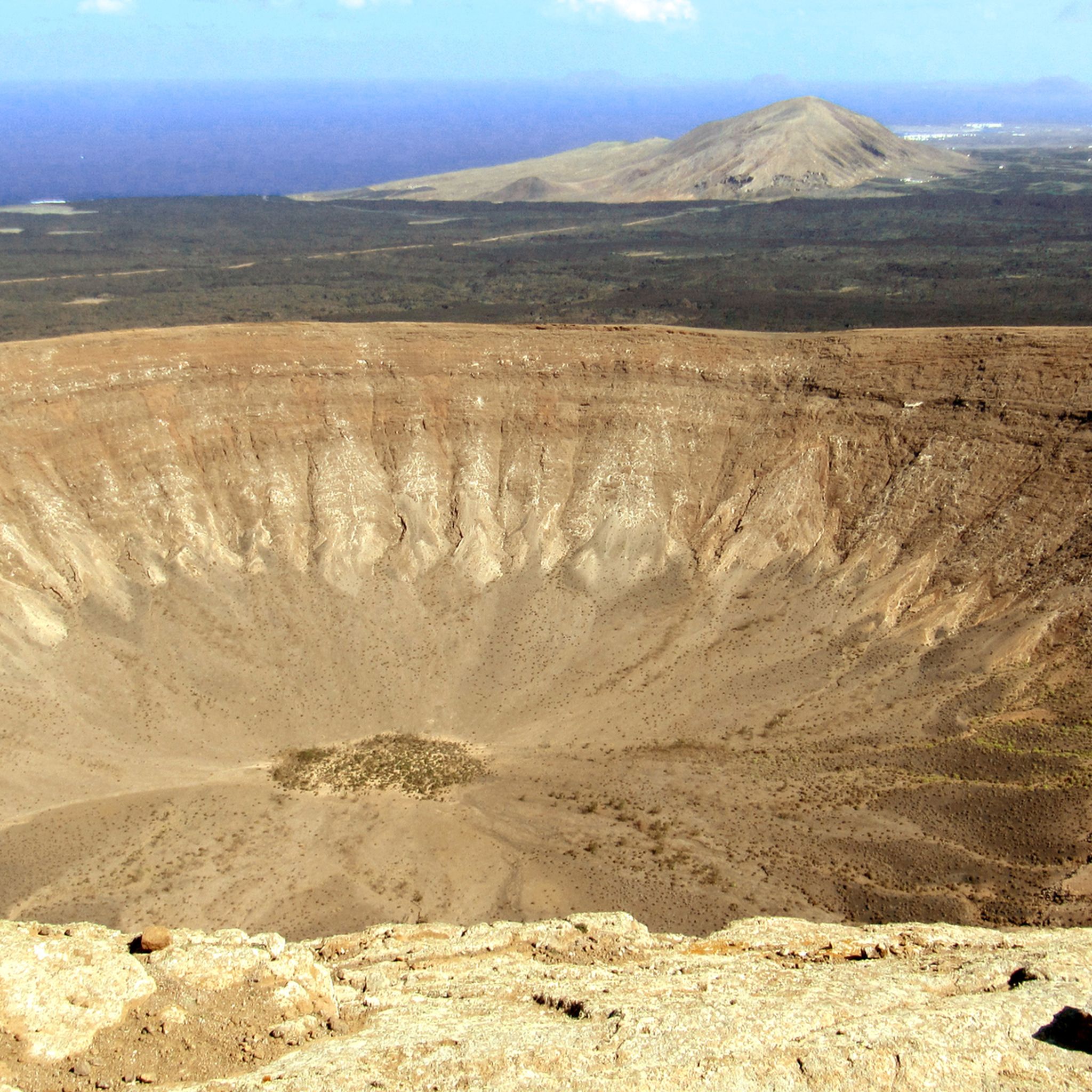
Caldera Blanca
Highlight • Volcano
Translated by Google •
Tip by

La Caldereta Crater
Highlight • Volcano
Translated by Google •
Tip by
Sign up now to discover places like this
Get recommendations on the best single tracks, peaks, & plenty of other exciting outdoor places.
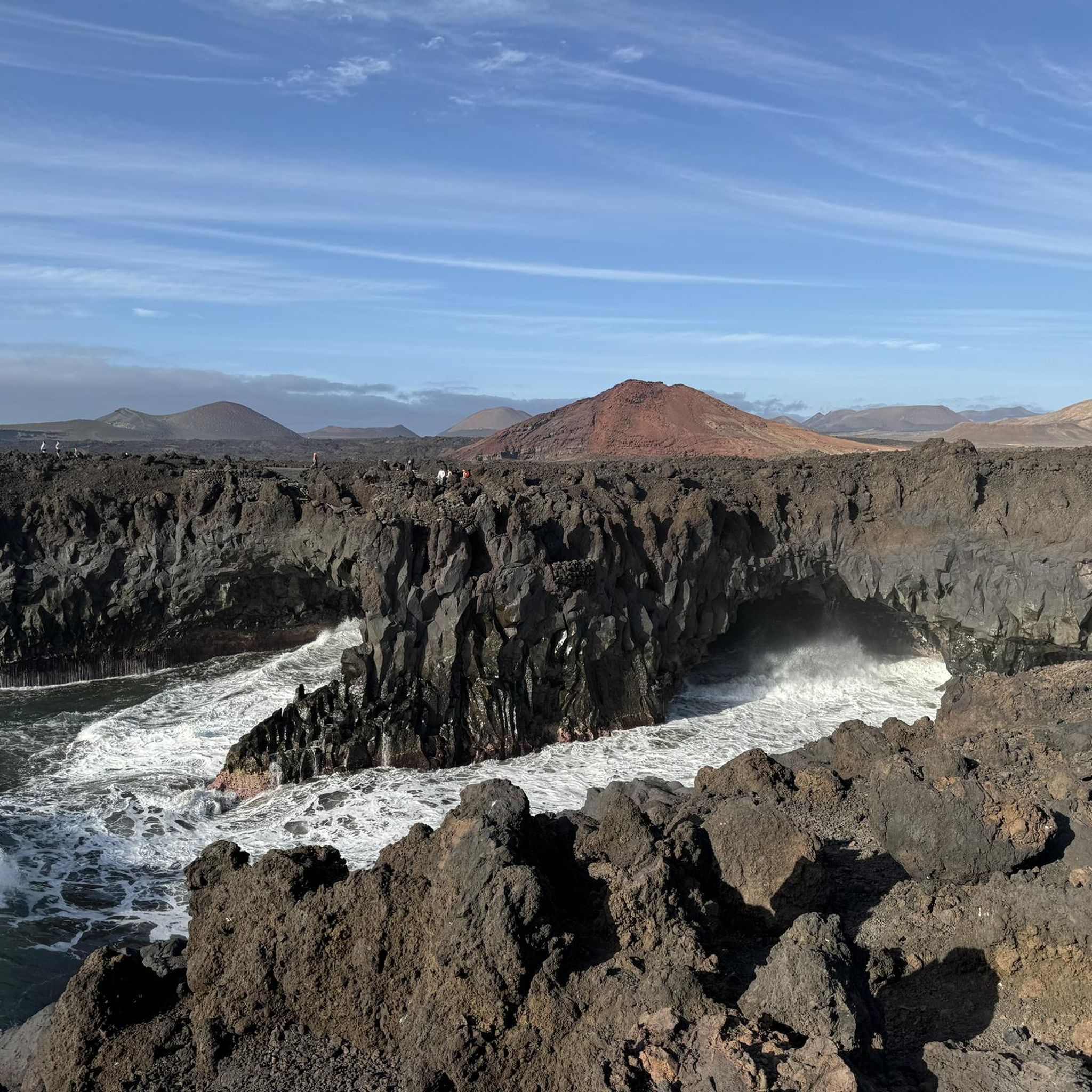
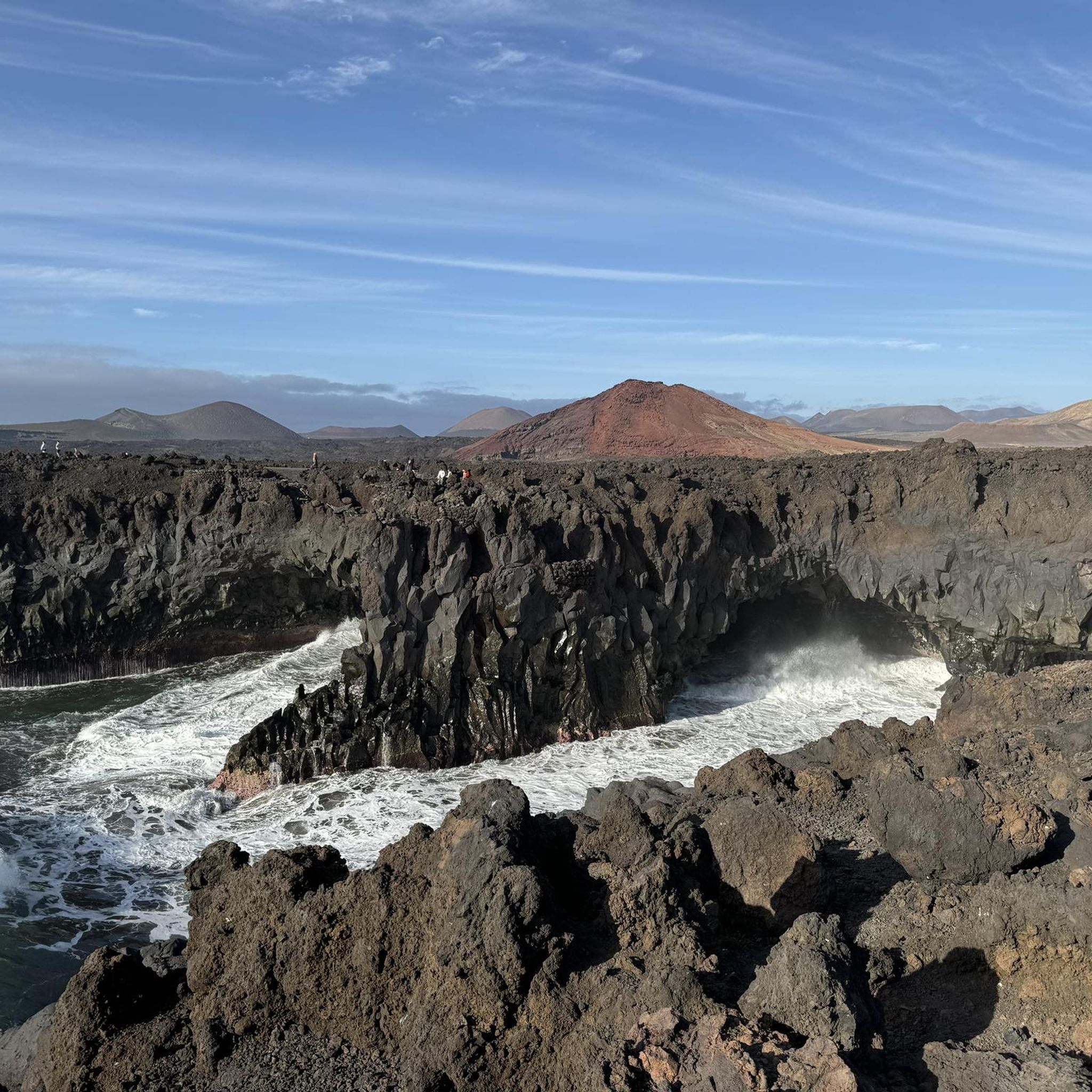
Lava Arch
Highlight • Natural Monument
Source: unaufschiebbar.de/reiseziel/europa/kanarische-inseln/el-golfo-lanzarote
Translated by Google •
Tip by

Islet and Caldera Blanca Trail
Highlight (Segment) • Volcano
Translated by Google •
Tip by
Montaña Colorada Lava Bomb
Highlight • Natural Monument
Translated by Google •
Tip by

Sign up for free to discover even more natural monuments in Los Volcanes.
Already have an account?
Start today with a free account
Your next adventure awaits.
Popular around Los Volcanes


Tips from the Community


Such a crater is impressive and it is worth walking along the top
0
0
Such a crater is impressive and it is worth walking along the top
0
0


Leaving the sidewalks is not allowed, even for great photos with the lava bomb in front of Montana Colorada, and everyone should stick to this.
0
0

The volcanic crater of the smaller subsidiary volcano of the Caldera Blanca is also worth seeing
1
0


Frequently Asked Questions
What are some of the most prominent natural monuments to explore in Los Volcanes Natural Park?
Los Volcanes Natural Park, Lanzarote, offers a landscape profoundly shaped by volcanic eruptions. Key natural monuments include Caldera Blanca, a volcano over a kilometer in diameter offering impressive views as you hike its rim. Another significant site is La Caldereta Crater, an oval-shaped volcanic cone historically used for agriculture. Don't miss the Lava Arch near El Golfo, which provides stunning views of volcanic craters and the coastline.
Are there family-friendly natural monuments or trails in Los Volcanes?
Yes, the Caldera of the Crows (Caldera de Los Cuervos) is considered family-friendly. It's the first volcanic cone formed during the Timanfaya eruption and offers an accessible path into its interior, allowing visitors to comfortably explore the crater. There are also several easy hiking routes available, such as the 'Caldera of the Crows – Montaña del Cuervo loop' which is 4.2 km long. You can find more easy hikes in the region here: Easy hikes in Los Volcanes.
What kind of geological features can I expect to see in Los Volcanes Natural Park?
The park is a geological marvel, showcasing a landscape created by volcanic eruptions from 1730-36 and 1824. You'll encounter numerous volcanic cones, solidified lava flows (both pahoehoe and aa types), lava tunnels, and 'hornitos' (small volcanic structures). The region's calderas, like Caldera Blanca, offer unique insights into the powerful forces that shaped the island.
What are the best hiking trails to experience the volcanic landscape?
For an immersive experience, consider the Islet and Caldera Blanca Trail, which takes you through a 'sea of black lava' to the impressive Caldera Blanca. Another popular option is the trail around the Caldera of the Crows, which allows you to walk inside a volcanic crater. For more challenging routes, explore the Mountain Hikes in Los Volcanes guide.
What is the best time to visit Los Volcanes Natural Park?
Lanzarote generally enjoys a mild climate year-round. However, for hiking and exploring the natural monuments, the cooler months from October to May are often preferred to avoid the peak summer heat. Always be prepared for strong winds, especially on exposed caldera rims, and ensure you carry water and sun protection regardless of the season.
Are there opportunities for other outdoor activities near the natural monuments?
Absolutely! Beyond hiking, Los Volcanes offers diverse outdoor activities. You can explore the unique terrain on two wheels with Gravel biking in Los Volcanes, with routes like 'Into the lava gravel road' offering a challenging ride through the park. The coastal areas near natural monuments also provide opportunities for scenic walks and enjoying the unique volcanic beaches.
What should I know about accessibility and permits for visiting Los Volcanes Natural Park?
Access to Los Volcanes Natural Park is generally free, and many areas are accessible from towns like Tinajo and Yaiza. While specific permits are not typically required for general access to the natural park, some guided visits might be available. It's always advisable to check local regulations for any specific trails or protected zones. Parking is usually available at trailheads, such as the one for the Caldera of the Crows.
Can I see unique plant and animal life in this volcanic environment?
Despite the seemingly harsh conditions, the park supports a surprising array of life. Thousands of lichen species thrive on the older lava structures, adding subtle color to the landscape. In cooler, more sheltered areas, you might find wild geraniums, St. John's wort, and Aeonium. The park is also designated as a Special Protection Area for Birds, making it a valuable spot for birdwatching.
What do visitors enjoy most about the natural monuments in Los Volcanes?
Visitors frequently highlight the 'breathtaking landscape' and the unique, almost lunar experience of hiking through solidified lava fields. The impressive views from the rims of calderas like Caldera Blanca are often mentioned, as are the striking color contrasts of the volcanic rock, ranging from red to black and beige to brown. The opportunity to walk inside a volcano, such as the Caldera of the Crows, is also a popular draw.
Are there any specific tips for hiking in Los Volcanes Natural Park?
When hiking, it's essential to wear appropriate footwear due to the uneven volcanic terrain. Always carry sufficient water, as the landscape can be exposed, and protect yourself from the sun with hats and sunscreen. It's often advisable to go early in the day to avoid the midday heat and potential crowds. Be mindful of strong winds, especially on higher elevations or caldera rims.
Where can I find information about the history of the volcanic eruptions in the region?
The natural monuments in Los Volcanes are direct results of significant volcanic activity, particularly the eruptions between 1730 and 1736, and again in 1824. These events dramatically reshaped the island's landscape. The Caldera of the Crows, for instance, was the first volcanic cone formed during the Timanfaya eruption. For more detailed historical context, you can visit the official tourism sites for the Canary Islands, such as visitcanaryislands.org or spain.info.
Most popular routes in Los Volcanes
Most popular attractions in Los Volcanes

Get inspired with the komoot mobile app


Explore more
Extend your search for the best caves by checking out these guides of the top ones in Los Volcanes:
