Lic-Dunas De Liencres Y Estuario Del Pas
Lic-Dunas De Liencres Y Estuario Del Pas
Top 15 Natural Monuments in Lic-Dunas De Liencres Y Estuario Del Pas
Best natural monuments in Lic-Dunas De Liencres Y Estuario Del Pas are found within a protected coastal area in Cantabria, Spain. This region features a diverse landscape including extensive dune systems, an estuary, and various beaches. The area is characterized by unique geological formations, cliffs, and islets, showcasing a blend of marine and terrestrial environments. It provides habitats for specialized flora and fauna adapted to sandy and salty conditions.
Best natural monuments in Lic-Dunas De Liencres Y Estuario Del Pas
…Last updated: August 21, 2026
Canallave Beach
Highlight • Beach
Translated by Google •
Tip by

Costa Quebrada Rock Formations
Highlight (Segment) • Natural Monument
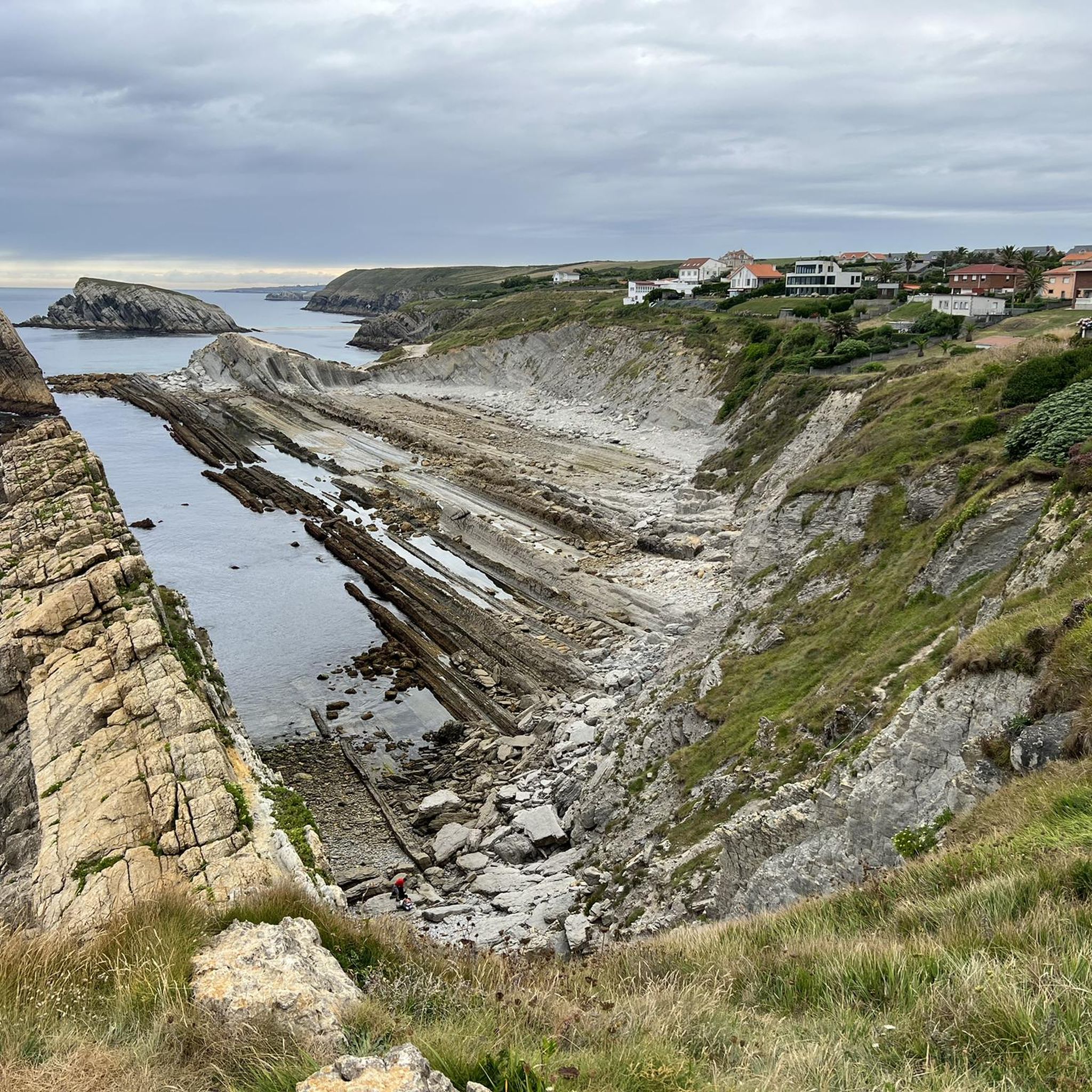
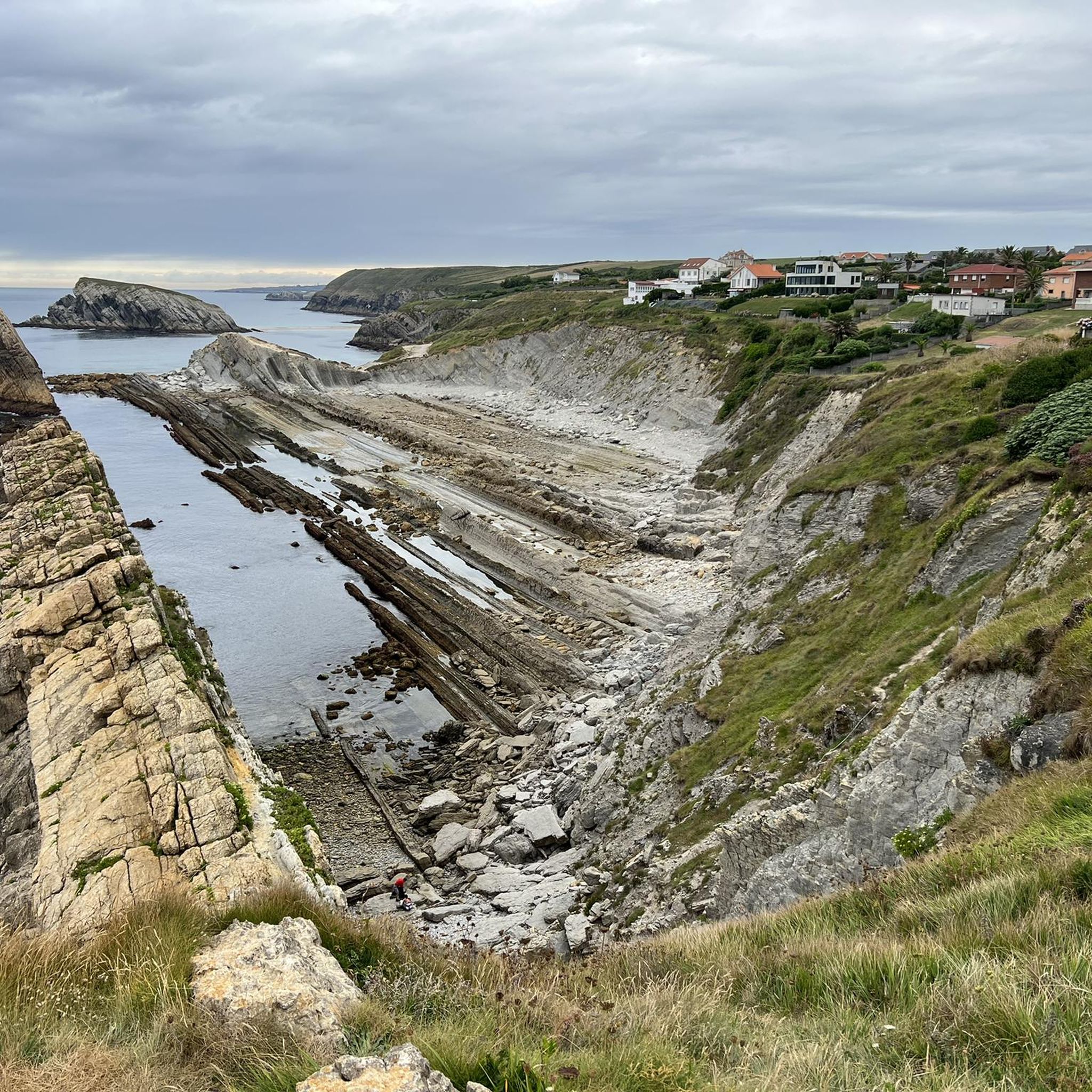
Costa Quebrada is a stretch of coastline that constitutes a true classroom of sea and land where both teachers, in a book of stone sheets …
Translated by Google •
Tip by

Sign up now to discover places like this
Get recommendations on the best single tracks, peaks, & plenty of other exciting outdoor places.
Sign up for free
Somocuevas Beach
Highlight • Beach
Translated by Google •
Tip by
Covachos Tombolo
Highlight • Beach
Translated by Google •
Tip by

Liencres Blowhole
Highlight • Natural Monument
Translated by Google •
Tip by

Sign up for free to discover even more natural monuments in Lic-Dunas De Liencres Y Estuario Del Pas.
Sign up for free
Already have an account?
Start today with a free account
Your next adventure awaits.
Login or Signup
Popular around Lic-Dunas De Liencres Y Estuario Del Pas
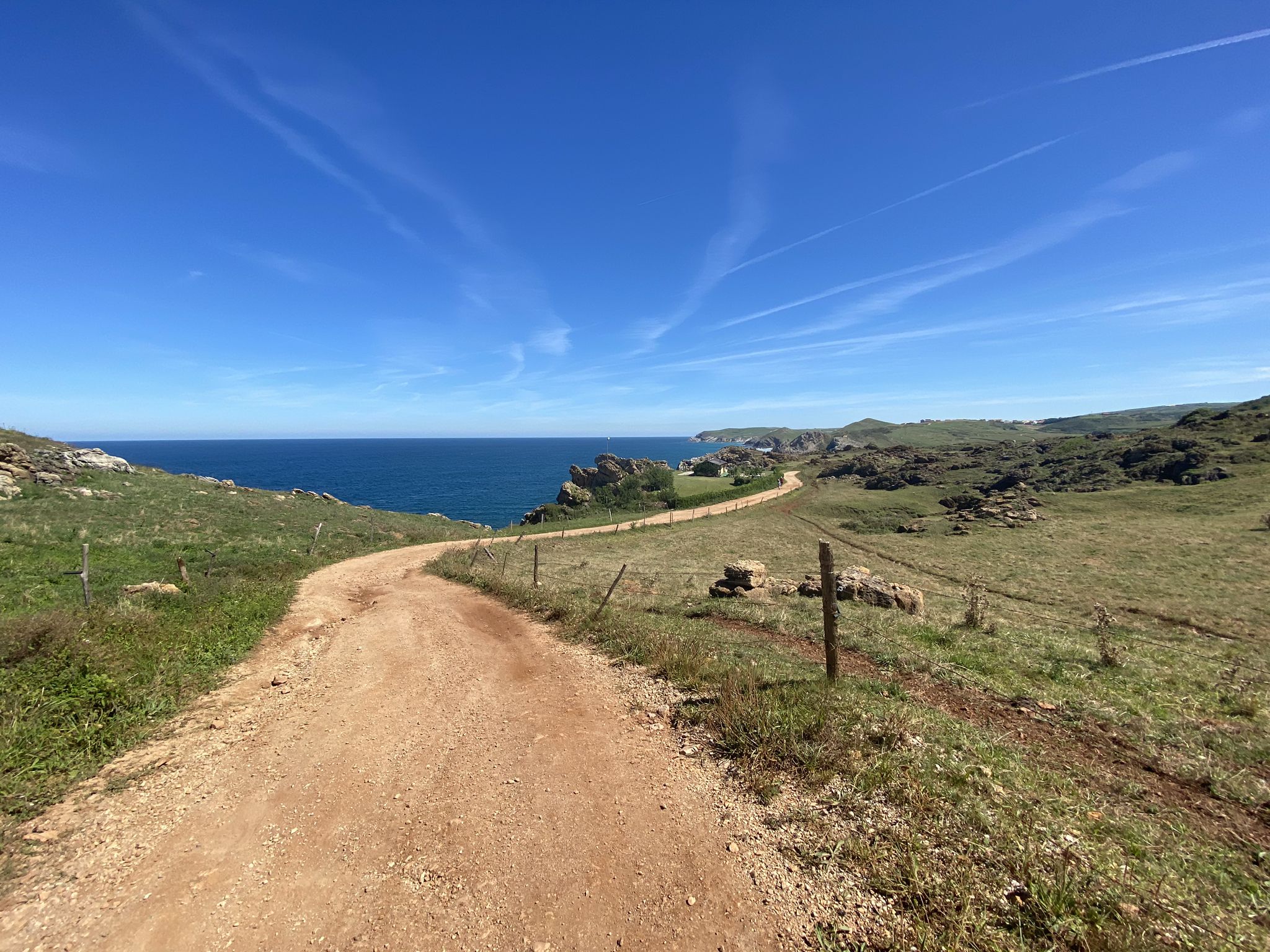
Paths and waves – surf trip by bike in Cantabria
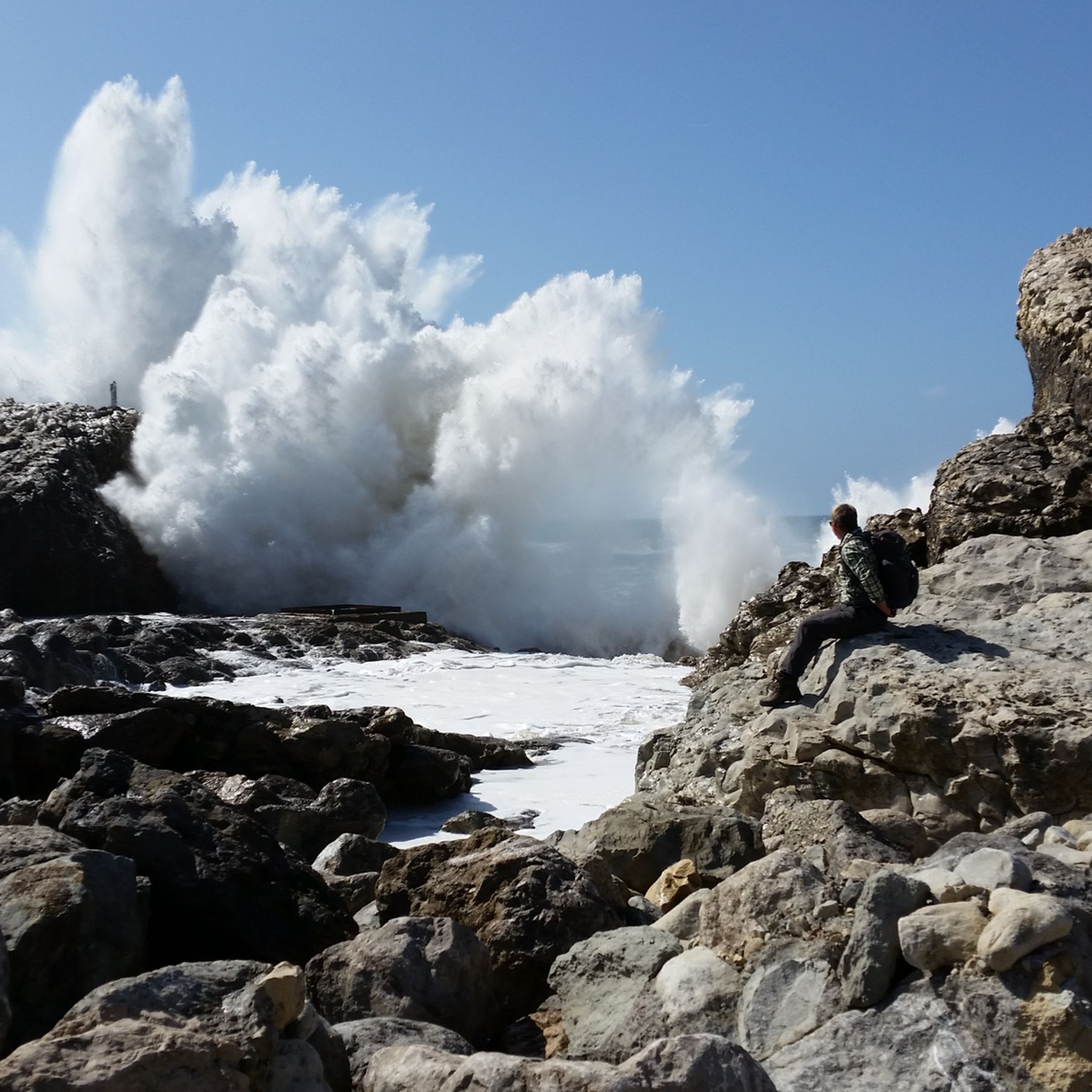
Hiking in Lic-Dunas De Liencres Y Estuario Del Pas
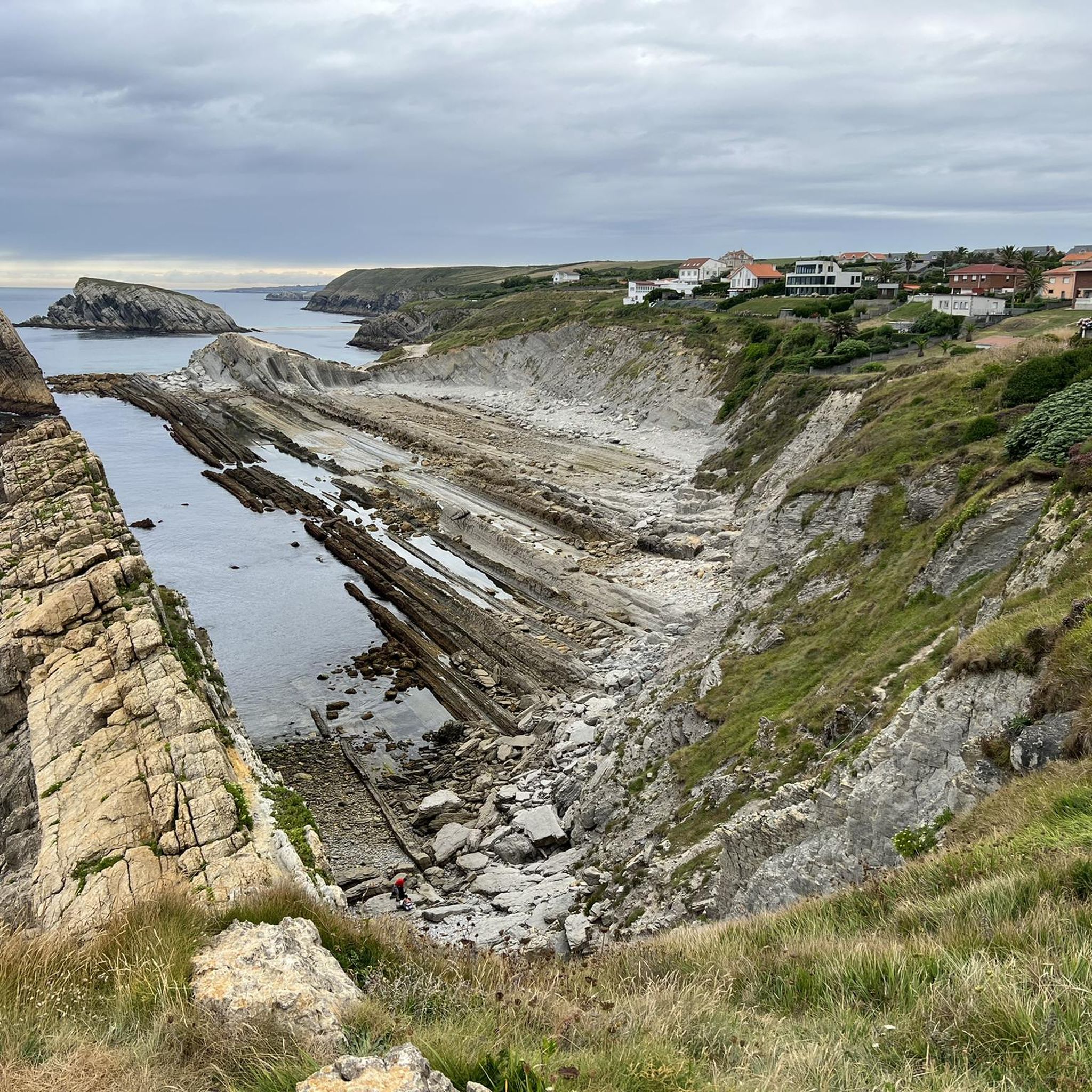
Running Trails in Lic-Dunas De Liencres Y Estuario Del Pas
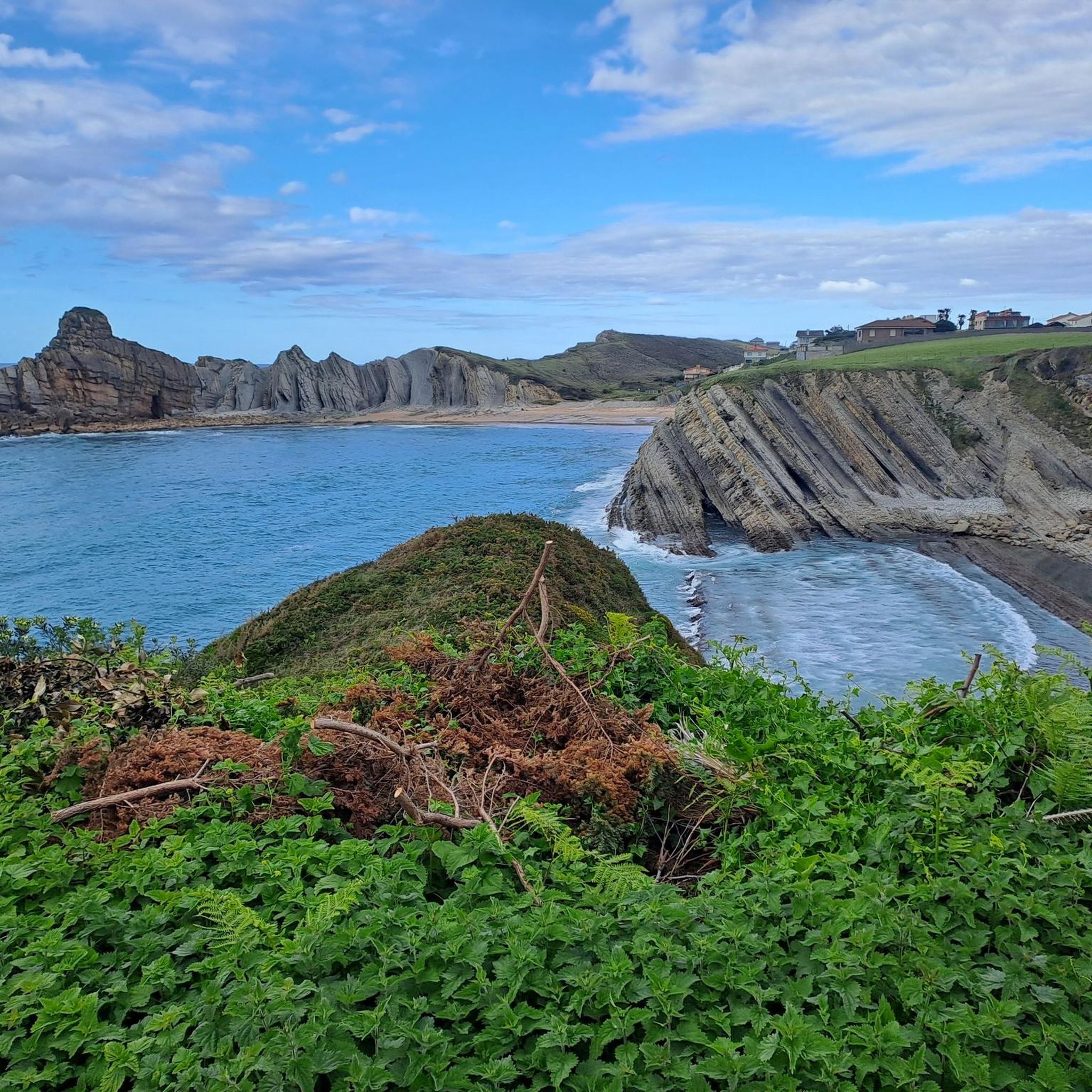
Cycling in Lic-Dunas De Liencres Y Estuario Del Pas
Road Cycling Routes in Lic-Dunas De Liencres Y Estuario Del Pas
MTB Trails in Lic-Dunas De Liencres Y Estuario Del Pas

Gravel biking in Lic-Dunas De Liencres Y Estuario Del Pas
Other adventures in Lic-Dunas De Liencres Y Estuario Del Pas

Tips from the Community


The Costa Quebrada is a magnificent coast for hiking. The access to the bay is currently closed (13.4.26).
1
0

It's beautiful to see the waters meet and part, revealing a glimpse of the sand. You'll want to stay all day watching the beach appear and disappear with the tides.
0
0

A unique, rugged coastline with high geological value. Some paths lead close to the steep, dramatic cliffs. Interesting flora.
0
0

Magnificent beach that you pass by if you are doing a tour of the Costa Quebrada. You can come perfectly from Arnía beach.
0
0
Ideal for hiking. With stunning views.
4
0
Do not stop visiting it.
0
1

Divided into the west and east beaches, their name comes from the caves found on the islet that divides them. A very popular beach in summer although it offers an ideal escape at any time of the year.
1
0
Frequently Asked Questions
What are the unique natural features of the Lic-Dunas De Liencres Y Estuario Del Pas region?
This region is characterized by a diverse coastal landscape. You'll find the extensive Liencres Dunes, the largest dune system in Cantabria, and the Pas River Estuary, a vital bird habitat. The coastline also features beautiful beaches like Canallave Beach and Arnía Beach, as well as the dramatic geological formations of the Costa Quebrada Rock Formations, with strata over 90 million years old.
Which natural monuments are best for geological exploration in the area?
The Costa Quebrada Geopark is an exceptional area for geological exploration. It's often described as a 'classroom of sea and land,' showcasing unique rock formations, cliffs, and islets known as 'urros.' You can observe rock strata over 90 million years old, demonstrating how geological processes have shaped the Cantabrian relief. The Costa Quebrada Rock Formations highlight is a prime example.
Are there family-friendly natural monuments in Lic-Dunas De Liencres Y Estuario Del Pas?
Yes, several natural monuments are suitable for families. Beaches like Canallave Beach, Somocuevas Beach, and Arnía Beach are listed as family-friendly. The Liencres Dunes also offer a unique environment for walks, and the pine forest provides shade and a pleasant atmosphere for all ages.
Where can I find the best panoramic viewpoints in the region?
For breathtaking panoramic views of the entire area, including the dunes, estuary, and coastline, head to Mount La Picota (also known as Mount Tolío). Standing almost 300 meters high, it offers one of the most iconic aerial perspectives of the Natural Park of Liencres Dunes and the Pas River Estuary.
What outdoor activities can I do near these natural monuments?
The region offers a variety of outdoor activities. You can enjoy running on trails like the 'Litoral Trail' or the 'Canallave Beach – Pinar de Liencres loop.' For cycling, there are routes such as the 'Chapel of Our Lady of the Sea – Costa Quebrada loop.' Gravel biking is also popular, with routes like 'El Sable Beach – Santa Justa Beach loop.' For more details on routes, you can explore the Running Trails, Cycling, and Gravel Biking guides for Lic-Dunas De Liencres Y Estuario Del Pas.
Are there hiking trails suitable for different skill levels?
Yes, the area provides trails for various skill levels. For instance, the 'Litoral Trail' is an easy running trail, while other routes like the 'Canallave Beach – Pinar de Liencres loop' are moderate. More challenging options include the 'Costa Quebrada Rock Formations – Arnía Beach loop.' Many trails offer stunning coastal views and opportunities to explore the natural monuments on foot.
What is the best time of year to visit the natural monuments?
The Natural Park of Liencres Dunes and the Pas River Estuary can be enjoyed year-round. However, for pleasant weather ideal for hiking, beach activities, and birdwatching, the spring (April-June) and autumn (September-October) months are often recommended. Summers are popular for beach visits, but can be busier. Winters offer a quieter experience, though some paths might be muddy.
What kind of wildlife can I observe in the Pas River Estuary?
The Pas River Estuary is a crucial habitat for various bird species, especially waders, which feed on invertebrates in the mud. It's a haven for both migratory and nesting birds, including avocets and plovers. Birdwatching is a popular activity here, particularly at low tide when the mudflats are exposed.
Which beaches are recommended for surfing or relaxation?
For surfing, Canallave Beach and Valdearenas Beach are highly recommended due to their strong waves. Valdearenas is also known for its tranquility and scenic beauty, making it great for relaxation. Arnía Beach offers a unique rocky environment, especially at low tide, while Somocuevas Beach is protected from the open sea, offering gentler waves.
What do visitors appreciate most about the natural monuments in this region?
Visitors frequently praise the stunning coastal views and the unique rugged coastline, particularly around the Costa Quebrada Rock Formations. The tranquility and scenic beauty of beaches like Valdearenas, the distinctive ecological experience of the Liencres Dunes, and the opportunity to observe diverse birdlife in the Pas River Estuary are also highly valued. The dramatic rock formations at Arnía Beach are also a highlight.
Are dogs allowed on trails and at the natural monuments?
While specific regulations can vary, many natural areas in Spain are dog-friendly, especially on trails. It's generally advisable to keep dogs on a leash to protect local wildlife and ensure a pleasant experience for all visitors. For specific beach access rules, it's best to check local signage upon arrival, as regulations can change seasonally.
What makes the Liencres Dunes a significant natural monument?
The Liencres Dunes constitute the largest dune system in Cantabria and are one of the most significant in northern Spain due to their geomorphological importance. They feature both mobile dunes near the sea and fixed dunes stabilized by unique vegetation and a maritime pine forest. This area provides a distinctive ecological landscape for specialized flora and fauna adapted to sandy, salty conditions.
Is the Covachos Tombolo accessible, and what is special about it?
The Covachos Tombolo is a unique natural formation: an islet in front of Covachos beach that becomes accessible on foot at low tide. This creates a temporary land bridge, allowing visitors to walk to the islet. It's crucial to be aware of the tide schedule to ensure safe passage both to and from the islet, as it becomes cut off by the sea at high tide.
Most popular routes in Lic-Dunas De Liencres Y Estuario Del Pas
Most popular attractions in Lic-Dunas De Liencres Y Estuario Del Pas

Get inspired with the komoot mobile app


Explore more
Extend your search for the best caves by checking out these guides of the top ones in Lic-Dunas De Liencres Y Estuario Del Pas:
