Top 12 Natural Monuments in Costa Ártabra
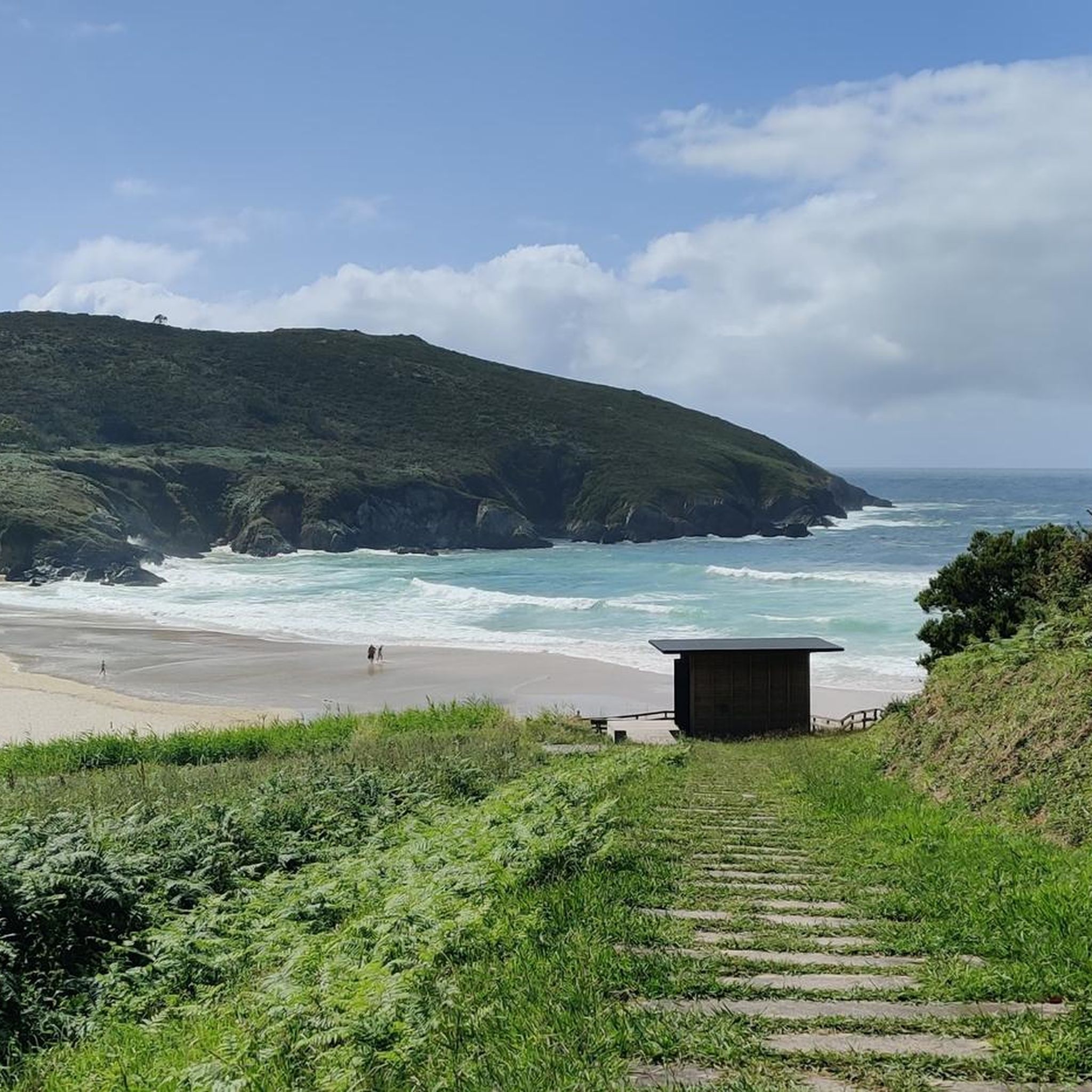
Best natural monuments in Costa Ártabra are found along the rugged and untamed coastline of northern A Coruña province in Galicia, Spain. This region, part of the Natura 2000 network, features high geological interest, exceptional landscapes, and rich biodiversity. It encompasses rocky headlands, forests, coastal dunes, marshes, and three estuaries, including some of Europe's highest cliffs. Its wild beauty and abundant natural heritage make it a compelling destination for nature lovers.
Best natural monuments in Costa Ártabra
- The most popular…
Last updated: June 27, 2026
Garita Herbeira (611m)
Highlight • Viewpoint
Translated by Google •
Tip by

Cape Ortegal Lighthouse
Highlight • Monument
Translated by Google •
Tip by

Sign up now to discover places like this
Get recommendations on the best single tracks, peaks, & plenty of other exciting outdoor places.
Sign up for free
Teixidelo Viewpoint
Highlight • Viewpoint
Translated by Google •
Tip by

Paraño Viewpoint
Highlight • Viewpoint
Tip by

Frouxeira Lagoon
Highlight • Lake
Translated by Google •
Tip by
Sign up for free to discover even more natural monuments in Costa Ártabra.
Sign up for free
Already have an account?
Start today with a free account
Your next adventure awaits.
Login or Signup
Tips from the Community

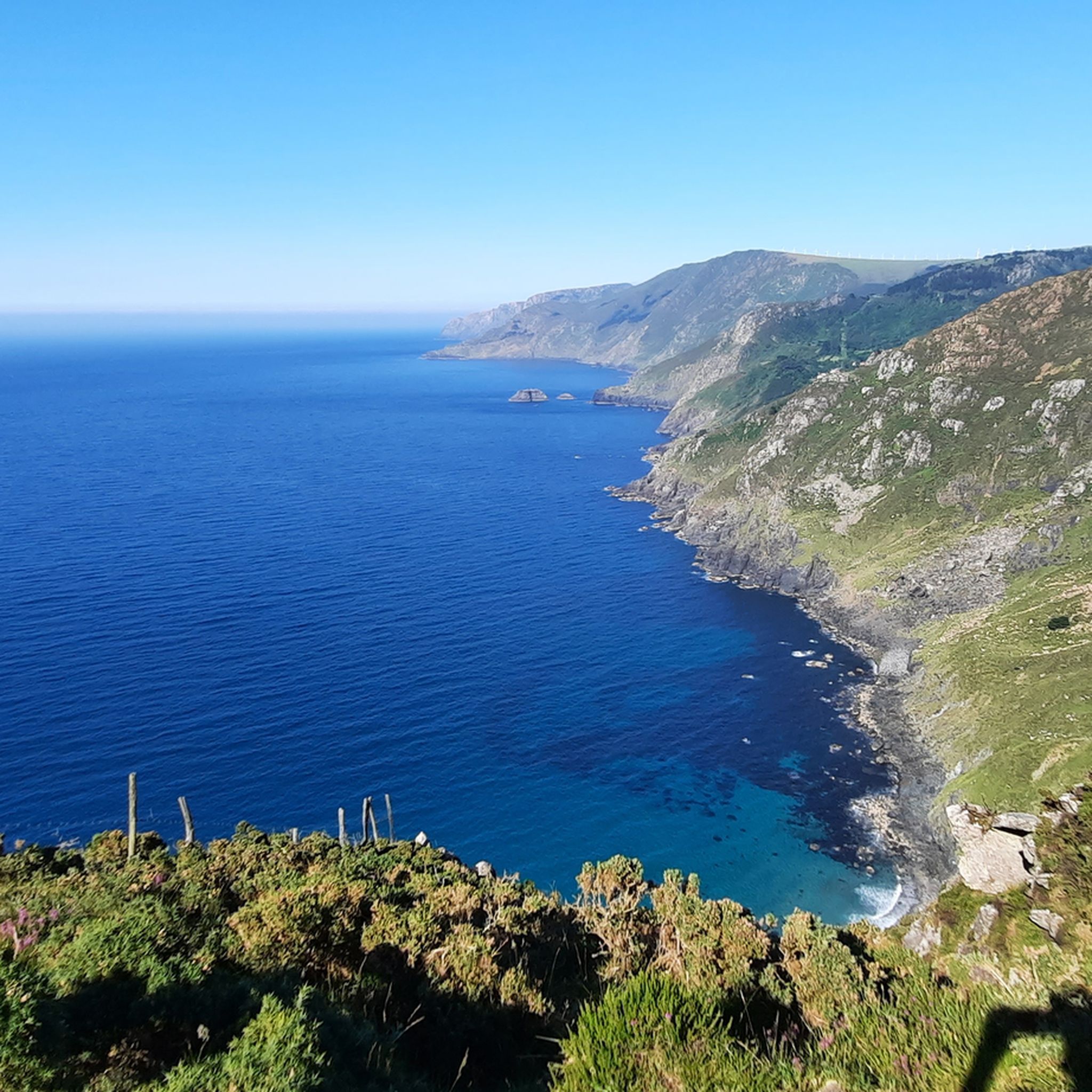
Located in the impressive A Capelada mountain range, between the picturesque Galician municipalities of Cariño and Cedeira, the Vixía Herbeira cliffs are a true natural treasure. At 613 meters high, they are the highest point above sea level in continental Europe, offering spectacular views that take your breath away. Furthermore, these majestic cliffs are ranked fourth in the ranking of highest cliffs in Europe. A unique spot where nature and the Atlantic come together in an unforgettable picture, perfect for lovers of landscape and adventure.
0
0

Great viewpoint overlooking the beach of Frouxeira o Valdoviño
0
0

The Cape Ortegal Lighthouse as an infrastructure is not entirely impressive and this must be said. It is a simple cylindrical tower about 13 meters high made of concrete, with a red stripe that stands out, and which was built from 1984 by engineer Jaime Arrandiaga.
5
0

One of the most impressive points of the Camino del Mar Rías Altas route in Galicia. Relatively new, this lighthouse was built on the tip of Cabo Ortega in the 1980s. The hike to this point offers spectacular views of the Atlantic Ocean and the rugged rocky coastline.
2
0

The Frouxeira lagoon is part of the protected humid zone of the Valdoviño lagoon and sandbank. It is one of the sanctuaries for marine species and birds essential for the conservation of biodiversity and the economic sustainability of the surrounding towns.
1
0
This viewpoint on a cliff reveals an impressive panoramic view of the Galician coast with its cliffs and endless meadows. It is crowned with a cruzeiro and is an ideal place to take a photographic break and fill your eyes with the landscape of the Atlantic coast.
1
0

Curious fortification that can serve as a refuge in extreme cases
3
1

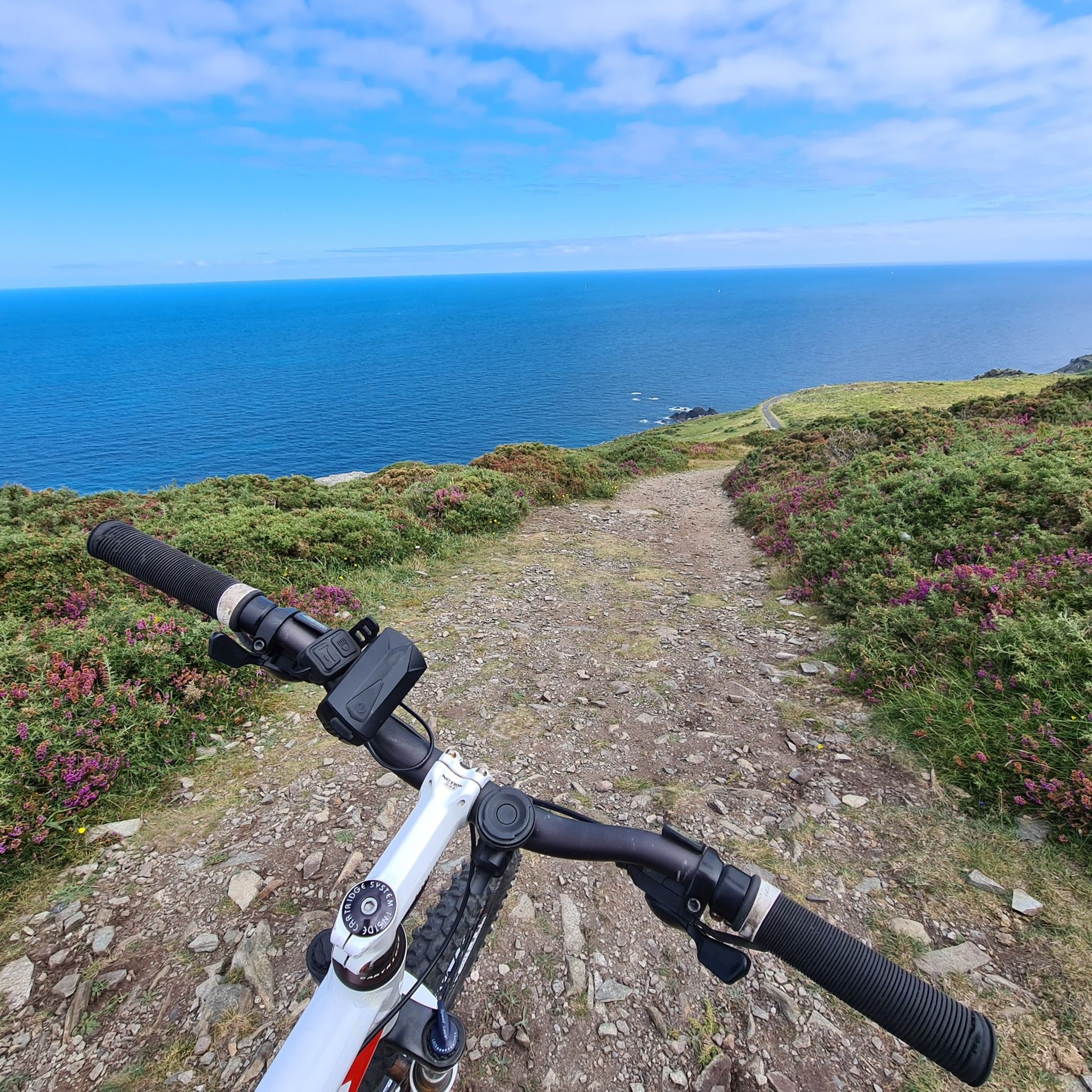
I recommend to see the views but not to spend the night. The ground is muddy due to humidity and frequent fog, I have seen other cyclists who have spent the night but it is not a refuge as such, nor is it minimally acceptable as in other places in the country.
0
0
Frequently Asked Questions
What outdoor activities can I do near the natural monuments in Costa Ártabra?
The Costa Ártabra region offers a variety of outdoor activities. You can explore numerous trails for hiking, including routes like the San Andrés de Teixido trail or the Castro de Herbosa loop. For cyclists, there are also dedicated MTB trails, such as the Prior Alto Battery loop. Additionally, you can discover scenic waterfall hikes like the Casón Waterfall and Pozo do Inferno Waterfall loop.
Are there family-friendly natural monuments in Costa Ártabra?
Yes, several natural monuments in Costa Ártabra are suitable for families. The Cape Ortegal Lighthouse offers spectacular views and is categorized as family-friendly. The Paraño Viewpoint, with its clifftop vistas over Valdoviño beach, is also a great spot for all ages. The Frouxeira Lagoon, a protected wetland, provides a peaceful environment for walks and observing nature.
Can I spot wildlife at the natural monuments in Costa Ártabra?
Yes, wildlife spotting is possible, especially at the Frouxeira Lagoon in Valdoviño. This protected wetland is a vital sanctuary for marine species and a diverse array of birds, making it an excellent spot for birdwatching. In the areas around the Vixía Herbeira Cliffs, it's common to see horses and cows grazing freely at high altitudes, adding to the natural experience.
What are some of the most dramatic natural features to see in Costa Ártabra?
The Costa Ártabra is known for its dramatic landscapes. The Vixía Herbeira Cliffs, standing at 613 meters, are recognized as one of the highest points above sea level in continental Europe, offering breathtaking panoramic ocean views. Another iconic spot is Cabo Ortegal, where the Atlantic Ocean and the Cantabrian Sea converge, featuring rugged cliffs, a lighthouse, and the striking 'Os Aguillóns' rock formations emerging from the sea.
What is the best time to visit the natural monuments in Costa Ártabra?
The best time to visit the natural monuments in Costa Ártabra is generally during the spring and summer months (April to September). During this period, the weather is typically milder and sunnier, making outdoor activities and enjoying the coastal views more pleasant. However, the dramatic nature of the coastline means that even on cloudy or windy days, the scenery can be incredibly powerful and captivating.
Are there any cultural or historical sites near the natural monuments?
Yes, the region combines natural beauty with cultural significance. Near the Vixía Herbeira Cliffs, you can find San Andrés de Teixido, a quaint hermitage at the foot of the Sierra de A Capelada. This site holds spiritual importance and is known for its picturesque surroundings. Additionally, the Garita Herbeira (611m) features a curious fortification that may date back to the Middle Ages.
What makes the Frouxeira Lagoon a significant natural monument?
The Frouxeira Lagoon is a significant natural monument because it is a protected wetland and a vital sanctuary for marine species and a diverse array of birds. It is the largest coastal lagoon in the area and is unique for its brackish waters. Its ecological importance lies in fostering significant biodiversity and contributing to the conservation of the region's natural heritage.
Where can I find impressive panoramic views of the Galician coast?
For impressive panoramic views of the Galician coast, the Teixidelo Viewpoint is an excellent choice. Situated on a cliff, it reveals an expansive vista of the coastline, its dramatic cliffs, and endless meadows. It's an ideal spot for photography and to take in the vastness of the Atlantic landscape.
What is special about the Costa de Dexo Natural Monument?
The Costa de Dexo is declared a Natural Monument and is celebrated as one of the best-preserved natural areas within the Costa Ártabra. Its status indicates exceptional environmental value, boasting well-preserved ecosystems characteristic of the region. Visitors can experience pristine coastal beauty and biodiversity, making it a prime example of the Ártabra coast's natural heritage.
What should I wear when hiking near the natural monuments in Costa Ártabra?
Given the rugged and coastal nature of Costa Ártabra, it's advisable to wear sturdy hiking shoes or boots with good grip. Layers of clothing are recommended, as weather conditions can change quickly, especially near the cliffs. A windproof and waterproof jacket is essential, even on sunny days, due to the Atlantic winds and potential for sudden showers. Don't forget sun protection, such as a hat and sunscreen.
Are there any hidden natural gems in Costa Ártabra?
While many natural monuments are well-known, the broader Costa Ártabra region is full of less-traveled spots. Exploring the numerous hiking trails, such as portions of the Camiño dos Faros (The Lighthouse Way) or the Ruta de los Acantilados (Cliff Trail), can lead you to secluded coves, wild beaches like Playa de Doniños and Santa Comba, and lesser-known viewpoints that offer unique perspectives away from the main crowds.
Most popular routes in Costa Ártabra
Most popular attractions in Costa Ártabra

Get inspired with the komoot mobile app


Explore more
Extend your search for the best caves by checking out these guides of the top ones in Costa Ártabra:
