Top 8 Natural Monuments in The Small Isles
Best natural monuments in The Small Isles are found across its four main islands: Rum, Eigg, Muck, and Canna. This archipelago in the Inner Hebrides of Scotland is characterized by a rich geological history, diverse wildlife, and dramatic landscapes. The islands feature ancient volcanic formations, unique geological structures like basalt columns, and significant natural habitats. These natural features offer compelling destinations for outdoor enthusiasts and nature lovers.
Best natural monuments in The Small Isles
- The most popular natural monument is…
Last updated: June 27, 2026
Askival Peak
Highlight • Natural Monument
Tip by

An Sgùrr Summit
Highlight • Viewpoint
Tip by

Sign up now to discover places like this
Get recommendations on the best single tracks, peaks, & plenty of other exciting outdoor places.
Sign up for free
Massacre Cave
Highlight • Historical Site
Tip by

Sgòrr an Fharaidh
Highlight • Viewpoint
Tip by
Singing Sands Beach
Highlight • Viewpoint
Tip by
Sign up for free to discover even more natural monuments in The Small Isles.
Sign up for free
Already have an account?
Start today with a free account
Your next adventure awaits.
Login or Signup
Popular around The Small Isles
Tips from the Community

Massacre Cave has a small entrance, but when you're through the narrow channel it opens out and extends back in the dark some 79 metres. You will need a torch to explore it. The cave has a gruesome past, back in 1577 a group of Macleods from Skye landed on the island in a long running feud with the Macdonalds. The entire population of the island hid in the cave for 3 days. As the Macleods sailed away they finally spotted a lookout and were able to trace his footsteps in the snow back to the cave. The Macleods built a huge fire and the smoke killed the 395 people trapped inside.
1
0
If the visuals of this beach aren't enough for you, it will also sing to you! When dry the quartz sand makes a rasping, squeaking noise as it's scuffed by the wind, or as you walk across it.
1
0

At 812m this is the highest point on Rum and therefor the highest peak in the Rum Cuillin. It's a brilliant, scramble pyramidal peak standing at the head of the Cuillin ridge and offering awesome views across the island and across to Eigg. It's a tough expedition of a run but very satisfying especially if you camp or stay at the bothy and make it a two day adventure.
0
0
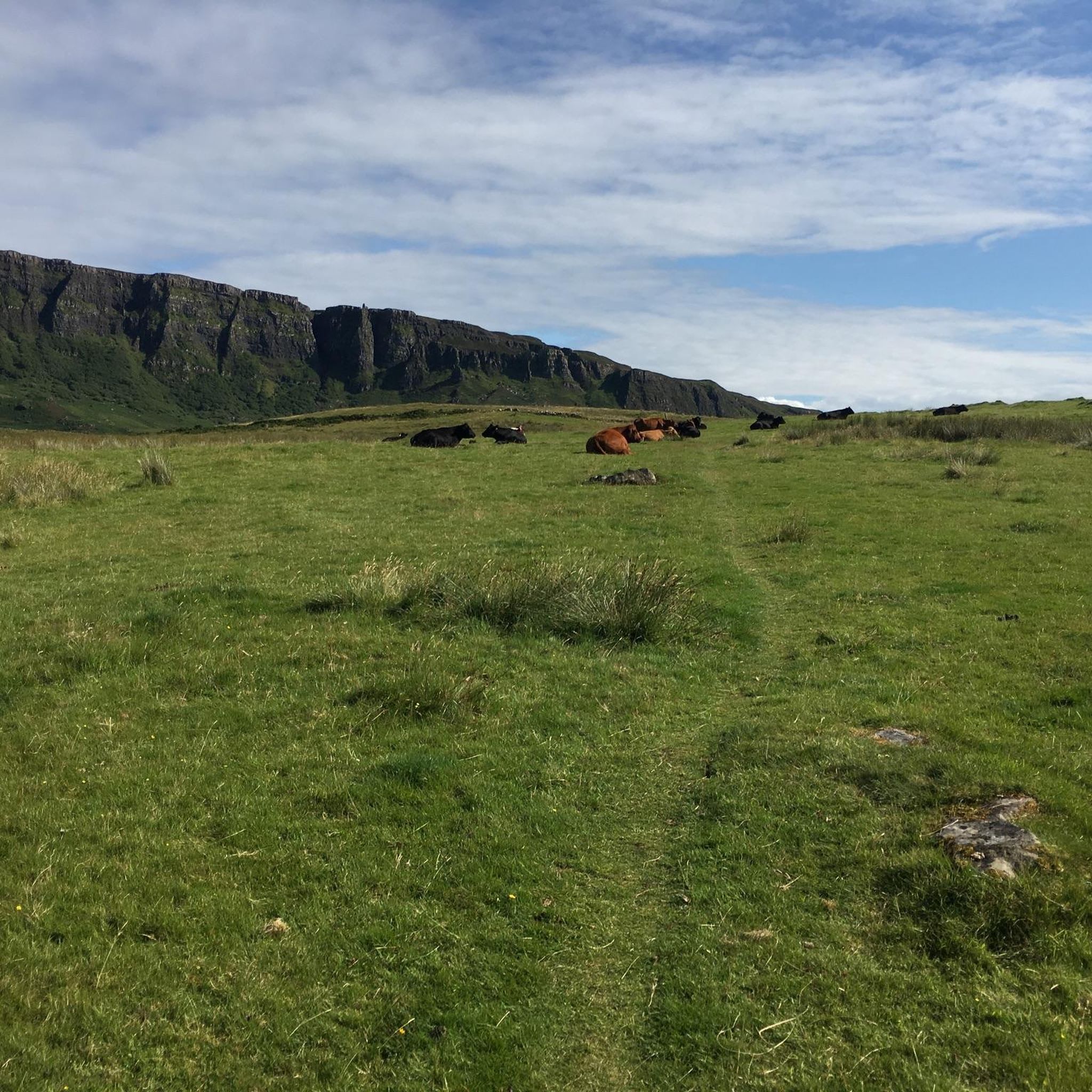
At 340m this is the highest point on the band of cliffs to the east of Cleadale in northern Eigg. The ridgeline creates a great running loop climbing up at one end and following the ridge until you can drop back to Cleadale at the other end, it's about 6km. The views across to Rum are inspiring.
0
0
At 340m this is the highest point on the band of cliffs to the east of Cleadale in northern Eigg. The ridgeline creates a great walking loop climbing up at one end and following the ridge until you can drop back to Cleadale at the other end, it's about 6km. The views across to Rum are inspiring.
0
0
The highest point on Eigg at 393m climbing An Sgùrr offers incredible views of the island and neighbouring Rum. The mountain was formed when a volcano erupted, filling the local valley with lava. This cooled and solidified, over time the softer surrounding rock eroded away leaving An Sgùrr as an inverted valley.
0
0

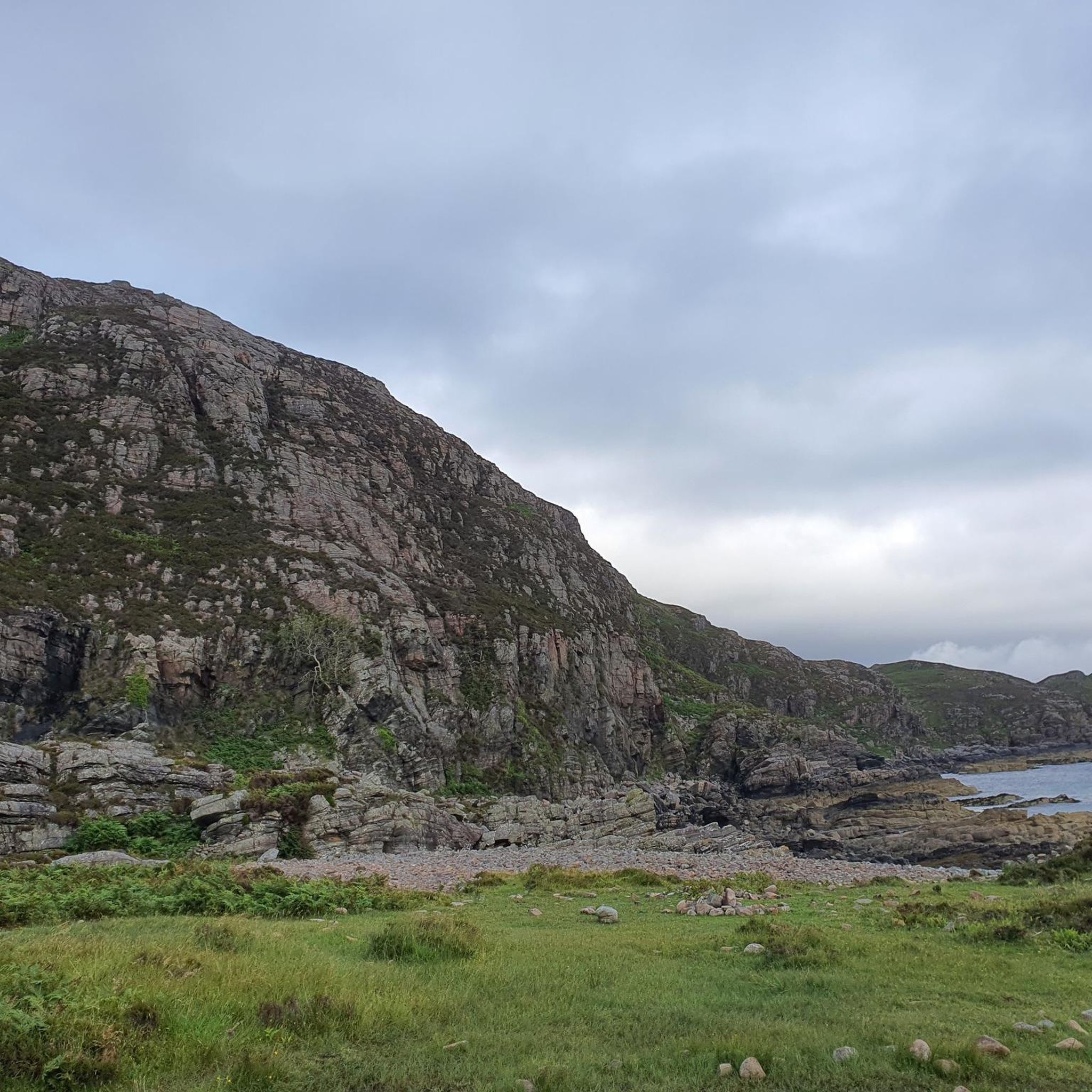
The Isle of Skye isn’t the only Scottish island with a Cuillin ridge. The extraordinary island of Rum has its own alternative version – and Askival is its crown, the highest and most satisfying peak of the Rum Cuillin. The majestic pyramidal peak is the highlight of this classic Inner Hebrides ridge traverse.
1
0
Frequently Asked Questions
What unique geological features can I explore in The Small Isles?
The Small Isles are rich in geological wonders. On the Isle of Eigg, you can witness An Sgùrr Summit, a dramatic, steep-sided ridge formed from basalt columns, similar to those at Giant's Causeway. The Isle of Rum features the majestic Askival Peak and the Rum Cuillin, remnants of ancient volcanic activity. Canna is noted for its tiers of basalt pillars and impressive sea cliffs, while Muck boasts dramatic cliffs on its south and west sides.
Which natural monuments in The Small Isles offer the best panoramic views?
For breathtaking views, climb Askival Peak on Rum, the highest point on the island, offering superb vistas across the Cuillin ridge and to Eigg. On Eigg, An Sgùrr Summit provides incredible views of Eigg and neighboring Rum. Additionally, Sgòrr an Fharaidh on Eigg offers inspiring views across to Rum from its clifftop position. On Muck, Beinn Airein (451 feet) provides expansive views of the island and surrounding waters.
Are there any natural monuments with historical significance in The Small Isles?
Yes, Massacre Cave on the Isle of Eigg is a natural monument with a significant historical past. This cave, which extends 79 meters back, is known for a tragic event in 1577 where 395 people sought refuge during a clan feud. Exploring it requires a torch due to its depth.
What kind of wildlife can I expect to see near the natural monuments?
The Small Isles are a haven for wildlife. Rum, a National Nature Reserve, is home to sea eagles, deer, goats, and otters. Muck's Gallanach Bay is excellent for observing birdlife like gannets and a large seal colony, with golden eagles, sea eagles, whales, sharks, porpoises, dolphins, and otters also spotted around the island. Canna, known as 'The Garden of the Hebrides,' hosts sea eagles, golden eagles, puffins, peregrine falcons, and merlins, with dolphins and whales frequently seen in its waters during summer.
Are there family-friendly natural monuments or activities in The Small Isles?
For families, the Singing Sands Beach on Eigg offers a unique and fun experience where the sand 'sings' when walked upon. Gallanach Bay on Muck provides beautiful white sandy beaches and clear waters, perfect for swimming and picnicking. Easy hikes, such as the route to Massacre Cave on Eigg, are also suitable for families. You can find more easy hiking options in the region by visiting the Easy hikes in The Small Isles guide.
What are some recommended hiking trails near the natural monuments?
The Small Isles offer diverse hiking opportunities. For a challenging experience, consider 'The full Rùm Cuillin loop including Barkeval' on Rum. A moderate option is 'An Sgùrr & Southern Eigg loop from the Ferry' on Eigg. For easier walks, try 'Massacre Cave and Cathedral Cave from Galmisdale' on Eigg or 'Kinloch Castle loop from the ferry' on Rum. You can explore more options in the Hiking in The Small Isles guide.
What is the best time of year to visit The Small Isles for natural monuments?
The best time to visit The Small Isles for natural monuments is generally during the spring (April-May) and summer (June-August) months. During these periods, the weather is milder, wildlife is more active, and ferry services are more frequent. Summer offers longer daylight hours, ideal for exploring, while spring brings blooming wildflowers. However, be prepared for changeable weather at any time of year.
How can I reach the natural monuments in The Small Isles using public transport?
Access to The Small Isles is primarily by ferry from Mallaig. Caledonian MacBrayne operates services to Rum, Eigg, Muck, and Canna. Once on the islands, transport options are limited, often involving walking, cycling, or local minibuses (where available). It's advisable to check ferry schedules and island-specific transport details in advance, as services can be seasonal and weather-dependent. For general information on what to do on the islands, you can visit visitsmallisles.com.
Are there any natural monuments known for unique sounds or phenomena?
Yes, the Singing Sands Beach (Largs Bay) on the Isle of Eigg is famous for its unique phenomenon. When the quartz sand is dry and walked upon, it produces a distinct squeaking or 'singing' sound due to its high silica content and specific grain shape.
What should I pack for visiting natural monuments in The Small Isles?
Given the changeable Scottish weather, it's essential to pack layers, including waterproof and windproof outer shells, even in summer. Sturdy hiking boots are crucial for tackling varied terrain, especially for climbs like Askival Peak or An Sgùrr Summit. Don't forget a map, compass or GPS, sufficient water and snacks, sun protection, and insect repellent (especially for midges in warmer months). A torch is also recommended if you plan to explore caves like Massacre Cave.
Are there options for accommodation or food near the natural monuments?
Each of the Small Isles has limited but charming options for accommodation, ranging from guesthouses and B&Bs to self-catering cottages and campsites. Similarly, you'll find small cafes or community shops offering food and refreshments, though choices are fewer than on the mainland. It's highly recommended to book accommodation and check opening times for eateries well in advance, especially during peak season, as facilities are not always directly adjacent to the natural monuments. For more information on amenities, you can check visitsmallisles.com.
Can I bring my dog to the natural monuments in The Small Isles?
Generally, dogs are welcome on the Small Isles, but it's crucial to keep them under close control, especially due to the abundant wildlife and livestock. Many areas, particularly nature reserves like Rum, have strict rules regarding dogs to protect ground-nesting birds and deer. Always check local signage and respect guidelines. On beaches like Singing Sands, dogs are usually permitted but should be kept on a lead. Always clean up after your dog.
What are the difficulty levels of walks to the natural monuments?
The difficulty of walks to natural monuments in The Small Isles varies significantly. Climbs like Askival Peak on Rum and An Sgùrr Summit on Eigg are considered challenging, involving steep ascents and potentially rough terrain. Other viewpoints like Sgòrr an Fharaidh are intermediate. Easier walks can be found to places like Singing Sands Beach or Massacre Cave. Always assess your fitness level and experience before embarking on a route. You can find detailed difficulty ratings in the Hiking in The Small Isles guide.
Most popular routes in The Small Isles
Most popular attractions in The Small Isles

Get inspired with the komoot mobile app


Explore more
Extend your search for the best caves by checking out these guides of the top ones in The Small Isles:
