Top 20 Natural Monuments in Balaton Uplands National Park
Best natural monuments in Balaton Uplands National Park showcase a landscape shaped by ancient volcanic activity and millennia of natural processes. The park encompasses six distinct landscape protection areas, preserving diverse geological formations and rich biodiversity. Visitors can explore volcanic cones, basalt formations, and unique wetland ecosystems. This region offers varied landscapes for outdoor exploration.
Best natural monuments in Balaton Uplands National Park
- The most popular natural monuments is Kisfaludy Lookout Tower, a viewpoint that offers a 360-degree panorama…
Last updated: June 27, 2026
Kisfaludy Lookout Tower
Highlight • Viewpoint
Tip by

Tihany Hermit Caves
Highlight • Cave
Translated by Google •
Tip by

Sign up now to discover places like this
Get recommendations on the best single tracks, peaks, & plenty of other exciting outdoor places.
Sign up for free
Kis-Balaton Nature Reserve
Highlight • Lake
Translated by Google •
Tip by

Hegyestű
Highlight • Volcano
Tip by
Szent-Jakab Spring
Highlight • Natural Monument
Benches and tables available, you can also lie down on the grass around it.
Translated by Google •
Tip by

Sign up for free to discover even more natural monuments in Balaton Uplands National Park.
Sign up for free
Already have an account?
Start today with a free account
Your next adventure awaits.
Login or Signup
Popular around Balaton Uplands National Park
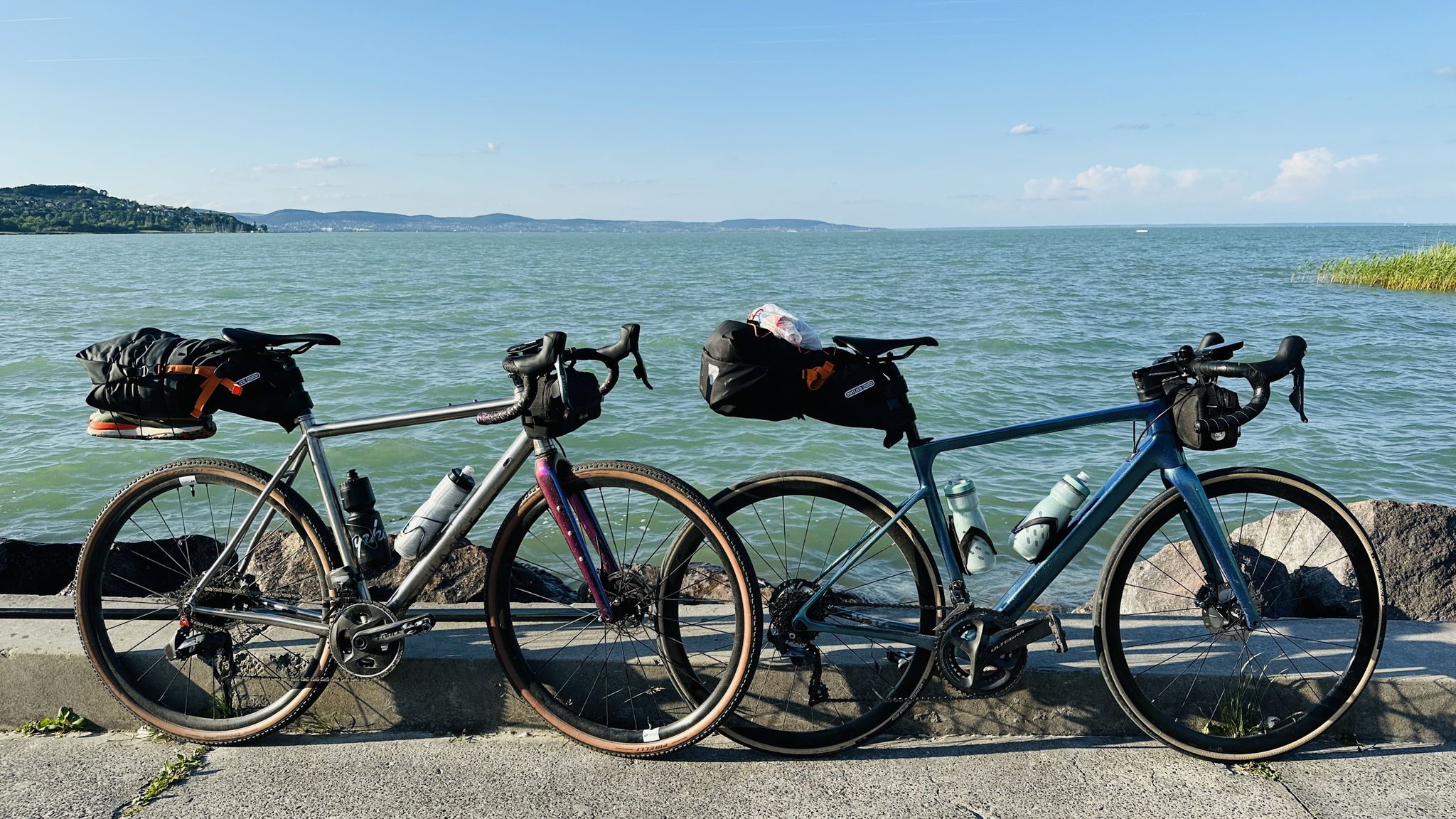
Riding two Koppels through five countries
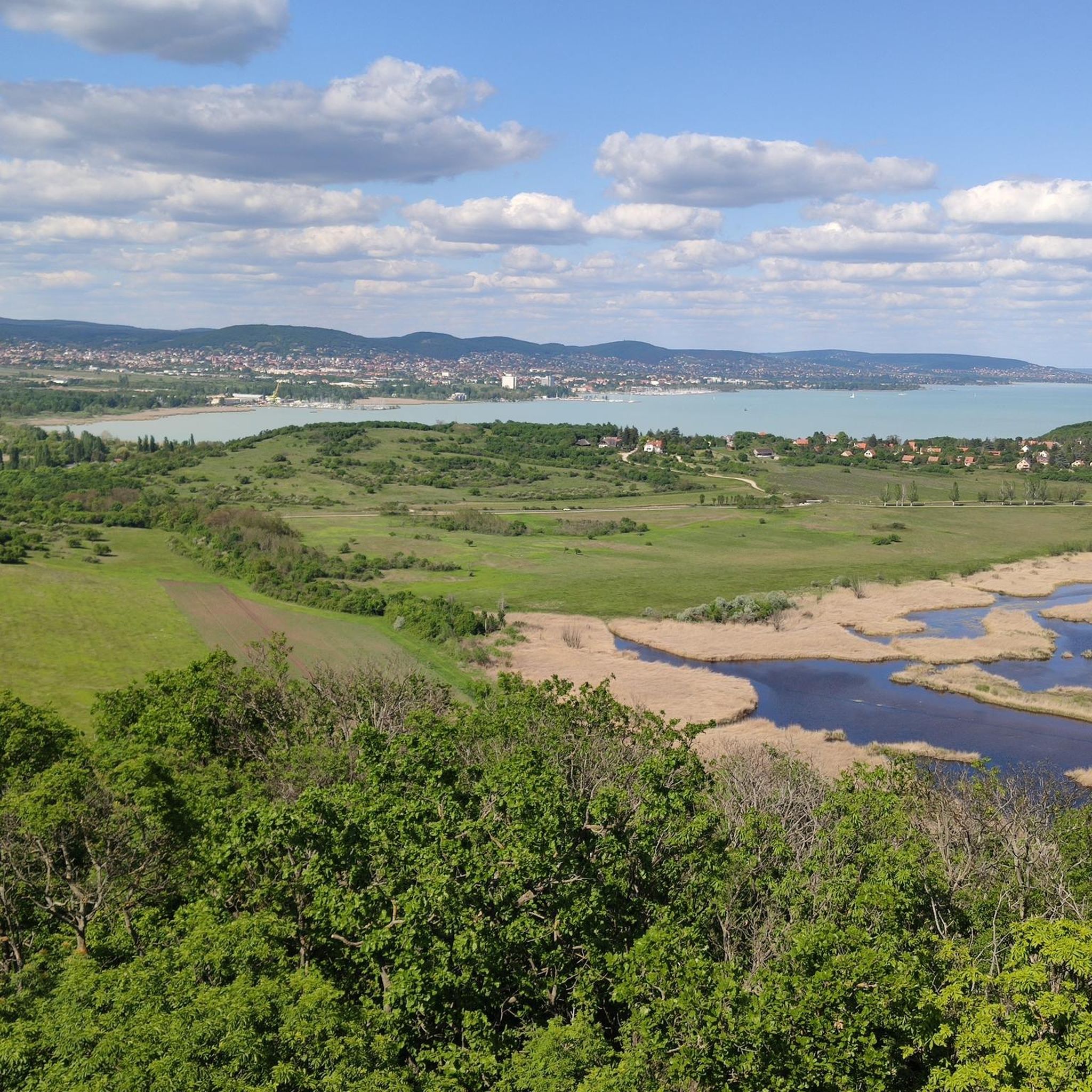
Hiking in Balaton Uplands National Park
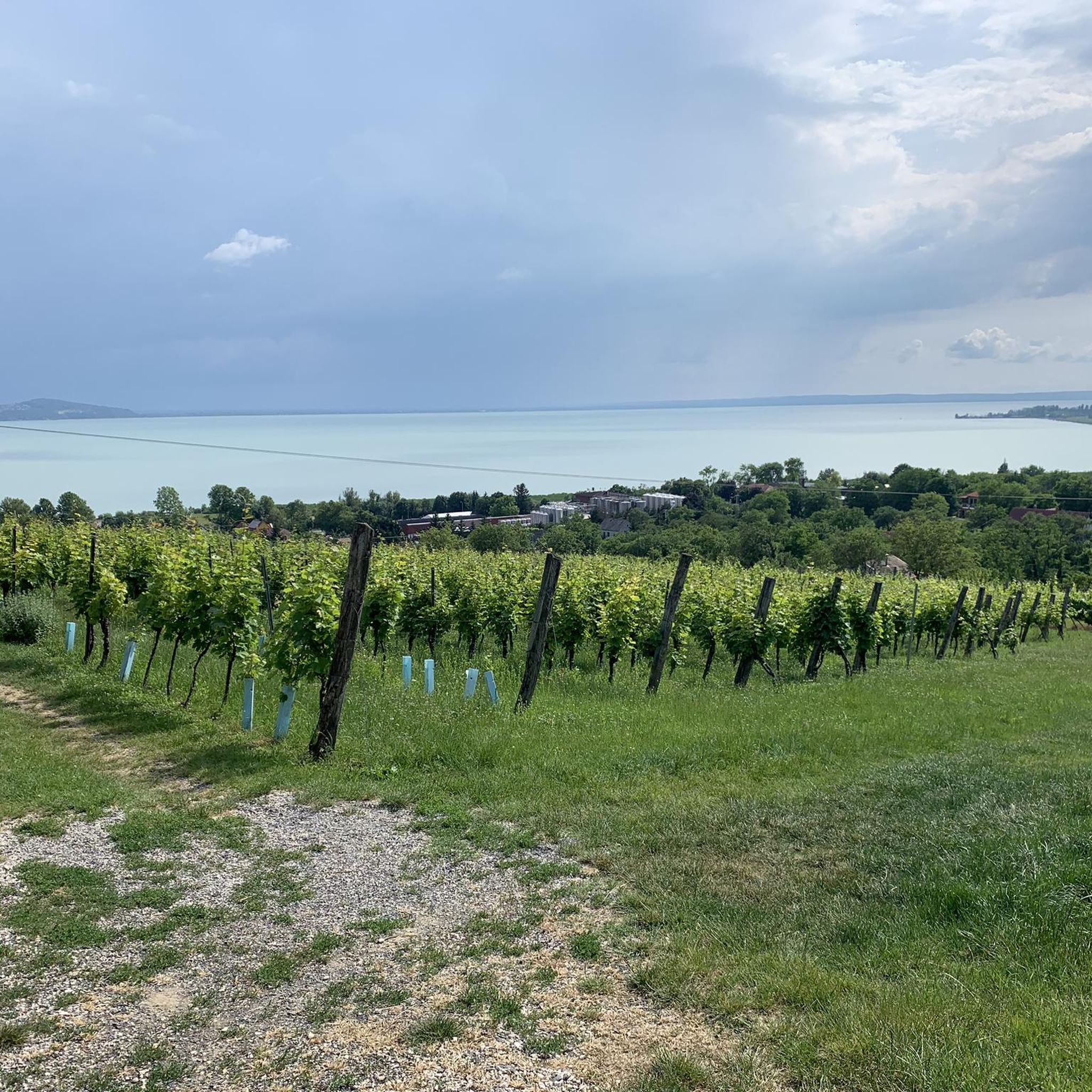
Cycling in Balaton Uplands National Park
Road Cycling Routes in Balaton Uplands National Park
Running Trails in Balaton Uplands National Park
MTB Trails in Balaton Uplands National Park

Gravel biking in Balaton Uplands National Park
Other adventures in Balaton Uplands National Park

Tips from the Community

Very quiet place, very charming and the people are very polite
0
0

One of the gems of the Balaton Uplands is the small village of Vászoly. The Szent Jakab Forrás, visited by many, has healing powers, and this can be found from various sources on the internet. There is also a legend connected to it. Its water is continuous and drinkable. The small pond was formed by damming up its abundant water. It is surrounded by a small stage and a small grove. An idyllic location. The source of the Vászolyi-séd. It can be an excellent starting point for the hidden treasures of the area, as we can find the Kuti-Kerti Kisvendéglő in the immediate vicinity, which gives a traditional Balaton Uplands atmosphere, as does the entire Árpád-era village.
0
0
Szent Jakab Forrás and the source lake, Vászoly. It has been mentioned for thousands of years due to its healing properties. The name of the village itself comes from the word "Vazul", which is a cousin of Szent István Király. The pond itself and the settlement have a special atmosphere. A real gem.
0
0

Wonderful place for a picnic. Small lake/pond with drinking water supply, bring an empty bottle! Benches and tables available, you can also lie down on the grass around it.
0
0

A well-built, stable tower with a 360 degree panorama, but the structure makes it impossible to take a good photo
8
0

The Hermit Caves are located at an altitude of about 165 meters on the northern slope of the 207 meter high Óvár Hill between the districts of Tihanyvár and Gödrös. From the top of Calvary Hill in Tihany, a narrow footpath runs along the same height on the southwestern slope of Óvár Hill. After about two kilometers, the path turns north and shortly afterwards east around Óvár Hill and after a few meters reaches the caves. This footpath leads through a landscape of so-called "Pannonian grasslands", which is home to numerous rare and protected plants. A shorter footpath starts from a parking lot at the end of Kecskeköröm utca in Gödrös. Another footpath climbs steeply to the caves from Lepke sor, the road leading to Tihany along the northern shore of the peninsula, about 300 meters before the Tihany pier. This footpath leads past the Cyprian Spring (Hungarian: ciprián forrás). The original name of the spring was "Russian Well" (Hungarian: Orosz kútnak), which can be interpreted as meaning that the hermits were Russian Basilians. On all signposts the caves are only called "Barátlakások" in Hungarian. The Óvár Hill is a basalt tuff rock. On its summit there are remains of earthworks.
1
0
The earthen castle on the Óvár Hill was built at the end of the Bronze Age. It was a prince's residence and a place of refuge for the population in times of war. On its south side are the burial mounds of its inhabitants. These were archaeologically excavated around 1970. Shards of pottery, bronze jewelry and charred wheat grains were found.
1
1

Frequently Asked Questions
What are the most prominent geological features in Balaton Uplands National Park?
The Balaton Uplands National Park is renowned for its diverse geological formations, primarily shaped by ancient volcanic activity. You can observe spectacular basalt columns, such as those at Hegyestű, which is the remains of a volcano's chimney. The Tihany Peninsula features unique geyser cones like the 'Golden House' (Aranyház), and the Káli Basin is famous for its 'Sea of Stones' (Kőtenger), which are block fields of sandstone boulders.
Which natural monuments offer the best panoramic views of Lake Balaton?
For breathtaking panoramic views of Lake Balaton and the surrounding volcanic landscape, visit the Kisfaludy Lookout Tower. The Tihany Peninsula also offers stunning vistas, especially from the hilltop abbey. Additionally, the Badacsony and other 'witness hills' like Gulács and Csobánc provide exceptional viewpoints over the lake and basin.
What kind of wildlife can I expect to see at the natural monuments?
The park is rich in biodiversity. Kis-Balaton Nature Reserve is an internationally important wetland, crucial for numerous rare bird species, including greylag geese and various herons. You might also spot otters there. The Tihany Peninsula supports rare sub-Mediterranean plants, nesting birds like the horned sparrow owl, and insects such as cicadas. Badacsony is a haven for over 100 bird species, including eight types of woodpeckers.
Are there any unique natural phenomena to observe, like geysers or basalt organs?
Yes, the park features several unique natural phenomena. The Tihany Peninsula is famous for its geyser cones, remnants of post-volcanic activity, with the 'Golden House' being a notable example. In the Badacsony and Szent György Hill areas, you can marvel at fascinating basalt organs, which are fossilized lava columns. Hegyestű in the Káli Basin also showcases spectacular pentagonal and hexagonal basalt columns.
Are there family-friendly natural monuments in Balaton Uplands National Park?
Absolutely. The Kis-Balaton Nature Reserve is highly recommended for families, offering opportunities to see water buffalo and learn about the unique wetland ecosystem. The Tapolca Lake Cave provides a unique boating experience in its illuminated underground passages, which is very popular with children. The Szent-Jakab Spring is also a wonderful spot for a family picnic with its small lake and facilities.
What outdoor activities can I do near the natural monuments?
The area around the natural monuments offers a variety of outdoor activities. You can explore numerous hiking trails, such as those around Badacsony or the Tihany Peninsula. Cycling is also very popular, with routes like the 'Scenic Tree-Lined Avenue – Kis-Balaton Nature Reserve loop'. For more options, you can find detailed guides for running, cycling, and road cycling in Balaton Uplands National Park.
Are there specific hiking trails to explore the natural monuments?
Yes, many natural monuments are integrated into hiking networks. For instance, a narrow footpath leads to the Tihany Hermit Caves, passing through Pannonian grasslands with rare plants. The Badacsony hills are crisscrossed with trails that allow you to explore the basalt organs and vineyards. The Kis-Balaton area also offers trails ideal for hiking or cycling, with observation towers for birdwatching. You can find various running trails that often overlap with hiking paths.
What is the best time of year to visit the natural monuments in Balaton Uplands National Park?
The best time to visit is generally from spring to early autumn (April to October) when the weather is pleasant for outdoor activities. June and early July are particularly beautiful on the Tihany Peninsula when the lavender fields are in bloom. Spring and autumn offer milder temperatures, ideal for hiking and exploring the geological formations and wetlands without the summer crowds. Winter can also be scenic, especially for those interested in quiet exploration, but some facilities might have reduced hours.
How long should I plan for a visit to the natural monuments?
The duration of your visit depends on which natural monuments you plan to see. For a single site like Hegyestű or the Tapolca Lake Cave, a few hours might suffice. To explore a larger area like the Tihany Peninsula or the Káli Basin, including hiking and enjoying the views, a full day is recommended. If you wish to visit multiple distinct areas within the Balaton Uplands National Park, consider planning a multi-day trip to fully appreciate their diversity.
Is there parking available at the natural monuments?
Parking is generally available at or near the major natural monuments. For example, there's a parking lot at the end of Kecskeköröm utca in Gödrös for accessing the Tihany Hermit Caves. Hegyestű also has visitor parking, though some sites may charge an entrance or parking fee. It's advisable to check specific location details if you plan to drive.
Are there cafes or restaurants near the natural monuments?
Yes, you can find cafes and restaurants near many of the natural monuments, especially in the more developed areas. The Tihany Peninsula, for instance, has various dining options. Near the Szent-Jakab Spring in Vászoly, you can find traditional eateries like the Kuti-Kerti Kisvendéglő. The towns and villages surrounding the witness hills like Badacsony also offer numerous vineyards and restaurants where you can enjoy local cuisine and wines.
Are there any hidden natural monuments worth discovering?
While many natural monuments are well-known, the park still holds some less-traveled gems. The 'Sea of Stones' (Kőtenger) near Salföld, Kővágóörs, and Szentbékkálla in the Káli Basin, particularly the rocky ridge of Szentbékkálla, offers a unique and well-preserved landscape that feels somewhat off the beaten path. Exploring the smaller basalt cones beyond the main ones, or the specific bogs and wetlands like Sásd meadows, can also reveal unique flora and fauna.
Most popular routes in Balaton Uplands National Park
Most popular attractions in Balaton Uplands National Park

Get inspired with the komoot mobile app


