Top 20 Natural Monuments around Parco regionale dei Monti Lattari
Best natural monuments around Parco regionale dei Monti Lattari are found across the Sorrento Peninsula and part of the Amalfi Coast in Southern Italy. The park features rugged mountain terrain, dramatic limestone ridges, and coastal areas. This region offers diverse ecosystems and a unique blend of natural features. It is characterized by its geological formations and varied landscapes.
Best natural monuments around Parco regionale dei Monti Lattari
- The most popular natural monuments is Montepertuso Rock Arch, a natural monument…
Last updated: October 14, 2026
The Pinnacle (Il Pinnacolo) on the Sentiero degli Dei (Path of the Gods)
Highlight • Natural Monument
Translated by Google •
Tip by

Waterfalls in the Valle delle Ferriere Nature Reserve
Highlight • Waterfall
Translated by Google •
Tip by

Sign up now to discover places like this
Get recommendations on the best single tracks, peaks, & plenty of other exciting outdoor places.
View across the valley to Nocelle
Highlight • Viewpoint
Translated by Google •
Tip by

Colle Serra Pinnacle
Highlight • Natural Monument
Translated by Google •
Tip by

Montepertuso Rock Arch
Highlight • Natural Monument
According to popular mythology, centuries ago, people who came …
Translated by Google •
Tip by

Sign up for free to discover even more natural monuments around Parco regionale dei Monti Lattari.
Already have an account?
Start today with a free account
Your next adventure awaits.
Popular around Parco regionale dei Monti Lattari
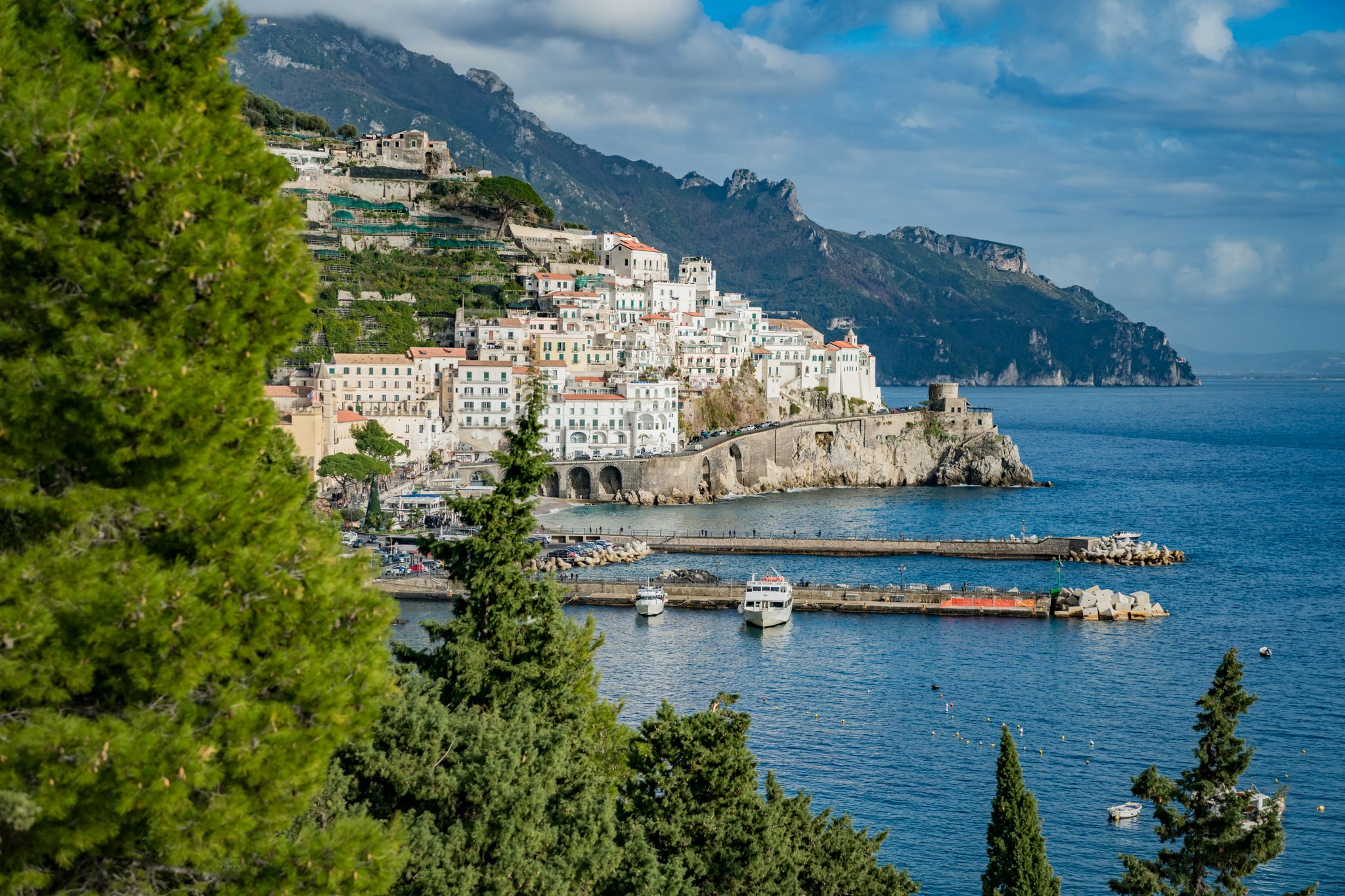
Hiking on the Amalfi Coast – routes for all year round
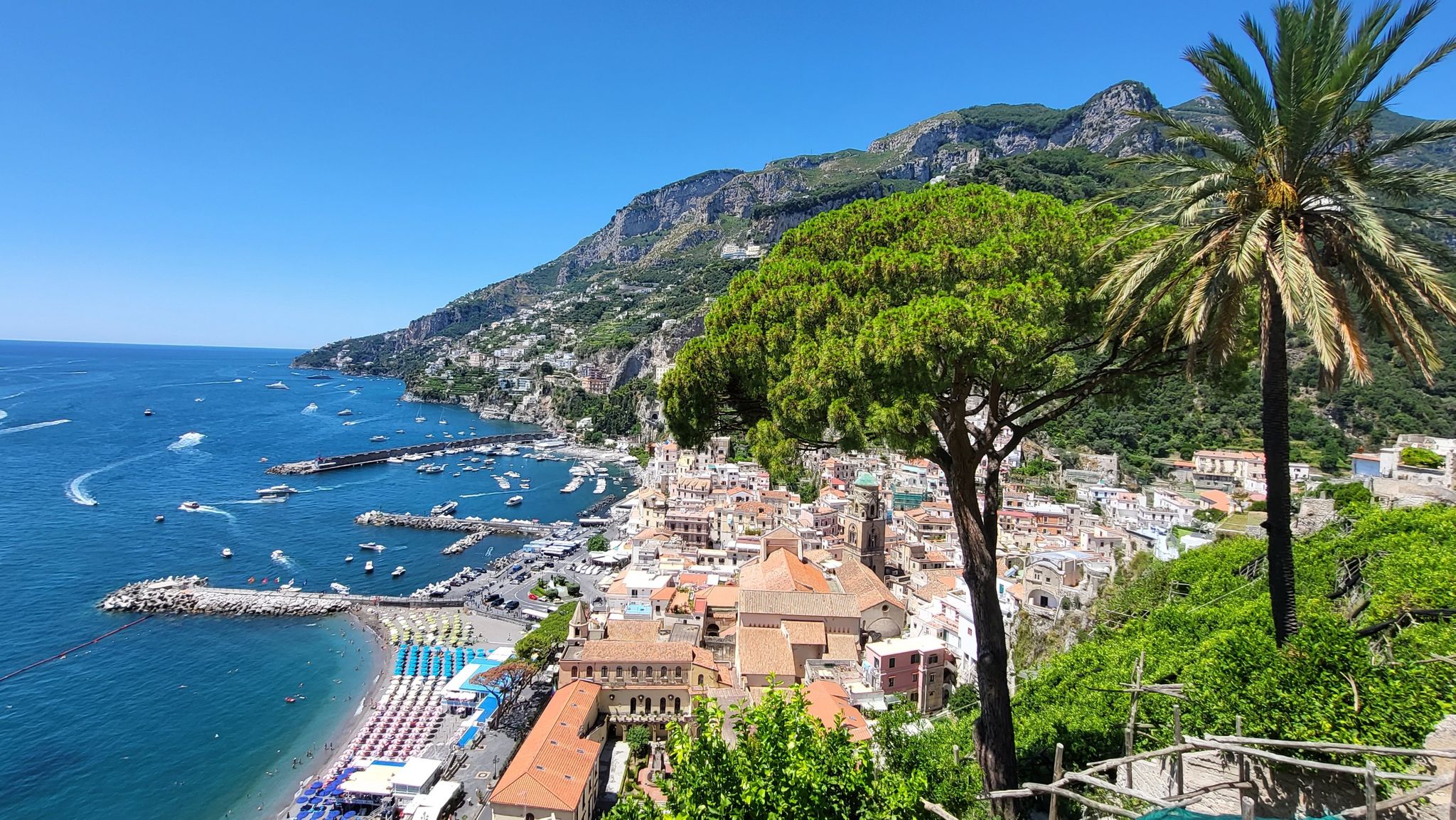
Discovering the Amalfi Coast – four unmissable walks
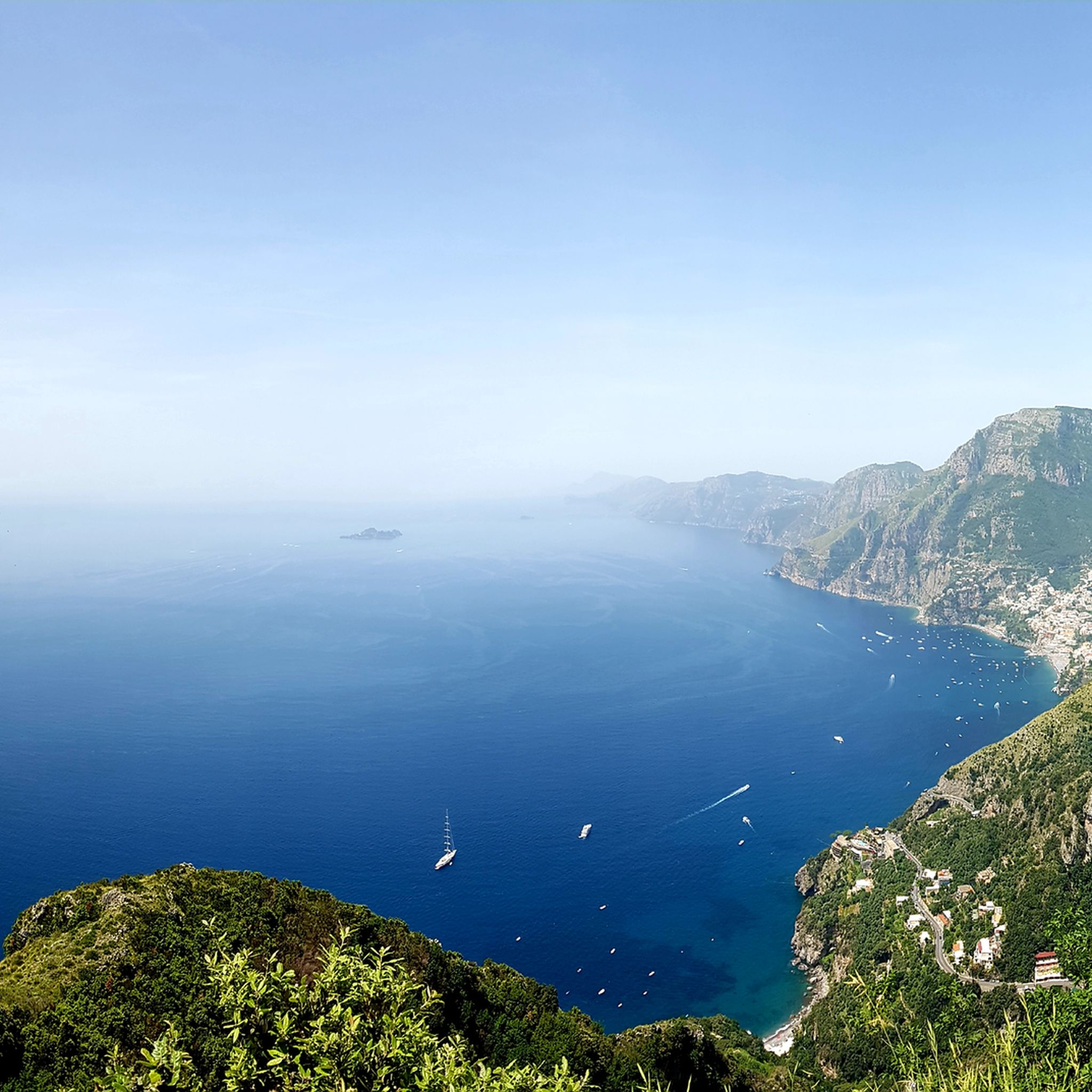
Hiking around Parco regionale dei Monti Lattari
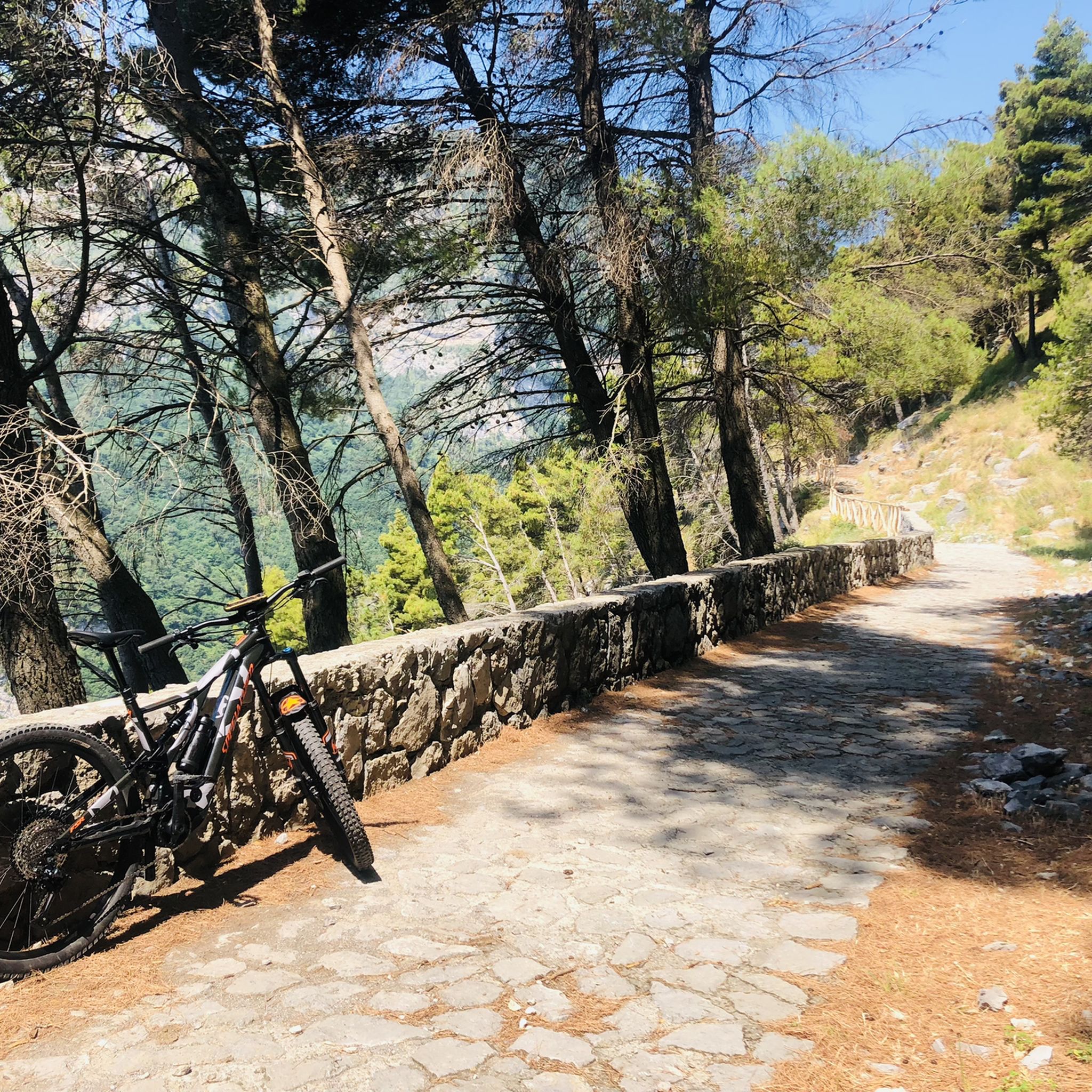
MTB Trails around Parco regionale dei Monti Lattari
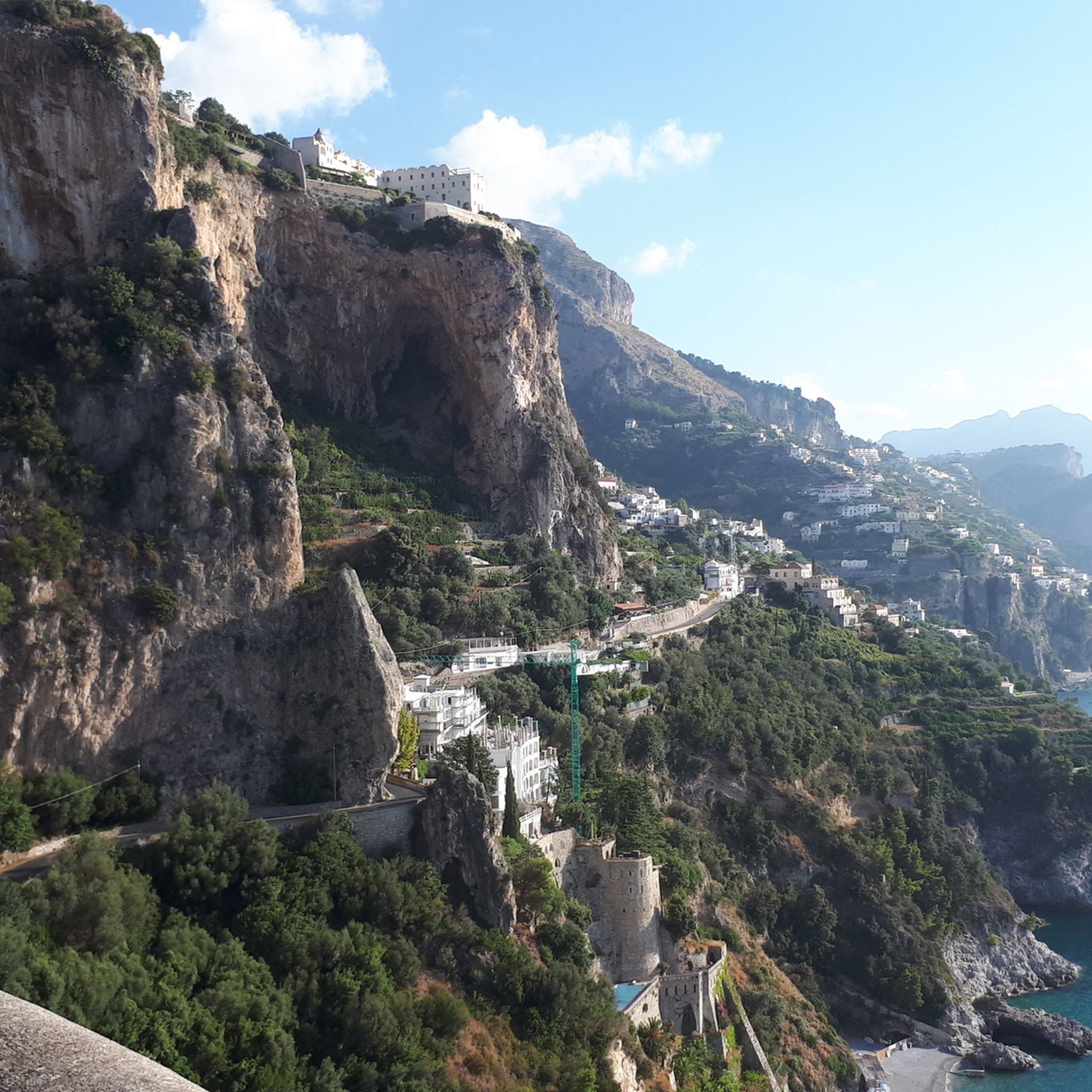
Cycling around Parco regionale dei Monti Lattari
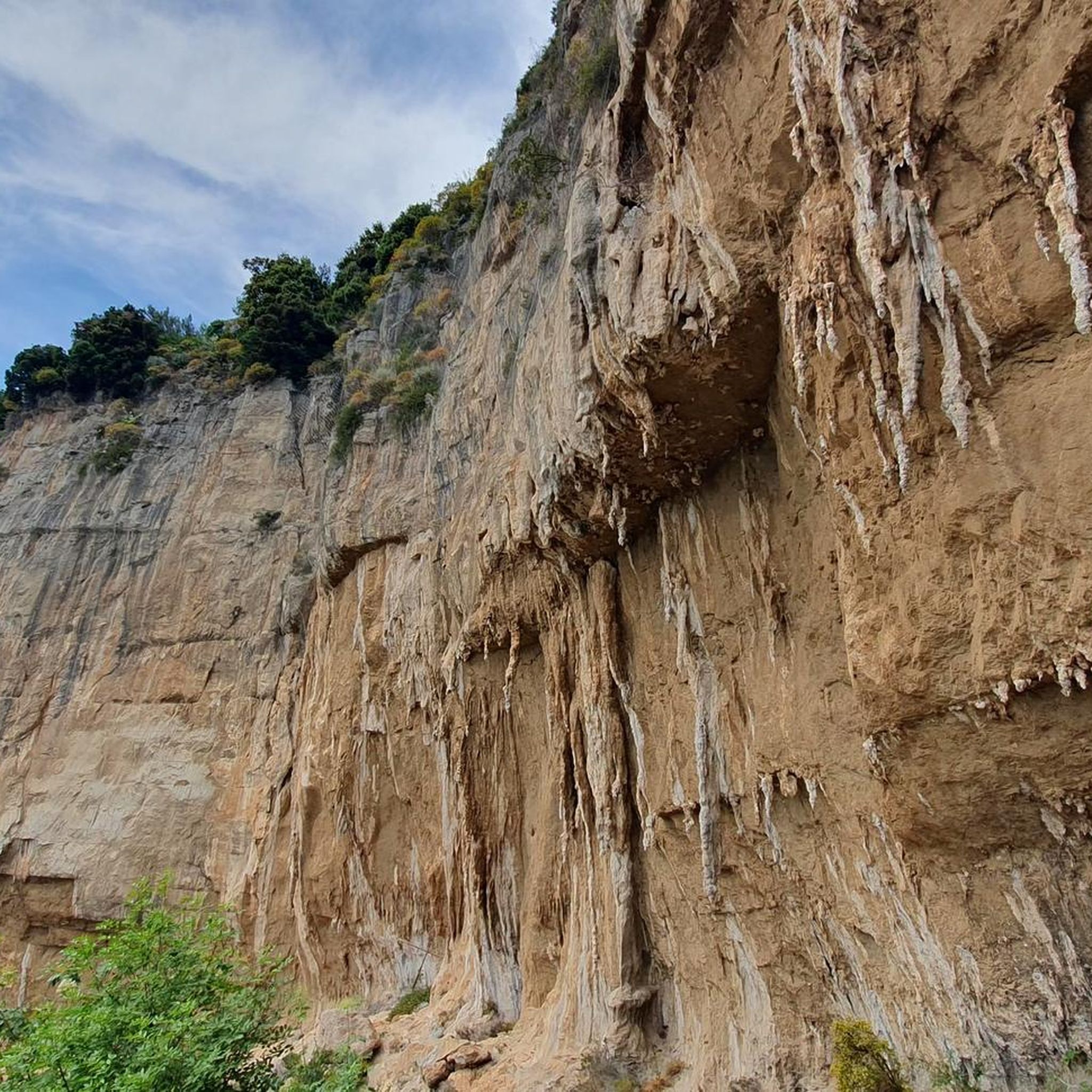
Running Trails around Parco regionale dei Monti Lattari
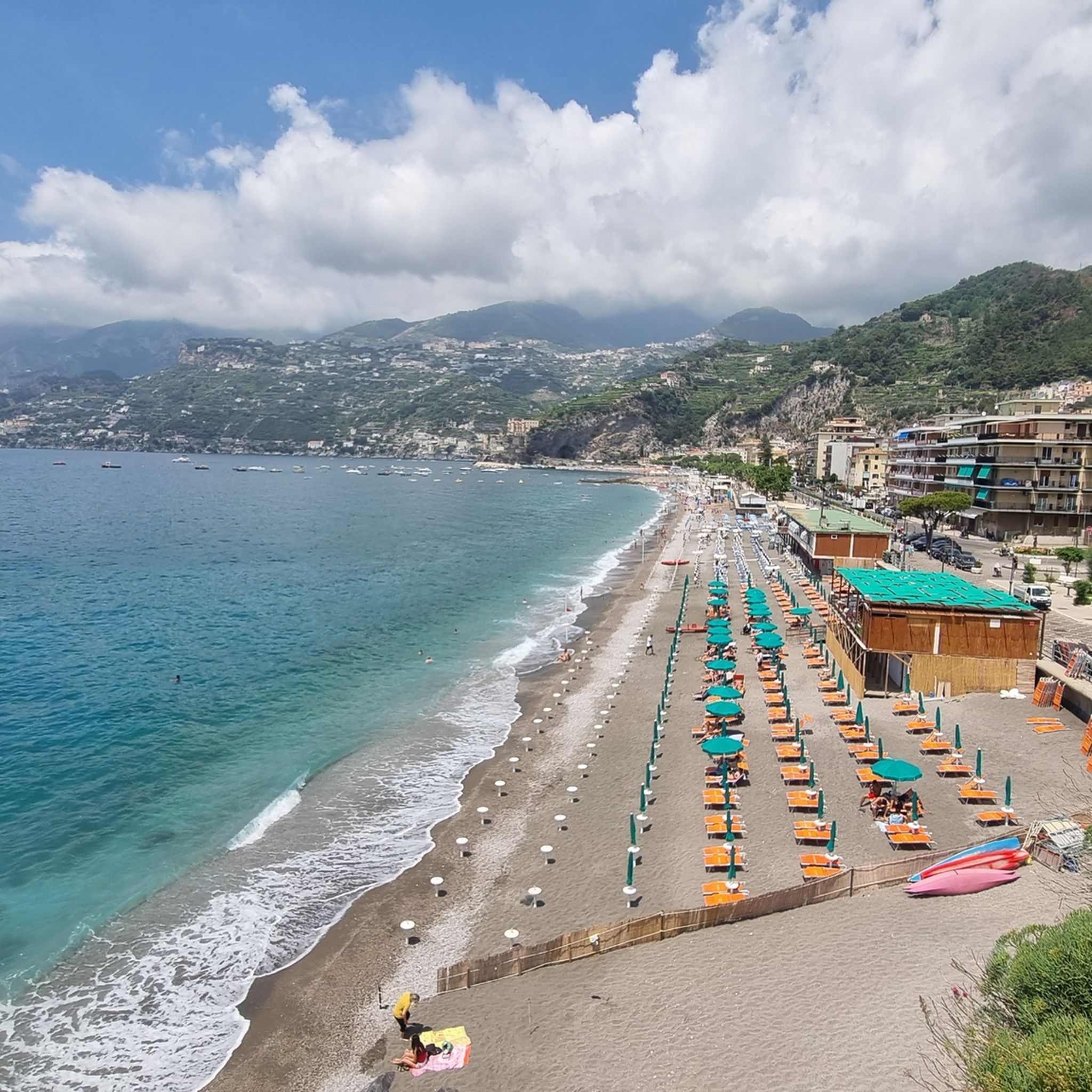
Road Cycling Routes around Parco regionale dei Monti Lattari

Gravel biking around Parco regionale dei Monti Lattari
Other adventures around Parco regionale dei Monti Lattari


Tips from the Community

Beautiful view of the mountain with a hole, precisely the "pretuso"
0
0

Montepertuso or the pierced mountain
1
1

The hike on the Sentiero degli Dei from Bomerano to Positano is a highlight on the Amalfi Coast. Breathtaking views accompany the path, which does not require a guide, but does require good shoes and plenty of water. After about 30 minutes, the path splits into a higher and a lower route, which later merge again. The destination is Nocelle, where you can fortify yourself with a refreshing lemon slush. From there, two paths lead down to Positano, either via Montepertuso or directly over hundreds of steps. Setting off early in the morning is recommended.
2
1
If taking the path back to Amalfi there is one steep section with no barrier as the track has been rerouted around landslip. Caution and sticks are needed.
1
0
An early start improves the experience as you avoid crowds along the track and at the final waterfalls which are beautiful and worth paying the entrance fee.
0
0

It is a fascinating place located on the Amalfi Coast, precisely in the hamlet of Montepertuso, which is part of Positano. According to popular mythology, centuries ago, people who came from the deep east lived inside some natural caves in the heart of the mountain. The Devil, wishing to demonstrate his power and ability to Our Lady, attempted to create a hole right inside the mountain, using only his hands. However, despite his efforts, the Demon failed in his attempt. Moved by pity for his failure, the Madonna raised her hand and touched the mountain: the rock suddenly crumbled and the Devil fell down the precipice, ending up on the stones below. Montepertuso is also a starting point for the famous Path of the Gods, which connects Agerola to Nocelle
2
0
At the beginning of April, the hike from St Lazarro to Valle de Ferrere was quite nice, but in comparison, not really recommendable. The forests are coppice forests, still leafless, only a few early bloomers and salamander larvae, a single orchid. In the end, at 3 p.m., we stood in front of a closed waterfall. That's a bit stupid. But understandable, hardly any people there. In some places, poorly signposted.
2
0

This last part of the path is home to magnificent waterfalls including a main one for which you have to pay a €5 ticket before accessing it. I highly recommend that you do.
0
0
Frequently Asked Questions
What are some unique geological features in the Parco regionale dei Monti Lattari?
The region is rich in distinctive geological formations. You can find fascinating rock arches like the Montepertuso Rock Arch, known for its natural hole. The The Pinnacle (Il Pinnacolo) on the Sentiero degli Dei (Path of the Gods) and Colle Serra Pinnacle are prominent limestone spires offering dramatic views. The park's rugged mountain terrain and dramatic limestone ridges are characteristic throughout.
Are there any natural monuments suitable for families in the Parco regionale dei Monti Lattari?
While many trails can be challenging, areas like the Villa Cimbrone Gardens, though primarily a historical site, are family-friendly with beautiful views and accessible paths. For a natural experience, the lower sections of the Valle delle Ferriere Nature Reserve offer a refreshing environment, though some parts require a permit and can be more strenuous.
What are the most scenic viewpoints among the natural monuments?
For unparalleled panoramic views, the The Pinnacle (Il Pinnacolo) on the Sentiero degli Dei (Path of the Gods) offers stunning vistas of the Tyrrhenian Sea and the Amalfi Coast. Reaching the summit of Monte San Michele (Molare), the highest peak, provides breathtaking 360-degree views of the entire region, including both the Bay of Naples and the Gulf of Salerno. Monte Faito also offers diverse viewpoints overlooking the coastline.
Can I find challenging hikes to natural monuments in the Monti Lattari?
Yes, the region offers several challenging routes. The hike to Monte San Michele (Molare), the highest peak, is a rewarding endeavor. The Waterfalls in the Valle delle Ferriere Nature Reserve can also involve challenging sections, especially if you aim to reach the core zone. The famous Sentiero degli Dei, while offering moderate sections, also has parts that are considered challenging.
What is the best time of year to visit the natural monuments in the Parco regionale dei Monti Lattari?
Spring (April-May) and Autumn (September-October) are generally the best times. The weather is pleasant for hiking, and the landscapes are vibrant. Summer can be very hot, especially on coastal trails, but higher elevations like Monte Faito offer cooler climates. Winter can be mild, but some higher trails might be less accessible due to weather conditions.
What kind of flora and fauna can I expect to see near these natural monuments?
The park boasts diverse ecosystems. The Valle delle Ferriere Nature Reserve is particularly notable for its unique microclimate, supporting rare flora including ancient ferns. Along coastal paths like the Sentiero degli Dei and around Punta Campanella, you'll encounter lush Mediterranean vegetation. Higher peaks like Monte Faito feature dense forests of chestnut, oak, and holm oak. The marine areas, especially around Scoglio del Vervece and Baia di Ieranto, are rich in underwater biodiversity.
Are there any natural monuments with historical significance?
Yes, the Valle delle Ferriere Nature Reserve holds historical importance with its old paper mills, powered by the abundant water sources. The area around Punta Campanella features historical watchtowers. The Sentiero degli Dei itself is an ancient path, and some tips mention ancient settlements or structures built into the rock along its route.
What outdoor activities can I do near the natural monuments in the Parco regionale dei Monti Lattari?
The region is ideal for hiking, with numerous trails connecting natural monuments. You can explore hiking routes like the Sentiero degli Dei or the Valle delle Ferriere. There are also waterfall hikes. For cyclists, there are challenging road cycling routes offering stunning coastal views. Swimming and snorkeling are popular in pristine coves like Baia di Ieranto, and Scoglio del Vervece is a renowned diving spot.
What makes the Valle delle Ferriere Nature Reserve a unique natural monument?
The Valle delle Ferriere Nature Reserve is unique due to its distinct microclimate, which allows for the survival of rare flora, including ancient ferns, thriving amidst rich water sources, streams, rapids, and waterfalls. This verdant, cool environment offers a striking contrast to the sun-drenched coast and provides a refreshing hiking experience.
Where can I experience dramatic coastal scenery?
The Sentiero degli Dei (Path of the Gods) is renowned for its unparalleled panoramic views of the Tyrrhenian Sea and the Amalfi Coast. The area around Punta Campanella and Baia di Ieranto also offers spectacular coastal beauty with pristine coves and crystal-clear waters. The Montepertuso Rock Arch provides a unique coastal landmark.
Are dogs allowed on trails to natural monuments in the Parco regionale dei Monti Lattari?
Many trails in the Parco regionale dei Monti Lattari are dog-friendly, allowing you to explore with your canine companion. However, it's always advisable to keep dogs on a leash, especially in nature reserves or areas with wildlife, and to check specific regulations for individual sites or protected areas before your visit.
What should I wear when hiking to natural monuments in the Monti Lattari?
Sturdy hiking shoes with good grip are essential, as many trails involve uneven terrain, rocky paths, and varying elevations. Layered clothing is recommended to adapt to changing weather conditions, especially when ascending to higher peaks or visiting during transitional seasons. Don't forget sun protection, a hat, and plenty of water, particularly during warmer months.
Most popular routes around Parco regionale dei Monti Lattari
Most popular attractions around Parco regionale dei Monti Lattari

Get inspired with the komoot mobile app


Explore more
Extend your search for the best caves by checking out these guides of the top ones around Parco regionale dei Monti Lattari:
