Top 20 Natural Monuments around Parco delle Madonie
Best natural monuments around Parco delle Madonie include diverse geological formations, ancient trees, and unique flora. This UNESCO Global Geopark in Sicily features sedimentary rocks over 200 million years old and is home to the critically endangered Madonie fir. The park's varied climate and geographical conditions support a rich biodiversity, making it a significant site for conservation and botanical interest. Its mountain peaks offer panoramic views across the island.
Best natural monuments around Parco delle Madonie
- The most popular natural…
Last updated: July 11, 2026
Pizzo Carbonara (1,979 m)
Highlight • Summit
Translated by Google •
Tip by

Cozzo Luminario Summit (1,512 m)
Highlight • Summit
Translated by Google •
Tip by

Sign up now to discover places like this
Get recommendations on the best single tracks, peaks, & plenty of other exciting outdoor places.
Sign up for free
Fratel Biagio Conte Nature Trail
Highlight (Segment) • Trail
Colla first descends gently to the forest gate and then climbs part of …
Translated by Google •
Tip by

Grattara Cave
Highlight • Cave
Translated by Google •
Tip by

Pizzo Sant'Angelo Summit
Highlight • Summit
Translated by Google •
Tip by
Sign up for free to discover even more natural monuments around Parco delle Madonie.
Sign up for free
Already have an account?
Start today with a free account
Your next adventure awaits.
Login or Signup
Popular around Parco delle Madonie
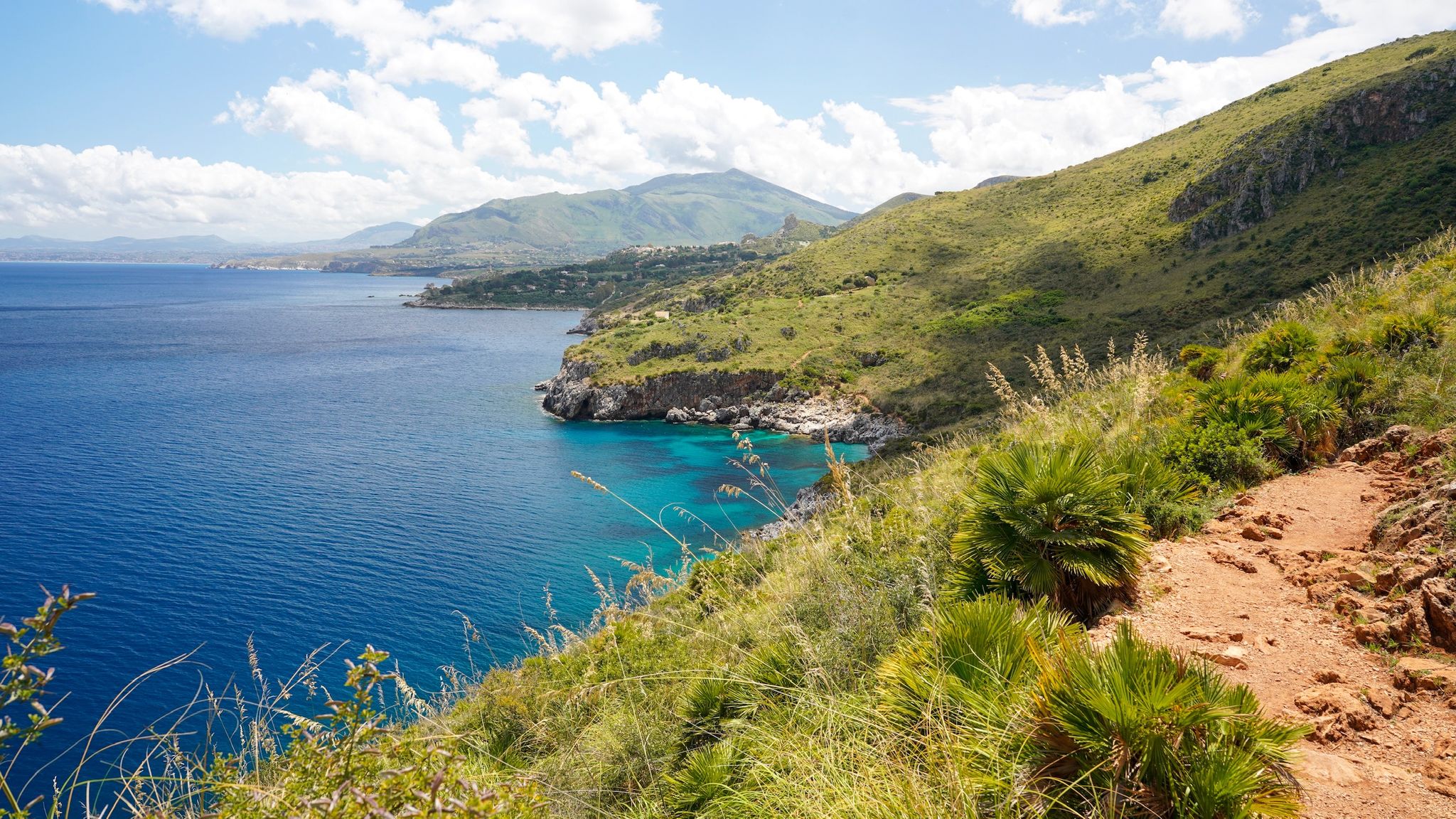
Sentiero Italia – Sicily's natural and artistic treasures
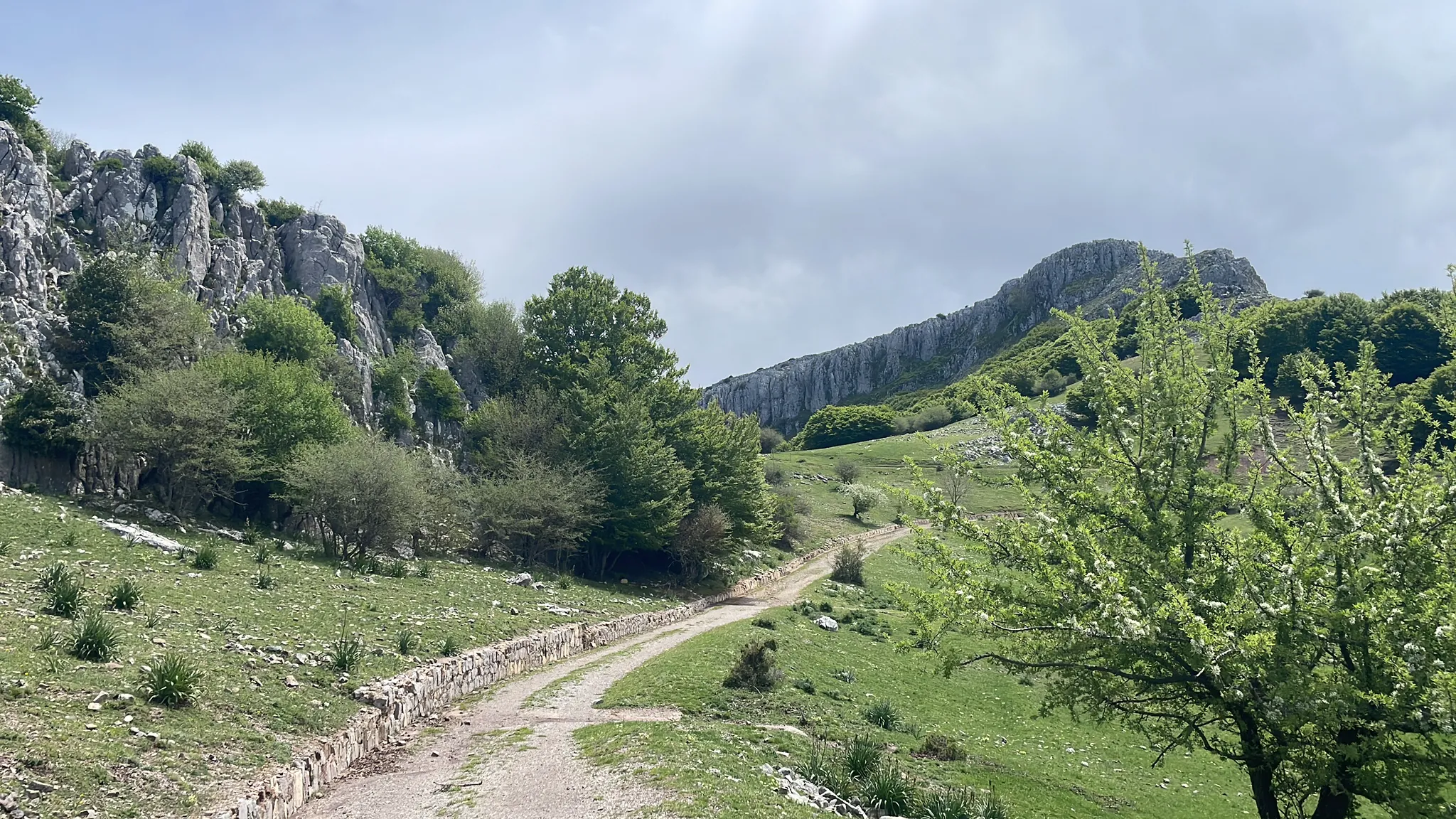
Etna and Madonie mountain bike parks – the Wild Heart of Sicily
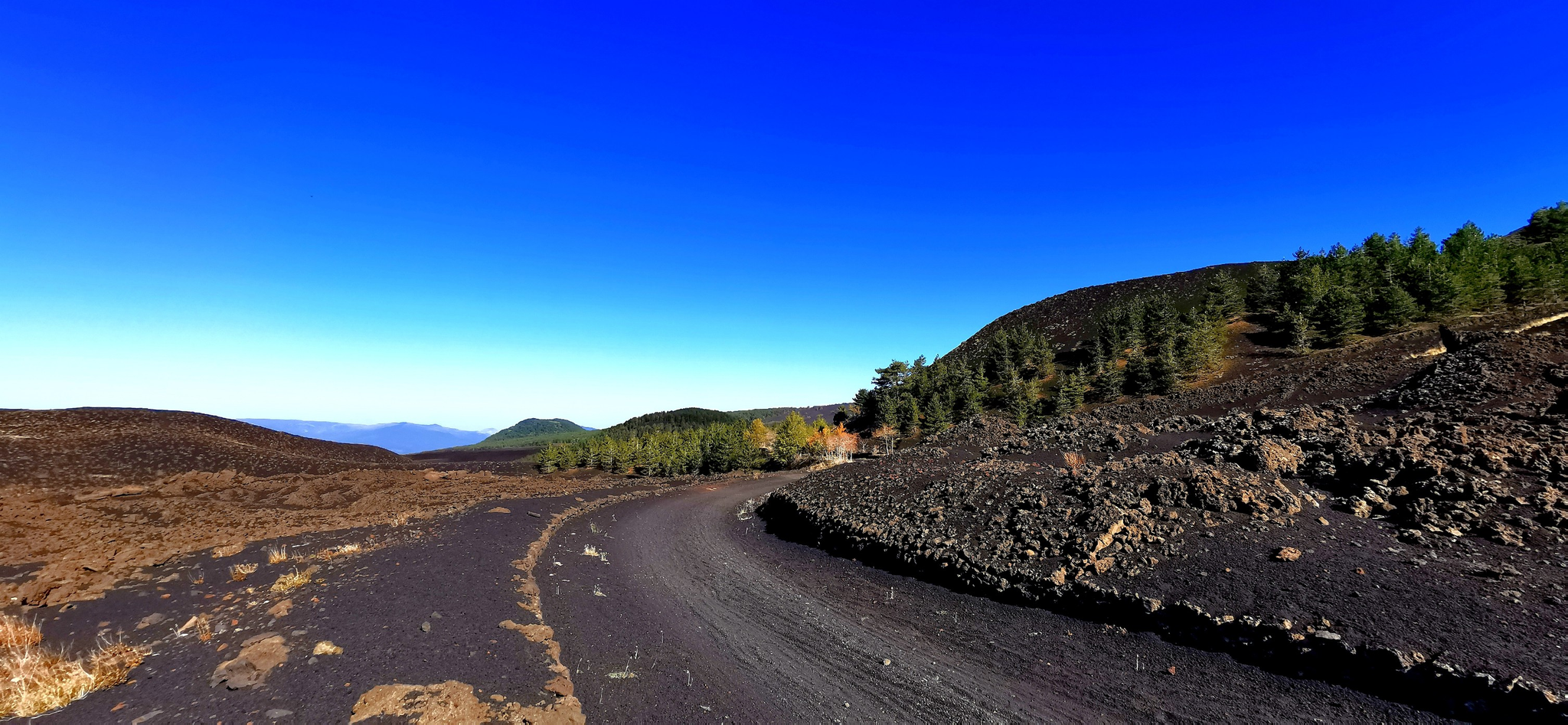
Volcanoes, forests and sea – Parchi della Sicilia cycling route by MTB
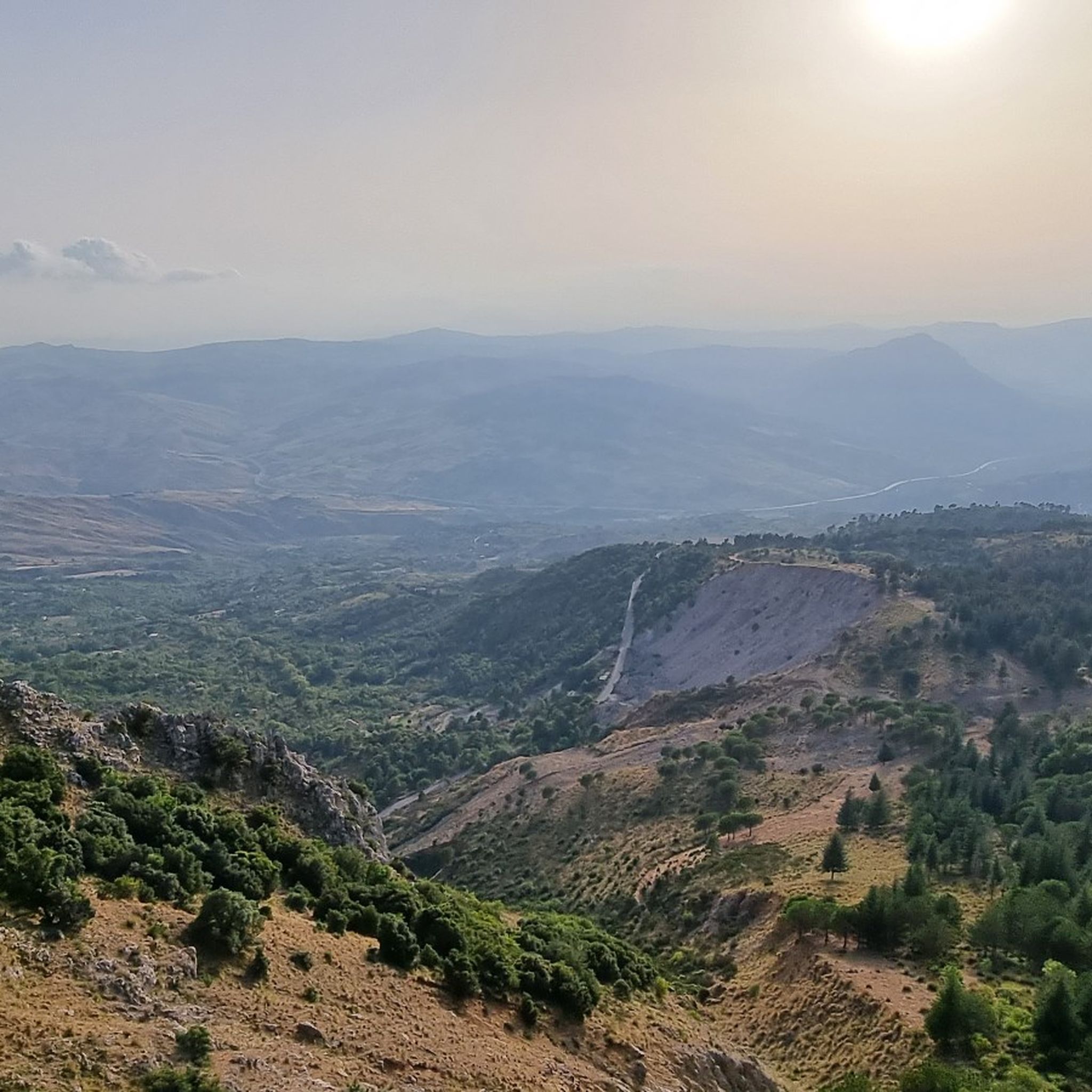
Hiking around Parco delle Madonie
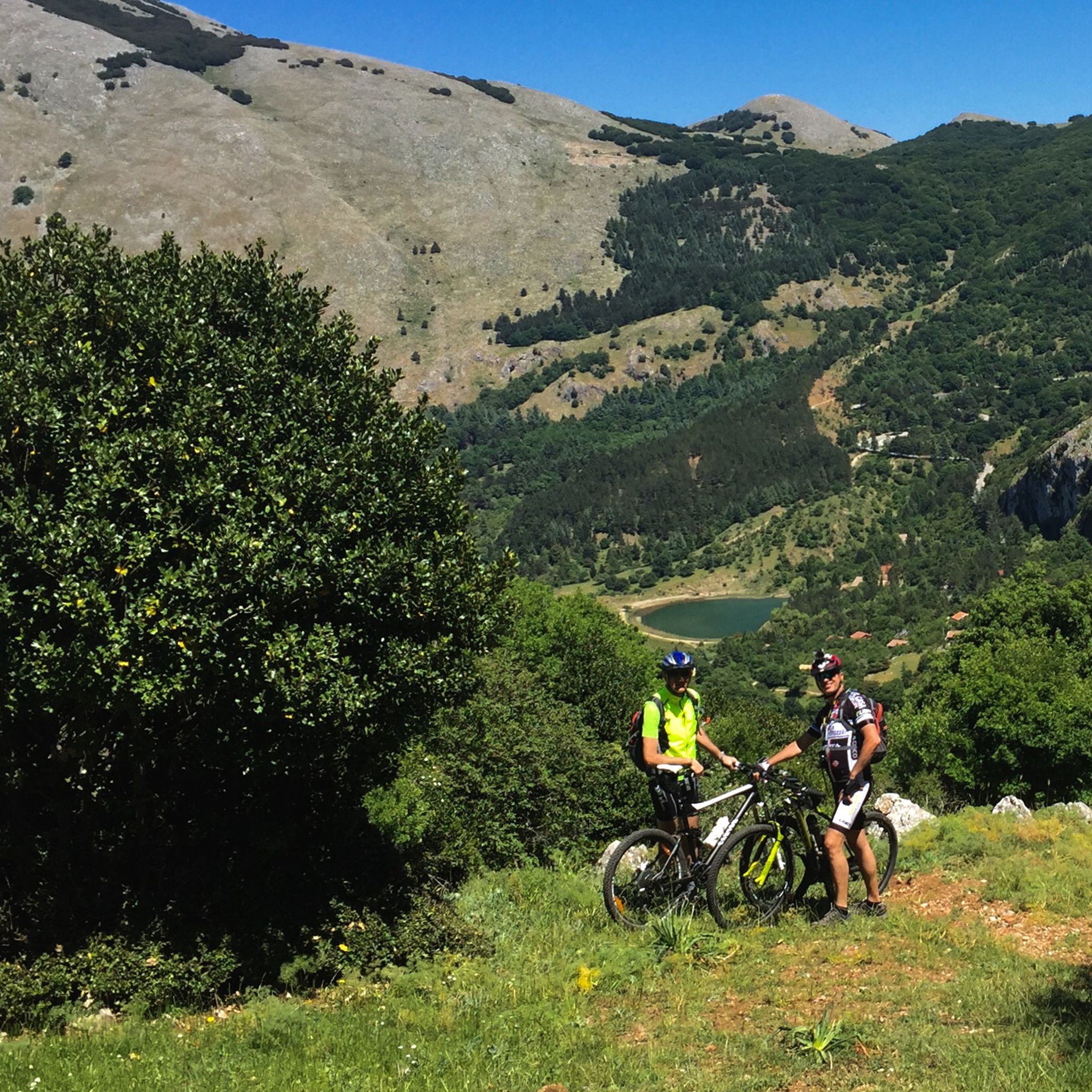
MTB Trails around Parco delle Madonie
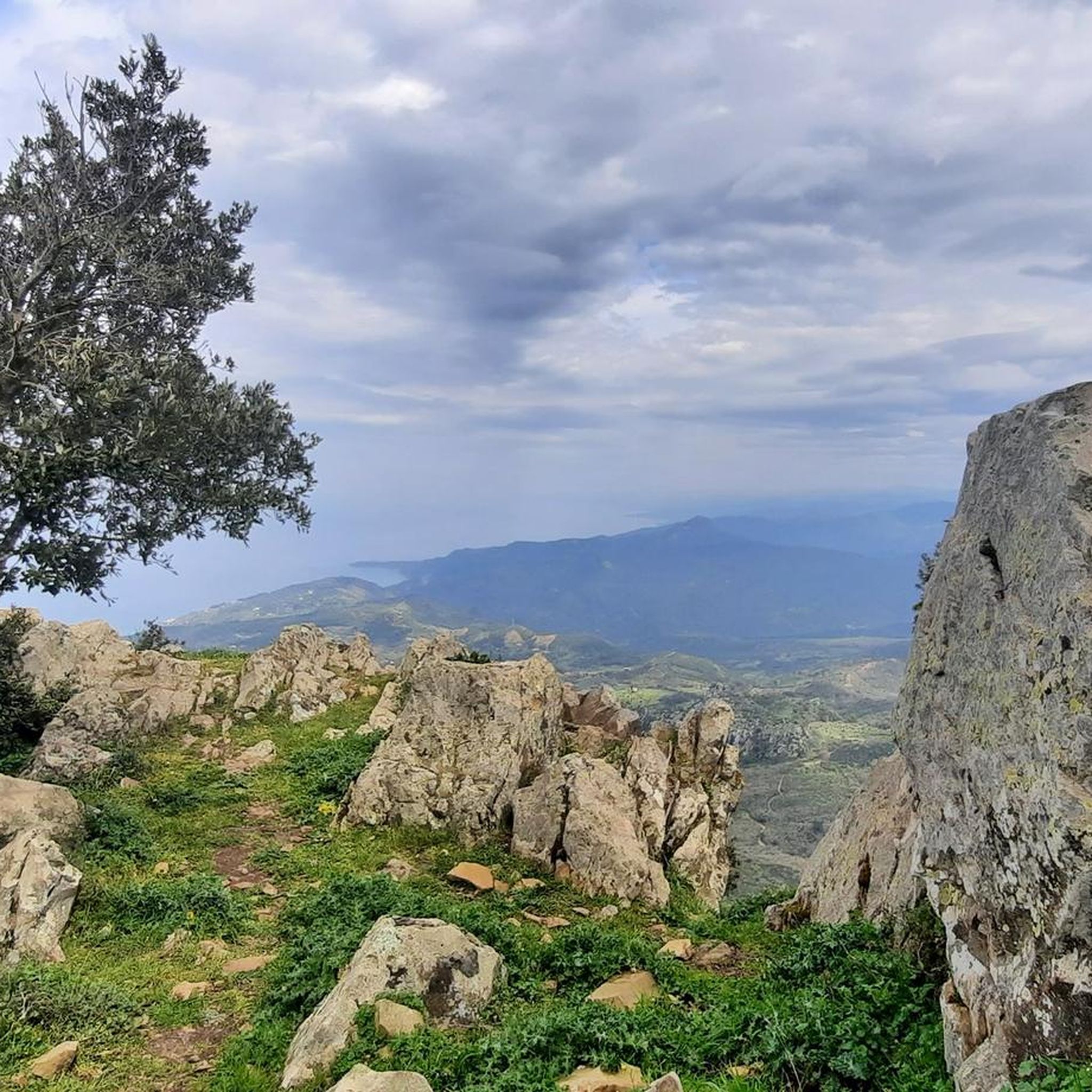
Cycling around Parco delle Madonie
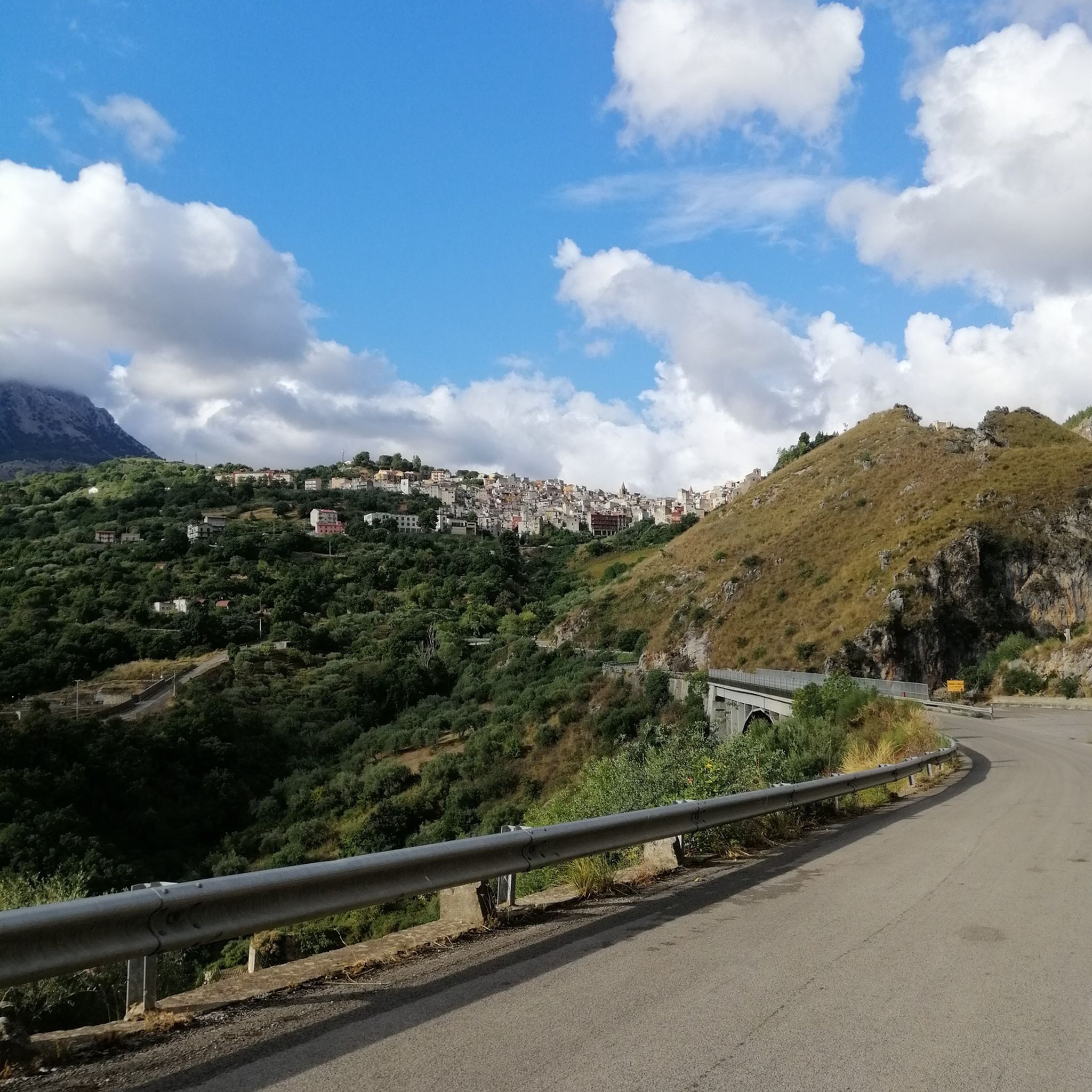
Road Cycling Routes around Parco delle Madonie
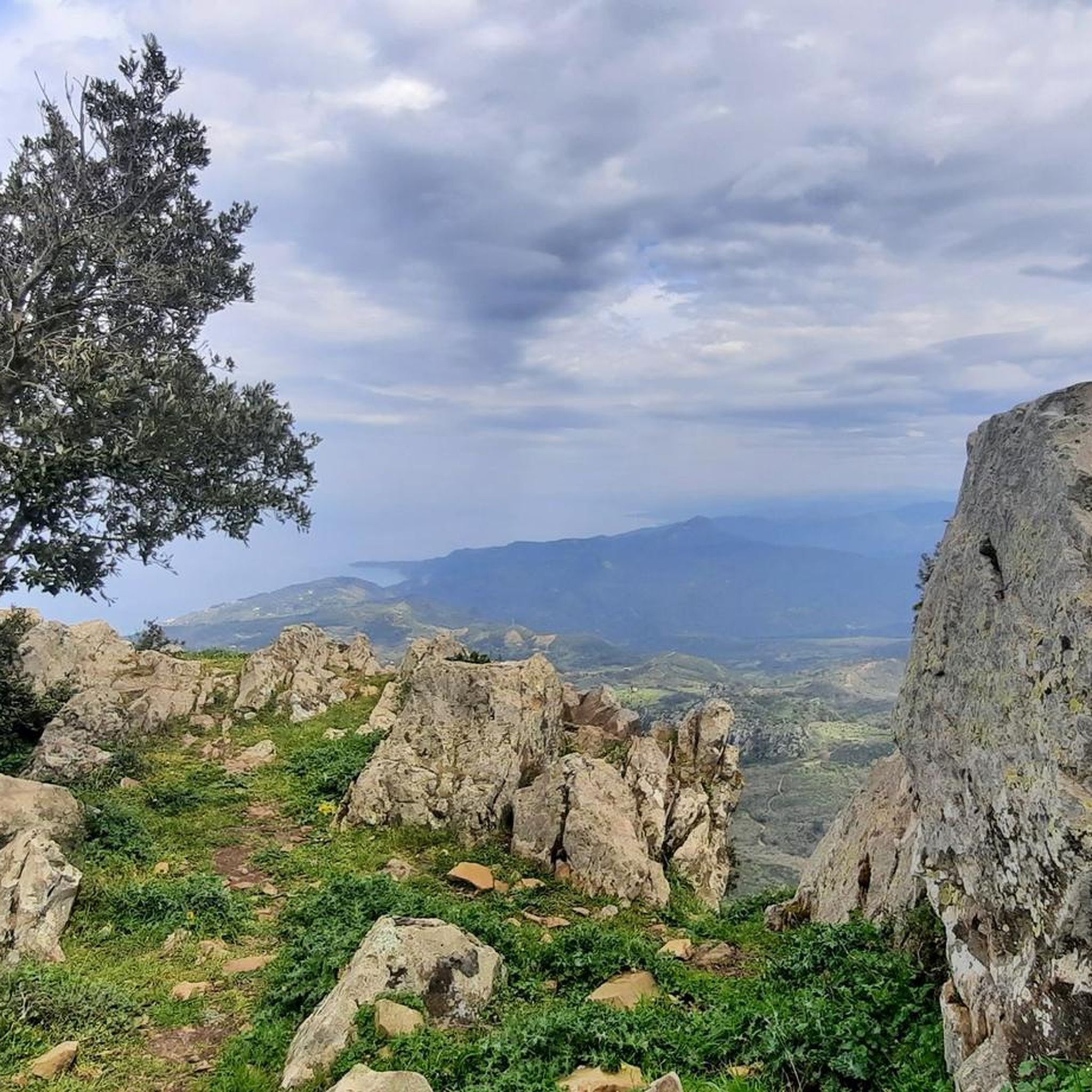
Running Trails around Parco delle Madonie
Mountain Hikes around Parco delle Madonie
Other adventures around Parco delle Madonie


Tips from the Community

A large metal summit cross, easy access from Ref. Crispi, wonderful landscape in the Parco delle Madonie, views in all directions, the most spectacular certainly to Castelbuono towards the sea (N)...it's worth it...also later on the stop at the CAS hut Ref. Crispi
0
0
What a fantastic view from up here! (360°). A wooden sign marks the summit (Sicily's second highest!). The path is steep on all sides but always easy to walk, never really exposed; only loose rocks could pose a problem. The area was apparently quite busy in the past (ski lifts, etc.), but nature is slowly reclaiming the infrastructure...great beech "groves"!
1
0

The "Fratel Biagio Conte" Nature Trail, an easy walk, runs along a forest road that from Portella Colla first descends gently to the forest gate and then climbs part of the northern slope of Cozzo Sella. Among the native beech, maple, and holly trees, you'll also encounter Madonie fir trees, introduced by the joint efforts of the Park Authority, the University of Palermo, and the State Forestry Company of the Sicily Region. Along the trail, you can observe native flora and fauna in a natural and landscape setting of rare beauty. It's no coincidence that this location was chosen by Brother Biagio for a period of hermitage at the forest refuge you'll encounter along the trail. Continuing, you'll reach a panoramic viewpoint overlooking the Piano Mirabilici valley, a karst sinkhole that characterizes the area. In the background, Monte Cervi with its magnificent continental beech forest. We invite you to walk the path in silence and leave no trace of your passage. Nine panels along the path invite pilgrims to observe and reflect, just as Brother Biagio loved to do.
1
0

Very nice, recommendable tour, again and again new grandiose views in the course of the tour in all directions. The gate to the observatory is officially locked, you have to be a little creative if you want to bypass the gate. The ascent (in our case the descent) to the observatory is a narrow path, narrowly bordered by lush bushes. Immediately after, or in, a rainstorm one should be appropriately dressed.
1
0

Pizzo Palermo and Pizzo Principessa are also easy to plan, even if there are no specially marked paths there.
0
0

After crossing a dense forest of holm oaks, you reach the top of Pizzo Sant’Angelo at 1081 meters.
1
0
The Grattàra Cave is an integral part of the history and folklore of the place, because in legend it is the seat of the Befana ("a Vecchia Strina"), the protagonist of an ancient fairy tale.
2
1

Beautiful ride to the 1500 m high summit cross. Great view 😊
1
0
Frequently Asked Questions
What are some notable geological sites in Parco delle Madonie?
Parco delle Madonie is a UNESCO Global Geopark, showcasing sedimentary rocks over 200 million years old. You can find ancient sea fossils, including coral and sponge fossils, at high altitudes like Piano Battaglia, indicating the area was once a seabed. The park also features unique karstic landscapes, such as the Piano Mirabilici valley, a significant karst sinkhole.
Are there any unique plant species to look out for in the park?
Yes, Parco delle Madonie boasts Sicily's richest biodiversity. It is the sole natural habitat for the critically endangered Madonie fir (Abies nebrodensis), with only about 30 specimens remaining in the Vallone della Madonna degli Angeli. The park also contains Europe's southernmost beech forests and over 70 different species of orchids.
Where can I find monumental trees in Parco delle Madonie?
The park is home to several monumental trees. In Piano Pomo, you can find a forest of giant hollies, some nearly 20 meters high. There's also a majestic 1000-year-old oak nearby. Other centuries-old trees like maples, beeches, and ash trees are scattered throughout the park. The Fratel Biagio Conte Nature Trail is a great place to experience these arboreal giants.
What kind of wildlife can I expect to see in Parco delle Madonie?
The park is a sanctuary for diverse wildlife. You might spot reintroduced fallow deer and wild boars, as well as porcupines, wild cats, martens, weasels, and foxes. Birdwatchers can look for Bonelli's eagles and reintroduced griffon vultures. It's also a paradise for butterfly enthusiasts, with around 90 species, including the rare Sicilian Apollo.
What are the best viewpoints for panoramic scenery in the park?
For breathtaking panoramic views, consider hiking to Pizzo Carbonara (1,979 m), Sicily's second-highest peak, offering 360° vistas. Cozzo Luminario Summit (1,512 m) provides wonderful landscapes and views towards Castelbuono and the sea. Pizzo Sant'Angelo Summit also offers grand views throughout the tour.
Are there family-friendly natural monuments or trails in Parco delle Madonie?
Yes, the Fratel Biagio Conte Nature Trail is an easy walk suitable for families. It runs along a forest road, allowing you to observe native flora and fauna, including Madonie fir trees, and leads to a panoramic viewpoint overlooking the Piano Mirabilici valley.
What are some popular hiking trails to explore the natural monuments?
Many trails lead to the park's natural monuments. The Fratel Biagio Conte Nature Trail is popular for its easy access to monumental trees and views. For more challenging hikes with rewarding views, consider routes to Pizzo Carbonara or Pizzo Sant'Angelo. You can find various hiking options in the Hiking around Parco delle Madonie guide.
What is the best time of year to visit the natural monuments in Parco delle Madonie?
The park's diverse climate means different seasons offer unique experiences. Spring and autumn are generally ideal for hiking, with pleasant temperatures and vibrant flora or colorful foliage. Summer can be warm, especially at lower altitudes, but higher peaks offer cooler air. Winter brings snow to the mountains, allowing for winter activities and a different perspective on the landscape.
Are there any specific natural features like gorges or sinkholes worth visiting?
Absolutely. The Gorges di Tiberio, carved by the Pollina river, is a striking canyon that showcases the erosive power of water. Additionally, the Piano Mirabilici valley is a notable karst sinkhole, offering a unique geological formation to explore.
What outdoor activities can I do near these natural monuments?
Beyond exploring the natural monuments themselves, Parco delle Madonie offers a range of outdoor activities. You can find numerous hiking trails, from easy walks to challenging mountain hikes. Guides like Mountain Hikes around Parco delle Madonie and Easy hikes around Parco delle Madonie provide routes for various skill levels. Adventure activities like rafting or canyoning are also possible in areas like the Gorges di Tiberio.
Are there any historical or cultural sites related to the natural monuments?
While primarily focused on natural wonders, the park does have some sites with cultural significance. For example, the Chapel of Saint Michael the Archangel is a votive chapel located near a spring in the mountains, which has become a pilgrimage destination. The Fratel Biagio Conte Nature Trail is named after Brother Biagio, who spent a period of hermitage at a forest refuge along the path.
What should I bring when hiking to the natural monuments?
When hiking in Parco delle Madonie, it's advisable to bring appropriate footwear for varied terrain, layers of clothing to adapt to changing weather conditions, sufficient water, snacks, and sun protection. For more challenging routes or off-season visits, consider bringing navigation tools, a first-aid kit, and rain gear. If you plan to visit during winter, be prepared for snow and colder temperatures.
Where can I find information about parking and trailheads for natural monuments?
Many natural monuments and trails have designated parking areas and trailheads. For instance, the Cozzo Luminario Summit is easily accessible from Ref. Crispi, which typically has parking. Specific details for parking and trail access are often provided within individual tour descriptions on komoot or local park information points.
Most popular routes around Parco delle Madonie
Most popular attractions around Parco delle Madonie

Get inspired with the komoot mobile app


Explore more
Extend your search for the best caves by checking out these guides of the top ones around Parco delle Madonie:
