Top 5 Natural Monuments around Parco regionale del Delta del Po
Best natural monuments around Parco regionale del Delta del Po encompass a diverse landscape shaped by the Po River, featuring vast wetlands, lagoons, and ancient woodlands. This ecologically significant area is recognized as a UNESCO World Heritage site and UNESCO MAB Reserve. The park is characterized by the interplay of land and water, providing a habitat for numerous species. It offers a unique integration of natural environments and historical human activities.
Best natural monuments around Parco regionale del Delta del…
Last updated: October 14, 2026
Po Delta Regional Park
Highlight • Natural Monument
Translated by Google •
Tip by

Lagoon of the Dead Trees
Highlight • Lake
Translated by Google •
Tip by

Sign up now to discover places like this
Get recommendations on the best single tracks, peaks, & plenty of other exciting outdoor places.
Veneto Coastal Botanical Garden
Highlight • Natural Monument
Translated by Google •
Tip by

Po di Venezia
Highlight • River
Translated by Google •
Tip by
Fossil Dunes of Donada
Highlight • Natural Monument
Translated by Google •
Tip by
Sign up for free to discover even more natural monuments around Parco regionale del Delta del Po.
Already have an account?
Start today with a free account
Your next adventure awaits.
Popular around Parco regionale del Delta del Po
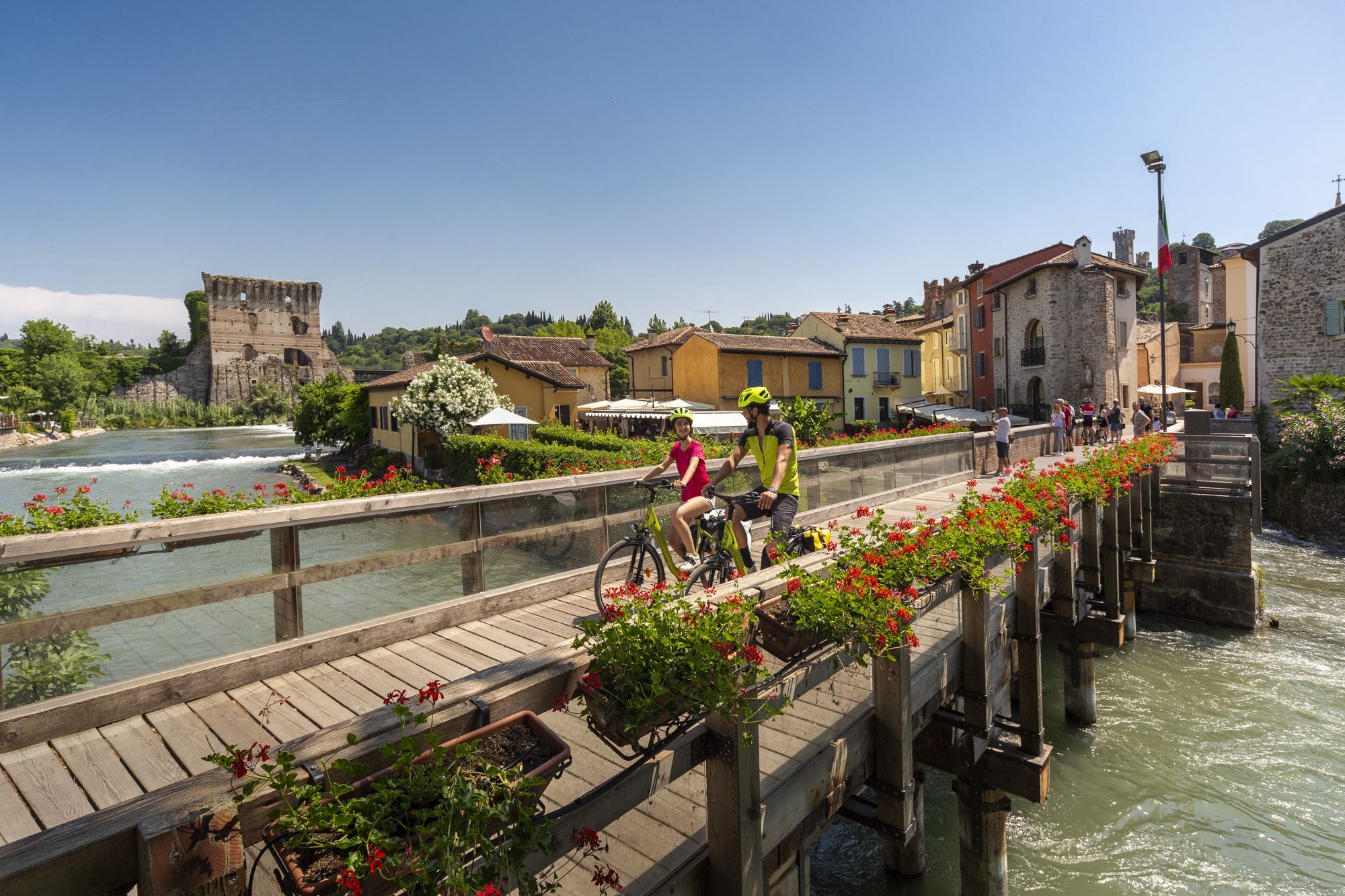
Explore Veneto at a slow pace – day trips by bike
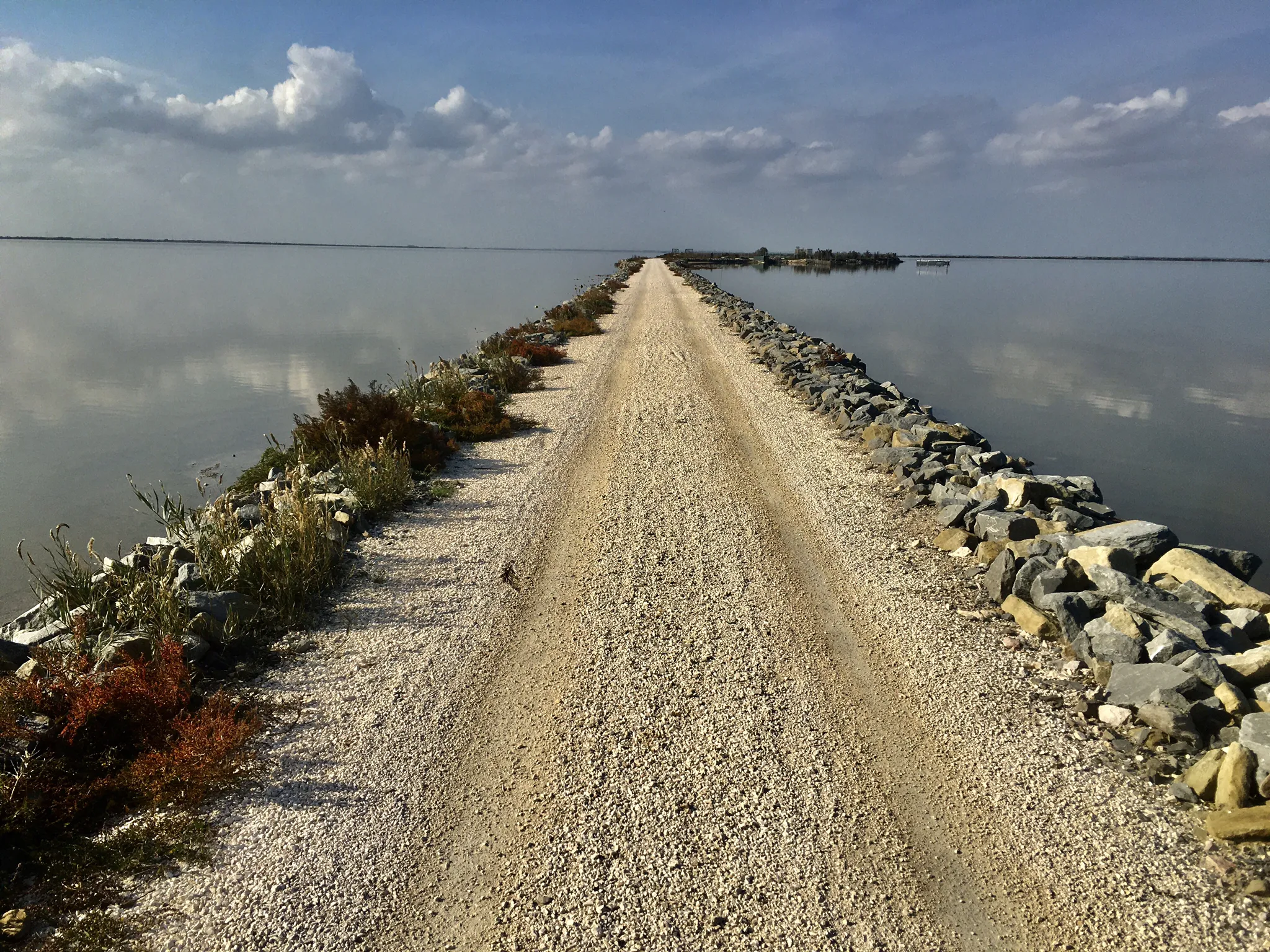
Sea, Lagoon and Nature - Discover the Po Delta
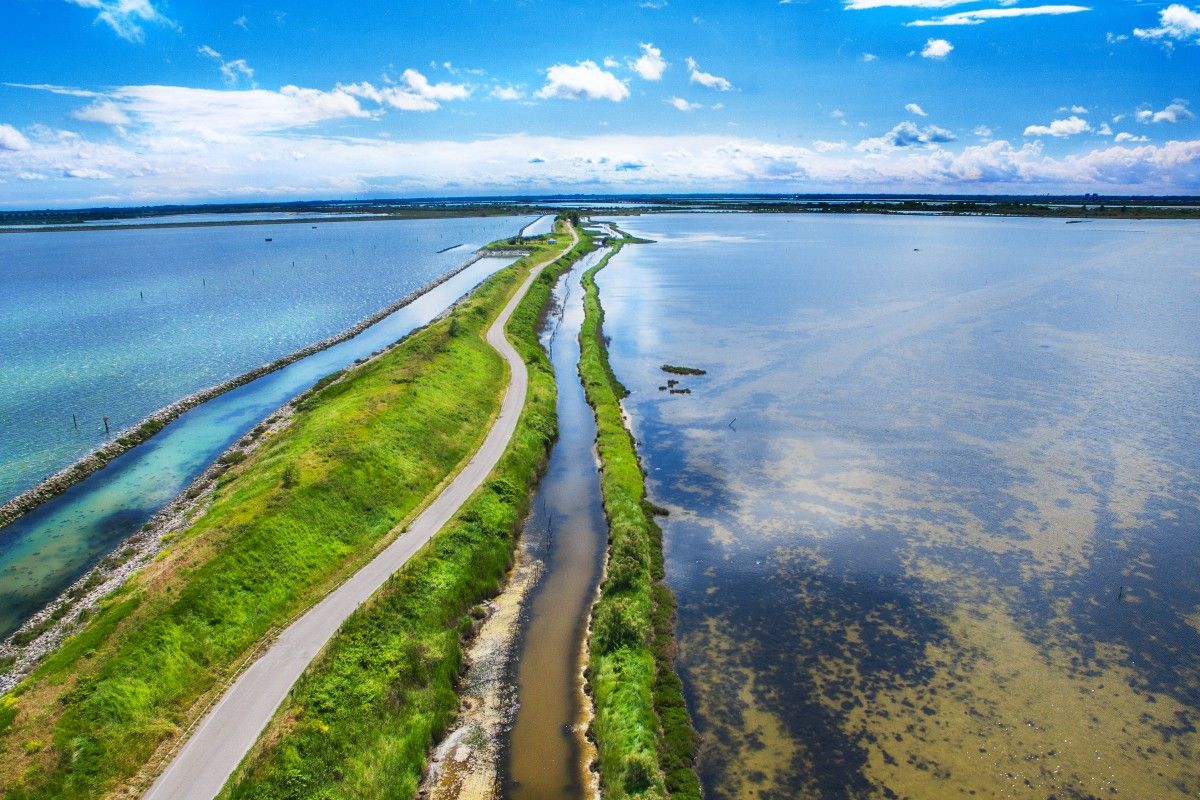
Delta del Po in e-bike – itinerari tra fiume, mare e laguna con DINAclub
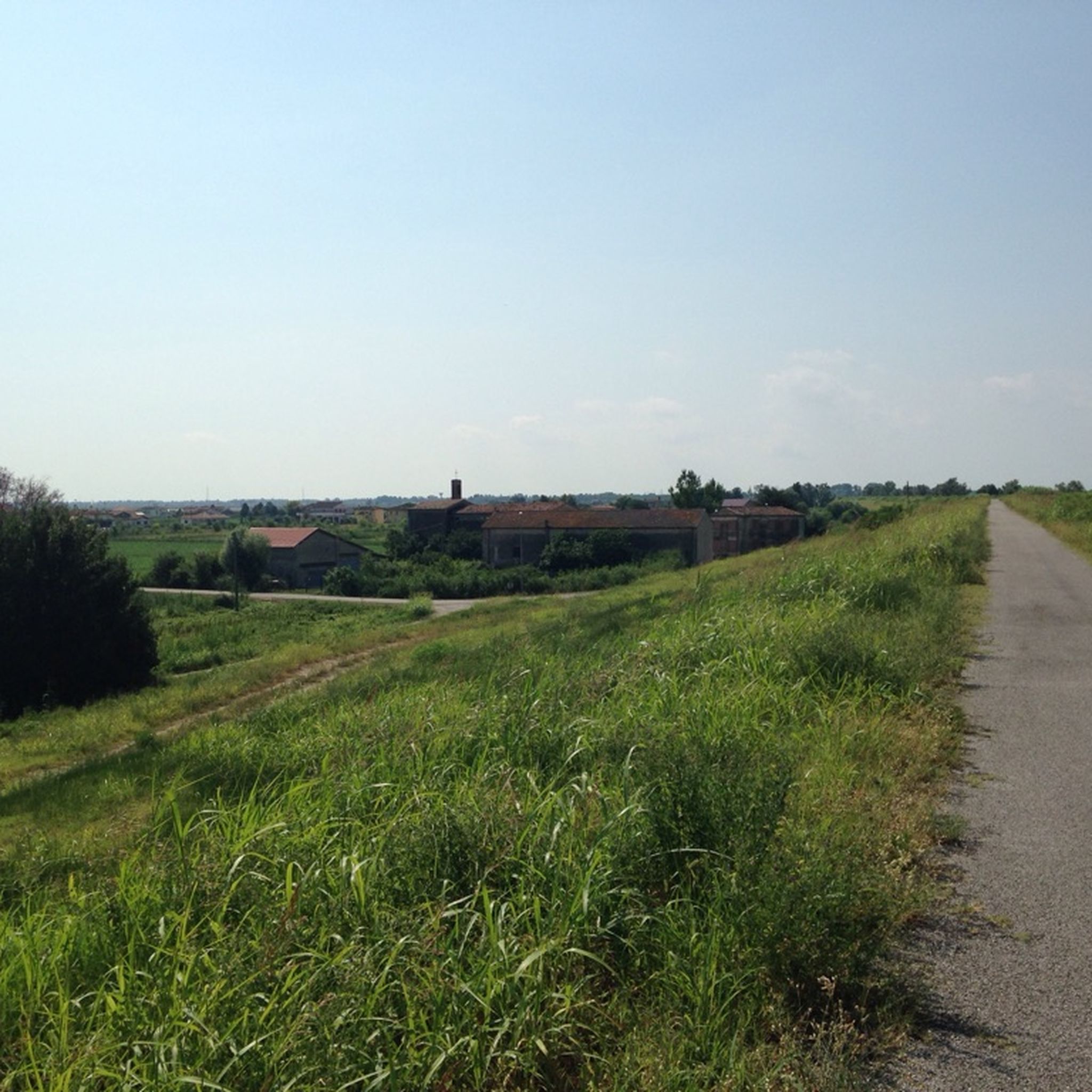
Cycling around Parco regionale del Delta del Po
MTB Trails around Parco regionale del Delta del Po
Hiking around Parco regionale del Delta del Po
Road Cycling Routes around Parco regionale del Delta del Po
Running Trails around Parco regionale del Delta del Po

Gravel biking around Parco regionale del Delta del Po
Other adventures around Parco regionale del Delta del Po


Tips from the Community

The botanical garden is a protected area that preserves typical Adriatic coastal environments: dunes, coastal forest, and wetlands. Walk the nature trails to observe the native vegetation and local fauna. Bring insect repellent and follow the marked paths: this is a sensitive area, designed more for observation than for prolonged visits.
1
0

To get onto the bridge, you have to carry the bike up the stairs from one side
3
0

Forest/pine forest integrated in the town of Donada/Porto Viro. Used as a city park. Perfect for walks away from city traffic.
0
0

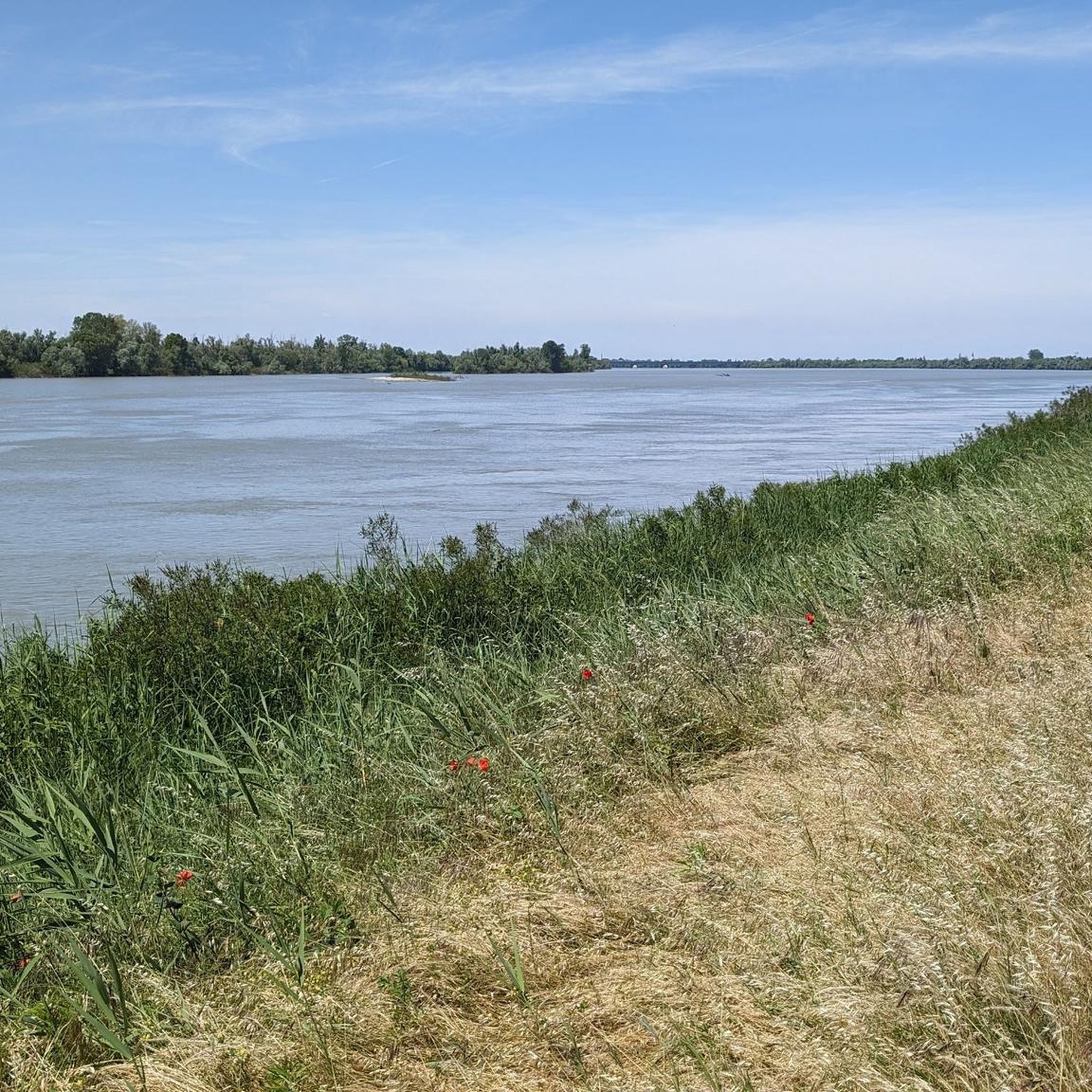
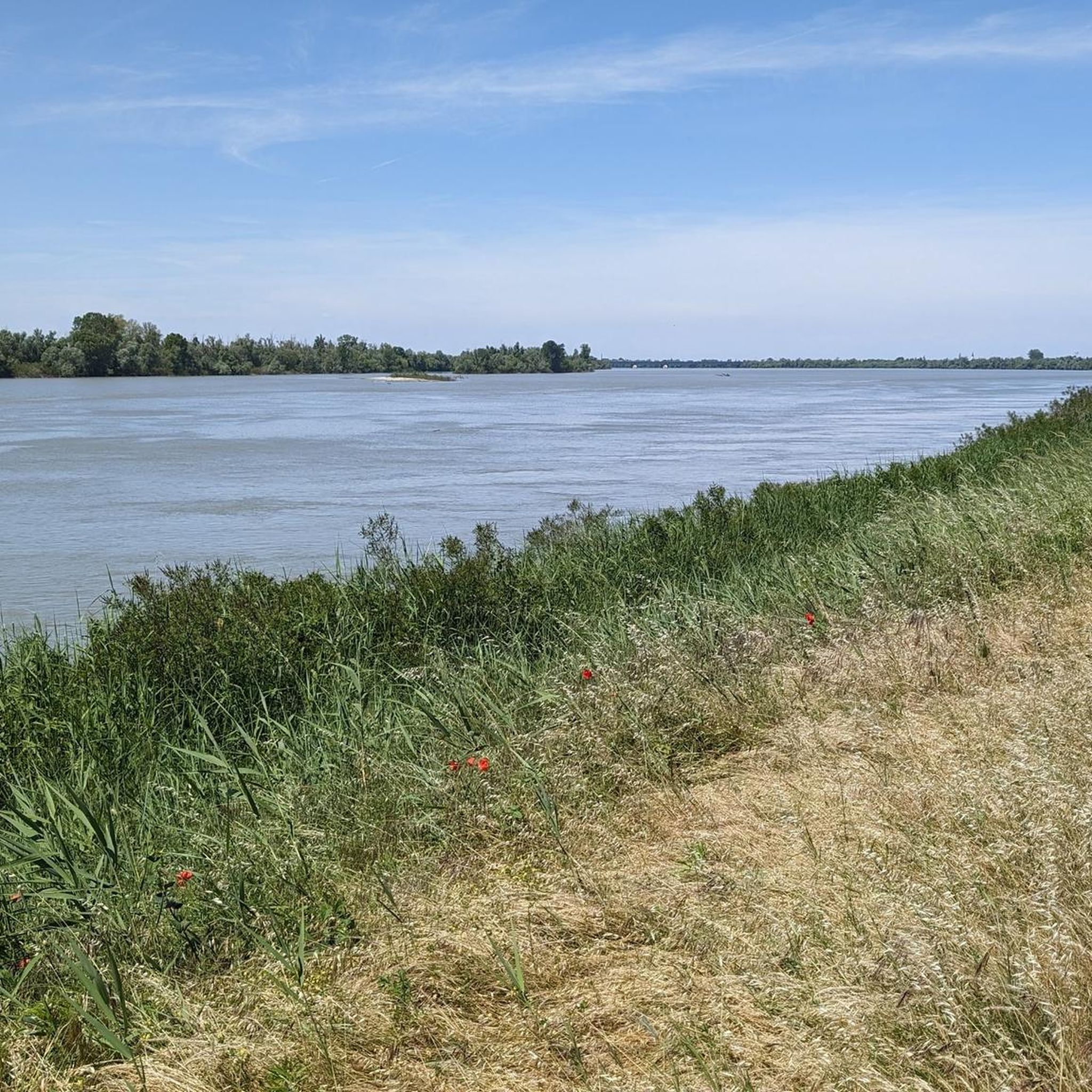
The Po of Venice is one of the most interesting branches from a naturalistic point of view to see many species of birdlife. In the Renaissance, the Po of Venice was an important waterway for the Silk Road and connected the two great cities of Venice and Bologna.
4
0
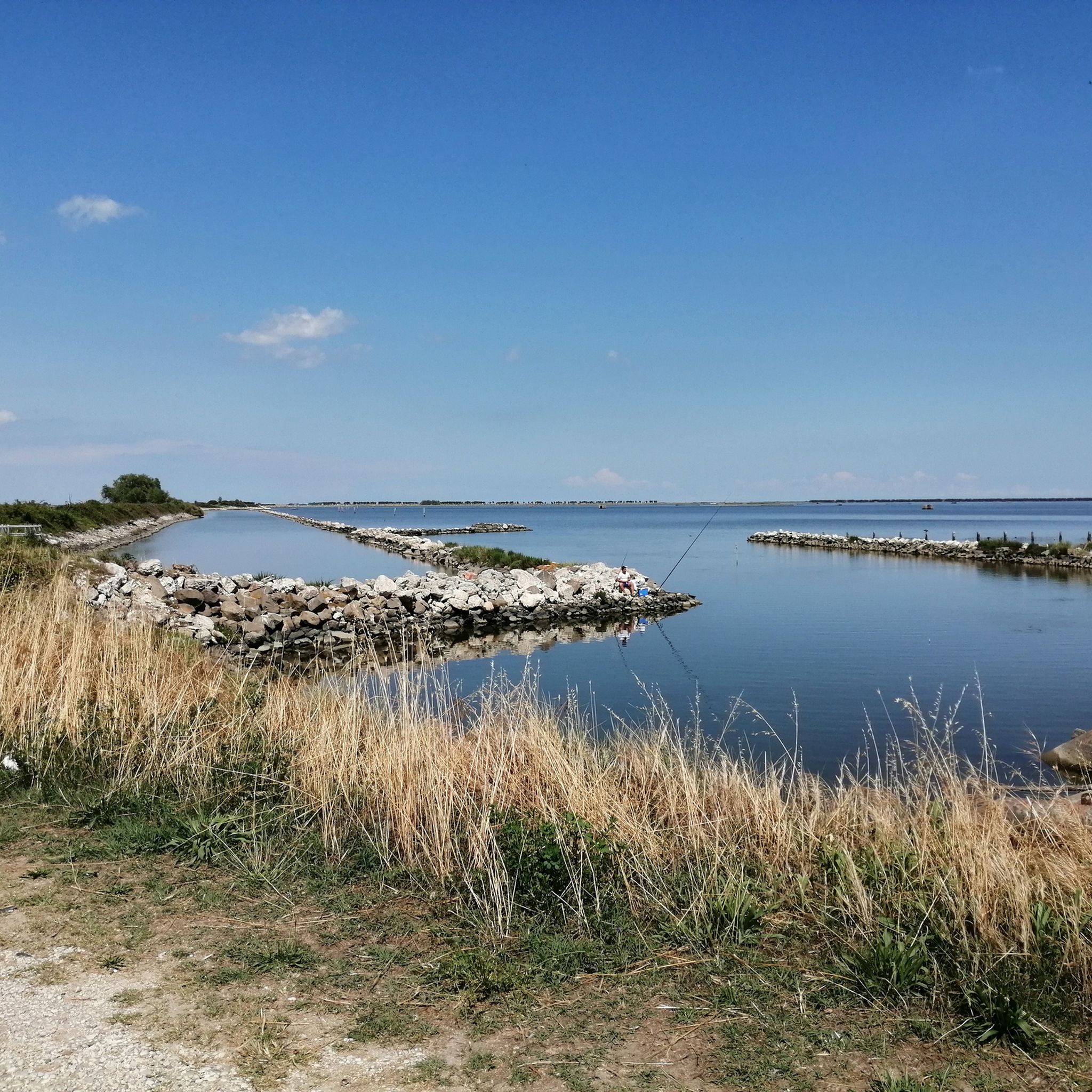
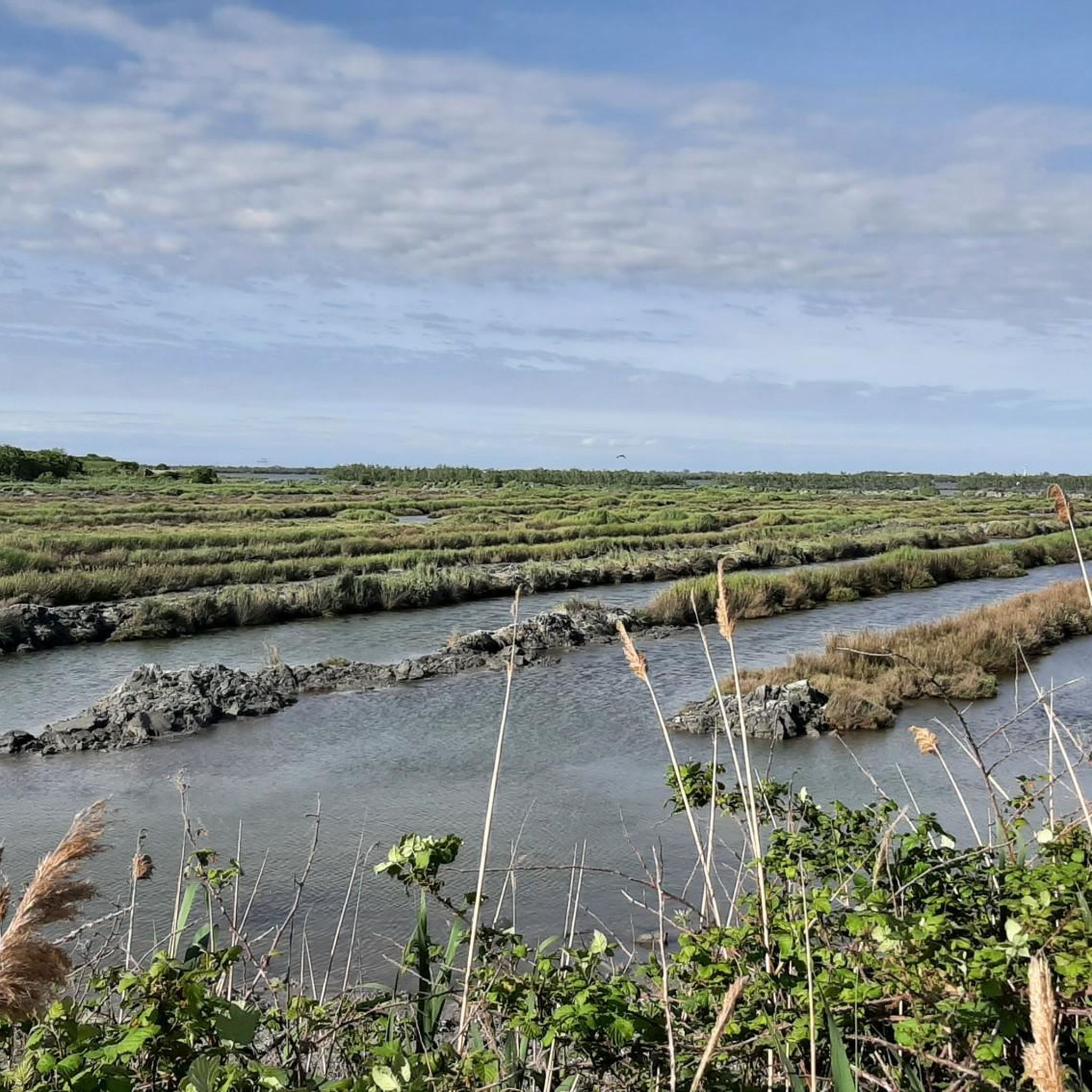
This park extends for more than 700 square kilometers and is the largest wetland in Europe. Since 2015 it has been a UNESCO site and is recognized as a biosphere reserve. The Po delta is dominated by water, by the Po, Brenta and Adige rivers and by the Adriatic Sea, which make this place a habitat for many species, especially birds such as marsh hawks, herons and pink flamingos.
4
0
Beach in the southern part of Rosolina Mare. There are various routes to follow on foot that allow you to discover the pine forest, the sand dunes and the beach. There is also a botanical garden that can be visited (inquire so as not to find it closed).
2
0

A place where the consequences of the mid-20th century extraction of methane gas from the Polesine subsoil are clearly visible. "The subsidence affected almost the entire delta and caused drops that reached maximum values of almost three meters and average values of two metres. This fact, less traumatic, slow to manifest but highly insidious, also had a decisive influence on the hydrographic network of the lower Po and the history of the routes and floods." (Delta Po Adige Reclamation Consortium)
2
0

An evocative and surreal location, the dead trees sprout like fingers from the water inhabited by monstrous fish. The location was also used in the film "La terra dei figli".
2
0
Frequently Asked Questions
What kind of wildlife can I expect to see in the Parco regionale del Delta del Po?
The Parco regionale del Delta del Po is a haven for wildlife, especially birds. You can spot marsh hawks, herons, and pink flamingos, particularly in areas like the Po Delta Regional Park and the Valli di Comacchio. The Gran Bosco della Mesola is home to the indigenous Mesola deer, fallow deer, foxes, badgers, and various bird species like wood pigeons and woodpeckers.
Are there specific areas for birdwatching in the Po Delta?
Yes, the Po Delta is renowned for birdwatching. The Valli di Comacchio, a vast wetland, is one of Italy's most important habitats, hosting over 300 species, including significant populations of flamingos, avocets, and egrets. The Po di Venezia branch is also noted for its rich birdlife.
What outdoor activities can I do near the natural monuments?
The region offers a variety of outdoor activities. You can explore numerous trails for running, cycling, and hiking. For example, there are several running trails, including a 'Beautiful Pine Forest – Giant Bench With Sea View loop from Rosolina Mare'. Cyclists can enjoy routes like the 'E3 – the Donzella Ring' or the 'Ring of the island of Ariano in the Po Delta', detailed in the cycling guide. For hikers, there are easy hikes such as the 'Rosolina Mare Pine Forest and Beach Loop'.
Are there family-friendly natural monuments around Parco regionale del Delta del Po?
Absolutely. The Po Delta Regional Park itself is family-friendly, offering vast spaces for exploration. The Veneto Coastal Botanical Garden provides accessible trails through dunes and pine forests, perfect for families. The Fossil Dunes of Donada, integrated into the town of Donada/Porto Viro, functions as a city park ideal for family walks away from traffic.
What unique natural features define the Parco regionale del Delta del Po?
The Parco regionale del Delta del Po is characterized by its dynamic interplay of land and water, shaped by the Po River. Key features include vast wetlands and lagoons, such as the Valli di Comacchio, ancient woodlands like the Gran Bosco della Mesola, and historic pine forests like the Pineta di San Vitale. You can also find unique sights like the Lagoon of the Dead Trees, where tree trunks emerge eerily from the water.
What is the best time of year to visit the natural monuments in the Po Delta?
Spring and autumn are generally considered the best times to visit. During these seasons, the weather is pleasant for outdoor activities, and bird migration makes for excellent birdwatching opportunities. Summers can be hot, while winters are cooler and quieter.
Are there any historical or cultural aspects to these natural monuments?
Yes, many natural monuments in the Po Delta have historical and cultural significance. The Valli di Comacchio, for instance, feature traditional fishing huts ('casoni da pesca') reflecting centuries of eel fishing and salt production. The Po di Venezia was historically an important waterway connecting Venice and Bologna during the Renaissance. The Pineta di San Vitale has origins tracing back to monastic cultivation around the year 1000.
What should I wear when visiting the natural sites in the Po Delta?
Given the diverse environments, it's best to wear comfortable, layered clothing suitable for walking or cycling. Sturdy walking shoes are recommended for trails. If visiting wetlands or forests, especially during warmer months, insect repellent is advisable. A hat and sunscreen are also good to have, particularly in open areas.
Are any natural monuments in the Parco regionale del Delta del Po accessible for visitors with limited mobility?
While specific accessibility details vary, the Gran Bosco della Mesola offers accessible paths, including an educational path designed for the blind, suggesting a focus on broader accessibility. When visiting other areas, it's advisable to check specific site information for details on path conditions and facilities.
What do visitors enjoy most about the natural monuments in the Po Delta?
Visitors frequently appreciate the tranquility and unique natural beauty of the region. The opportunity for birdwatching, especially spotting flamingos, is a major draw. The blend of diverse landscapes—from vast wetlands to ancient forests and coastal areas—and the chance to explore on foot or by bike are also highly valued. The evocative scenery, such as the Lagoon of the Dead Trees, leaves a lasting impression.
Can I find places to eat or drink near the natural monuments?
While specific cafes are not always directly adjacent to every natural monument, many towns and villages within and around the Parco regionale del Delta del Po offer dining options. You'll find restaurants and cafes in places like Comacchio, Rosolina Mare, and Porto Viro, providing opportunities to enjoy local cuisine after your explorations.
Most popular routes around Parco regionale del Delta del Po
Most popular attractions around Parco regionale del Delta del Po

Get inspired with the komoot mobile app


Explore more
Extend your search for the best caves by checking out these guides of the top ones around Parco regionale del Delta del Po:
