Top 11 Natural Monuments around Białowieski Park Narodowy
Best natural monuments around Białowieski Park Narodowy include the last remaining fragment of primeval forest in the European lowlands. This UNESCO World Heritage site is distinguished by its exceptional biodiversity and unique features, offering a glimpse into ancient European ecosystems. The park is known for its ancient trees, some hundreds of years old, and its role as a refuge for the European bison. It provides a unique opportunity to experience a forest largely untouched by modern human intervention.
Best natural…
Last updated: October 14, 2026
Białowieża National Park
Highlight • Forest
Translated by Google •
Tip by

Royal Oaks Trail
Highlight • Trail
The shape of the oaks and the clusters of their arrangement on the trail also indicate …
Translated by Google •
Tip by

Sign up now to discover places like this
Get recommendations on the best single tracks, peaks, & plenty of other exciting outdoor places.
European Bison Reserve – Białowieża National Park
Highlight • Natural
Translated by Google •
Tip by
Bison Monument
Highlight • Monument
Translated by Google •
Tip by

Palace Park in Białowieża
Highlight • Historical Site
Translated by Google •
Tip by

Sign up for free to discover even more natural monuments around Białowieski Park Narodowy.
Already have an account?
Start today with a free account
Your next adventure awaits.
Popular around Białowieski Park Narodowy
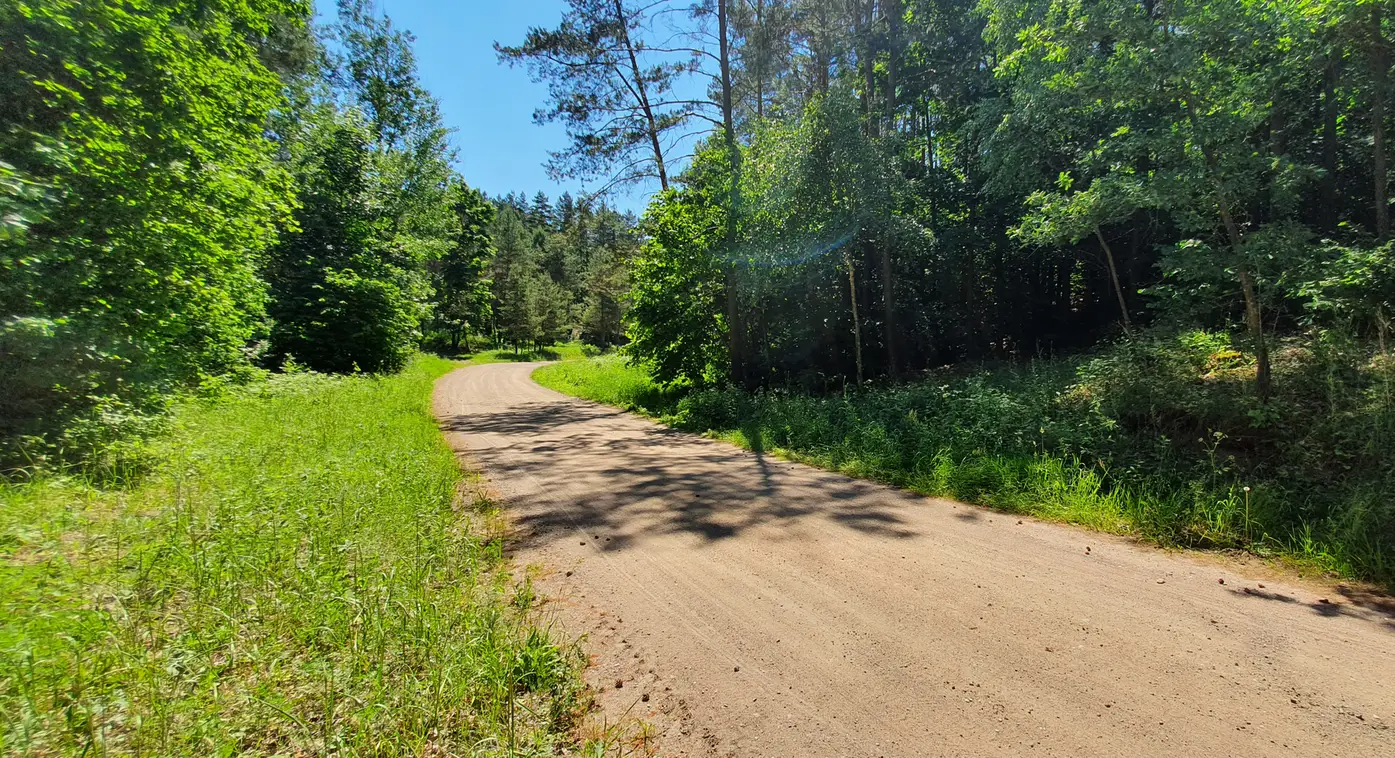
The river rustles, the forest rustles – Podlaski Stork Trail
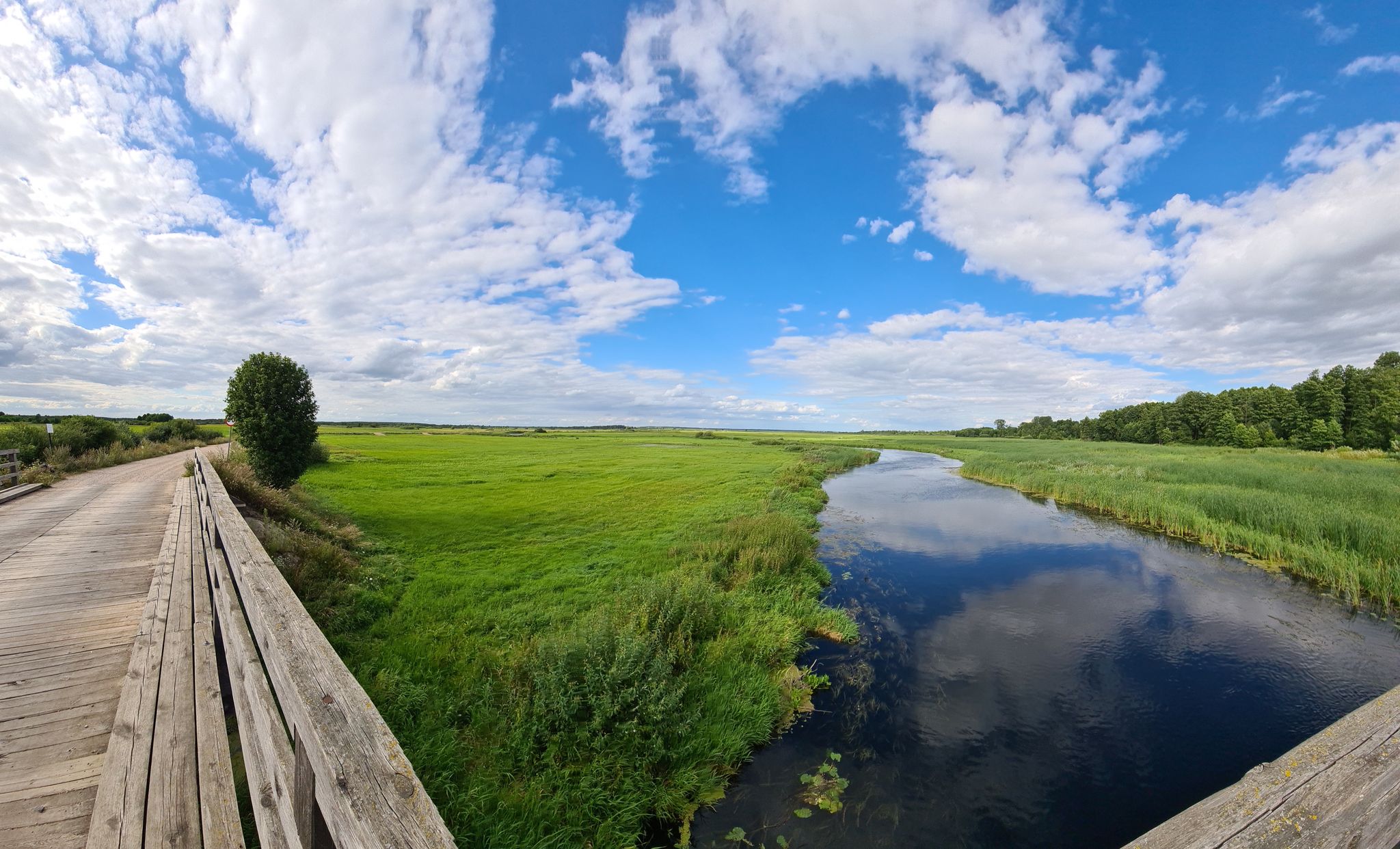
To the east, Eden – Green Velo Szlak (second part)
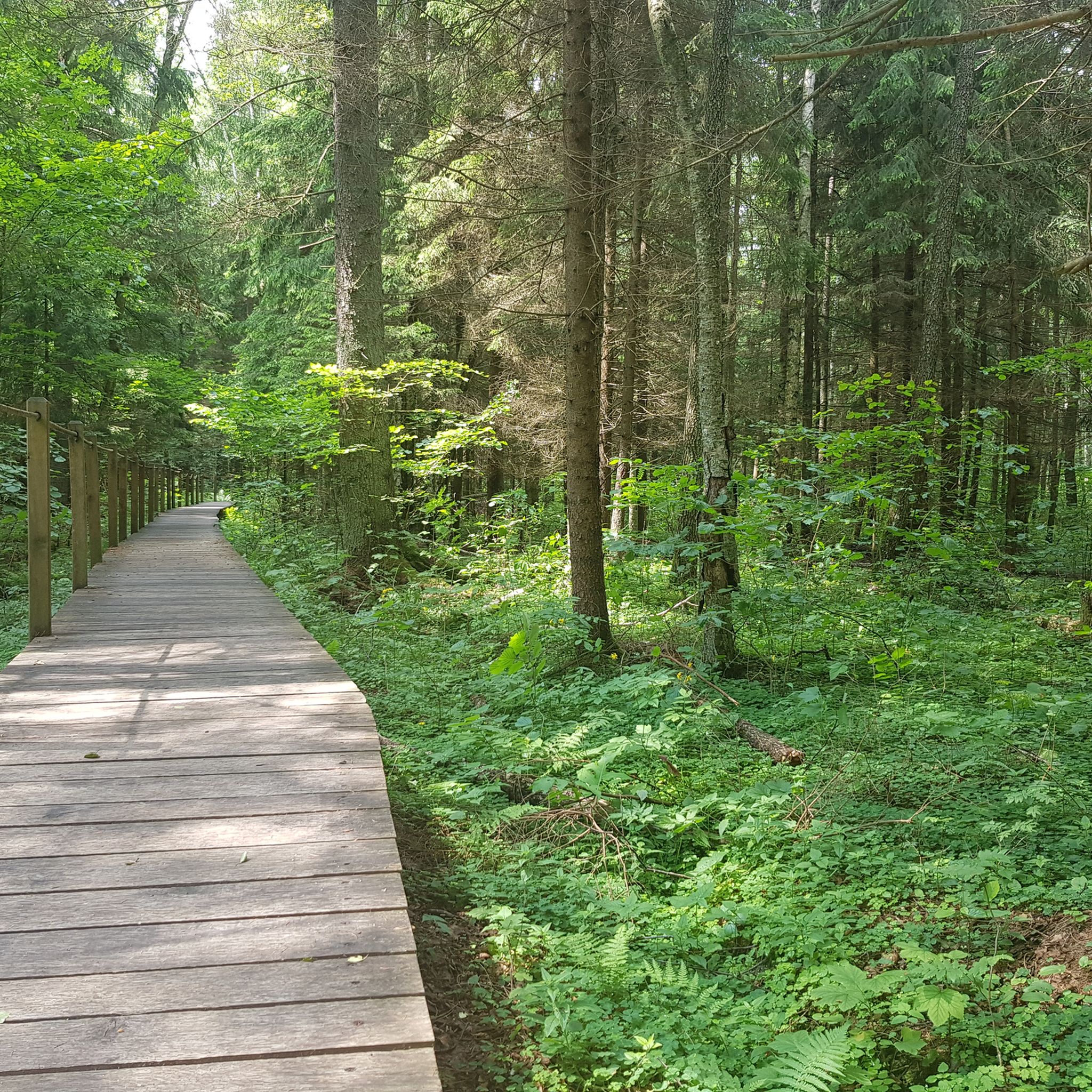
Hiking around Białowieski Park Narodowy
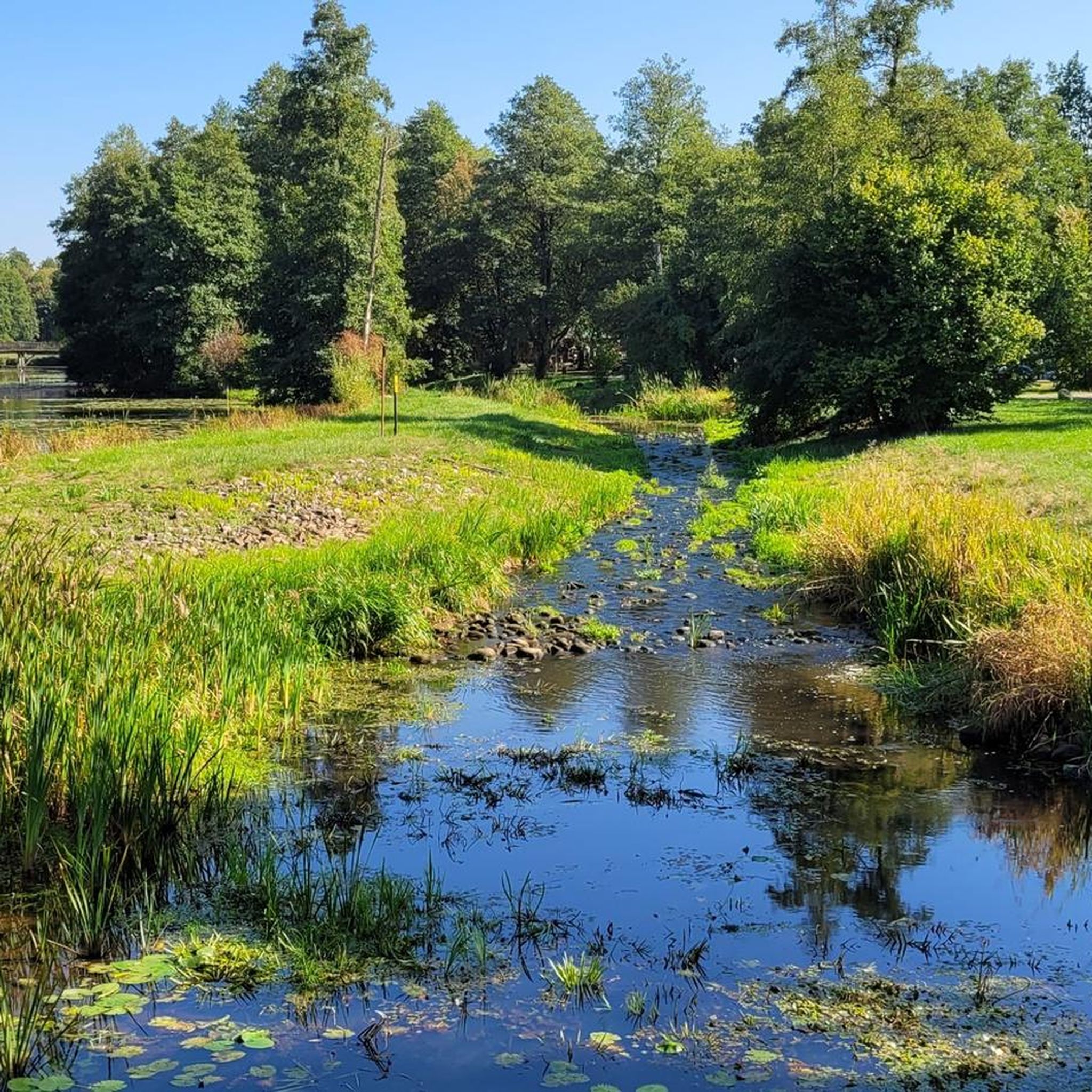
Cycling around Białowieski Park Narodowy
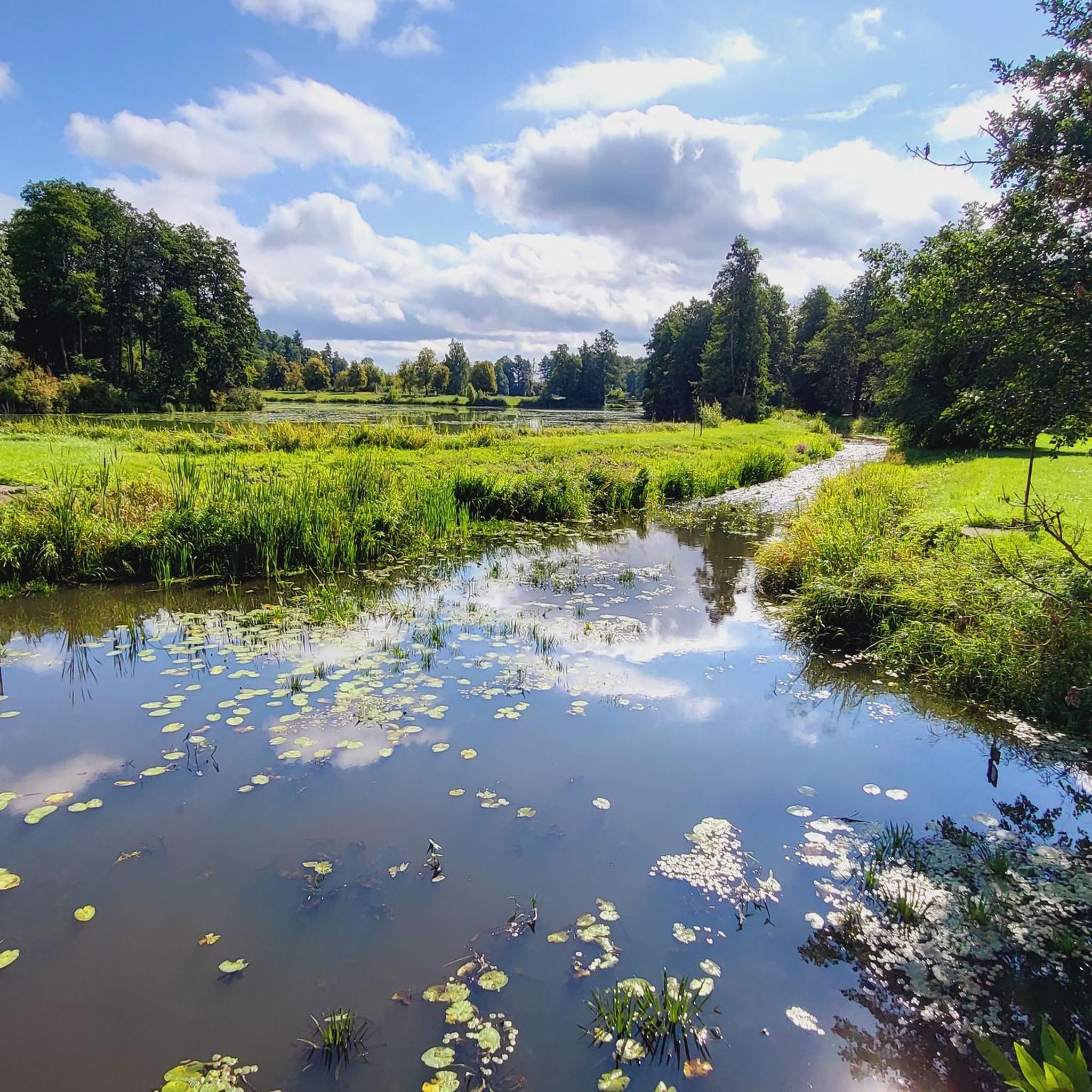
Road Cycling Routes around Białowieski Park Narodowy

Gravel biking around Białowieski Park Narodowy
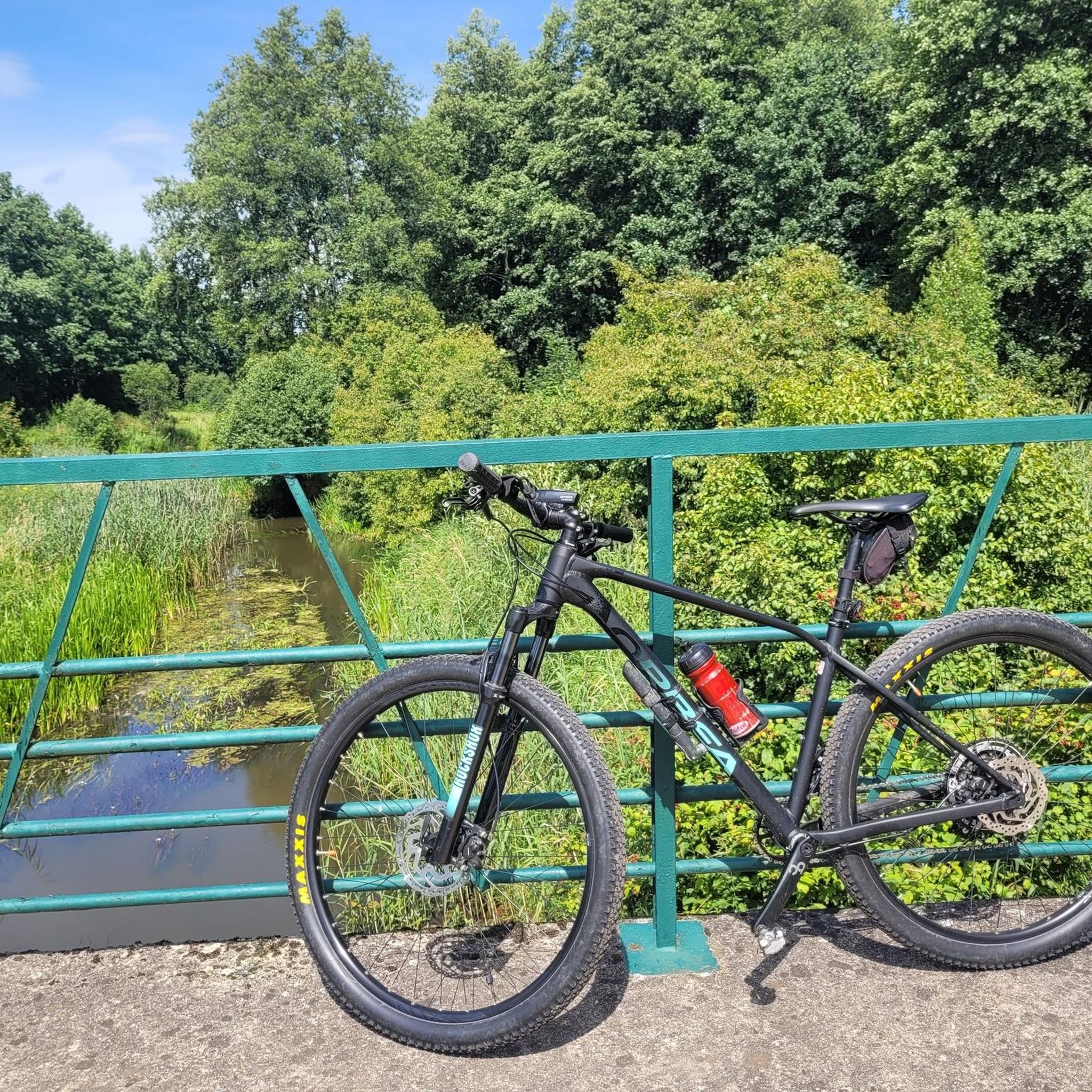
MTB Trails around Białowieski Park Narodowy
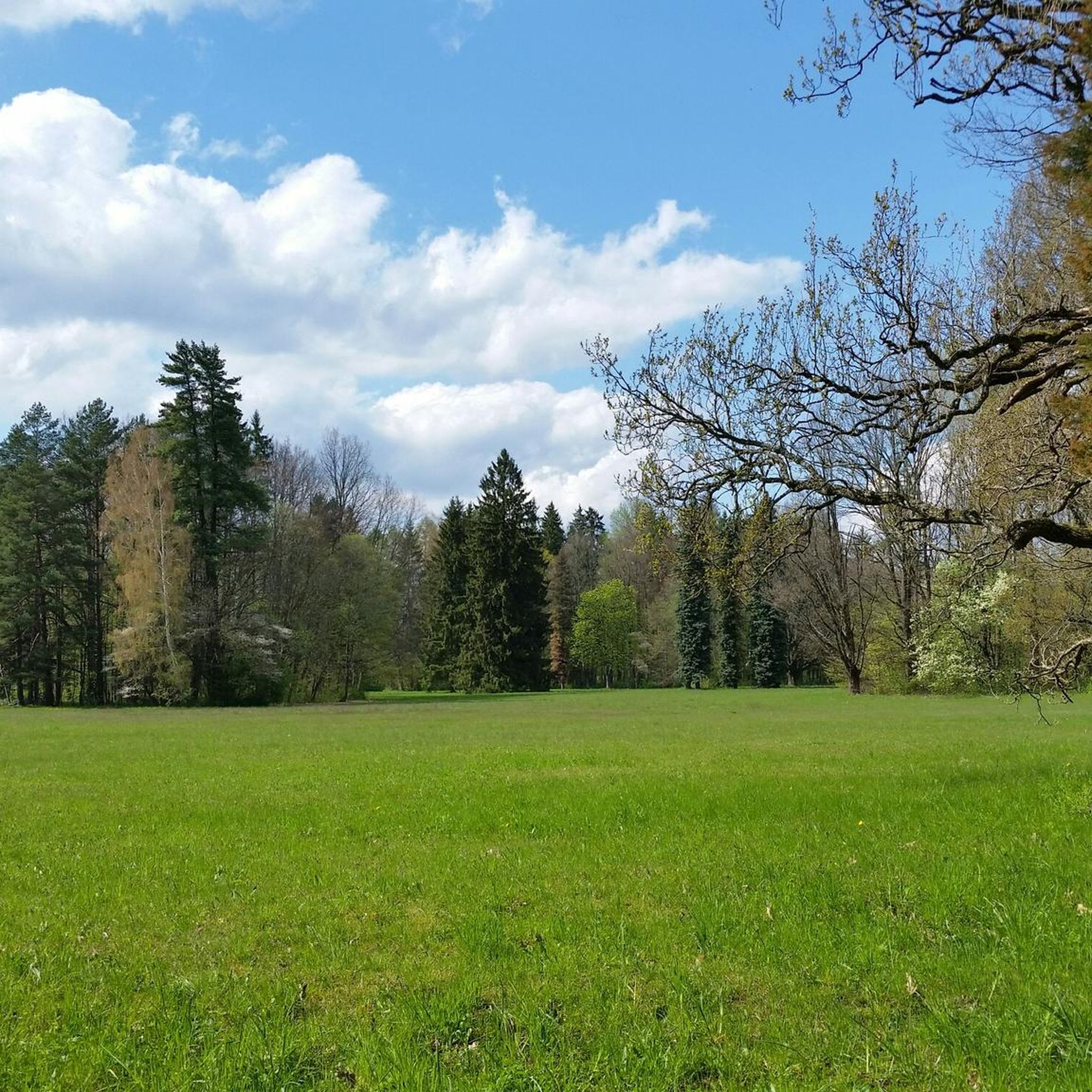
Running Trails around Białowieski Park Narodowy
Other adventures around Białowieski Park Narodowy


Tips from the Community

The series »Treasures of the World – Heritage of Humanity« presents special places from all countries, cultures, and eras in short segments (unfortunately only available in German), which have one thing in common despite all their differences: they are selected as UNESCO World Heritage or Natural Heritage sites. The fifteen-minute film segment can be accessed in the ARD media library at the following link => https://www.ardmediathek.de/video/schaetze-der-welt/nationalpark-belovezhskaya-pushcha-bialowieza-polen-folge-257/swr/Y3JpZDovL3N3ci5kZS82OTA1OTI2
1
0

The Royal Oak Trail in the Stara Białowieża forest is a picturesque educational trail leading through the former settlement, where archaeological research indicates the original Białowieża was founded. A wooden footbridge winds through ancient oak trees named after Polish and Lithuanian kings, creating a unique blend of history and nature.
3
0

You can bring your bike in for an additional fee.
0
0

A great place for a beautiful walk in Białowieża, with a very interesting history. This park is arranged in the style of an English garden. Its design was created in 1890 on behalf of Tsar Alexander III - an English park for the Russian Tsar - interesting!
0
0

The European Bison Show Reserve is located on the Hajnówka–Białowieża road, approx. 3 km before Białowieża. On an area of approx. 27 ha, in conditions close to natural, all species of hoofed mammals living in the Białowieża Forest and large predators are presented. Anyone who, while traversing the trails of the Białowieża Forest, was not lucky enough to see a bison, can see one in the Reserve. A group of European bison is presented there, consisting of an adult male, several female bisons and their offspring. Elks, deer, roe deer and wild boars live in separate enclosures. Another attraction is the possibility of seeing a wolf and a lynx. The Reserve also exhibits a group of tarpan-type horses and zubrons - crossbreeds (hybrids) of European bison with domestic cattle. Practical information: The European Bison Show Reserve is entered through an educational pavilion. The building offers an interactive educational room and temporary exhibitions free of charge - the approximate time of the visit is about 30 minutes. A walk around the area where the animal enclosures are located takes about 1 hour. NOTE: Dogs and other animals are not allowed in the Bison Show Reserve, except for assistance dogs, in accordance with the Act on Vocational and Social Rehabilitation and Employment of Disabled Persons. You can ride a bike in the reserve, but for an additional fee. bpn.com.pl/index.php?option=com_content&task=view&id=648&Itemid=290
3
0
The Royal Oak Trail is an educational trail located in the Stara Białowieża forest. The habit of the oaks and their clustered arrangement along the trail also indicates human intervention. The relatively short, approximately 32-meter-tall trees are nearly 10 meters shorter than the oaks that have always grown in a dense stand. This means they were planted by human hands as park trees near a manor house that once stood here. One legend says they were planted at the behest of King Sigismund the Old. A wooden footbridge leads along the trail, equipped with plaques describing the oaks, named after Polish and Lithuanian rulers who ruled the forest. Walking the trail offers the opportunity not only to experience nature but also to deepen your historical knowledge. The author and initiator of this project was Jacek Wysmułek, a forester from the Białowieża Forest District. Back in 1976, he proposed protecting the entire area and creating a historical educational trail. The footbridge is wheelchair-accessible and features additional Braille signs. A road connecting Białowieża with Narewka runs parallel to the footbridge. This road leads to the Siemianówka Reservoir. Approximately 1.5 km north of this site (in section 281 - yellow tourist trail) lie the remains of the foundations of another hunting castle, likely built by the Grand Duke of Lithuania, Gediminas. The Royal Oak Trail is leased to a separate private company responsible for maintaining the trail and maintaining the cleanliness of the grounds. The company charges an admission fee. e-puszcza.pl/pearls-forest/szlak-debow-krolewskich-perelka-puszczy
3
2
The Royal Oak Trail is an educational trail located in the Stara Białowieża forest. The shape of the oaks and the clusters of their arrangement on the trail also indicate human interference. Relatively low, approximately 32-meter-high, the trees are almost 10 meters smaller than the oaks that have always grown in a compact stand. This means that they were planted by human hands, as a park planting near the manor house that once existed here. One legend says that they were planted on the orders of King Sigismund the Old. A wooden footbridge leads along the trail, equipped with boards with descriptions of the oaks, named after Polish and Lithuanian rulers who ruled the Forest. Walking along the trail gives you the opportunity not only to get to know nature, but also to deepen your historical knowledge. The author and initiator of this project was Jacek Wysmułek, a forester from the Białowieża Forest District, who in 1976 proposed to protect the entire area and create a historical educational trail there. The footbridge is adapted for wheelchair users and has additional boards written in Braille. A road connecting Białowieża with the town of Narewka runs parallel to the path. You can get to the Siemianówka reservoir from here. About 1.5 km north of this place (in section 281 - yellow tourist trail) there are remains of the foundation ruins of another hunting castle, probably built by the Grand Duke of Lithuania, Giedymin. The Royal Oaks Trail is leased to a separate, private company whose task is to maintain the proper technical condition of the path and cleanliness of the premises. The company charges an admission fee. https://e-pusty.pl/pearls-forest/szlak-debow-krolewskich-perelka-pusty/
3
0

The bronze bison monument weighs over 800 kg. The hunters, having collected 6,000 scales, handed them over for scrap and finalized the casting of the monument - a faithful copy of the bison obelisk from 1862.
0
0
Frequently Asked Questions
What makes Białowieża National Park a unique natural monument?
Białowieża National Park is renowned as the last remaining fragment of primeval forest in the European lowlands, a UNESCO World Heritage site. It offers an unparalleled glimpse into ancient European ecosystems, characterized by exceptional biodiversity, centuries-old trees, and its role as a crucial refuge for the European bison.
Where can I observe European bison in Białowieża National Park?
You can observe European bison at the European Bison Reserve – Białowieża National Park. This reserve provides conditions close to their natural habitat, and you might also see other native animals like elk, deer, and wild boar. Specific refuges like "Kosy Most" and "Czoł" also exist within the park.
Are there family-friendly natural monuments or activities in Białowieża National Park?
Yes, several natural monuments are family-friendly. The Royal Oaks Trail is an educational path with a wooden footbridge, suitable for families and even wheelchair users. The European Bison Reserve – Białowieża National Park is also a great family activity, offering a chance to see bison and other animals up close.
What kind of ancient trees can I see in the park?
The park is home to magnificent ancient trees, many between 250 and 400 years old, including towering oaks, hornbeams, spruces, and pines. Some reach up to 45 meters in height. You can find a notable group of English oaks, over 250 years old, at the Oaks in the Palace Park, and the Royal Oaks Trail features ancient oaks named after Polish and Lithuanian rulers.
What outdoor activities can I do near the natural monuments?
The area around Białowieża National Park offers various outdoor activities. You can find numerous routes for easy hikes, including trails like the Palace Park in Bialowieza. For cycling enthusiasts, there are options for cycling and gravel biking, with routes like the Białowieża Gravel Roads loop.
Is the Białowieża National Park accessible for visitors with disabilities?
Yes, efforts have been made to ensure accessibility in certain areas. For instance, the Royal Oaks Trail features a wooden footbridge that is adapted for wheelchair users and includes additional boards written in Braille, making it accessible for a wider range of visitors.
What is the best way to experience the primeval forest?
The core and most pristine part of the park, the Strict Reserve, offers an unparalleled experience of a truly prehistoric landscape. Access to this area is strictly regulated and requires a registered guide to ensure its preservation. Alternatively, the Northern National Park, particularly around Kosy Most and Masiewo, offers unspoiled sections of the primeval forest that are open to the public without a guide.
Can I explore the natural monuments with my dog?
While the general Białowieża National Park has areas where dogs might be permitted on leash, specific attractions like the European Bison Reserve – Białowieża National Park do not allow dogs or other animals, with the exception of assistance dogs.
What historical insights can I gain from visiting the natural monuments?
The Royal Oaks Trail offers a unique blend of history and nature. It leads through an area where archaeological research indicates the original Białowieża was founded, and features ancient oak trees named after Polish and Lithuanian kings, providing a tangible connection to the region's past rulers and their connection to the forest.
Are there any natural monuments related to the rivers in the park?
Yes, the Hwoźna and Narewka River Areas within the park are highly valued for their preserved natural character. These areas feature a diverse mosaic of forest types, including wet, leafy forests and unique bog forests, with ancient birches or pines. The rivers themselves contribute to the varied landscape and habitats, offering opportunities for hiking and cycling along designated trails.
What is the significance of the 'dead wood' in Białowieża National Park?
The abundance of 'dead wood' in various stages of decay is a crucial characteristic of Białowieża National Park's primeval forest. It significantly contributes to the forest's biodiversity by providing essential habitats for countless species, including rare fungi, insects, and birds. This natural process is vital for the ecosystem's health and dynamic.
Most popular routes around Białowieski Park Narodowy
Most popular attractions around Białowieski Park Narodowy

Get inspired with the komoot mobile app


Explore more
Extend your search for the best caves by checking out these guides of the top ones around Białowieski Park Narodowy:
