Top 14 Natural Monuments around Bramwald
Natural monuments around Bramwald showcase the region's wild, hilly, and forested landscape in the Weser Uplands of Lower Saxony, Germany. This area features unique natural beauty and ecological significance. The Bramwald forest itself is designated as a unique natural landscape, providing a rich environment for outdoor activities. Visitors can explore diverse natural settings and historical sites within this region.
Best natural monuments around Bramwald
- The most popular natural monuments is Bramburg Castle Ruins, a castle that was first mentioned…
Last updated: September 30, 2026
Bramburg Castle Ruins
Highlight • Castle
Translated by Google •
Tip by

Bühren Cross Stone Group
Highlight • Monument
Translated by Google •
Tip by

Sign up now to discover places like this
Get recommendations on the best single tracks, peaks, & plenty of other exciting outdoor places.
Along the Nieme in Naturpark Münden
Highlight • River
Translated by Google •
Tip by

Steimketal Pond
Highlight • Lake
Translated by Google •
Tip by

Walzeschuppen (Toerenberg Nature Reserve)
Highlight • Mountain Hut
Translated by Google •
Tip by
Sign up for free to discover even more natural monuments around Bramwald.
Already have an account?
Start today with a free account
Your next adventure awaits.

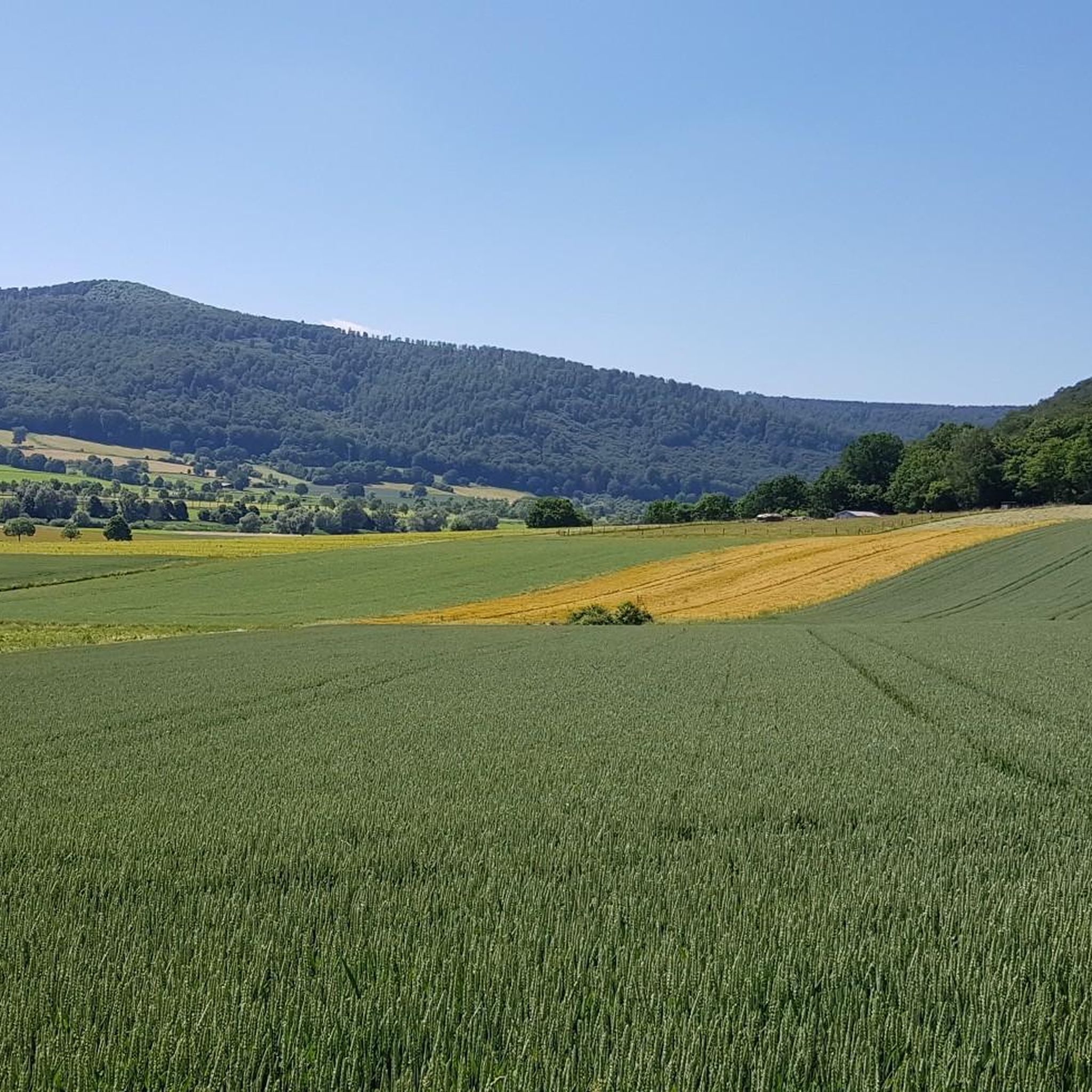
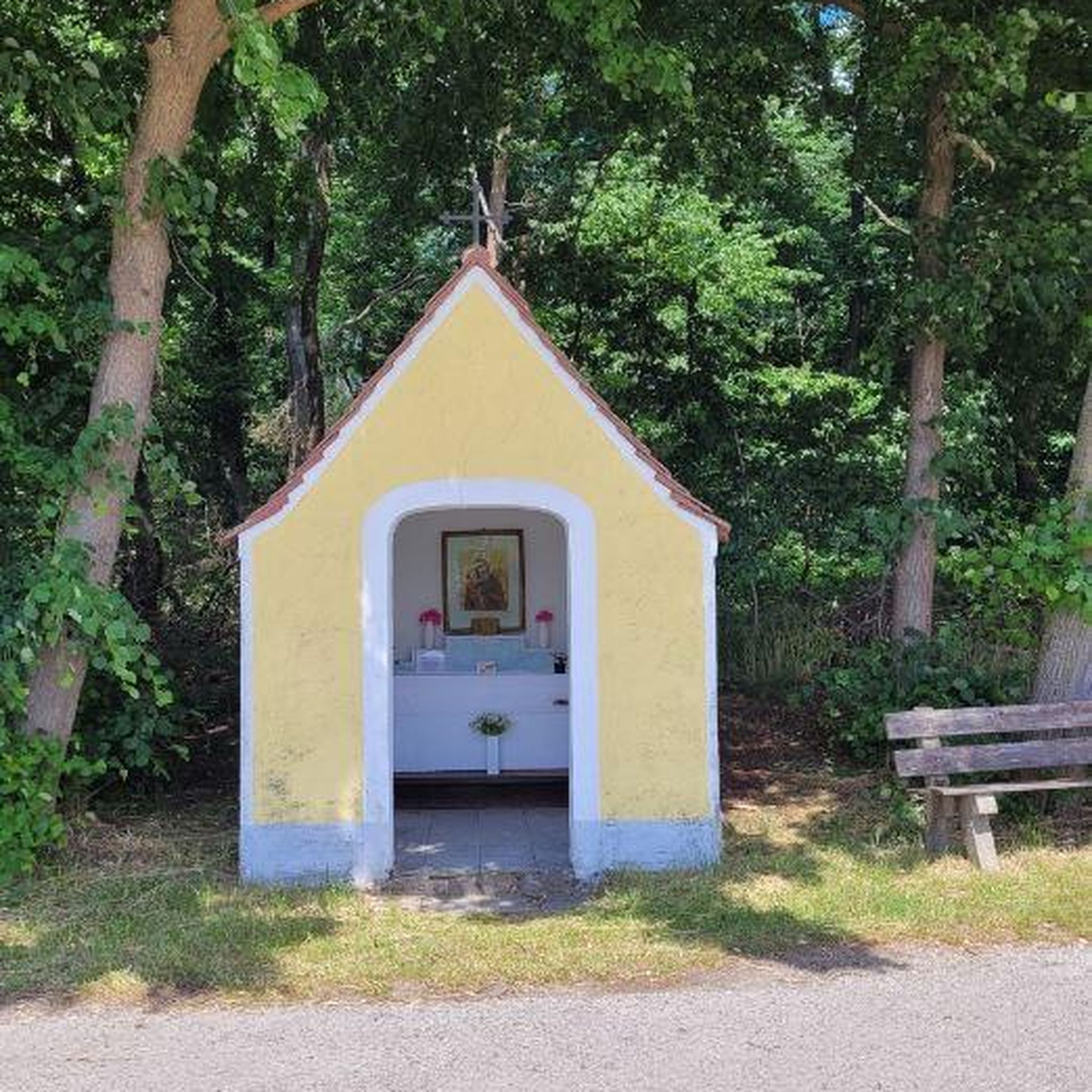
Other adventures around Bramwald

Tips from the Community


Beautiful hiking trail along the Nieme.
0
0

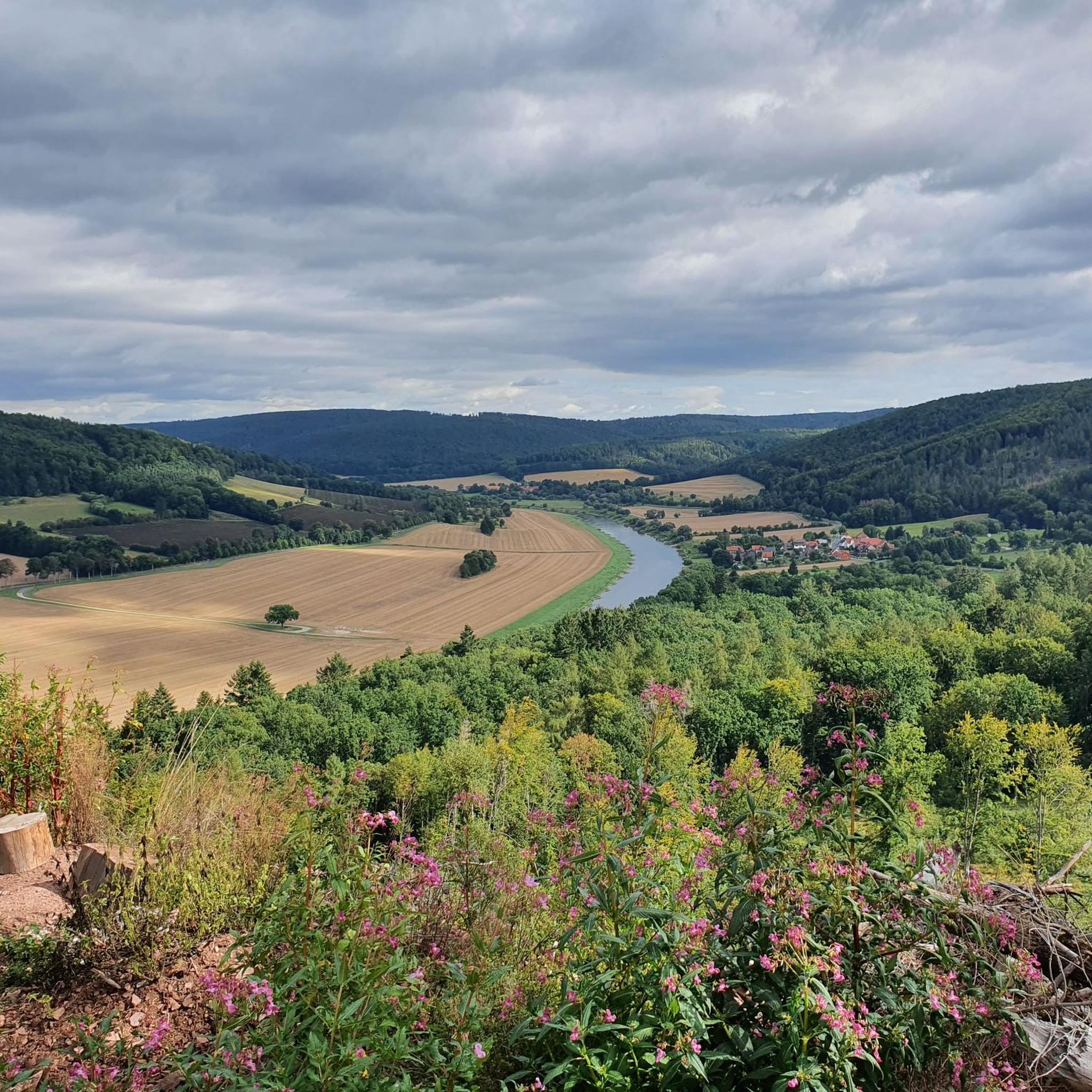
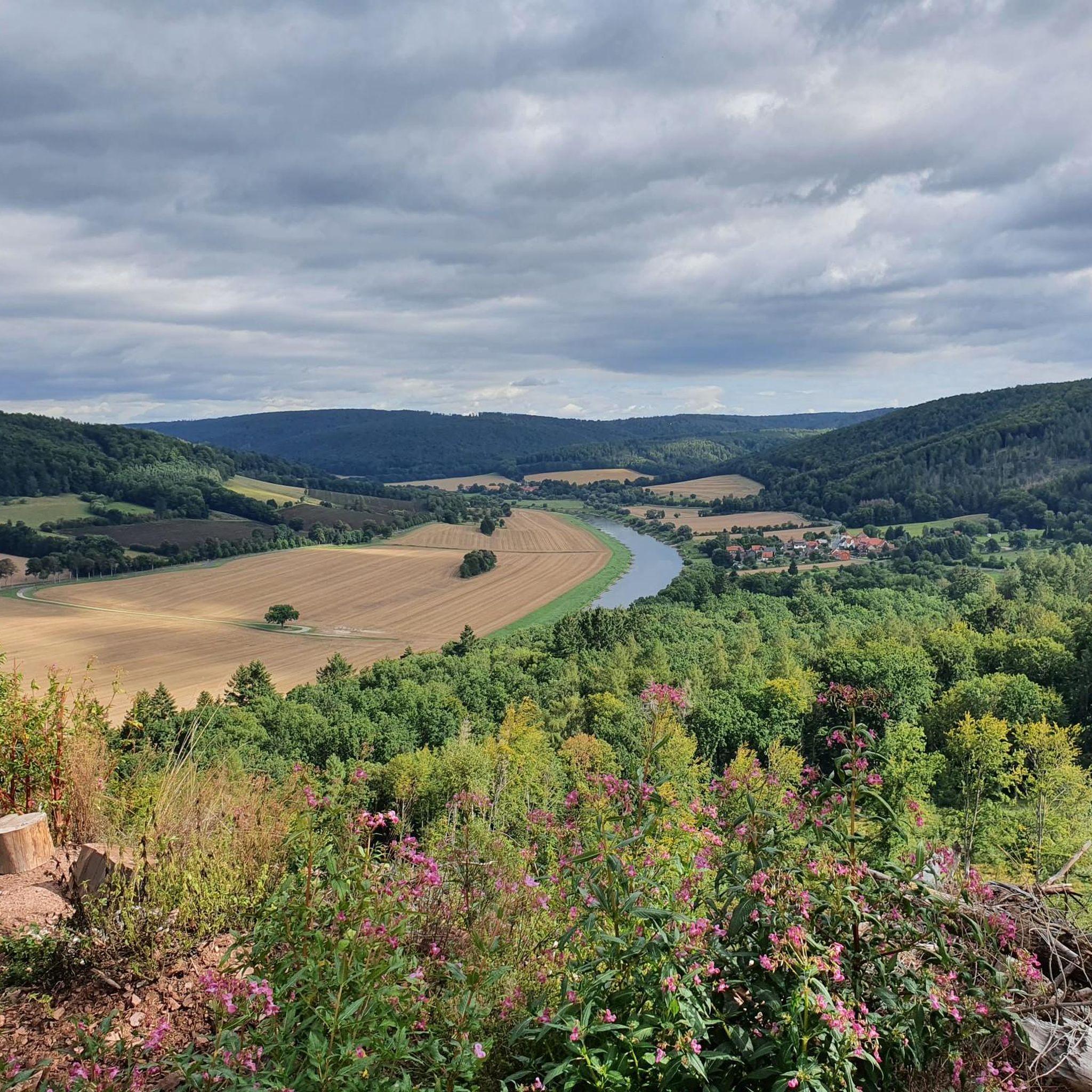
Along the gently babbling Nieme River, you'll find numerous beautiful hiking trails. The river winds its way through the Münden Nature Park, which stretches around Hannoversch Münden between Göttingen and Kassel. The 450-square-kilometer nature park is characterized by its hilly topography. The landscape is characterized by orchards, meadow valleys, quarries, and extensive forests. If you'd like to learn more about the nature park, it's worth visiting the nature park office in the Forestry Botanical Garden, a natural monument, in Hannoversch Münden. More information here: https://nationale-naturlandschaften.de/gebiete/naturpark-muenden
0
0

The pond is idyllically situated in the forest in the upper Steimketal and is beautiful to look at.
9
0
It's nice to take a break at the roller shed. At least there's a nice bench in front of the little house.
11
0


The ruins of the hilltop castle in the Münden Nature Park are on the right bank of the Weser on the western slope of the Bramwald in the Upper Weser Valley 100 m above the Weser valley and above the state road 561 between Hemeln in the south and Glashütte in the north. Source: wikipedia.org
2
0
The core of the castle is formed by a square plateau measuring 44 × 27 m. The most striking building today is the ruin of the 21.37 m high keep with a diameter of 10.20 m. This has a dungeon below the access point at a height of 9.17 m. There are three storeys above it, which were also habitable in the event of a siege. According to the results of building research, the lower third probably dates from the time of the first mention at the end of the first quarter of the 13th century. The upper part can be dated to the second half of the 14th or 15th century. At the edges, except in the east, there are still remains of the 1.45-1.80 m thick ring wall. Cellar depressions in the north-west and north-east and traces of walls parallel to the outer fortifications bear witness to the inner development. In the northwest, a 45 × 20 m terrace is ten meters below. At its north-west corner are the remains of a building with a basement measuring 35 × 12 m. To the east and west, the castle is protected by the natural topography. The southern side is secured by a section ditch that is 20 m wide and more than 8 m deep. The moat, which used to be extremely deep, has been partially filled in, but is still clearly visible. The Bramburg is freely accessible as an open ruin, while climbing the tower is not possible. The ruins have been owned by the von Stockhausen family since the 14th century. In 2020 and 2021, she had the masonry on the keep carried out extensively, which was funded by the Lower Saxony State Office for the Preservation of Monuments and the German Foundation for Monument Protection. Source: wikipedia.org
5
1
Frequently Asked Questions
What unique natural features can I explore in the Bramwald region?
The Bramwald region, part of the Weser Uplands, is characterized by its wild, hilly, and forested landscape. You can explore ancient beech forests, particularly within the Totenberg Nature Reserve, which features one of the largest continuous stands of acidophilous beech forests. The area also boasts distinctive geological formations like the Uhlenstein Quartzite Block, and picturesque waterways such as the gently flowing Nieme River and the wildly romantic Steimketal Stream.
Are there any protected nature reserves within Bramwald?
Yes, the Totenberg Nature Reserve is a significant protected area within Bramwald, spanning approximately 437 hectares. It is known for its ancient woodrush-beech forests and is designated as an FFH (Fauna-Flora-Habitat) area, providing a crucial habitat for species like the Greater Mouse-eared Bat. While some areas are strictly protected, marked paths allow visitors to experience its near-natural forest ecosystem.
What geological points of interest are there in Bramwald?
A prominent geological feature is the Uhlenstein Quartzite Block. This distinctive block of hard, non-foliated metamorphic rock is notable for its resistance to weathering and its historical role as an old pasture boundary marker. Its geological significance is intertwined with local legends, adding a cultural layer to its natural appeal.
Are there historical monuments among the natural sites in Bramwald?
Yes, the Bramwald region offers a blend of natural and historical sites. You can visit the Bramburg Castle Ruins, a castle first mentioned around 1200, where only the keep and some wall fragments remain. Another significant historical monument is the Bühren Cross Stone Group, dating back to the 11th to 13th centuries, considered the most important monument of its kind in Lower Saxony.
Can I learn about local legends or folklore connected to Bramwald's natural monuments?
Absolutely. The Uhlenstein Quartzite Block is particularly rich in folklore, having been included in the Brothers Grimm's collection of legends. Exploring this site allows you to connect with both the natural geology and the captivating cultural stories of the region. The area also features 'Fairytale Hiking in the Bramwald' routes, which invite visitors to explore the 'fairytale landscape'.
What kind of hiking trails can I find near Bramwald's natural monuments?
The Bramwald offers a variety of hiking trails, from easy walks along rivers to more challenging routes through hilly forests. You can find trails along the gently babbling Nieme River or through the shady, wildly romantic Steimketal Stream valley. The Totenberg Nature Reserve also has marked paths for exploring its ancient beech forests. For more options, explore easy hikes around Bramwald.
Are there other outdoor activities besides hiking available in the Bramwald area?
Yes, beyond hiking, the Bramwald region is excellent for other outdoor pursuits. You can explore a network of MTB trails that wind through the diverse landscape, or enjoy leisurely cycling routes, often with magnificent views of the Weser valley.
Are there family-friendly natural monuments to visit in Bramwald?
Many natural monuments in Bramwald are suitable for families. The Nieme River and Steimketal Stream offer pleasant, shady walks that are enjoyable for all ages. The Bühren Cross Stone Group provides an interesting historical stop, and the Walzeschuppen (Toerenberg Nature Reserve) offers a convenient spot for a break with seating. The 'Fairytale Hiking in the Bramwald' routes are also designed to be engaging for families.
What is the best time of year to visit the natural monuments in Bramwald?
The Bramwald region is beautiful year-round, but spring and autumn are particularly recommended for exploring its natural monuments. In spring, the beech forests, especially in the Totenberg Nature Reserve, come alive with fresh green foliage. Autumn offers a spectacular display of colors. Summer provides pleasant shade in the forests, while winter can offer serene, snow-covered landscapes, though some trails might be more challenging.
What do visitors enjoy most about the natural monuments in Bramwald?
Visitors frequently appreciate the tranquility and impressive scale of the old-growth beech forests, particularly in the Totenberg Nature Reserve. The unique blend of natural beauty and historical significance, such as the legends surrounding the Uhlenstein Quartzite Block and the ancient Bühren Cross Stone Group, is also highly valued. The peaceful, shady paths along streams like the Steimketal Stream are often highlighted as relaxing experiences.
Are there any facilities or resting spots near the natural monuments?
Yes, for instance, the Walzeschuppen (Toerenberg Nature Reserve) is a hut that offers a convenient spot for a break with seating available outside. Many hiking trails also feature benches or picnic areas, especially along popular routes and near viewpoints, allowing visitors to rest and enjoy the surroundings.
How can I access the natural monuments in Bramwald by public transport?
While direct public transport to every single natural monument might be limited, the Bramwald region is generally accessible. Major towns like Hann. Münden, which borders the Münden Nature Park, serve as hubs. From there, local bus routes can connect you to villages within or near the Bramwald, providing starting points for hikes to various monuments. It's advisable to check specific bus schedules for routes to areas like Hemeln or other entry points into the forest.
Most popular routes around Bramwald
Most popular attractions around Bramwald

Get inspired with the komoot mobile app


Explore more
Extend your search for the best caves by checking out these guides of the top ones around Bramwald:
