Top 4 Natural Monuments around Holter Wald
Best natural monuments around Holter Wald include a diverse landscape designated as a nature reserve since 2008, with parts included in the European Natura 2000 protection system. This area features extensive, near-natural beech-oak forests, ancient trees, and significant biodiversity. Natural streams and water bodies, such as the Ölbach, Landerbach, and Rodenbach, contribute to the ecological value of the region. The Holter Wald offers a variety of natural features for exploration.
Best natural monuments around Holter Wald
- The most popular natural…
Last updated: June 27, 2026
Ölbach Valley Trail in Holter Forest
Highlight (Segment) • Trail
Translated by Google •
Tip by

Holter Wald Nature Reserve
Highlight (Segment) • Forest
Translated by Google •
Tip by

Sign up now to discover places like this
Get recommendations on the best single tracks, peaks, & plenty of other exciting outdoor places.
Sign up for free
Thousand-Year-Old Oak (Schloß Holte)
Highlight • Natural Monument
The 1000-year-old oak stands west of the Schloss Holte district at a height …
Translated by Google •
Tip by
The thick stone
Highlight • Natural Monument
Translated by Google •
Tip by

Start today with a free account
Your next adventure awaits.
Login or Signup
Popular around Holter Wald
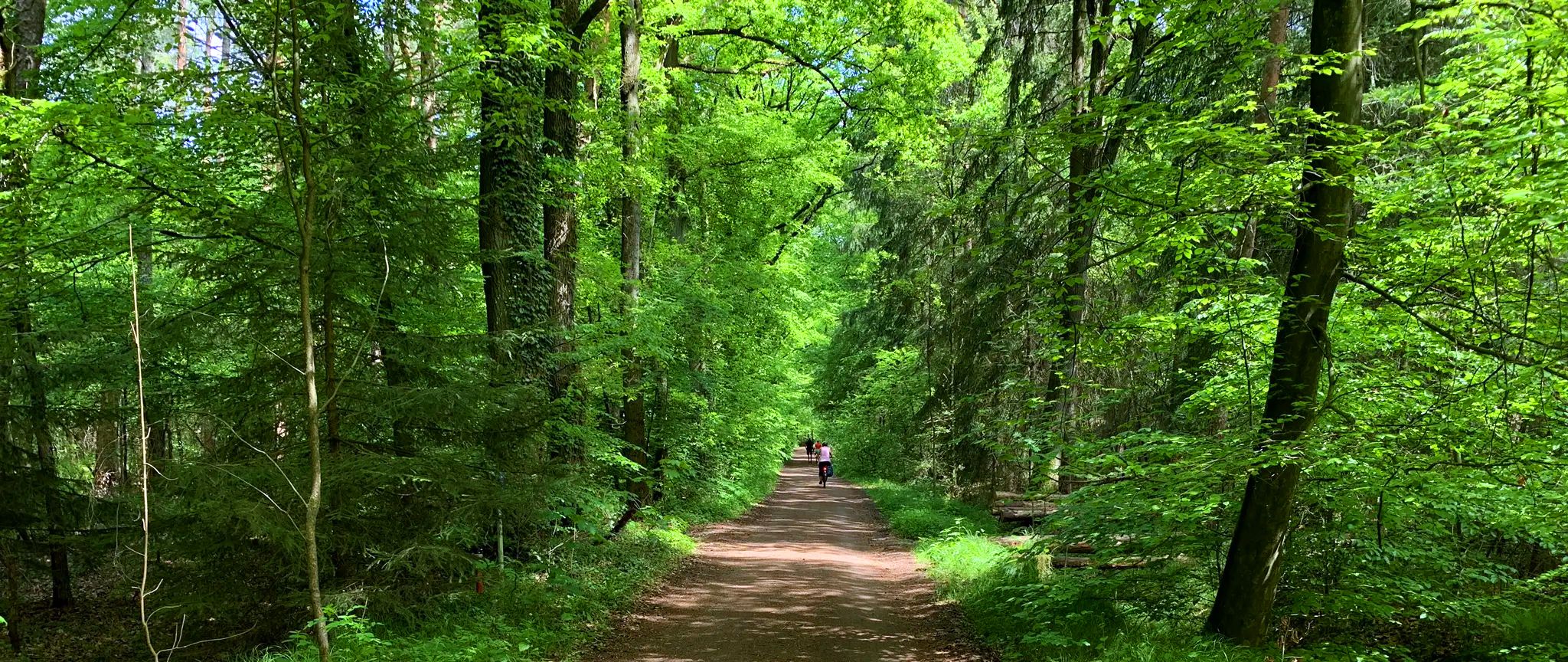
Cycling the BikeTrainTour Teuto-Senne from Osnabrück to Paderborn
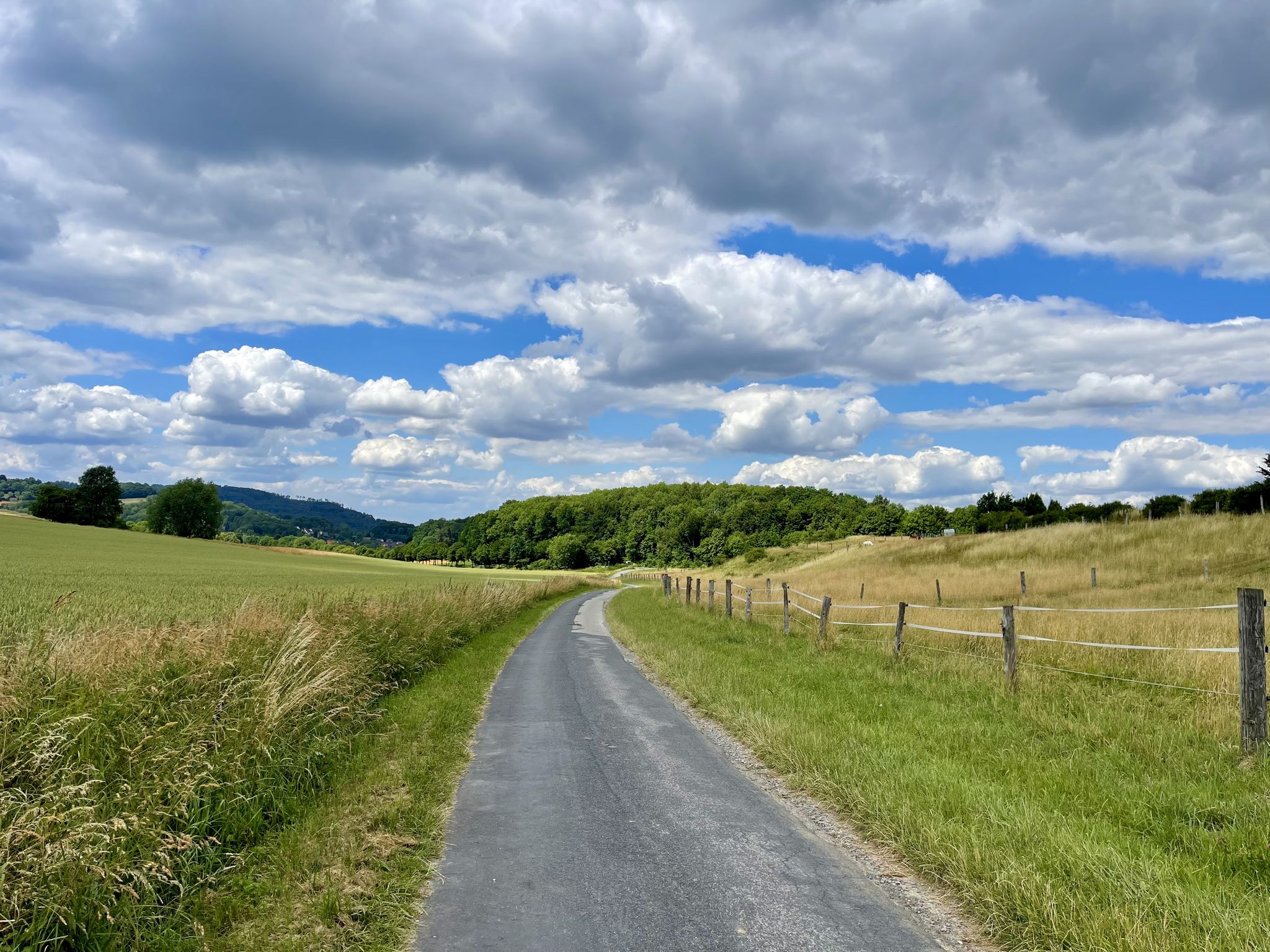
D-Route 3: European Route R1
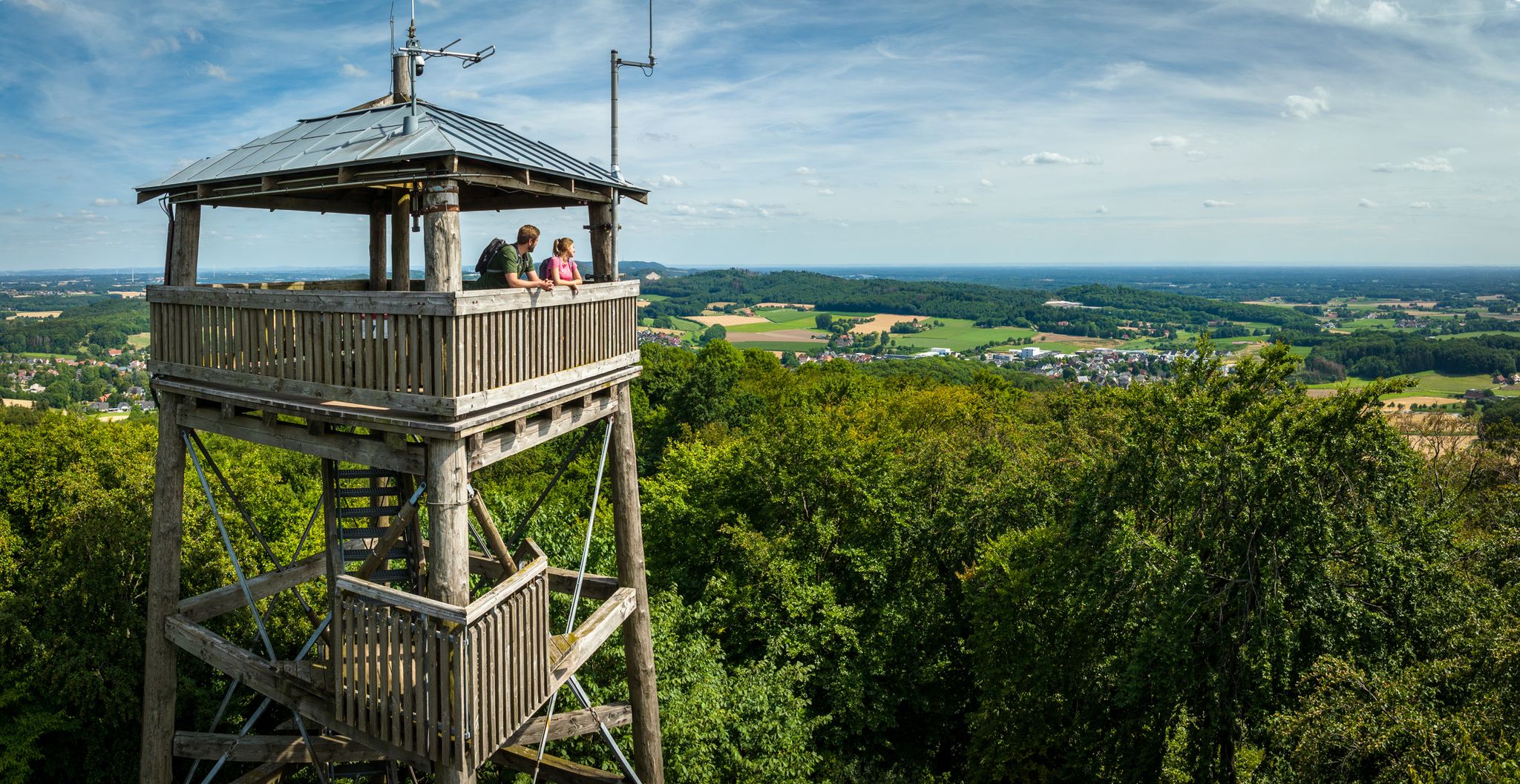
Grüne Wege statt Rote Ampeln – Aktive Auszeit im Teutoburger Wald
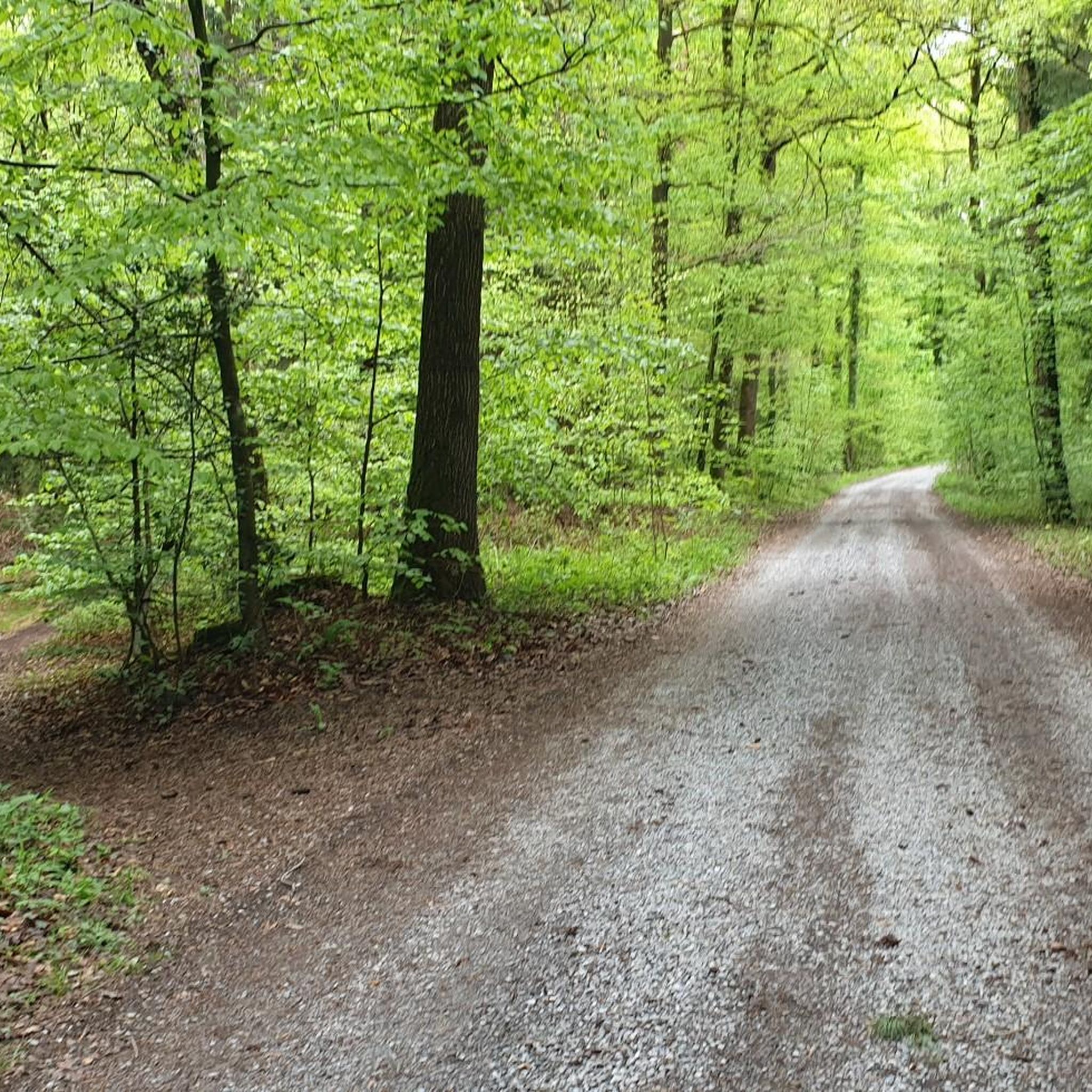
Road Cycling Routes around Holter Wald
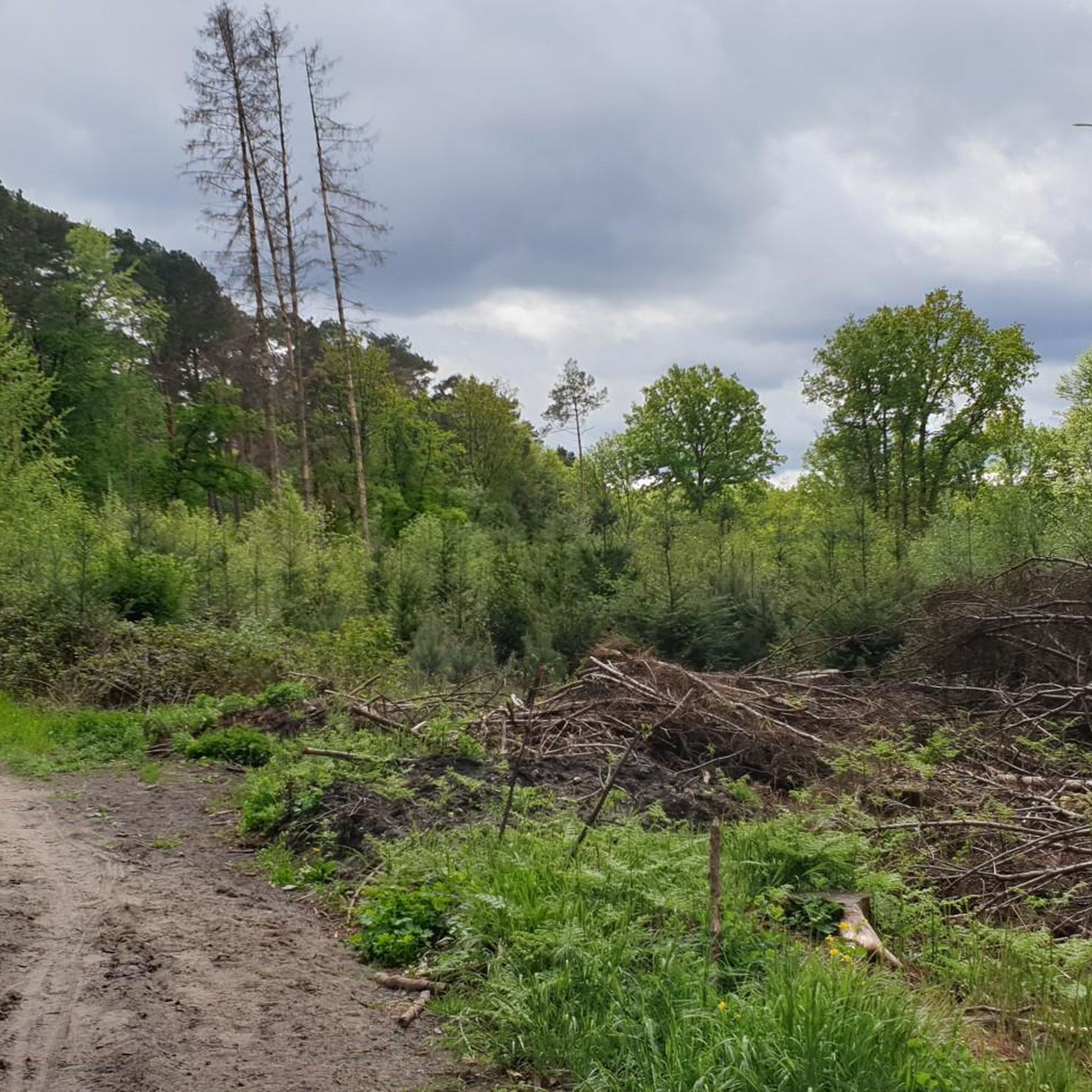
Cycling around Holter Wald
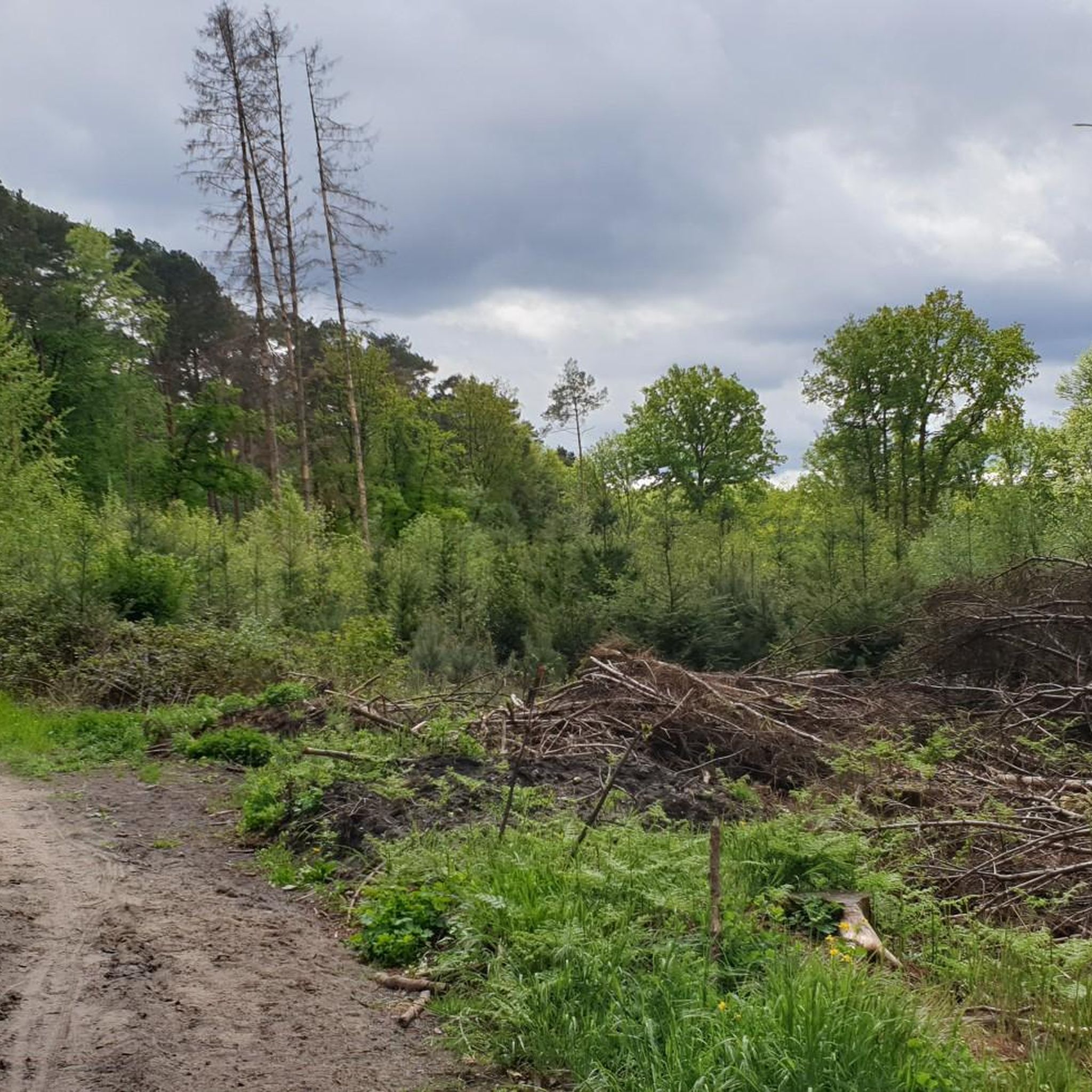
Hiking around Holter Wald
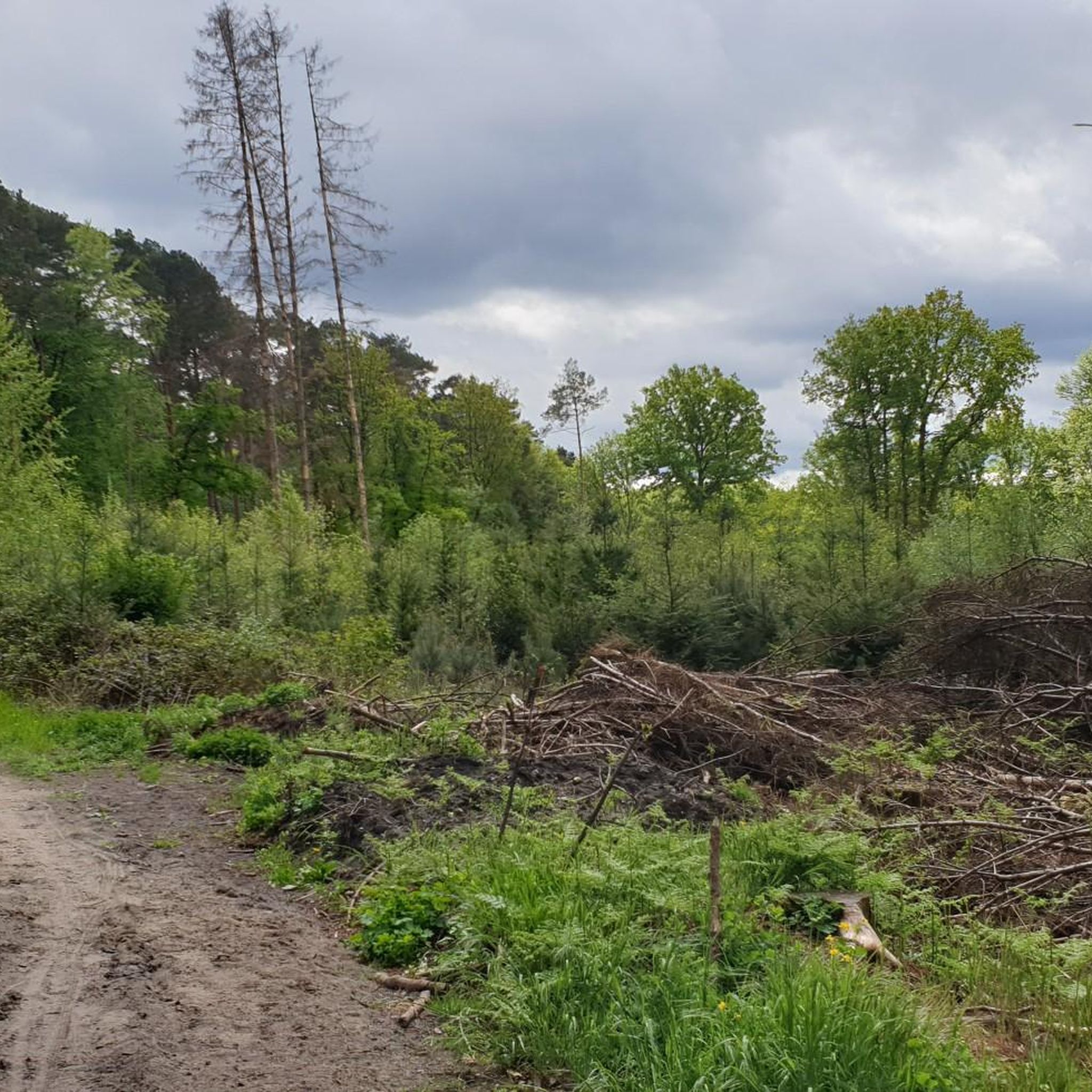
MTB Trails around Holter Wald
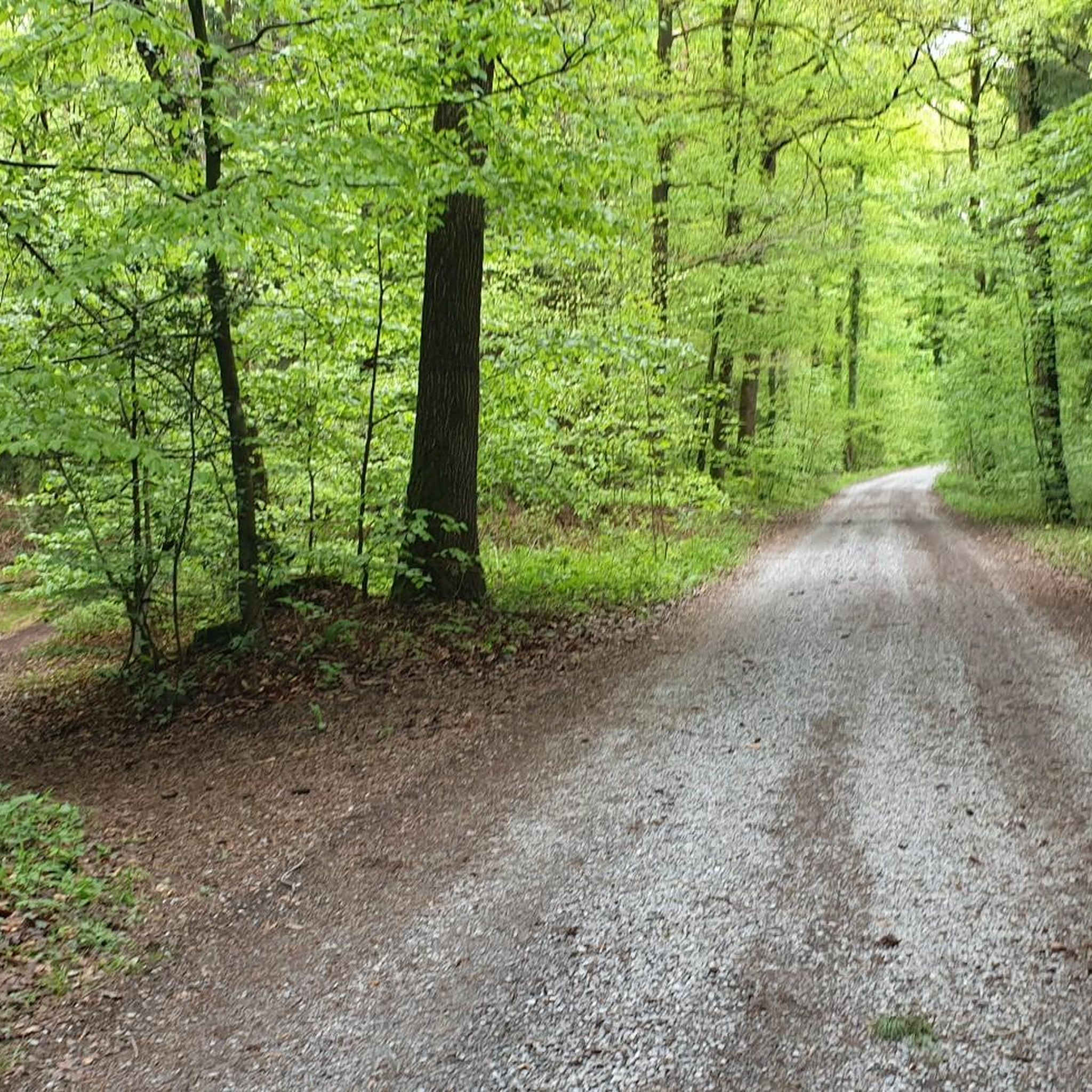
Running Trails around Holter Wald
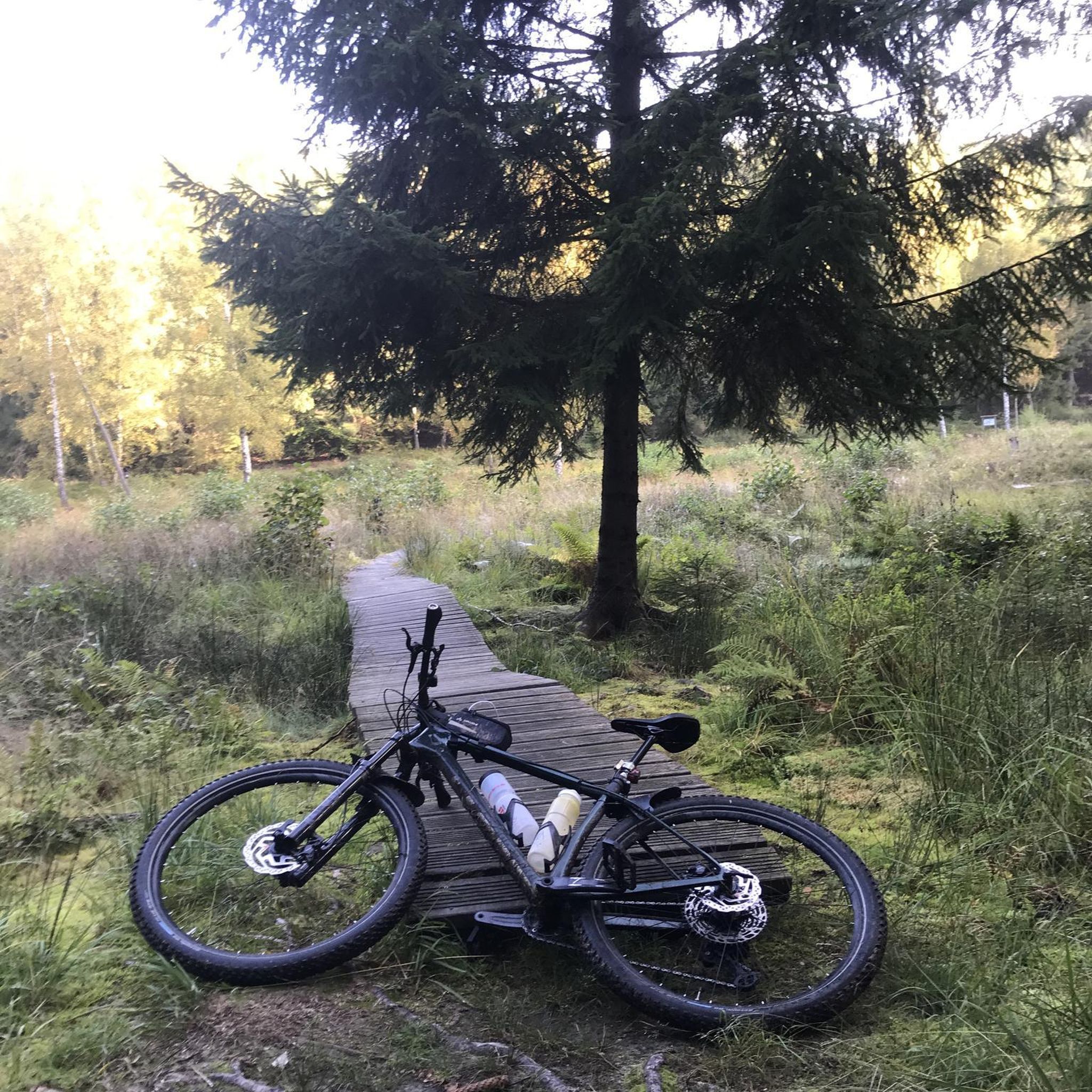
Gravel biking around Holter Wald
Other adventures around Holter Wald


Tips from the Community

Right at the entrance to the Holter Forest stands the "Big Stone," an impressive glacial erratic from the Ice Age. The roughly 7-ton boulder was once transported here by glaciers and discovered in 1934. For many decades, it sank further and further into the ground until it was uncovered and re-erected in 2024. Today, an information panel commemorates the fascinating history of this natural monument. A short stop is definitely worthwhile – especially for a quick break or a photo.
0
0

I remember this oak tree from my childhood and it's still standing. You just have to see it.
4
0

The Holter Wald nature reserve is a large, contiguous forest area on the eastern edge of the Westphalian Bay. With a size of 613.14 ha, it is in the area of the city of Schloss Holte-Stukenbrock in the Gütersloh district. It was placed under protection on October 16, 2008. The Holter Forest is a preferred local recreation area for residents of the surrounding towns and communities and is largely designated as a landscape protection area . It is traversed from east to west by the Senne streams Landerbach (in the north of the Holter Forest), Ölbach (in the center) and Rodenbach (in the south). The subsoil consists almost exclusively of sandy soils, which are typical for the Senne landscape. Therefore, a Senne-typical tree population, consisting of pines, oaks and beeches, predominates. Moisture-loving tree species such as alder and ash can also be found in the immediate vicinity of the banks of streams and water bodies. Source: Wikipedia
4
0

The Holter Forest with its various (circular) paths is a pleasure in every season and ideal for running / hiking / cycling. Hence the most beautiful forest in the Gütersloh district in my humble opinion :)
9
0

Beautiful forest area with a perfect network of paths.
7
0

A very nice route through the forest with a stream.
7
0
The Ölbach is a 29.6 km long right tributary of the Wapel in North Rhine-Westphalia, Germany. It rises within the East Westphalian Senne and flows in a south-westerly direction over the area of the Lippe and Gütersloh districts. The body of water belongs to the river system of the Ems, its catchment area covers 81.1 km Source: Wikipedia
9
0

The 1000-year-old oak in Holte Castle is probably only 400-500 years old, hollow on the inside and still very much alive. Directly behind the oak you can go straight down to the Ölbach. I've seen many families picnicking here and the children have bathed in the water.
7
0
Frequently Asked Questions
What natural features can I explore in Holter Wald?
Holter Wald is characterized by extensive, near-natural beech-oak forests, ancient trees, and natural stream valleys. You can discover streams like the Ölbach, Landerbach, and Rodenbach, which are bordered by alder and ash forests. The area is also part of the European Natura 2000 protection system, indicating its rich biodiversity.
Are there family-friendly natural monuments or activities in Holter Wald?
Yes, Holter Wald offers several family-friendly options. The Ölbach Valley Trail in Holter Forest and the Holter Wald Nature Reserve are both suitable for families. Additionally, the 'Erlebnispfad Holter Wald' (adventure trail) near the collecting ponds provides an interactive experience with 16 stations to learn about the forest biotope and observe wildlife.
What is the significance of the Thousand-Year-Old Oak in Holter Wald?
The Thousand-Year-Old Oak (Schloß Holte) is a prominent natural monument, estimated to be between 400 and 500 years old, with a circumference of 8.15 meters. It's so significant that it's featured in the coat of arms of Schloß Holte-Stukenbrock and stands as a testament to the forest's age and natural heritage. It is located centrally within the Holter Wald, near Holte Castle and the Ölbach stream.
What kind of wildlife can I spot in Holter Wald?
Holter Wald's ancient forests and diverse ecosystems support various wildlife. The presence of 'cavity trees' (Höhlenbäume) is crucial for species like the black woodpecker, green woodpecker, and other cavity-nesting birds, as well as bats and insects. The stream systems also attract various aquatic animals and birds, offering excellent observation opportunities.
Are there hiking trails available to explore the natural monuments?
Yes, Holter Wald is a preferred local recreation area with numerous trails. The Ölbach Valley Trail in Holter Forest is a popular option that traverses the nature reserve, offering views of the stream and surrounding forest. You can find more hiking routes in the region by exploring the Natural Monuments around Holter Wald guide.
What other outdoor activities can I do near the natural monuments in Holter Wald?
Beyond hiking, the Holter Wald area offers various cycling opportunities. You can find numerous Road Cycling Routes, Gravel Biking routes, and MTB Trails that allow you to explore the forest and its surroundings.
What is the best time to visit Holter Wald to see its natural beauty?
Spring is an excellent time to visit Holter Wald, as the forest floor comes alive with diverse ground vegetation, including white-flowering wood anemones, violets, and lesser celandine. The ancient forest structure and stream valleys are beautiful year-round, but spring offers a particularly vibrant display of flora.
Is Holter Wald a protected area?
Yes, Holter Wald has been designated as a nature reserve since October 16, 2008, and parts of it are included in the European Natura 2000 protection system. This designation helps preserve its rich biodiversity, ancient forest structures, and valuable stream and water body ecosystems.
Are there any specific viewpoints within the Holter Wald Nature Reserve?
The Holter Wald Nature Reserve itself offers various scenic spots and viewpoints throughout its extensive forest area. While no single prominent viewpoint is highlighted, the diverse landscape of beech-oak forests and stream valleys provides many picturesque vistas for visitors.
What makes the forests of Holter Wald unique?
The forests of Holter Wald are unique due to their extensive, near-natural beech-oak composition, especially in the southern part. They are home to over 400 old trees acquired by the state of North Rhine-Westphalia that are left to natural decay, fostering a rich ecosystem. A portion of the forest is also designated as a 'natural forest cell,' developing entirely without human intervention, contributing to its ancient and well-developed structure.
Can I bring my dog to the natural monuments in Holter Wald?
Holter Wald is a popular local recreation area, and generally, dogs are welcome on trails. However, it's always recommended to keep dogs on a leash to protect the local wildlife and ensure a pleasant experience for all visitors, especially within the nature reserve areas.
What are the main streams flowing through Holter Wald?
The Holter Wald is traversed by several natural streams that contribute significantly to its ecological value. The main streams include the Ölbach, Landerbach, and Rodenbach. These streams are often bordered by alder and ash forests and support specialized ecosystems.
Most popular routes around Holter Wald
Most popular attractions around Holter Wald

Get inspired with the komoot mobile app


Explore more
Extend your search for the best caves by checking out these guides of the top ones around Holter Wald:
