Top 3 Natural Monuments around Lorenzer Reichswald
Best natural monuments around Lorenzer Reichswald are situated within a large forest area near Nuremberg in Middle Franconia. This region features diverse landscapes, including tranquil lakes, unique geological formations, and ancient trees. The area provides various experiences for nature enthusiasts and hikers, offering ecological significance and serene recreational opportunities. These special natural features Lorenzer Reichswald are well worth exploring.
Best natural monuments around Lorenzer Reichswald
- The most popular natural monuments is Ice Pond (Fischbach), a lake that offers an…
Last updated: July 11, 2026
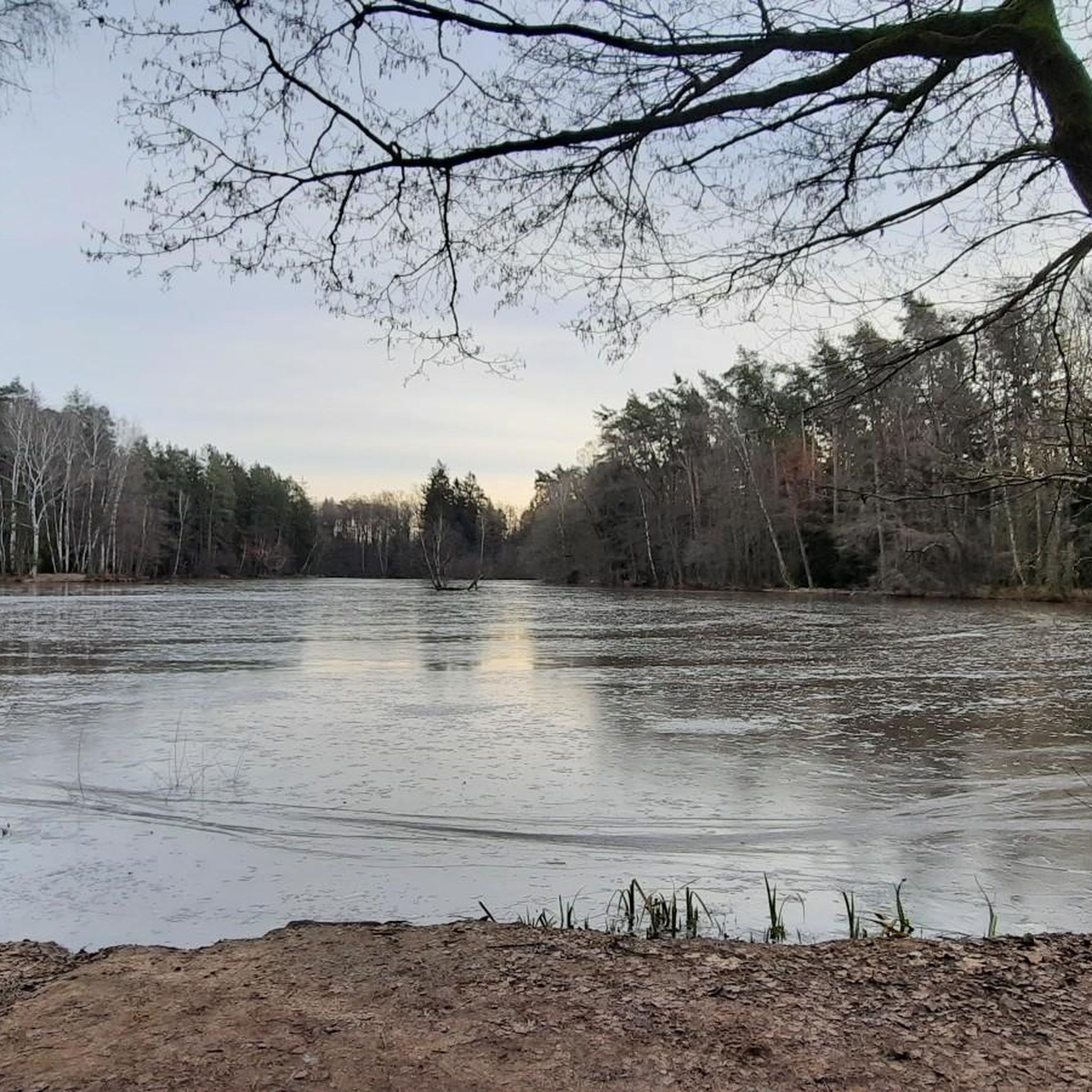
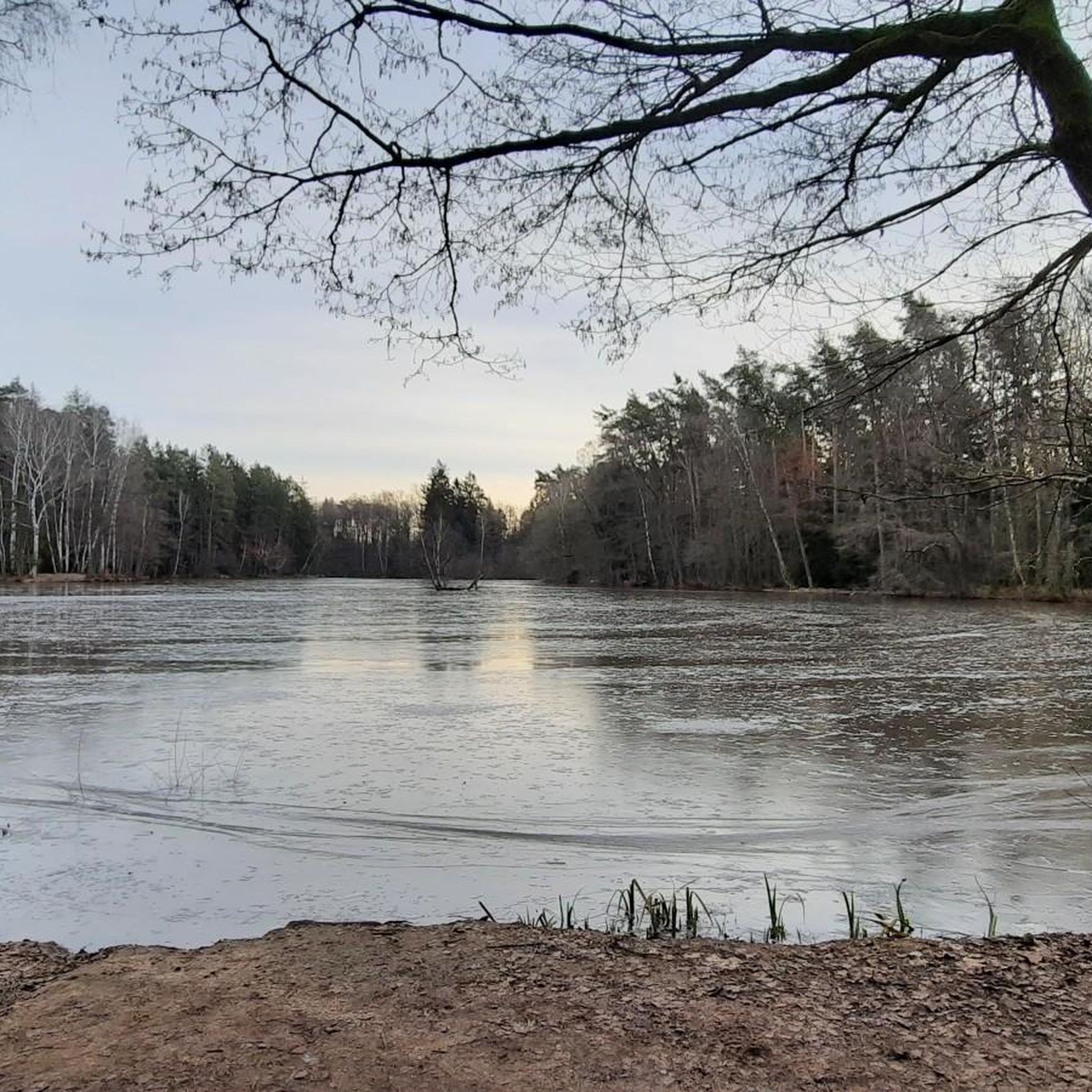
Ice Pond (Fischbach)
Highlight • Lake
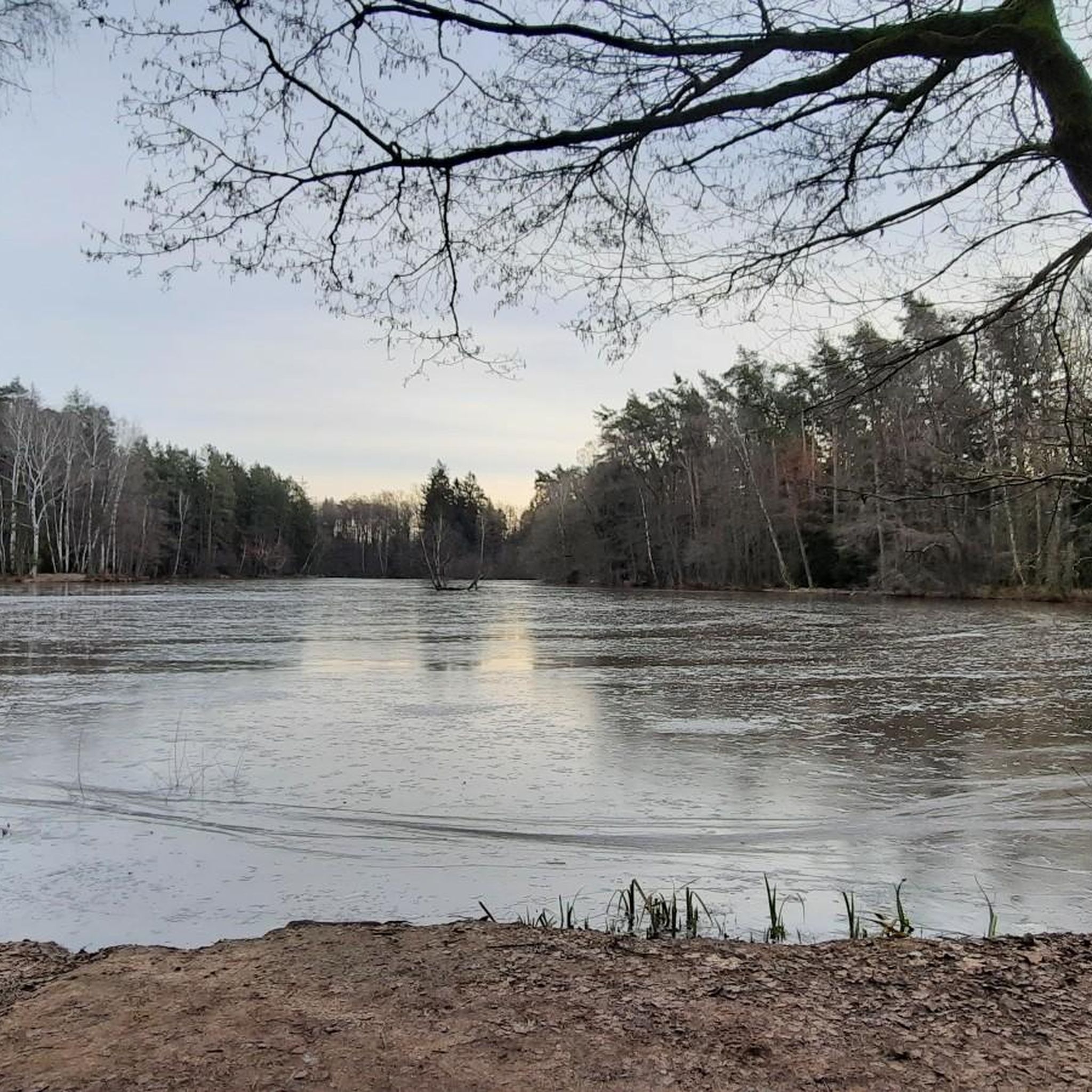
The view of the pond is picturesque, as are the paths of the geese and ducks.
If you feed them, be prepared for a rush 😁🦆🦢👌
Translated by Google •
Tip by

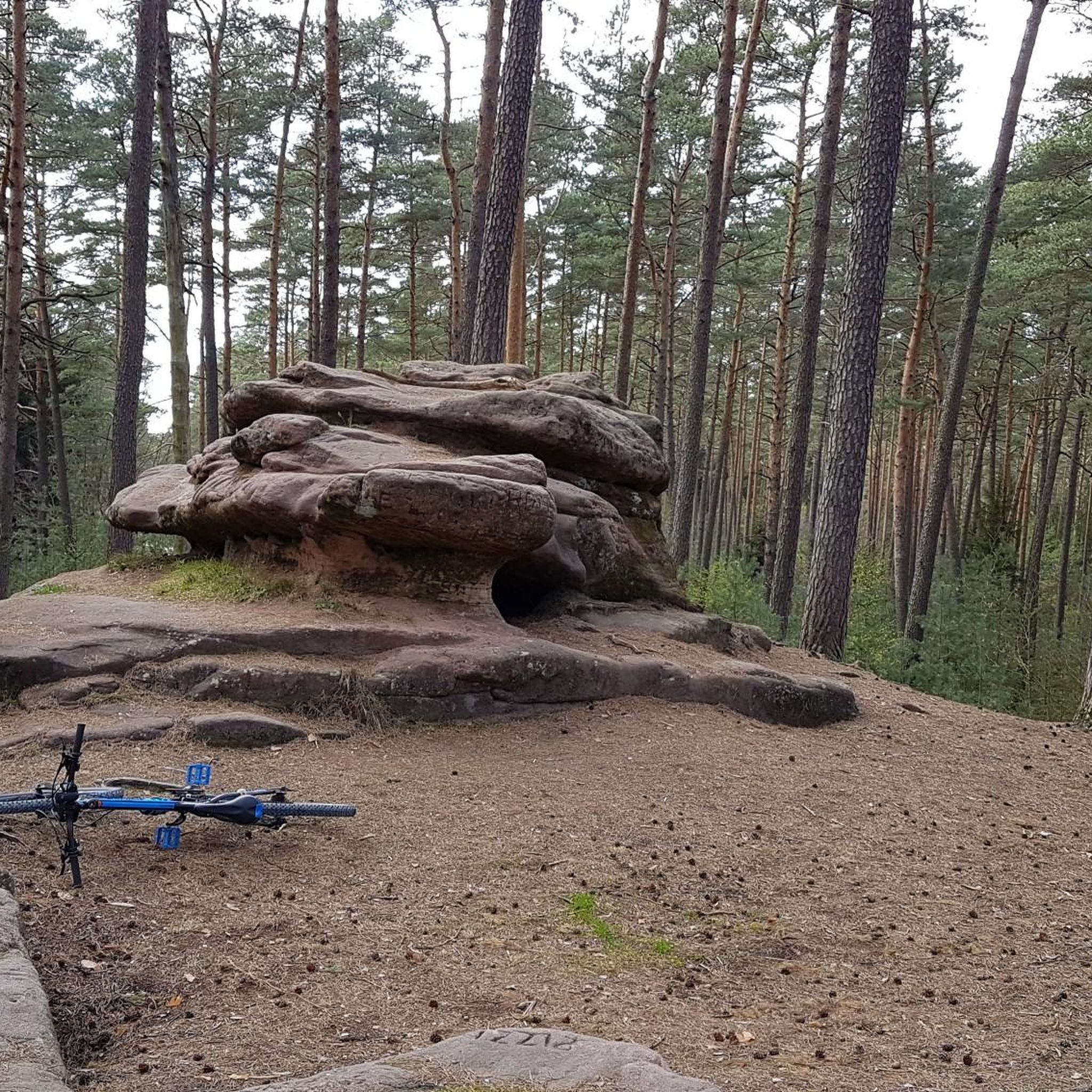
Sandstone Formations at Schmausenbuck
Highlight • Natural Monument
Translated by Google •
Tip by

Sign up now to discover places like this
Get recommendations on the best single tracks, peaks, & plenty of other exciting outdoor places.
Sign up for free
Bowl Rock
Highlight • Natural Monument
Easy to climb and a rustic place to take a break.
Translated by Google •
Tip by
Schüsselstein Rock Formation
Highlight • Natural Monument
Translated by Google •
Tip by

Buchenklinge Spring
Highlight • Natural Monument
Translated by Google •
Tip by
Start today with a free account
Your next adventure awaits.
Login or Signup
Popular around Lorenzer Reichswald

Tips from the Community

Rocks, beautiful and big
1
0

Right next to the zoo, you can see these amazing rock formations. A great climbing experience for young and old alike.
2
0

The former Reuhelberg, which consists of several hills, was named after the red beer brewer Georg Schmaus (1619–1682), who bought the land from the city of Nuremberg in 1670. The Schmausenbuck was the highest elevation in the Nuremberg urban area until Brunn was incorporated (407 m). The highest hill is called Gritz (from Old High German Grütz = poor forest soil). The castle sandstone mined there served as building material for the city until modern times. Around 1800, the old quarries were used as a natural theater; today they are partially integrated into the grounds of the zoo.
2
0

The sandstone cliffs directly on the forest path are really worth seeing and are a nice change.
13
0

Old Nuremberg fairground, great parties were celebrated here. With children and bowling (alley) we went here into the countryside. Today, however, only the fountain remains, but it is very interesting.
18
1
Fischbach's former refrigerator, who likes warm beer? The view of the pond is picturesque, as are the paths of the geese and ducks. If you feed them, be prepared for a rush 😁🦆🦢👌
17
2
Also called keystone because of the indentations in the rock, Easy to climb and a rustic place to take a break.
18
1

The Schmausenbuck was frequently visited in the Middle Ages because of the bird herds there, which were banned in 1806, and was also popular as a place of entertainment. The Buchenklinge is located on the northeast slope of the Klingenberg. The stratified spring with very low discharge was first mentioned in 1372 during a renovation. The spring tapping with symmetrical system and curved sandstone staircase was renewed in 1908 and renovated in 1932 and 2000. It has been designated as a monument (D-5-74-465-1) by the Bavarian State Office for the Preservation of Monuments. The well and spring system set in stone served as a resting place for quarry workers and day trippers. After the Thirty Years' War, excursion traffic shifted to the front Schmausenbuck, despite several renovations to the source. Source: Wikipedia
3
0
Frequently Asked Questions
What unique natural features can I explore in the Lorenzer Reichswald?
The Lorenzer Reichswald offers a diverse range of natural features. You can discover tranquil lakes like the Birkensee, impressive geological formations such as the ancient sand dunes, and the picturesque Röthenbach Gorge with its own waterfall. Additionally, the forest is home to majestic 300-year-old oak trees and unique rock formations like the Bowl Rock.
Are there any natural monuments suitable for families with children?
Yes, several natural monuments in the Lorenzer Reichswald are family-friendly. The Ice Pond (Fischbach) is an idyllic spot with benches, perfect for a relaxing visit. The Bowl Rock is also considered family-friendly and easy to climb, offering a fun break spot.
What is the best time of year to visit the natural monuments in Lorenzer Reichswald?
The best time to visit depends on what you want to experience. The Birkensee lakes are popular for swimming in summer and ice skating in winter. The Chiming Waterfall is particularly spectacular in winter when it freezes. For hiking, the Röthenbach Gorge offers pleasant shaded paths in summer, while the ancient sand dunes are enjoyable in milder weather. Generally, spring, summer, and autumn are great for exploring the forest trails.
Where can I find unique geological formations in the Lorenzer Reichswald?
The Lorenzer Reichswald is known for its unique geological features. You can explore the ancient sand dunes, which are part of the 'Sandachse Franken' and offer a distinctive landscape. Additionally, rock formations like the Bowl Rock and the Schüsselstein Rock Formation feature interesting bowl-like indentations in their sandstone.
Are there hiking trails near these natural monuments?
Yes, the Lorenzer Reichswald offers numerous hiking opportunities. For easy walks, you can explore trails around the Ice Pond (Fischbach). There are also specific waterfall hikes, such as those leading to the Chiming Waterfall or through the Röthenbach Gorge. You can find more details on various routes in the Easy hikes around Lorenzer Reichswald and Waterfall hikes around Lorenzer Reichswald guides.
What do visitors particularly enjoy about the natural monuments here?
Visitors appreciate the serene and picturesque settings. For instance, the Ice Pond (Fischbach) is loved for its idyllic views and the presence of geese and ducks. The Bowl Rock is noted for being easy to climb and a rustic spot for a break, with some comparing its unique appearance to a 'landed UFO'.
Can I find any springs or water sources among the natural monuments?
Yes, the Lorenzer Reichswald features notable water sources. The Buchenklinge Spring is a quaint spring with a stone altar, originally used to supply water to sandstone quarry workers. It's now a popular destination for rest and to listen to the splashing water.
Are there opportunities for mountain biking near the natural monuments?
Yes, the Lorenzer Reichswald provides trails for mountain bikers. The Sandstone Descent Schmausenbuck is a natural monument featuring trails specifically suited for mountain biking, though it's noted as not being for beginners due to its challenging nature.
What is the significance of the Birkensee lakes?
The Birkensee lakes, both Großer and Kleiner Birkensee, are significant for different reasons. The Großer Birkensee is a popular local recreation area for swimming, with a natural sand beach. The Kleiner Birkensee is a protected landscape area, vital for a rich diversity of specialized animal and plant species, including wild bees and beavers. Both were formed from sand mining and are fed by groundwater, with informational signs explaining their unique ecosystem. More information can be found on Wikipedia.
Are there any historical aspects connected to the natural monuments?
Some natural monuments have historical connections. For example, the Bowl Rock and Schüsselstein Rock Formation were used as border markers in the 16th and 17th centuries. The Buchenklinge Spring originally supplied water to sandstone quarry workers and was an old meeting place for Nuremberg residents.
What kind of wildlife might I encounter near the natural monuments?
The protected status of areas like the Kleiner Birkensee allows for a rich diversity of specialized animal and plant species to thrive, including wild bees and beavers. On the ancient sand dunes, you might even spot lizards basking in the sun. The forest environment generally supports various birds and other small mammals.
Most popular routes around Lorenzer Reichswald
Most popular attractions around Lorenzer Reichswald

Get inspired with the komoot mobile app


Explore more
Extend your search for the best caves by checking out these guides of the top ones around Lorenzer Reichswald:
