Top 7 Natural Monuments around Weißensee
Best natural monuments around Weißensee include diverse natural features across different regions. The Weißensee in the Alps is known for its pristine alpine environment, featuring a crystal-clear lake, extensive hiking trails, and unique geological formations. In contrast, the Weißensee district in Berlin offers urban natural highlights centered around its namesake lake and a nature reserve. These areas provide opportunities to observe varied landscapes, from high-altitude lakes to urban green spaces.
Best natural monuments around Weißensee
- The most popular natural monuments…
Last updated: August 21, 2026
Weissensee (Füssen)
Highlight • Lake
Showing Translation
Tip by

Weissensee (Allgäu)
Highlight • Lake
Translated by Google •
Tip by

Sign up now to discover places like this
Get recommendations on the best single tracks, peaks, & plenty of other exciting outdoor places.
Sign up for free
Magnusruh (Resting Place of Saint Magnus)
Highlight • Historical Site
Translated by Google •
Tip by

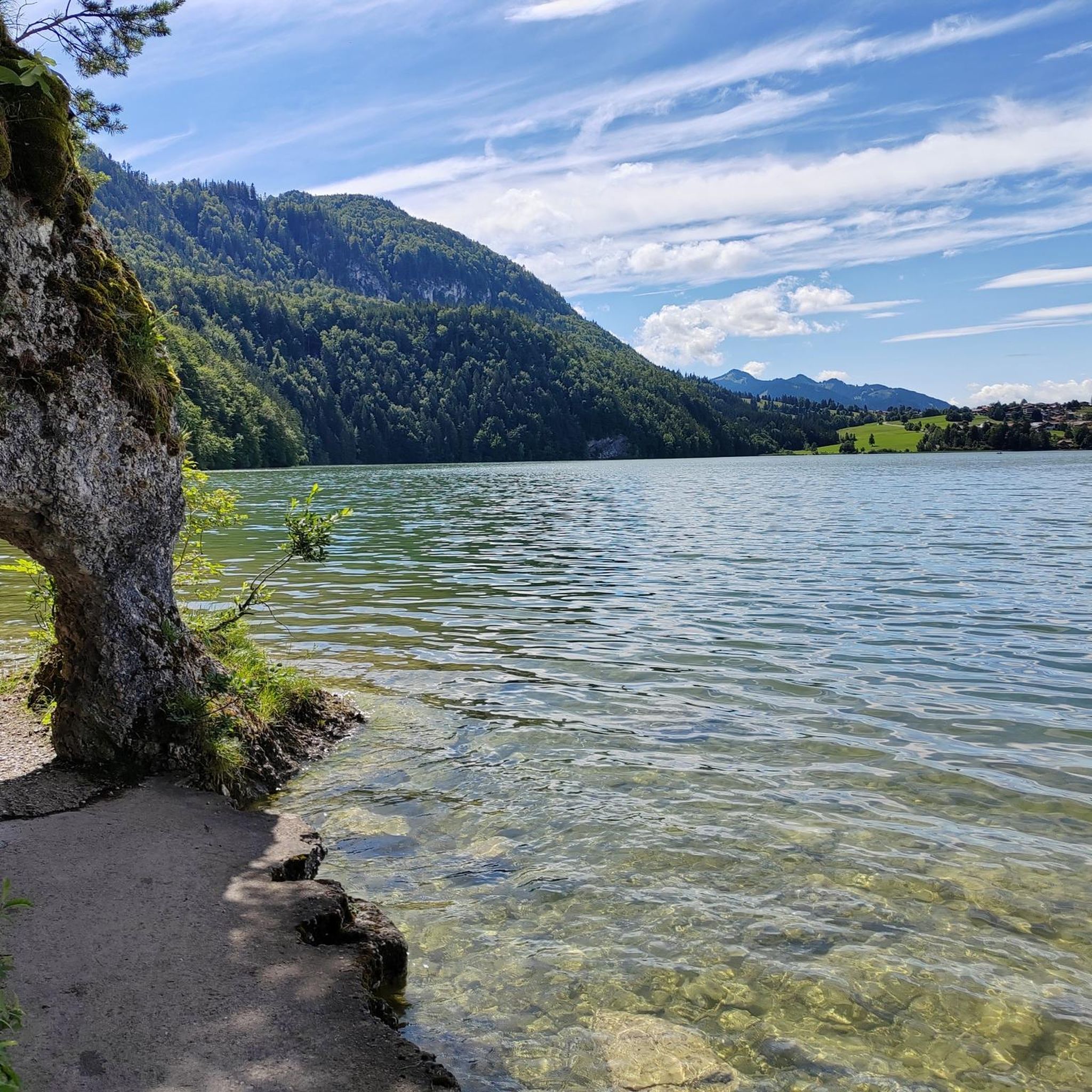
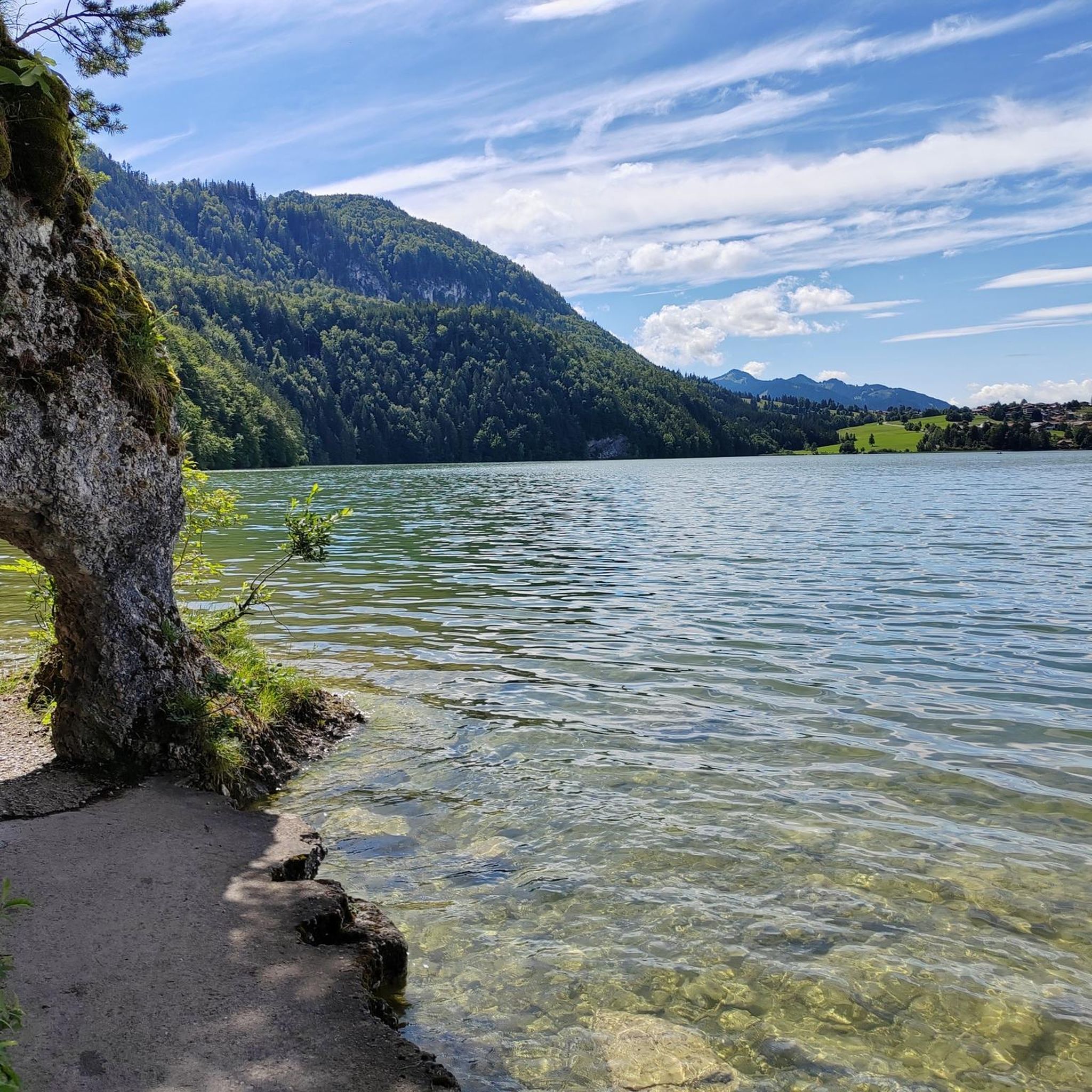
Tree Growing Out of the Rock at Weißensee
Highlight • Natural Monument
Translated by Google •
Tip by

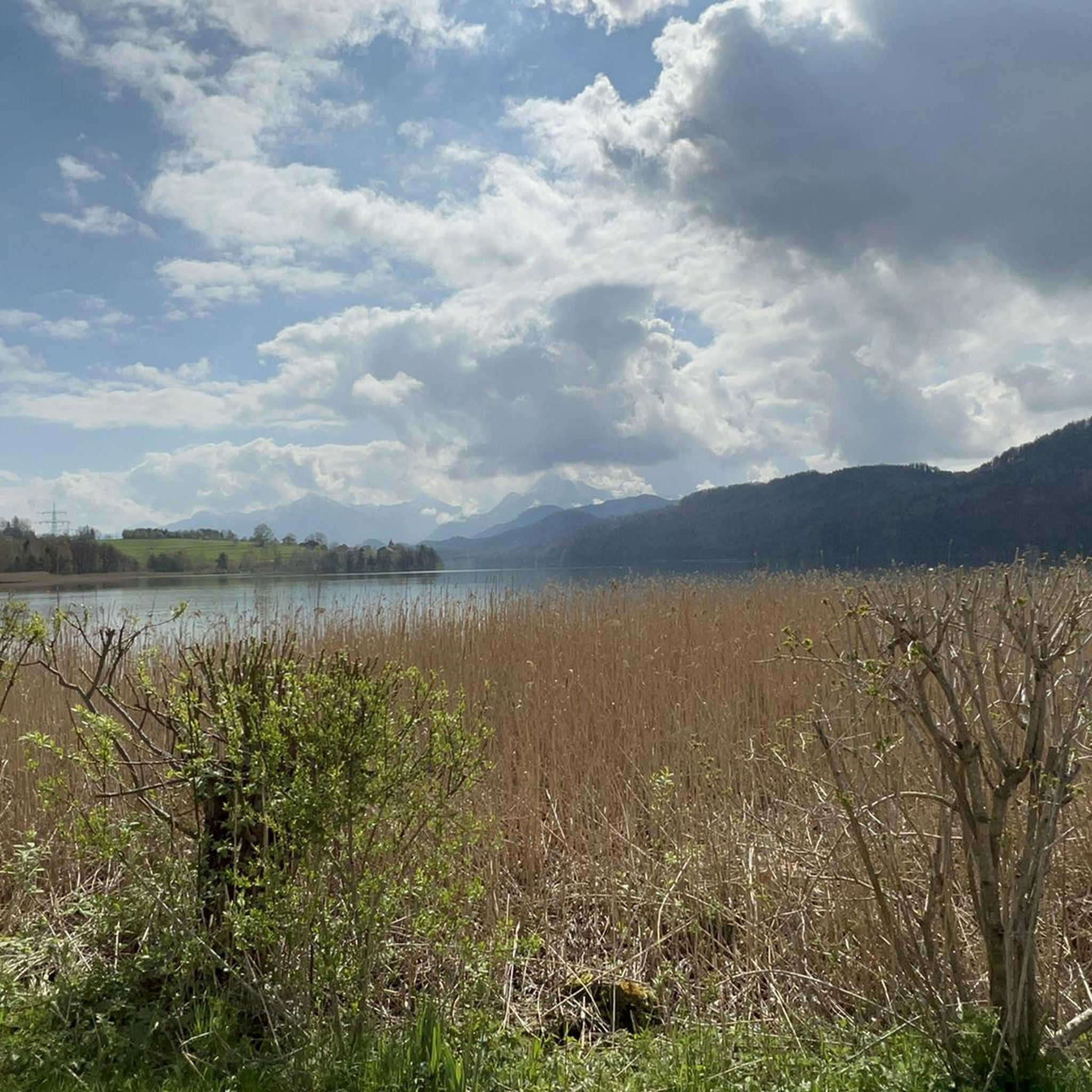
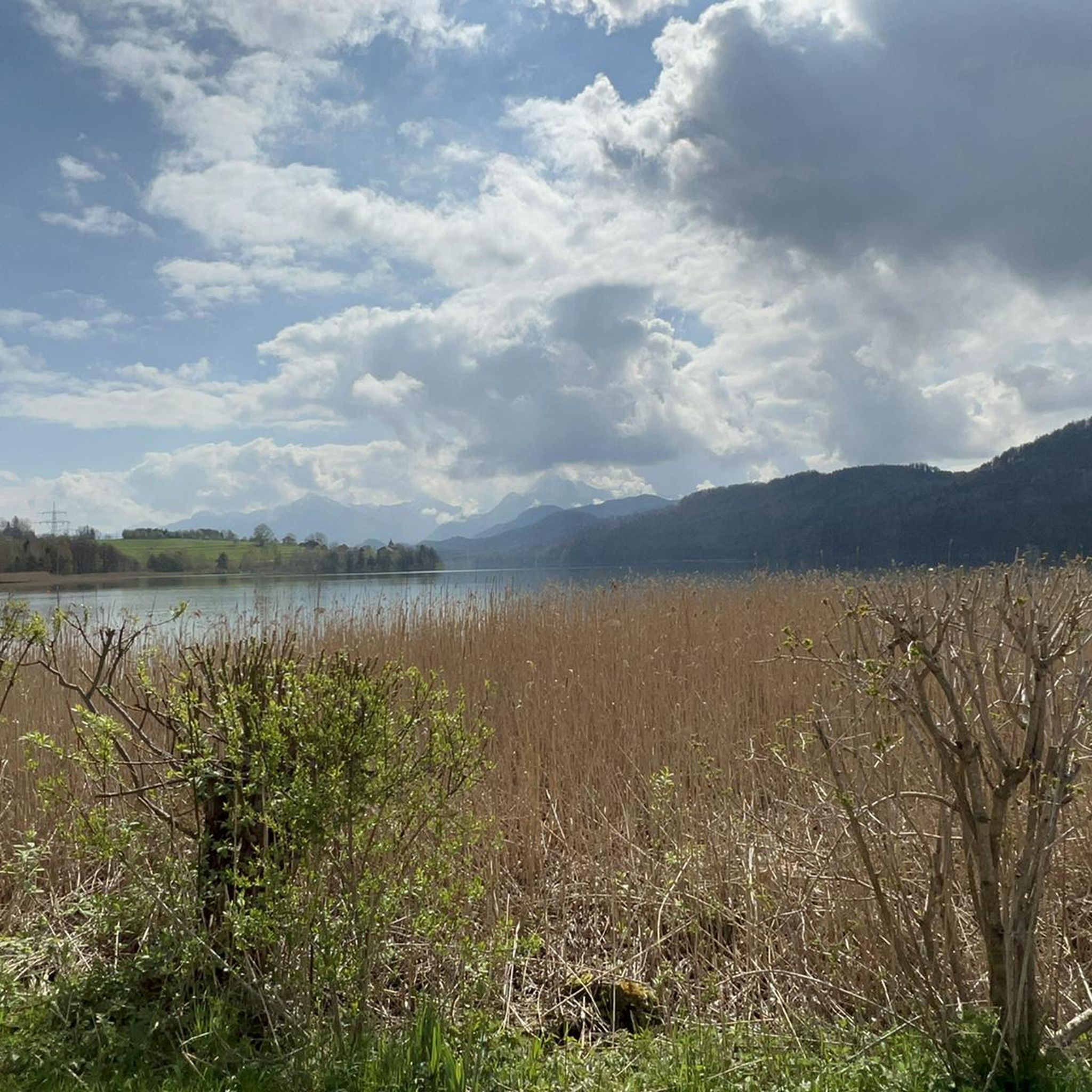
Schneidried Wetland on Weißensee
Highlight • Natural
Translated by Google •
Tip by

Sign up for free to discover even more natural monuments around Weißensee.
Sign up for free
Already have an account?
Start today with a free account
Your next adventure awaits.
Login or Signup
Tips from the Community

It's always amazing how nature finds its way.
0
0

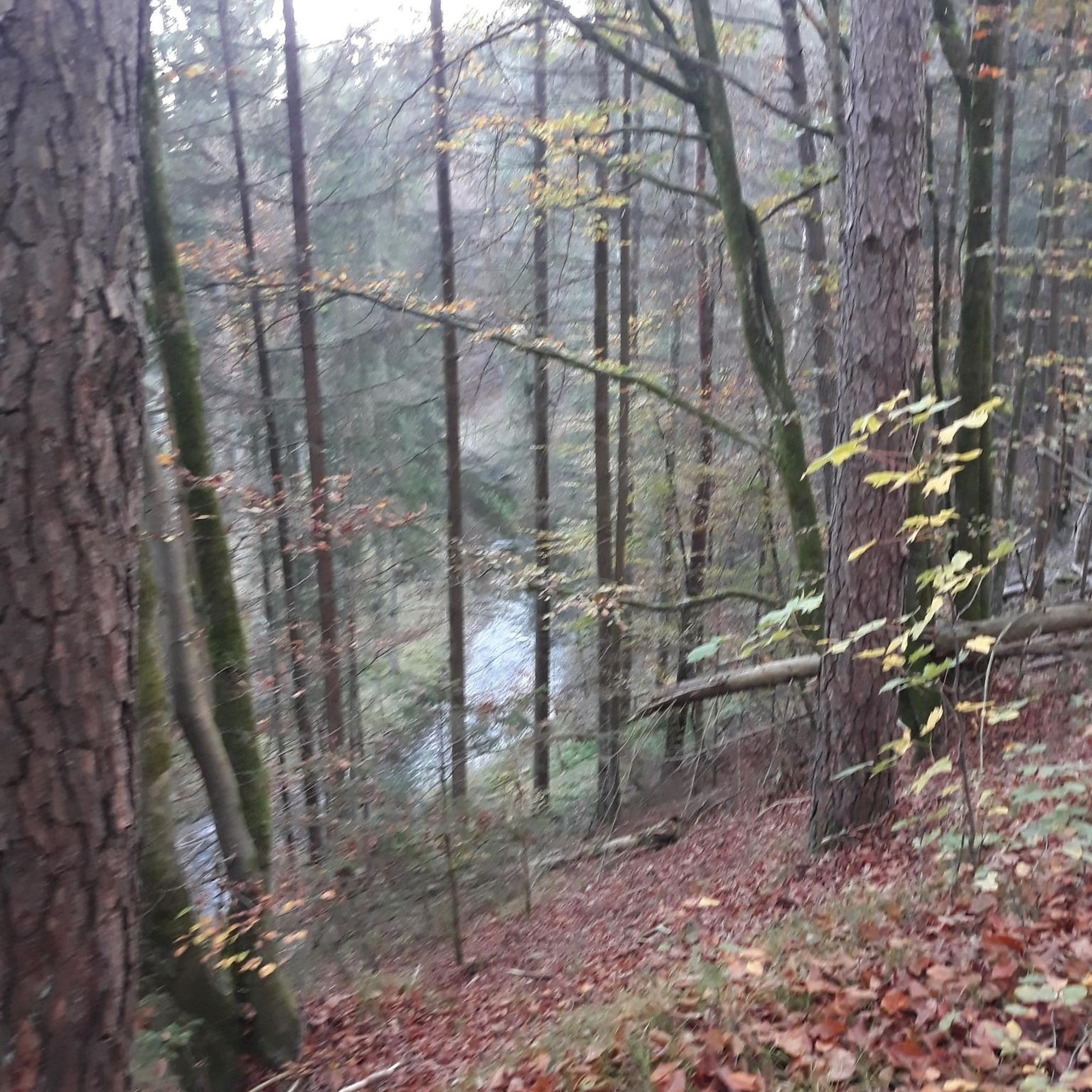
Fascinating how the tree holds onto the rock. Here you can see what nature can do.
0
0
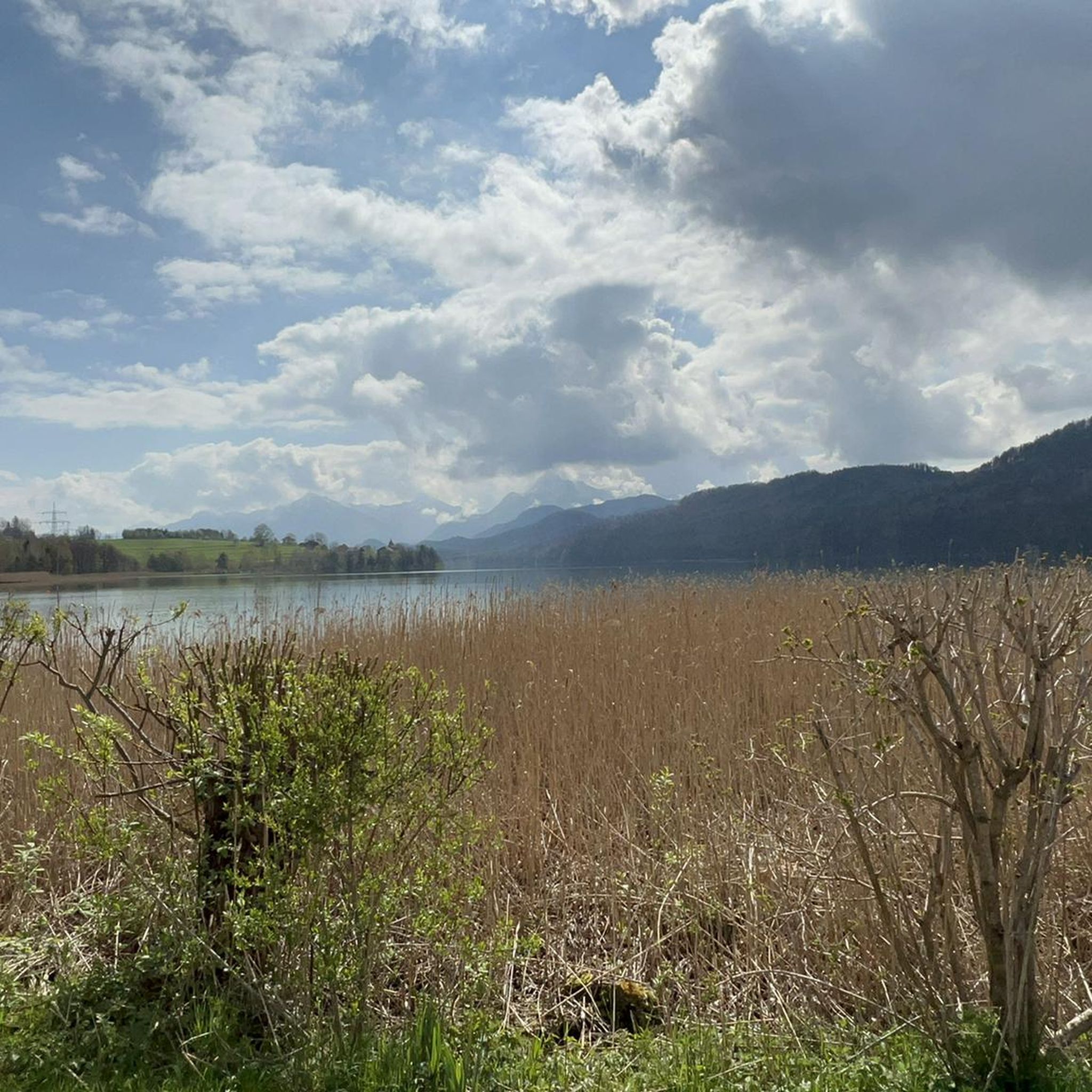
On the shore of Lake Weissensee
0
1

Magnusruh According to legend, the St. Gallen monk Magnus rested at this spot in 746 on his Christianization journey through the Füssen region.
0
0

The Schneidried is a survivor. It thrives in moors that are very poor in nutrients and wet all year round, especially over so-called lake chalk, and often shows groundwater discharges there. Although this type of vegetation is extremely species-poor, its rarity makes it one of the most ecologically interesting in all of Bavaria. In agricultural litter meadow management (production of bedding material for livestock stables), Schneidried was undesirable. The sharp leaf edges caused problems for livestock and were therefore excluded from litter meadow mowing. Source: https://fuessen-weissensee.de/wp-content/uploads/web_natur_kultur.pdf
1
1

A plaque on the rock marks a spot where the monk Magnus rested in 746. Magnus is an important person in the history of the Allgäu. He killed the dangerous snake Boa, which was wreaking havoc in Kempten, he killed the dragon of Roßhaupten, and he is considered the founder of the Benedictine monastery of St. Mang. The plaque in the forest above the Weißensee also marks a natural niche, a magical place in the Allgäu. Source: https://www.allgaeueralpen.com/2019/11/achtsam-im-allgaeu-kraftorte-magische-wandel-am-weissensee/
0
1

A beautiful memorial plaque is anchored there
0
1

Einfall a super nice area to bike
4
0
Frequently Asked Questions
What unique natural features can I expect to see around Weißensee?
The Weißensee region, particularly in the Alps, is known for its diverse natural features. You can explore unique geological formations like the Rock gate at the Weißensee, which offers stunning views of mountains and the lake. Another fascinating sight is the Tree Growing Out of the Rock at Weißensee, showcasing nature's resilience. The area also features significant wetlands such as the Schneidried Wetland on Weißensee.
Are there any hidden natural monuments worth discovering near Weißensee?
While the main highlights are well-known, the region offers more secluded spots. Alatsee, for instance, is a tranquil lake known for its scenic hiking trails and 'mysterious depths,' offering a peaceful escape. The Glätscherbach Falls also provide a hidden natural wonder with cascading waters in a serene forest setting, perfect for photography and quiet contemplation.
What makes the Weißensee lake itself a natural monument?
Lake Weißensee in the Alps is renowned for its crystal-clear, drinking-quality water and largely unspoiled shores. It is the highest swimming lake in the Alps, situated at 930 meters above sea level, and is a designated nature park. Its white edges, formed by limestone deposits, give the lake its name, meaning 'White Sea.' The commitment to gentle tourism, including a ban on motorboats, preserves its pristine natural state.
What is the significance of the Schneidried Wetland near Weißensee?
The Schneidried Wetland on Weißensee is ecologically significant because it thrives in nutrient-poor, wet moorlands, often over lake chalk, and frequently indicates groundwater discharges. Despite being species-poor, its rarity makes it one of Bavaria's most ecologically interesting vegetation types. Historically, it was undesirable in agricultural litter meadow management due to its sharp leaf edges.
Can you tell me more about the geological formations in the Weißensee region?
The Weißensee region is rich in geological features. One notable example is the Nagelfluh Boulder (Wertach Glacier, Oy-Lochmoos), which are large 'nail stones' transported to the region by the Wertachgletscher glacier. These erratics are often surrounded by local legends and sagas. The landscape around Lake Weißensee itself was shaped by glacial activity, contributing to its unique alpine character.
What kind of hiking trails are available around the natural monuments in Weißensee?
The Weißensee area offers extensive hiking opportunities, with over 200 km of trails. You can find easy hikes, such as the 'Alatsee south shore – Rock gate at the Weißensee loop from Fischbichl' or the 'Weissensee (Füssen) – Rock gate at the Weißensee loop from Weißensee'. For more options, explore the Easy hikes around Weißensee guide.
Are there options for road cycling or running near the natural monuments?
Yes, the region provides excellent opportunities for both road cycling and running. There are 13 mountain bike trails totaling 160 km, and numerous road cycling routes like the 'View of the Allgäu Alps – View of Neuschwanstein Castle loop from Weißensee'. For runners, trails such as the 'Weissensee (Allgäu) – Weissensee near Moos loop from Weißensee' are available. You can find more details in the Road Cycling Routes around Weißensee and Running Trails around Weißensee guides.
Are there family-friendly natural monuments or activities in the Weißensee area?
Many natural monuments in the Weißensee region are suitable for families. The Tree Growing Out of the Rock at Weißensee and the Schneidried Wetland on Weißensee are both marked as family-friendly. The Nagelfluh Boulder is also a great spot for families. Additionally, the clear waters of Lake Weißensee offer swimming and other water activities that are popular with all ages.
What historical sites are integrated with the natural monuments around Weißensee?
The region blends natural beauty with historical significance. A notable example is Magnusruh (Resting Place of Saint Magnus). This site features a rock passage and is associated with a historical event where Saint Magnus is said to have taken a break, offering a unique combination of natural formation and local legend.
What do visitors enjoy most about the natural monuments around Weißensee?
Visitors frequently praise the stunning views and the pristine natural environment. The Rock gate at the Weißensee is often highlighted for its awesome mountain and lake views. The unique natural phenomena, like the Tree Growing Out of the Rock at Weißensee, are also highly appreciated for their mystical and creative display of nature.
Is there a Weißensee in Berlin with natural monuments, and how does it compare?
Yes, there is also a Weißensee district in Berlin, which features its own natural highlights centered around the Weißer See (White Lake). This urban lake is a popular spot for recreation, with a lido and surrounding park. The district also includes the Nature Reserve Am Faulen See, home to diverse bird species and rare plants. While the alpine Weißensee focuses on pristine mountain and lake environments, the Berlin Weißensee offers a green retreat within an urban setting.
What is the best time of year to visit the natural monuments in the alpine Weißensee region?
The alpine Weißensee region is beautiful year-round, but the best time depends on your preferred activities. Summer (June to August) is ideal for swimming in Lake Weißensee, hiking, and mountain biking, with water temperatures reaching up to 25 degrees Celsius. Spring and autumn offer pleasant temperatures for hiking and cycling, with vibrant foliage in autumn. Winter provides opportunities for winter hiking and enjoying the snow-covered landscape, especially around the frozen lake.
Most popular routes around Weißensee
Most popular attractions around Weißensee

Get inspired with the komoot mobile app


Explore more
Extend your search for the best caves by checking out these guides of the top ones around Weißensee:
