Top 7 Natural Monuments around Altausseer Lake
Best natural monuments around Altausseer Lake include a mountain lake situated at 712 meters above sea level, known for its clear, deep blue waters. The entire lake area has been under nature conservation since 1959, preserving its pristine state. Its basin was sculpted by glacial movement, forming approximately 16,000 years ago. The region offers diverse natural features, from prominent peaks to unique geological formations.
Best natural monuments around Altausseer Lake
- The most popular natural monuments is Lake Altaussee, a…
Last updated: June 27, 2026
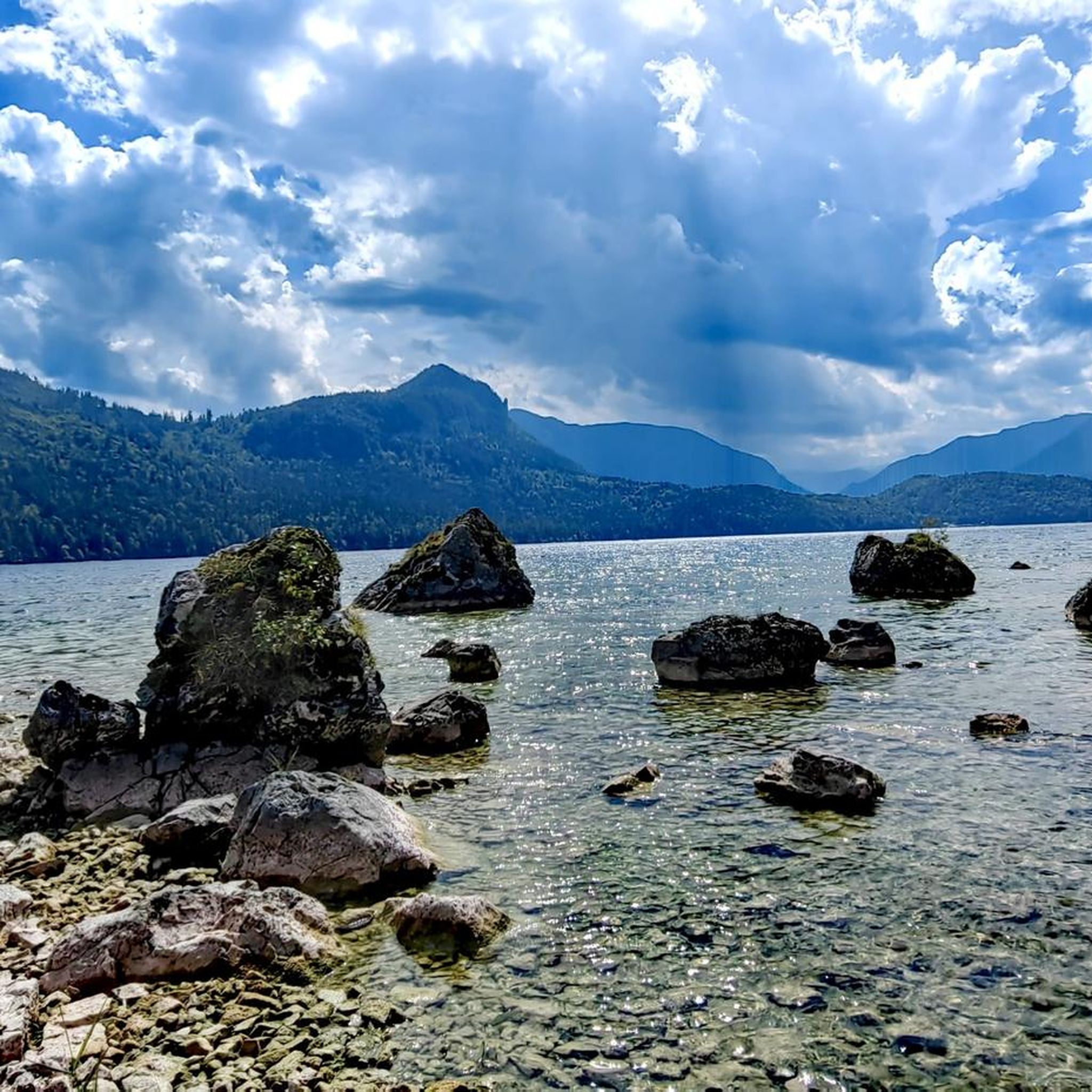
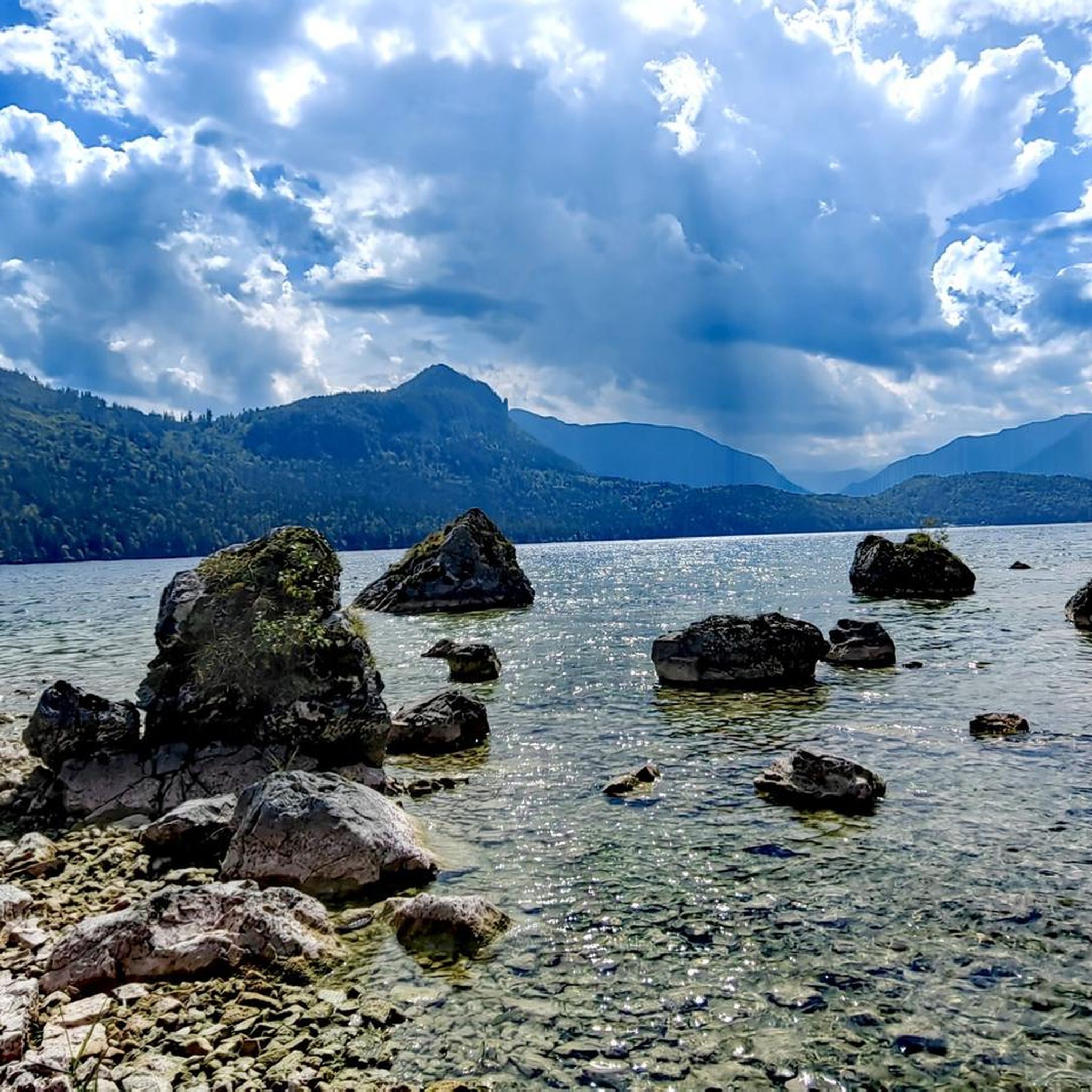
Lake Altaussee
Highlight • Lake
Translated by Google •
Tip by

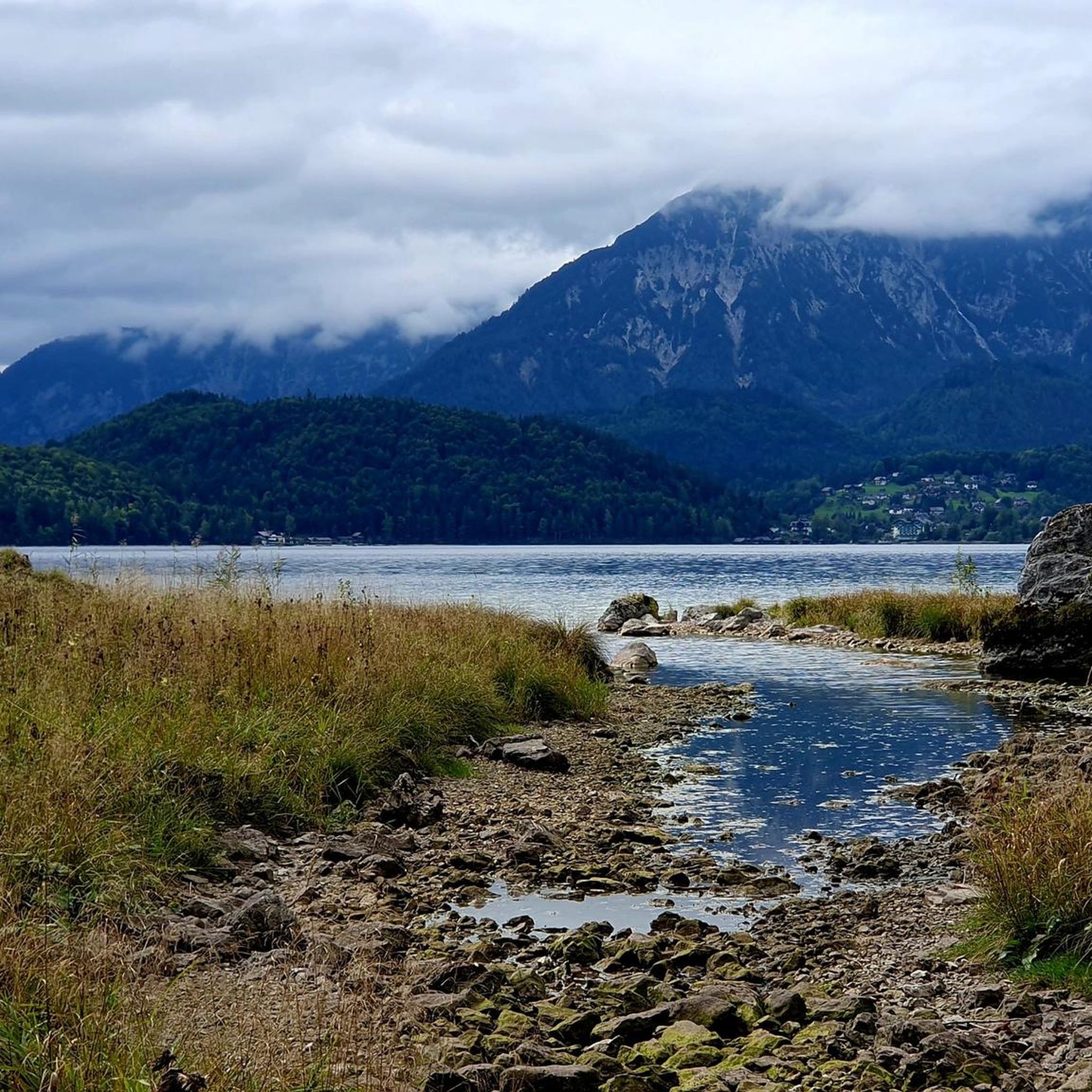
Lakeside Trail at Lake Altaussee
Highlight • Trail
Translated by Google •
Tip by

Sign up now to discover places like this
Get recommendations on the best single tracks, peaks, & plenty of other exciting outdoor places.
Sign up for free
Altaussee Graduation Tower
Highlight • Structure
Translated by Google •
Tip by

View of the Loser
Highlight • Viewpoint
Translated by Google •
Tip by

View of the Dachstein
Highlight • Viewpoint
Translated by Google •
Tip by

Sign up for free to discover even more natural monuments around Altausseer Lake.
Sign up for free
Already have an account?
Start today with a free account
Your next adventure awaits.
Login or Signup

Other adventures around Altausseer Lake

Tips from the Community


Sorry, it's for recovery. The word "grading" is derived from "grading brine"...healing from the depths, a healing spring with the healing properties of the spring. The round graduation tower: In 1956, an open-air graduation tower was built near the Seeklause, where brine from the Altaussee salt mine is used. This brine drips over the fir branches of the graduation tower, and the atomization of the dripping brine releases essential oils, providing immediate relief for those suffering from bronchial congestion and asthma. The structure itself consists of a wooden frame that is filled with fir branches once a year. The filling of the graduation tower is entirely manual labor. The annual cleaning of the facility, chopping the fir branches in the forest, and filling it with the brine require approximately two weeks of work! These activities are carried out primarily by volunteers from the local community! The square graduation tower: This structure is covered with fir shingles, over which the brine trickles. Wind and sun contribute to the evaporation of the water in the brine. The trickling brine enriches the air in the graduation tower with salt, and the water droplets bind particles in the air. Effect: A stay in the graduation tower has a positive effect similar to that of sea air, for example, for people with pollen allergies, asthmatics, and others. The airways are moistened and the walls of the respiratory organs are positively influenced. The fine salt crystals have a secretion-loosening effect, intensively cleanse the airways of bacteria, and reduce swelling of the mucous membranes. This can not only provide relief and health benefits, but can also have a preventative effect. Regular use is therefore very beneficial. (https://www.altaussee.at/gradieranlage)
0
0

How do you breathe in the graduation tower? Generally, simply being in the brine- and resin-rich air and breathing freely through your nose and mouth while walking casually is sufficient. The effect is enhanced by conscious, deep chest breathing. Pushing the chest orb forward while inhaling and exhaling completely while lowering the chest orb. The breathing techniques prescribed by your doctor apply in detail.
1
0
The Graduation Tower as a Meal The Round Graduation Tower In 1956, an open-air graduation tower was built near the Seeklause, using brine from the Altaussee salt mine. This brine drips over the graduation tower's fir branches, and the atomization of the dripping brine releases essential oils that provide immediate relief for those suffering from bronchial congestion and asthma. The structure itself consists of a wooden frame that is filled with fir branches once a year. The filling of the graduation tower is entirely manual. The annual cleaning of the facility, chopping the fir branches in the forest, and filling the spaces require approximately two weeks of labor! These activities are primarily carried out through voluntary labor from the local community. The Square Graduation Tower This structure is covered with fir shingles, over which the brine trickles. Wind and sun contribute to the evaporation of the water in the brine. As the brine trickles down, the air in the graduation tower is enriched with salt, and the water droplets bind particles in the air. Effect: Spending time in the graduation tower has a positive effect similar to that of sea air, for example, for people with pollen allergies, asthmatics, and others. The airways are moistened and the walls of the respiratory organs are positively influenced. The fine salt crystals have a secretion-loosening effect, intensively cleanse the airways of bacteria, and reduce swelling of the mucous membranes. Regular use has a very beneficial effect. This can not only provide relief and health benefits, but can also have a preventative effect. Regular use is therefore very beneficial.
1
0


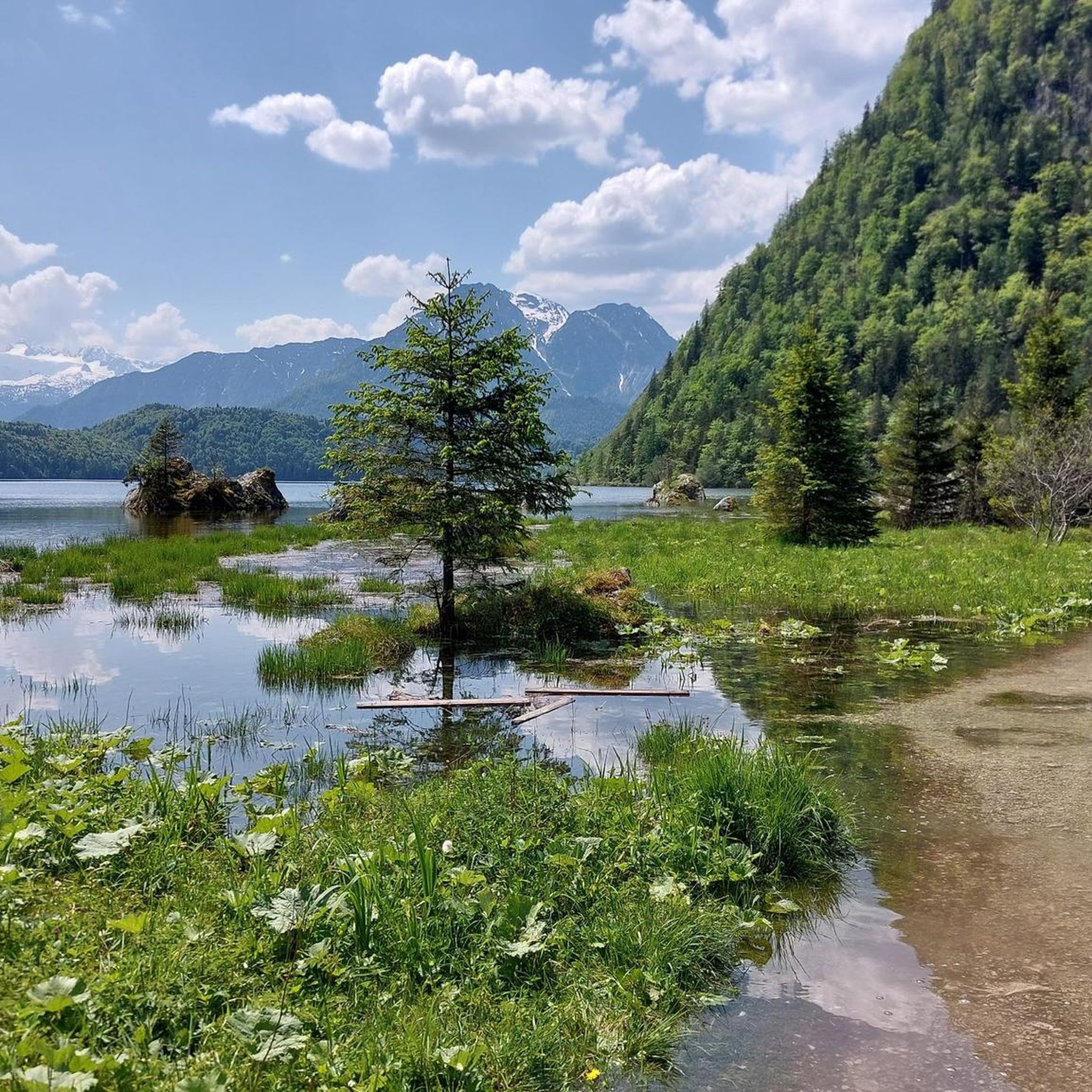
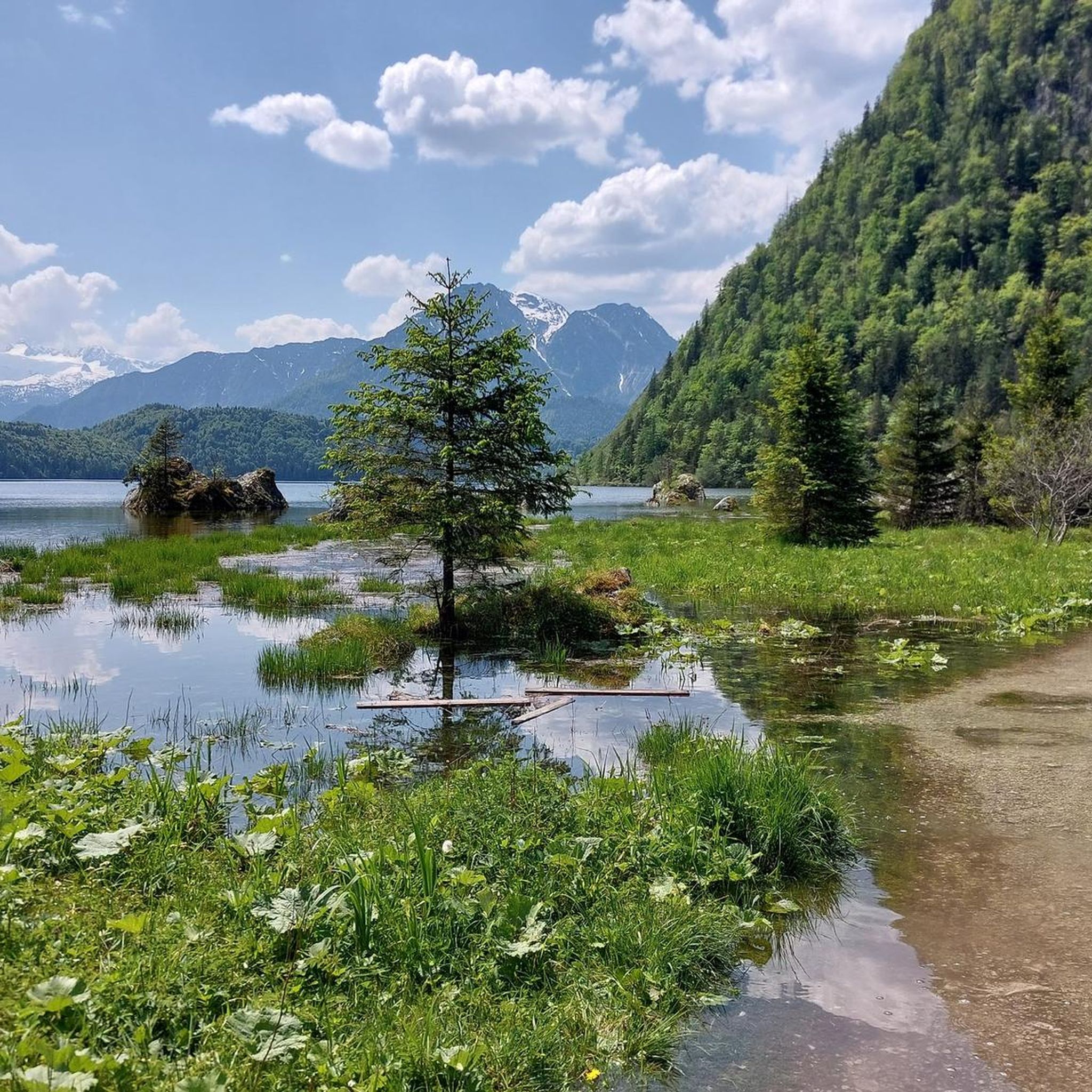
Great view of the Dachstein. If you're lucky, only slightly covered with clouds
0
0
The path is very easy to walk
0
0
Frequently Asked Questions
What unique geological features can be found around Altausseer Lake?
The region around Altausseer Lake is rich in geological significance. The lake basin itself was sculpted by glacial movement during the ice ages. The prominent Loser Mountain is predominantly composed of Dachstein limestone from the Triassic period, while the Trisselwand exhibits Oberalmer Formation and Tressensteinkalk from the Jurassic period. You can also find fascinating features like the Loserfenster, a natural rock arch on Loser Mountain.
Are there any hidden natural gems near Altausseer Lake worth exploring?
Yes, a notable hidden gem is the Ostersee, a small, tranquil lake discreetly situated east of Altausseer Lake. It offers a secluded atmosphere and can be reached as part of the longer circular hiking route around Altausseer Lake. Another unique find was the Ancient Silver Fir from Lake Altaussee, a 1,400-year-old tree recovered from an underwater forest in the lake.
What are the most impressive viewpoints to experience the natural monuments?
For breathtaking panoramic views, the Loser Panoramastraße leads to nearly 1,600 meters, offering vistas of Altausseer Lake, the Dachstein Glacier, and the Totes Gebirge. Another excellent spot is the View of the Dachstein, which provides a wonderful perspective of the Dachstein Mountains. The View of Trisselwand offers continuous vistas of its mighty rock faces from around the lake.
What makes Altausseer Lake itself a significant natural monument?
Altausseer Lake is a mountain lake at 712 meters above sea level, renowned for its crystal-clear, deep blue waters, often called the 'dark blue inkwell.' Its largely undeveloped shores and wetlands provide vital habitats for numerous species. The entire lake area has been under nature conservation since 1959, preserving its pristine state, making it one of the most beautiful lakes in the Salzkammergut.
What hiking trails are available to explore the natural monuments around Altausseer Lake?
A popular option is the 7.4 km long circular hiking trail around Lake Altaussee, offering picturesque views of the surrounding mountains. For more options, you can explore various routes in the Hiking around Altausseer Lake guide, including trails like the 'View of the Dachstein – View of Trisselwand loop from Altaussee'.
Are there any challenging hikes for experienced trekkers?
Yes, the region offers challenging routes. For instance, the 'View of Grundlsee – Trisselwand Summit loop from Altaussee' is considered difficult. Another demanding option is the 'Trisselwand Summit – View from Trisselberg loop from Altaussee' found in the Mountain Hikes around Altausseer Lake guide.
What outdoor activities can I do near these natural monuments besides hiking?
Beyond hiking, Altausseer Lake is ideal for swimming, paddleboarding, and boat rides. The Loser Mountain is popular for its scenic drive and summit trail. You can also find various mountain biking trails, such as those listed in the MTB Trails around Altausseer Lake guide, including routes like the 'Ödensee – Lake Ödensee loop from Altaussee'.
What is the best time of year to visit the natural monuments around Altausseer Lake?
The region is beautiful year-round. Spring and summer are ideal for hiking, swimming, and enjoying the clear lake waters, with the Daffodil Festival occurring every third year. Autumn offers stunning foliage. While winter activities are possible, specific natural monuments might have limited accessibility due to snow, especially at higher elevations like Loser Mountain.
Are there family-friendly natural monuments or activities in the area?
Absolutely. Lake Altaussee itself is very family-friendly, offering swimming and easy walks along its shores, such as the Lakeside Trail at Lake Altaussee. The Loser Panoramastraße provides easy access to stunning views without strenuous hiking, and the Augstsee near the mountain station is a picturesque spot for families.
What do visitors enjoy most about the natural monuments around Altausseer Lake?
Visitors consistently praise the stunning scenic beauty, particularly the crystal-clear, deep blue waters of Lake Altaussee and the panoramic views from Loser Mountain. The peaceful atmosphere, the well-maintained trails, and the impressive rock formations of the Trisselwand are also frequently highlighted. The area's natural preservation since 1959 contributes to a truly pristine experience.
Is it possible to bring dogs to the natural monuments and trails?
While specific regulations can vary, many outdoor areas and trails around Altausseer Lake are generally dog-friendly, especially the circular path around the lake. It's always advisable to keep dogs on a leash, particularly in nature conservation areas and near wildlife, and to clean up after them. Always check local signage for any specific restrictions.
What is the significance of the Trisselwand?
The Trisselwand, located east of Altausseer Lake, is significant for its striking rock face, rising approximately 600 meters high. Geologically, it features Oberalmer Formation and Tressensteinkalk from the Jurassic period. It's a major attraction for climbers due to its various routes, and for non-climbers, viewpoints like the View of Trisselwand offer continuous vistas of its mighty rock formations.
What is the Loser Mountain known for?
Loser Mountain, towering to the north of Altausseer Lake, is known for its breathtaking panoramic views of the lake, the Dachstein Glacier, and the Totes Gebirge range. It's easily accessible via the Loser Panoramastraße. Notable features include the Loserfenster, a natural rock arch, and the idyllic Augstsee mountain lake. It's a popular destination for hiking and scenic drives.
Most popular routes around Altausseer Lake
Most popular attractions around Altausseer Lake

Get inspired with the komoot mobile app


Explore more
Extend your search for the best caves by checking out these guides of the top ones around Altausseer Lake:
