Top 19 Natural Monuments around Ebro / Ebre
Natural monuments around Ebro / Ebre offer diverse landscapes, from expansive wetlands to rugged mountains. The region, a UNESCO Biosphere Reserve, features significant natural areas like the Ebro Delta Natural Park, Ports de Tortosa-Beseit, and Serra del Montsià. These areas provide varied environments for exploration, showcasing unique geological formations and rich biodiversity. The Ebro River's influence is central to many of these natural features.
Best natural monuments around Ebro / Ebre
- The most popular natural monuments is Turquoise Pools and…
Last updated: June 27, 2026
Turquoise Pools and Waterfalls of Orbaneja del Castillo
Highlight • Waterfall
Translated by Google •
Tip by

Source of the Ebro River
Highlight • River
Translated by Google •
Tip by

Sign up now to discover places like this
Get recommendations on the best single tracks, peaks, & plenty of other exciting outdoor places.
Sign up for free
Trespaderne
Highlight • Trail
74.5 kilometers. 480 positive meters.
The third day of the gravel adventure has little description and no possibility of confusion, it follows the same section of the …
Translated by Google •
Tip by

Poza de la Sal Salt Flats and Old Railway Station
Highlight • Historical Site
74.5 kilometers. 480 positive meters.
The third day of the gravel adventure has little description and no possibility of confusion, it follows the same section of the …
Translated by Google •
Tip by

Observation Towers on the River Walk, Parc Natural del Delta de l'Ebre
Highlight • Viewpoint
Translated by Google •
Tip by

Sign up for free to discover even more natural monuments around Ebro / Ebre.
Sign up for free
Already have an account?
Start today with a free account
Your next adventure awaits.
Login or Signup
Popular around Ebro / Ebre
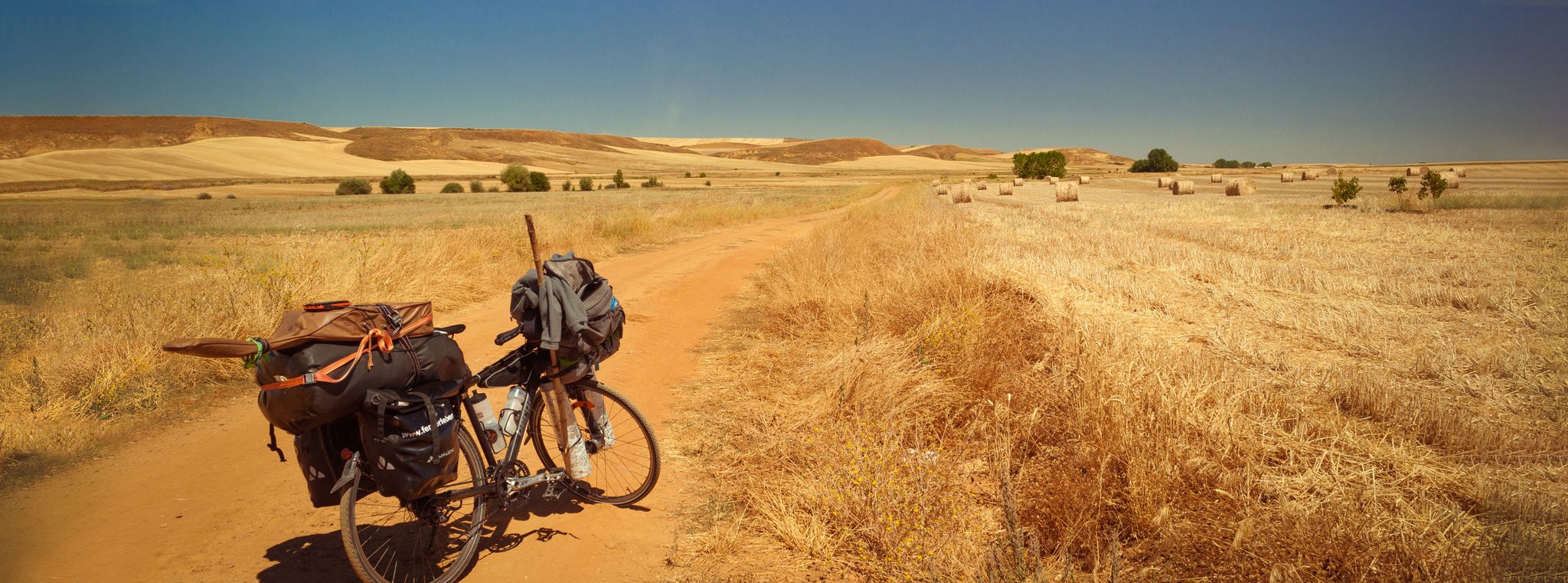
Camino Francés and Camino Finisterre – Cycling pilgrimages in Spain
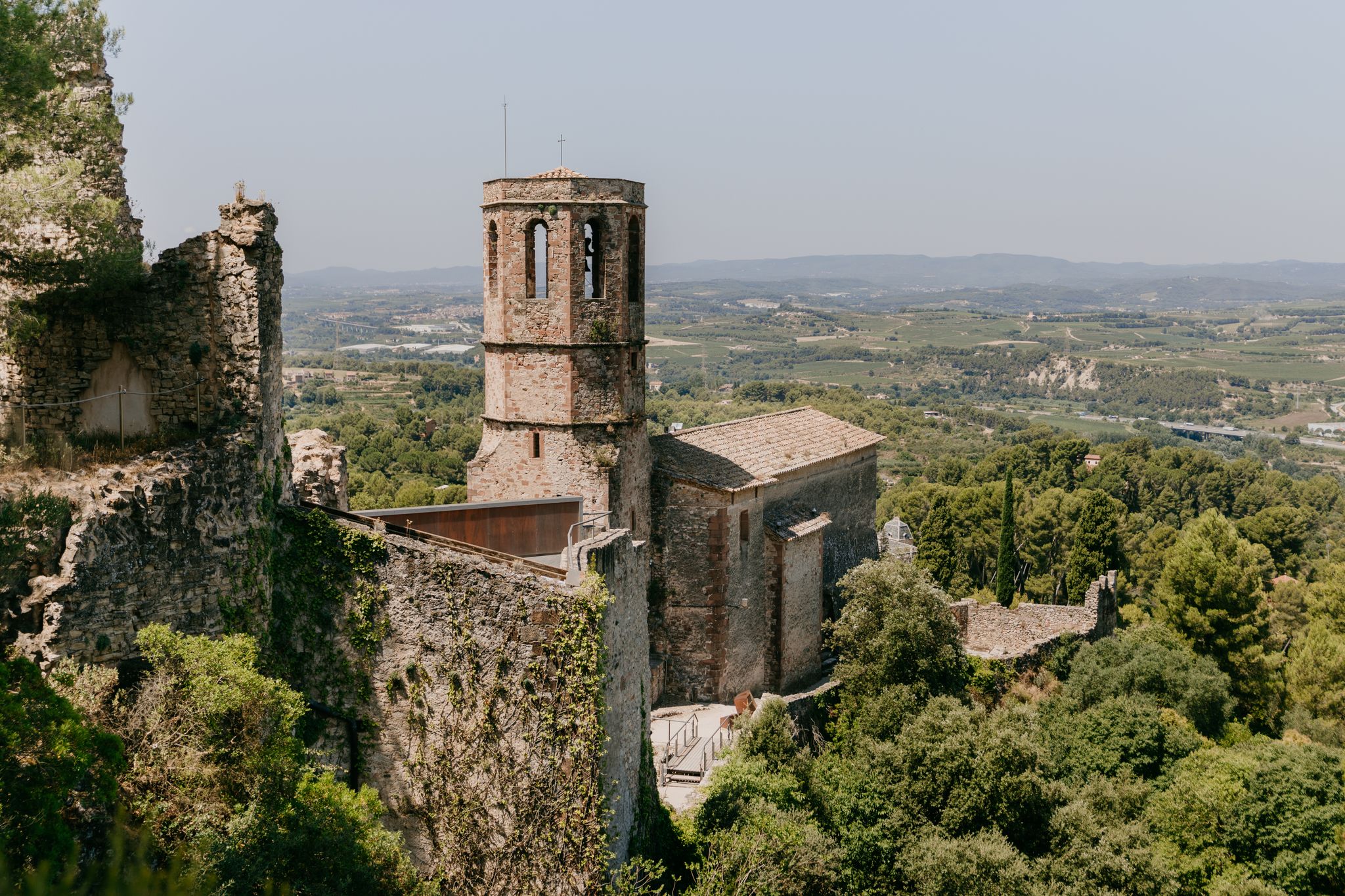
Catalonia by bike — Itineraries between culture and nature
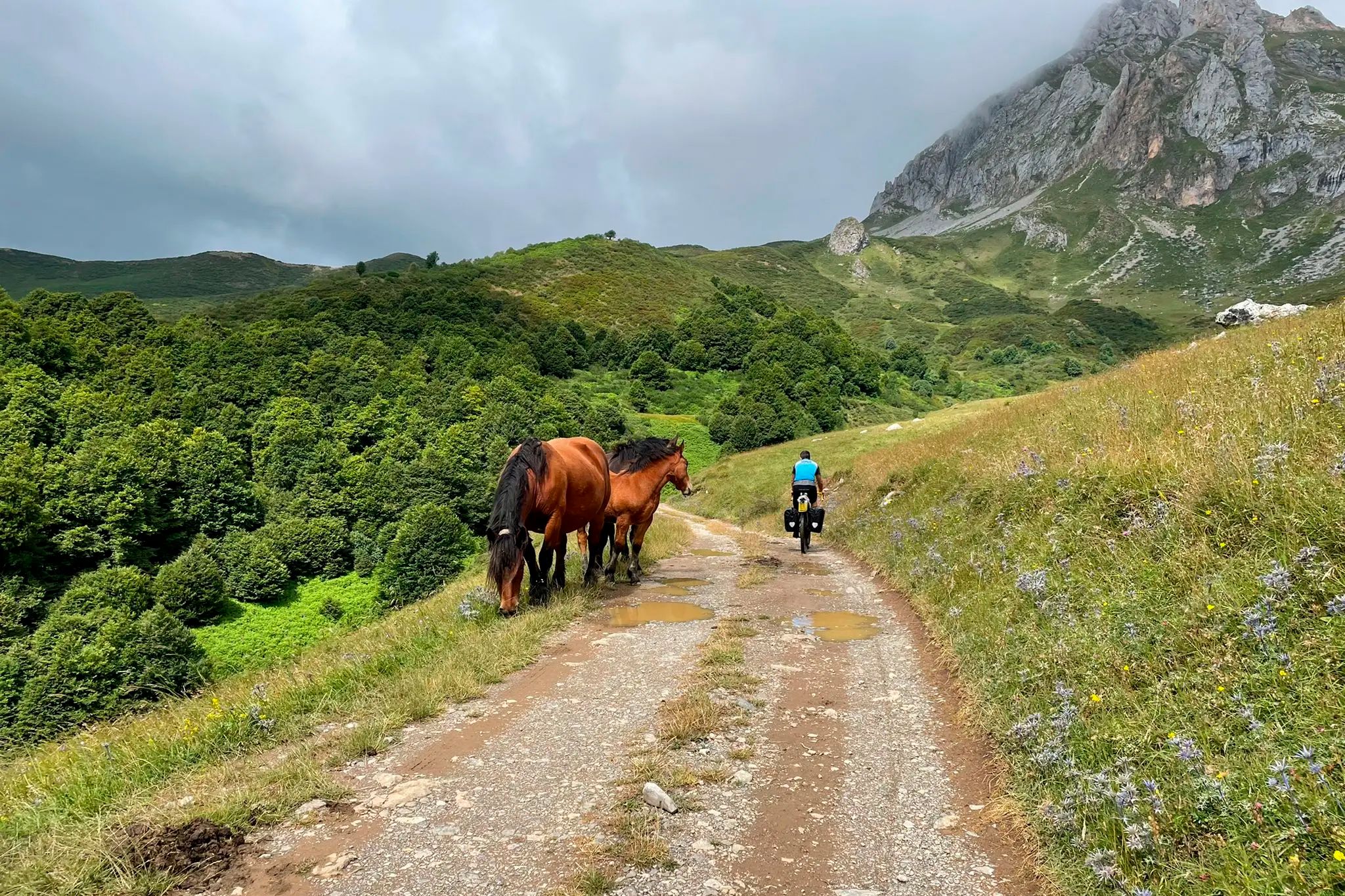
TransCantabrica – Extreme mountain biking in northern Spain
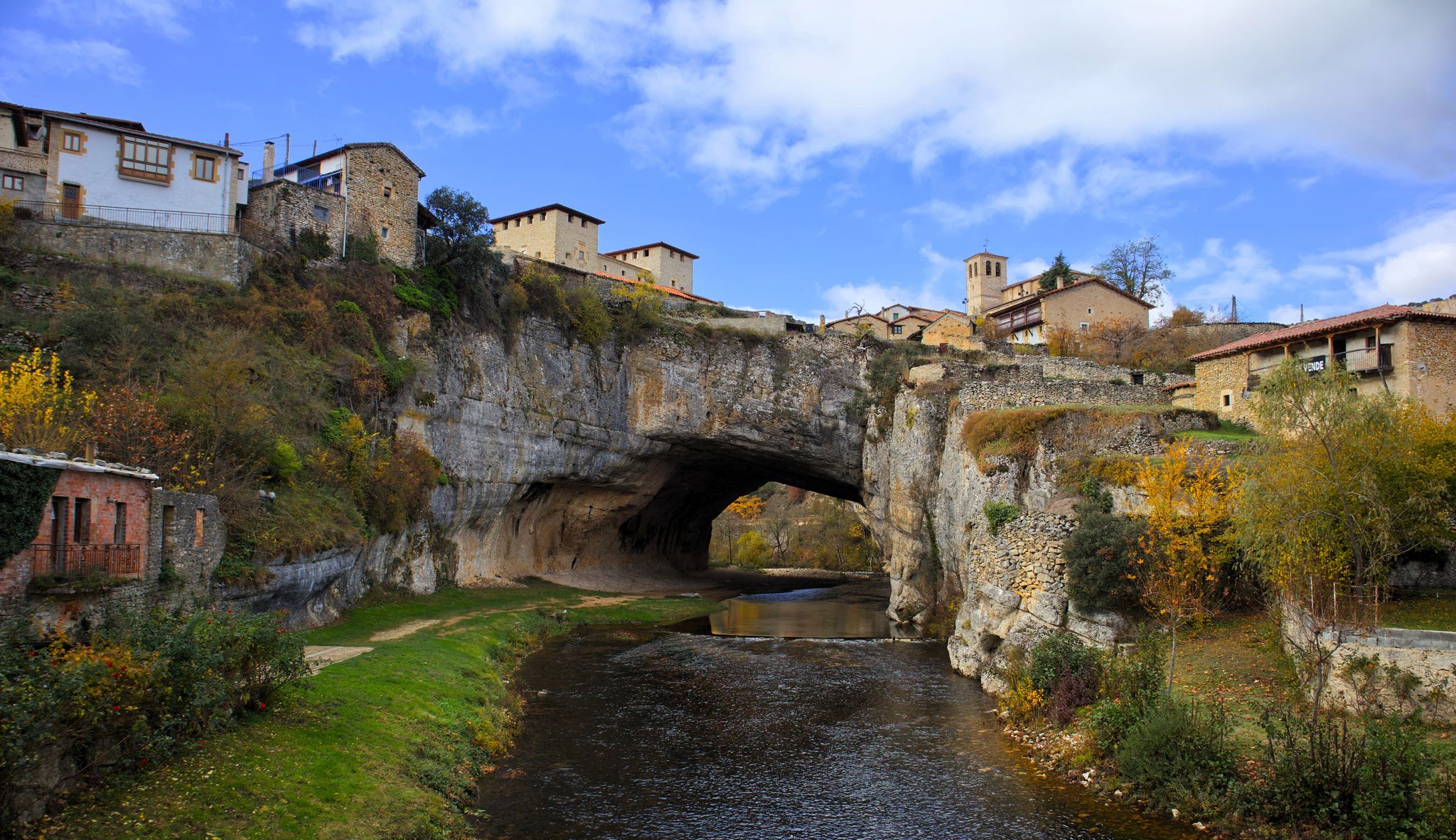
Endless valleys and historic villages – Route of the Senses (GR 85)
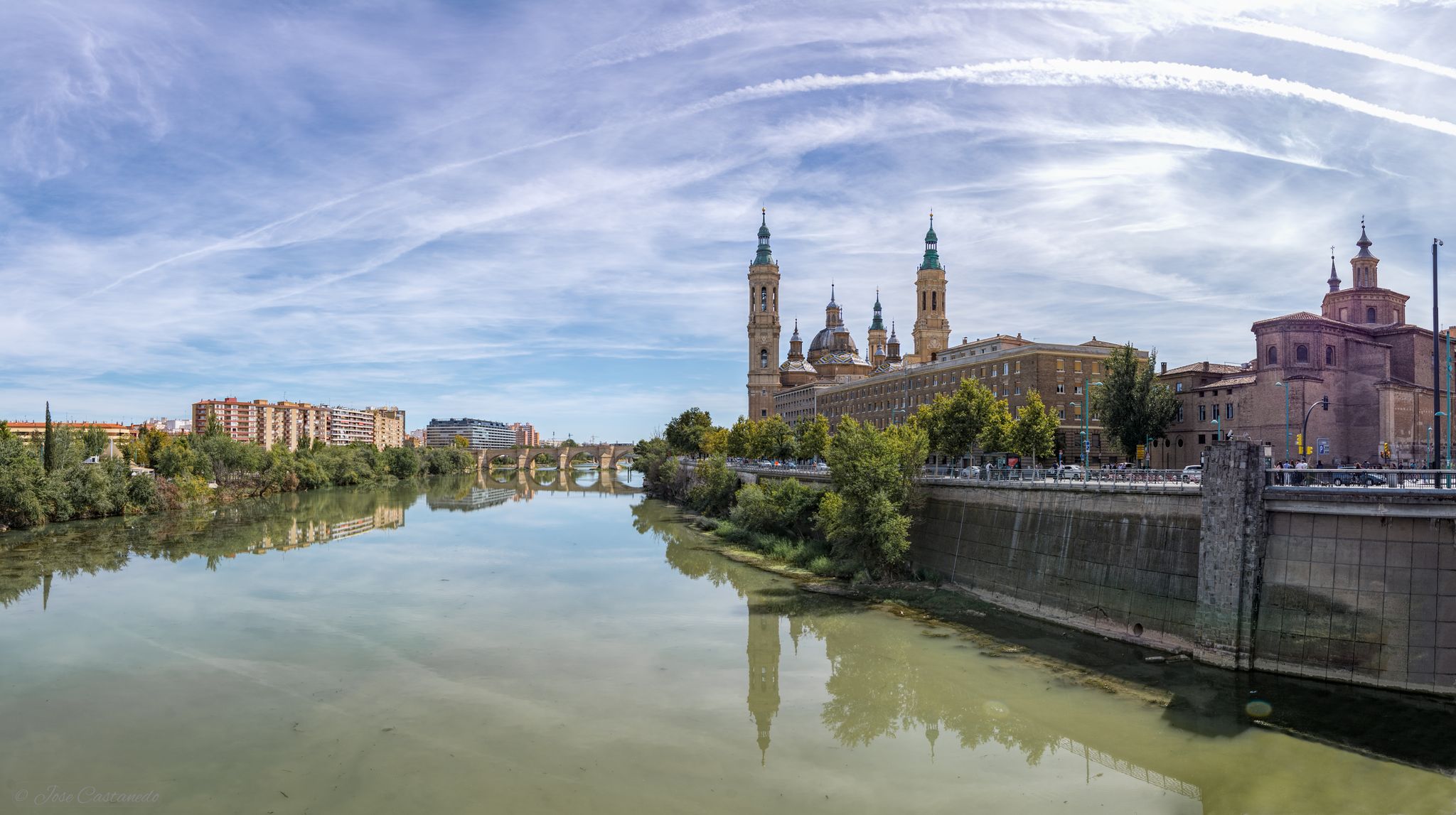
A river getaway – Ebro Natural Trail (GR 99)
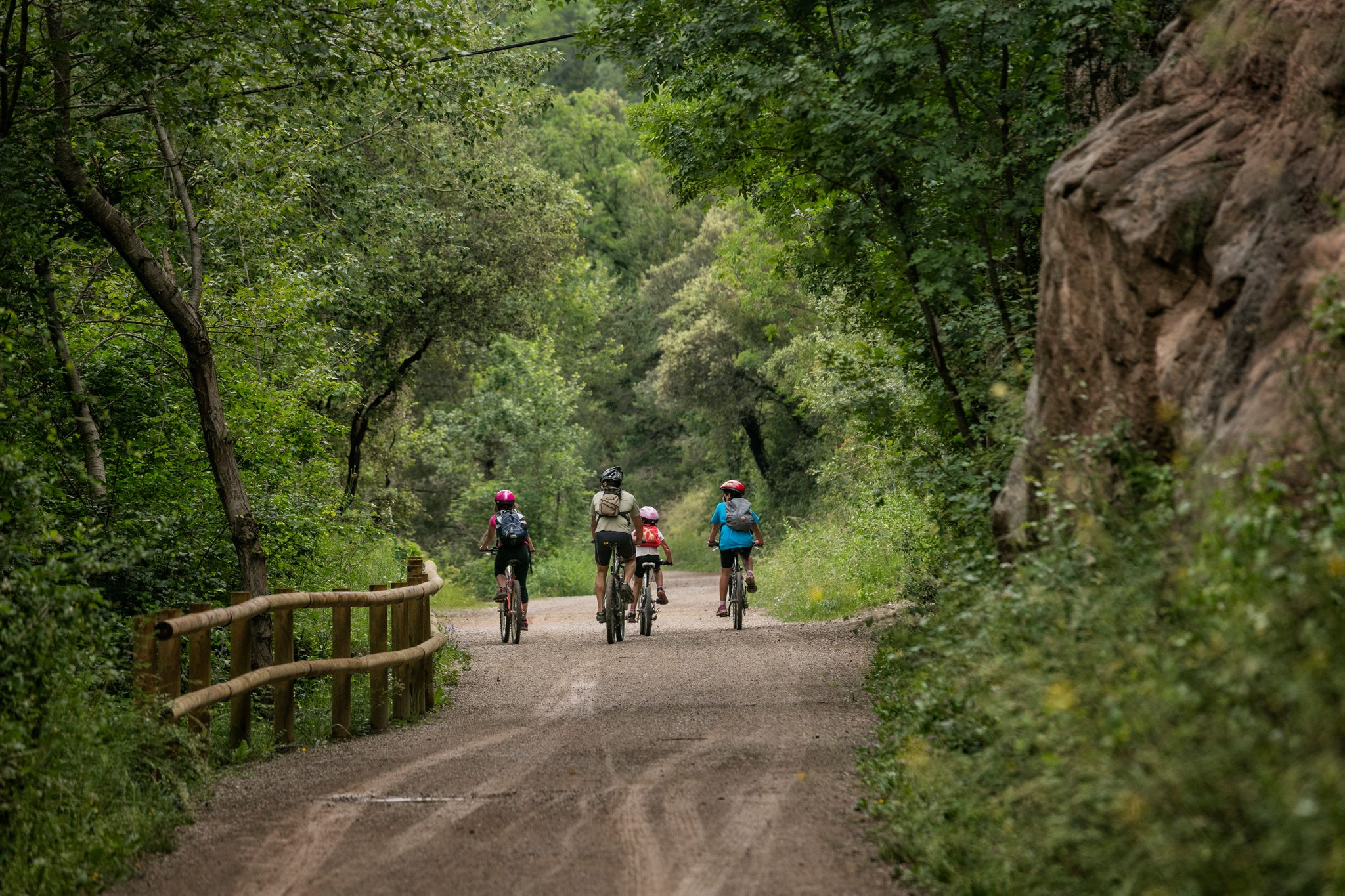
Discover Catalonia on your bike
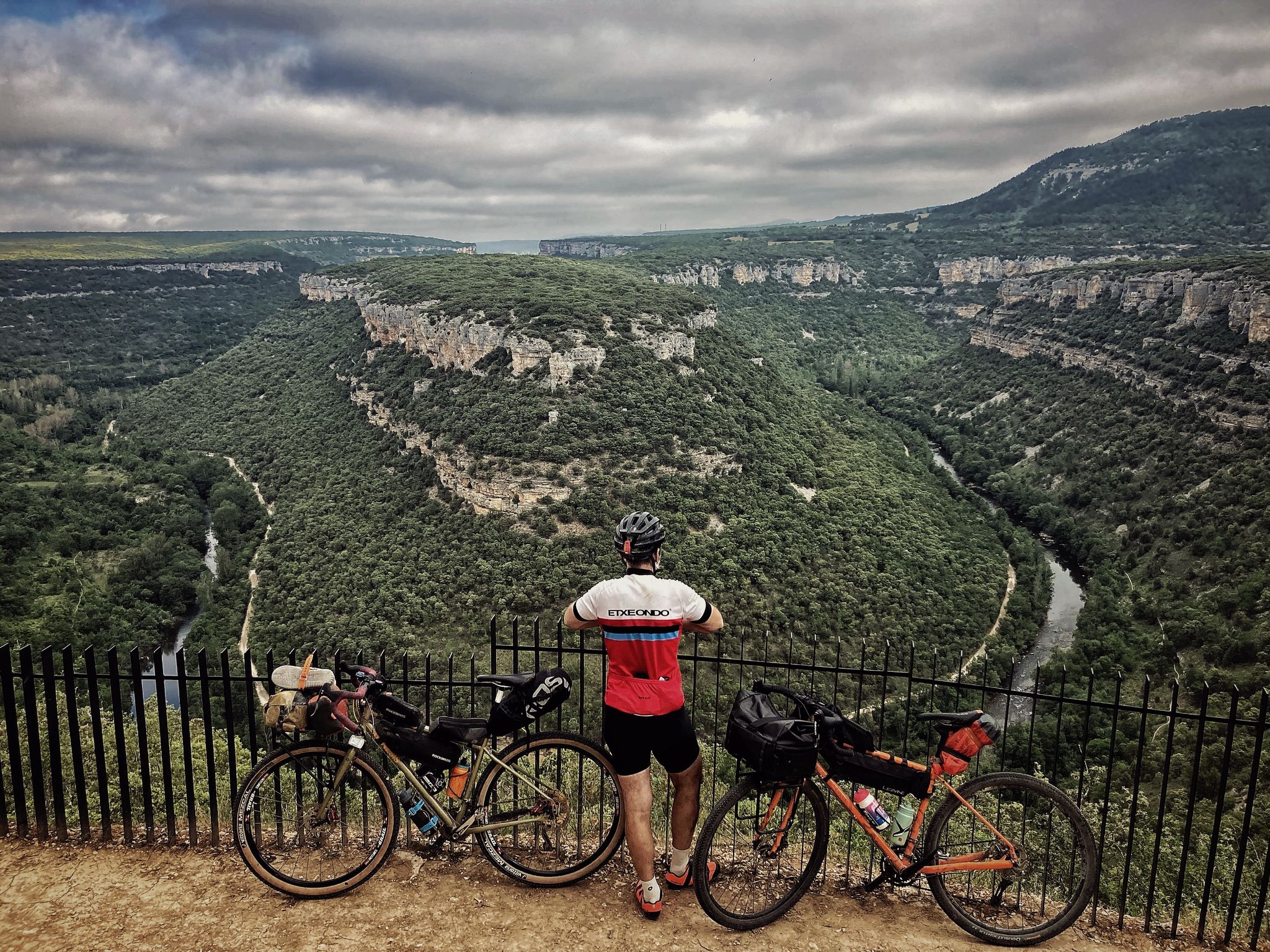
Spain's great river by bike – the Ebro Nature Trail
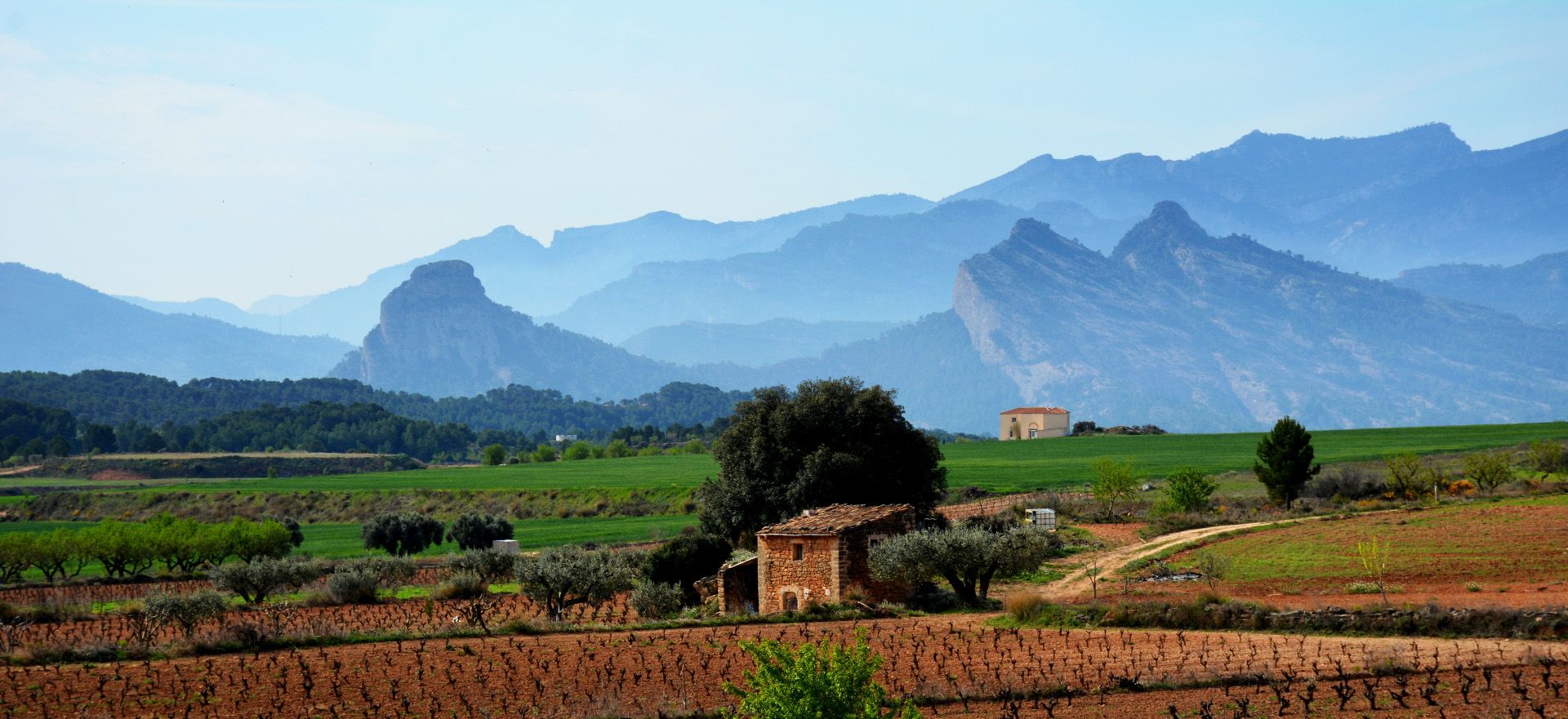
From the heart of southern Catalonia – GR 171
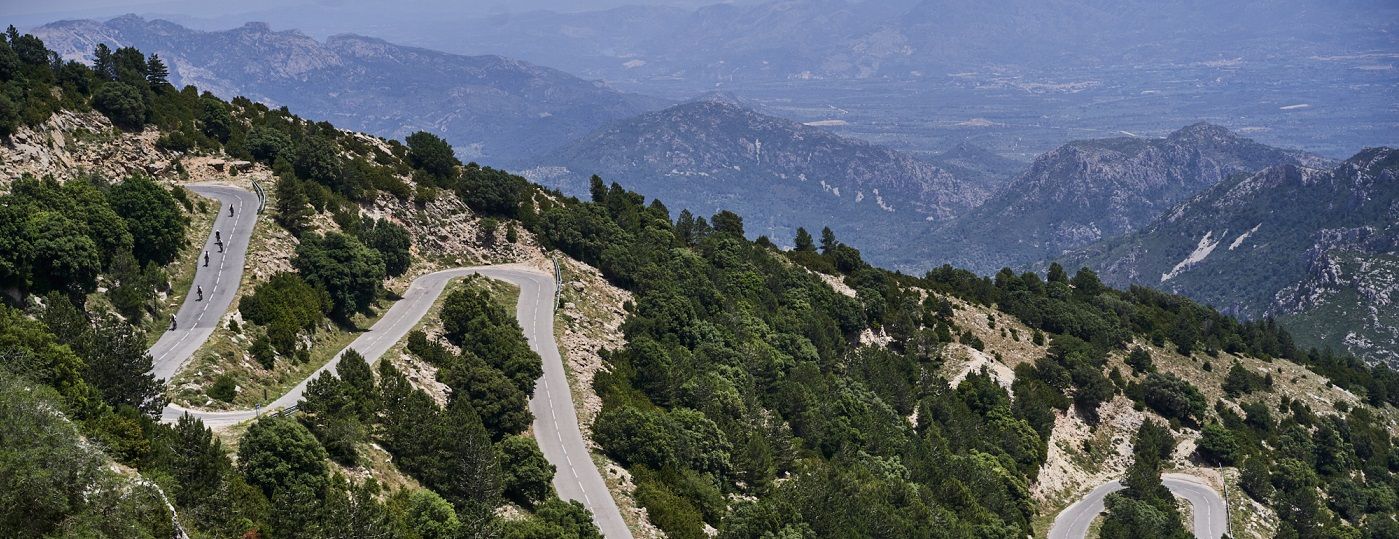
Explore Spain’s Ebro lands – a cycling paradise
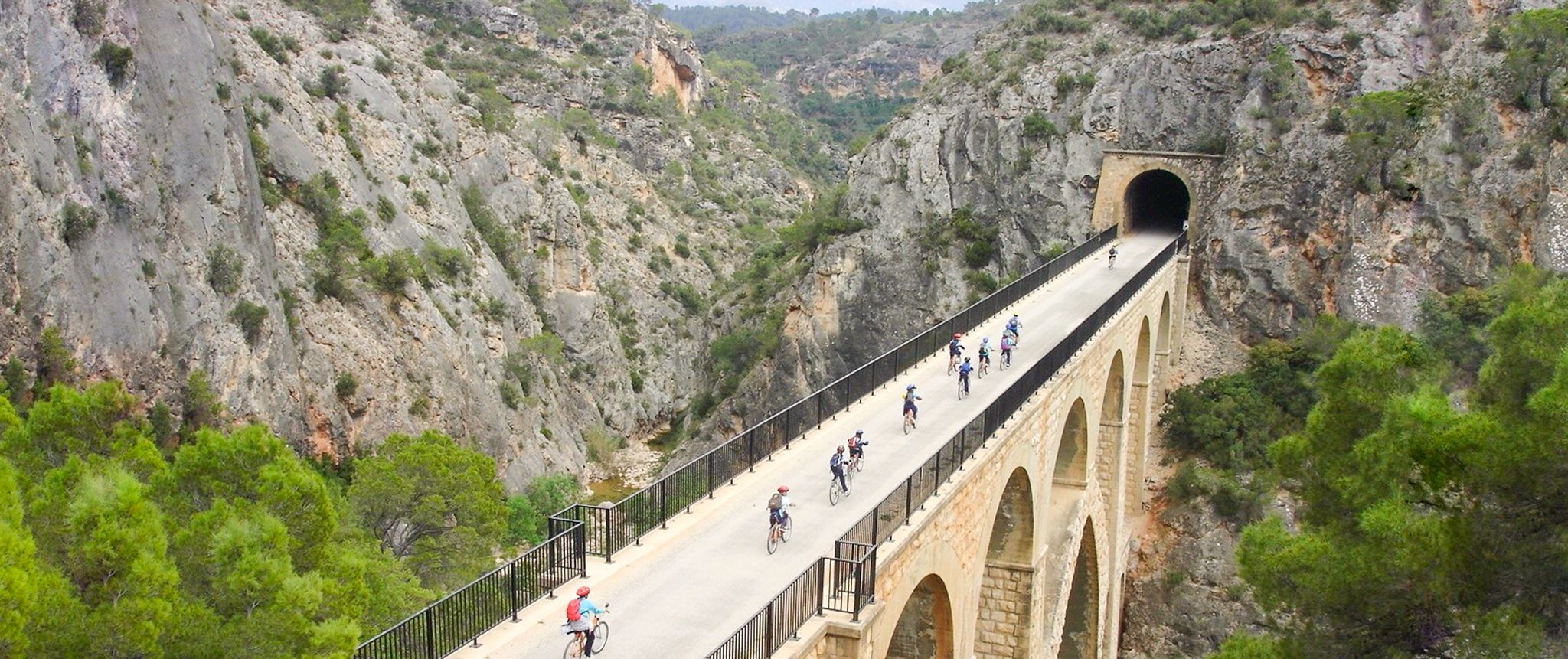
Vías Verdes – traffic-free cycling along railway history in Spain
Other adventures around Ebro / Ebre


Tips from the Community

The waterfall springs from the Cueva del Agua from a height of over 20 meters, at the base of the rocky cirque that embraces the village, originating from an aquifer located in the subsoil of the Páramo de Bricia, and it leaps everywhere, dividing the village into two halves, the Villa and the Puebla, and descends among the stone houses, creating a most photogenic scene.
2
0

A spectacular area for hiking trails
0
0


Next to the greenway, a good place to rest and get supplies in town.
0
0

Officially, it's the source of the Ebro River, in Fontibre. However, according to what we were told at the tourist office, the waters of the spring pools come underground from the Hijar River, which rises in Alto Campoo. Specifically, in Tresmares, where the Hijar-Ebro begins, flowing into the Mediterranean; the Pisuerga (a tributary of the Duero) flows into the Atlantic; and the Nansa flows into the Cantabrian Sea.
0
0

nice descent, from mass moor, to right valley
0
0

It is beautiful on its own, but if we add the depths of the town from which it arises... visit it!
6
0

One of the most beautiful Via Verdes in Spain. It is finally finished
0
0
Frequently Asked Questions
What are the most popular natural monuments to visit in the Ebro / Ebre region?
Visitors frequently enjoy the unique experience of the Turquoise Pools and Waterfalls of Orbaneja del Castillo, where a waterfall flows directly through a village. Another highly appreciated spot is the Observation Towers on the River Walk, Parc Natural del Delta de l'Ebre, offering expansive views and excellent birdwatching opportunities. The Source of the Ebro River in Fontibre is also a significant and popular site, marking the beginning of one of Spain's most important rivers.
What kind of natural landscapes can I expect to see in the Ebro / Ebre region?
The Ebro / Ebre region, a UNESCO Biosphere Reserve, boasts incredibly diverse natural landscapes. You'll find the expansive wetlands, lagoons, and rice fields of the Ebro Delta Natural Park, alongside the rugged, karstic limestone mountains of Ports de Tortosa-Beseit with its steep cliffs and deep valleys. The Serra del Montsià offers a coastal mountain range with unique geological formations and panoramic viewpoints.
Are there family-friendly natural monuments in the Ebro / Ebre region?
Yes, several natural monuments are suitable for families. The Source of the Ebro River is considered family-friendly, offering a pleasant walk. The Observation Towers on the River Walk, Parc Natural del Delta de l'Ebre are also great for families, providing easy access to birdwatching. The flat landscapes of the Ebro Delta are generally excellent for gentle cycling and exploring with children.
What outdoor activities can I do near the natural monuments in Ebro / Ebre?
The region offers a wide array of outdoor activities. In the Ebro Delta, you can enjoy birdwatching, cycling, hiking, and boat trips. The mountainous areas like Ports de Tortosa-Beseit and Serra del Montsià are ideal for more challenging hiking, mountain biking, climbing, and even potholing or canyoning. You can find various routes for road cycling, MTB trails, and gravel biking throughout the Ebro / Ebre region.
Where can I go birdwatching in the Ebro / Ebre region?
The Ebro Delta Natural Park is an internationally recognized birdwatching paradise, hosting between 50,000 and 100,000 birds from approximately 300 to 343 different species. Key locations include the lagoons like La Tancada and Bassa de les Olles, which are popular for spotting flamingos, royal ducks, and kingfishers. The Observation Towers on the River Walk provide excellent vantage points.
What is the best time of year to visit the natural monuments in Ebro / Ebre?
Spring and autumn are generally considered the best times to visit. During these seasons, the weather is pleasant for outdoor activities like hiking and cycling, and the wildlife, especially bird migration in the Ebro Delta, is at its peak. Winter can offer unique experiences, particularly in the higher elevations of Ports de Tortosa-Beseit where snow can fall, while summer can be quite hot, making water-based activities more appealing.
Are there any historical or cultural sites near the natural monuments?
Yes, the region blends natural beauty with historical significance. For instance, near the Ebro River, you can find the Poza de la Sal Salt Flats and Old Railway Station, a medieval town declared a Historical-Artistic Site with an extraordinary set of industrial architecture. The Ports de Tortosa-Beseit also features the Tossal dels Tres Reis, a peak marking the historical meeting point of ancient kingdoms.
Where can I find less crowded natural monuments in the Ebro / Ebre region?
While popular spots can attract visitors, the vastness of the Ports de Tortosa-Beseit offers many opportunities for solitude, especially on less-trafficked trails. The Serra del Montsià also provides numerous routes with stunning views that are generally less crowded than the main attractions of the Ebro Delta. Exploring the smaller lagoons or less accessible beaches within the Delta can also offer a more tranquil experience.
What unique geological formations can be found in the Ebro / Ebre region?
The region is rich in geological wonders. The Ebro Delta is characterized by its horizontal, alluvial landscape formed by river deposition, featuring extensive wetlands, sand dunes, and peninsulas like Punta de la Banya. Ports de Tortosa-Beseit showcases dramatic karstic limestone formations, including steep cliffs, jagged peaks, deep valleys, shafts, and caves. The Serra del Montsià is also a karstic range with unique limestone relief, escarpments, and the charismatic peak of La Foradada.
Can I find trails suitable for beginners or easy walks?
Yes, the Ebro Delta Natural Park is particularly well-suited for easy walks and cycling due to its flat terrain. Many trails wind through the rice fields and along the lagoons, offering gentle routes for all fitness levels. While the mountainous areas like Ports de Tortosa-Beseit and Serra del Montsià have more challenging options, they also feature easier paths and viewpoints accessible for beginners.
What kind of wildlife can I spot in the natural parks of Ebro / Ebre?
The Ebro Delta is a biodiversity hotspot, famous for its vast array of bird species, including a large stable colony of flamingos. You can also find diverse flora, reptiles, fish like eels, and amphibians. In the Ports de Tortosa-Beseit, you might spot Spanish Ibex, Roe Deer, Wild Boar, European badgers, and one of Europe's largest colonies of griffon vultures. The Serra del Montsià is home to birds of prey such as Bonelli's eagle and golden eagle, and marks the northernmost limit for some species like the Iberian Ribbed Newt.
Are there opportunities for wild swimming near the natural monuments?
While the Ebro Delta features unspoilt sandy beaches, caution is advised for wild swimming in river or lagoon areas due to currents, wildlife, and protected status. However, the coastal areas adjacent to the Delta and Serra del Montsià offer beautiful Mediterranean beaches and coves suitable for swimming. Always check local regulations and safety information before entering the water.
Most popular routes around Ebro / Ebre
Most popular attractions around Ebro / Ebre

Get inspired with the komoot mobile app


Explore more
Extend your search for the best caves by checking out these guides of the top ones around Ebro / Ebre:
